Coins Most Wanted by Collectors UK: The Top 20 by Actual Sales
Every “most wanted coins” list you will find ranks by price or mintage, which tells you what is expensive or what is scarce, not what collectors are actually buying. This page ranks UK coins by how often they genuinely change hands, counted from 33,373 verified realised sales over the last twelve months. It is a demand ranking, and it looks nothing like a value ranking.
What “most wanted” actually measures
Three different questions get confused under the same phrase, and separating them is the whole point of this page.
- Rarity is a supply measurement: how many exist. Mintage answers it.
- Value is a price measurement: what the best example sold for. Realised price answers it.
- Demand is a volume measurement: how many buyers are actively competing. Only transaction count answers it, and it is the one almost nobody publishes.
We measure demand as the annualised count of verified realised sales in a rolling twelve-month window. A coin scoring 150 changed hands roughly 150 times in the last year at a recorded price. Asking prices, active listings and auction estimates are excluded, which is a standing rule across MyCoinage: an asking price records optimism, not agreement. Scores are recalculated nightly, so a coin that stops selling falls down the ranking within weeks.
The top 20 most wanted UK coins
Ranked by verified sales in the last twelve months. Mintage and median realised price are shown alongside so you can see, directly, how weakly demand tracks either of them.
| # | Coin | Year | Sales / year | Median realised | Mintage |
|---|---|---|---|---|---|
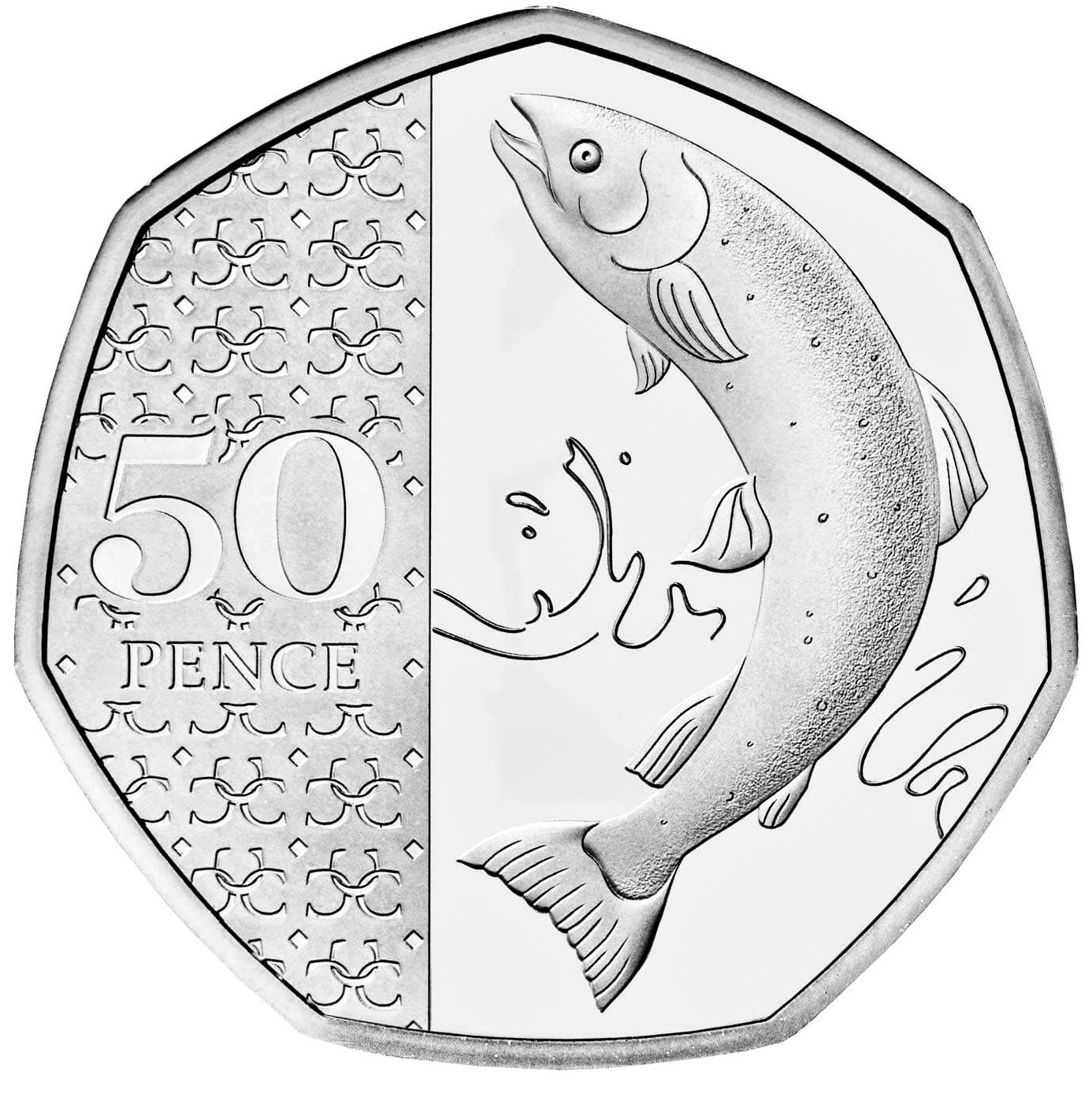
| 1 | 50 Pence Atlantic Salmon | 2023 | 376 | £61.04 | 200,000 |
| 2 | 50 Pence Kew Gardens | 2009 | 351 | £115.10 | 210,000 |
| 3 | 50 Pence Coronation | 2023 | 254 | £4.99 | 198,456 |
| 4 | 50 Pence Sherlock Holmes | 2019 | 247 | £2.78 | 8,602,000 |
| 5 | 50 Pence Flopsy Bunny | 2018 | 244 | £5.41 | 1,400,000 |
| 6 | 50 Pence Beatrix Potter | 2016 | 234 | £2.50 | 6,900,000 |
| 7 | 50 Pence Jemima Puddle-Duck | 2016 | 233 | £6.82 | 2,100,000 |
| 8 | 50 Pence Battle of Hastings | 2016 | 208 | £2.25 | 6,700,000 |
| 9 | 50 Pence Gruffalo | 2019 | 203 | £9.73 | 239,038 |
| 10 | 50 Pence Peter Rabbit | 2018 | 197 | £5.45 | 1,400,000 |
| 11 | 50 Pence Battle of Britain | 2015 | 194 | £3.67 | 5,900,000 |
| 12 | 50 Pence Wallace and Gromit | 2019 | 192 | £17.88 | 106,324 |
| 13 | 50 Pence Sir Isaac Newton | 2017 | 186 | £3.97 | 1,801,500 |
| 14 | 1 Crown Churchill | 1965 | 180 | £2.51 | 19,640,000 |
| 15 | 50 Pence Kew Gardens | 2019 | 180 | £78.70 | 84,681 |
| 16 | 50 Pence Peter Rabbit | 2020 | 177 | £23.04 | 109,987 |
| 17 | 50 Pence Dennis the Menace | 2026 | 170 | £10.80 | – |
| 18 | 50 Pence Football | 2011 | 169 | £13.47 | 1,125,500 |
| 19 | 50 Pence Stephen Hawking | 2019 | 167 | £9.51 | 212,209 |
| 20 | 50 Pence Peter Rabbit | 2019 | 166 | £15.08 | 125,660 |
Sales / year is the annualised count of verified realised sales over a rolling twelve months. Median realised is the middle price of those sales across all grades, so a coin with both worn circulation finds and brilliant uncirculated examples will show a blended figure.
Demand and value barely correlate
The table above is the clearest evidence we can offer that popularity and price are separate phenomena. The 2023 Coronation 50p sits near the very top of collector demand with a median realised price in single figures, because it was struck in quantity and almost everyone can afford one. The 2009 Kew Gardens 50p sits beside it with a median in three figures, because demand is comparable but supply is not.
The practical reading is this. A coin high on this list is easy to sell and hard to sell well. Buyers can see dozens of recent comparables, so the price is efficient and there is little room to beat the market. A coin absent from this list may be worth far more, but you are waiting for a buyer rather than choosing between them.
The most wanted coin in each denomination
The overall ranking is so heavily weighted toward the 50p that it hides what is happening elsewhere. Broken out by denomination, the picture is more useful if you are hunting a specific format.
| Denomination | Most wanted coin | Year | Sales / year |
|---|---|---|---|
| 50 Pence | 50 Pence Atlantic Salmon | 2023 | 376 |
| 2 Pounds | 2 Pounds Magna Carta | 2015 | 105 |
| 1 Pound | 1 Pound Last Round Pound | 2016 | 67 |
| 20 Pence | 20 Pence Undated mule | 2008 | 83 |
| 10 Pence | 10 Pence Capercaillie | 2023 | 84 |
| 2 Pence | 2 New Pence | 1971 | 65 |
| 1 Crown | 1 Crown Churchill | 1965 | 180 |
| 1 Sovereign | 1 Sovereign Silver Proof | 2025 | 161 |
| 5 Pounds | 5 Pounds Golden Jubilee | 2002 | 99 |
Why the 50p dominates collector demand
Three factors compound. More than ninety commemorative designs have entered UK circulation on the 50p since it appeared in 1969, giving collectors an unusually deep set to chase. The heptagonal shape makes each design instantly legible in a way a small round 10p never manages. And the Royal Mint has consistently treated the 50p as its flagship collector format, releasing the culturally resonant subjects, Beatrix Potter, Paddington, Sherlock Holmes, the Gruffalo, on that denomination rather than any other.
Denominations without a sustained commemorative programme barely register, regardless of scarcity. There are genuinely scarce 5p and 1p dates, but almost nobody is building a set, so almost nobody is bidding. Demand is a function of how many people are collecting the series, not how few coins exist.
Rare but unwanted: the other end of the scale
Roughly 626 coins in our catalogue sell about once a year or less. Many are genuinely rare and genuinely valuable. That combination, high value and thin trading, has a specific practical consequence that catches sellers out.
If you own an illiquid coin and need cash this month, you will take a discount, because you cannot wait for the buyer who wants exactly that coin. If you can wait for the right specialist auction, an illiquid coin frequently outperforms anything on the top-20 list. The mistake is treating a thin market as though it were a liquid one and being surprised when a £2,000 coin attracts two bidders instead of twenty. Our where to sell rare coins UK guide matches venue to value bracket for exactly this reason.
How to use this if you are selling
- Check whether your coin trades at all. If it records no verified sales in a year, there is no continuous market and pricing is guesswork until you find a comparable.
- If it is highly traded, price to the median, not the peak. Buyers of liquid coins can see every recent comparable. A listing above the median simply does not sell.
- If it is illiquid, choose the venue before the price. A specialist auction reaches the handful of people who want it; a general marketplace does not.
- Do not confuse a high peak price with a high typical price. One exceptional graded example selling for hundreds does not mean your circulated find is worth hundreds.
- Check condition honestly first. Median prices blend grades. See how to grade a coin before setting an expectation.
Most collected coins in our catalogue
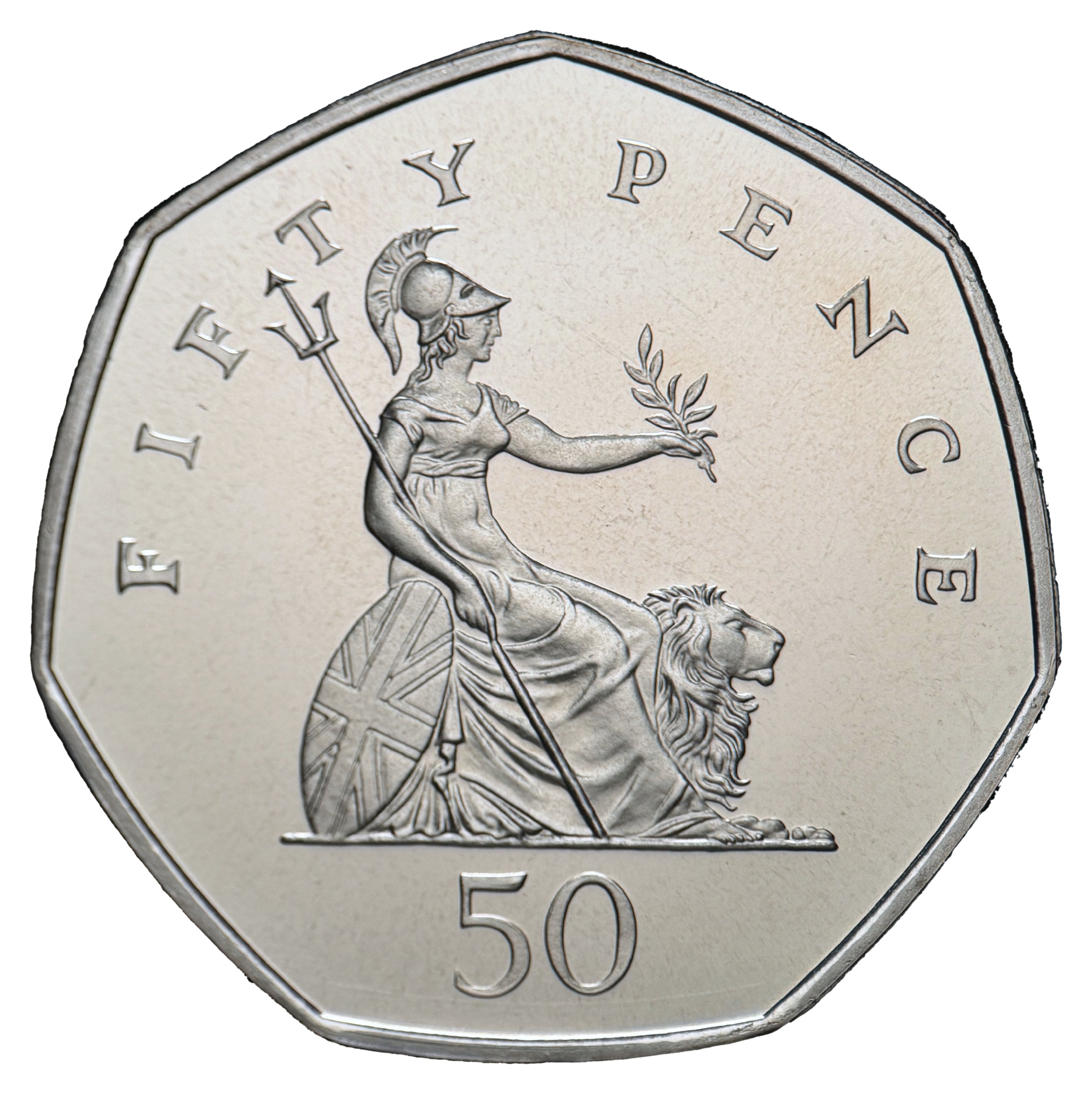
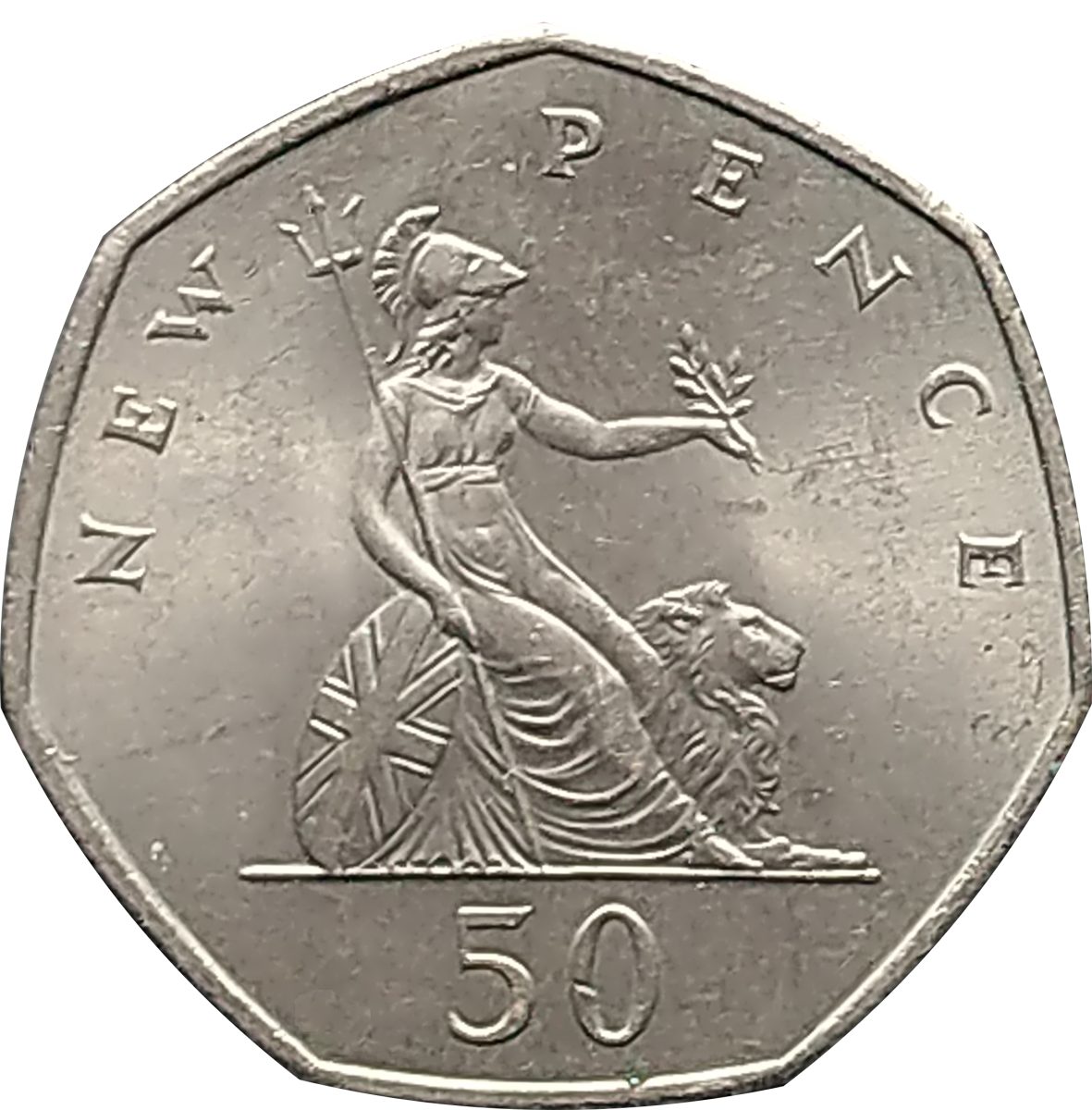
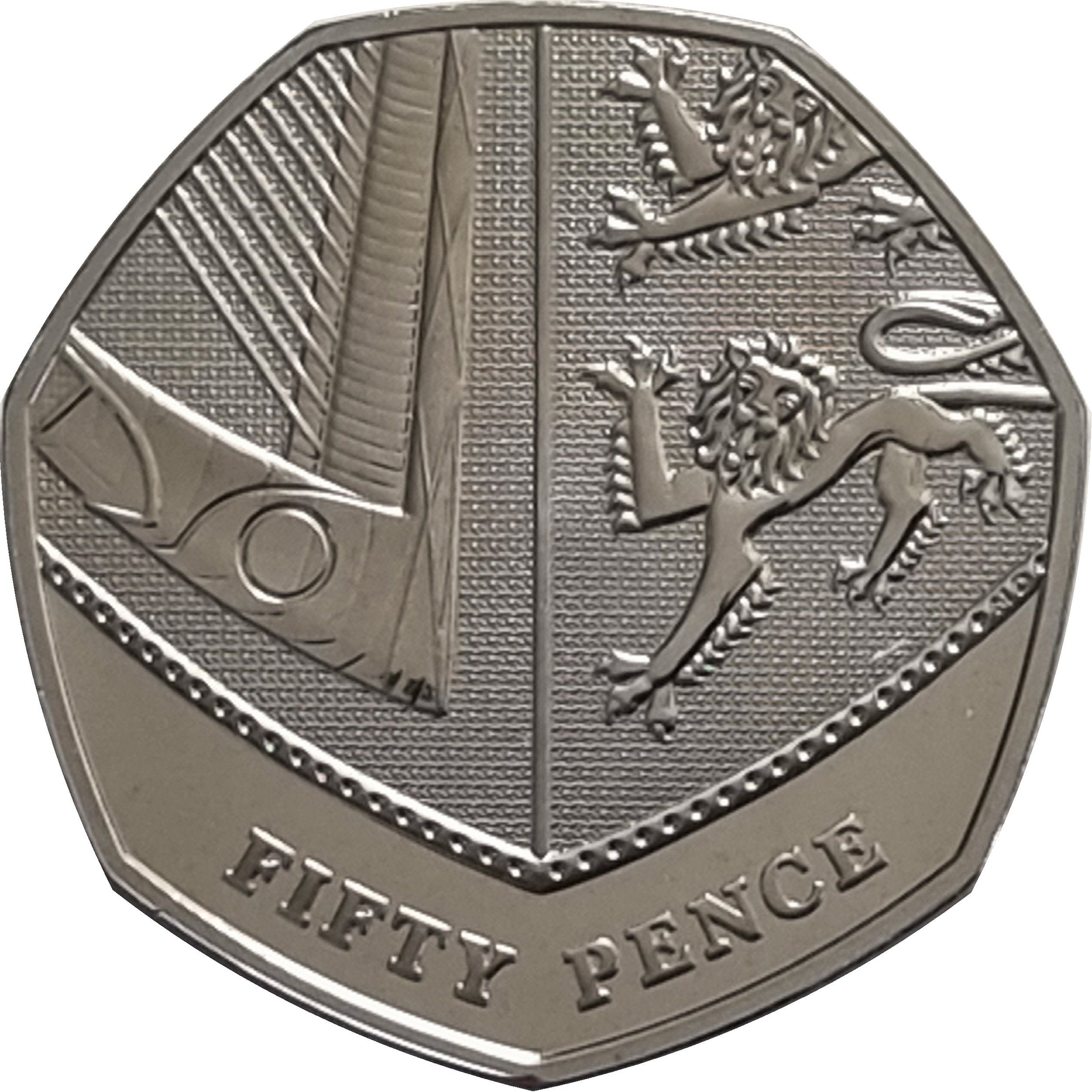
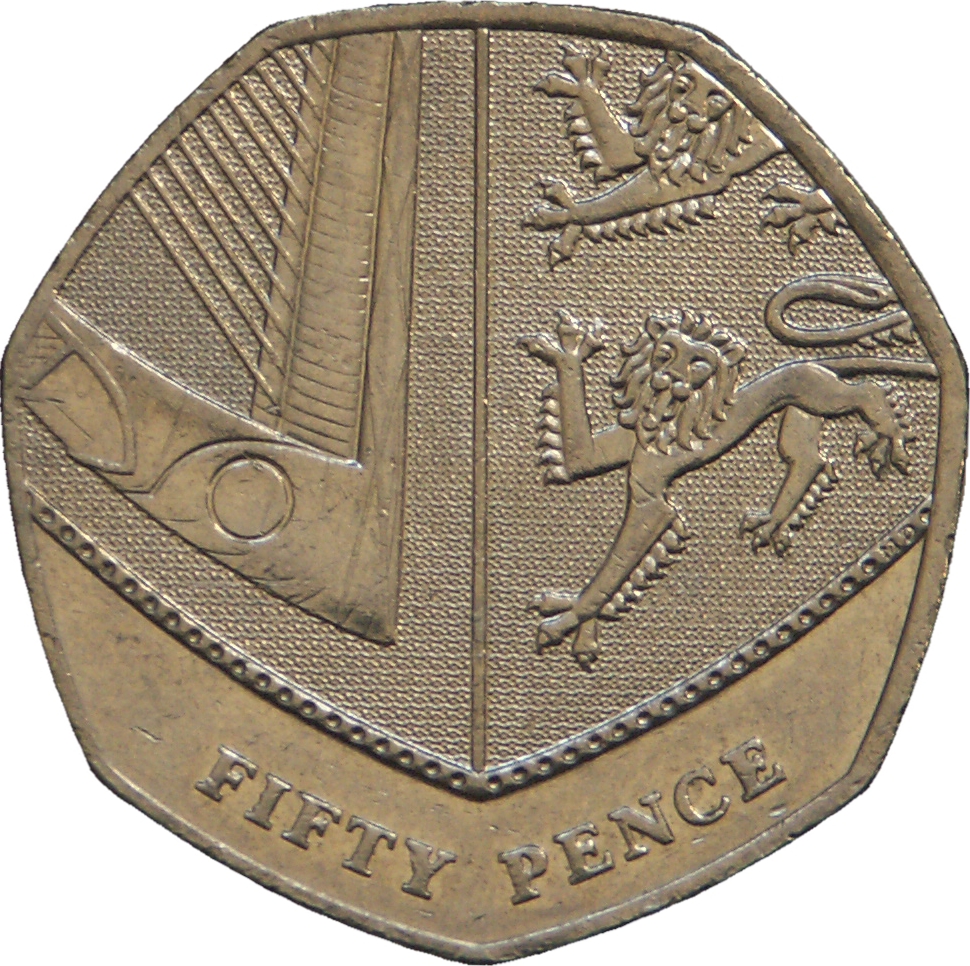
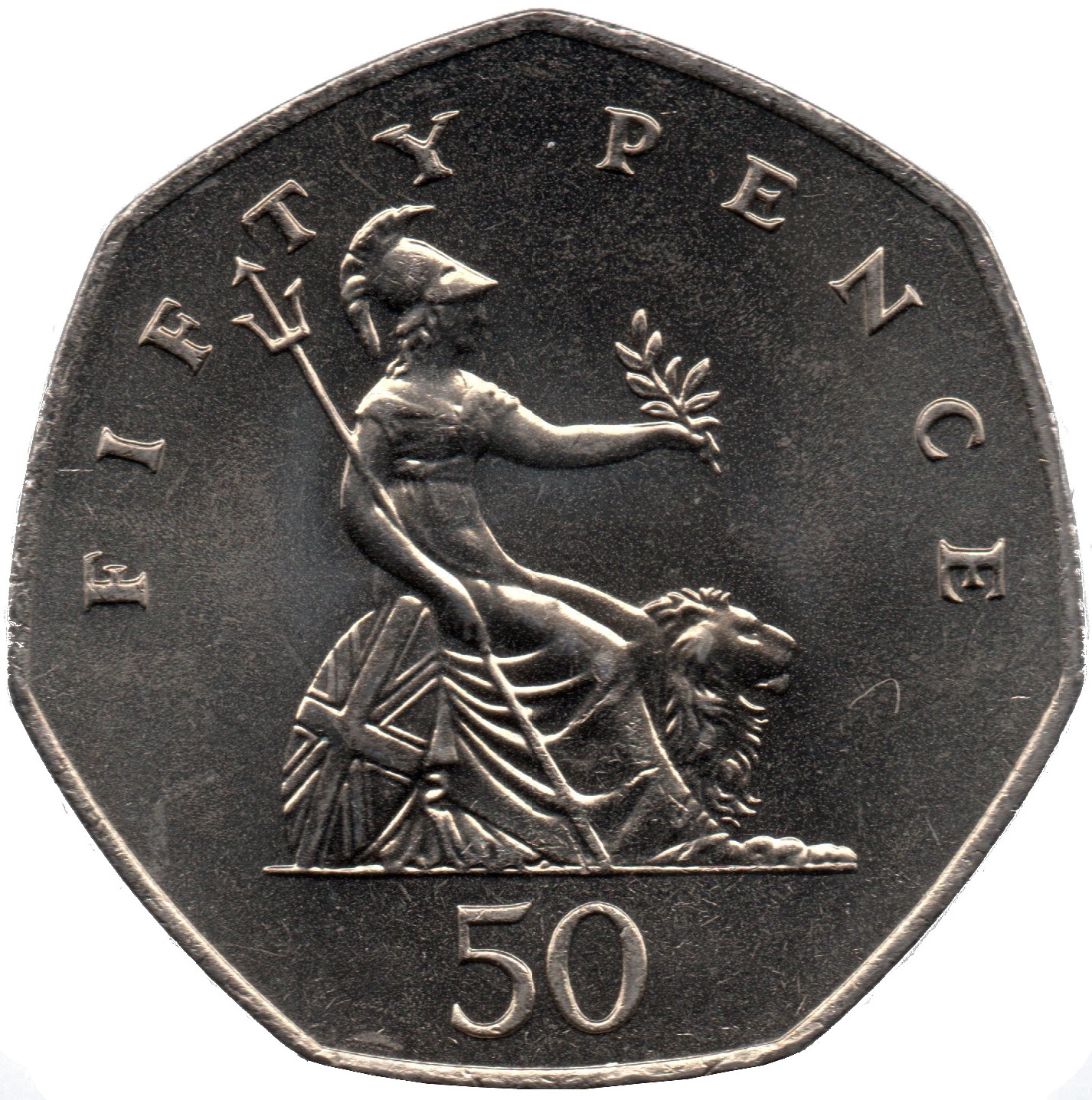
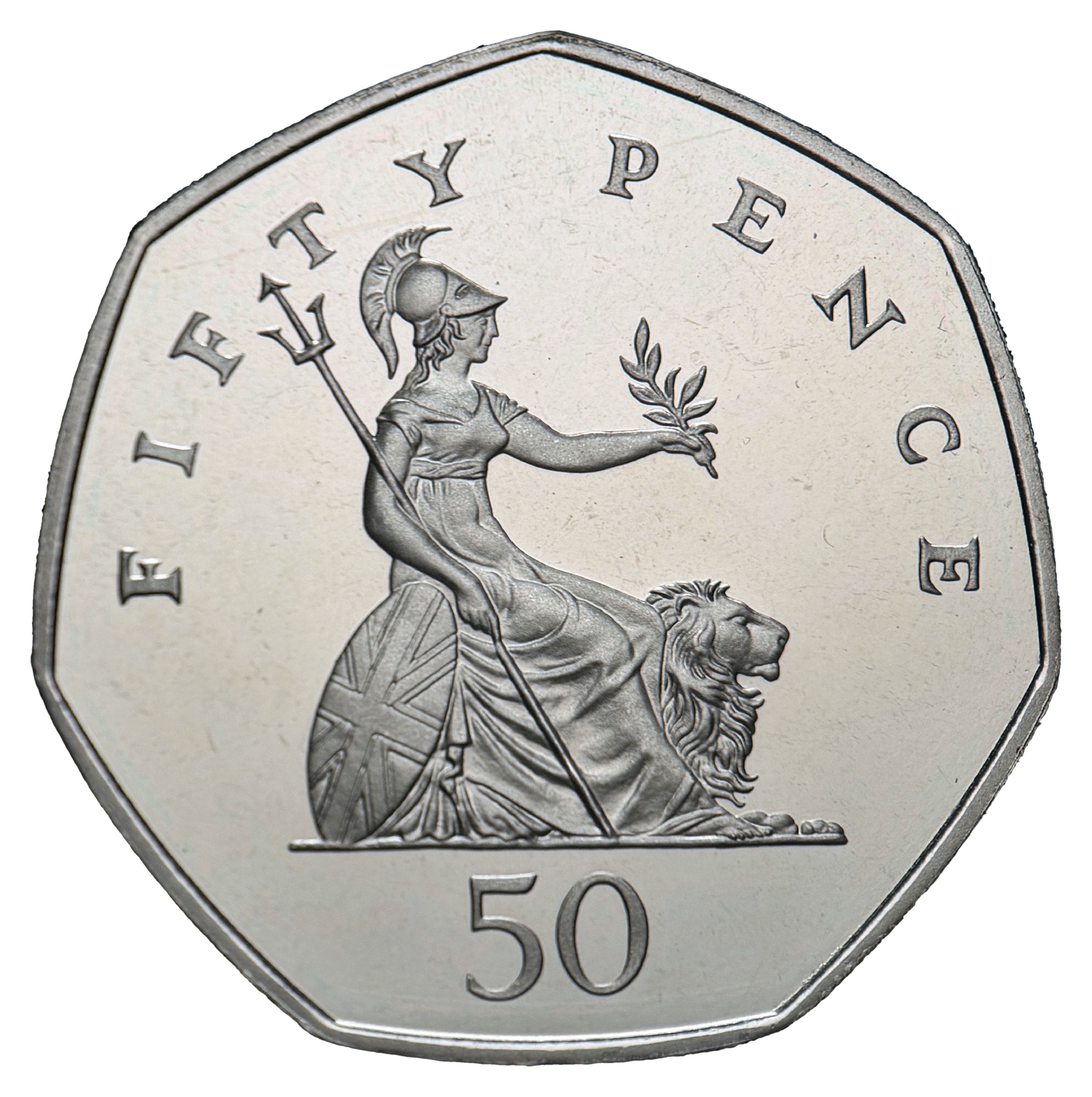
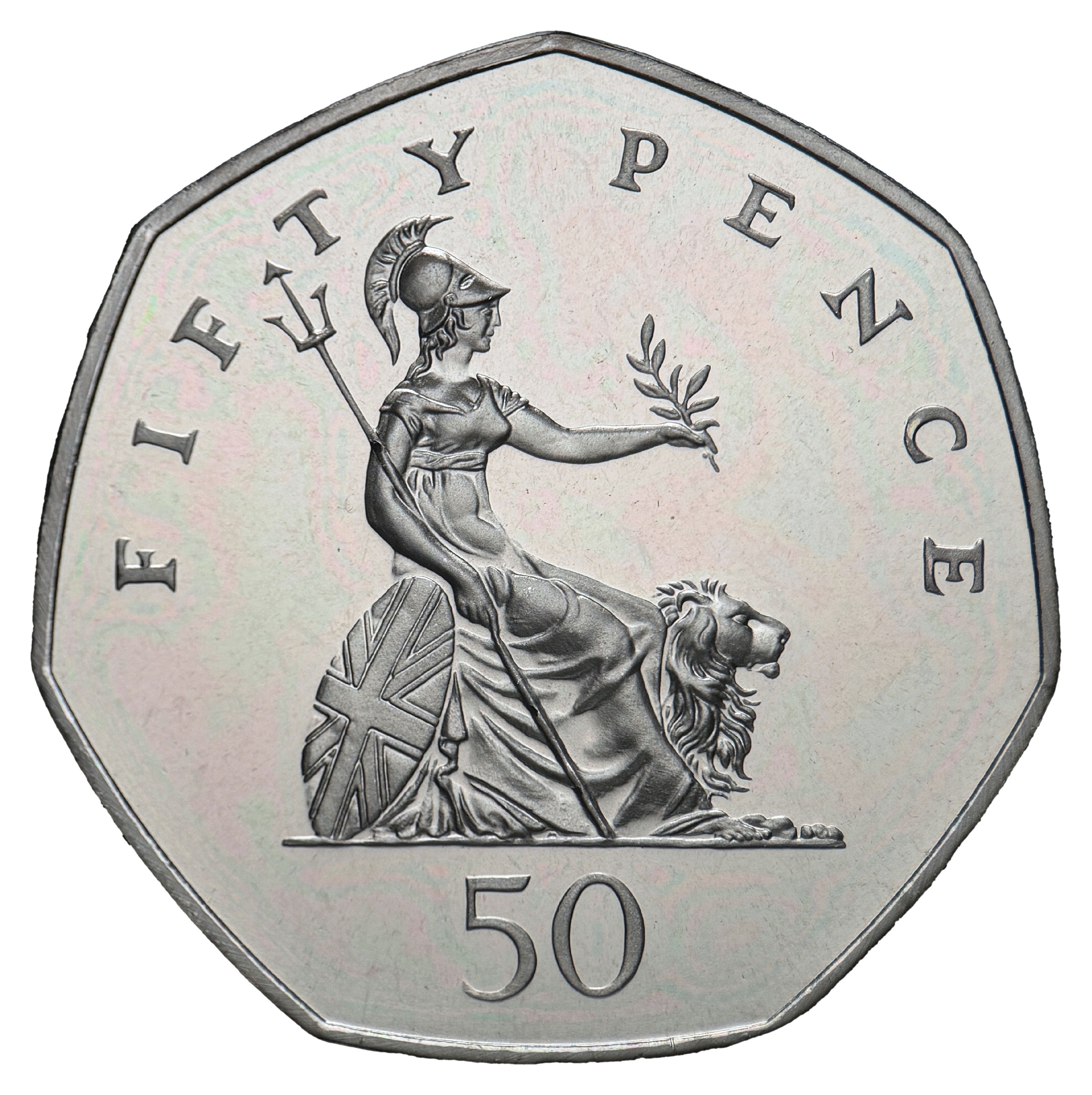
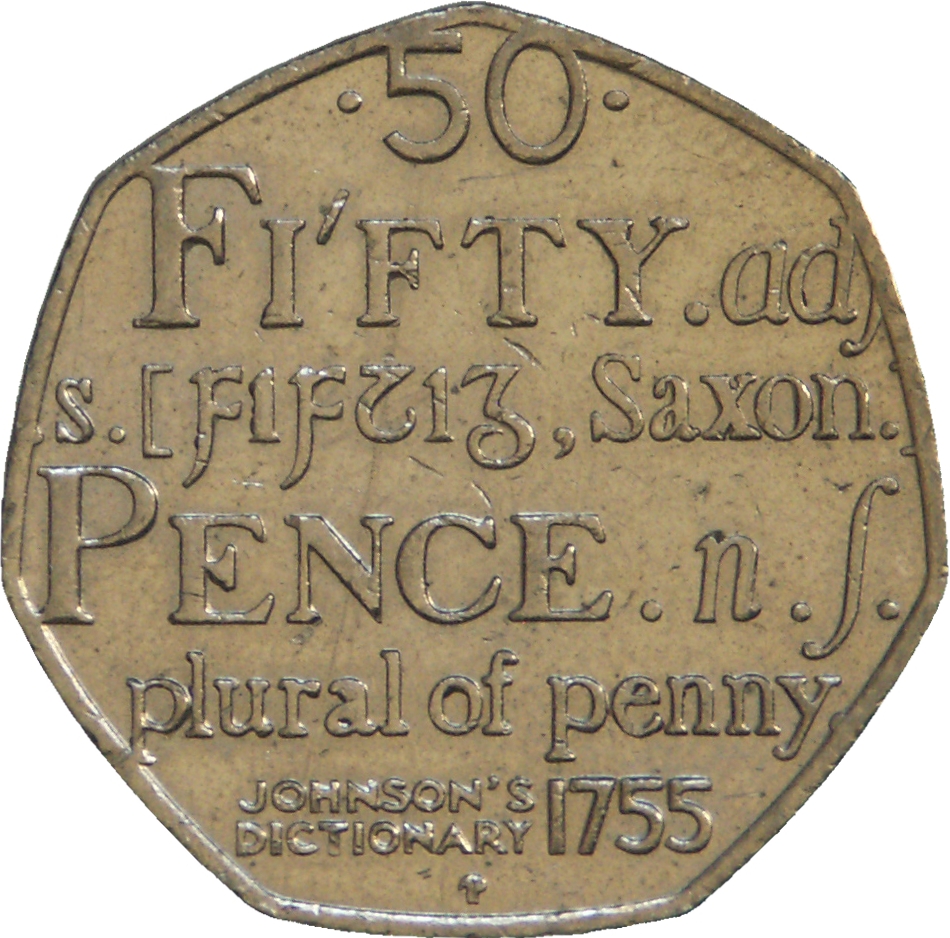
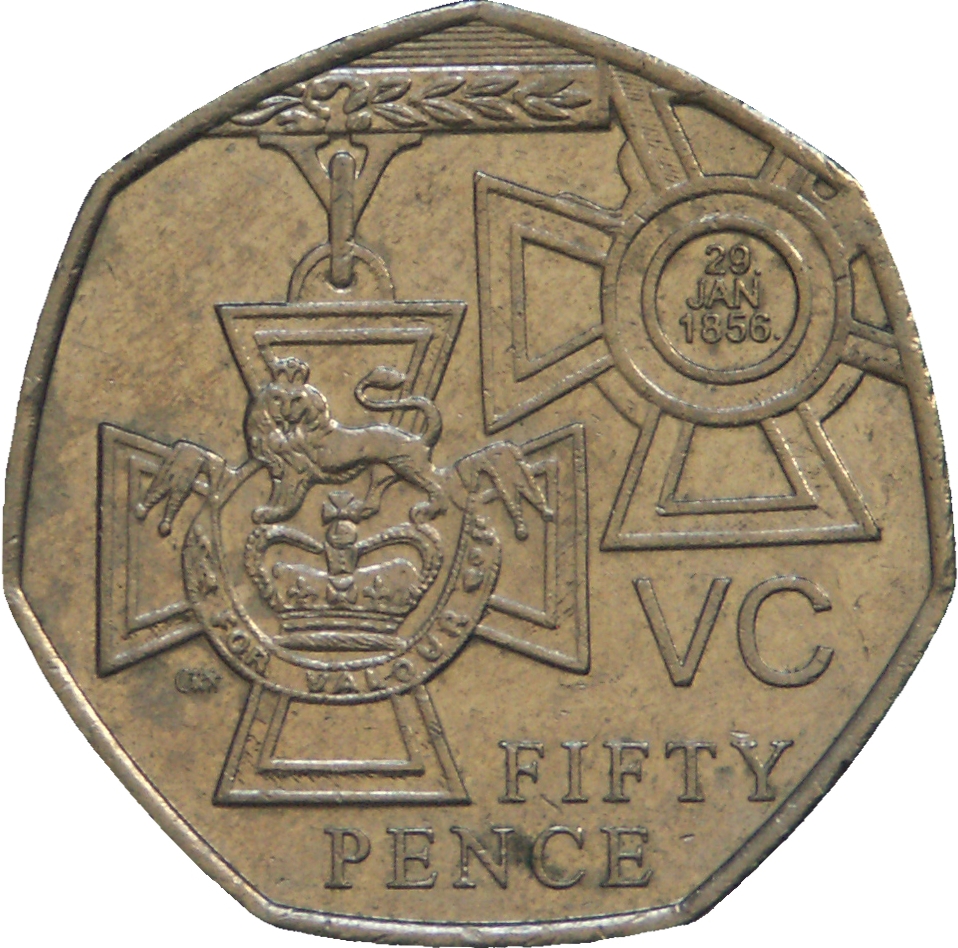
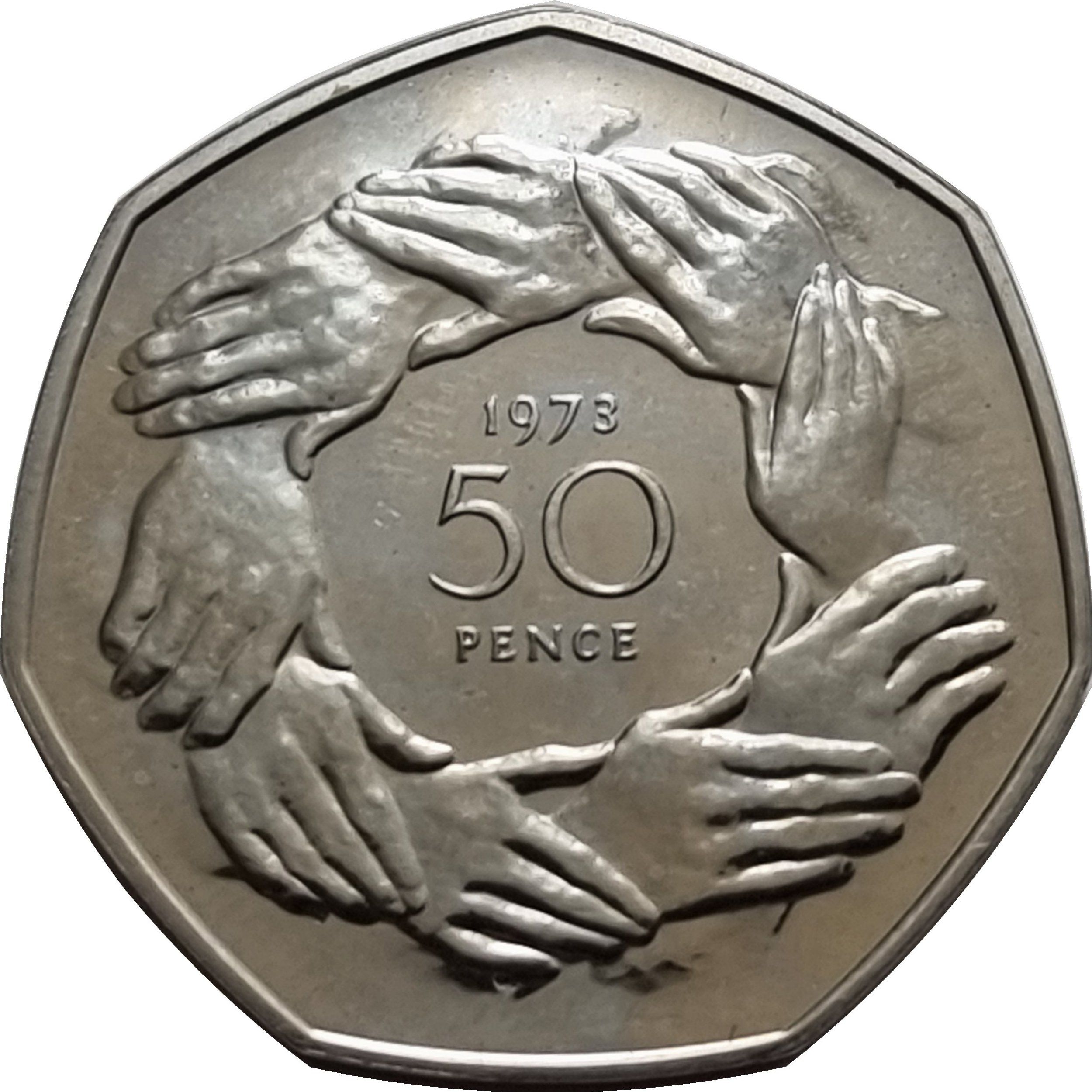
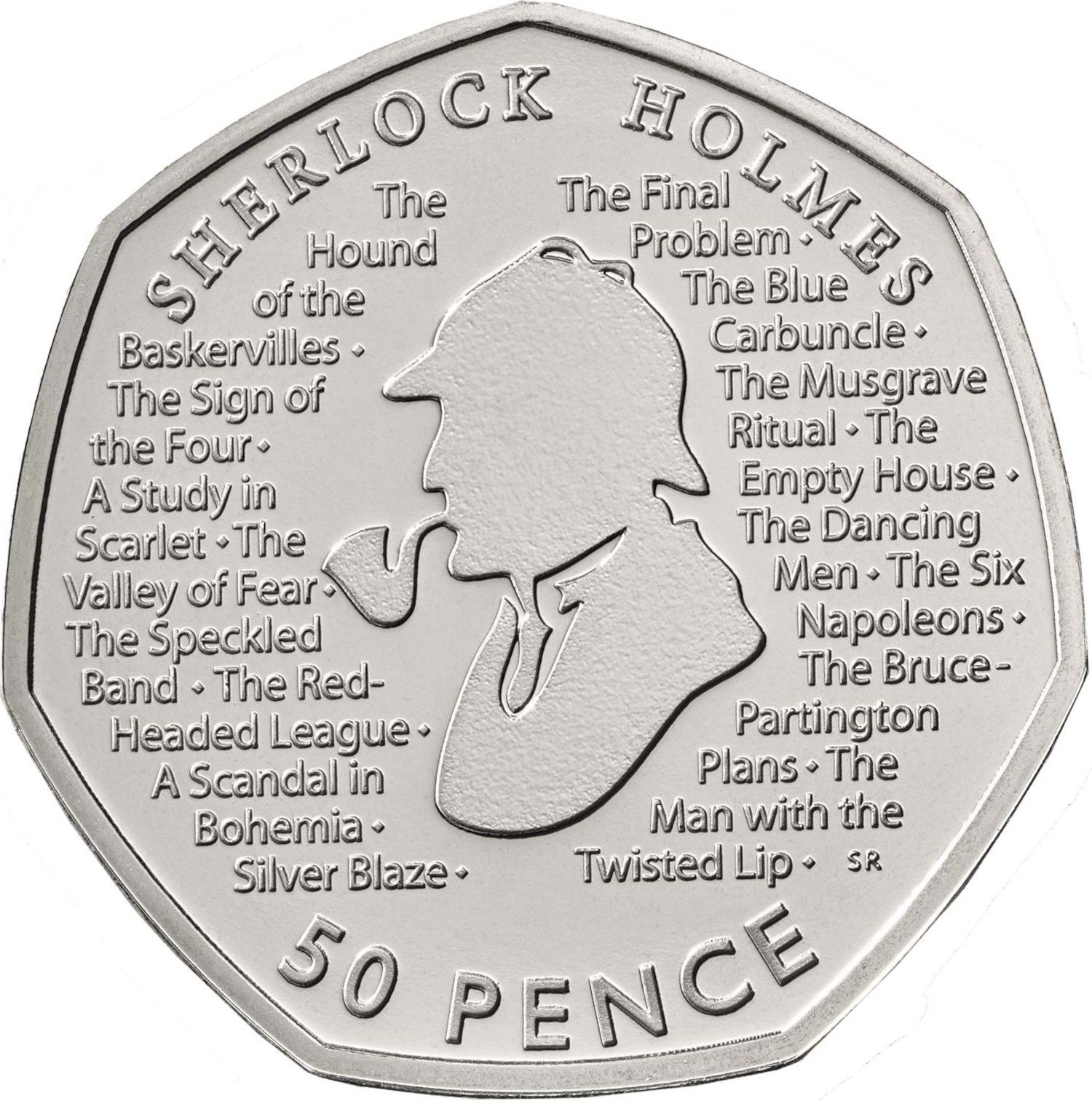
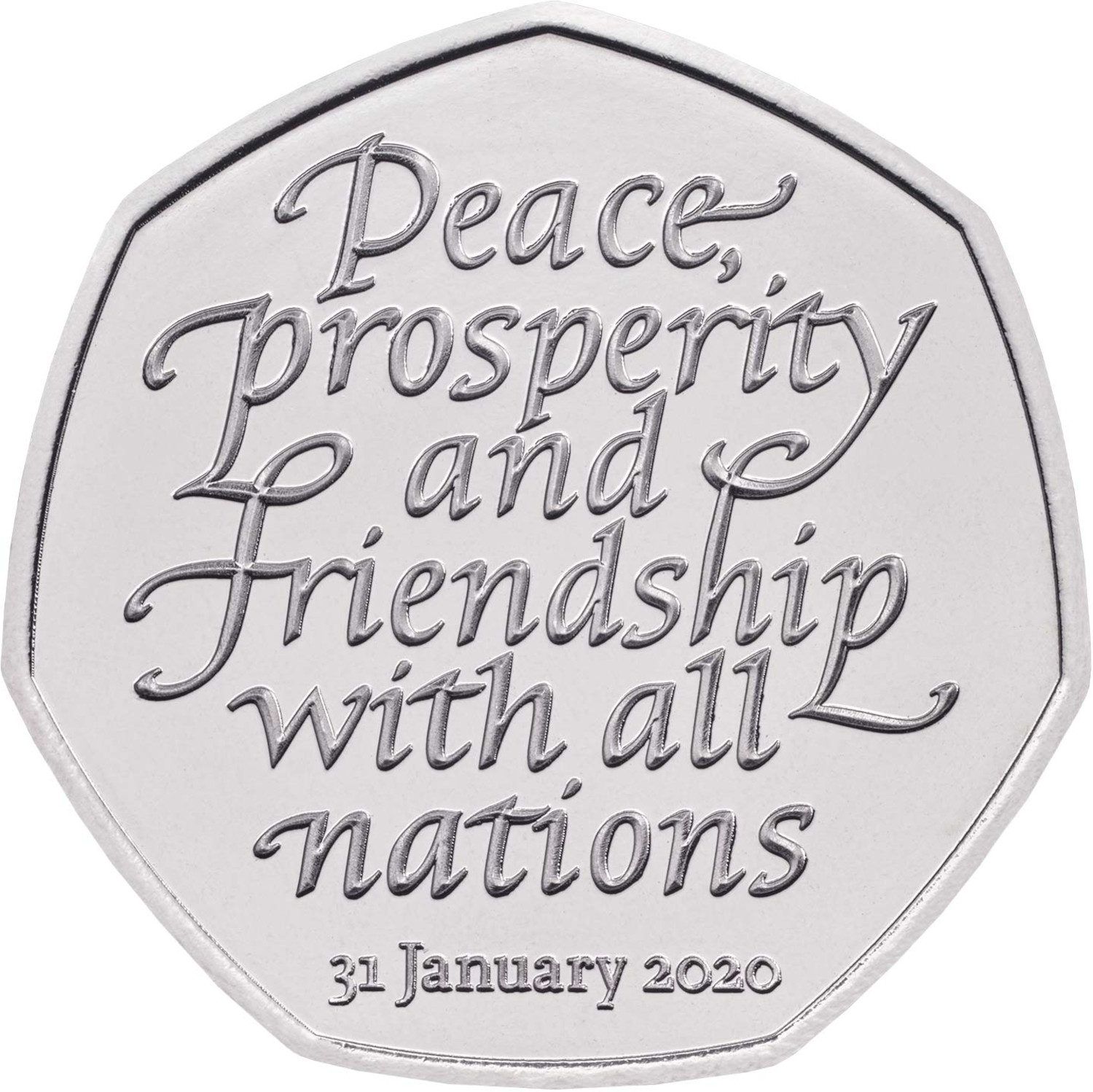
Browse the full UK coin catalogue →
Frequently asked questions
What is the most wanted UK coin among collectors right now?
How is "most wanted" measured on this page?
Is a coin that sells often worth more than a rare one?
Why do collectors want common coins like the Coronation 50p?
Which denomination is most collected in the UK?
What does it mean if a coin is "illiquid"?
Does high demand mean a coin will go up in value?
How many UK coins actually trade in a year?
Should I buy the most wanted coins as an investment?
Why does this list differ from "most valuable UK coins" lists?
How often is this ranking updated?
Where do the sale figures come from?
Related guides
- 100 most valuable UK coins, the same catalogue ranked by price instead of demand.
- Rare 50p coins UK, the scarcity ranking for the denomination that dominates this list.
- UK coin scarcity index, supply-side scarcity across every circulating coin.
- Fastest-rising coins, where demand is increasing rather than merely high.
- Where to sell rare coins UK, matching venue to value bracket.
- What makes a coin rare, why mintage alone is a poor predictor.
Further reading
- MyCoinage pricing methodology, how realised sales are collected, verified and aggregated.
- The Royal Mint, official mintage figures and commemorative programme announcements.
- Change Checker, the trade-standard scarcity index for circulating UK coins.
- Spink, the Standard Catalogue of British Coins and realised auction archives.