What Does FDC Mean on Coins? The Fleur-de-Coin Reference
FDC, Fleur-de-Coin, French for “flower of the die”, is the UK descriptive grade for a flawless coin. Spink, Baldwin’s and London Coins still use it; PCGS and NGC have mostly migrated to the numeric MS-70 / PR-70 equivalents. This reference covers the term’s 18th-century French origins, the distinction between Proof FDC and BU FDC, when FDC commands a 30–60% premium and how to spot misrepresented FDC claims on eBay UK.
Where the term Fleur-de-Coin comes from
The phrase Fleur-de-Coin (literally “flower of the die”) appears in 18th-century French numismatic catalogues to describe a coin in its perfect, freshly-struck state. The metaphor compares a new coin to a flower in full bloom: pristine, complete, before any touch or wear. The Cabinet du Roi at Versailles used the descriptor; the early Bibliotheque Nationale in Paris adopted it; from there it spread to English-speaking numismatic catalogues through the 19th century via French dealer networks.
Curiously, the term has largely disappeared from modern French numismatics, where contemporary auction houses use the international Sheldon scale or the European 4-tier descriptive system (B, TB, TTB, SUP, FDC). FDC survives in French as the top-tier modern descriptor but the wider phrase “Fleur-de-Coin” is now an English-language fossil, a French expression preserved in UK auction practice longer than in its source country.
FDC vs Proof vs UNC, when each applies
Four UK descriptive terms cluster at the top of the grading scale and are sometimes confused. Each describes a different aspect of a high-grade coin:
| Term | What it describes | Sheldon equivalent | Typical use |
|---|---|---|---|
| UNC | No wear from circulation | MS-60 to MS-70 | Any uncirculated coin (broad) |
| BU | Royal Mint product, polished die | MS-65 typical | Royal Mint commemorative pack |
| Proof | Multi-strike polished-die finish | PR-60 to PR-70 | Mirror-field commemorative |
| FDC | Condition: flawless, as struck | MS-70 / PR-70 | Top-tier non-proof or proof |
The crucial distinction: UNC, BU and Proof describe how the coin was made; FDC describes what condition it’s in. A coin can be UNC and FDC simultaneously (a flawless circulation strike) or Proof and FDC (a flawless proof) or BU and FDC (a flawless BU strike). FDC is a flag of perfection, not a finish type.
Why FDC is rarer in modern UK grading vocabulary
Three forces have pushed FDC out of mainstream UK grading vocabulary over the past 25 years:
- Slabbing services standardised on Sheldon. PCGS (founded 1986) and NGC (founded 1987) both use the 1–70 Sheldon numeric scale exclusively. Coins they slab carry numeric grades, not descriptive ones. As more UK coins enter slabs, more discussion uses MS-67 / PR-69 DCAM language rather than “UNC with cabinet friction” or “FDC”.
- CGS UK adopted a numeric scale. Coin Grading Services (UK) launched in 2004 with a 1–100 numeric scale modelled on Sheldon’s 70-point system. CGS UK is the most popular slabbing service for UK collectors and its scale dominates UK forum discussion.
- Online price aggregation rewards numeric grades. Realised-price data, including our own MyCoinage database, breaks prices out by grade. A coin priced at £180 in MS-65 vs £320 in MS-67 is more useful pricing data than “EF–UNC” or “FDC”. Numeric grades scale better in spreadsheets and data systems.
FDC survives strongest in printed UK auction catalogues, Spink, Baldwin’s, London Coins, where descriptive grading remains the house style. Online and slabbed coin discussion has largely moved to numeric grades.
UK auction houses still using FDC
Three of the five major UK numismatic auction houses retain FDC in their catalogue grading:
- Spink & Son, founded 1666, the oldest numismatic firm in the world. Spink’s standard catalogue (the “Spink Coins of England” annual) uses Fine, VF, EF, UNC, FDC throughout, with PR or PR-FDC for proofs. Auction lots are described in the same vocabulary.
- Baldwin’s of St James’s , long-established London dealer and auctioneer (separate from the Baldwin’s name held by Stack’s Bowers). Catalogues use UK descriptive grades including FDC.
- London Coins , Bracknell-based auction house with quarterly UK coin sales. Uses descriptive grading with numeric grades occasionally noted for slabbed lots.
Noonans (formerly Dix Noonan Webb) and Heritage Auctions both use Sheldon numeric grades primarily, with FDC mentioned only when describing a slabbed UK lot for context. See our UK auction house comparison for commission rates, sale calendars and consignment policies for each.
Proof FDC vs BU FDC, why both exist
The two compound terms describe flawless condition combined with one of two striking methods:
- Proof FDC. A flawless proof coin: mirror fields, frosted devices, no contact marks, no hairlines, full strike, deep cameo contrast. Equivalent to PR-70 DCAM at PCGS / NGC. Sold at the proof premium plus the FDC condition premium, typically 30–60% above a standard PR-65 grade.
- BU FDC. A flawless Brilliant Uncirculated strike: full lustre, sharp design, no contact marks, no hairlines. Equivalent to MS-70 at PCGS / NGC. Sold at BU premium plus FDC condition premium.
Why both exist: a Royal Mint commemorative is sold in two main formats, BU pack and proof pack, and each has its own price-condition curve. A Spink auctioneer cataloguing a lot needs to communicate both the striking method (Proof or BU) and the condition (FDC or lower). “Proof FDC” says: this is a proof, and it’s flawless. “BU FDC” says: this is a BU strike, and it’s flawless. Each commands a different price tier even when both grade FDC.
When FDC commands a real premium
FDC pricing only differs meaningfully from MS-65 / PR-65 in three scenarios:
- Top-pop coins. When the FDC example is the highest-graded across PCGS, NGC and CGS UK population reports, it represents the absolute peak quality available. Top-pop status drives competitive bidding from registry-set collectors who want the finest known example. Premiums of 100% or more above the next grade down are common in this scenario.
- Low-mintage commemoratives. Issues with under 50,000 coins struck where the FDC population is in the dozens. The 2009 Kew Gardens 50p had a mintage of 210,000; FDC examples (MS-67+) are scarce and trade at £350–£500 against £180–£200 for MS-65.
- Key dates and rarities. Already-scarce dates where condition uplift is amplified by underlying rarity. A 1937 Edward VIII pattern brass threepence in any UNC grade trades for six figures; in FDC condition the same coin commands an additional 30–60% premium on top.
For common-mintage circulating issues where MS-65 examples are plentiful, the FDC premium narrows or disappears. A 2014 Britannia 1oz silver bullion in MS-65 and FDC trade at similar prices because the condition isn’t scarce enough to support a separate tier.
How an FDC slab differs visually
A coin graded MS-70 or PR-70 (the slabbing-service equivalents of FDC) carries the highest-tier label format:
- PCGS MS-70 or PR-70. Gold-foil insert with the grade prominently displayed; the slab itself is the standard PCGS holder. The gold insert is unmistakable from across a coin show floor.
- NGC MS-70 or PR-70. Black insert with gold lettering. NGC also issues “Star designation” (MS-70★) for exceptional eye appeal within the grade, with a star symbol on the label.
- CGS UK UNC-95+ / UNC-100. Gold-banded insert; the highest CGS grade is UNC-100 (perfect) and is exceedingly rare. UNC-95 to UNC-99 also carry premium-tier labelling.
- Spink / Baldwin’s FDC. Loose coin in tissue paper or capsule with a written description on the lot card. UK auction houses don’t encapsulate; the condition statement in the catalogue is the authentication.
Authentication: claimed FDC on eBay is often misrepresented
FDC is widely abused on eBay UK and other online marketplaces, where sellers use the term loosely to mean “new in packaging” or “like new” rather than the strict “flawless under 5× magnification” sense. Five tells separate genuine FDC claims from misuse:
- Slab confirmation. A genuine FDC coin commanding the FDC premium is almost always slabbed by PCGS, NGC or CGS UK at the equivalent grade. If the listing is a non-slabbed coin claiming FDC at £200+ for a coin worth £120 in MS-65, the FDC claim is unverified.
- High-resolution photographs under raking light. A genuine FDC coin photographs cleanly; any contact mark, hairline or tone ring is visible at higher magnification. Listings with low-resolution, flat-light photography are hiding surface defects.
- Comparison to known FDC examples. Cross-check the photograph against PCGS Photograde or NGC’s grade-at-a-glance reference for the same coin in MS-70 or PR-70. Genuine FDC examples have flawless focal areas and full lustre / mirror.
- Pricing alignment. If the asking price is the FDC premium tier (30–60% above MS-65 market) but the coin is non-slabbed and non-pedigreed, ask why. A coin truly worth FDC premium would have been slabbed by the consignor to capture that premium.
- Seller reputation. Established UK numismatic dealers (BNTA members, established eBay sellers with 10,000+ feedback in coins) can be trusted on FDC claims; new sellers and bulk-listing accounts cannot. See our where to buy rare coins UK guide for a vetted dealer list.
Featured coins on MyCoinage
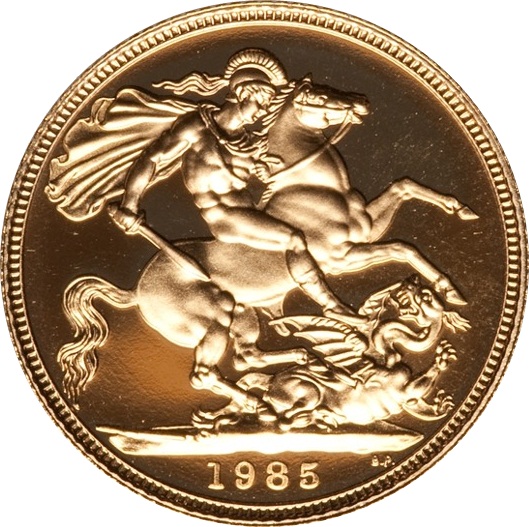
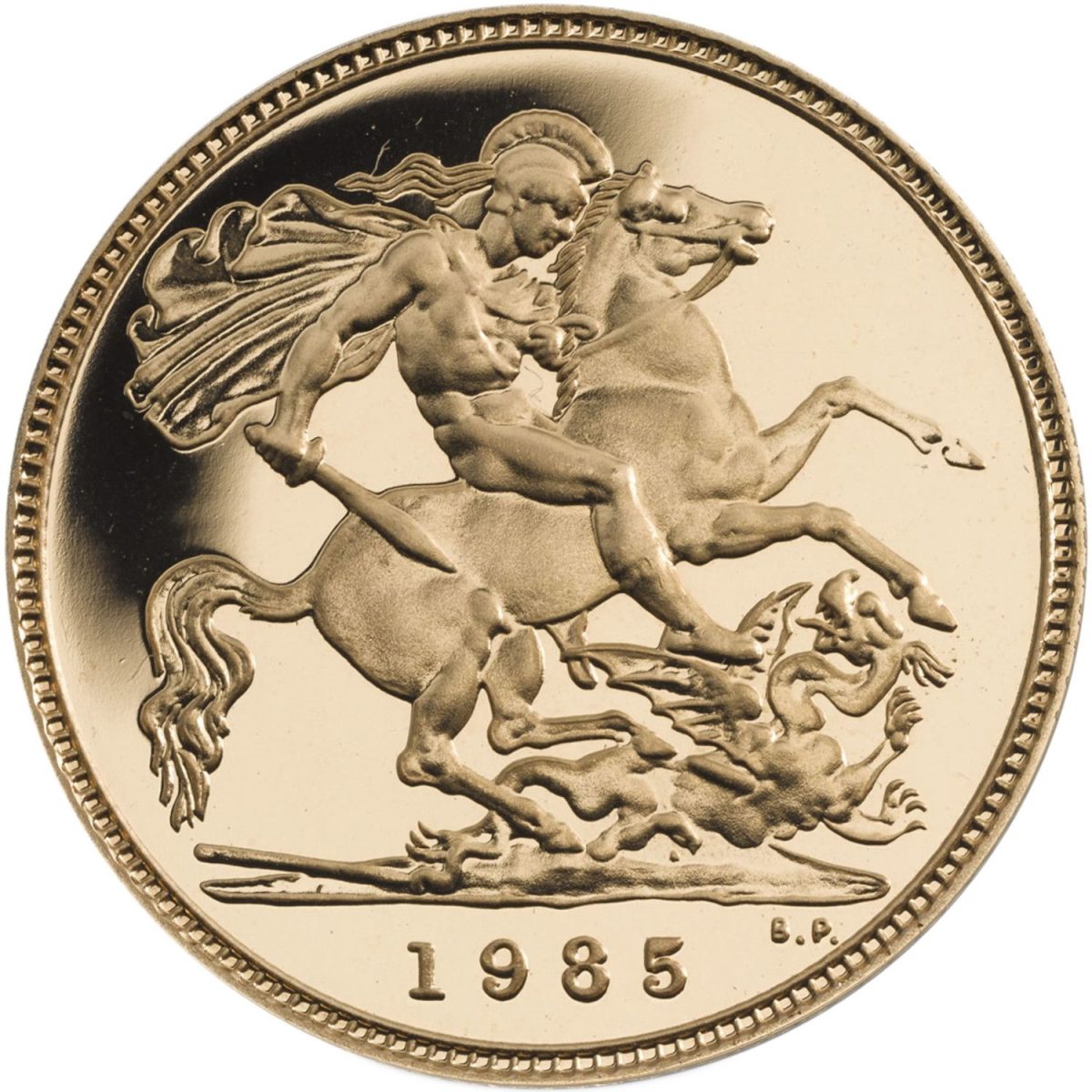
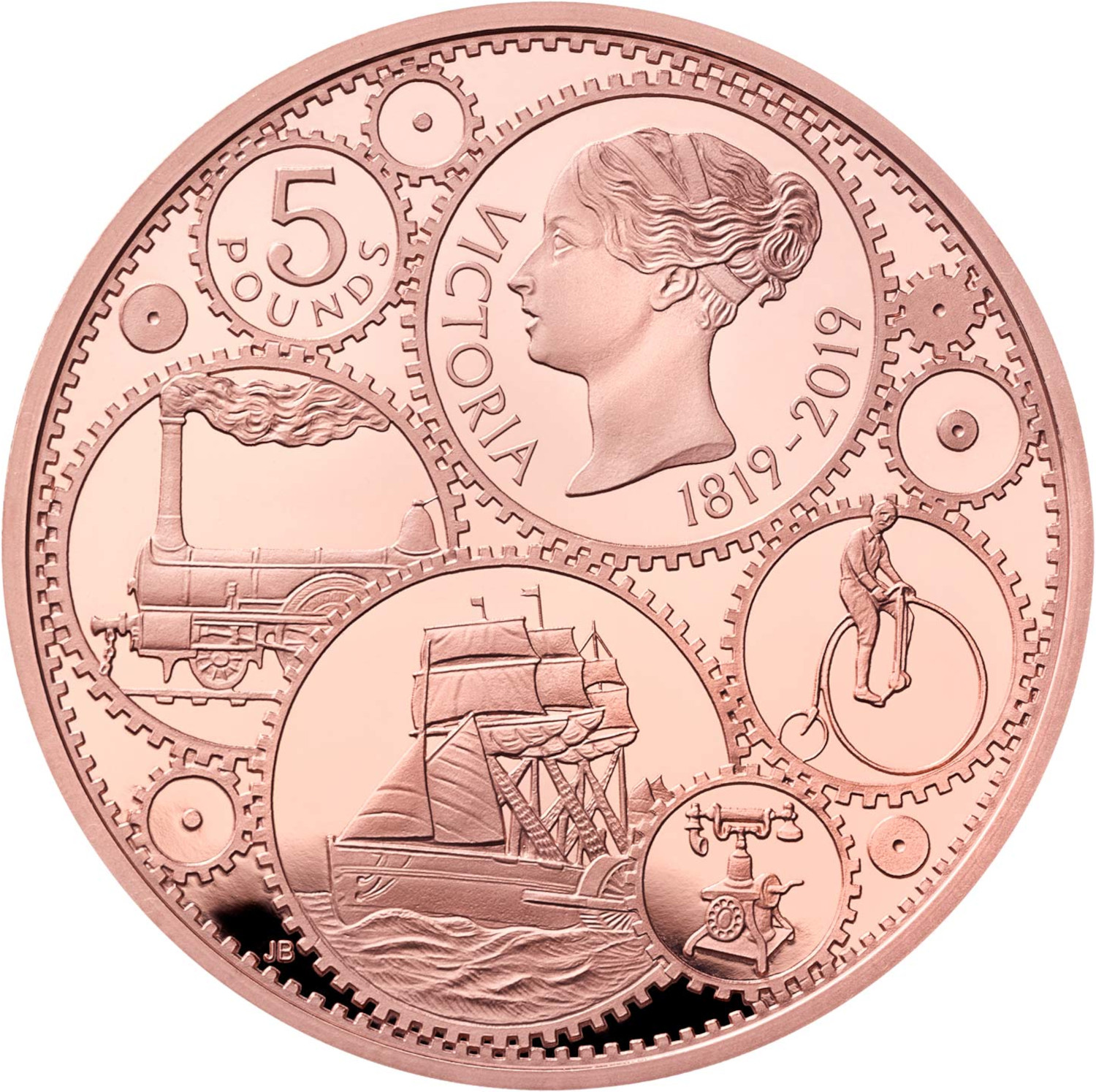
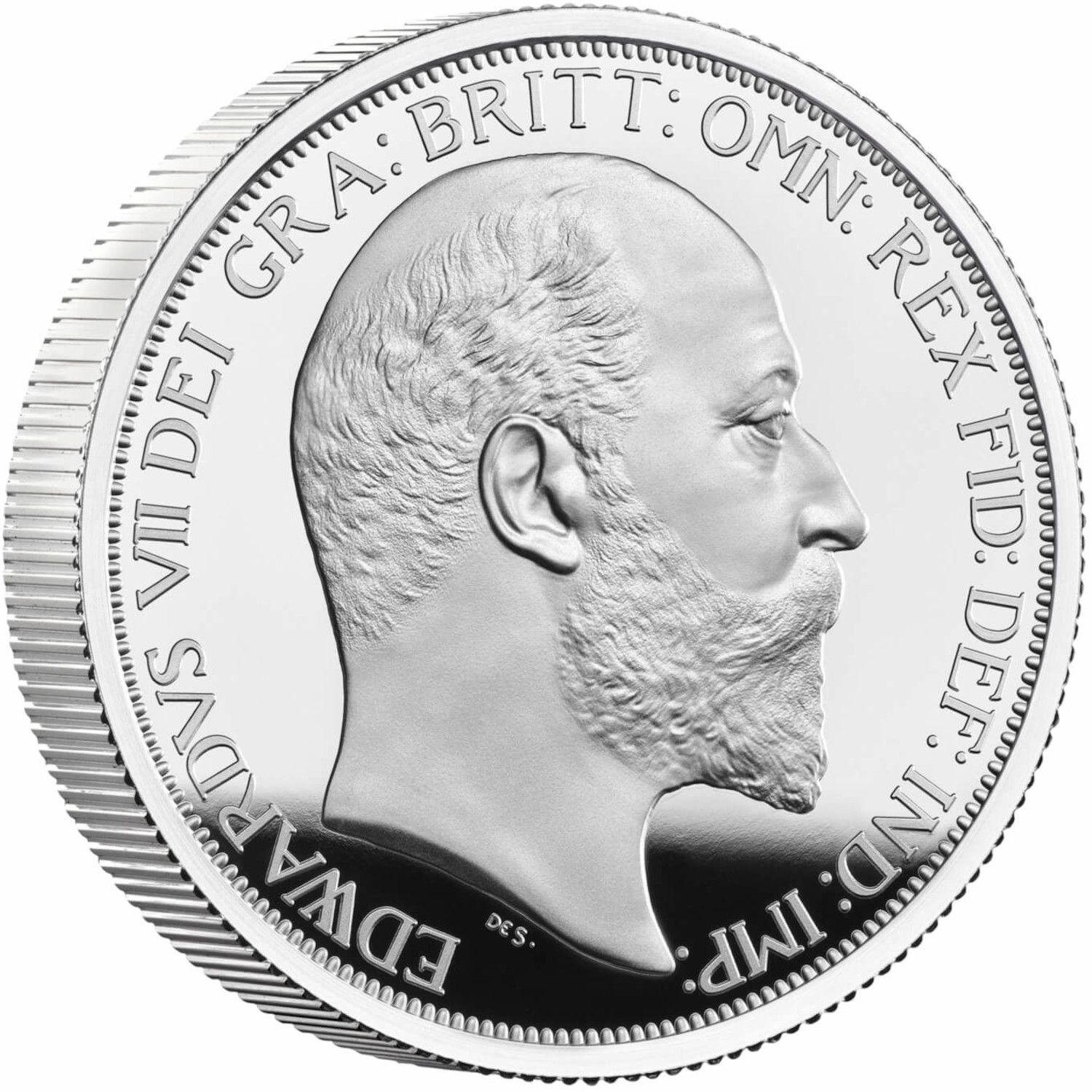
Related guides
- BU vs UNC vs Proof Explained
- What Does Proof Mean on Coins?
- PCGS vs NGC vs CGS UK Comparison
- How to Grade a Coin (Sheldon scale)
- Coin Collecting Glossary
- UK Auction House Comparison