Pre-1816 British Coins: Hammered & Early Milled Guide
Before the Great Recoinage of 1816 reset the British monetary system, the country’s coinage stretched back through nine centuries of hammered medieval silver, Tudor and Stuart portrait coinage, the dramatic milled transition under Charles II, the Commonwealth experiment, the long guinea era, and the Napoleonic emergency dollars. This guide covers the entire span from hammered Henry VII through to the last George III pre-recoinage issues, the famous types you will meet at auction, realised price ranges by era, and how to buy and authenticate safely.
What "pre-1816" means
The Great Recoinage of 1816, enacted by the Coinage Act of that year, ended a long century of monetary chaos. By 1815 the British silver coinage was a worn-out tangle: hammered Tudor and Stuart survivals still circulated alongside milled silver of variable weight, the Napoleonic wars had drained bullion abroad, and most everyday change consisted of countermarked Spanish dollars or unofficial provincial tokens. The 1816 Act fixed the silver standard at .925 sterling, set new weights and diameters for every denomination, brought the Royal Mint’s new Tower Hill steam plant fully online with Boulton & Watt presses, and authorised Pistrucci’s St George reverse for the new gold sovereign of 1817.
"Pre-1816" therefore covers everything before that reset. It is the larger and arguably richer half of British numismatics, including:
- Hammered medieval coinage, Anglo-Saxon and post-Conquest pennies through to the late Tudor silver of Edward VI and Elizabeth I.
- Tudor portrait coinage 1485–1603, the first realistic royal portraits on an English coin appeared under Henry VII.
- Stuart and Commonwealth issues 1603–1714, including the Civil War siege pieces and the unique Cromwell coinage of 1656–58.
- The milled transition under Charles II from 1662, when hand-struck hammered coinage gave way to mechanical screw-press production.
- Georgian gold and silver 1714–1815, guineas and half-guineas, the rare patterns of George III, the Bank of England dollars, and the Soho copper of 1797 onwards.
The hammered era: how British coins were made before 1662
For roughly seven centuries, British coins were struck by hand. A flan, a small disc of silver or gold cut from a hammered sheet, was placed between two iron dies. The lower (anvil) die was set into a wooden block; the moneyer placed the flan on top, positioned the upper (trussel) die above it, and struck the trussel with a hammer. One blow normally completed the coin, though a misaligned or weak first blow often required a second.
The technique produced coins that are immediately recognisable. Flans are irregular and rarely perfectly round; rims are unfinished and prone to clipping; design strikes are often weak in places where the hammer blow fell unevenly. Mint marks (small symbols at the start of the legend identifying the issuing mint) are essential for dating because dies were used until they broke and reign-by-reign changes were marked by changing the privy mark rather than the date.
The system tolerated wide tolerances on weight. Coins that were lighter than specification still circulated, and coins that were too heavy were melted by clippers for the silver. By the 17th century clipping had become so endemic that the average circulating English shilling was 30–50% underweight, which is what eventually forced William III’s 1696 Great Recoinage and the full transition to milled production at the Tower Mint by 1662.
Tudor coinage 1485–1603
The Tudor century is the bridge between medieval and modern English numismatics. Henry VII’s 1504 facing-portrait groat is the first realistic royal portrait on an English coin, breaking with the medieval convention of stylised crowned heads. Henry VIII’s coinage tells the story of his reign through metal: early sterling silver is plentiful and well-struck; the 1544–47 third coinage debased the silver to as little as one-third fineness, producing the so-called "Old Coppernose" testoons and groats where the silver wash wore through at the king’s nose to reveal the copper underneath.
Edward VI restored fine silver in 1551 and introduced the first English shilling and crown of regular pattern. Mary Tudor’s coinage is scarce but generally short-lived; Philip and Mary joint portrait shillings (1554–58) are popular crossover pieces with collectors of Spanish history. Elizabeth I produced the most extensive Tudor series: hammered silver pennies, threepences, sixpences, shillings and crowns across more than forty years, plus a small experimental run of milled Mestrelle silver in the 1560s that was abandoned after a guild dispute.
| Reign | Years | Notable types | Realised range |
|---|---|---|---|
| Henry VII | 1485–1509 | Facing-portrait groat (1504+); first sovereign 1489 | £80, £3,000+ |
| Henry VIII | 1509–1547 | Testoon (12d); "Coppernose" debased coinage 1544–47 | £120, £15,000+ |
| Edward VI | 1547–1553 | Fine silver shilling 1551; first dated English coin (1548) | £200, £5,000 |
| Mary I & Philip | 1553–1558 | Joint portrait shillings, sixpences | £250, £2,500 |
| Elizabeth I | 1558–1603 | Mestrelle milled silver 1561–71; sixpence; crown | £60, £6,000 |
Stuart coinage 1603–1714 and the Commonwealth
The Stuart century brought political turmoil and an unprecedented variety of coinage. James I’s gold unite (worth 20 shillings, anticipating the future sovereign) and his silver shilling and sixpence series follow standard hammered patterns. Charles I’s reign (1625–1649) produced both the most varied and the most dramatic British coinage: the regular Tower Mint output, the provincial mint issues at Aberystwyth and Bristol, the Civil War declaration coins, and the famous siege pieces of Newark, Pontefract, Carlisle and Scarborough, emergency money struck under siege from melted plate, bearing crude inscriptions and irregular shapes that collectors prize precisely for their wartime character.
The 1649–1660 Commonwealth period dropped the royal portrait and replaced it with the Commonwealth arms (St George’s cross over a harp). The 1656–58 Cromwell coinage, designed by Thomas Simon, restored a portrait, but of Cromwell himself, the only commoner ever to appear as ruler on a regular British coin. The Cromwell crown, half-crown and shilling are some of the most celebrated and most-faked British rarities.
The Restoration brought Charles II and the start of the milled transition. Hammered shillings continued to 1662 alongside the new milled silver, then ended forever. The later Stuart silver (Charles II milled, James II, William and Mary, William III, Anne) is fully milled and follows recognisable modern conventions. Anne’s coinage includes one of the most famous British coins ever struck: the 1703 Vigo five guineas, made from gold captured from Spanish ships at Vigo Bay and explicitly inscribed VIGO under the queen’s portrait. A pleasing example sells for £500,000+.
The transition to milled coinage
The Tower Mint had experimented with milling under Mary, Elizabeth I and the Commonwealth, but full mechanisation came only under Charles II. The Frenchman Pierre Blondeau introduced the screw press at the Tower in 1662, and from that year all British coins were milled, struck on machine-rolled blanks of consistent weight, with reeded or inscribed edges that finally defeated clipping.
The transition is collected in three ways. First, the "last hammered" issues of Charles II 1660–62, popular as the final examples of an art form that had run for nearly a thousand years. Second, the "first milled" Charles II silver of 1662 onwards, which begins the unbroken modern series. Third, the William III 1696 Great Recoinage, a precursor to 1816, that compulsorily withdrew the worn and clipped hammered silver remaining in circulation and replaced it with new milled shillings, sixpences and half-crowns from the Tower and from temporary provincial mints at York, Bristol, Norwich, Chester and Exeter (each marked with a mint letter on the obverse).
Georgian milled coinage 1714–1815
The Hanoverian century is the long pre-modern era of British coinage. George I (1714–1727) and George II (1727–1760) issued silver of conventional pattern, half-crown, shilling, sixpence, and the gold half-guinea, guinea and five-guinea. George I’s “South Sea” silver of 1723 (struck from bullion supplied by the South Sea Company and marked SSC) is a popular collectable. George II’s 1746 LIMA silver, struck from gold and silver captured by Admiral Anson at Lima during the War of Jenkins’ Ear and inscribed LIMA under the bust, is one of the most famous variants in British numismatics.
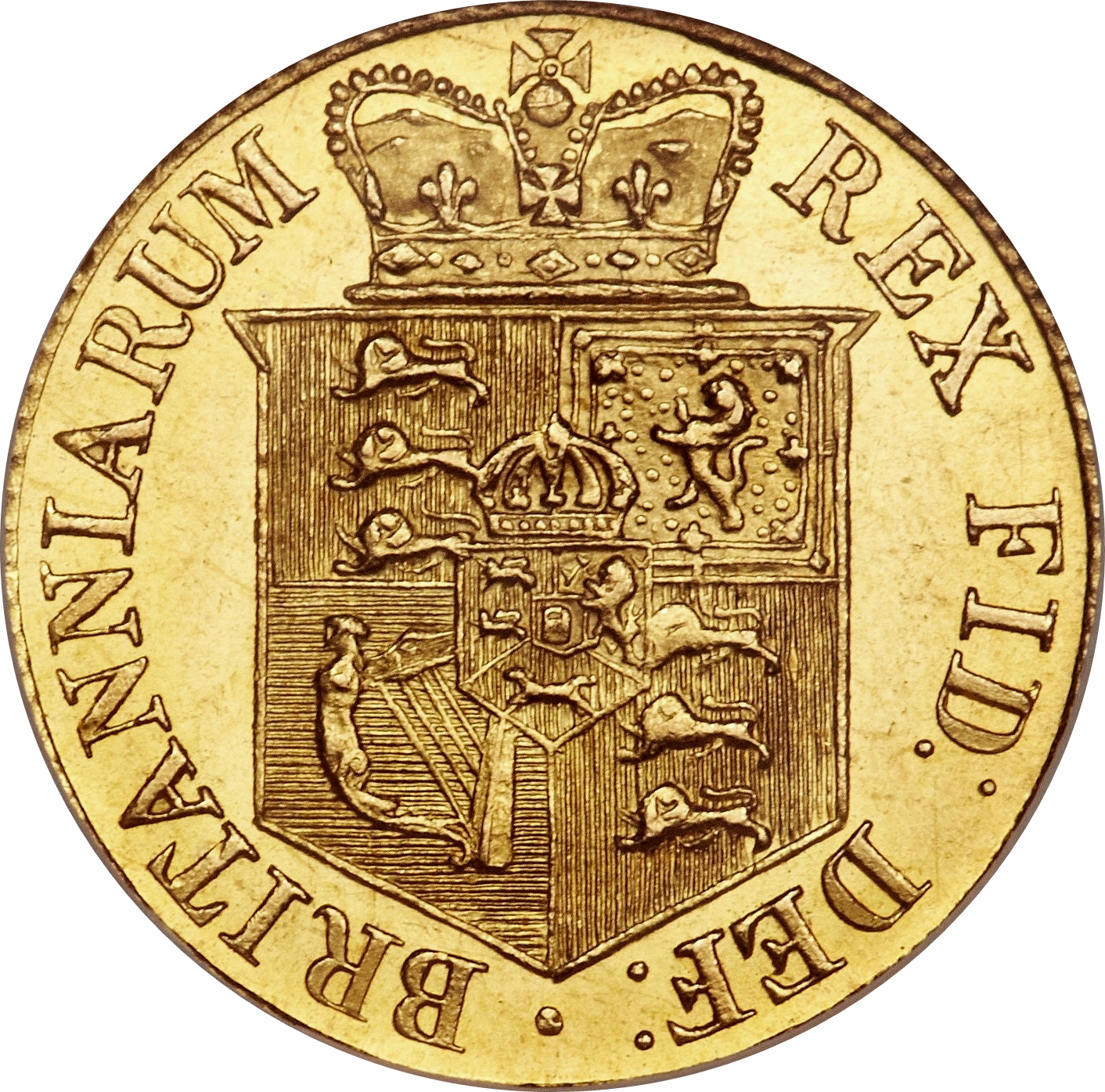
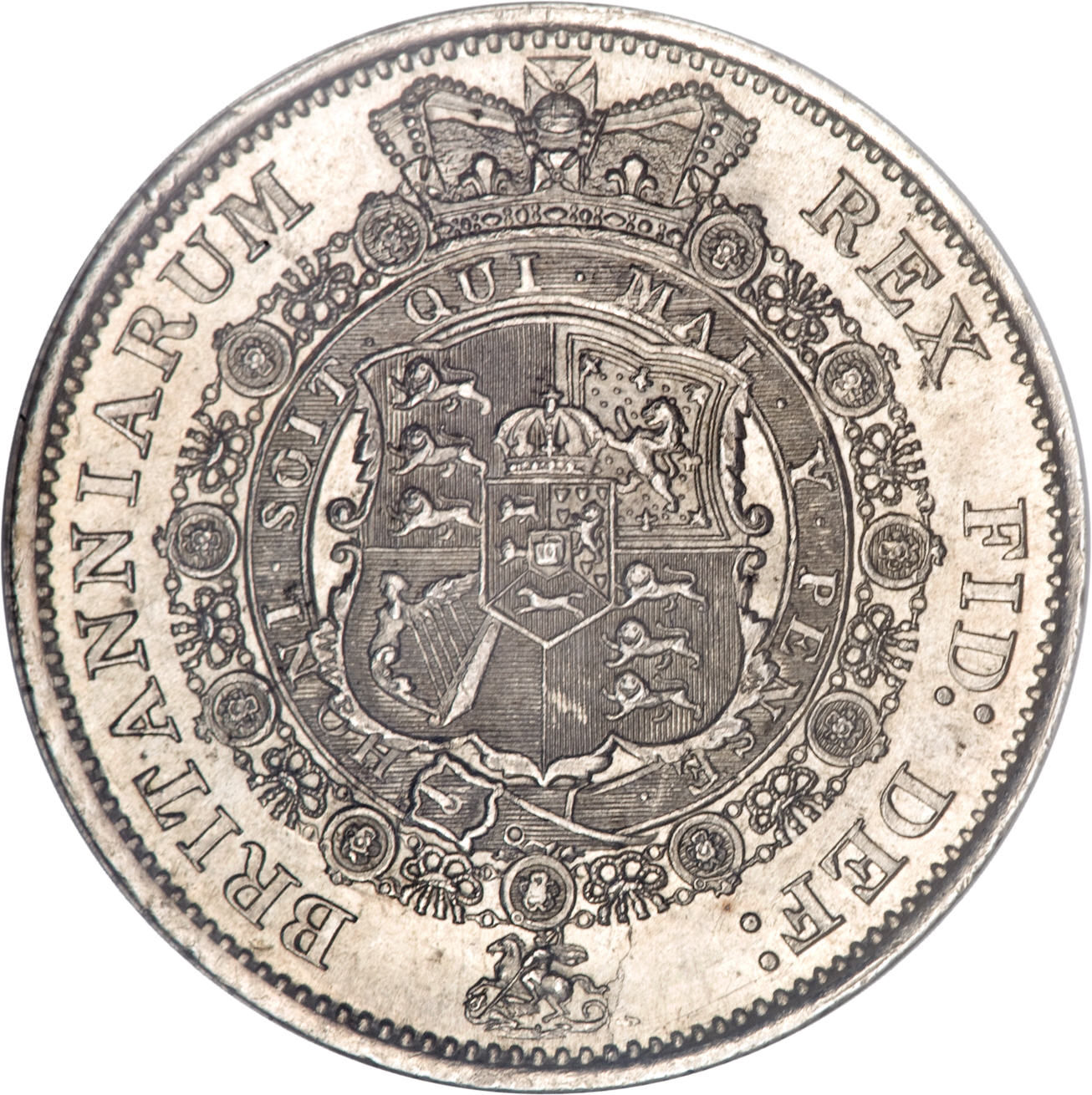
George III’s reign (1760–1820) is the longest and most varied of any British monarch in the pre-modern series. Early issues follow Hanoverian convention; from 1797 the Soho Mint of Matthew Boulton in Birmingham produced the famous "cartwheel" copper twopence and penny, the first British copper to be machine-struck on the new Boulton steam press. The Bank of England dollars of 1797 and 1804 (countermarked Spanish eight-reales pieces, then fully overstruck Britannia design) emerged from the wartime silver shortage. George III also produced one of the rarest of all British silver coins: the 1804 dollar in proof restrike form, and an unbroken sequence of pattern guineas and half-guineas before the 1816 reset cancelled the entire denomination in favour of the new sovereign.
Famous types you’ll meet at auction
Most of pre-1816 collecting revolves around a relatively short list of famous types. These are the headline pieces, the ones every catalogue features and every serious collection aspires to:
- Henry VIII testoon (1544–47), the "Old Coppernose" 12-pence piece, the first English shilling-sized denomination, with the king’s portrait wearing through to copper at the nose.
- Tudor groat (Henry VII facing portrait, 1504+), the first realistic royal portrait on an English coin.
- Edward VI fine-silver shilling (1551), the first English shilling of standard form and the model for every shilling that followed for four centuries.
- Charles I Pontefract siege piece (1648–49), lozenge-shaped silver shilling struck from melted plate inside the besieged castle, inscribed CAROLUS SECUNDUS for the new king after Charles I’s execution. Among the rarest collectable English coins.
- Cromwell crown (1658), the Protectorate crown by Thomas Simon, the only commoner portrait on a British currency coin.
- Anne Vigo five guineas (1703), struck from Spanish gold captured at Vigo Bay, marked VIGO under the bust. Auction prices £400,000–£800,000+ for top examples.
- 1703 Anne Vigo half-guinea and guinea, same VIGO mark on the lower denominations, more accessible at £5,000–£30,000.
- Charles I Oxford triple unite (1642–44), gold three-pound piece struck at the wartime Oxford mint, showing the king on horseback. One of the largest hammered gold coins ever issued.
- 1797 Soho "cartwheel" twopence and penny, the first machine-struck British copper, weighing 2 oz and 1 oz respectively, with broad raised rims that gave them the cartwheel nickname.
- 1804 Bank of England dollar, Spanish eight-reales overstruck with George III and Britannia, emergency Napoleonic-war silver.
- George II 1746 LIMA silver, sixpence, shilling, half-crown and crown struck from Admiral Anson’s Lima prize bullion.
Authentication challenges
Pre-1816 coinage carries authentication problems modern coins do not. Five issues recur:
- Clipped flans. Hammered silver was clipped at the edges throughout its circulating life. A clipped coin is genuine but underweight, with an incomplete design at the rim. Value drops 30–60% versus an unclipped equivalent. Look for a circular outline that bites into the legend or design.
- Plugged and holed coins. Many hammered coins were holed for use as jewellery or amulets in the 16th–19th centuries. A later owner sometimes filled the hole with a silver plug, leaving a faint disc visible under angled light. Both holed and plugged coins remain collectable but trade at significant discount.
- Becker forgeries. Carl Wilhelm Becker (1772–1830) produced extremely high-quality copies of major British rarities including the Cromwell crown, several Charles I issues and the Henry VIII testoon. Becker’s work is now well-documented (Hill’s 1924 reference is standard) but still occasionally fools eBay buyers and lower-tier auction-house catalogues.
- Cast counterfeits. Modern cast copies of Tudor and Stuart silver are widespread. Tells: a faint horizontal seam line on the edge where the two halves of the mould met, soft details where original strike crispness should be, and weight 5–15% under specification. A calliper and a calibrated jewellery scale catch most cast fakes at home.
- Struck-from-fake-dies forgeries. The hardest tier, coins struck on genuine silver from forged dies, properly weighted and with correct edge. These require die-comparison against published reference plates (Spink English Hammered Coinage, BMC Anglo-Norman, Brooker for Charles I). For high-value pieces, slab the coin at PCGS or NGC before purchase or sale.
Buying pre-1816 hammered and milled safely
Pre-1816 is auction-house and BNTA-dealer territory. The serious venues for British hammered and early-milled coinage are:
- Baldwin’s of St James’s, London-based, the deepest pre-1816 catalogue depth in the UK trade. Quarterly auctions and a strong fixed-price list.
- Spink, the trade reference publisher (the annual Spink Standard Catalogue is the universal numbering system) and a major auctioneer of British hammered.
- Noonans Mayfair (formerly DNW), specialist sales of British coins, banknotes and medals; quarterly hammered-coin catalogues.
- Heritage Auctions, the major US house with an active British hammered section, useful for top-tier rarities and for finding examples that have ended up in American collections.
- BNTA-member dealers, British Numismatic Trade Association members are bound by a code of ethics and a buy-back guarantee. Sovereign Rarities, Roderick Richardson, Lockdales and Knightsbridge Coins are the most active in pre-1816 material.
Realised auction prices by era
The table below summarises typical realised price ranges from Baldwin’s, Spink, Noonans and Heritage over the past decade. "Typical surviving condition" reflects what most material actually looks like at auction, not slabbed top-tier pieces.
| Era | Typical surviving condition | Price floor (worn) | Price ceiling (top type) |
|---|---|---|---|
| Late medieval (pre-Tudor) | Fine to Very Fine, often clipped | £40 | £5,000+ |
| Tudor 1485–1603 | Fine to Very Fine, occasional EF | £60 | £25,000+ |
| Stuart 1603–1649 | VF average; siege pieces in F | £100 | £200,000+ |
| Commonwealth & Cromwell | VF; Cromwell crowns rarely above EF | £150 | £30,000+ |
| Restoration to 1700 | Milled VF/EF; Anne Vigo top tier | £80 | £800,000+ |
| Early Hanoverian 1714–1760 | VF/EF; LIMA silver scarce in EF | £60 | £30,000 |
| George III pre-1816 | EF common; cartwheel in nice red | £40 | £15,000 |
Realised hammer prices, exclusive of buyer’s premium. Top-tier rarities (Anne Vigo five guineas, Charles I Oxford triple unite, Edward VIII abdication patterns of the modern era) sit well above the ceilings shown; the table represents the band where most realistically collectable material trades.
Where pre-1816 sits in a UK collection
Pre-1816 collecting works best as a focused theme rather than a comprehensive run. The series is too large to assemble in full, surviving material is too uneven in condition, and budget pressure quickly forces a choice. Three viable strategies:
- Single-monarch reign set. Pick one reign and aim for one example of every denomination from it. An Elizabeth I set (penny, threepence, sixpence, shilling, crown, plus a gold half-pound or angel) is achievable on a £3,000–6,000 budget over two or three years. A Charles I set is more challenging because of the siege pieces but more rewarding historically.
- Pre-1816 type set. One example of each major denomination across the entire pre-1816 era, a Tudor groat, an Elizabeth I sixpence, a Charles I half-crown, a Commonwealth shilling, a Charles II milled crown, a William III shilling, an Anne sixpence, a George II LIMA half-crown, a George III cartwheel twopence, an 1804 Bank of England dollar. Ten coins covering 330 years for £2,000–5,000.
- Date run within one denomination. Most challenging: a year-by-year shilling run from 1660 (last Charles II hammered) to 1815 (last George III before recoinage). This requires accepting wide variation in condition and missing dates where production was suspended, but creates a powerful single-thread narrative through 155 years of British history.
Pre-1816 sits naturally as the historical anchor for any larger UK collection. Pairing one Henry VII groat with a modern Charles III sovereign creates a single visual jump across more than five centuries of British monarchy on metal. Whatever strategy you choose, pre-1816 rewards depth over breadth and patience over speed: the auction-house catalogue cycle is quarterly, condition rarities are unpredictable, and the best-value buying moments come from being on the bidder list when the right coin appears rather than chasing whatever happens to be on eBay this week.
Pre-1816 coins on MyCoinage
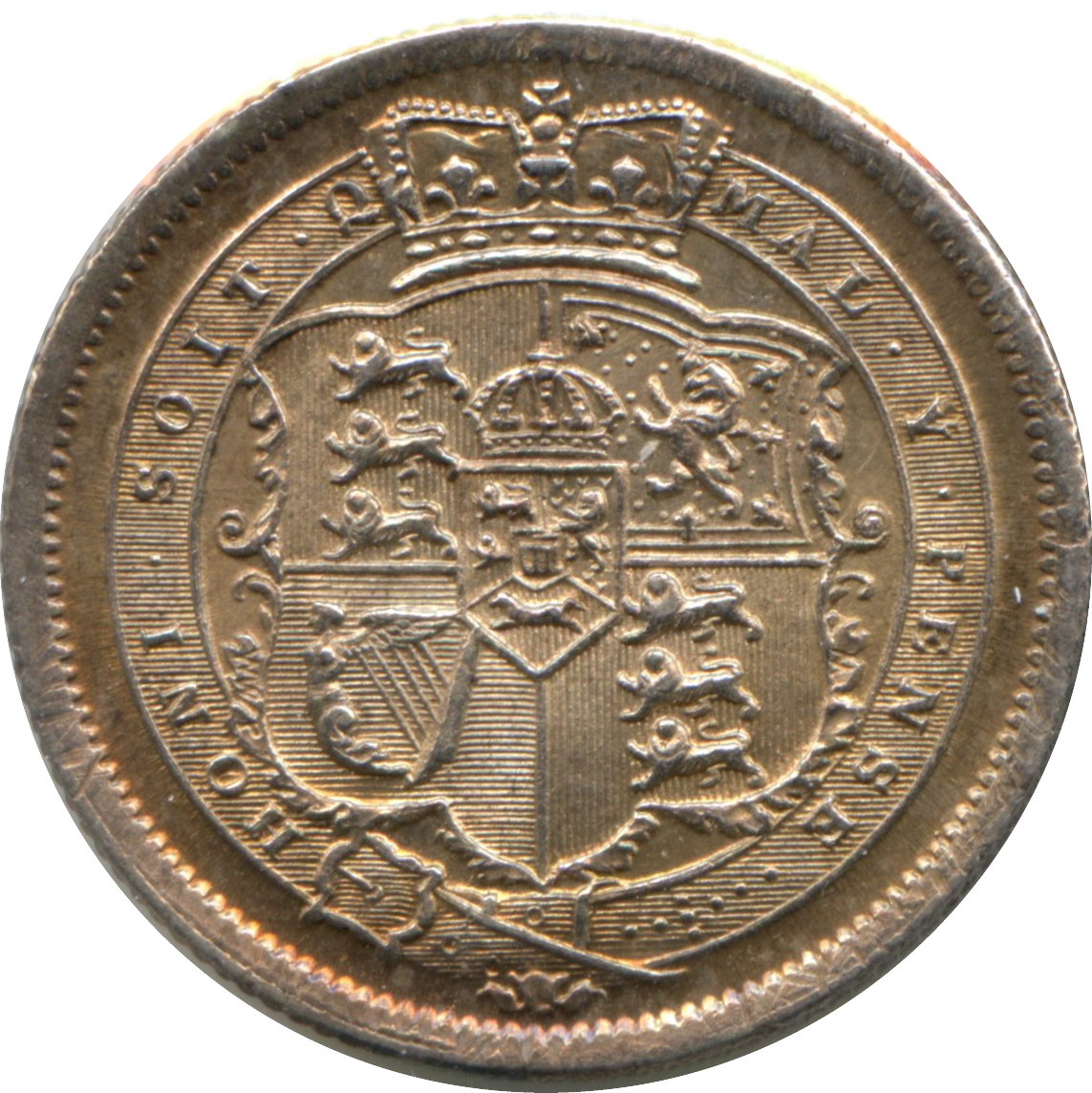
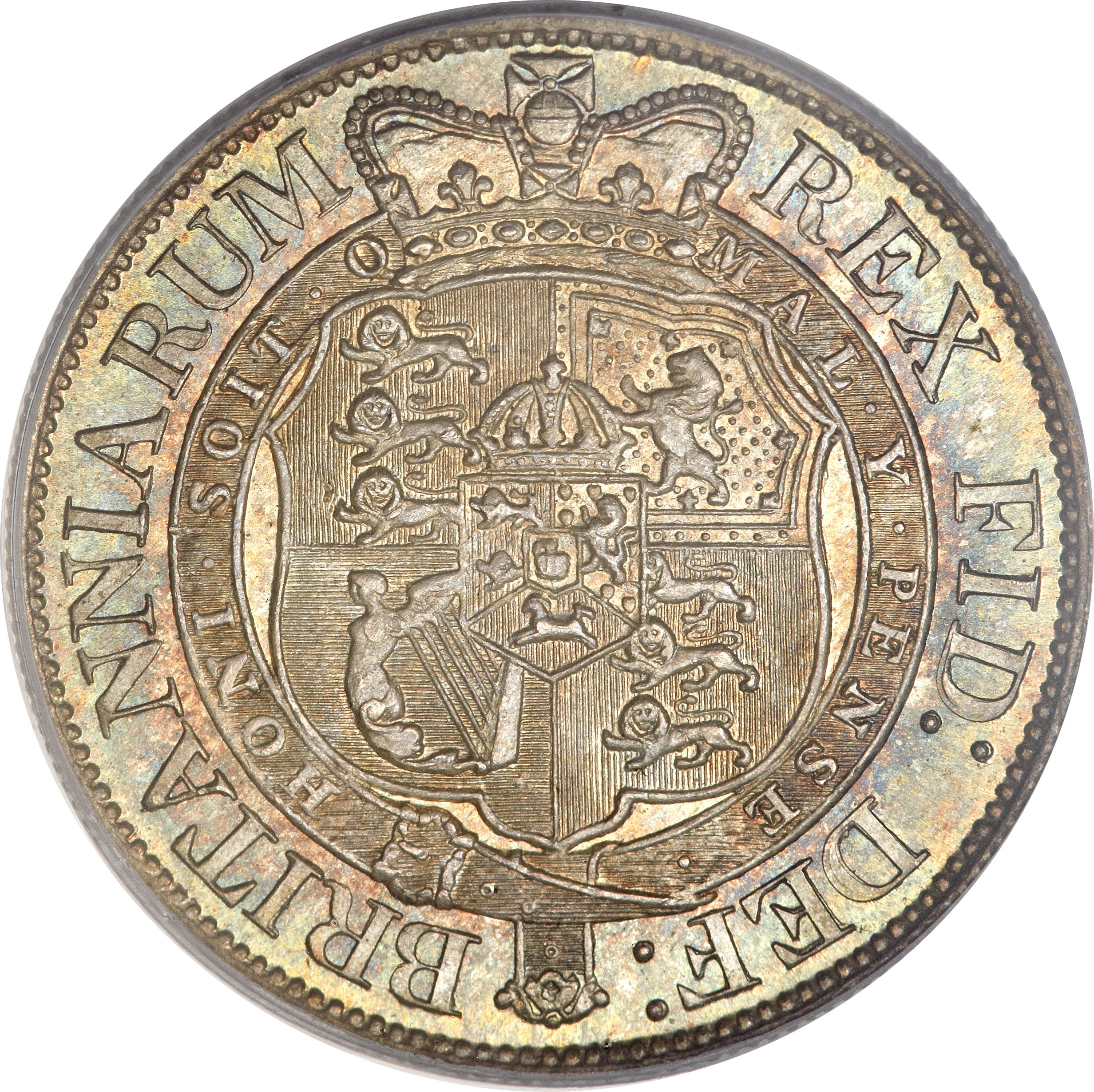
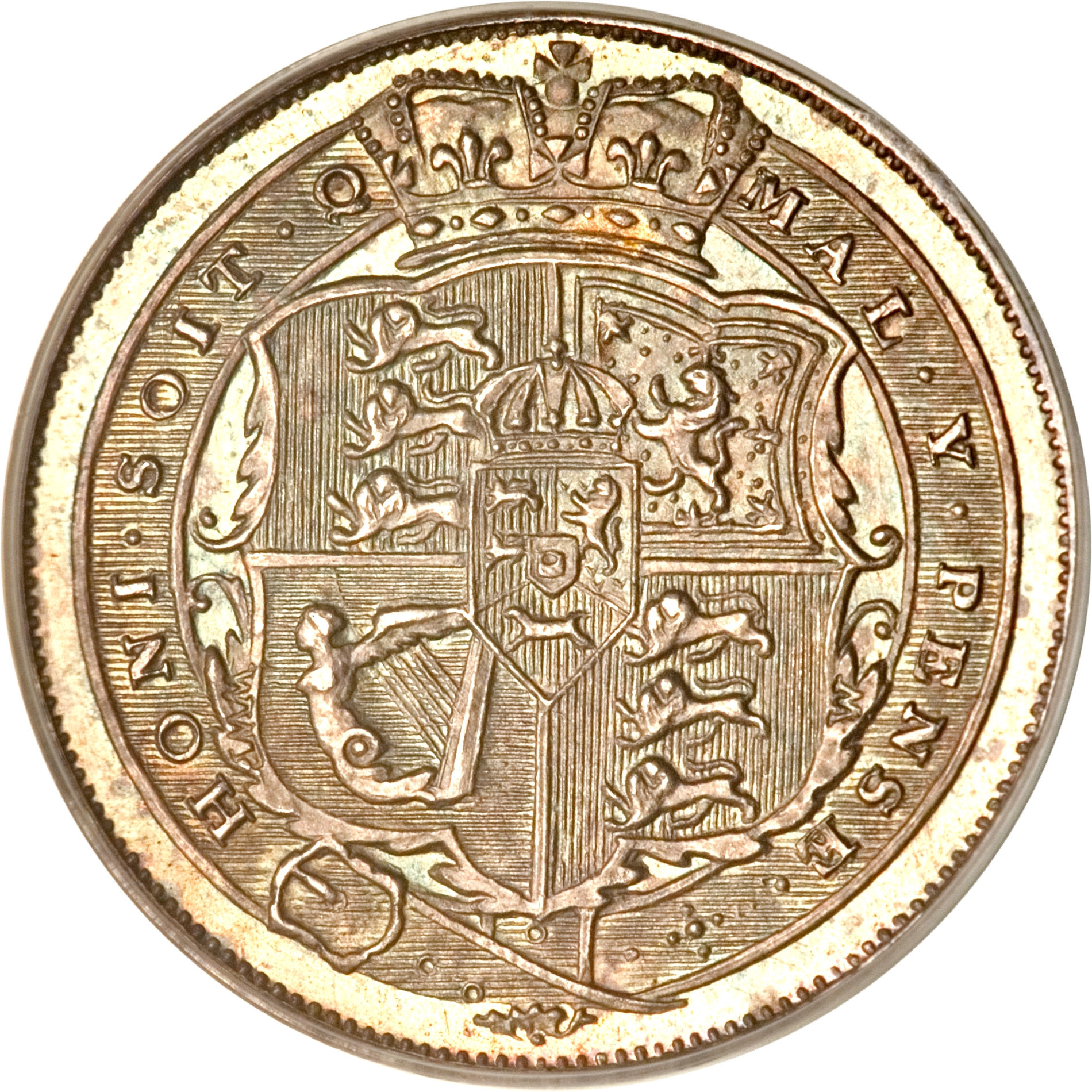
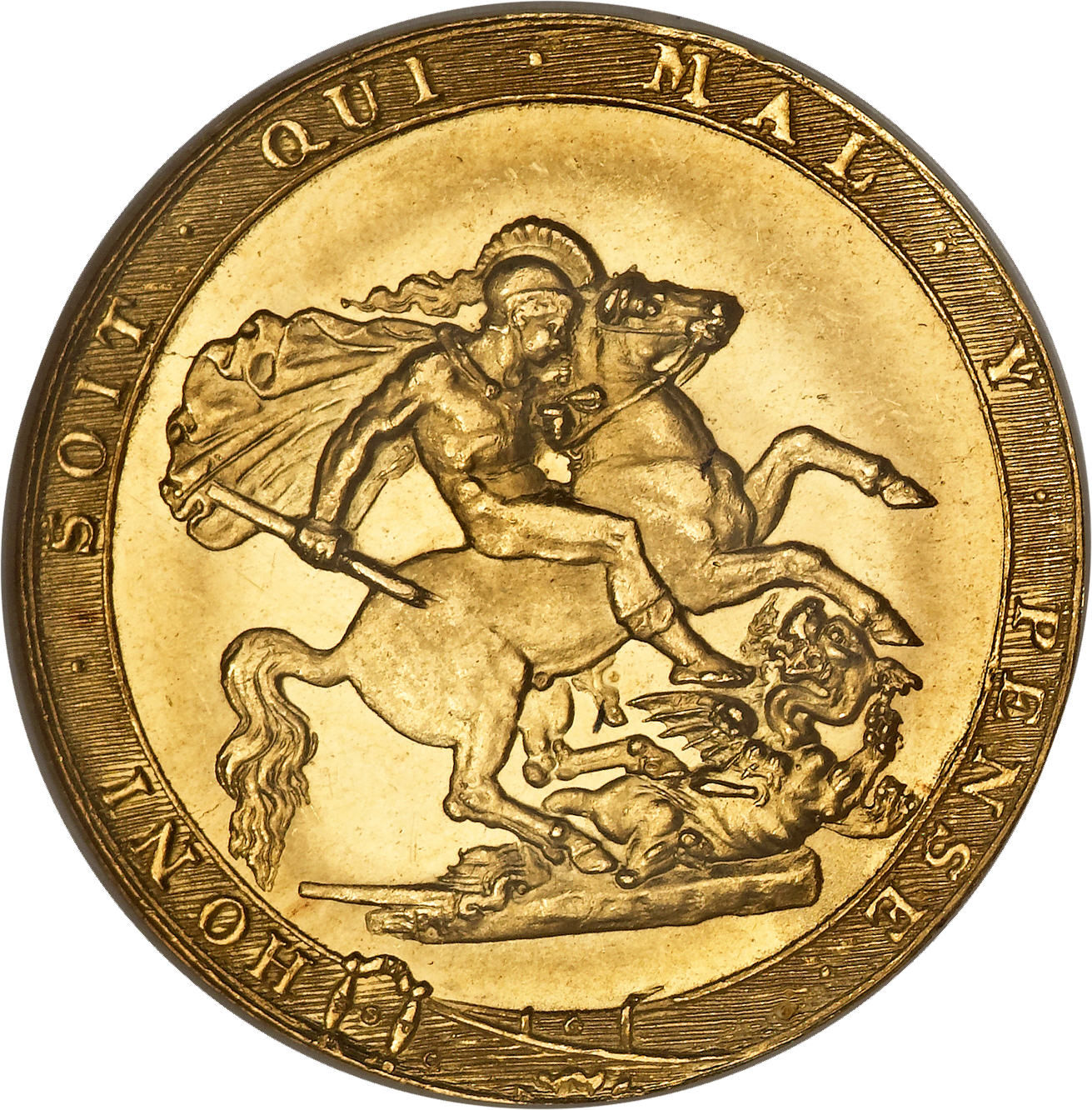
Browse every British coin in our database →
Related guides
- Pre-Decimal Coins Guide, the £sd era from 1816 onwards: farthing to crown, decimalisation in 1971, conversion rates and key dates.
- Gold Sovereign Values UK, the modern sovereign series from 1817 to present, including the Pistrucci St George reverse that emerged from the 1816 reset.
- 1817 First Modern Sovereign, the first issue of the new gold £1 coin under George III, the inaugural product of the Great Recoinage.
- CGT-Exempt Coins UK, which UK coins escape Capital Gains Tax (sovereigns 1837+, Britannias) and which (most pre-1816) do not.
- Where to Buy Rare Coins UK, full venue comparison: BNTA dealers, auction houses, Royal Mint, eBay, coin fairs.
- UK Auction House Comparison, Spink, Baldwin’s, Noonans, London Coins, Heritage compared on commissions, specialism and net realisations.
- How to Spot Fake British Coins, the five-test framework, with specific notes on Becker forgeries and cast Tudor fakes.
- Guinea Coin Value UK, the 1663–1813 gold guinea, the headline denomination cancelled by the 1816 recoinage.