Shilling Values UK: Complete 1816–1970 Price Guide
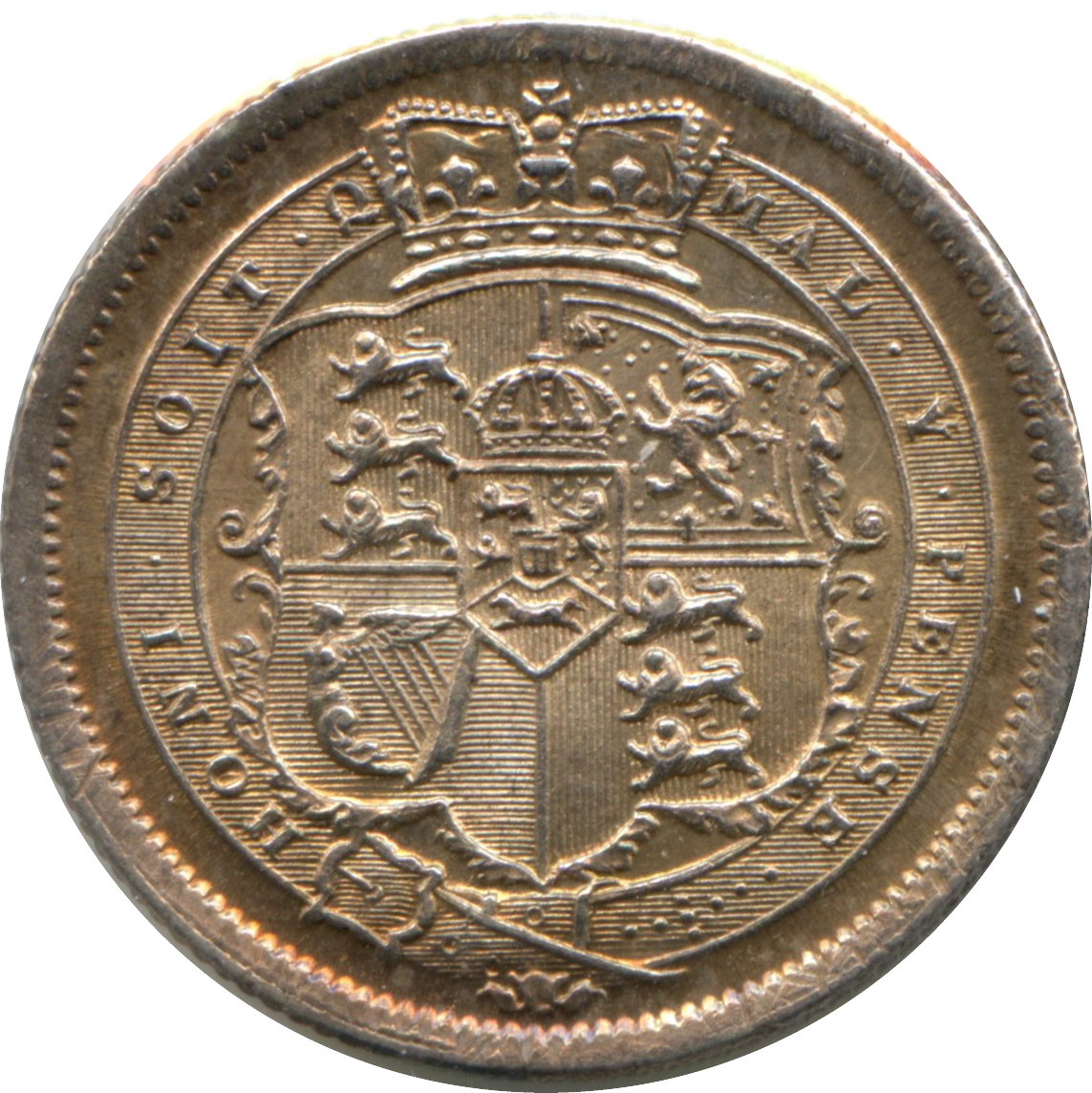
The British shilling was a silver coin worth one twentieth of a pound, struck from 1816 to 1970. Its modern series spans George III through to Elizabeth II, and from 1937 onwards each year was issued with two distinct reverses, the English shilling and the Scottish shilling. Common dates are pence to pounds; the 1905 Edward VII is the famous low-mintage key, and the 1937 Edward VIII pattern (never circulated) tops £30,000 when one surfaces.
Background
The modern shilling began with the Great Recoinage of 1816, which replaced the worn silver of the late Hanoverian period with newly-struck pieces of standard weight and design. The denomination ran continuously for 154 years until production ceased after 1970. Because the shilling\'s face value of one twentieth of a pound mapped exactly to 5p decimal, shillings continued circulating as 5p pieces after 15 February 1971 until the smaller-diameter decimal 5p replaced them in 1990.
The pre-decimal shilling is one of the longest-collected denominations in the British series because of its range of types: George III, George IV, William IV, three Victorian portraits, Edward VII, George V (with a modified effigy in 1926), George VI (English and Scottish reverses) and Elizabeth II (English and Scottish reverses). A complete date-and-type collection runs to over 200 distinct entries.
English and Scottish reverses
From 1937 onwards the Royal Mint issued the shilling each year in two distinct reverse types. Both were legal tender across the United Kingdom; choice was random in change. The two reverses are:
- English shilling. Shows three lions passant guardant of England, arranged vertically within a crowned shield, with a crown above. Designed by George Kruger Gray. The lions reflect the royal arms of England as adopted by Richard the Lionheart in the late 12th century.
- Scottish shilling. Shows a single lion rampant of Scotland, on a crowned shield, in some years holding a sword or sceptre. Also designed by George Kruger Gray. Reflects the royal arms of Scotland from the high Middle Ages onwards.
Mintages were usually similar for the two reverses but specific years had imbalances; the 1946 Scottish shilling, for example, had a substantially lower mintage than its English counterpart and is the scarcer of the two for that year. Many collectors build matched English/Scottish year sets, doubling the size of a complete George VI or Elizabeth II shilling collection.
Metal composition
| Era | Fineness | Total weight | Pure silver per coin |
|---|---|---|---|
| 1816-1919 | .925 sterling silver | 5.66 g | 5.23 g (0.168 oz) |
| 1920-1946 | .500 silver | 5.66 g | 2.83 g (0.091 oz) |
| 1947-1970 | cupronickel | 5.66 g | 0 g |
Weight, diameter (23.60 mm) and edge milling stayed constant across all metal compositions. The 1947 transition removed silver from circulation but kept the same coin specification.
Key dates by reign
Victorian shillings 1838–1901
| Date | Bust type | Notes | VF realised |
|---|---|---|---|
| 1839 | Young Head | First year Victorian shilling | £25, £80 |
| 1854 | Young Head | Famous Victorian key | £500, £1,800 |
| 1862 | Young Head | Lower-mintage Victorian | £120, £300 |
| 1879 | Young Head | No die number variety | £30, £90 |
| 1887 | Jubilee Head | First year Jubilee Head | £15, £50 |
| 1893 | Old Head | First year Old (Veiled) Head | £15, £50 |
Edward VII shillings 1902–1910
| Date | Mintage | Notes | VF realised |
|---|---|---|---|
| 1902 | 7,809,481 | First year; matt proof scarce | £15, £45 |
| 1903 | 2,061,823 | Lower mintage | £30, £90 |
| 1904 | 2,040,161 | Lower mintage | £30, £90 |
| 1905 | 2,886,769 | Famous key date | £100, £200 |
| 1906 | 8,750,624 | Common | £15, £40 |
| 1910 | 11,015,886 | Last Edward VII year | £10, £30 |
George V shillings 1911–1936
| Date | Mintage | Notes | VF realised |
|---|---|---|---|
| 1911 | 20,065,901 | First year George V | £5, £20 |
| 1920 | 22,825,142 | First .500 silver year | £4, £15 |
| 1923 | 16,396,724 | Common | £3, £12 |
| 1924 | 9,250,095 | Modified effigy variety | £5, £20 |
| 1926 modified | included with main total | Modified effigy from this year | £6, £25 |
| 1933 | 10,500,000 | Lower | £5, £18 |
George VI shillings 1937–1952 (English & Scottish)
From 1937 every year had two distinct reverse types. Mintage figures below show English/Scottish where the split is published.
| Date | English mintage | Scottish mintage | VF realised (each) |
|---|---|---|---|
| 1937 | 8,359,122 | 6,748,875 | £3, £10 |
| 1946 | 22,910,085 | 16,000,000 (approx) | £3, £12 |
| 1947 | 20,500,000 | 21,800,000 | £2, £6 |
| 1950 | 1,927,200 | 1,540,800 | £15, £40 |
| 1951 | 1,040,400 | 987,000 | £15, £45 |
| 1952 | (proof only) | (proof only) | £500, £1,500 |
1952 shillings exist only as Royal Mint proof-set patterns; Edward VII to George VI ended the series and Elizabeth II ascended in February 1952. Currency 1952 shillings would have been an Edward VIII-style "missed" issue, but in this case the Mint waited.
Elizabeth II shillings 1953–1970 (English & Scottish)
Mintage figures available from the Royal Mint annual archives. The 1953 Coronation issue is the most-collected Elizabethan shilling. Common dates trade at £1-3 in worn condition and £5-15 in mint state.
The 1937 Edward VIII pattern shilling
Edward VIII abdicated on 11 December 1936 before any of his coinage entered circulation. The Royal Mint had prepared dies for both the English and Scottish reverses of the 1937 Edward VIII shilling and struck a small number of pattern coins for testing. Fewer than ten of each reverse are believed to exist, most owned by the Royal Mint Museum and a handful of major private collectors.
When an Edward VIII pattern shilling has surfaced at auction (it has happened only a handful of times in the post-war era), realised prices have exceeded £30,000. Like the Edward VIII florin, the pattern would have shown an Edward VIII bust on the obverse, breaking the tradition that monarchs face opposite directions from their predecessor (Edward VIII insisted on his "good side" facing left rather than right).
Featured shillings on MyCoinage
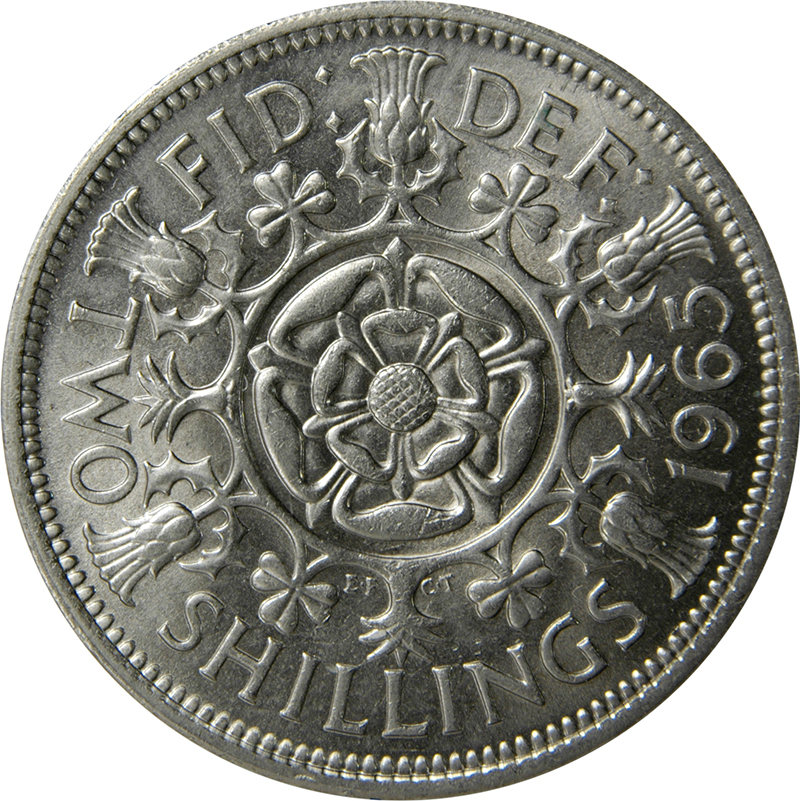
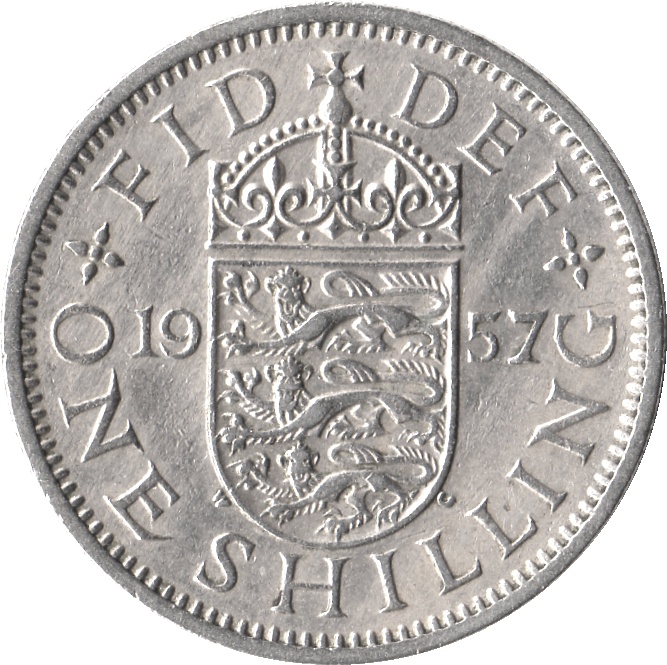
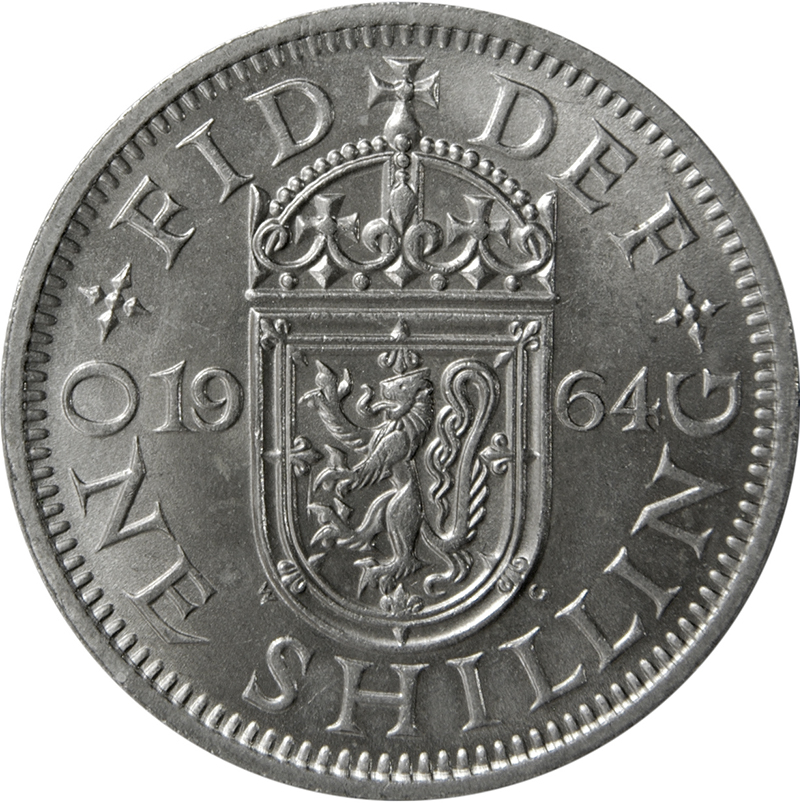
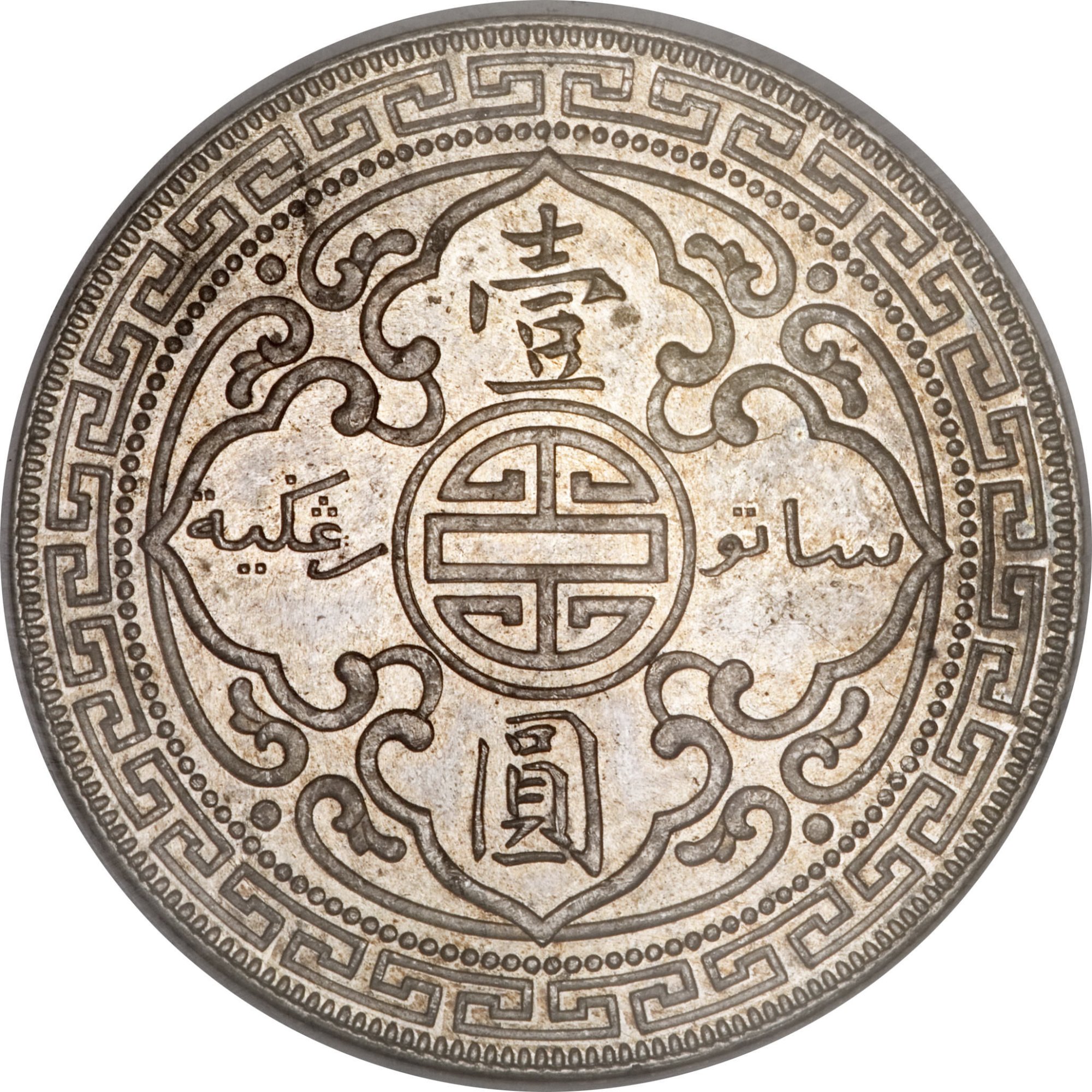
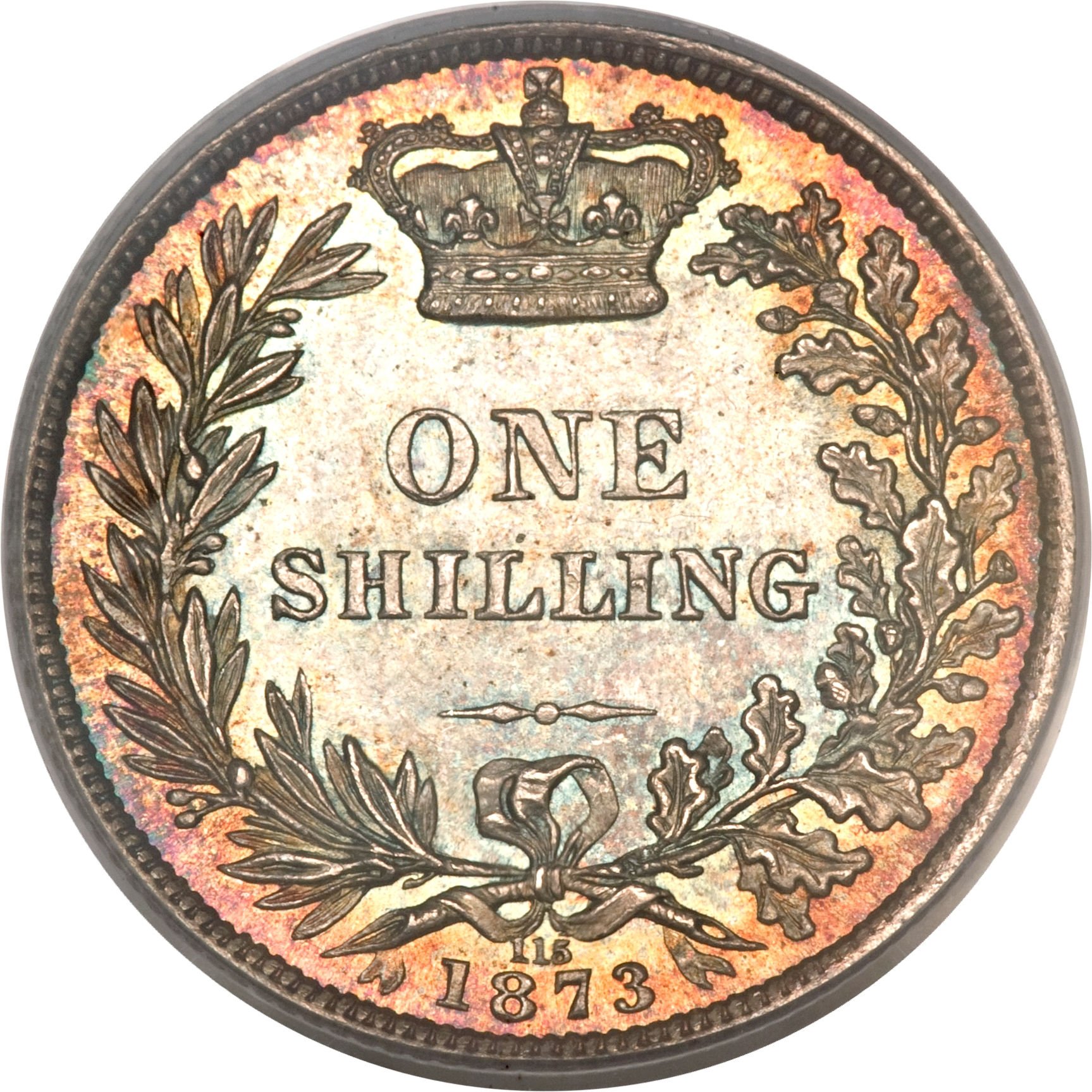
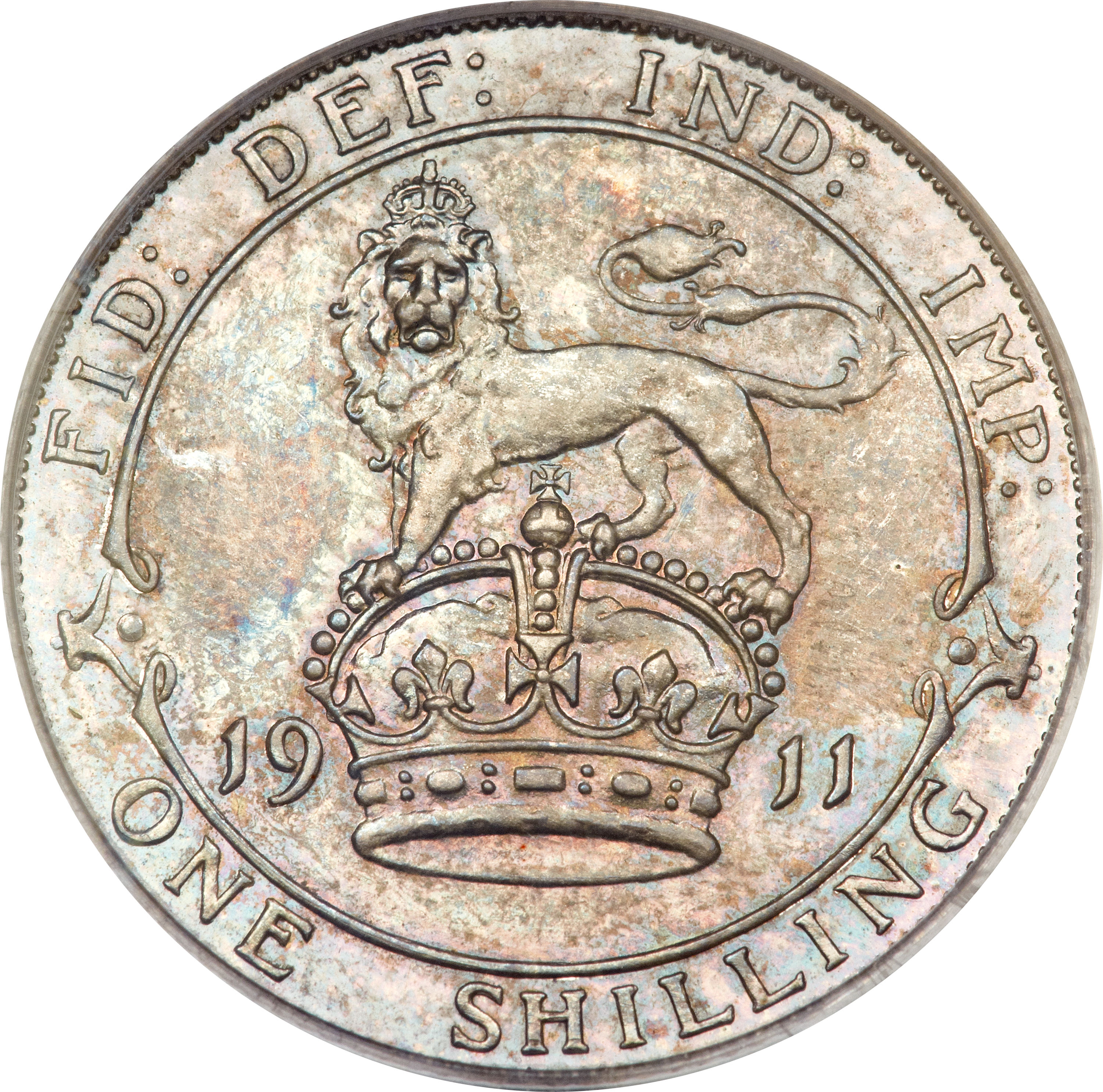
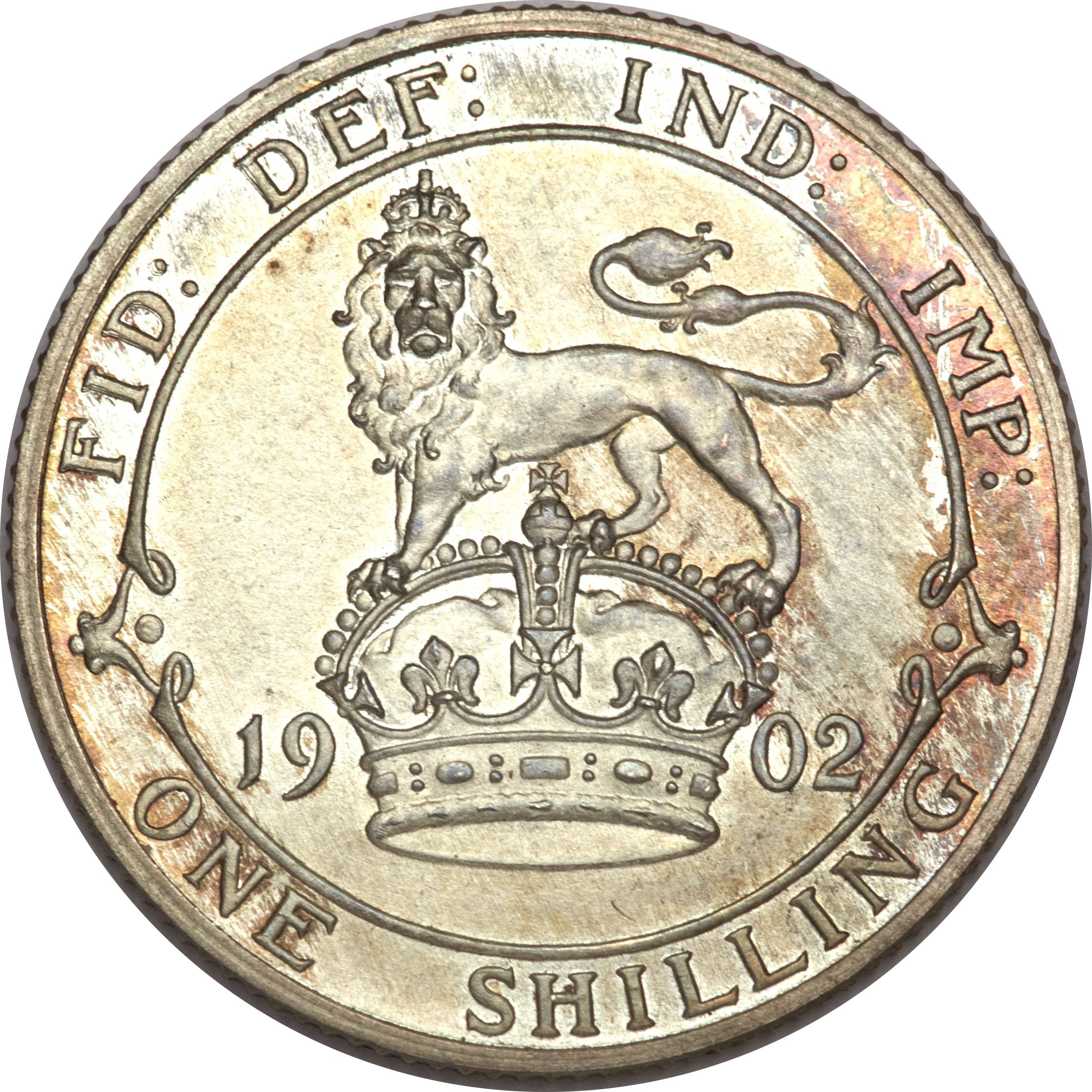
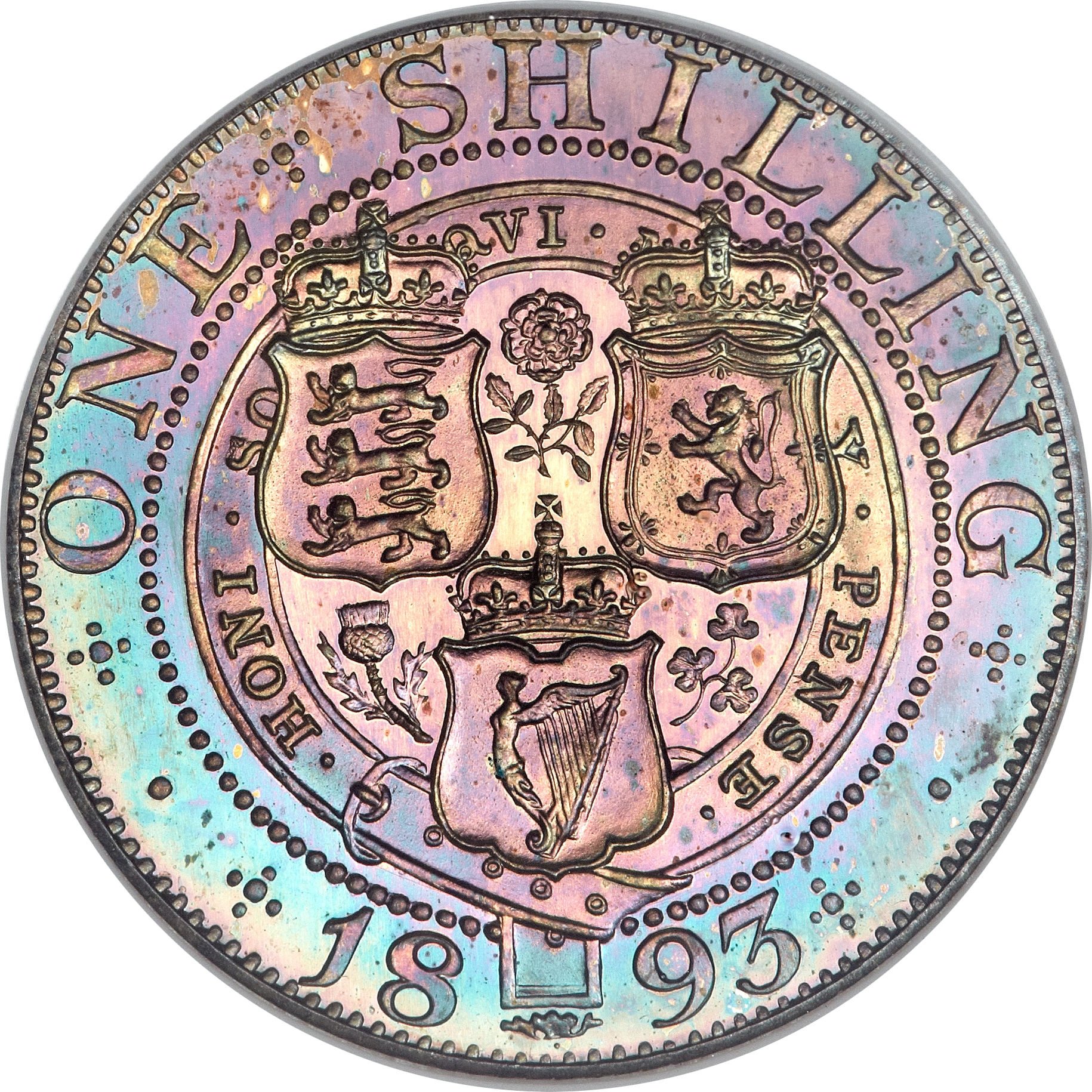
Browse every shilling in our database →
Silver content and bullion floor
| Era | Fineness | Pure silver per coin | Bullion floor at £25/oz |
|---|---|---|---|
| 1816-1919 | .925 sterling | 5.23 g (0.168 oz) | £4.20 |
| 1920-1946 | .500 silver | 2.83 g (0.091 oz) | £2.30 |
| 1947-1970 | cupronickel | 0 g | No bullion value |
Related guides
- Pre-decimal coins UK: complete guide
- Florin values UK, the shilling\'s larger silver companion
- Halfpenny values UK
- Threepence values UK
- Where to sell rare coins UK
- How to grade a coin
- Coin collecting glossary
External references
- The Royal Mint
- British Numismatic Society, pre-decimal authority site.
- Spink Standard Catalogue of British Coins
- Baldwin\'s of St James\'s
- Noonans Mayfair
- eBay UK shilling category
Buying shillings on eBay
The links below open eBay UK searches; if you buy through them, MyCoinage earns a small commission at no cost to you. We only link to coins we'd genuinely buy ourselves.
Shillings are the most-traded pre-decimal silver denomination, common dates run £3-8 and the 1953 Coronation issue tops out at £15-25 in BU. The Welsh / English reverse pair (introduced 1937) is the most-collected modern variant set. The links below pre-filter eBay UK to the dates and varieties most worth tracking.
1953 Coronation shilling ↗ Elizabeth II Welsh shilling ↗ Elizabeth II English shilling ↗ Victoria Young Head (sold) ↗ George IV shilling ↗ Edward VII shilling ↗ Slabbed shillings (sold) ↗ Pre-1947 sterling silver shillings ↗ Shilling date-run lots ↗