Rare £2 Coins UK 2026: All 19 Ranked, Rarest First
The rarest £2 coin is the 2002 Northern Ireland Commonwealth Games, with 485,500 struck. Nine circulating £2 designs have a mintage under a million, and this is the full ranked list of all 19 worth more than face value, with verified Royal Mint mintages and realised prices in circulated and brilliant uncirculated grade. Every one of them still turns up in change.
Got a £2 coin you want valued?
Free MyCoinage valuation tool · realised auction prices · no card needed
Run it through the free MyCoinage valuation tool against the bimetallic and single-metal £2 catalogue. The 2002 Commonwealth Games Northern Ireland (mintage 485,500) and the 2015 Navy £2 are the headline hunts, both still appear in change.
All 19 rare £2 coins ranked by mintage
The list below ranks every notable circulating bimetallic £2 by mintage, paired with realised market prices for circulated and brilliant uncirculated condition. Mintage figures are taken from the Royal Mint annual reports; realised prices are aggregated from eBay UK sold listings and specialist auction results over the past 24 months.
| Rank | Year & design | Mintage | Circ price | BU price |
|---|---|---|---|---|
| 1 | 2002 Commonwealth Games, Northern Ireland | 485,500 | £15, £40 | £30, £60 |
| 2 | 2002 Commonwealth Games, Wales | 588,500 | £8, £25 | £15, £30 |
| 3 | 2015 First World War Centenary, Royal Navy | 650,000 | £6, £12 | £15, £25 |
| 4 | 2002 Commonwealth Games, England | 650,500 | £5, £12 | £8, £15 |
| 5 | 2002 Commonwealth Games, Scotland | 771,750 | £4, £10 | £8, £20 |
| 6 | 2012 Olympic Handover (London to Rio) | 845,000 | £3, £7 | £6, £12 |
| 7 | 2008 London Olympic Games of 1908 centenary | 910,000 | £5, £12 | £12, £25 |
| 8 | 2008 London 2012 Olympic Handover | 918,000 | £5, £15 | £12, £25 |
| 9 | 2011 King James Bible 400th Anniversary | 975,000 | £4, £10 | £10, £20 |
| 10 | 2011 Mary Rose 500th Anniversary | 1,040,000 | £3, £6 | £6, £12 |
| 11 | 2015 Magna Carta 800th Anniversary | 1,495,000 | £3, £8 | £7, £15 |
| 12 | 2017 Sir Isaac Newton | 1,801,500 | £3, £7 | £6, £12 |
| 13 | 2009 Robert Burns 250th Birth | 3,253,000 | £3, £6 | £6, £12 |
| 14 | 2014 Trinity House 500th Anniversary | 3,705,000 | £2.50, £5 | £5, £10 |
| 15 | 2009 Charles Darwin Bicentenary | 3,903,000 | £3, £6 | £6, £12 |
| 16 | 2014 First World War Outbreak (Lord Kitchener) | 5,720,000 | £2.50, £5 | £4, £9 |
| 17 | 2014 Commonwealth Games Glasgow | 6,865,000 | £2.50, £5 | £4, £8 |
| 18 | 2007 Act of Union 1707 | 7,545,000 | £2.50, £5 | £4, £8 |
| 19 | 2007 Slavery Abolition | 8,445,000 | £2.50, £5 | £4, £8 |
Mintages from the Royal Mint annual mintage figures. Prices reflect realised auction and verified sold-listing data over the past 24 months from eBay UK, Baldwin\'s, Spink and Noonans.
The 2002 Commonwealth Games four-coin set
The 2002 Manchester Commonwealth Games £2 series is the definitive rarity tier of the modern bimetallic series. Four reverse designs were issued, one for each home nation, each carrying the flag of that nation in the central disc. Combined circulation mintage was under 2.5 million across all four designs, against typical £2 commemorative mintages of 5–15 million.
- Northern Ireland (485,500), rarest. Flag of Northern Ireland in the central disc.
- Wales (588,500), second rarest. Welsh flag.
- England (650,500), third. English flag.
- Scotland (771,750), fourth. Scottish flag.
A full uncirculated four-coin set in original Royal Mint packaging routinely realises £200–£350 at Noonans and Baldwin\'s. Slabbed individual coins in MS66+ trade at the upper end of each price range. For the full deep-dive on this issue see our 2002 Commonwealth Games £2 guide.
The 1986–1996 single-metal £2 commemoratives
Before the bimetallic £2 was introduced in 1997, seven single-metal nickel-brass £2 commemoratives were issued. None of them entered general circulation; they were sold by the Royal Mint in presentation packs and proof sets, which is why most surviving examples are in good condition. The single-metal £2 is also notably heavier (15.98 g) than the modern bimetallic version (12.00 g), and feels distinctly different in the hand.
| Year & design | Mintage | Circ price | BU price |
|---|---|---|---|
| 1986 Commonwealth Games XIII (Edinburgh) | 8,212,184 | £3, £8 | £10, £20 |
| 1989 Claim of Right | ~381,400 | £8, £15 | £25, £45 |
| 1989 Bill of Rights | ~4,392,000 | £5, £10 | £15, £30 |
| 1994 Bank of England Tercentenary | ~1,443,000 | £6, £12 | £18, £35 |
| 1995 Dove of Peace (50th VE Day) | ~4,394,566 | £5, £10 | £15, £30 |
| 1995 50th Anniversary United Nations | ~1,668,000 | £6, £12 | £18, £32 |
| 1996 Tenth European Football Championship | ~5,195,000 | £5, £10 | £15, £28 |
The 1989 Claim of Right is the standout rarity of the pre-bimetallic group at an estimated 381,400 minted, paired with the higher-mintage 1989 Bill of Rights as a Glorious Revolution tercentenary set. The 1994 Bank of England Tercentenary is the second-scarcest by mintage and is the design most prized by numismatic collectors for its visual treatment.
Bimetallic £2 specifications
The standard circulating bimetallic £2 has been struck to the same specification since 1997:
| Property | Value |
|---|---|
| Total weight | 12.00 g ± 0.05 g |
| Diameter | 28.4 mm |
| Thickness | 2.5 mm |
| Inner disc | Cupronickel (75% Cu, 25% Ni), silver-grey |
| Outer ring | Nickel-brass (76% Cu, 4% Ni, 20% Zn), yellow |
| Edge | Milled with inscription (varies by design) |
| Reeds | None on the outer ring; inscription only |
| Face value | £2 |
The 1986–1996 single-metal £2 coins were a different animal: 15.98 g total, 28.4 mm diameter, 3.0 mm thick, struck entirely in nickel-brass with a milled edge and no edge inscription. The transition to bimetallic in 1997 reduced the weight by a third while keeping diameter constant.
Edge inscription errors
The Royal Mint introduced edge inscriptions on the bimetallic £2 from 1997. The most famous is "STANDING ON THE SHOULDERS OF GIANTS", attributed to Sir Isaac Newton in his 1675 letter to Robert Hooke, used on the Technology design from 1997 to 2015. Each commemorative issue also has its own edge inscription tied to the design.
The most commonly encountered £2 errors are:
- Edge orientation reversed. The edge inscription should orient consistently relative to the obverse: when the obverse faces up, inscription reads in a defined direction. A small percentage of coins from various years carry the inscription rotated 180° so it reads upside-down with the obverse up. The 2008 issues are particularly known for this. Sells at £8–£25 premium.
- 2014 Britannia obverse-reverse die clash. A documented die clash on certain 2014 Britannia £2s shows faint traces of the reverse design on the obverse field. Trades at £15–£40 when authenticated.
- Wrong edge. Extremely rare cases where a £2 carries the edge of a different denomination. Realised prices: £100+ with full authentication.
For the full edge-error reference see our dedicated £2 edge inscription errors guide.
Britannia bullion £2 (silver investment series)
A separate £2 series exists outside the bimetallic circulation issues: the Britannia 1oz fine silver £2 bullion, struck annually since 2015. This is the Royal Mint\'s answer to the American Silver Eagle and Canadian Silver Maple Leaf: a 31.10 g .999 fine silver coin with £2 face value, designed for investment rather than circulation.
Each year carries a different Britannia portrait. As legal-tender silver coins, they are CGT-exempt for UK private investors. For the year-by-year breakdown including current melt calculations and authentication see our dedicated Britannia bullion £2 guide.
Charles III £2 (2023 onwards)
Charles III £2 coins began entering circulation from 2023, carrying the new Martin Jennings obverse portrait. The first issues are the Coinage Portrait series and the 2023 Flora Britannica designs. Specifications are unchanged: 12.00 g bimetallic, 28.4 mm diameter, milled edge with inscription. As with any first-year-of-reign issue, modest collector premium is likely on early-date BU examples; circulated grade remains at face. See our Charles III coin guide for the full new-reign list.
How to authenticate a £2
Counterfeit £2 coins are far less common than fake round £1s, but they exist, and the most-faked design is the 2002 Commonwealth Games Northern Ireland, because of its high market value relative to face. Five quick tests catch most fakes at home:
- Weight. 12.00 g ± 0.05 g on a calibrated jewellery scale. Below 11.90 g or above 12.10 g, treat as suspect.
- Diameter. 28.4 mm with calliper. Cast counterfeits run 0.1–0.3 mm undersize because of cooling shrinkage.
- Bimetallic seam. The join between inner cupronickel disc and outer nickel-brass ring should be sharp, with no glue line, no halo discolouration, and no daylight visible at any angle.
- Colour contrast. Inner disc should be silver-grey; outer ring should be yellow. Counterfeits sometimes use a single yellow alloy with a painted-on disc, which will rub or scratch off.
- Edge inscription. Match against the design’s known inscription (cross-reference at Change Checker). Counterfeits often have a generic milled edge with no inscription, or a misspelled inscription.
Where to sell a rare £2
- £5–£80 retail value: eBay UK. Always price against completed (sold) listings, not asking prices. Set a Buy It Now with Best Offer.
- £80+ retail value or graded: Noonans, Spink, or Baldwin\'s. Hammer commissions are 15–20% but realisations on graded material typically exceed eBay net.
- Common circulating coins: trade at face on Change Checker\'s swap network or your local coin club. Not worth listing for £2 each minus eBay fees.
For full venue-by-venue commission breakdown see our where to sell rare coins UK guide.
Why mintage alone is not the full story
Mintage is the headline number on every £2 rarity ranking, but it is one of five factors that drive market price. The 2007 Slavery Abolition issue with 8.4 million minted commands a similar price to the 2014 Trinity House at 3.7 million minted, because design popularity and survival rate work against pure mintage. The five factors:
- Original mintage. How many were struck for circulation. The first-order rarity driver and the number quoted in every chart.
- Survival rate. How many of the original mintage still exist in collectible condition. Coins from years where collectors actively pulled them (2002 Commonwealth Games, 2008 Handover) have higher effective survival in BU. Older issues with heavy circulation have lower BU survival, increasing scarcity in higher grades.
- Design popularity. Demand-side factor. The 2007 Act of Union and 2009 Charles Darwin are above-average mintage but command meaningful premiums because of design appeal. Conversely, less-popular designs can sit at face value despite scarcity.
- Condition rarity. Within any mintage, MS66+ examples are dramatically scarcer than Fine-grade. A 2002 Northern Ireland in MS66+ is much rarer than the headline 485,500 figure suggests, because most circulated examples are heavily worn.
- Errors and varieties. Edge orientation errors, bimetallic separations, die clashes, off-centre strikes. A coin with an authenticated error commands premium even on otherwise common designs. See our edge errors guide and our broader framework on what makes a coin rare.
Featured £2 coins on MyCoinage
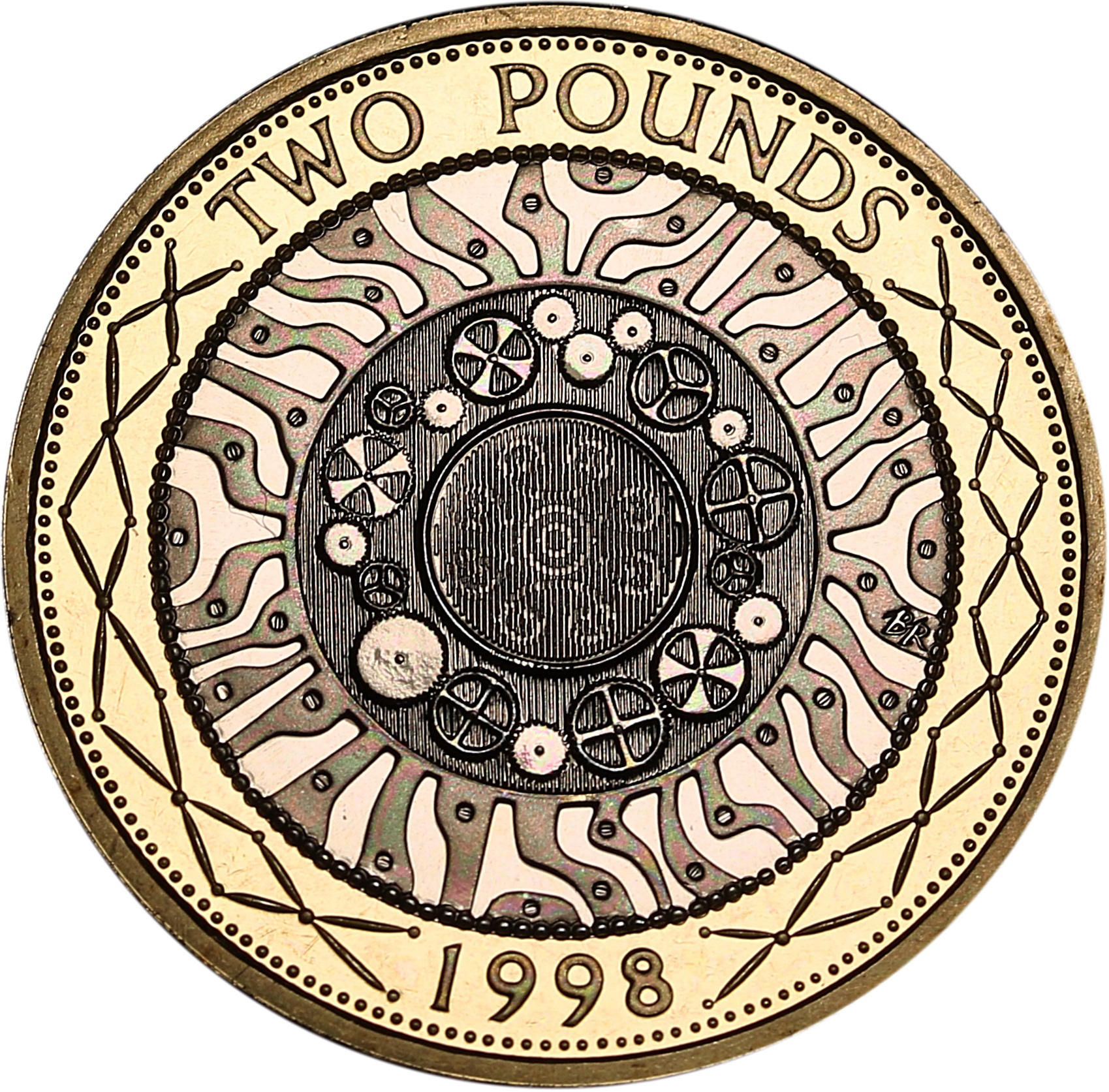
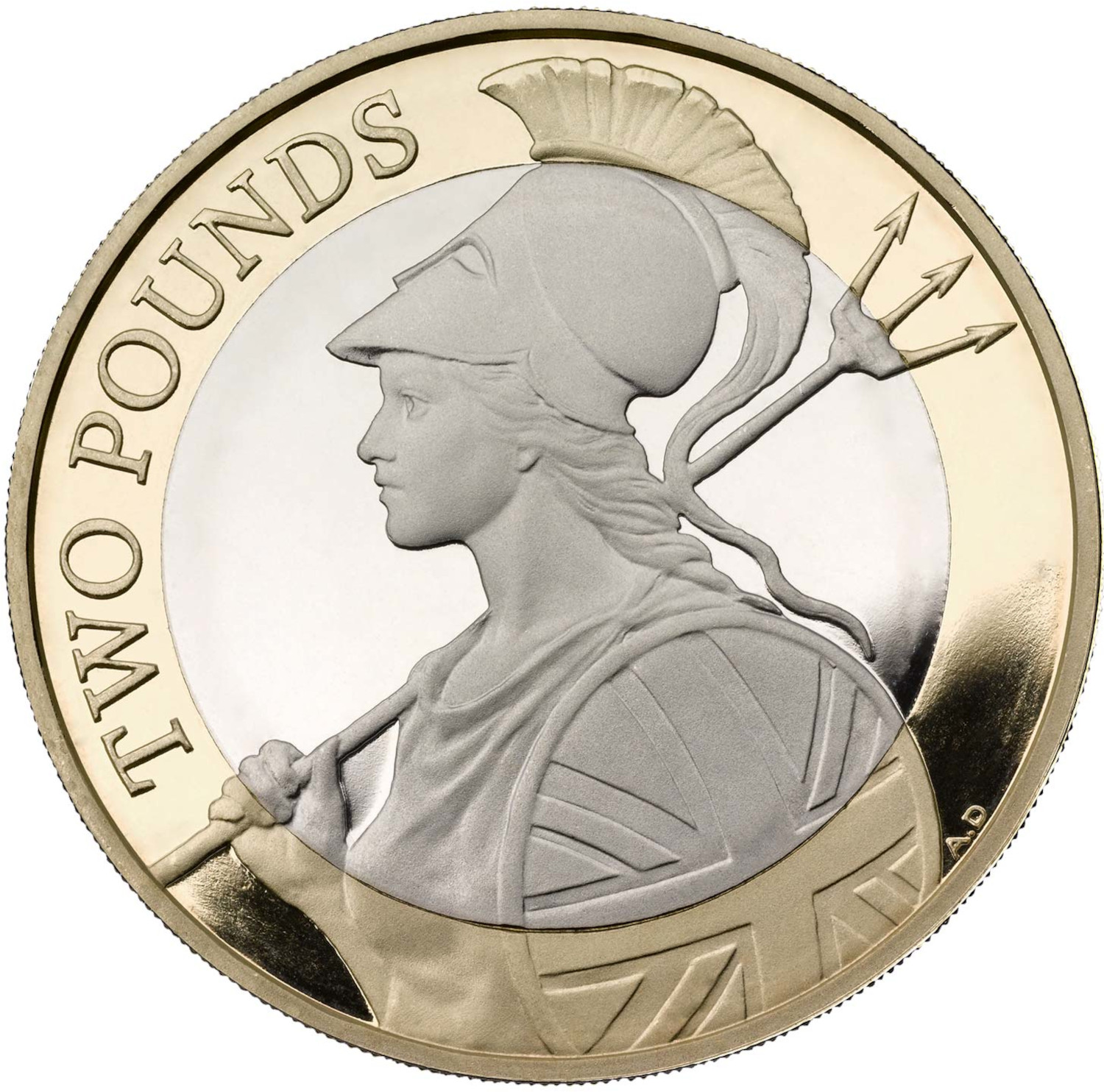
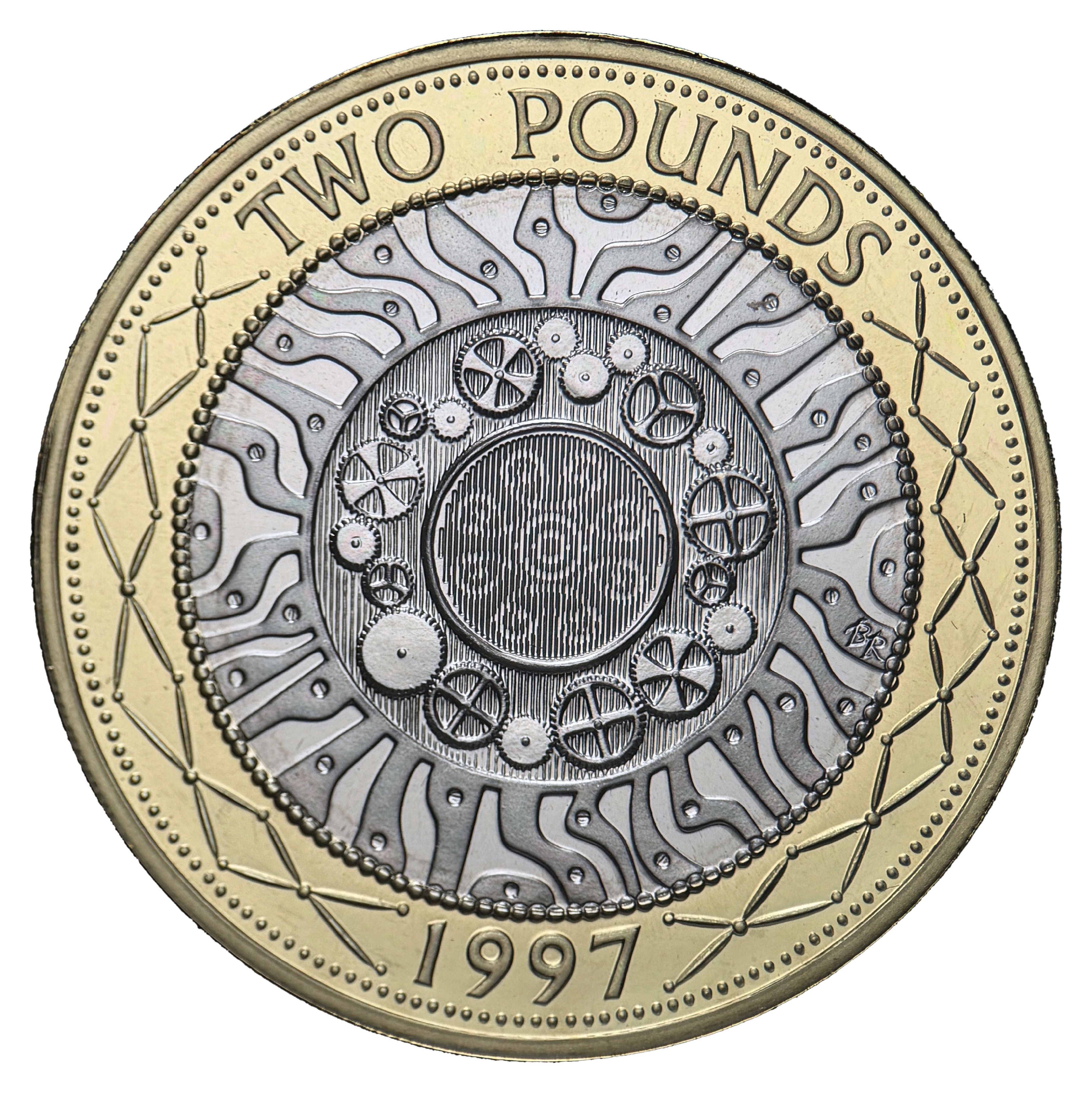
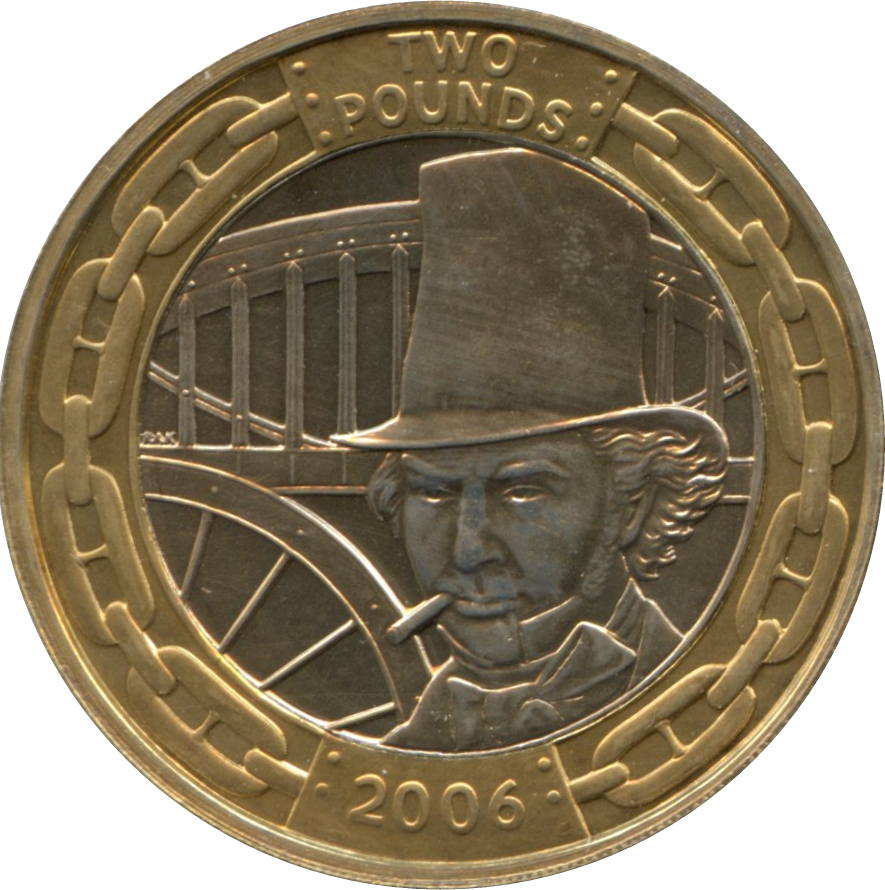
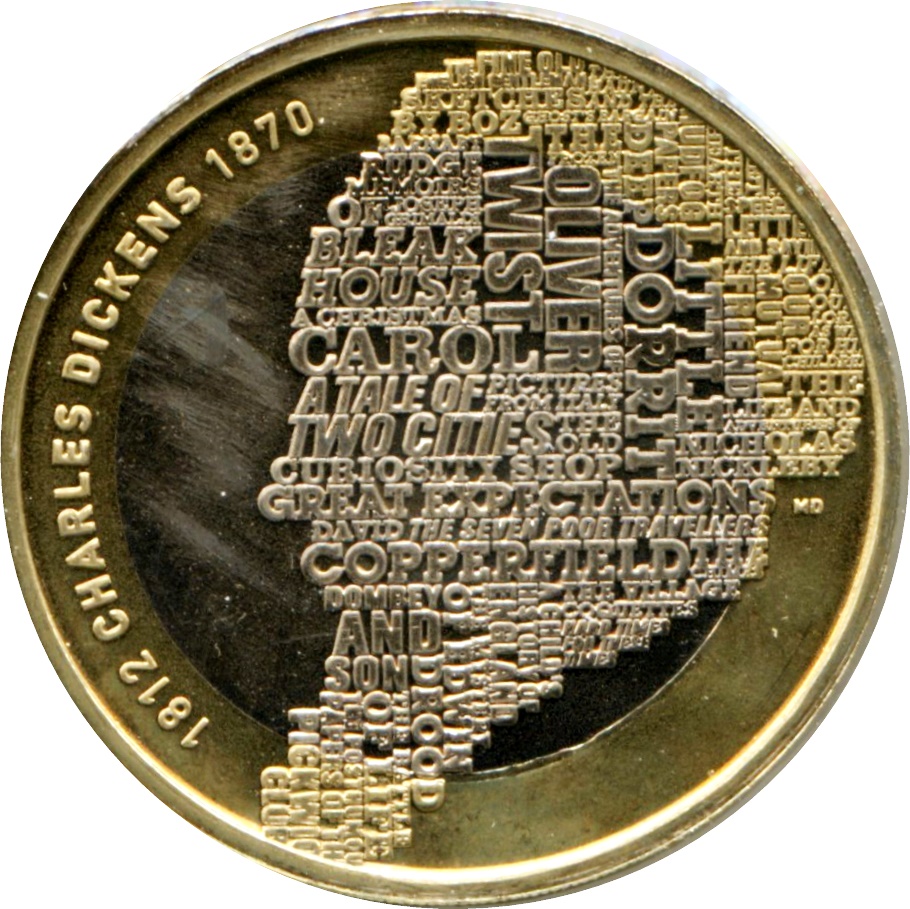
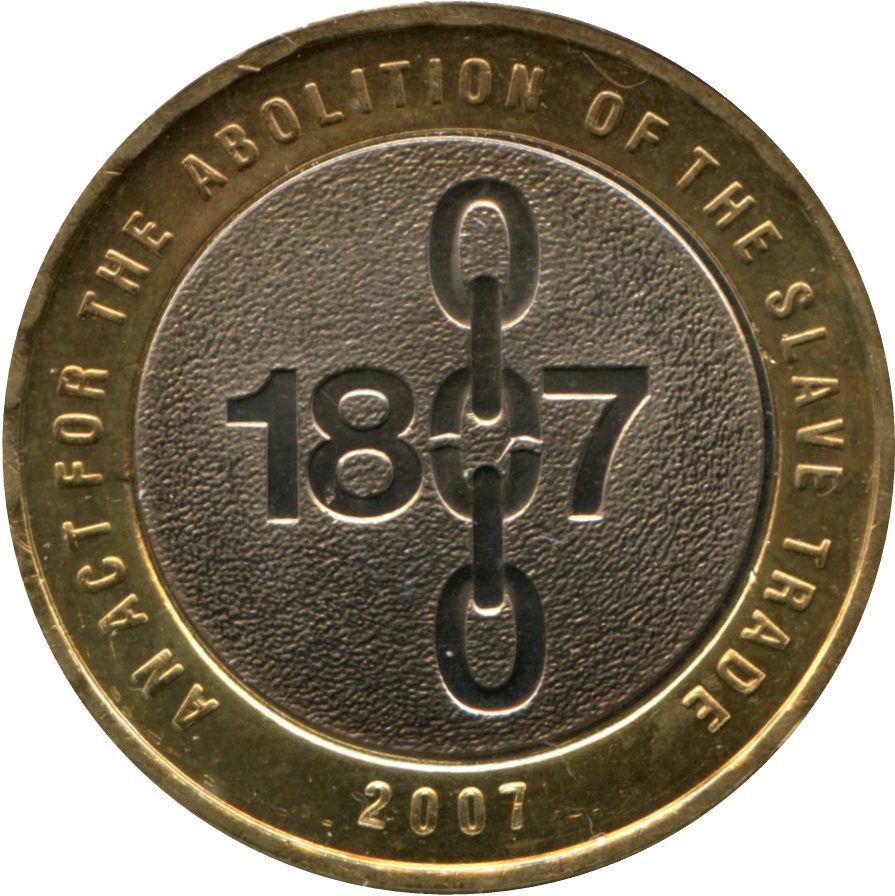
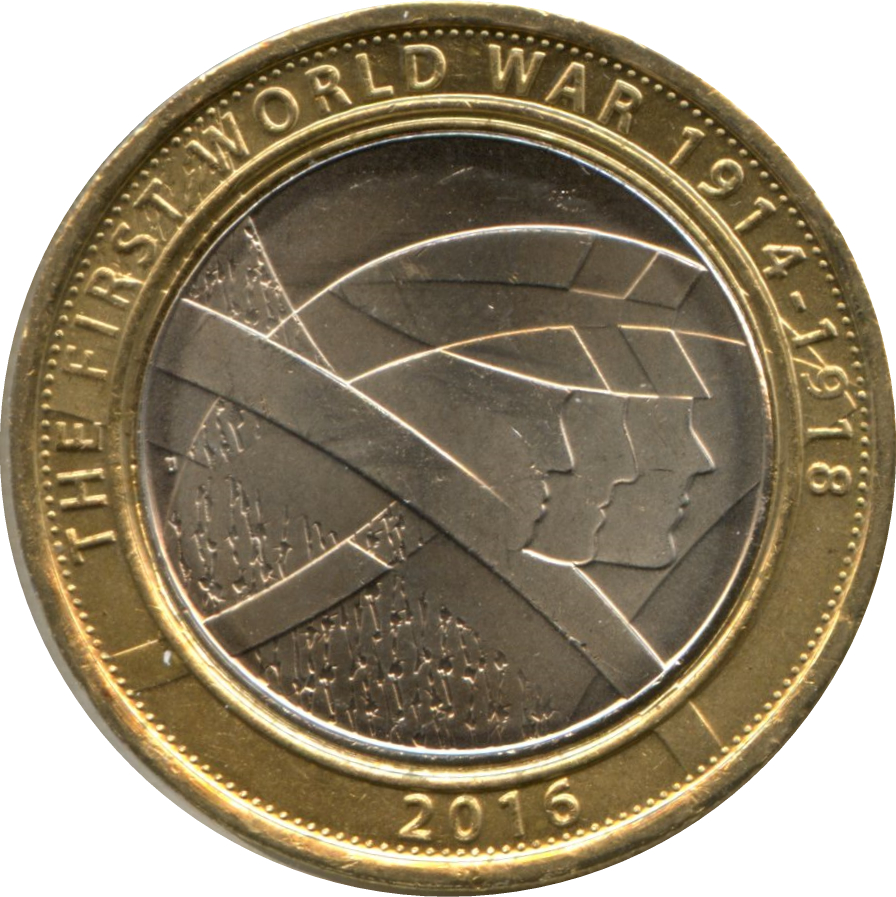
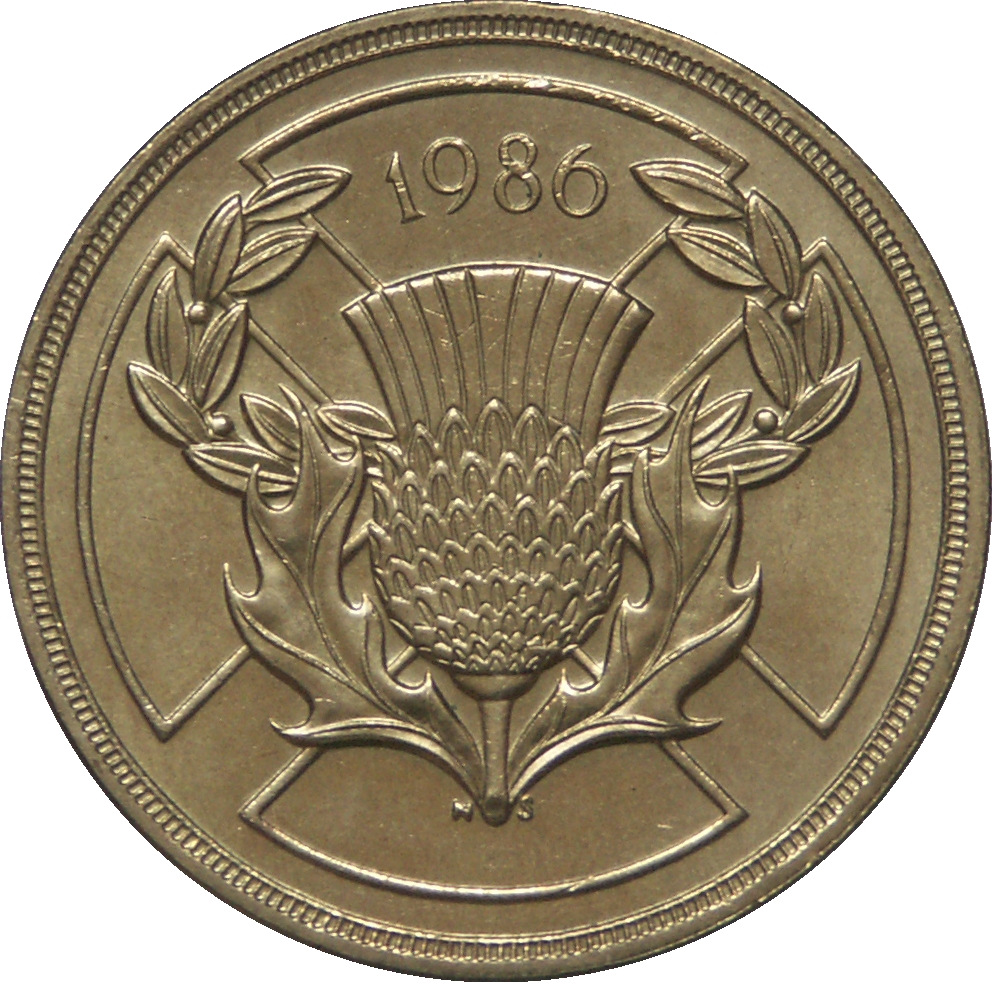
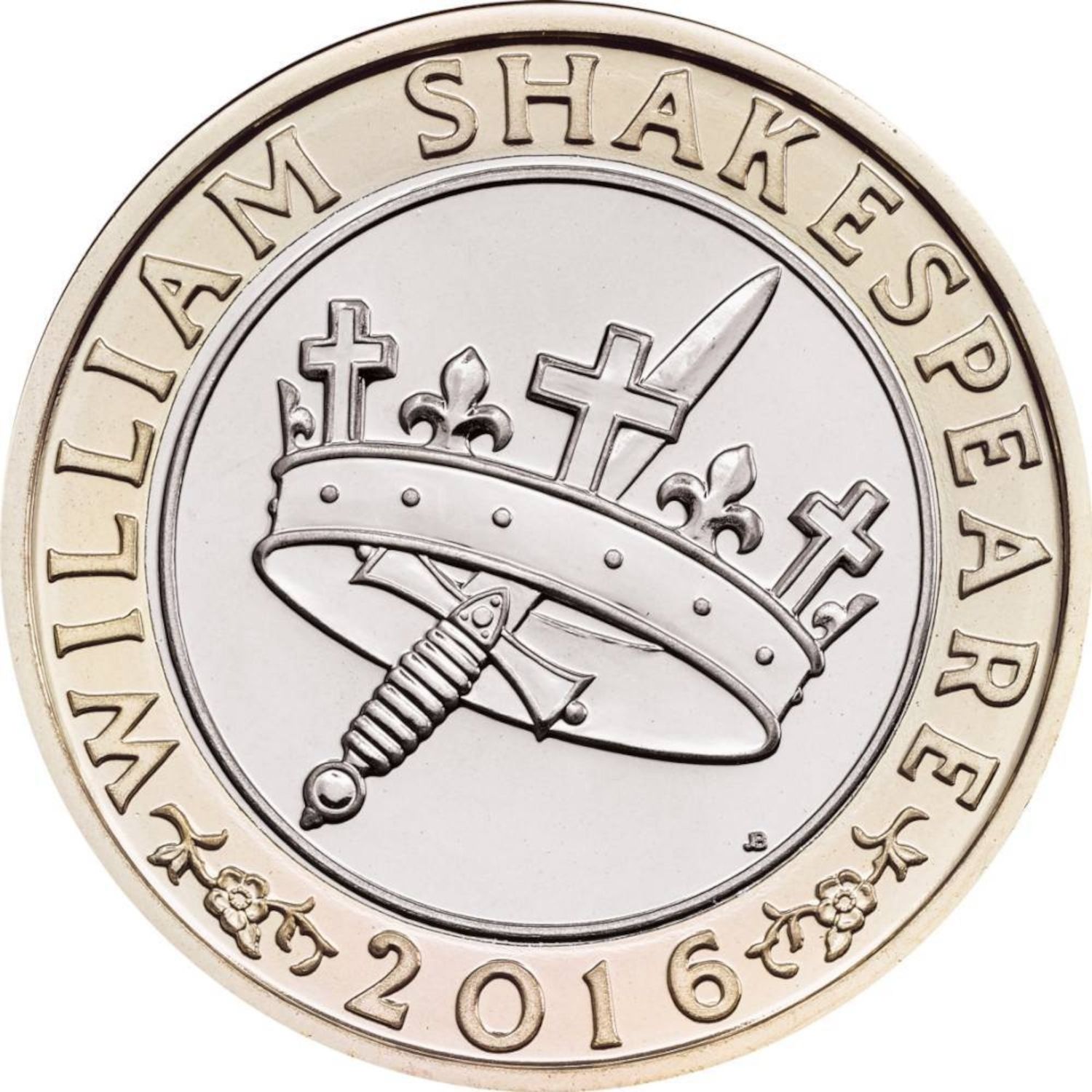
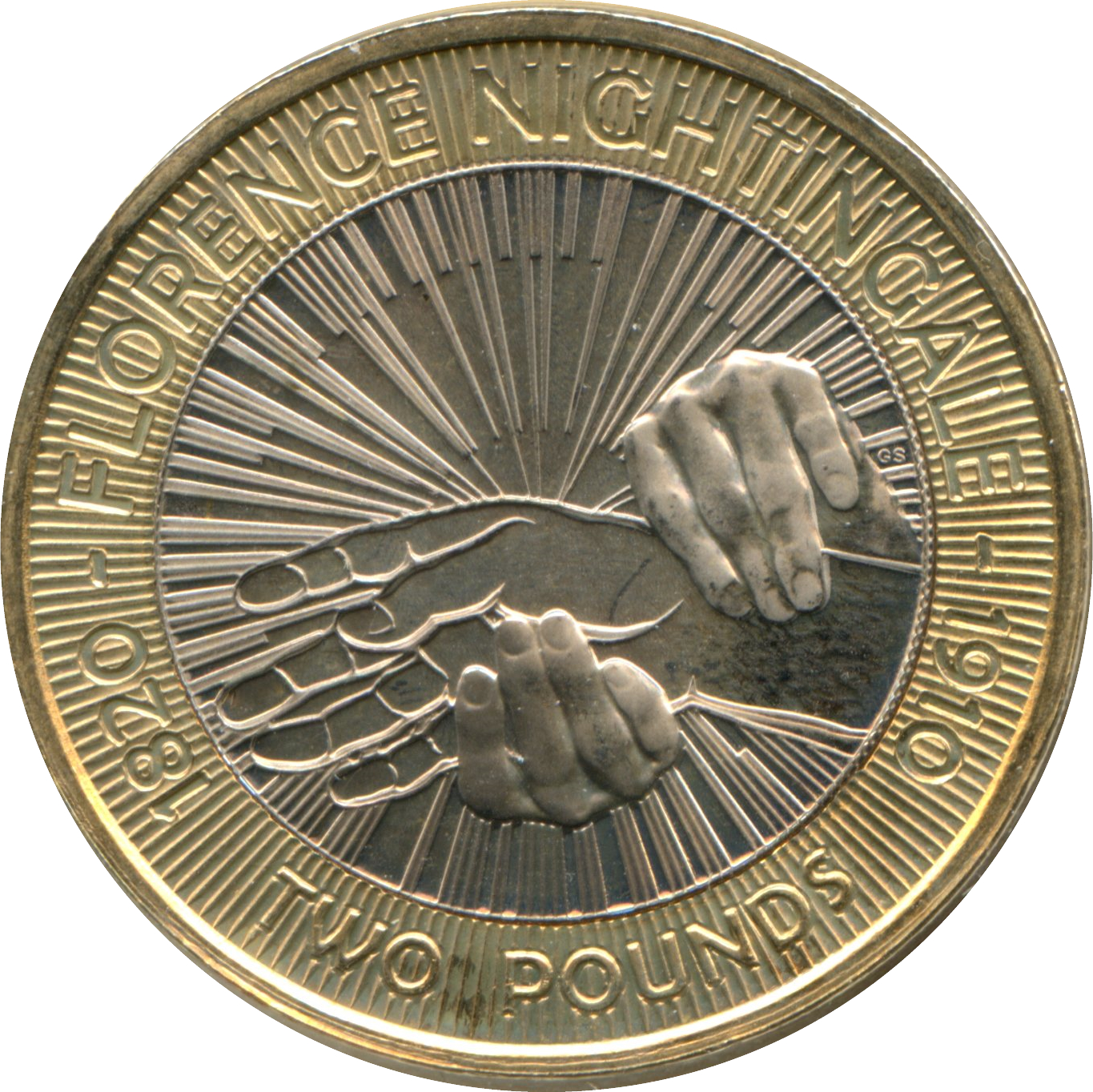
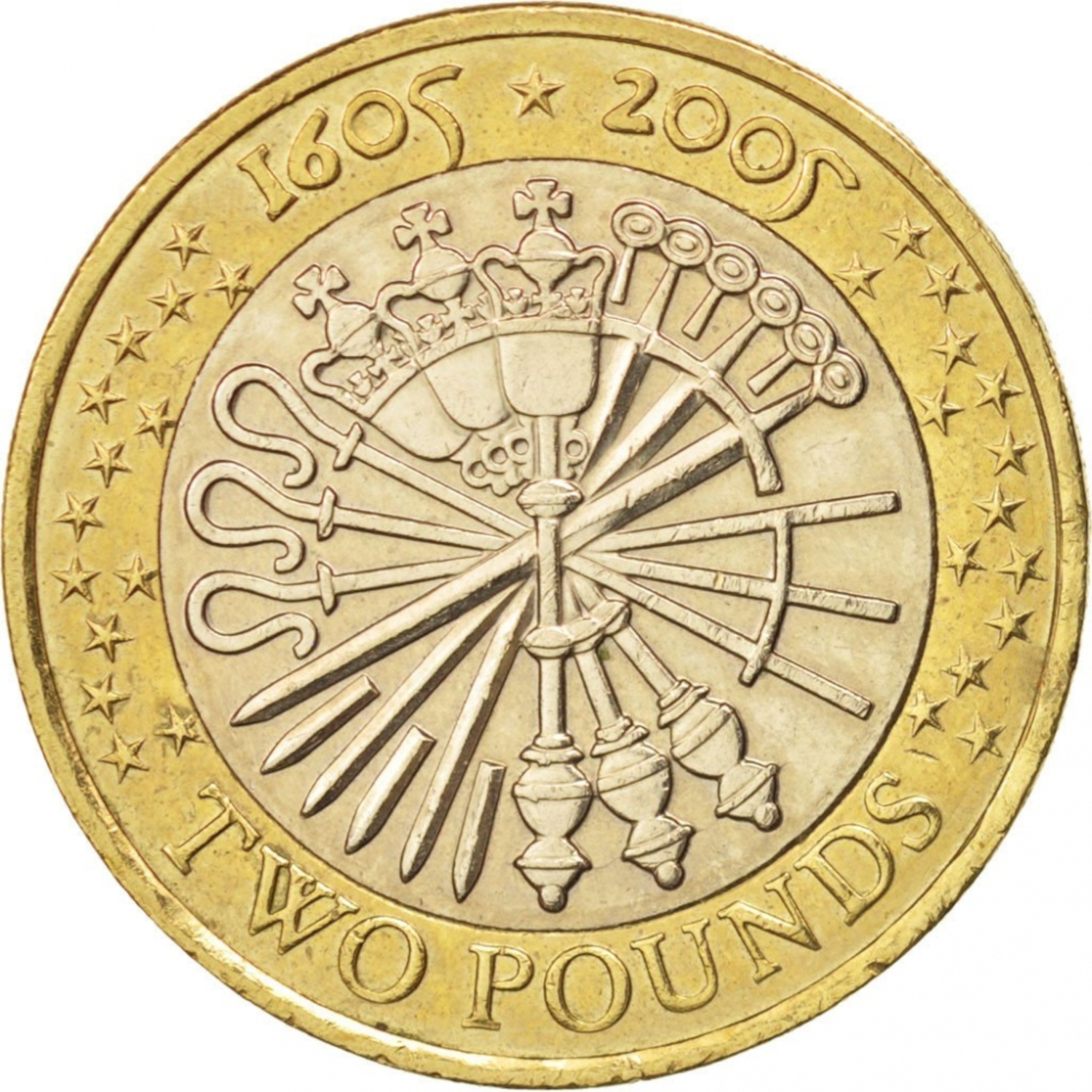
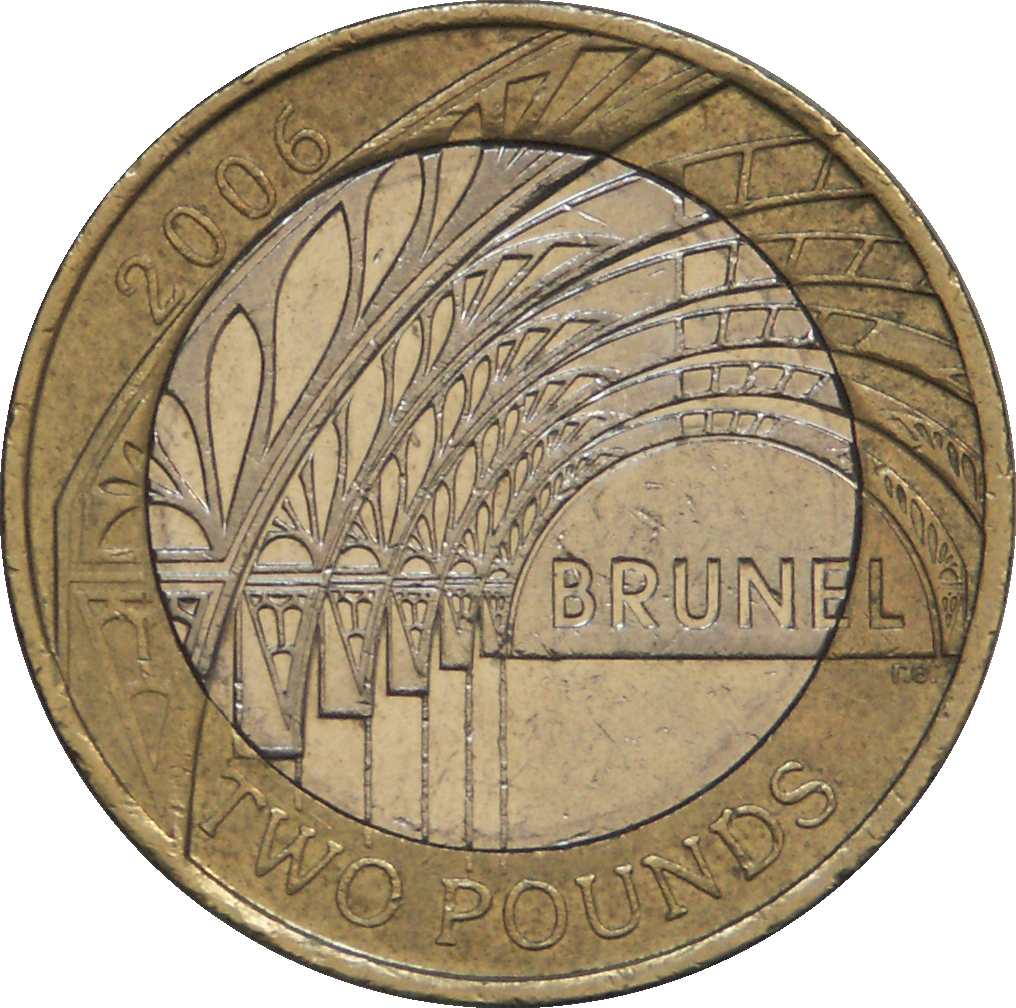
Browse every £2 in our database →
Frequently asked questions
Which is the rarest £2 coin in circulation?
How much is a 2002 Commonwealth Games £2 worth?
Are 1986–1996 £2 coins valuable?
What is the £2 edge inscription "Standing on the shoulders of giants"?
Why are 2007 and 2014 £2 coins still collectable despite high mintages?
What are the bimetallic £2 specifications?
Are there any £2 minting errors?
How can I tell if a £2 coin is fake?
Is the Britannia bullion £2 the same coin?
Are Charles III £2 coins valuable?
Where should I sell a rare £2 coin?
Should I get my £2 graded?
What is the rarest pre-bimetallic £2?
Are £2 coins still being issued?
Does cleaning my £2 increase its value?
Further reading
- UK coin value checker, value any coin in your change.
- Every £2 mintage figure, the full sortable table behind this ranking.
- 2002 Commonwealth Games £2 deep-dive, the rarest circulating £2 in detail.
- Britannia bullion £2 guide, the annual 1oz silver £2 series 2015–present.
- £2 edge inscription errors, orientation errors, wrong edges, and how to spot them.
- £2 coin values UK (overview), the original general £2 reference.
- UK coin errors list, every notable British minting mistake.
- Where to sell rare coins UK, venue commission breakdown.
- The Royal Mint, first-party mintage data and product reference.
- Change Checker £2 reference, community swap and rarity index.