The 100 Most Valuable UK Coins of 2026
This is the definitive ranking of British coins by what they actually sell for, realised auction prices from Spink, Baldwin’s, Noonans and eBay UK sold listings, not catalogue estimates and not dealer asking prices. At the top of the list sit the 1826 George IV pattern £5 (£155,000), the 1831 William IV proof Crown (£39,000) and the celebrated 1887 Victoria Jubilee Head gold series. The 100th coin still clears £5,000. Every coin below links through to a full grade-by-grade price history.
- The single most valuable coin on the list is the 5 Pounds - Victoria 1st portrait; 'Una and the Lion' (1839), with a realised auction price of £319,920.
- The 100th coin still sells for £5,000, the bar to enter this list is real.
- 44 of the 100 are gold (full sovereigns, half/double/quintuple sovereigns and gold £5 pieces).
- 1 are 50p coins, almost all silver-proof or gold-proof collector pieces, not the circulating cupro-nickel of the same design.
- 1 are £2 coins, mostly Northern Ireland Commonwealth Games and Atlantic Salmon proof variants.
- 16 are crowns, pre-decimal silver and modern £5 commemoratives.
- All prices on this page come from realised sales in our database. We never use asking prices or catalogue estimates.
Think you own one of the 100?
Free MyCoinage valuation tool · realised auction prices · no card needed
Add it to a free MyCoinage collection and see its realised auction prices by grade, then watch the value over time.
What makes a UK coin valuable?
The number you see on this page is the result of four overlapping forces. Knowing which one applies to a coin in your hand is the difference between selling for face value and selling for five figures.
Scarcity (mintage)
How many were struck. The 2009 Kew Gardens 50p had 210,000; the 1933 George V penny has seven known. Lower is rarer, but only when paired with demand.
Condition (grade)
The Sheldon 70-point scale. A circulated example of a rare coin can be worth a tenth of an FDC proof. Grading is graded, see our grading guide.
Format (proof or circulating)
Most "rare" 50p stories conflate two coins of the same design, the circulating cupro-nickel and the silver- or gold-proof collector version. The proof is often 100× the circulating value.
Provenance (story)
A coin with a documented history, a pattern struck for a king who abdicated, a proof from a famous collection, commands a premium over an anonymous example of the same date.
The top 5


How this ranking is built
Every coin on this page is ranked by the highest verified realised auction sale we have on file for that coin, in any grade. We use realised prices because they reflect what buyers actually paid, not what sellers asked, and not what catalogues estimate.
- Source data: 86,527 verified sales aggregated from Spink, Baldwin’s, Noonans and eBay UK sold listings.
- Currency: all values in GBP. Lots sold in USD or EUR are converted to GBP at the spot rate on the sale date using our daily FX feed.
- Grade: we record the highest realised price across all grades the coin has sold in. The visible price is the top of the range, not the median.
- What we exclude: pattern coins, fantasy issues, and unauthenticated lots without provenance.
- Update cadence: the underlying data refreshes nightly. The ranking on this page reflects the most recent rebuild.
- Full method: see methodology for the complete data pipeline.
The full 100, ranked by realised price
Every coin in the table below is a verified realised sale, not an asking price. Click any coin to open its full price history, including grade-by-grade sales going back five years. The 🔍 eBay link goes directly to sold-listings only for that coin.
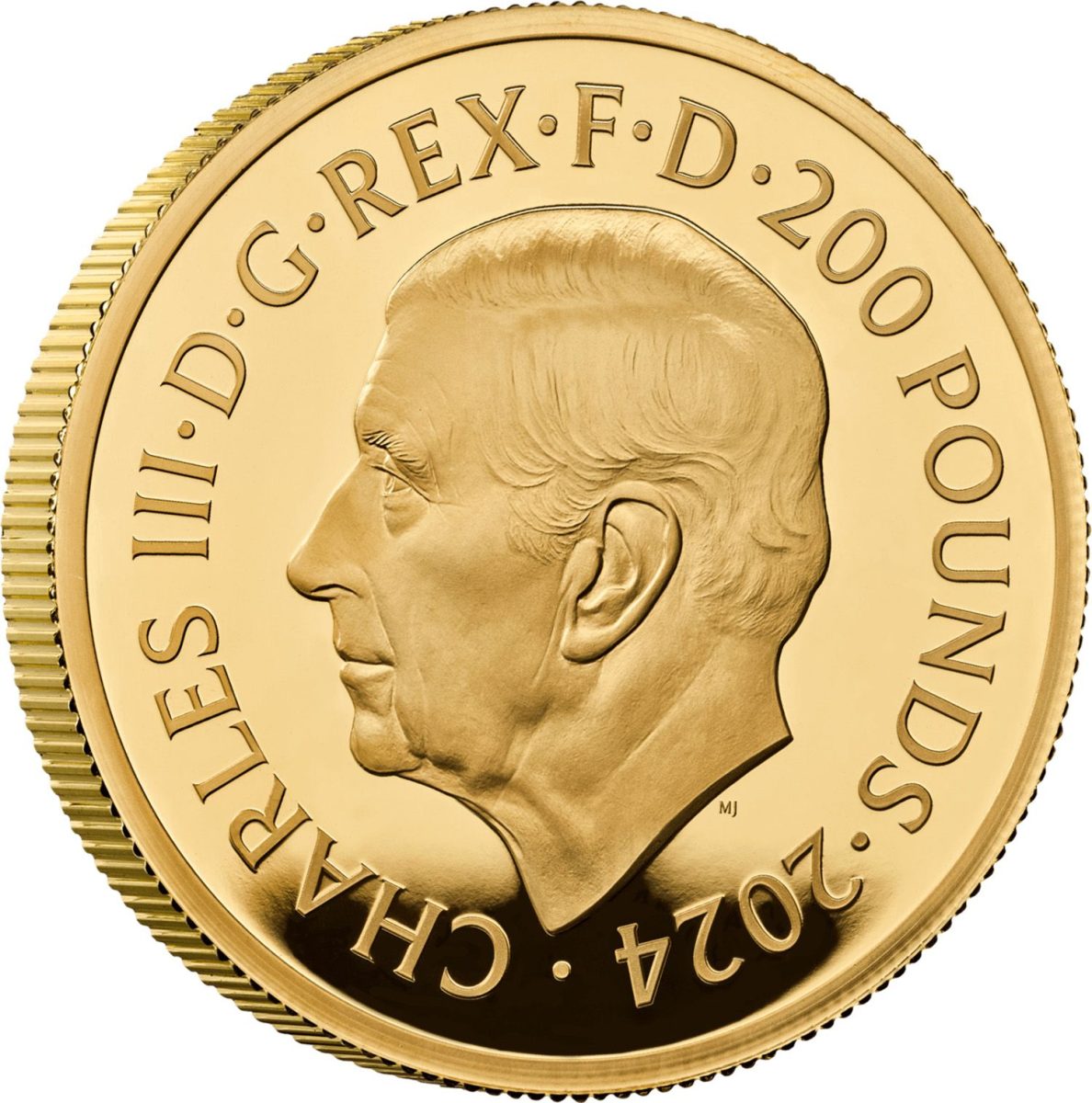
| # | Coin | Year | Denomination | Mintage | Realised £ | Identify |
|---|---|---|---|---|---|---|
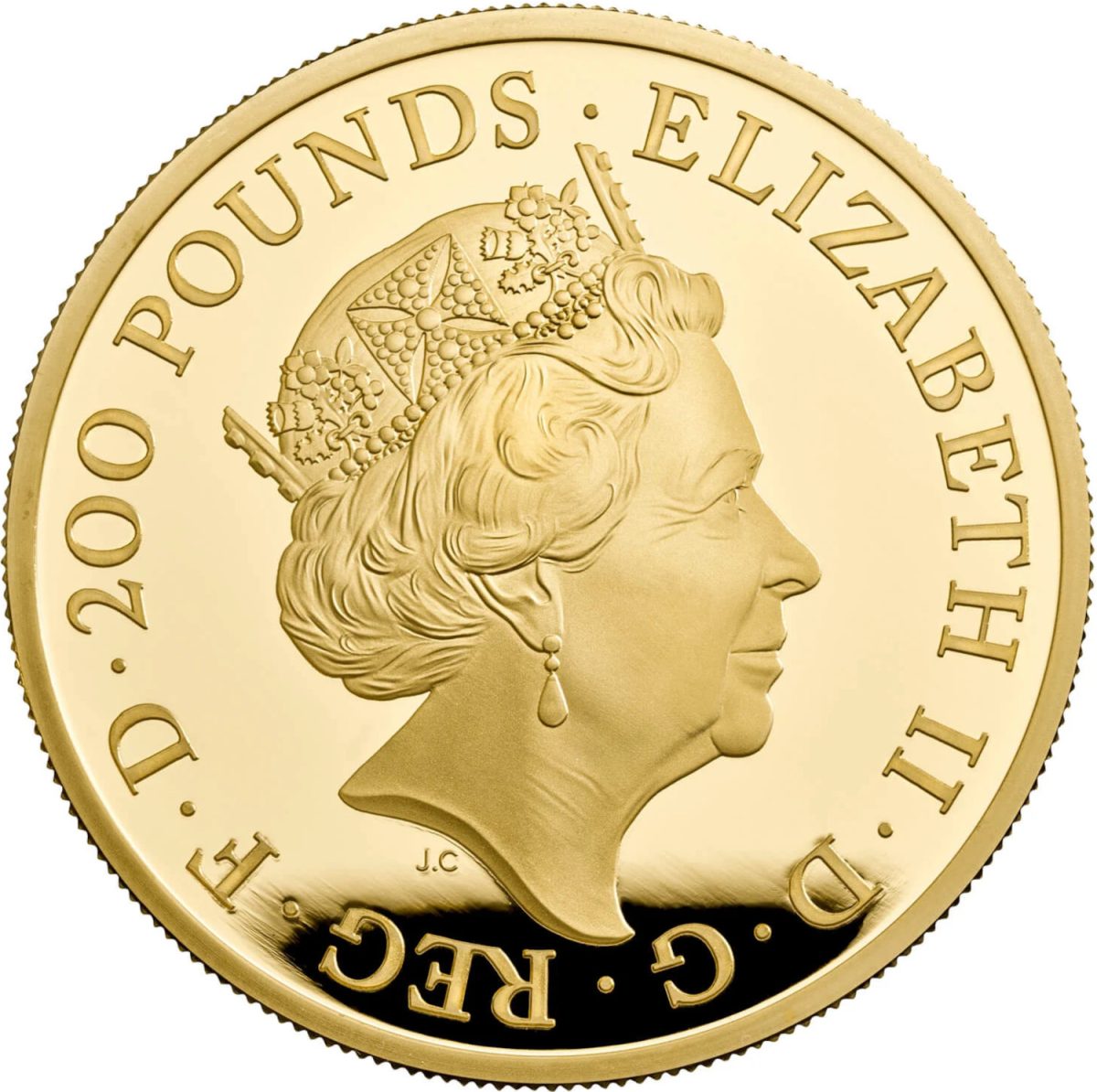
| #1 | 1839 | 5 Pounds | 400 | £319,920 | 🔍 eBay → | |
| #2 | 1817 | 1 Crown | , | £316,800 | 🔍 eBay → | |
| #3 | 1820 | 5 Pounds | 25 | £200,000 | 🔍 eBay → | |
| #4 | 1839 | 1 Crown | , | £159,960 | 🔍 eBay → | |
| #5 | 1817 | 1 Crown | , | £149,600 | 🔍 eBay → | |
| #6 | 1817 | 1 Crown | , | £126,216 | 🔍 eBay → | |
| #7 | 1893 | 5 Pounds | 20,405 | £113,233 | 🔍 eBay → | |
| #8 | 1887 | 5 Pounds | 53,844 | £105,684 | 🔍 eBay → | |
| #9 | 1826 | 5 Pounds | 150 | £98,135 | 🔍 eBay → | |
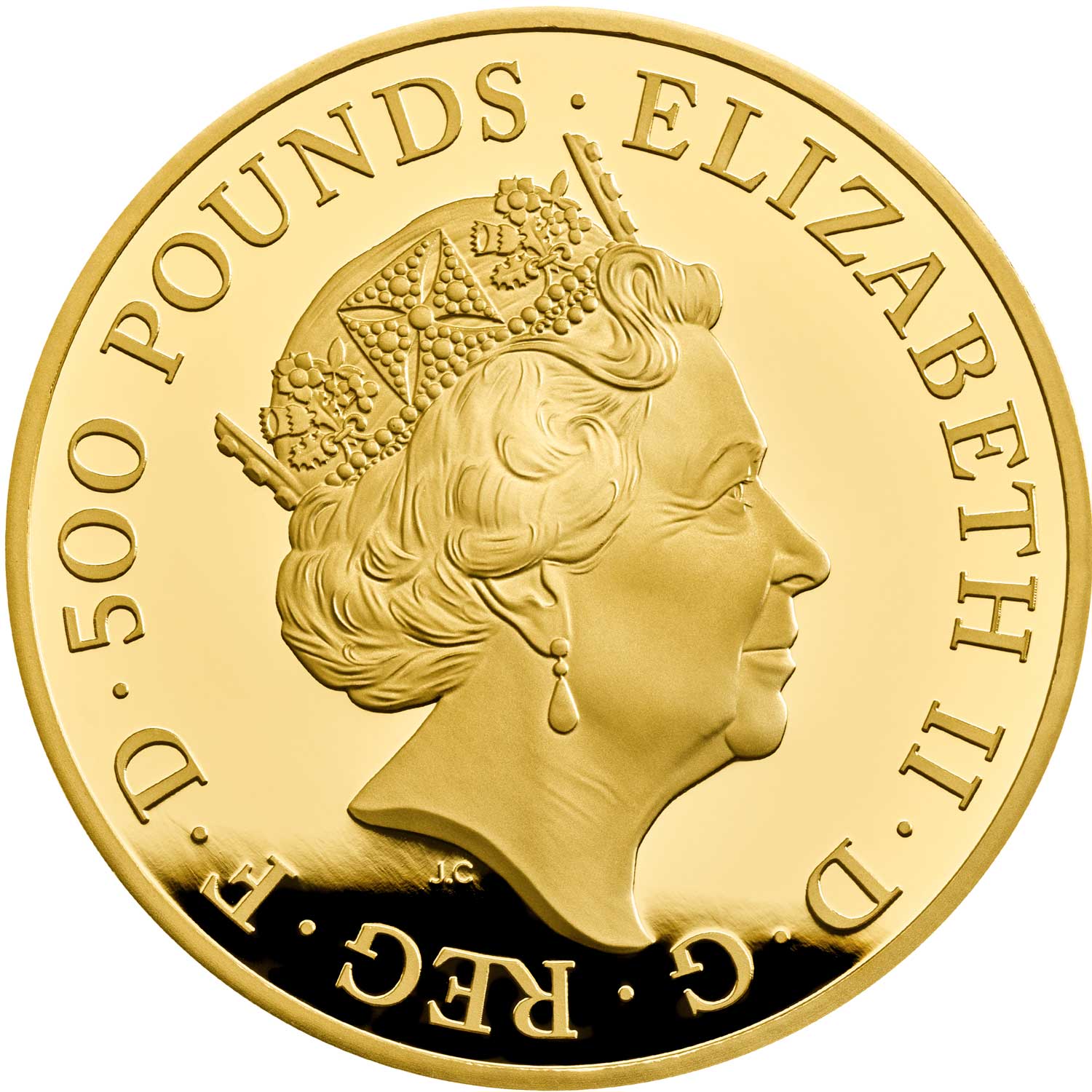
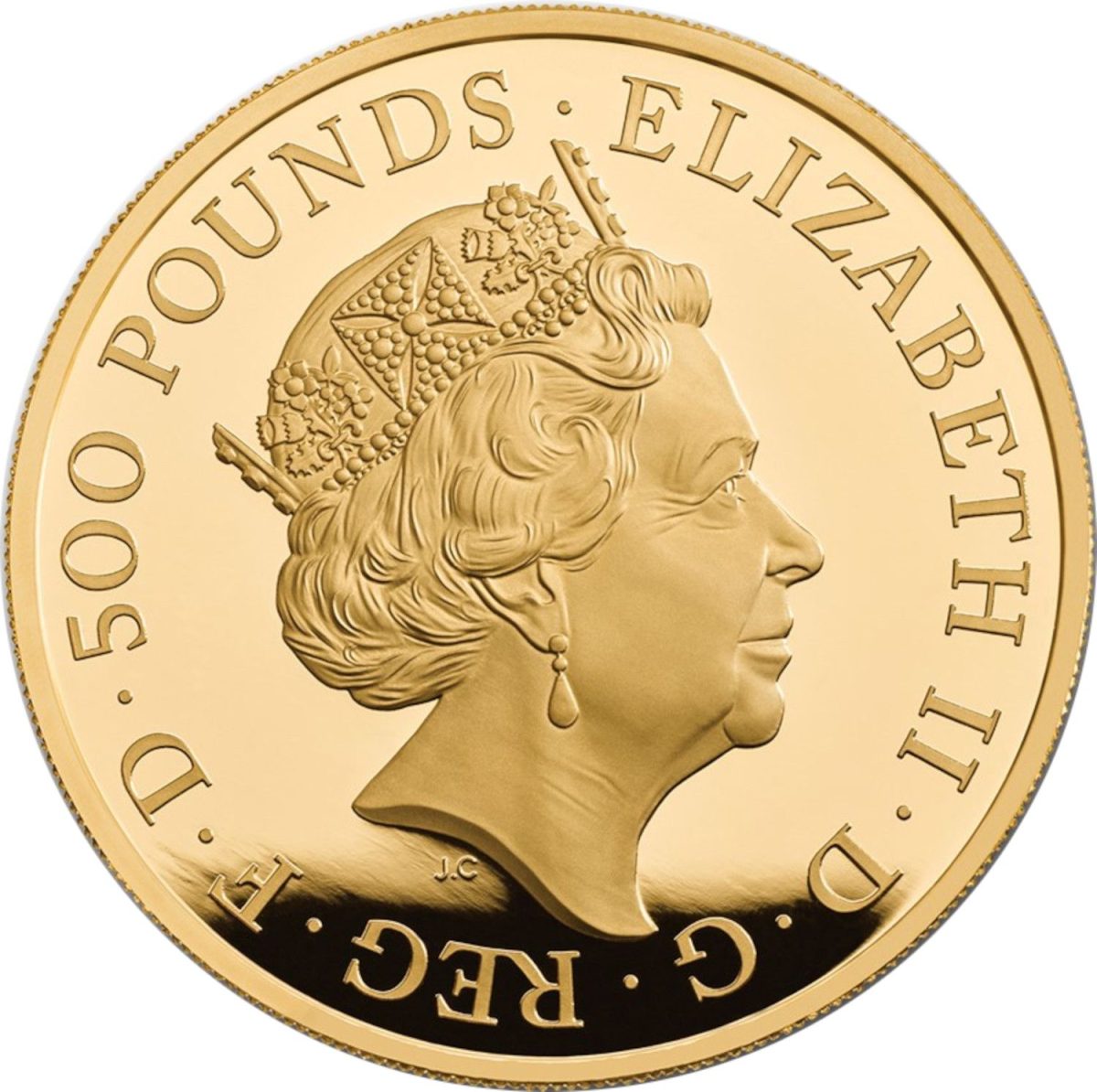
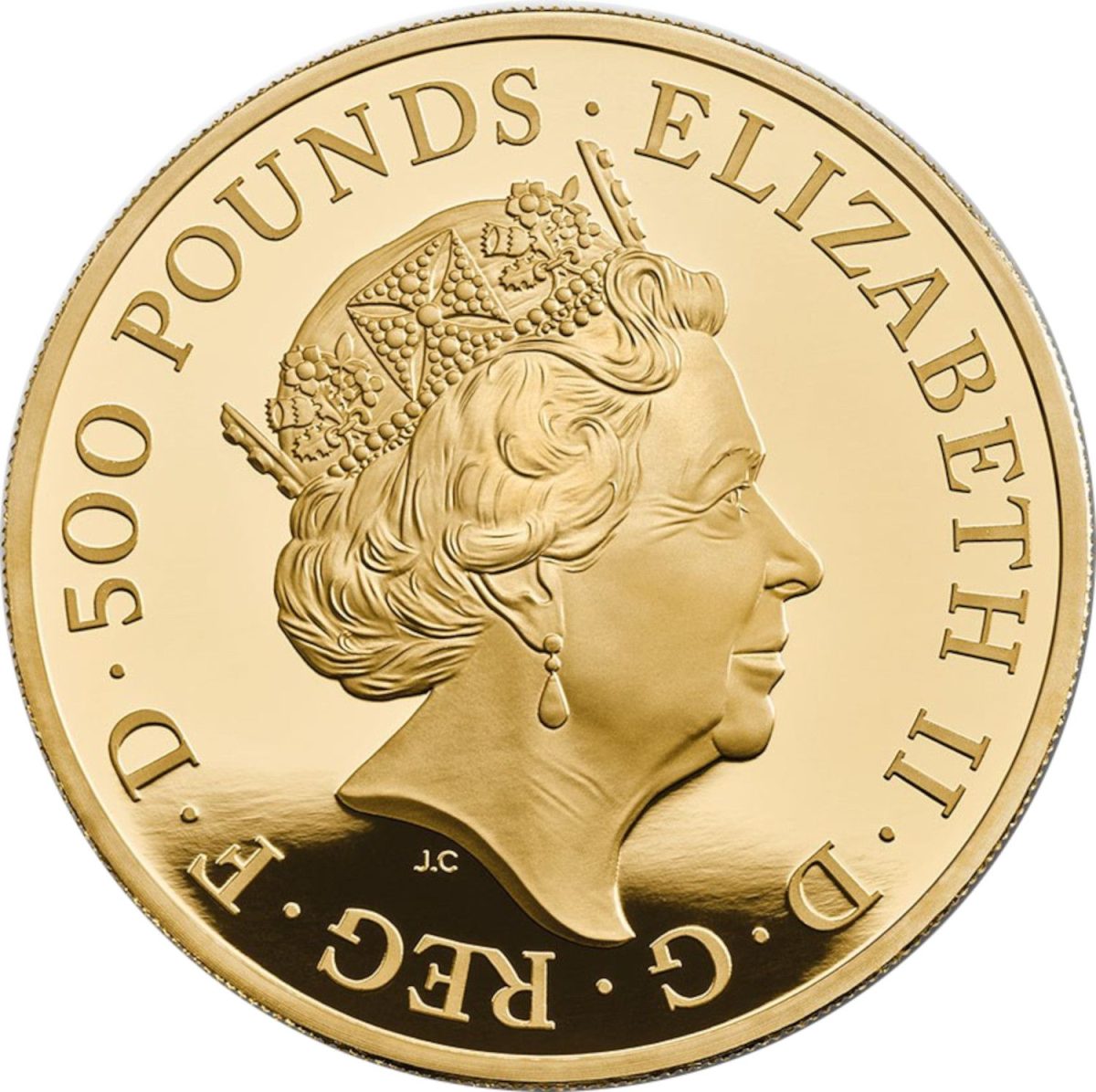
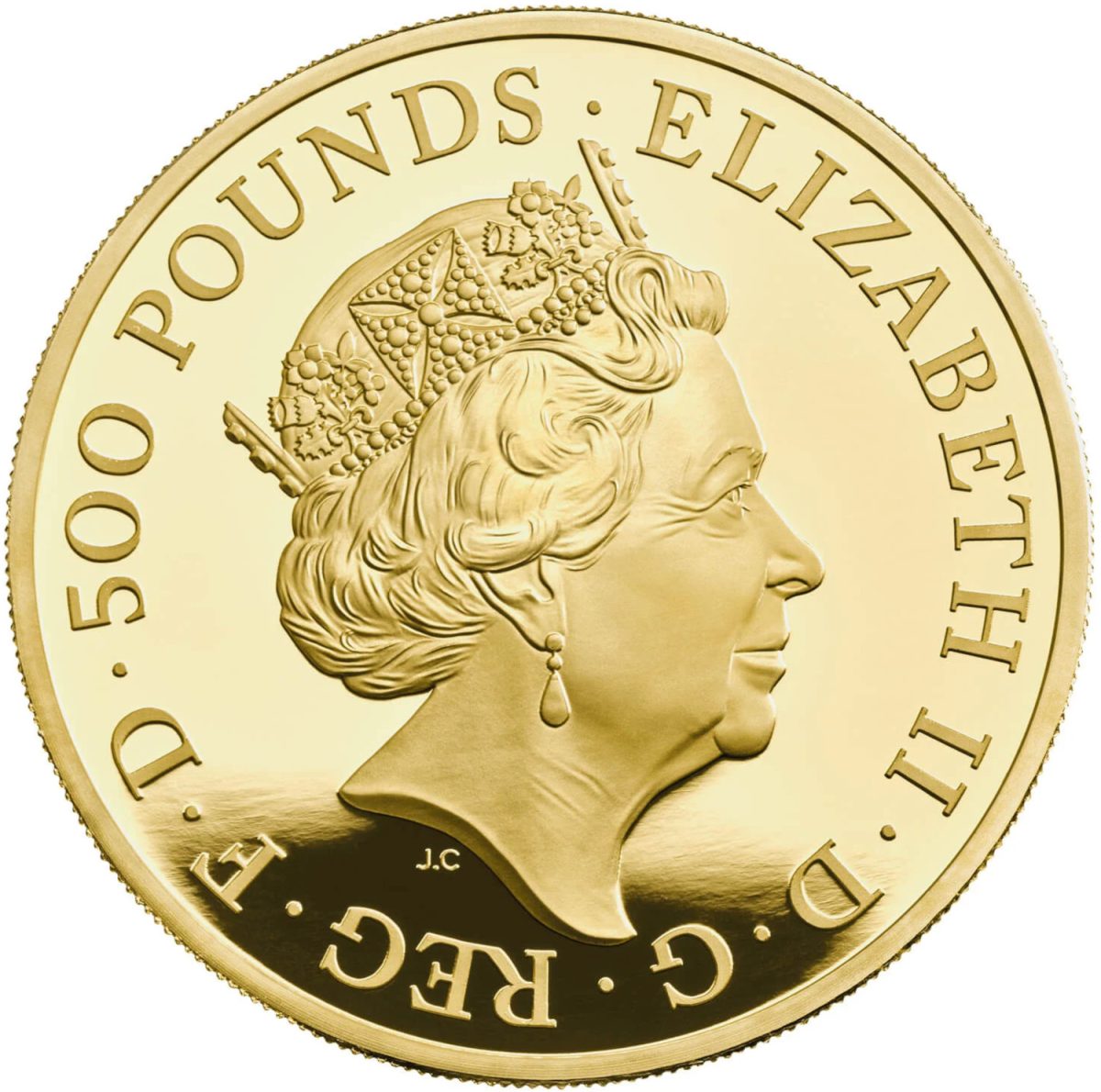
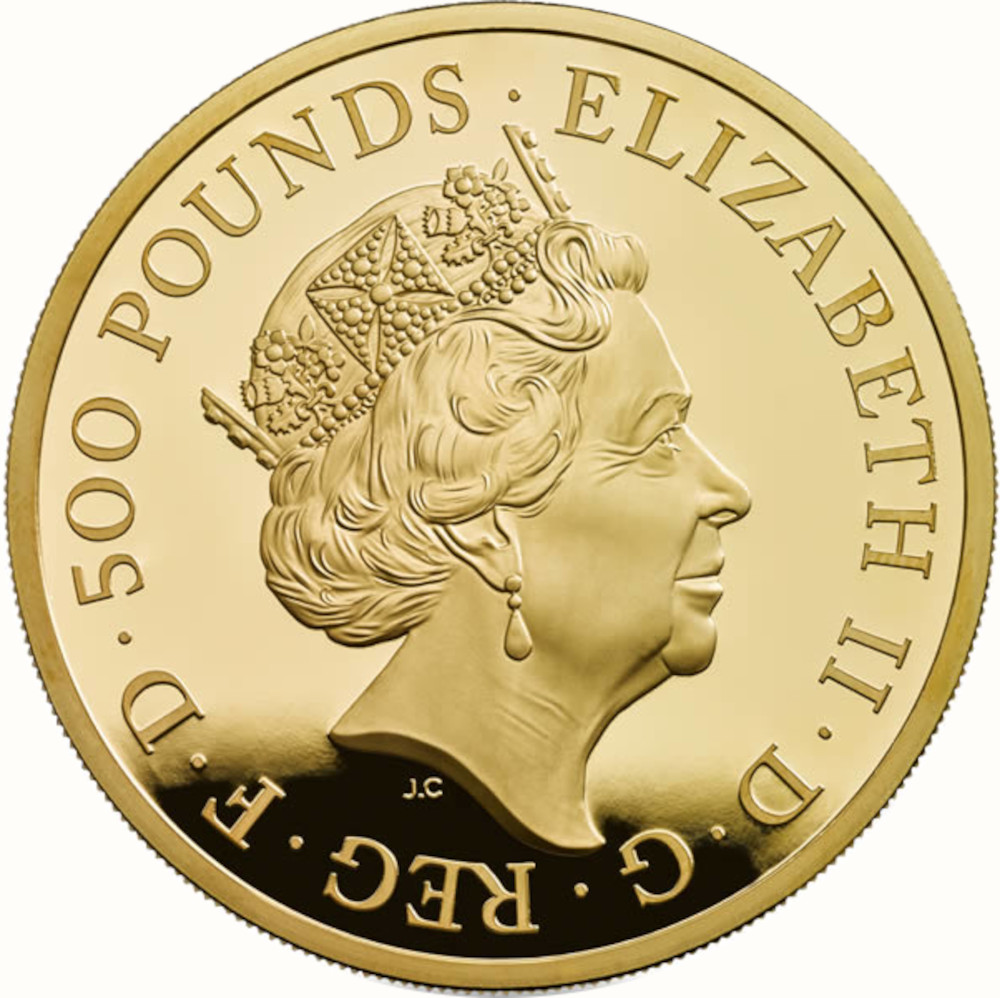
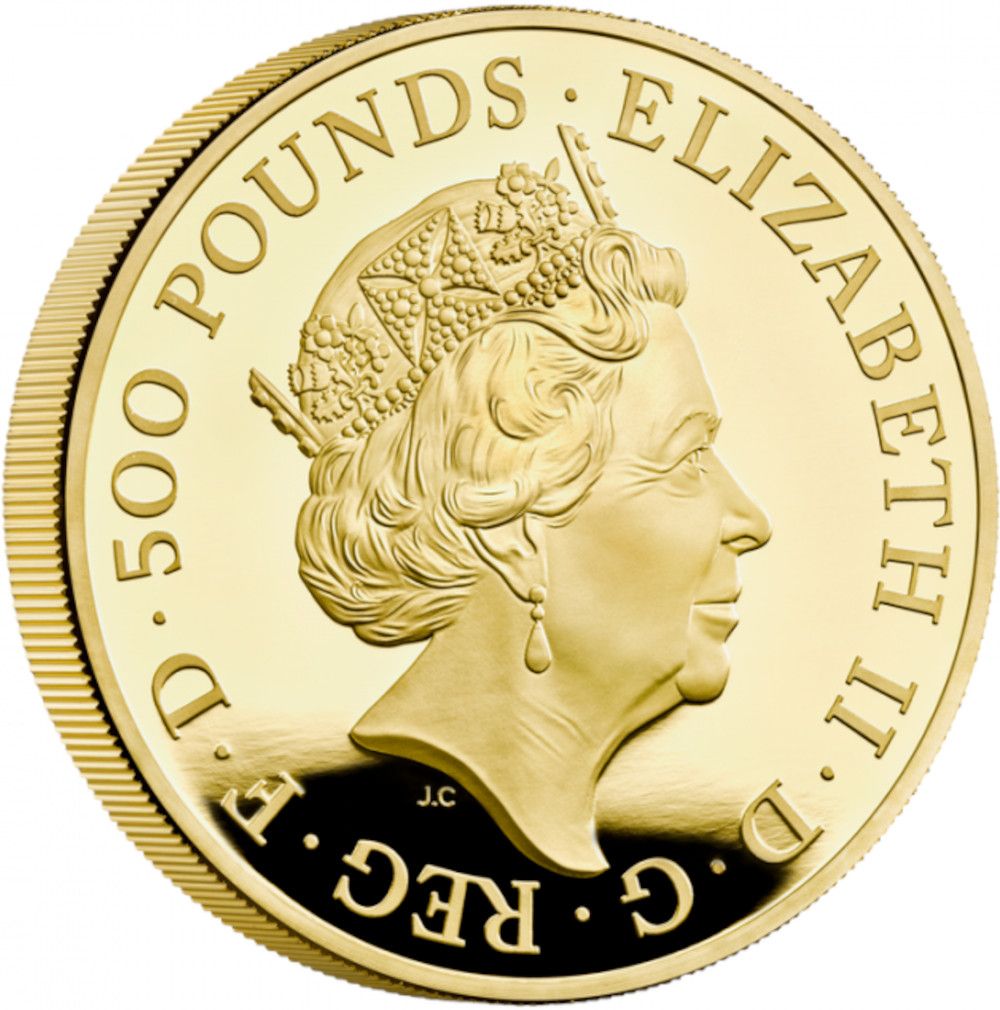
| #10 | 2019 | 500 Pounds | 65 | £82,500 | 🔍 eBay → | |
| #11 | 1837 | 1 Sovereign | , | £74,200 | 🔍 eBay → | |
| #12 | 1817 | 1 Sovereign | 3,235,239 | £57,500 | 🔍 eBay → | |
| #13 | 1957 | 1 Sovereign | 2,072,000 | £52,869 | 🔍 eBay → | |
| #14 | 1831 | 1 Crown | , | £39,000 | 🔍 eBay → | |
| #15 | 1911 | 5 Pounds | 2,812 | £37,744 | 🔍 eBay → | |
| #16 | 1887 | 2 Sovereigns | 91,345 | £34,725 | 🔍 eBay → | |
| #17 | 1729 | 5 Guineas | , | £32,000 | 🔍 eBay → | |
| #18 | 1831 | 1 Crown | 100 | £30,484 | 🔍 eBay → | |
| #19 | 1820 | 2 Pounds | 60 | £30,196 | 🔍 eBay → | |
| #20 | 1911 | 1 Penny | 23,079,168 | £30,100 | 🔍 eBay → | |
| #21 | 1831 | 2 Sovereigns | 225 | £29,945 | 🔍 eBay → | |
| #22 | 1847 | 1 Crown | 8,000 | £29,150 | 🔍 eBay → | |
| #23 | 1813 | 1 Guinea | 5 | £26,500 | 🔍 eBay → | |
| #24 | 1838 | 1 Sovereign | 2,718,694 | £26,000 | 🔍 eBay → | |
| #25 | 1895 | 2 Shillings 4 Pence | 3,316,036 | £25,666 | 🔍 eBay → | |
| #26 | 1830 | 1 Sovereign | , | £25,000 | 🔍 eBay → | |
| #27 | 2017 | 500 Pounds | 98 | £24,380 | 🔍 eBay → | |
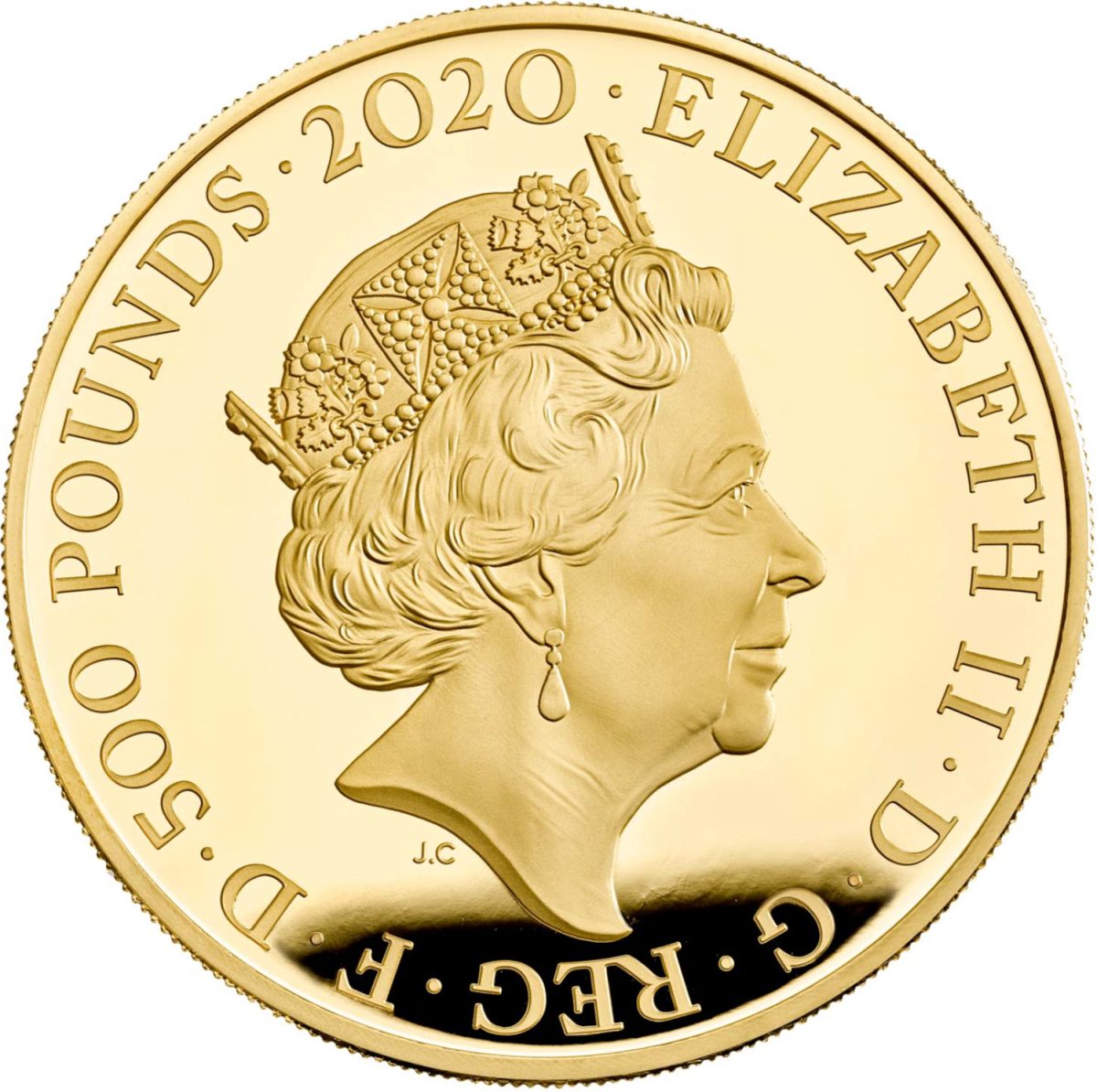
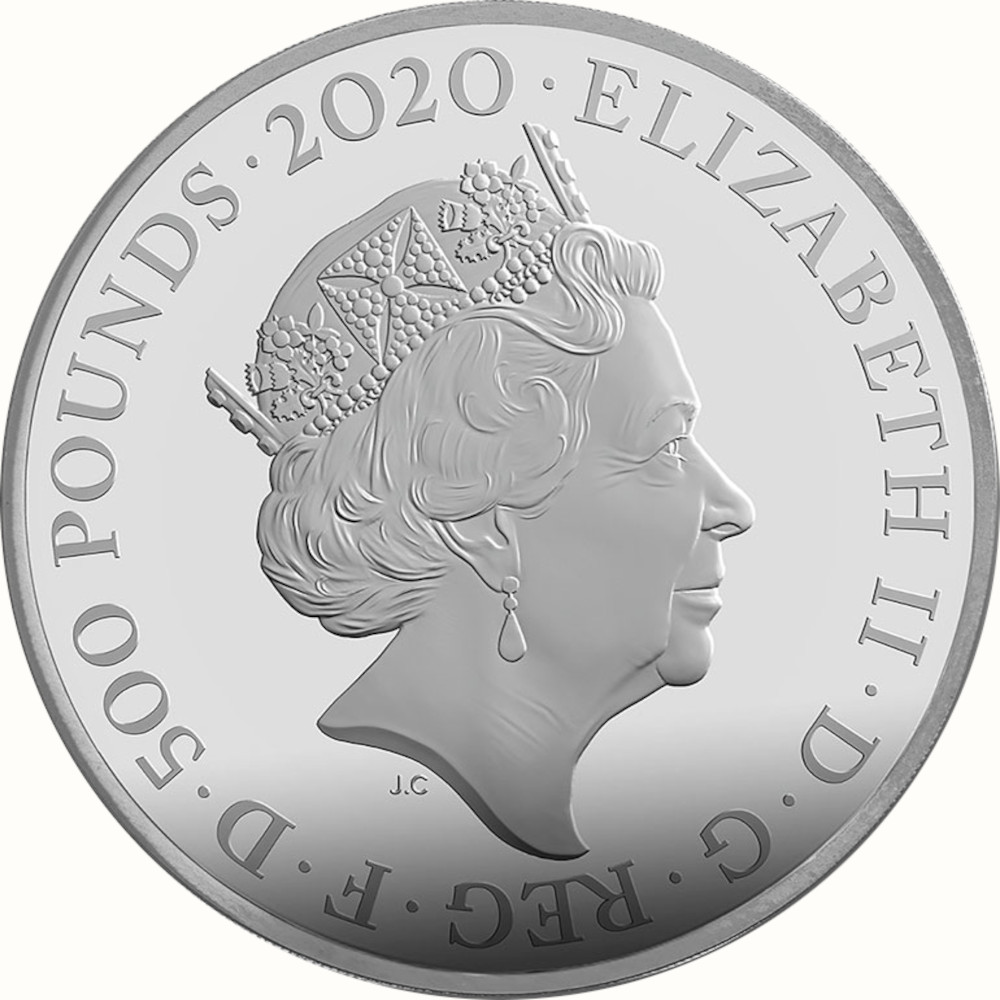
| #28 | 2020 | 500 Pounds | , | £24,000 | 🔍 eBay → | |
| #29 | 1871 | 1 Sovereign | 8,767,250 | £23,402 | 🔍 eBay → | |
| #30 | 2019 | 500 Pounds | 60 | £22,260 | 🔍 eBay → | |
| #31 | 2021 | 500 Pounds | , | £20,386 | 🔍 eBay → | |
| #32 | 1937 | 5 Pounds | 5,501 | £19,627 | 🔍 eBay → | |
| #33 | 1848 | 1 Florin | , | £19,627 | 🔍 eBay → | |
| #34 | 1818 | 1 Crown | 155,200 | £19,627 | 🔍 eBay → | |
| #35 | 1831 | 1 Sovereign | 598,547 | £19,000 | 🔍 eBay → | |
| #36 | 1893 | 1 Crown | 497,845 | £17,366 | 🔍 eBay → | |
| #37 | 1823 | 2 Sovereigns | , | £16,608 | 🔍 eBay → | |
| #38 | 1825 | 1 Sovereign | , | £16,054 | 🔍 eBay → | |
| #39 | 1980 | 5 Sovereigns | 10,000 | £15,113 | 🔍 eBay → | |
| #40 | 1821 | 1 Sovereign | 9,405,114 | £15,098 | 🔍 eBay → | |
| #41 | 1893 | 2 Sovereigns | 52,212 | £14,343 | 🔍 eBay → | |
| #42 | 1711 | 5 Guineas | , | £14,000 | 🔍 eBay → | |
| #43 | 1893 | 1 Sovereign | 6,898,260 | £13,965 | 🔍 eBay → | |
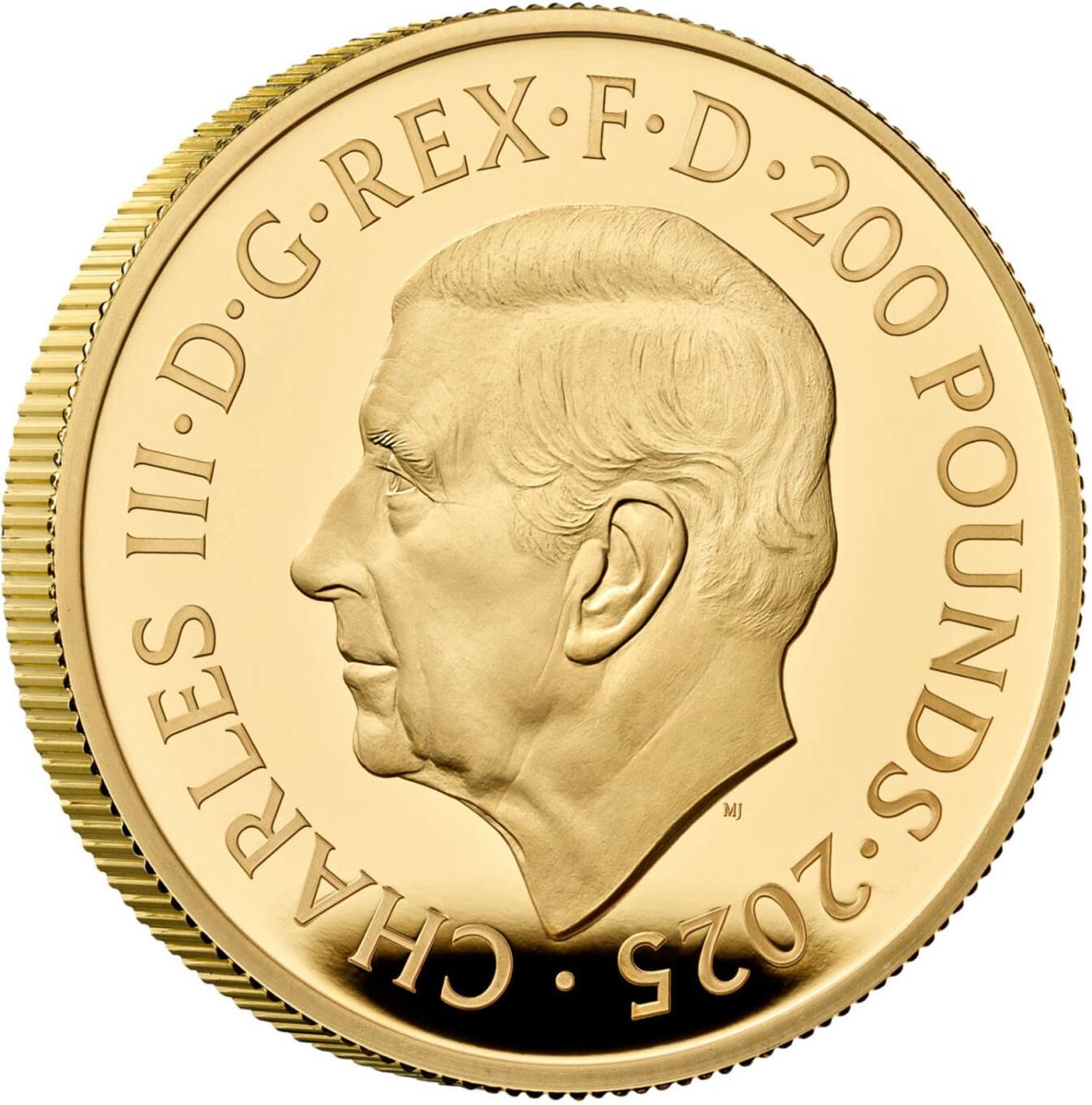
| #44 | 2025 | 200 Pounds | , | £13,250 | 🔍 eBay → | |
| #45 | 2017 | 500 Pounds | 100 | £13,217 | 🔍 eBay → | |
| #46 | 1825 | 1 Crown | , | £12,833 | 🔍 eBay → | |
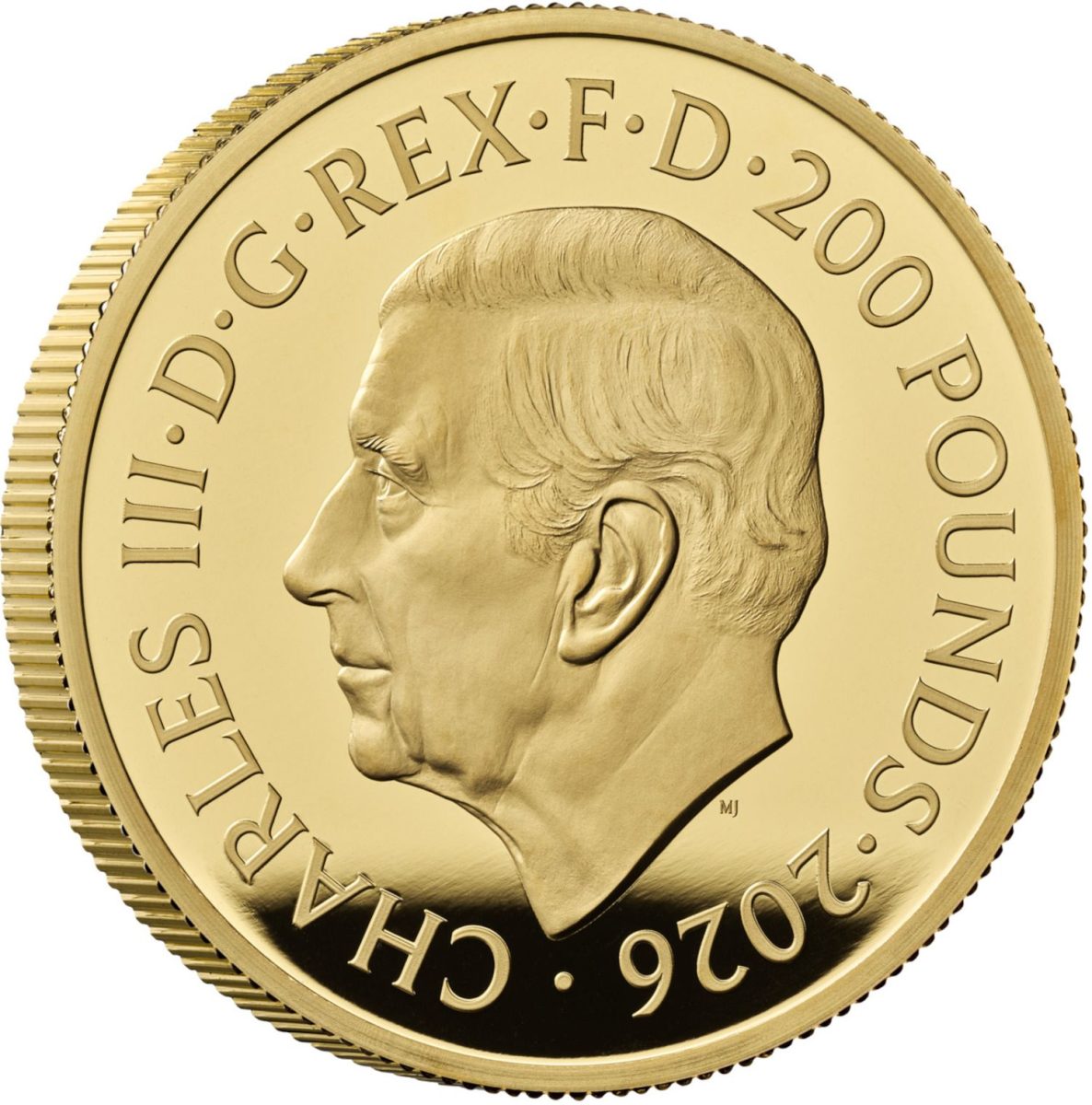
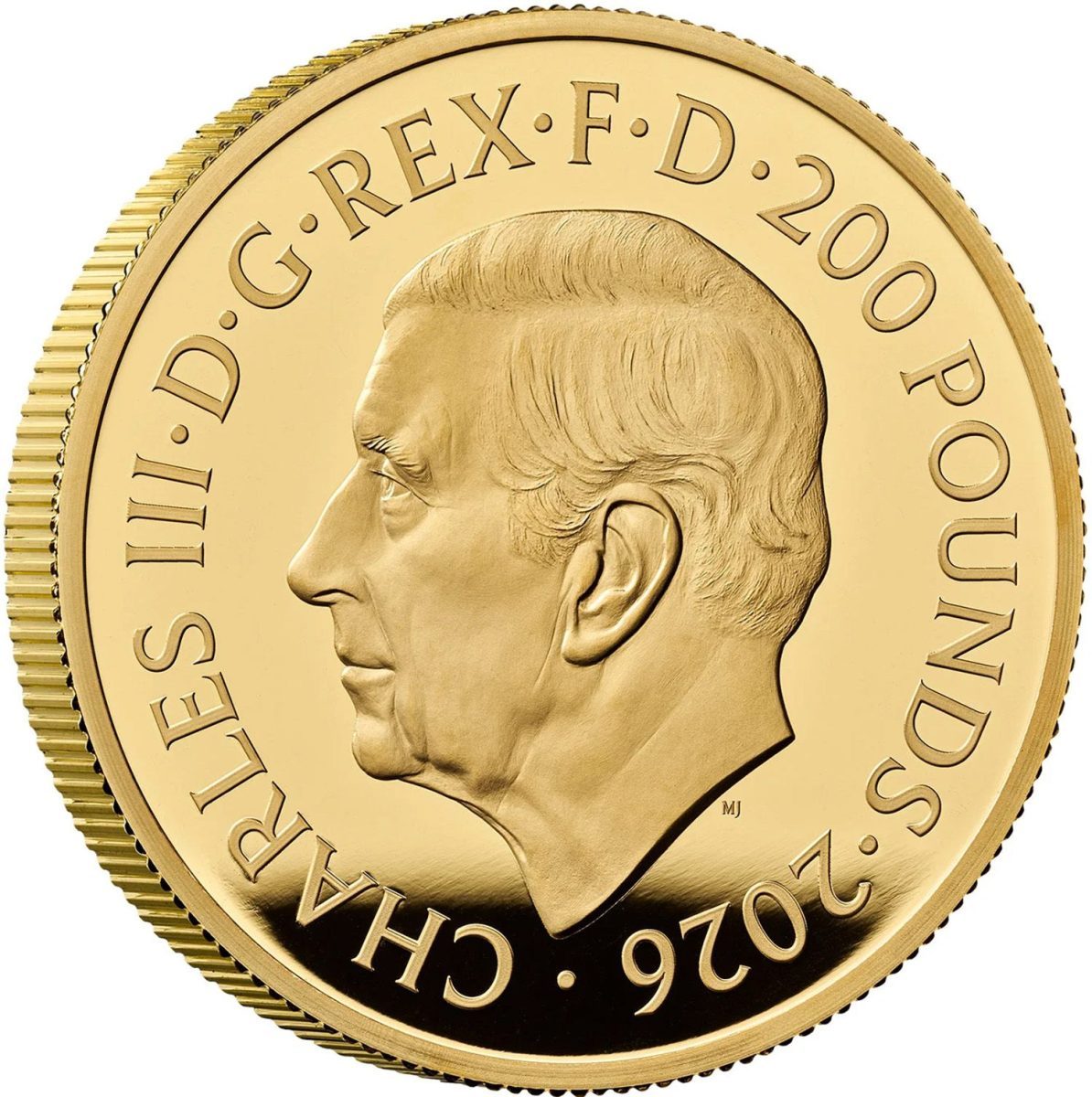
| #47 | 2026 | 200 Pounds | , | £12,826 | 🔍 eBay → | |
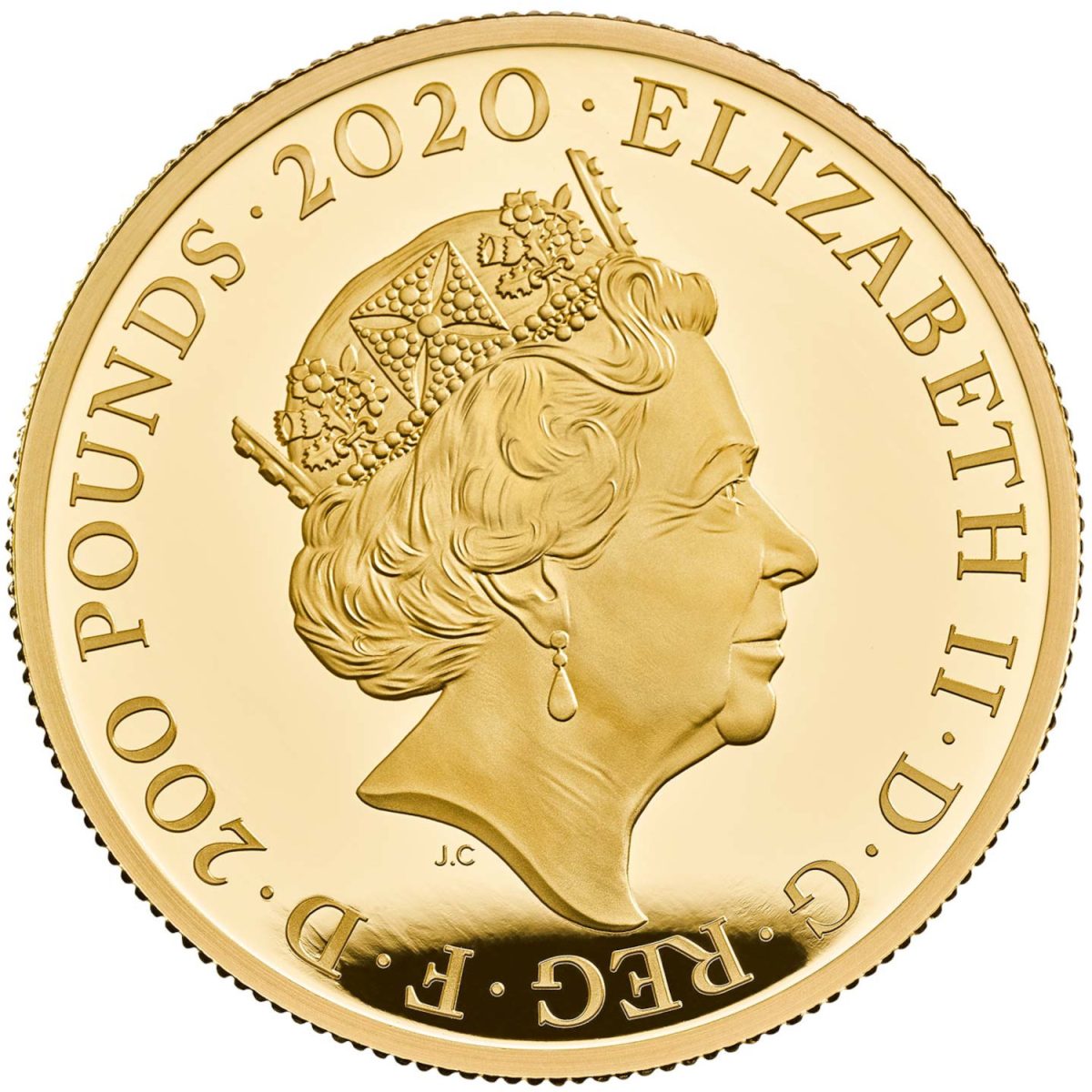
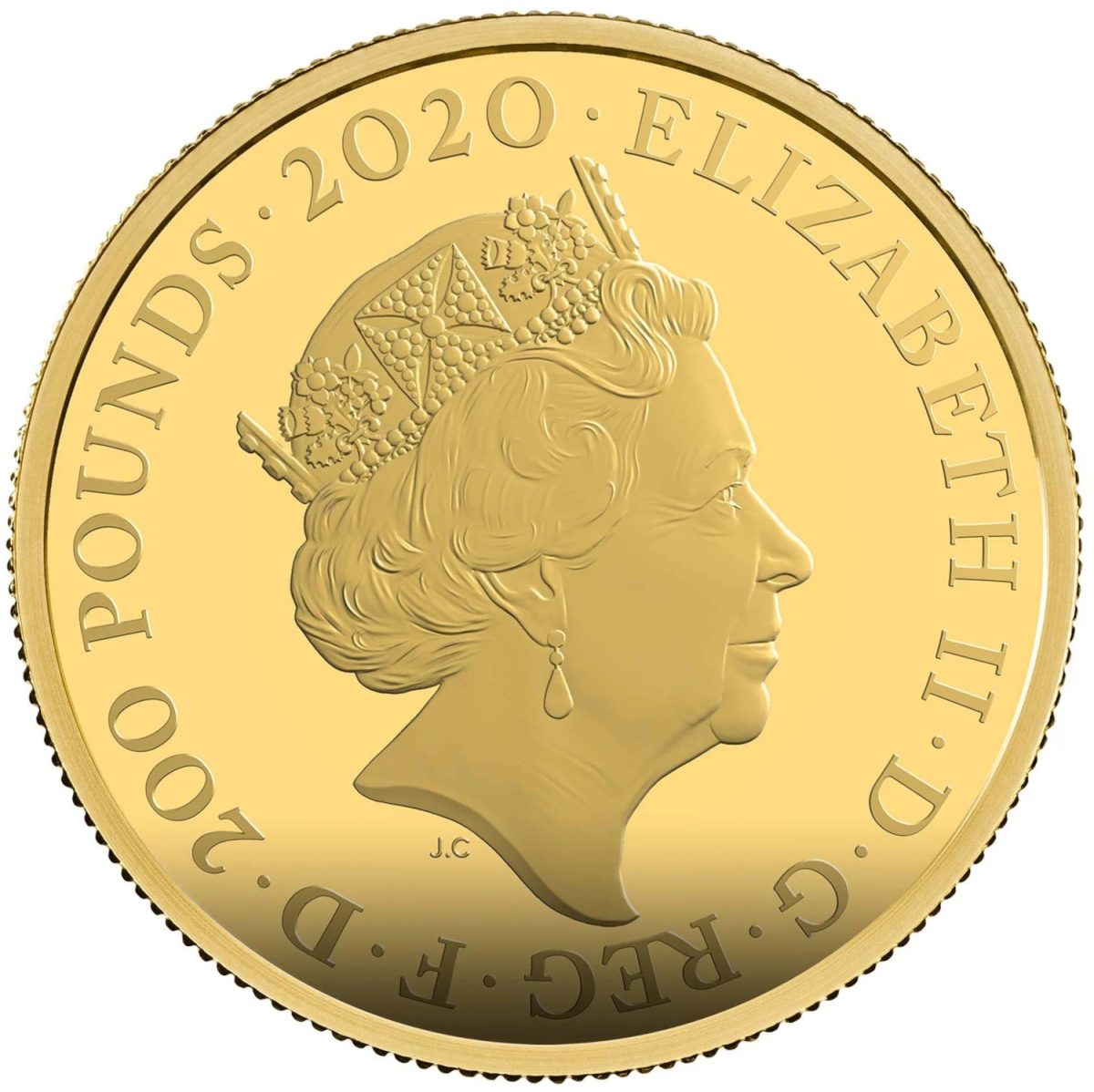
| #48 | 2020 | 200 Pounds | , | £12,250 | 🔍 eBay → | |
| #49 | 1821 | 1 Crown | 437,976 | £12,078 | 🔍 eBay → | |
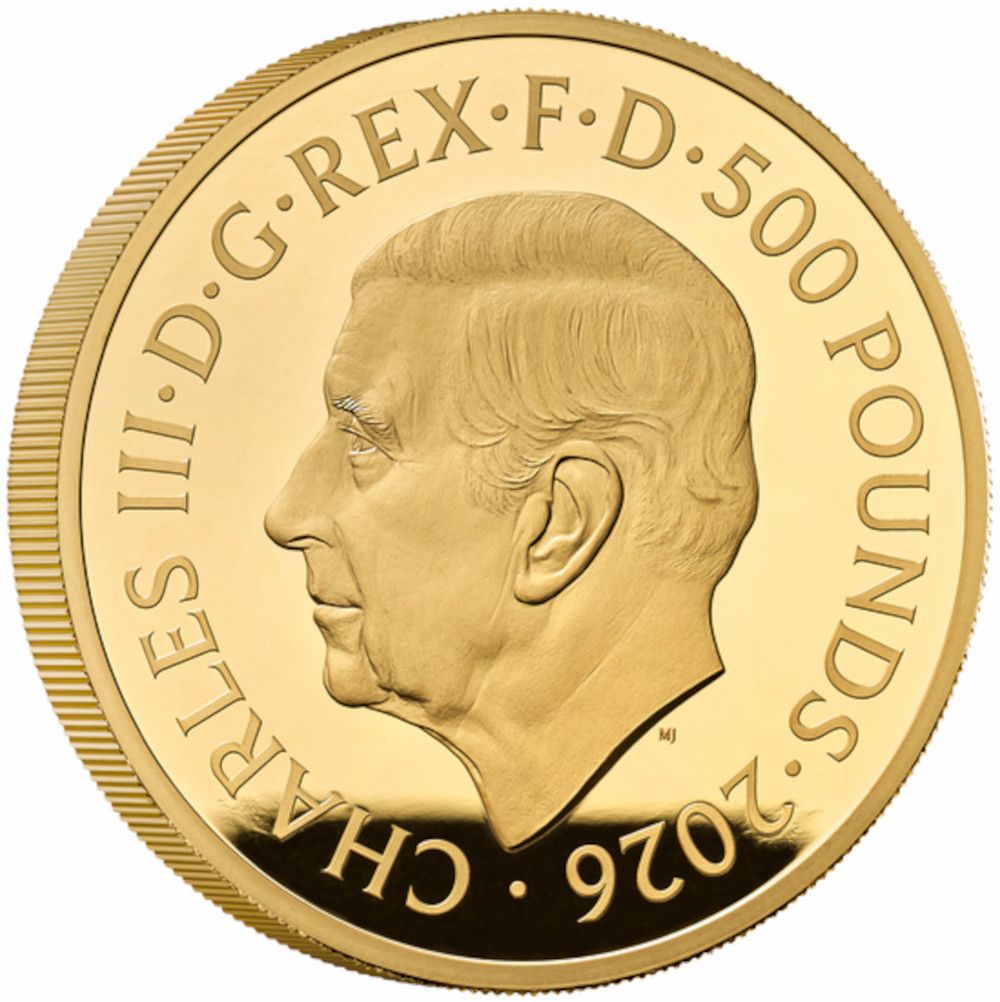
| #50 | 2026 | 500 Pounds | , | £11,925 | 🔍 eBay → | |
| #51 | 1839 | ½ Crown | , | £11,660 | 🔍 eBay → | |
| #52 | 1826 | ½ Sovereign | 344,830 | £11,323 | 🔍 eBay → | |
| #53 | 1709 | 2 Guineas | , | £11,000 | 🔍 eBay → | |
| #54 | 1813 | 1 Guinea | , | £11,000 | 🔍 eBay → | |
| #55 | 1831 | ½ Crown | , | £11,000 | 🔍 eBay → | |
| #56 | 1823 | ½ Crown | 2,003,760 | £10,568 | 🔍 eBay → | |
| #57 | 2022 | 500 Pounds | , | £10,320 | 🔍 eBay → | |
| #58 | 1960 | 5 Shillings | 1,024,038 | £9,814 | 🔍 eBay → | |
| #59 | 2022 | 5 Pounds | , | £9,800 | 🔍 eBay → | |
| #60 | 1825 | 1 Crown | , | £9,100 | 🔍 eBay → | |
| #61 | 2026 | 200 Pounds | , | £9,063 | 🔍 eBay → | |
| #62 | 1937 | 1 Sovereign | 5,501 | £9,000 | 🔍 eBay → | |
| #63 | 1902 | 5 Pounds | 34,910 | £9,000 | 🔍 eBay → | |
| #64 | 1902 | 2 Sovereigns | 45,807 | £9,000 | 🔍 eBay → | |
| #65 | 1927 | 1 Crown | 9,034 | £8,032 | 🔍 eBay → | |
| #66 | 1714 | 1 Guinea | , | £8,000 | 🔍 eBay → | |
| #67 | 2012 | 5 Pounds | 1,122 | £7,685 | 🔍 eBay → | |
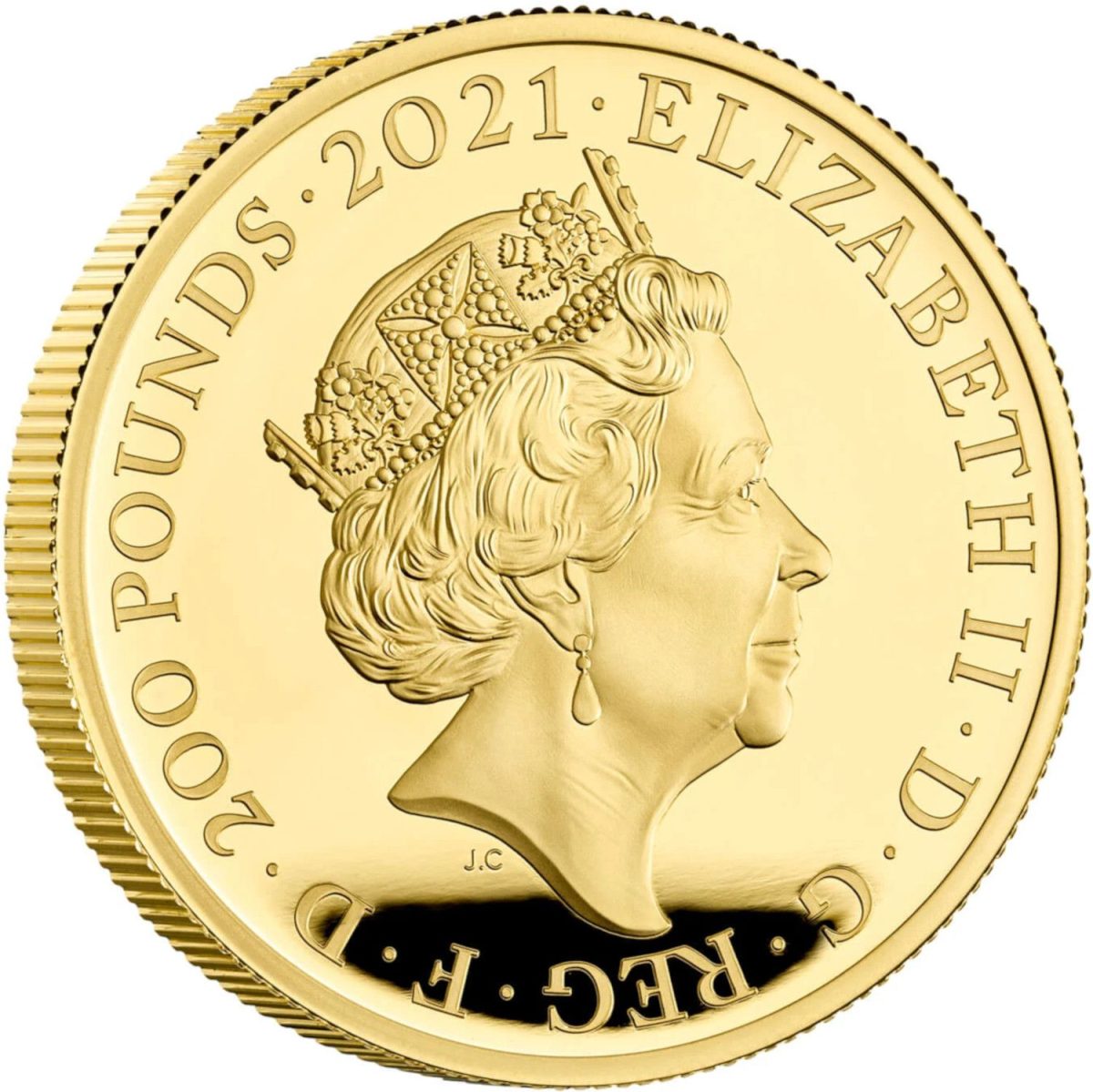
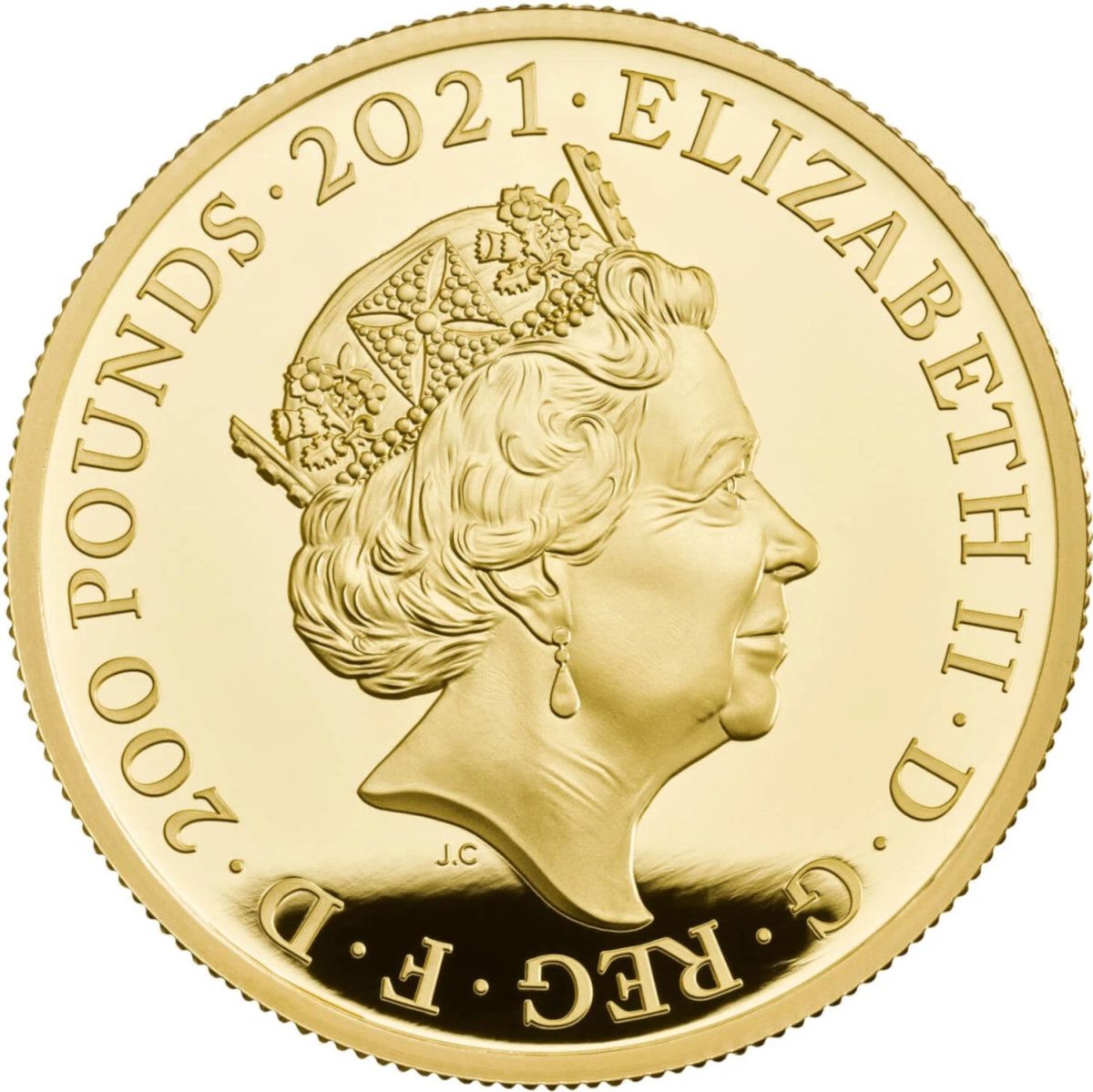
| #68 | 2021 | 200 Pounds | , | £7,500 | 🔍 eBay → | |
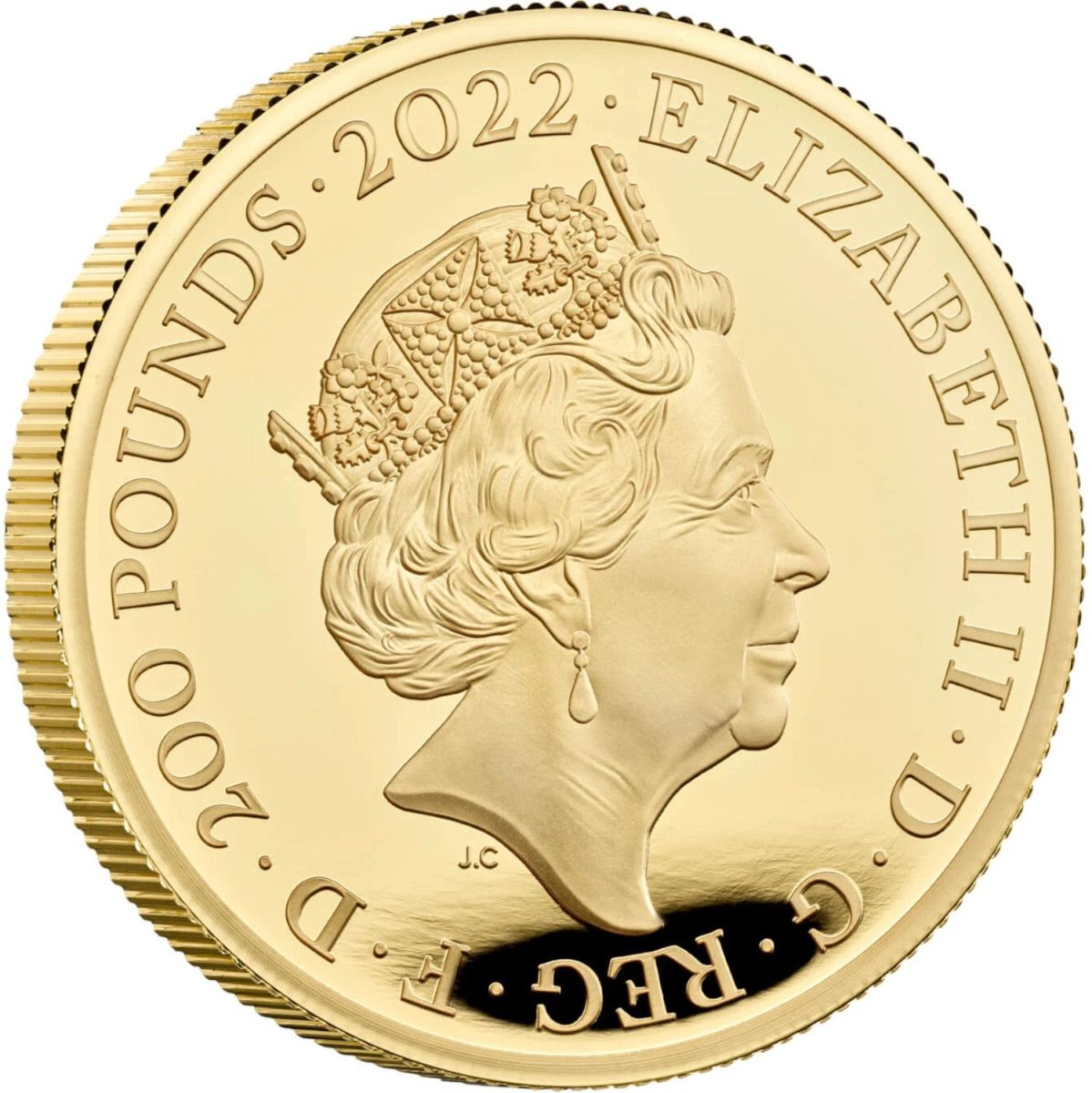
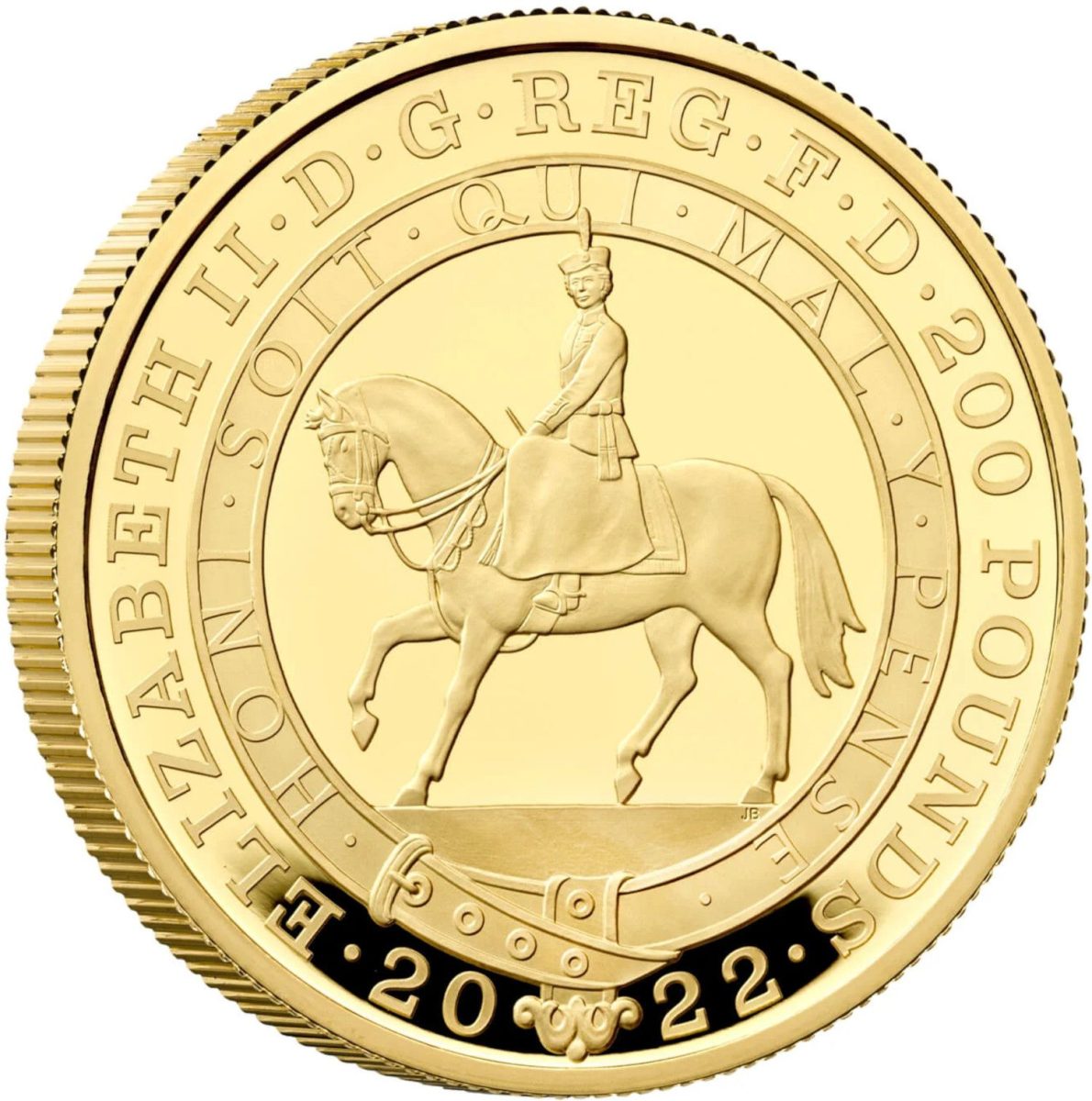
| #69 | 2022 | 200 Pounds | , | £7,500 | 🔍 eBay → | |
| #70 | 1860 | 1 Penny | 5,053,440 | £7,400 | 🔍 eBay → | |
| #71 | 2021 | 200 Pounds | , | £7,250 | 🔍 eBay → | |
| #72 | 1812 | ½ Guinea | , | £7,200 | 🔍 eBay → | |
| #73 | 1937 | 2 Sovereigns | 5,501 | £7,100 | 🔍 eBay → | |
| #74 | 2022 | 200 Pounds | , | £7,000 | 🔍 eBay → | |
| #75 | 2026 | 5 Pounds | , | £7,000 | 🔍 eBay → | |
| #76 | 2020 | 200 Pounds | 260 | £7,000 | 🔍 eBay → | |
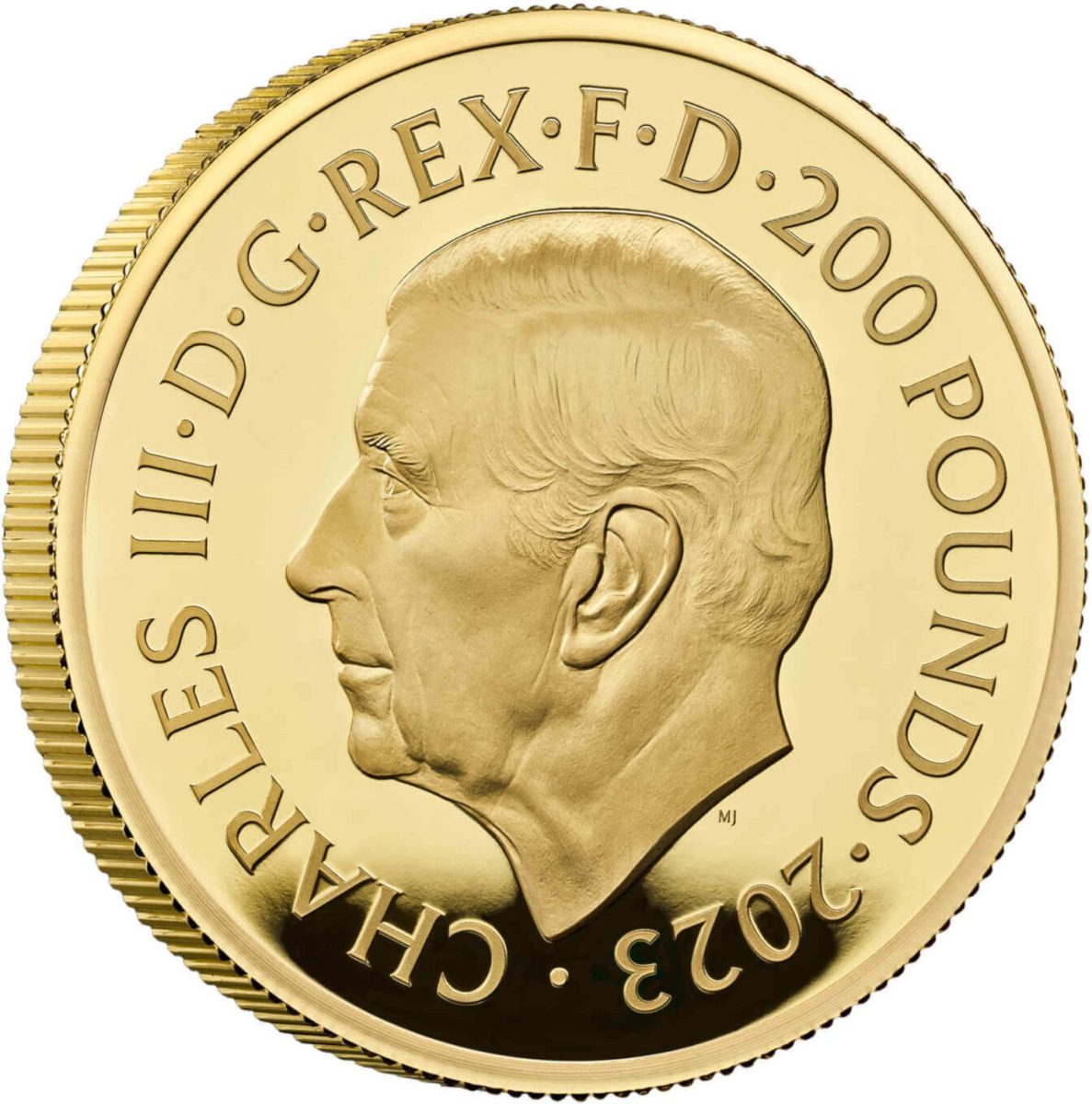
| #77 | 2023 | 200 Pounds | , | £6,864 | 🔍 eBay → | |
| #78 | 2009 | 50 Pence | 40 | £6,800 | 🔍 eBay → | |
| #79 | 2013 | 5 Pounds | 56,014 | £6,625 | 🔍 eBay → | |
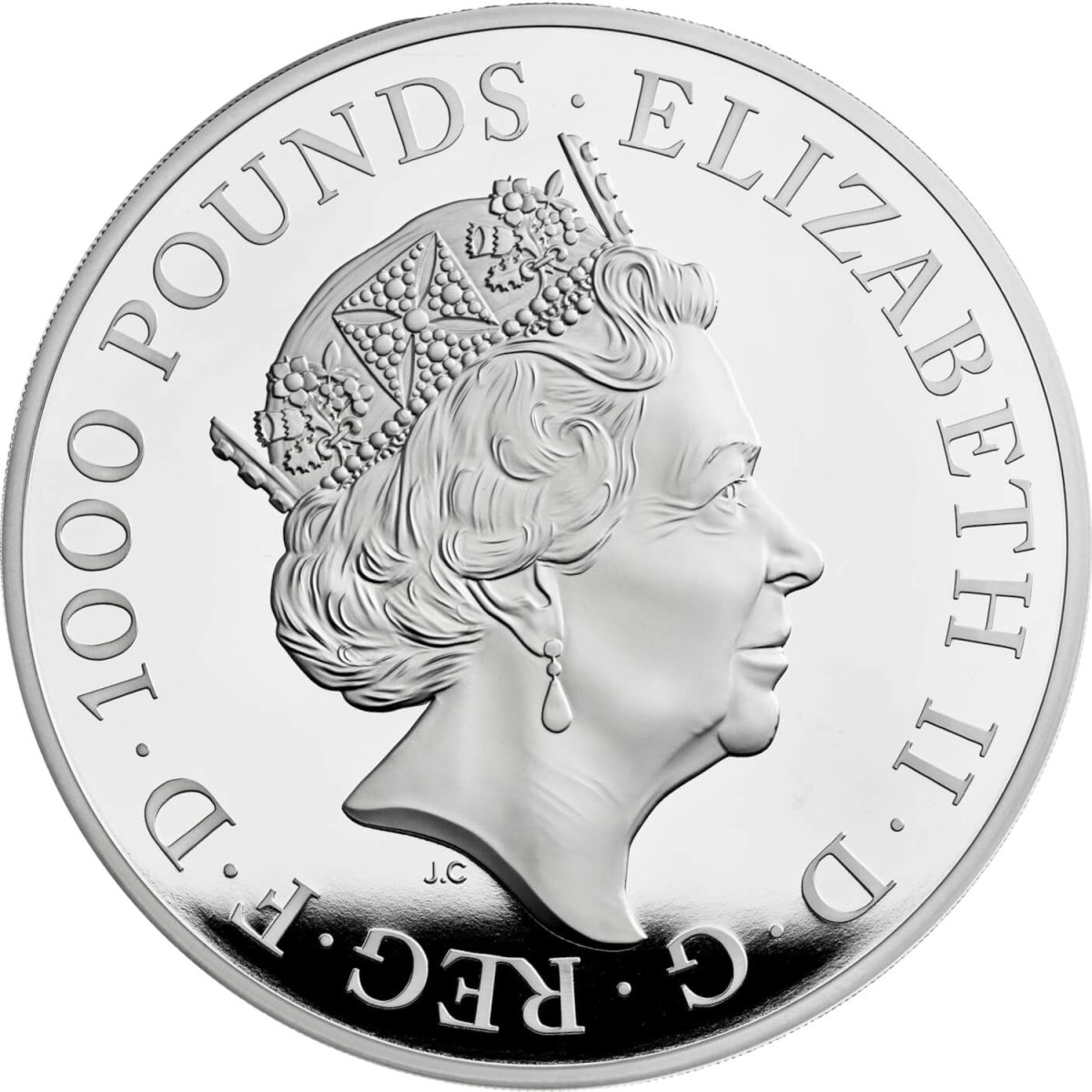
| #80 | 2019 | 1000 Pounds | 39 | £6,605 | 🔍 eBay → | |
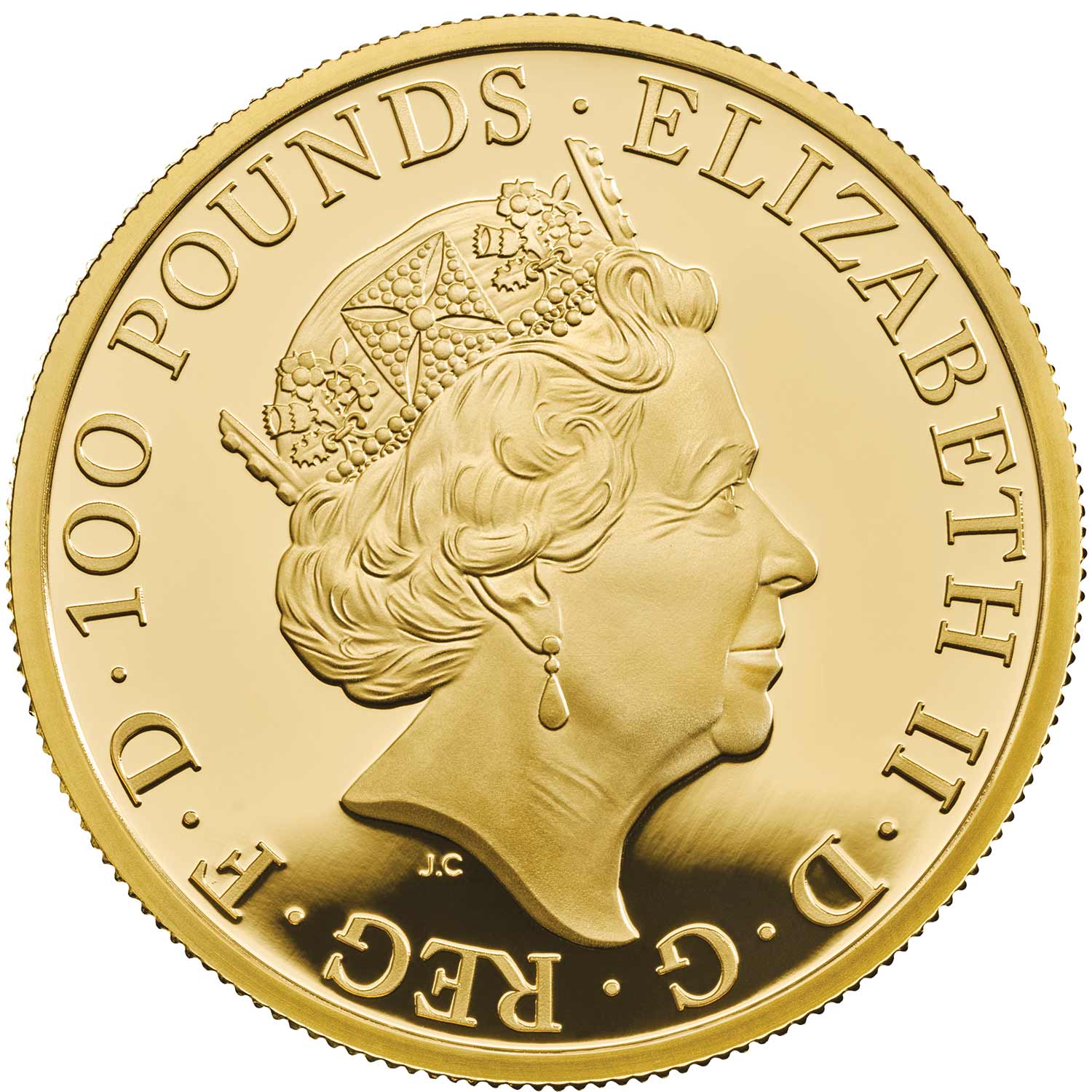
| #81 | 2021 | 100 Pounds | , | £6,500 | 🔍 eBay → | |
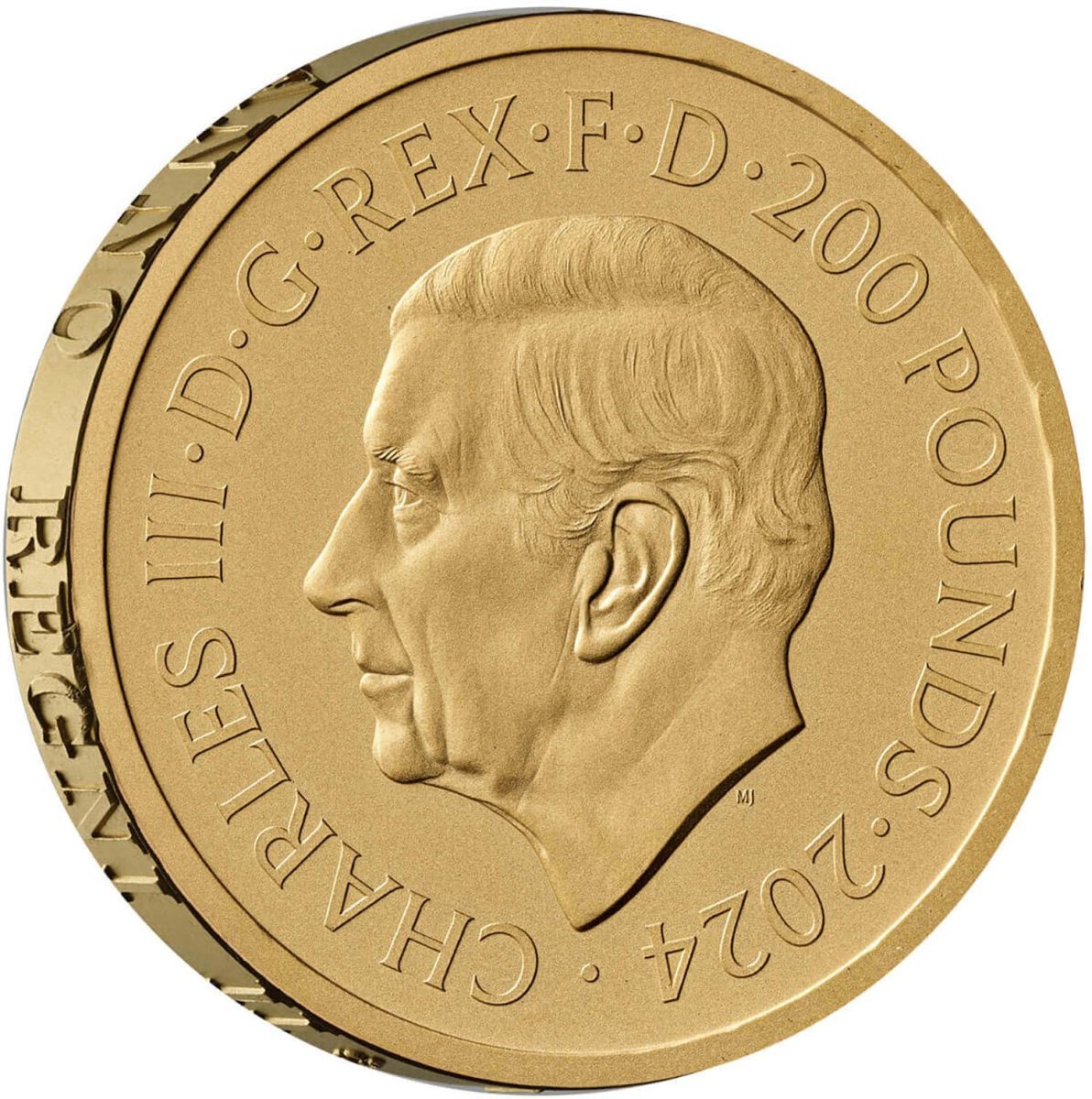
| #82 | 2024 | 200 Pounds | , | £6,417 | 🔍 eBay → | |
| #83 | 1887 | ½ Sovereign | 871,770 | £6,200 | 🔍 eBay → | |
| #84 | 1985 | 5 Sovereigns | 718 | £6,039 | 🔍 eBay → | |
| #85 | 2024 | 200 Pounds | , | £6,039 | 🔍 eBay → | |
| #86 | 2025 | 5 Pounds | , | £6,039 | 🔍 eBay → | |
| #87 | 2012 | 5 Pounds | 20 | £6,039 | 🔍 eBay → | |
| #88 | 1825 | 1 Shilling | 2,459,160 | £6,039 | 🔍 eBay → | |
| #89 | 2019 | 5 Pounds | 3,002 | £6,023 | 🔍 eBay → | |
| #90 | 1821 | ½ Sovereign | 231,288 | £6,000 | 🔍 eBay → | |
| #91 | 2021 | 200 Pounds | , | £6,000 | 🔍 eBay → | |
| #92 | 2018 | 5 Pounds | 475 | £5,925 | 🔍 eBay → | |
| #93 | 1999 | 5 Pounds | 7,500 | £5,746 | 🔍 eBay → | |
| #94 | 2008 | 5 Pounds | 54 | £5,676 | 🔍 eBay → | |
| #95 | 1911 | 2 Sovereigns | 2,812 | £5,500 | 🔍 eBay → | |
| #96 | 1911 | 1 Sovereign | 30,044,105 | £5,473 | 🔍 eBay → | |
| #97 | 1887 | 1 Sovereign | 1,111,280 | £5,473 | 🔍 eBay → | |
| #98 | 2020 | 500 Pounds | , | £5,287 | 🔍 eBay → | |
| #99 | 2017 | 100 Pounds | , | £5,250 | 🔍 eBay → | |
| #100 | 1989 | 5 Sovereigns | 5,000 | £5,000 | 🔍 eBay → |



























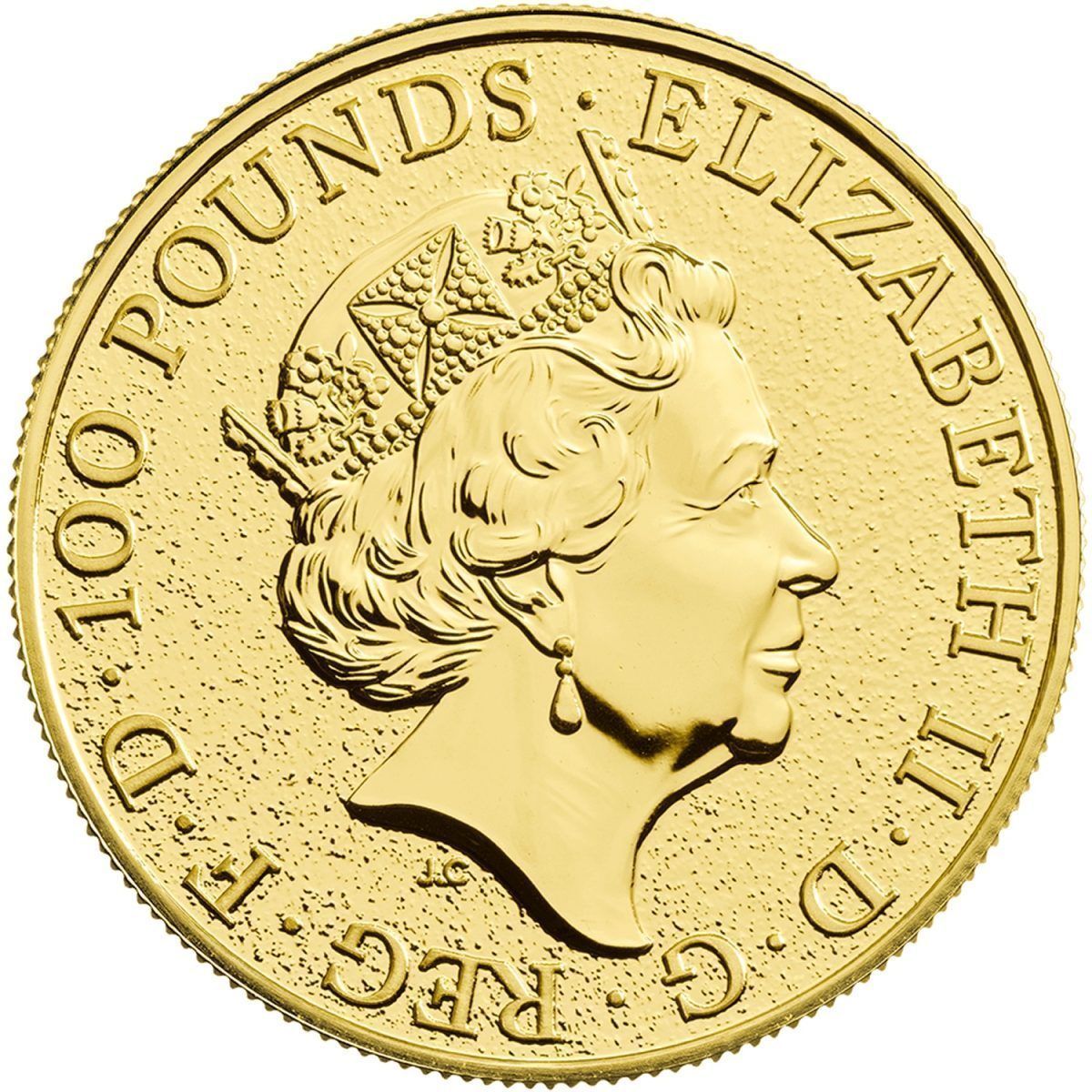

The most valuable 50p coins
50p coins dominate British change-finder collecting. The valuable ones on this list are almost all silver-proof or gold-proof versions issued in collector packs, the circulating cupro-nickel coins of the same design sell for £5 to a few hundred pounds, not thousands. The famous 2009 Kew Gardens circulating coin trades around £150–£250. The silver piedfort version of the same design clears £1,500.
If you are change-hunting, the page that actually matters for you is our rare 50p coins UK guide, ranked by mintage rather than top-of-range proof value.
- 50 Pence - Elizabeth II Kew Gardens; Gold Piedfort , 2009, £6,800
The most valuable £2 coins
£2 commemoratives have produced more affordable rarities than any other modern circulating denomination. The 2002 Northern Ireland Commonwealth Games £2 has a circulating mintage of 485,500 and sells for £30–£80 in change-grade condition; silver proof versions sit much higher. The 2023 Atlantic Salmon £2 proofs and the 2017 William Shakespeare designs round out the affordable end of this list. For valuations of every £2 commemorative since 1986, see our £2 coin values guide.
- 2 Pounds - George III Pattern , 1820, £30,196
The most valuable gold sovereigns
Sovereigns dominate any honest "most valuable" ranking of British coins for a simple reason: they carry both intrinsic gold value and numismatic premium. The bullion floor (around £450 at today’s spot) means even a worn common-date sovereign is worth real money. Above the bullion line, the rare dates run for tens of thousands. The 1819 George III sovereign (3,574 struck) and the 1879 London no-die-number variety are the two most-coveted dates. The 1937 George VI proof set sovereigns are six-figure pieces.
For the deep dive on every monarch, mintmark and rare date, see our gold sovereign values guide.
- 5 Pounds - Victoria 1st portrait; 'Una and the Lion' , 1839, £319,920
- 5 Pounds - George III Pattern , 1820, £200,000
- 5 Pounds - Victoria 3rd portrait , 1893, £113,233
- 5 Pounds - Victoria 2nd portrait , 1887, £105,684
- 5 Pounds - George IV , 1826, £98,135
- 1 Sovereign - Victoria Pattern , 1837, £74,200
- 1 Sovereign - George III , 1817, £57,500
- 1 Sovereign - Elizabeth II 1st portrait , 1957, £52,869
- 5 Pounds - George V , 1911, £37,744
- 2 Pounds - Victoria 2nd portrait , 1887, £34,725
The most valuable crown coins
The crown is Britain’s five-shilling silver piece, struck on and off since Edward VI. The 1953 Coronation crown and the 1937 Coronation proof are the modern headliners. Earlier crowns, particularly the 1935 Rocking Horse and the 1839 Una and the Lion proof £5, sit at the very top of any UK coin ranking. The Una and the Lion is widely regarded as the most beautiful British coin ever struck. For mintage figures and dates across the whole crown series, see our crown coin values guide.
- 1 Crown - George III Pattern; Gold , 1817, £316,800
- 1 Crown - Victoria 1st portrait , 1839, £159,960
- 1 Crown - George III Pattern; Silver , 1817, £149,600
- 1 Crown - George III 'Three Graces' Pattern , 1817, £126,216
- 1 Crown - William IV Pattern , 1831, £39,000
The most valuable pre-decimal coins
Pre-decimal Britain (everything before 15 February 1971) produced the coins that defined British numismatics for three centuries. The standout rarities sit in three places: the 1933 George V penny (seven known), the 1952 George VI penny, and the long tail of Victorian and Edwardian shillings, florins and half-crowns in proof condition. The 1937 Edward VIII proof set, struck before the abdication and not released, is arguably the most desirable single object in 20th-century British numismatics.
- 5 Guineas - George II Young portrait , 1729, £32,000
- 1 Penny - George V , 1911, £30,100
- 1 Guinea - George III Pattern , 1813, £26,500
- 1 Dollar British Trade Dollar , 1895, £25,666
- 1 Florin - Victoria Pattern , 1848, £19,627
- 5 Guineas - Anne , 1711, £14,000
- 2 Guineas - Anne , 1709, £11,000
- 1 Guinea - George III 6th portrait , 1813, £11,000
- 5 Shillings - Elizabeth II British Exhibition , 1960, £9,814
- 1 Guinea - George I 1st portrait , 1714, £8,000
Valuable old pence and farthings
None of the pre-decimal pence make our top-100 because the £250 floor is set by gold and silver crowns, not because old pennies aren’t collectable. They very much are. Here are the ones worth checking for if you have a tin of old change in the loft.
- The 1933 George V penny is the headline rarity. Seven are known. The last public sale crossed £72,000 at Heritage Auctions in 2016. If you think you have one, get it authenticated by PCGS or NGC before doing anything else.
- The 1952 George VI penny, an unannounced strike at the end of the reign. Realised range: £5,000–£15,000 depending on grade. See our 1952 penny guide for the documentary trail.
- The 1831 William IV penny, a proof issue from the Coronation set, around £500–£800 in choice grade.
- The 1841 Victoria Young Head penny with no colon after REG, an early die variety. £100–£200 circulated, more in proof.
- The 1895 Victoria Old Head penny with 2 mm wide date, a die variety worth £80–£120 to a specialist.
For the wider valuation context across every pre-decimal denomination, see our pre-decimal coins guide and the farthing values guide.
Error coins worth checking for
Genuine mint errors are a separate value category. They don’t appear on the main ranking above because we track them in a separate catalogue, but two have entered the cultural mainstream and are worth flagging.
- The 2008 undated 20p is a mule produced when an obverse die from the new Matthew Dent reverse design was paired with a reverse that lacked the year. Both sides are dateless. An estimated 250,000 entered circulation. Realised range: £50–£100 in circulated condition, £200+ in BU.
- The 1983 New Pence 2p, a transitional error using the pre-1982 “NEW PENCE” reverse die when the legend had already changed to “TWO PENCE.” Realised range: £500–£1,000 in proof condition.
For the complete catalogue of UK error types, mule, off-centre, brockage, lamination, clipped planchet, double-die, see our UK error coins catalogue.
Do you have one? A four-step identification check
If a coin in your collection might be on this list, work through these four checks in order.
- Date. The first thing to identify is the year. The single biggest value driver on this entire ranking is date. A 1933 George V penny is a six-figure coin; a 1934 George V penny is worth a few pence. Use a loupe and good light, the date is usually below the bust on pre-decimal coins, on the reverse on modern commemoratives.
- Weight. Use a digital scale that reads to 0.01 g. Cross-reference against our coin weight identifier tool. A modern 50p weighs 8.00 g; a gold sovereign weighs 7.988 g; a silver crown weighs 28.28 g. A coin that is more than 5% off the published weight is almost certainly a counterfeit or a wrong-planchet error.
- Diameter. Measure with a digital caliper, or use our coin diameter identifier tool. Diameter is harder to fake than weight because casting shrinks the metal slightly. A genuine 1935 Rocking Horse crown is 38.6 mm; cast counterfeits commonly run 37–38 mm.
- Design and reverse legend. Compare against the catalogue page on MyCoinage. Look at the relief sharpness, the lettering style and the privy / mintmark position. Counterfeit modern proofs are common, the relief on a genuine Royal Mint proof is razor-sharp; the relief on a cast counterfeit is soft.
If all four checks line up, take a square-on photo of both sides under daylight, look up the coin on our catalogue and read the grade-by-grade realised prices. That tells you what the coin is actually worth in your current condition.
How to sell a valuable UK coin without getting scammed
Match the venue to the value bracket. Sending a six-figure sovereign to a high-street pawnbroker is the most common way to lose money on a genuine rarity. Here is the honest decision tree.
Under £500, eBay UK
For coins valued under £500, eBay UK is the cheapest route to market. List as auction with a reserve at 80% of recent sold-listings median. Use natural daylight photographs, both sides, square-on, in focus. Don’t clean the coin. Mention the date, denomination and weight in the title. Avoid “rare” in titles, eBay’s algorithm now penalises it.
£500–£5,000, established UK dealer or specialist auction
This is the bracket where eBay risks start to hurt, PayPal disputes are weighted against high-value sellers, and counterfeit-claim chargebacks can take months to resolve. Take outright offers from Coincraft, Baldwin’s or the The Coin Cabinet. Compare three offers before accepting.
Over £5,000, specialist auction consignment
For genuine rarities over £5,000 the only sensible route is a specialist consignment with Spink, Noonans or Baldwin’s. Hammer commissions sit at 15–20% but the net proceeds almost always beat a dealer’s outright offer because the buyer competition is real. Consign 4–6 weeks ahead of a themed sale where possible, sovereigns to the gold sale, milled silver to the British coins sale.
Is it genuine? Authentication for high-value pieces
For any UK coin you believe is worth over £500, third-party authentication multiplies sale price and removes buyer doubt. The three services UK collectors use are PCGS (US-based, dominant globally), NGC (US-based, opening UK office), and CGS UK (London, the only UK-resident service). All three grade on the Sheldon 70-point scale; all three encapsulate the coin in a tamper-evident plastic slab. Expect 4–8 weeks turnaround and around £30–£80 per coin depending on declared value.
An authenticated coin in a graded slab typically resells for 15–30% more than the same coin raw, and is far easier to sell at auction because the buyer doesn’t inherit grading risk. See our UK coin grading guide for the full grade scale and what each one means.
Sources and data freshness
The ranking on this page is rebuilt nightly from realised sales across the following sources:
- Spink, British coin auctions, milled and hammered silver and gold, 1900–present catalogue archive
- Baldwin’s, specialist British and Commonwealth, regular themed sales
- Noonans, (formerly DNW) British coins, banknotes and tokens
- eBay UK sold listings, modern circulating commemoratives, error coins, lower-value silver and gold
Total verified realised sales in our database: 86,527, the floor below which a coin is excluded from this ranking is £5,000, the realised price of the 100th coin. Coins with thinner trade history are tracked on individual catalogue pages but excluded from this top-100 ranking until the data is robust.