Pre-Decimal Coins UK: The Complete Guide
For more than a thousand years, British money ran on pounds, shillings and pence: 12 pence to the shilling, 20 shillings to the pound, 240 pence to the pound. That ended on 15 February 1971 with Decimal Day. The coins of the old system, from the tiny farthing to the silver crown, are still everywhere in private collections and inherited boxes. This guide covers every denomination, the conversion rates, when each coin was demonetised, and which dates are worth real money.
Decimalisation: 15 February 1971
Decimal Day, Monday 15 February 1971, replaced an account system that had been in continuous use since the early Middle Ages. The new pound was divided into 100 "new pence" rather than the old 240 pence. To soften the change, the Royal Mint had introduced the new 5p and 10p coins back in April 1968 (matching the old shilling and florin in size and weight), and the 50p had been issued from October 1969 to replace the 10-shilling note. The half-crown was withdrawn on 1 January 1970, the new halfpenny appeared on 15 February 1971 to handle small change, and the old penny and threepence lost legal tender on 31 August 1971.
The transition was thoroughly planned. Schools ran practice classes, banks issued conversion charts, and the BBC broadcast a sitcom called Granny Gets the Point explaining the new money. Britain was one of the last major economies to decimalise; Australia had switched in 1966, New Zealand in 1967, and Ireland on the same day as the UK in February 1971.
The £sd system explained
The pre-decimal pound broke down as follows:
- 1 pound (£) = 20 shillings = 240 pence
- 1 shilling (s) = 12 pence
- 1 penny (d) = 4 farthings = 2 halfpennies
The "d" abbreviation for penny came from the Latin denarius, the Roman silver coin. The "s" came from solidus, and the pound symbol from libra. A price like "two and six" meant two shillings and sixpence (2/6), equal to 12.5p in modern money. Sums above a pound used a slash for the shilling separator: "£1/5/6" was one pound, five shillings and sixpence.
The system worked well for everyday trade because 12 and 240 are highly divisible: a shilling splits cleanly into halves, thirds, quarters, sixths and twelfths, and a pound into halves, quarters, fifths, eighths and sixteenths. Decimalisation gave Britain mathematical convenience but lost that everyday divisibility.
Pre-decimal denomination chart
| Coin | Symbol | Old value | Decimal equivalent | Metal |
|---|---|---|---|---|
| Farthing | ¼d | Quarter of a penny | 0.1p | Bronze |
| Halfpenny | ½d | Half a penny | 0.2p | Bronze |
| Penny | 1d | One penny | 0.4p | Bronze |
| Threepence | 3d | Three pence | 1.25p | Silver, then nickel-brass |
| Sixpence | 6d | Six pence | 2.5p | Silver, then cupronickel |
| Shilling | 1s | Twelve pence | 5p | Silver, then cupronickel |
| Florin | 2s | Two shillings | 10p | Silver, then cupronickel |
| Half-crown | 2s 6d | Thirty pence (in old) | 12.5p | Silver, then cupronickel |
| Crown | 5s | Five shillings | 25p | Silver, then cupronickel |
Silver coins were .925 sterling until 1920, .500 silver from 1920 to 1946, then cupronickel from 1947. The threepence switched from silver to nickel-brass in 1937. Bronze replaced copper for the bronze series in 1860.
When each denomination was demonetised
| Coin | Last legal-tender date | Reason |
|---|---|---|
| Farthing | 31 December 1960 | Inflation. The farthing was effectively worthless by 1956 and last struck for circulation that year. |
| Halfpenny (old) | 31 July 1969 | Withdrawn ahead of decimalisation; the new decimal halfpenny replaced it. |
| Half-crown | 31 December 1969 | No clean decimal equivalent (12.5p). Withdrawn first to start clearing the change. |
| Penny | 31 August 1971 | Replaced by the new decimal penny. Six months of dual circulation after Decimal Day. |
| Threepence (brass) | 31 August 1971 | No clean decimal equivalent (1.25p). Withdrawn alongside the penny. |
| Sixpence | 30 June 1980 | Equal to exactly 2½p, so could circulate alongside decimal coins. Final withdrawal driven by inflation. |
| Shilling (as 5p) | 31 December 1990 | Replaced when the new smaller 5p was introduced in 1990. |
| Florin (as 10p) | 30 June 1993 | Replaced when the new smaller 10p was introduced in 1992. |
| Crown (5s, pre-1965) | Still legal tender at face value (25p) | Crowns from 1818 to 1965 remain legal tender but are not accepted in commerce. |
Why pre-decimal coins still survive
Two forces have kept billions of old coins in private hands long after they were officially withdrawn:
- Souvenir keeping. Decimal Day was a generational event. Households across Britain set aside handfuls of pre-decimal coins as keepsakes, especially the last issues of 1967 and 1970. Those handfuls now surface in inherited boxes and house clearances as the keepers' generation downsizes.
- Sheer mintage. The bronze penny was struck in tens of millions every year for over a century. Even after the wholesale melt-down of recovered coin in 1971-1972, billions remain. Surviving Victorian and Edwardian pieces are common in any condition; only mint-state and key-date examples carry meaningful premium.
The best places to find pre-decimal coins today are:
- Inherited boxes and tins. Most are common; sort by date and look for any of the key dates listed in our denomination guides.
- Charity-shop collections and estate lots. Mixed-grade material at low cost, occasional surprises.
- Metal detecting. Bronze farthings, halfpennies and pennies are the commonest detected finds in England after Roman bronze.
- Auction lots labelled "British junk silver". Worn shillings, florins and half-crowns from before 1947 carry their silver content as a price floor.
- House clearance and probate sales. Often unsorted by denomination; rewards patience.
The five denomination guides
For deeper coverage of each pre-decimal coin we have a dedicated guide. Each covers the full date run, key dates, mintage figures and realised auction prices.
- Farthing values UK, the smallest denomination, 1672-1956, including the famous 1714 Queen Anne farthing and the 1937 Edward VIII pattern.
- Halfpenny values UK, 1672-1969, key dates including 1839 proofs, 1860 obverse changes and 1953 Coronation issues.
- Threepence values UK, both the silver threepence (1551-1944) and the brass twelve-sided "thrupenny bit" (1937-1967), including the legendary 1937 Edward VIII brass 3d.
- Shilling values UK, 1816-1970, English vs Scottish reverses, key dates including 1905 and the 1937 Edward VIII patterns.
- Florin values UK, 1849-1970, the famous Godless and Gothic florins, the 1887 Jubilee issue and the 1937 Edward VIII pattern.
For the larger silver, see also our Crown coin values guide and the Gold sovereign values guide for the 20-shilling gold piece.
The pre-decimal coin set
The most popular way to collect pre-decimal coinage is to assemble one example of every denomination. There are three usual approaches:
- Year set. One example of each denomination from a single year, ideally 1967 (the last full year of pre-decimal striking) or 1953 (Coronation year). Eight coins: farthing (last issued 1956), halfpenny, penny, threepence, sixpence, shilling, florin, half-crown. Crown sets add a ninth coin where a crown was issued.
- Type set. One example of every major design type across the system. A George VI type set, for example, would include the bronze penny, the brass threepence, the English and Scottish shilling reverses, and so on. Type sets show off the full design heritage in fewer coins than a date run.
- Royal Mint annual proof sets. The Mint issued sealed proof sets in 1937, 1950, 1951 (Festival of Britain), 1953 (Coronation) and 1970 (the final pre-decimal proof set, sold specifically as a memento of the £sd system). These trade as units rather than by individual coin and remain the cleanest way to acquire matched proof examples.
A complete 1967 circulation-strike year set in good condition costs roughly £15-30 today. A 1953 Coronation proof set in original packaging trades around £60-120. The 1970 final proof set is the cheapest entry to a sealed pre-decimal proof set at £30-50.
Featured pre-decimal coins on MyCoinage
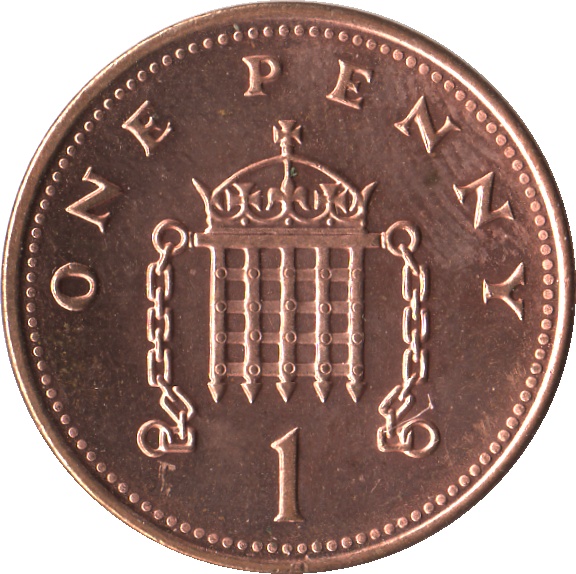
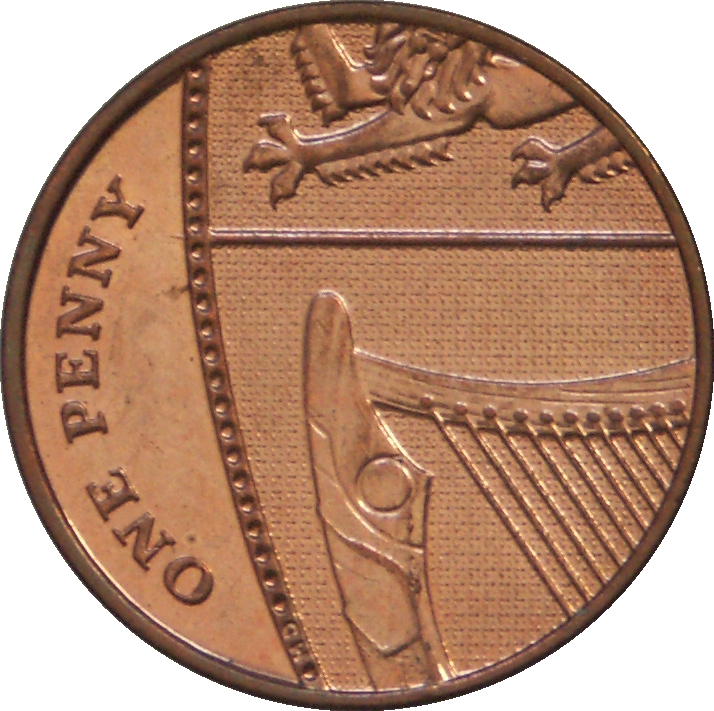
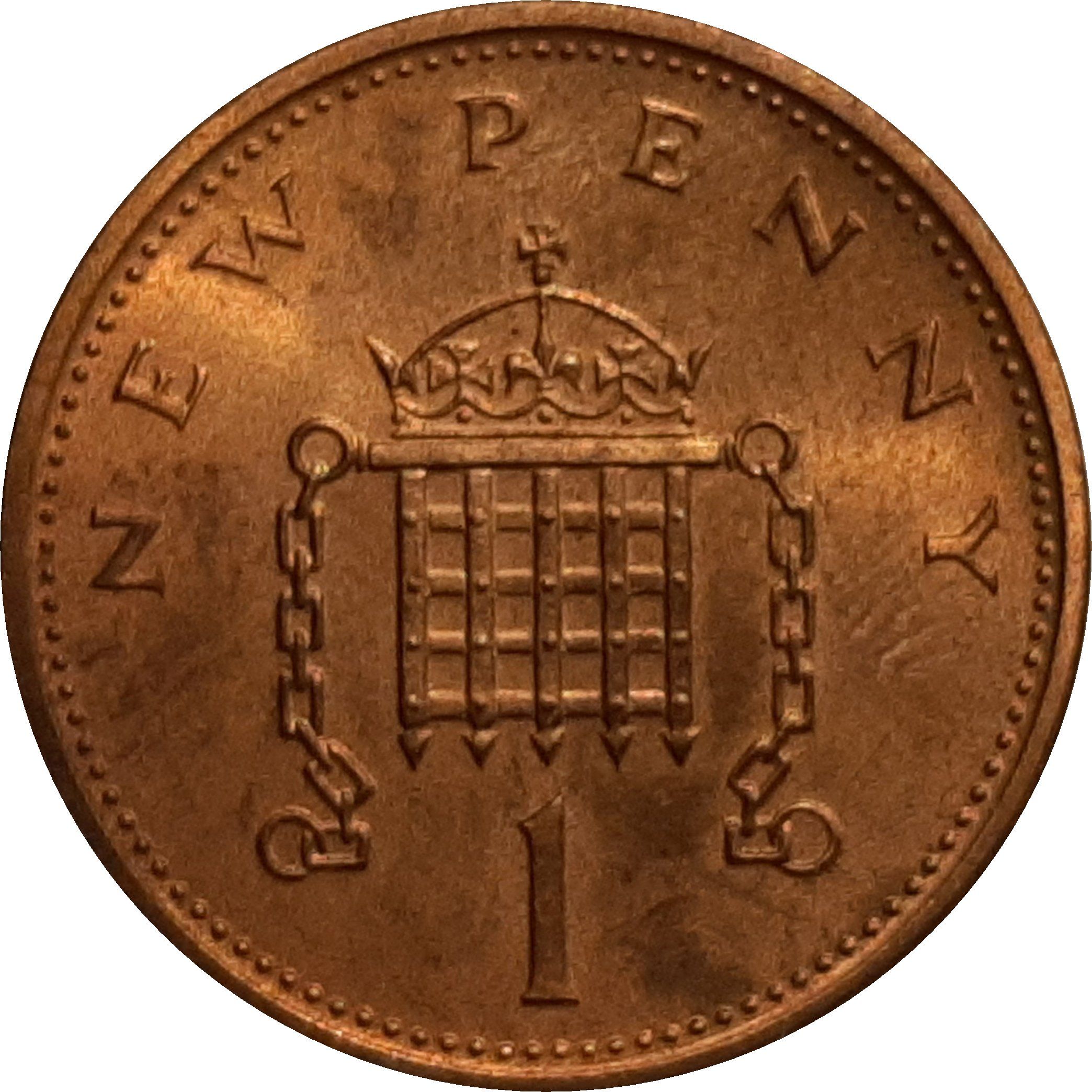
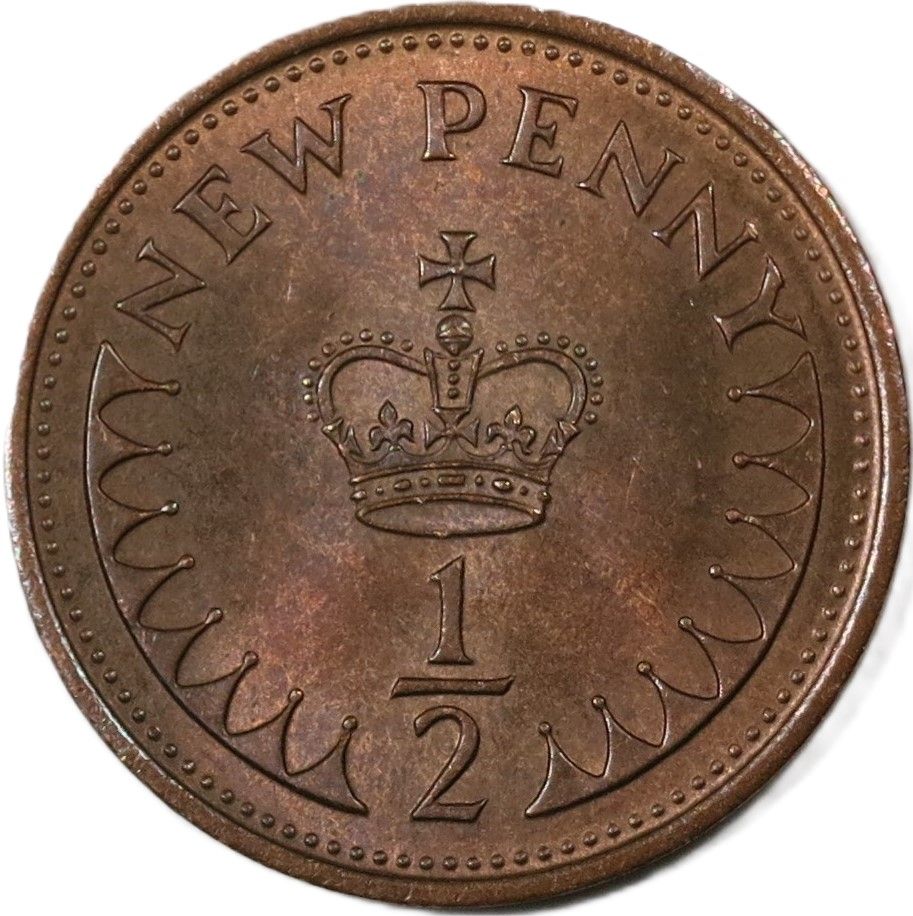
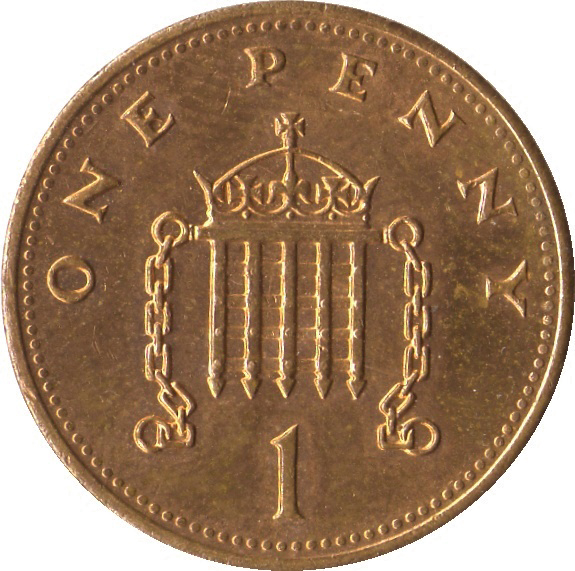
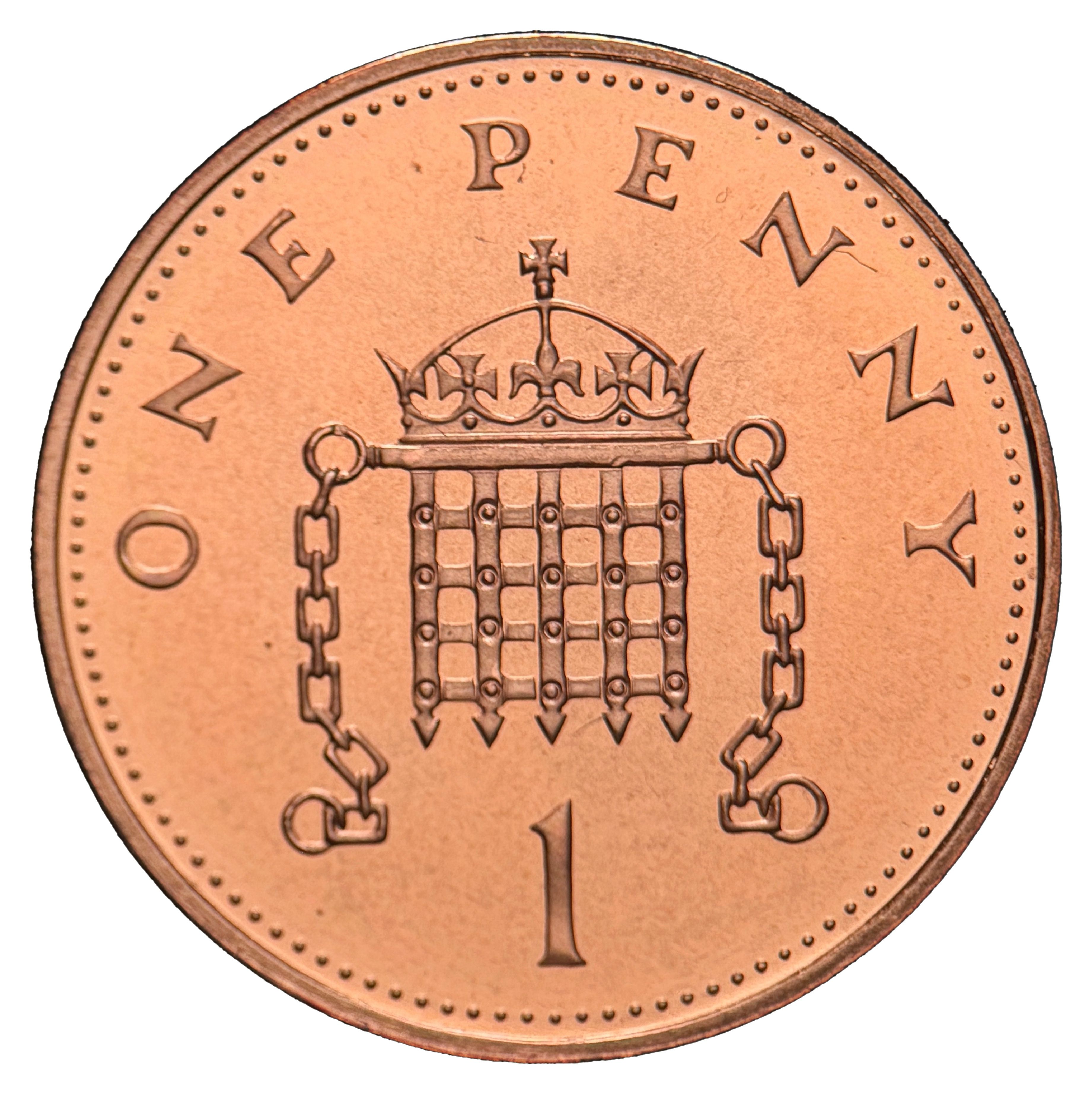
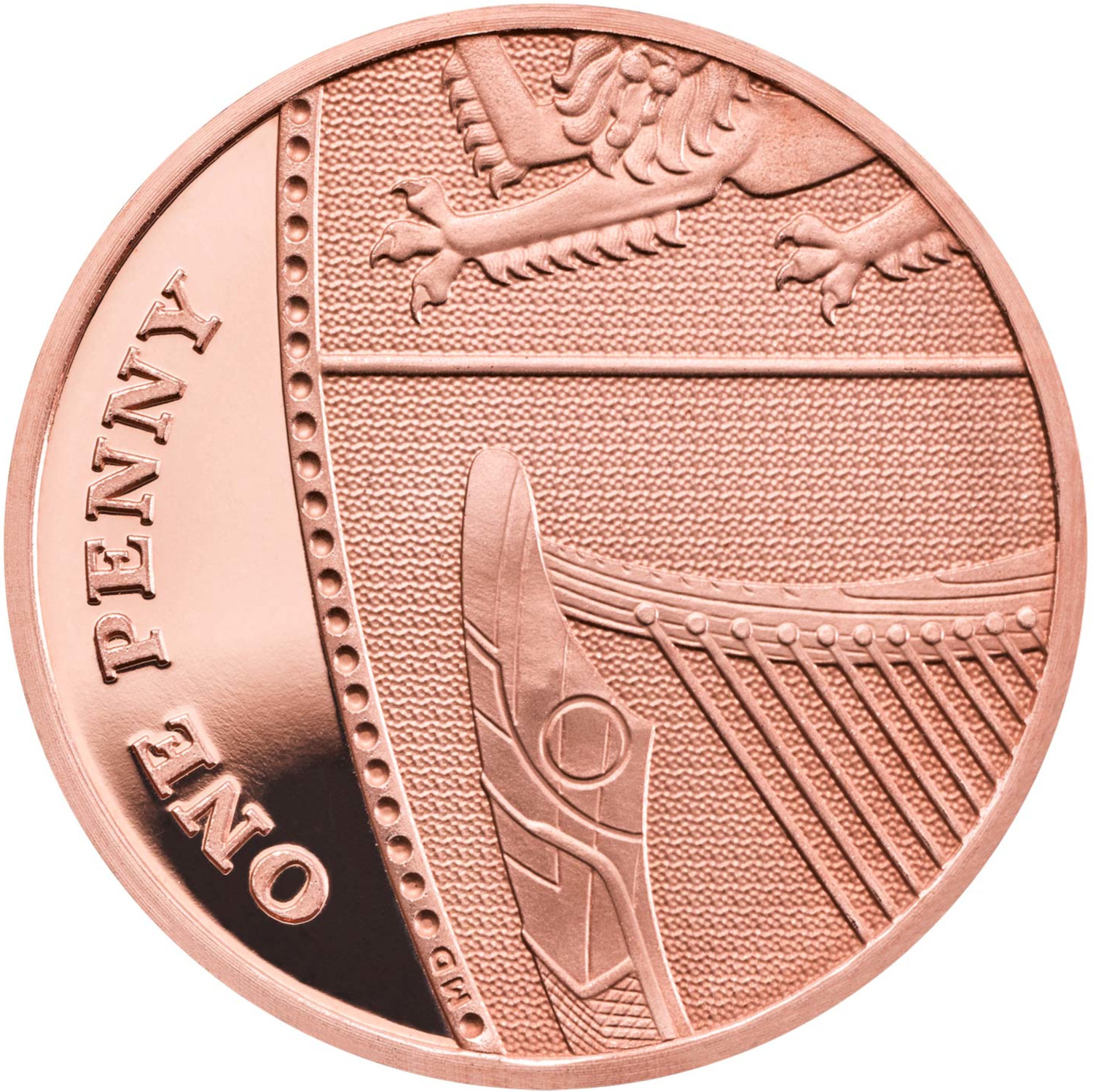
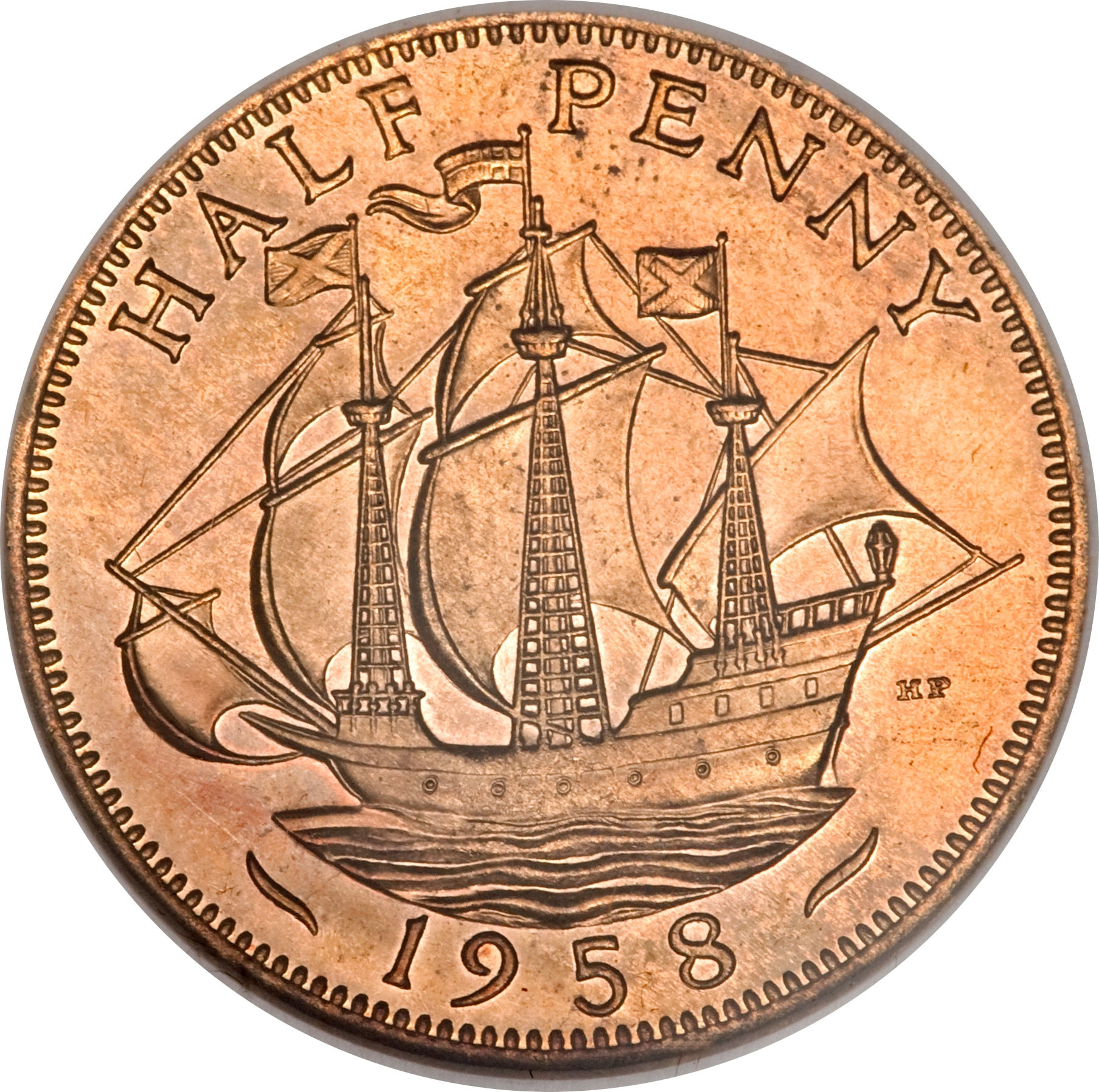
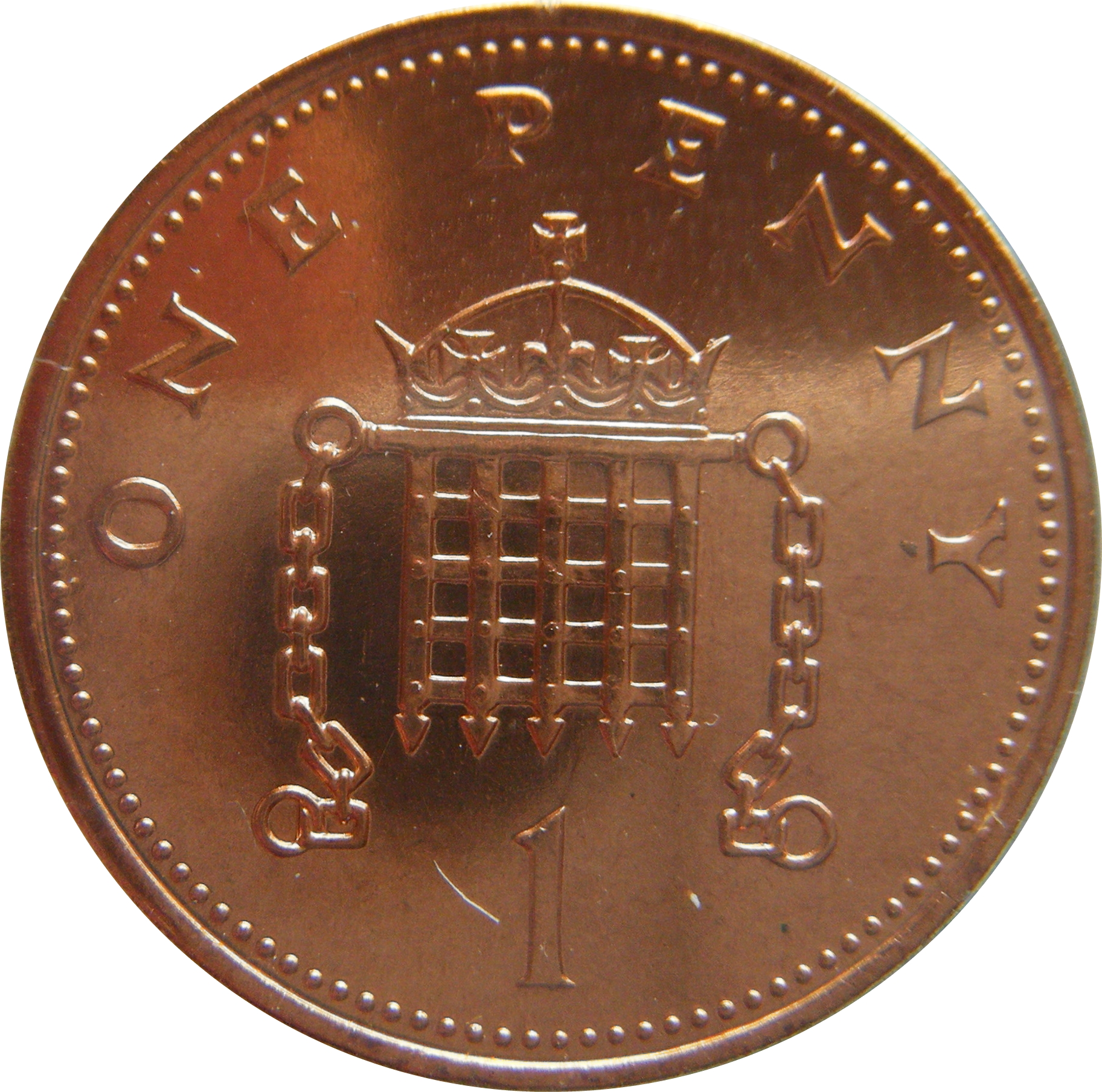
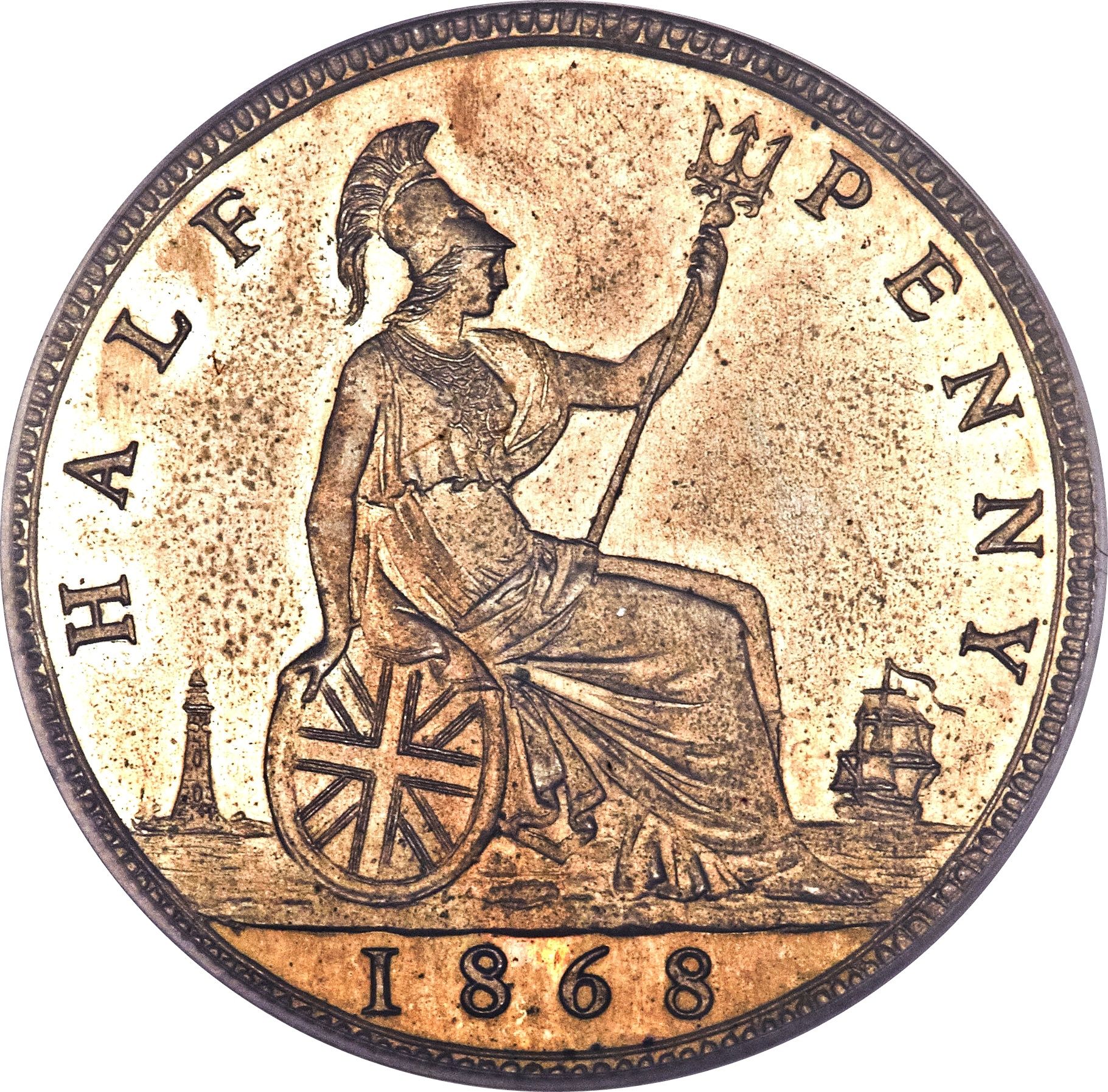
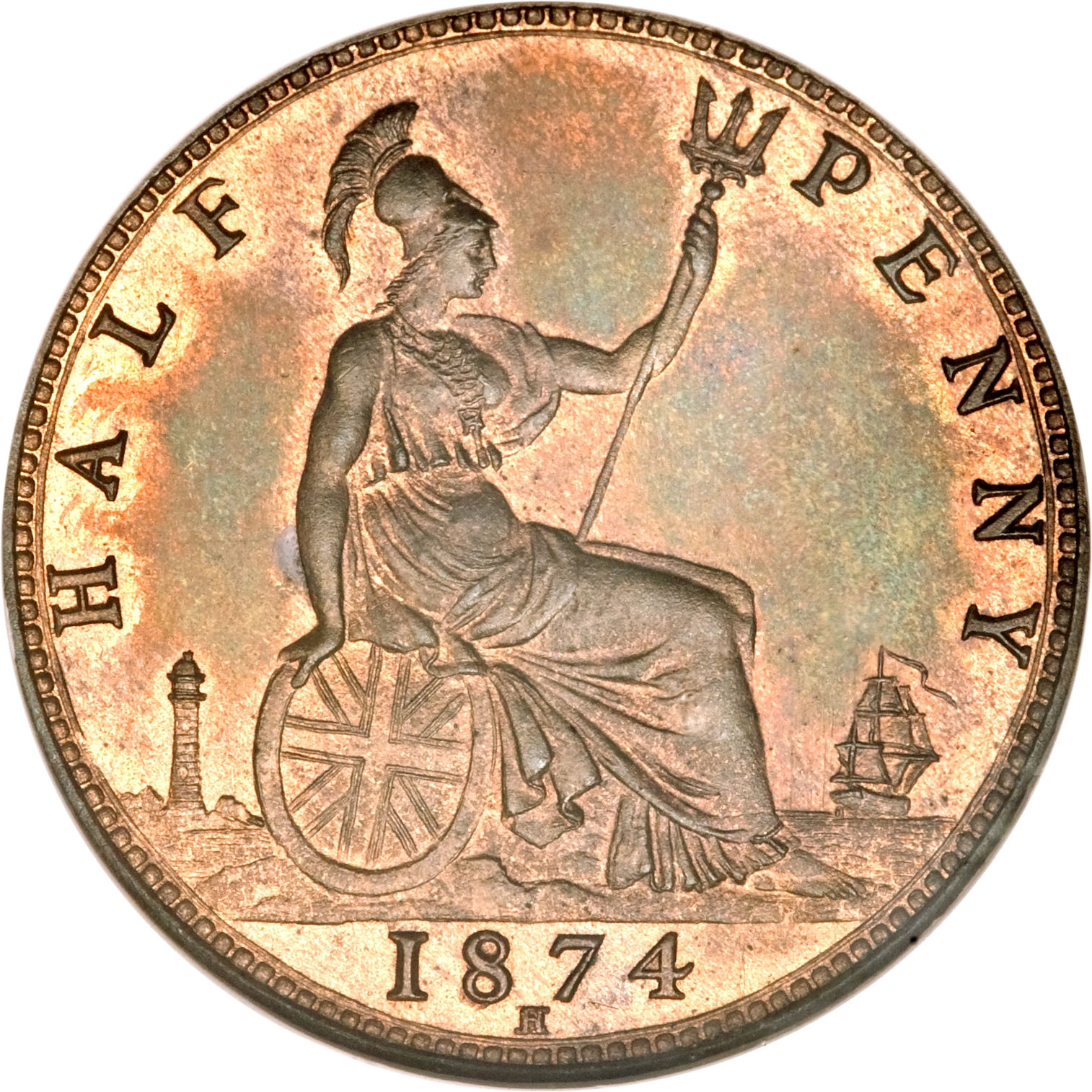
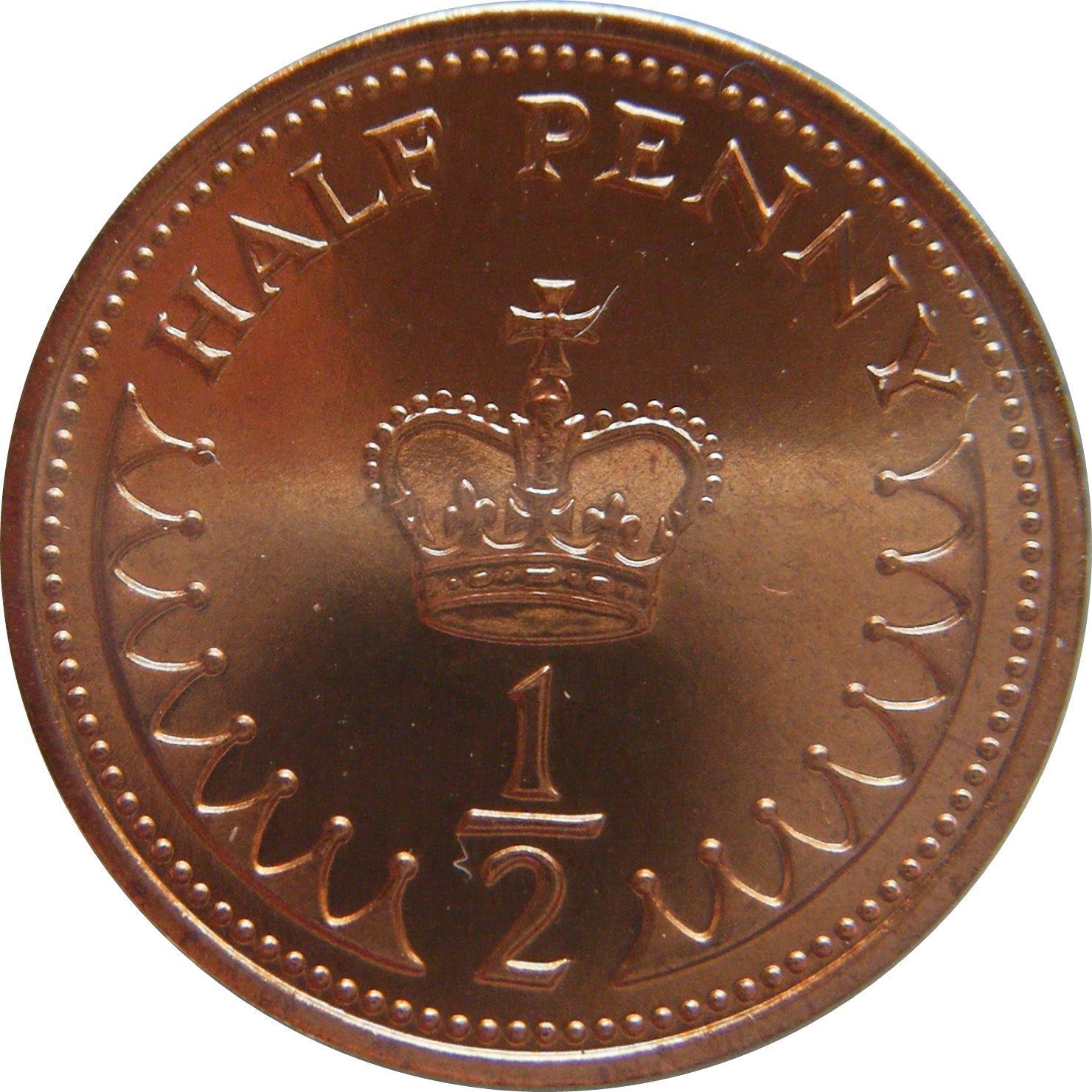
Browse every pre-decimal coin in our database →
Grading pre-decimal coins
Pre-decimal coins are graded on the same scales as modern issues, but condition expectations are calibrated to age. A "Fine" Victorian penny shows full date and major design features; a "Fine" 1965 penny would be considered low-grade. Mint-state pre-decimal copper and bronze is far rarer than mint-state silver because bronze tones quickly and chips at the edges in circulation.
Read our how to grade a coin guide for the Sheldon 1-70 scale and the UK Fine/Very Fine/Extremely Fine/Uncirculated/FDC equivalents. The coin collecting glossary covers every term used by dealers and auction houses.
Selling pre-decimal coins
The right venue depends on value bracket. Common-date pre-decimal coins (the bulk of any inherited collection) sell best on eBay UK in graded mixed lots, or to a local coin dealer for a quick wholesale price. Better material (mint-state Victorian, key dates, error coins) goes to specialist auction: Spink, Baldwin\'s or Noonans all run regular British pre-decimal sales. For high-value rarities such as the 1933 penny or 1937 Edward VIII patterns, slab the coin first at PCGS or NGC, then consign to one of those auction houses or to a US house with international reach.
See our where to sell rare coins UK guide for a venue-by-venue commission breakdown and net-return comparisons.
Further reading and references
- Are my old coins worth anything?, old coins value triage in 5 minutes.
- The Royal Mint: UK coin design and specifications, technical reference for every modern issue with archived pre-decimal data.
- British Numismatic Society (BNS), the UK academic authority on pre-decimal coinage; British Numismatic Journal back issues are searchable online.
- Spink Standard Catalogue of British Coins (annual), the trade standard reference, organised by monarch and denomination.
- Baldwin\'s of St James\'s, specialist auction house with regular British pre-decimal sales.
- Noonans Mayfair, British coins, banknotes and medals; quarterly catalogues.
- eBay UK: pre-decimal coinage category, useful for tracking realised prices on common dates.