Rare 10p Coins UK: The Full A-Z List, 2018 and 2019 Mintages
Most A-Z 10p lists get the important part backwards. The 2019 coins are the rare ones, not the 2018s, and the gap is not small: every 2018 letter was struck 220,000 times, while the 2019 W, Y and Z were struck just 63,000 times each. Same designs, same obverse, only the date tells them apart. Below is every letter for both years with verified Royal Mint figures, what each is worth by grade, and how to check which year you are holding.
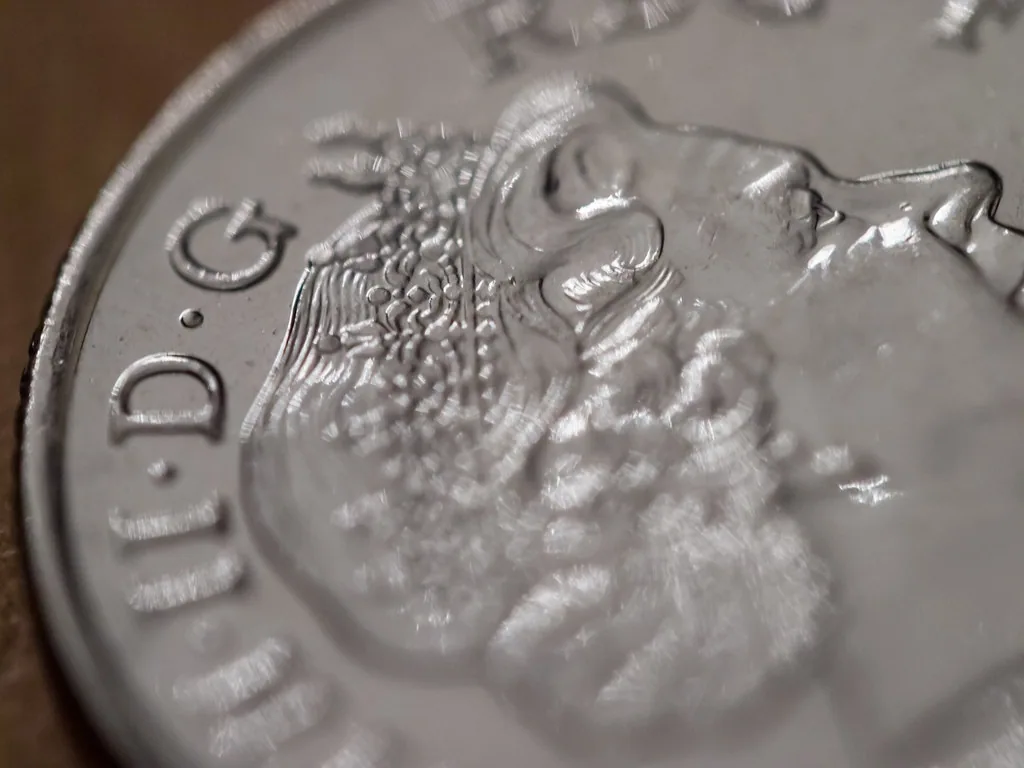
A short history of the 10p
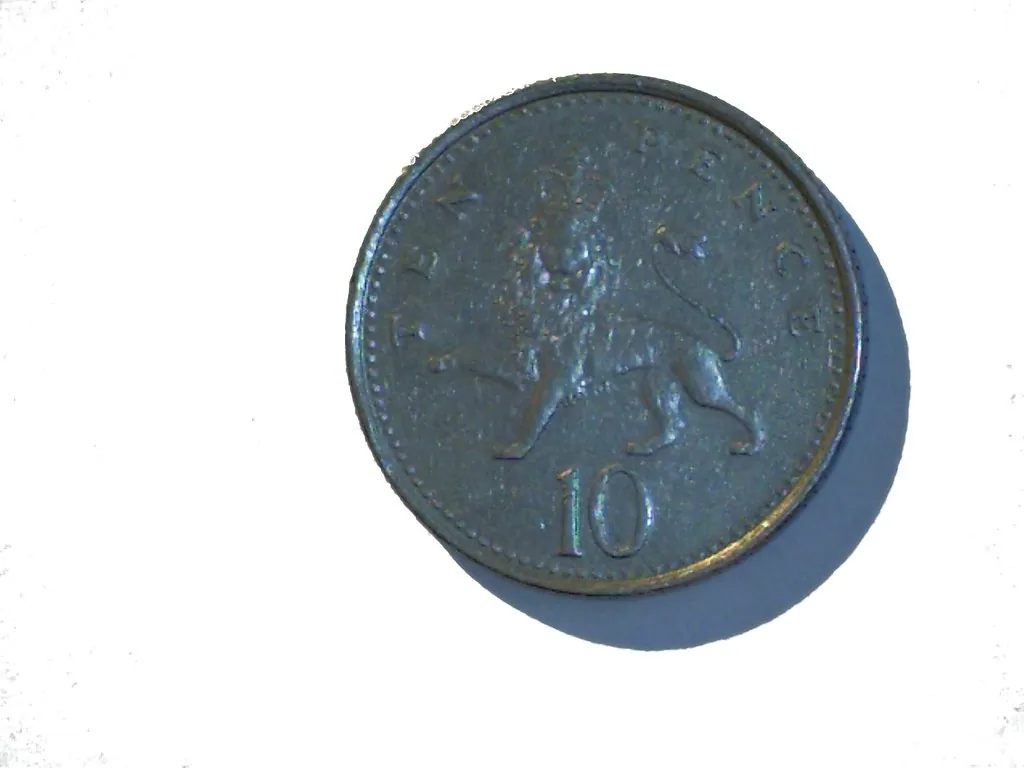
The decimal 10p was introduced on 14 October 1968, more than two years before Decimal Day. The Royal Mint deliberately matched its physical specifications to the pre-decimal florin (two shillings), 28.5 mm in diameter, 11.31 g in weight, cupro-nickel (75% Cu / 25% Ni). This let both coins circulate side by side from 1968 to 1971 at the same value, smoothing the transition to decimalisation. After 15 February 1971 (Decimal Day), the florin was officially demonetised, but old florins continued to circulate as 10ps for some years until they were withdrawn through bank deposits.
On 30 September 1992 a smaller, lighter 10p was introduced, 24.5 mm and 6.5 g, in line with the wider Royal Mint programme to reduce the weight of UK silver-coloured coinage. The large-format 10p remained legal tender alongside the smaller coin until 30 June 1993, when it was finally demonetised. Many pre-1992 large 10ps survive in collector hands but cannot be spent or directly redeemed at retail banks.
Three distinct reverse designs have appeared on the 10p:
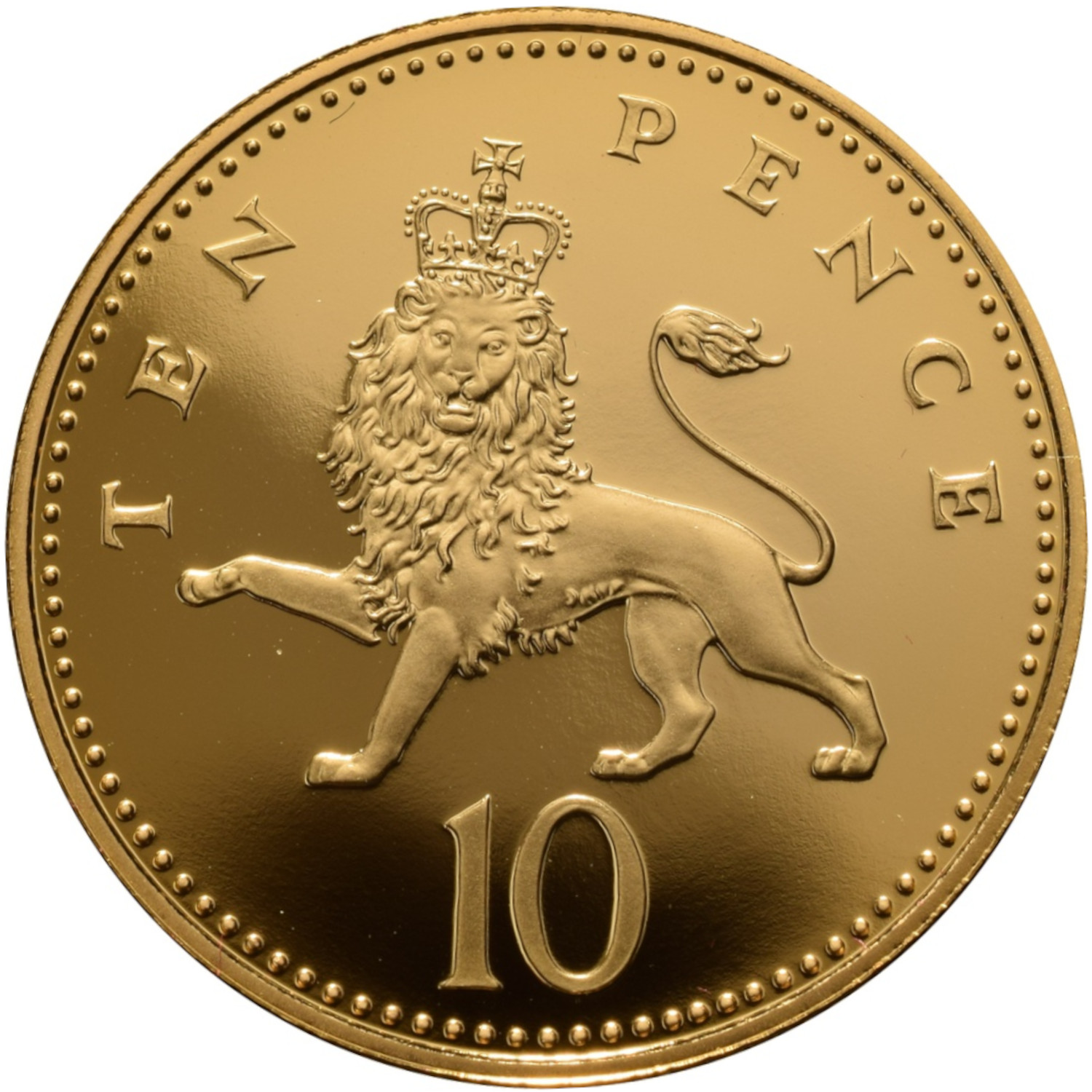
- Christopher Ironside crowned lion (1968–2008). A heraldic lion passant guardant beneath a Royal Crown, derived from the English royal arms.
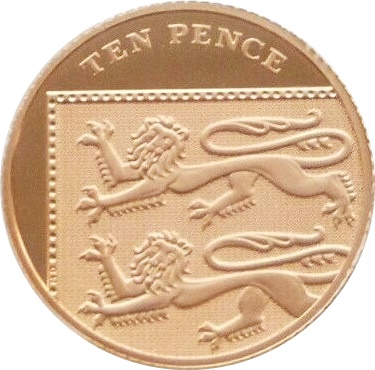
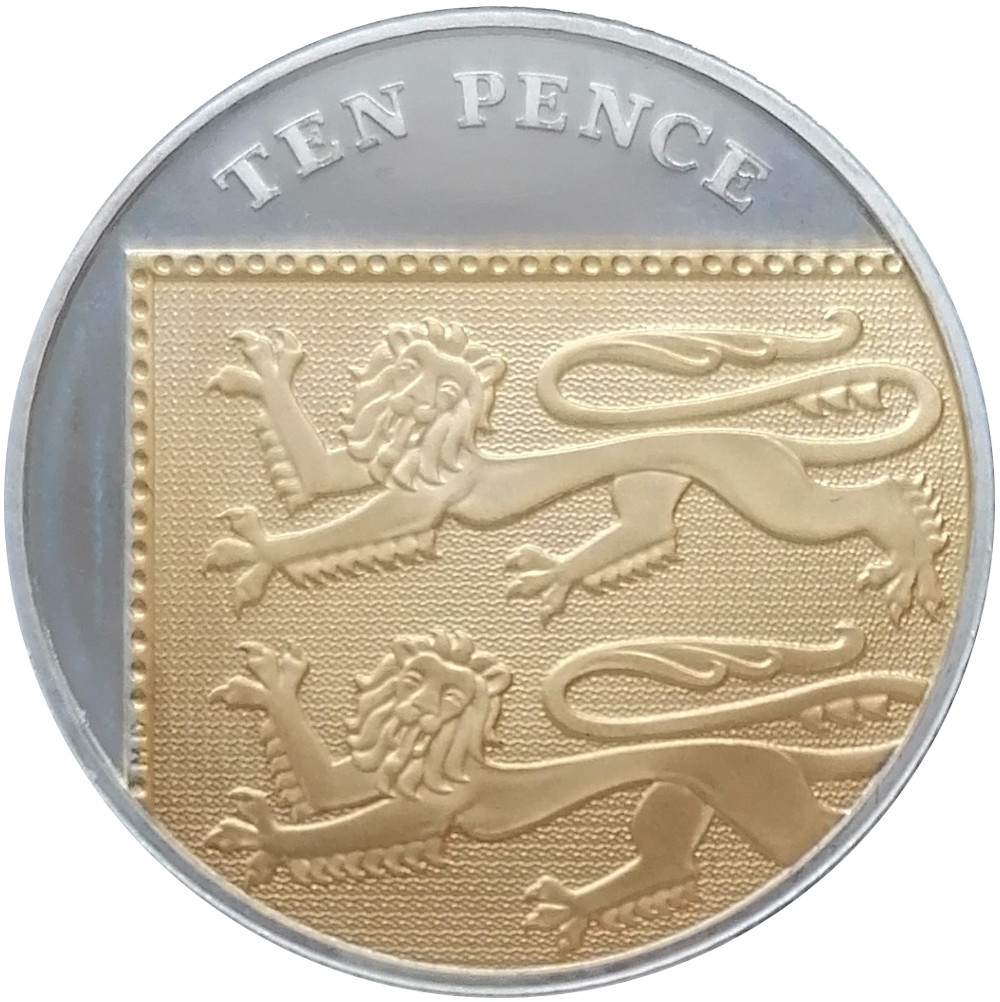
- Matthew Dent Royal Shield (2008–present). The 10p forms the lower-left segment of a quartered Royal Shield, with the full design forming across the 1p, 2p, 5p, 10p, 20p and 50p denominations. The £1 carries the entire shield.
- A-Z Great British Coin Hunt (2018, 2019, brief 2023 re-issue). 26 letter designs by Edwina Ellis depicting Britishness from Angel of the North to Zebra Crossing.
The first Charles III obverse 10p appeared in 2023, with the Martin Jennings portrait. Late in 2023 the Royal Shield reverse gave way to a new definitive set on a nature theme, with the capercaillie 10p as the first Charles III reverse; see that page for what it sells for by grade.
10p physical specifications
| Format | Years | Diameter | Weight | Composition |
|---|---|---|---|---|
| Large 10p | 1968–1992 | 28.5 mm | 11.31 g | Cupro-nickel (75/25) |
| Small 10p | 1992–present | 24.5 mm | 6.5 g | Cupro-nickel (75/25) |
| Florin (predecessor) | 1849–1970 | 28.5 mm | 11.31 g | Silver to 1947, then cupro-nickel |
Which 10p coins are worth money?
The 10p coins worth real money are the five scarcest letters of the 2019 A-Z series: W, Y and Z (63,000 struck each), R (64,000) and Q (83,000). They sell for £15–£40, with sealed Royal Mint packs at the top of that range and worn coins well below it.
- Any other 2019 letter (84,000 struck): £6–£15 uncirculated
- X, Z or Q uncirculated in a sealed pack: £8–£15
- Any A-Z 10p from change: 50p to £2
- Complete set of 26: £30–£60 from change, £120–£200 in the Royal Mint album
- 2008 last Ironside lion (9,720,000): £5–£10 uncirculated
Ordinary dated 10p coins, large or small, are worth 10p in worn condition. The full letter list is in the A-Z table and the older dates are under rare dates.
The five rarest A-Z 10p coins
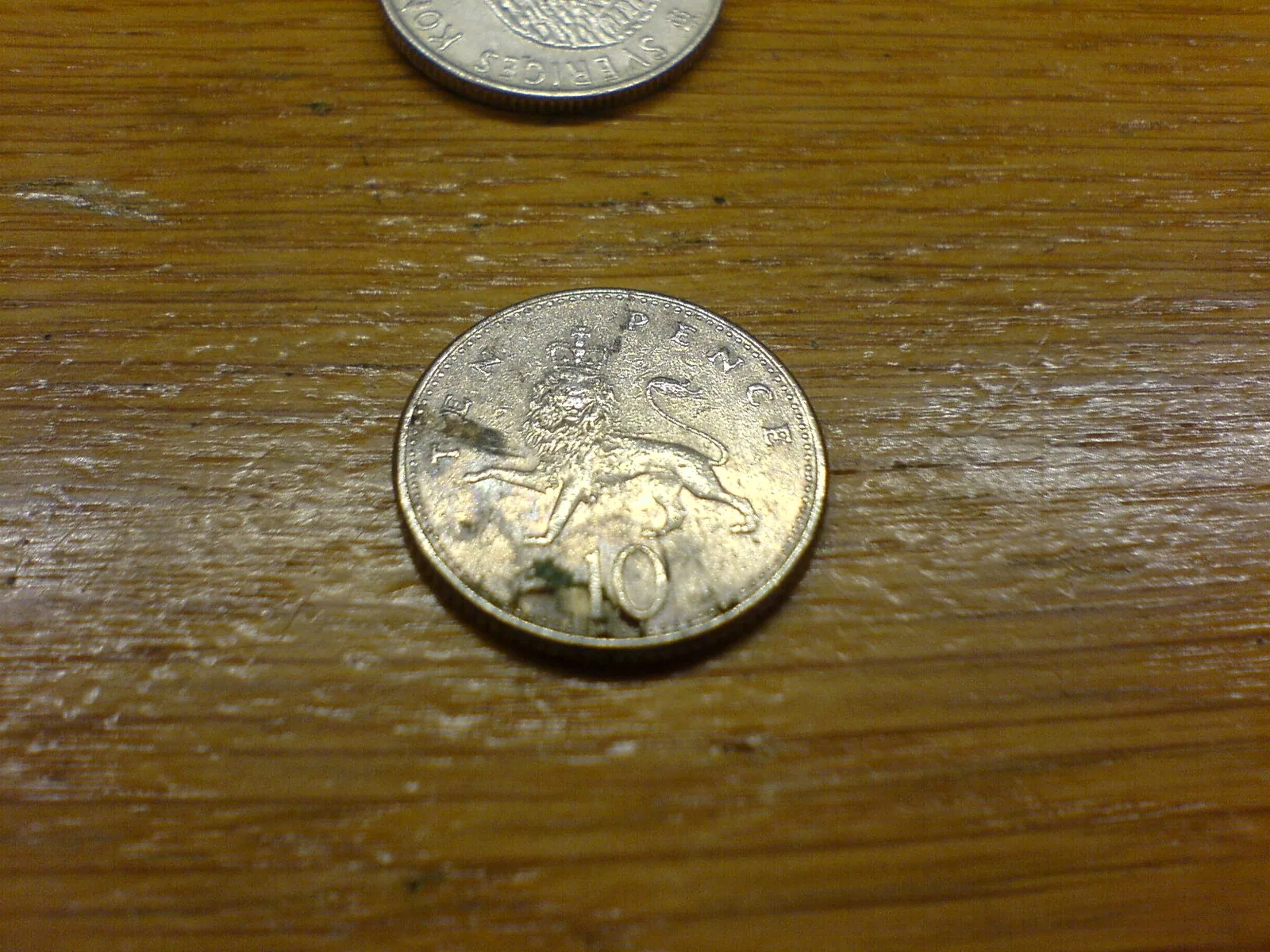
Every one of these is a 2019 coin. If you are hunting for value rather than completing a set, these five are the only A-Z 10ps with a mintage under the 84,000 baseline.
| Rank | Coin | Year | Mintage | Why it matters |
|---|---|---|---|---|
| =1 | W – World Wide Web | 2019 | 63,000 | Joint rarest A-Z 10ps ever struck. Roughly a third of the 2018 equivalent and scarcer than most “rare” 50ps. |
| =1 | Y – Yeoman Warder | 2019 | 63,000 | |
| =1 | Z – Zebra Crossing | 2019 | 63,000 | |
| 4 | R – Robin | 2019 | 64,000 | 1,000 coins off the joint-rarest spot. |
| 5 | Q – Queuing | 2019 | 83,000 | Also the most-requested design, so demand compounds the scarcity. |
The full A-Z 10p list with mintages
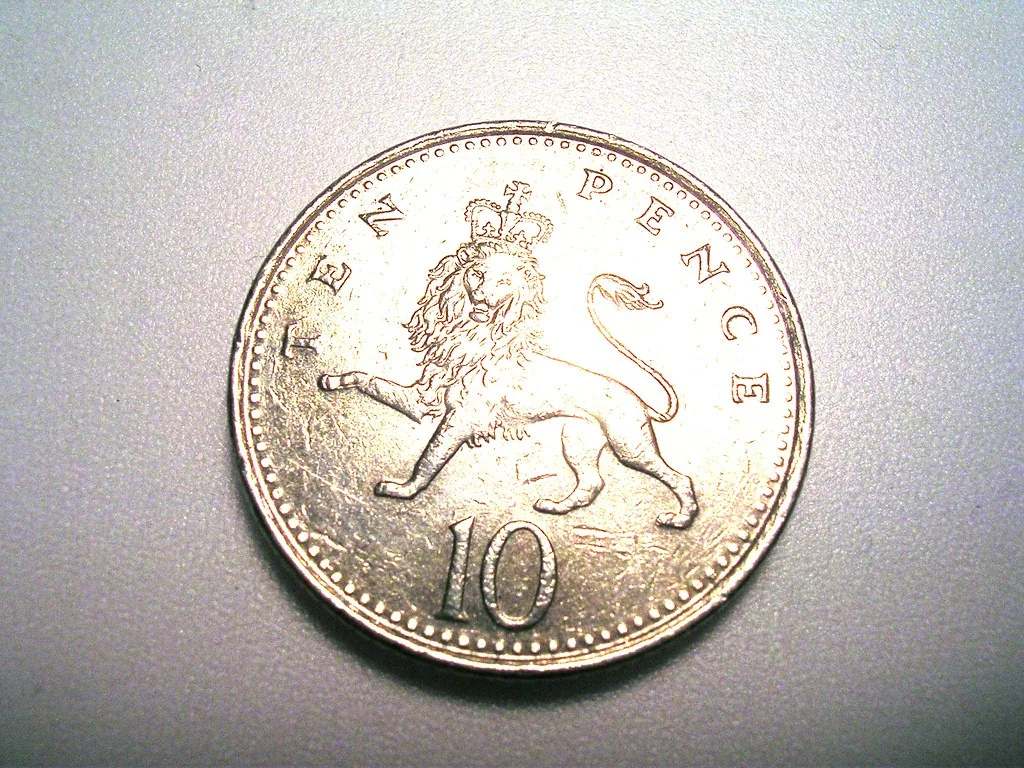
All 26 letters, both years, designed by Edwina Ellis. Every 2018 letter was struck 220,000 times, so within that year no design is scarcer than another. The 2019 run was far smaller: 2.1 million coins across the alphabet, with five letters cut well below the 84,000 baseline.
| Letter | Design | 2018 mintage | 2019 mintage | Rarer year |
|---|---|---|---|---|
| A | Angel of the North | 220,000 | 84,000 | 2019 |
| B | Bond, James Bond | 220,000 | 84,000 | 2019 |
| C | Cricket | 220,000 | 84,000 | 2019 |
| D | Double-decker Bus | 220,000 | 84,000 | 2019 |
| E | English Breakfast | 220,000 | 84,000 | 2019 |
| F | Fish and Chips | 220,000 | 84,000 | 2019 |
| G | Greenwich Mean Time | 220,000 | 84,000 | 2019 |
| H | Houses of Parliament | 220,000 | 84,000 | 2019 |
| I | Ice Cream Cone | 220,000 | 84,000 | 2019 |
| J | Jubilee | 220,000 | 84,000 | 2019 |
| K | King Arthur | 220,000 | 84,000 | 2019 |
| L | Loch Ness Monster | 220,000 | 84,000 | 2019 |
| M | Mackintosh (raincoat) | 220,000 | 84,000 | 2019 |
| N | National Health Service | 220,000 | 84,000 | 2019 |
| O | Oak Tree | 220,000 | 84,000 | 2019 |
| P | Post Box | 220,000 | 84,000 | 2019 |
| Q | Queuing | 220,000 | 83,000 | 2019 ★ |
| R | Robin | 220,000 | 64,000 | 2019 ★ |
| S | Stonehenge | 220,000 | 84,000 | 2019 |
| T | Tea | 220,000 | 84,000 | 2019 |
| U | Union Flag | 220,000 | 84,000 | 2019 |
| V | Villages | 220,000 | 84,000 | 2019 |
| W | World Wide Web | 220,000 | 63,000 | 2019 ★ |
| X | X Marks the Spot | 220,000 | 84,000 | 2019 |
| Y | Yeoman Warder | 220,000 | 63,000 | 2019 ★ |
| Z | Zebra Crossing | 220,000 | 63,000 | 2019 ★ |
| Total struck | 5,720,000 | 2,100,000 | ★ = under baseline | |
Figures are the final circulation mintages published by The Royal Mint and cross-checked against Change Checker and Coin Hunter. The per-letter 2019 figures sum to exactly the published 2.1 million total, which is the arithmetic check we use before publishing a mintage table.
How to tell a 2018 from a 2019, and why it matters
This is the single most valuable check on the page, because the two years share the same Edwina Ellis reverse and the same Jody Clark obverse. The date under the portrait is the only visible difference, and it can be the difference between a coin struck 220,000 times and one struck 63,000 times.
- Turn the coin to the portrait side. The year sits directly below the Queen’s neckline.
- 2019 with W, Y, Z, R or Q? Keep it. Those are the five scarcest A-Z 10ps struck.
- 2019, any other letter? Still the scarcer year at 84,000 against 220,000.
- 2018? Common by A-Z standards, though still far scarcer than an ordinary 10p.
For context, 63,000 is a genuinely small number for a UK circulating coin: fewer than the 2009 Kew Gardens 50p at 210,000, and fewer than the 2023 Atlantic Salmon 50p at 200,000, the two coins usually named as the rarest in British change.
A-Z 10p values: what actually drives the price
Two separate forces set the price, and they pull in different directions depending on which year you are holding.
- Within 2018, demand does all the work. Every letter was struck 220,000 times, so no design is scarcer than another. Prices diverge purely on how badly collectors want them: X (X Marks the Spot) for the wit of solving the hardest letter, Z (Zebra Crossing) because it is the one most often missing from a set built from change, and Q (Queuing) for the self-deprecating Britishness. K (King Arthur) and L (Loch Ness Monster) follow on design quality.
- Within 2019, scarcity does. W, Y and Z at 63,000, R at 64,000 and Q at 83,000 are genuinely hard to find, and the market prices them accordingly.
- Where the two stack, you get the premium coins of the whole series. The 2019 Z and the 2019 Q are both top-demand designs and bottom-five mintages. Those are the two letters worth checking your change for above all others.
| Coin / format | Description | Typical realised range |
|---|---|---|
| Single A-Z 10p, circulated | Mid-range letter, found in change | £0.50 – £2 |
| Single A-Z 10p, EF | Lightly handled, full design | £3 – £5 |
| Single A-Z 10p, BU pack | In sealed Royal Mint card, with COA | £4 – £10 |
| X / Z / Q in BU | Top-demand letters, sealed Royal Mint pack | £8 – £15 |
| Complete 26-coin BU album | Royal Mint official album, all letters in BU | £120 – £200 |
| Complete 26-coin circulating | Mixed grade, found in change, in collector folder | £30 – £60 |
| 2019-dated single letter, BU | Lower mintage year (84,000), harder to find | £6 – £15 |
| 2019 W / Y / Z / R / Q | The five scarcest, 63,000–83,000 struck | £15 – £40 |
Ranges are realised sold prices, not asking prices. Condition moves these more than the letter does: a worn 2019 Z is still a couple of pounds, while the same coin in sealed Royal Mint packaging sits at the top of the range.
Authenticating A-Z 10ps and "BU pack" claims
The A-Z series attracted significant secondary-market activity and a corresponding wave of misleading or outright fake listings. Three categories of issue dominate eBay:
- "BU pack" with no original packaging. The Royal Mint sold A-Z 10ps in individually heat-sealed plastic on coloured cards with a printed Certificate of Authenticity. A loose coin advertised as "BU" without the sealed pack is just a circulation coin in good condition. Pay only the circulating-grade price.
- Resealed packaging. Some sellers reseal opened packs with new shrinkwrap. Tells: the heat-shrink is loose around the corners, the COA card shows handling marks behind the plastic, the back of the card shows fingerprints, or the seal has visible vertical joins from a hand sealer rather than the Mint's factory seal.
- Altered or "letter swap" coins. Crude attempts to alter common 10p reverses into rare letters by milling or laser-engraving. Tells: irregular field around the letter, missing micro-detail in the surrounding design, weight outside the expected 6.50 g ± 0.05 g window, and an obverse that shows tooling near the alteration.
For high-value listings (notably the 2019-dated low-mintage letters in BU), buy only from sellers with a clear photograph of the original Royal Mint pack and a return policy. For the strictest authentication, send the coin to CGS UK or NGC before resale; the slabbed grade typically pays for itself.
Pre-A-Z 10p rare dates and varieties
Beyond the A-Z series, the 10p has a small number of dates worth picking out from change or from old Royal Mint Year Sets:
| Year | Type | Mintage | Typical BU value |
|---|---|---|---|
| 1968 | Large 10p, first year, Ironside lion | 336,143,250 | £3 – £6 |
| 1969 | Large 10p, Ironside lion | 314,008,000 | £3 – £5 |
| 1979 | Large 10p, Ironside lion | 115,457,000 | £2 – £4 |
| 1992 | Small 10p, first year of new size | 1,413,455,170 | £3 – £5 |
| 1992 | Large 10p, final year of large size | Proof only | £8 – £15 |
| 2008 | Small 10p, first Royal Shield | 71,447,000 | £3 – £5 |
| 2008 | Small 10p, last Ironside lion | 9,720,000 | £5 – £10 |
| 2023 | First Charles III 10p, capercaillie reverse | ~10–15 million est. | £3 – £6 |
The 2008 dual-design year is the closest the 10p comes to a true "rare date" in the modern series. Both the final Ironside lion (low-mintage, transitional) and the first Royal Shield design were struck for circulation, with the Ironside the scarcer of the two. Original 2008 Royal Mint Year Sets contain both designs and trade for a small premium.
Grading thresholds for the 10p
Cupro-nickel survives circulation better than bronze, so 10ps grade harshly. Practical thresholds:
- Brilliant Uncirculated (BU / MS63–65). Full mint lustre, no contact marks visible to the naked eye. Almost always from a sealed Royal Mint pack or unopened year set.
- Extremely Fine (EF / AU50–55). Light wear on the highest design points only; full hair detail, full lion mane or shield definition, sharp legend.
- Very Fine (VF). Some wear on hair, mane and shield rim; design fully visible but no longer crisp.
- Fine and below. Worth face value; not worth grading or listing as collectable unless the coin is a verified rarity.
See our how to grade a coin guide for the full Sheldon scale and UK CGS scale photographs.
Where to sell A-Z and rare 10ps
The market for 10ps is dominated by the A-Z series and is largely retail rather than auction-driven. The right venue depends on the format:
- Single circulating A-Z letters: eBay UK auction format with sensible reserve. Selling fees approximately 13%.
- Sealed BU packs and complete albums: eBay and specialist Facebook coin-collector groups produce the strongest realisations. Provide clear photographs of all four edges of any sealed pack to confirm originality.
- Pre-1992 large 10p in EF or BU: small sums by single coin; consider bundling a date run and selling as a set, or trading in to a dealer such as Coincraft or Colin Cooper Coins.
- Verified mint errors and rarities: consign to a specialist British numismatic auction such as Baldwin's, Spink or Noonans.
Our full venue commission breakdown is in where to sell rare coins UK.
Featured 10p coins on MyCoinage
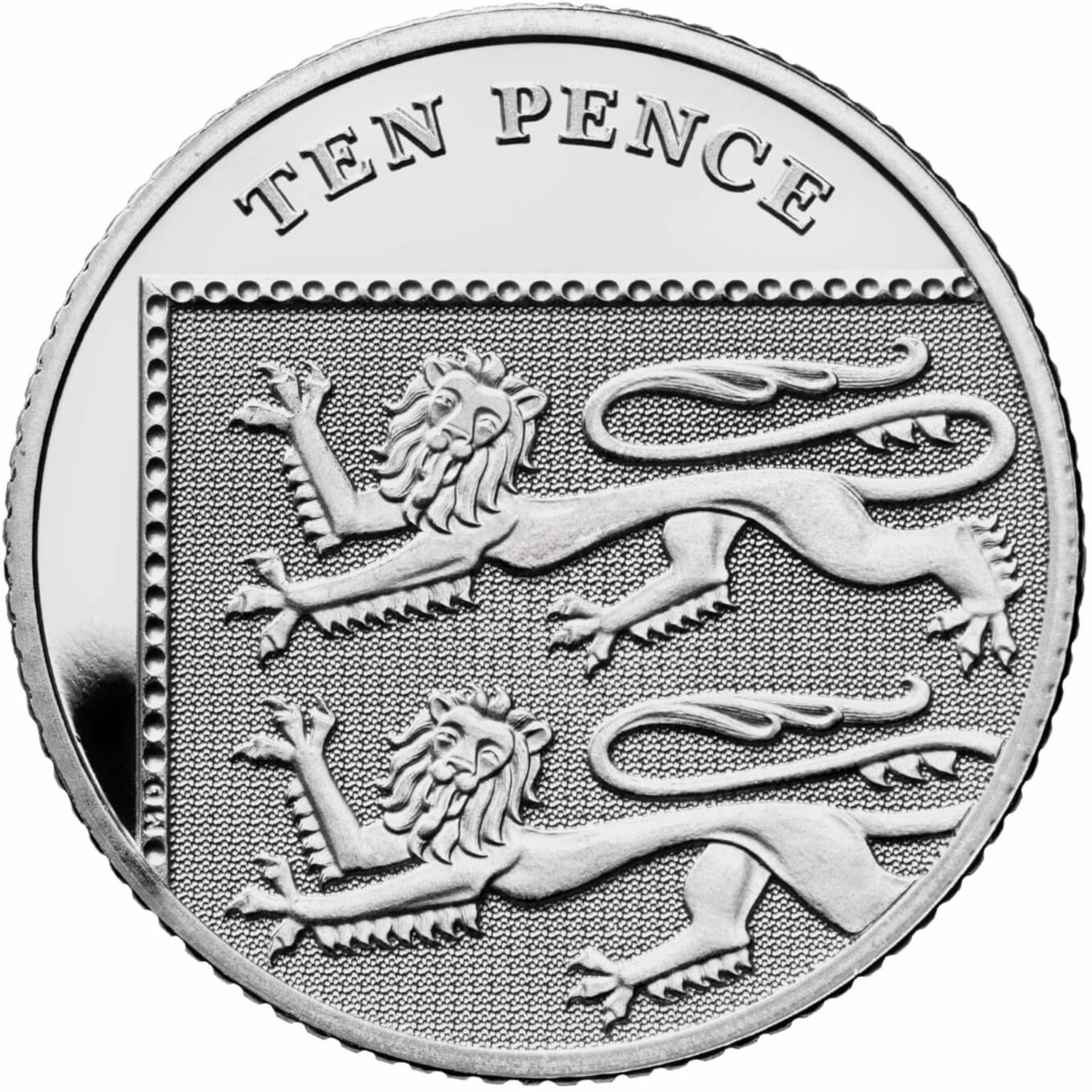
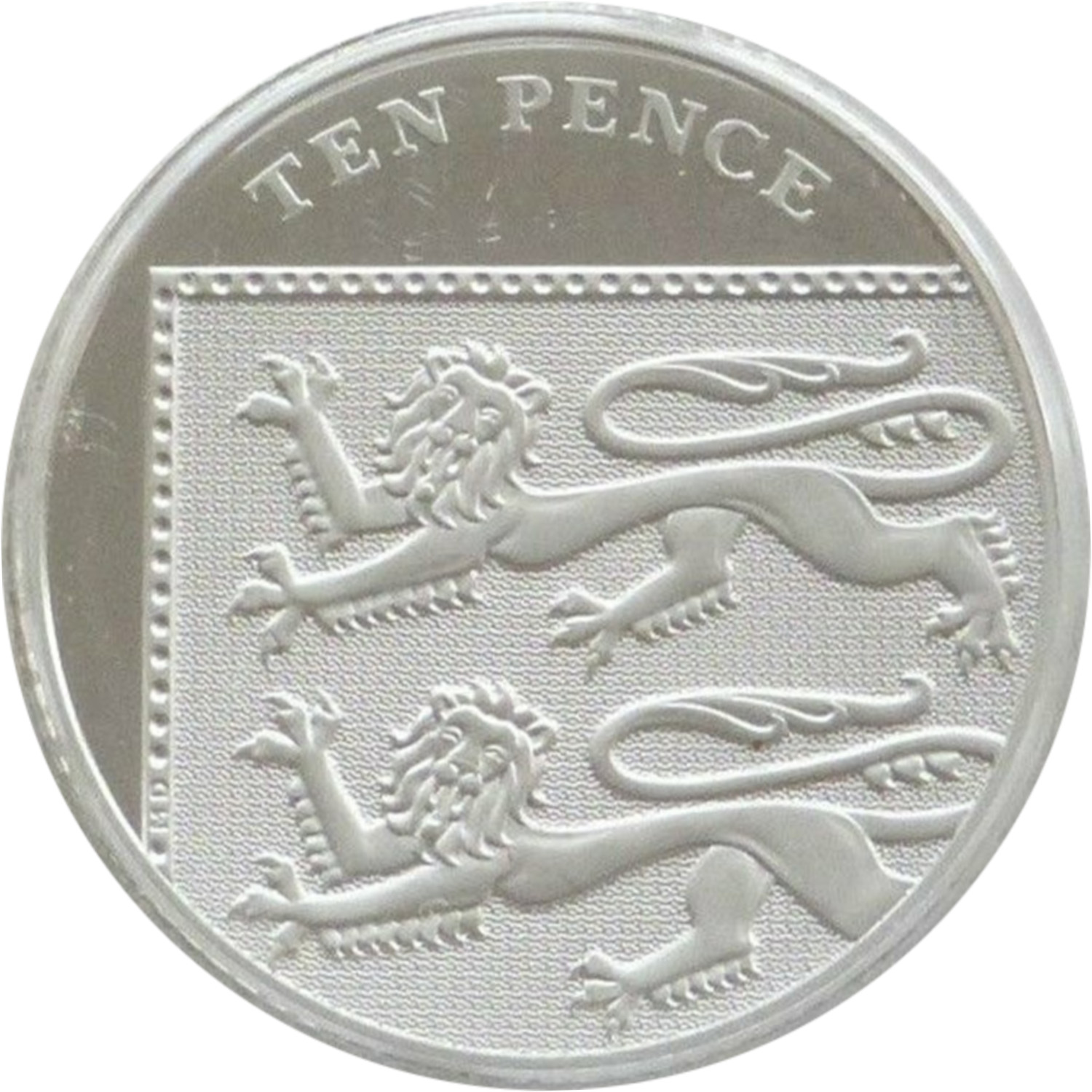
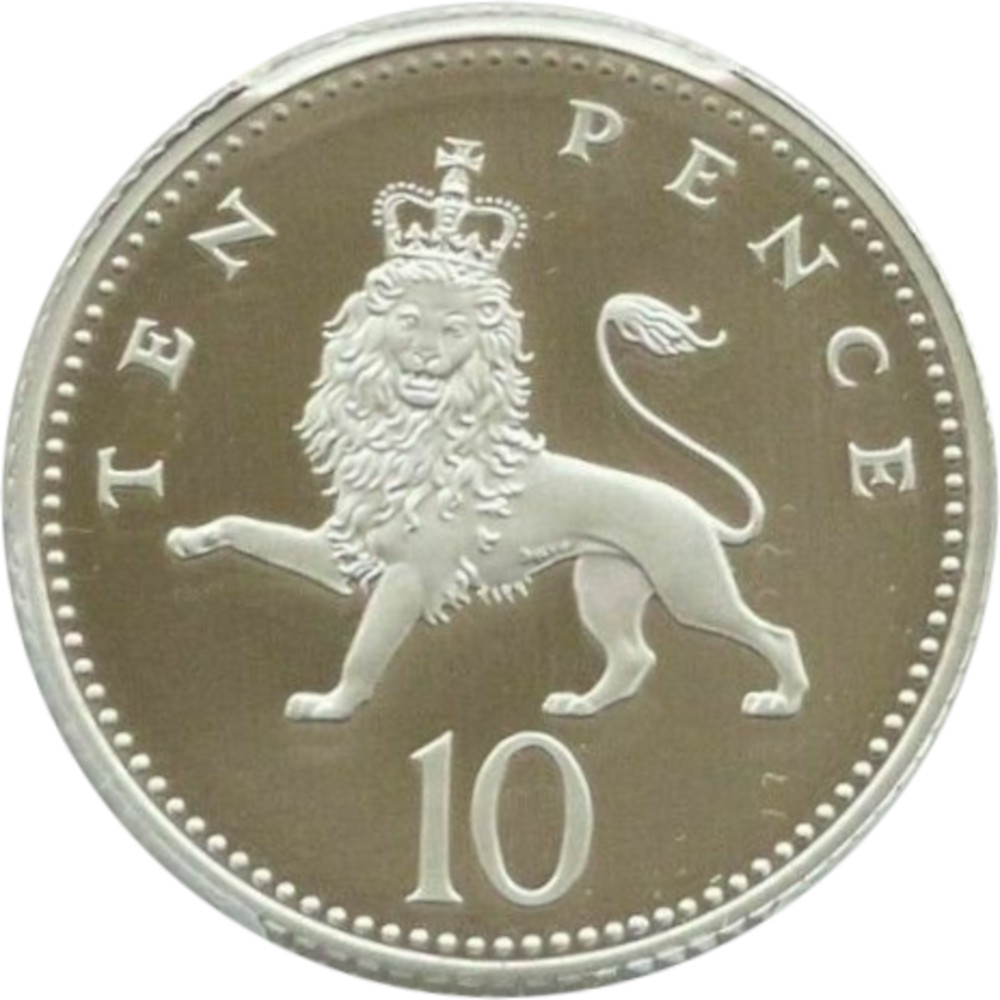
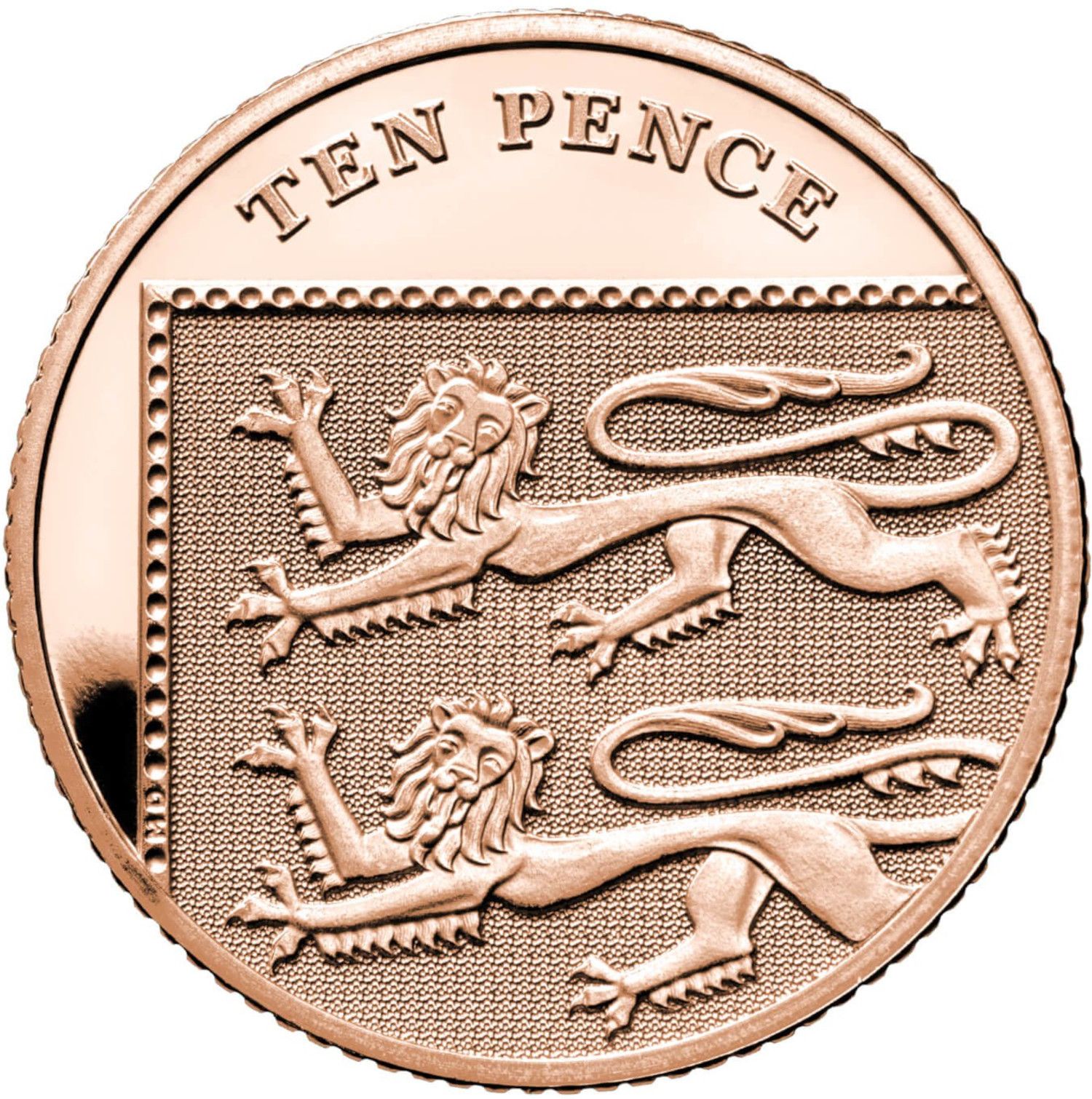
Browse every UK 10p in our database →
Frequently asked questions
What is the Great British Coin Hunt?
Which A-Z 10p is the rarest?
How do I tell a 2018 A-Z 10p from a 2019?
Are normal date 10p coins ever worth money?
What is the difference between the large and small 10p?
Are pre-1992 10p coins worth saving?
Why did the 10p replace the florin?
Who designed the 10p reverse?
Are the Charles III 10p coins valuable?
How do I authenticate an A-Z 10p sold as "BU"?
What grade does an A-Z 10p need to be worth more than face?
Where should I sell a complete A-Z 10p collection?
Further reading
- Coin valuation guide, how to value any UK coin.
- Every 10p mintage figure, all A–Z and definitive issues, sortable by mintage.
- Royal Mint: 10p coin design and specifications, official metallurgy, dimensions and design history.
- Royal Mint Museum, the Mint's curatorial archive, including A-Z series background.
- British Numismatic Society, the academic UK numismatic society; journals cover the 1968 decimalisation programme in detail.
- Spink Standard Catalogue of British Coins, trade-standard reference for all decimal 10ps.
- MyCoinage: Charles III coin guide, the new reign's portrait and design changes across all denominations.
- MyCoinage: UK coin errors list, how to identify and price genuine mint errors.
- MyCoinage: how to grade a coin, Sheldon and UK CGS scales explained.
- MyCoinage: coin collecting glossary, mintage, BU, proof, COA and other terms used above.
- MyCoinage: where to sell rare coins UK, venue commissions and selling tips.