Kew Gardens 50p Value 2026: Complete Price & Authentication Guide
The 2009 Kew Gardens 50p is the most famous British coin since the 1933 penny. Released to mark the Royal Botanic Gardens\' 250th anniversary, it was struck in a quiet 210,000 circulation run that nobody outside the Royal Mint thought twice about at the time, until 2014, when the rarity broke into public awareness and the price began climbing. Even now, fifteen years later, after the Atlantic Salmon 50p overtook it on raw mintage, Kew Gardens remains the most-searched single coin in the UK.
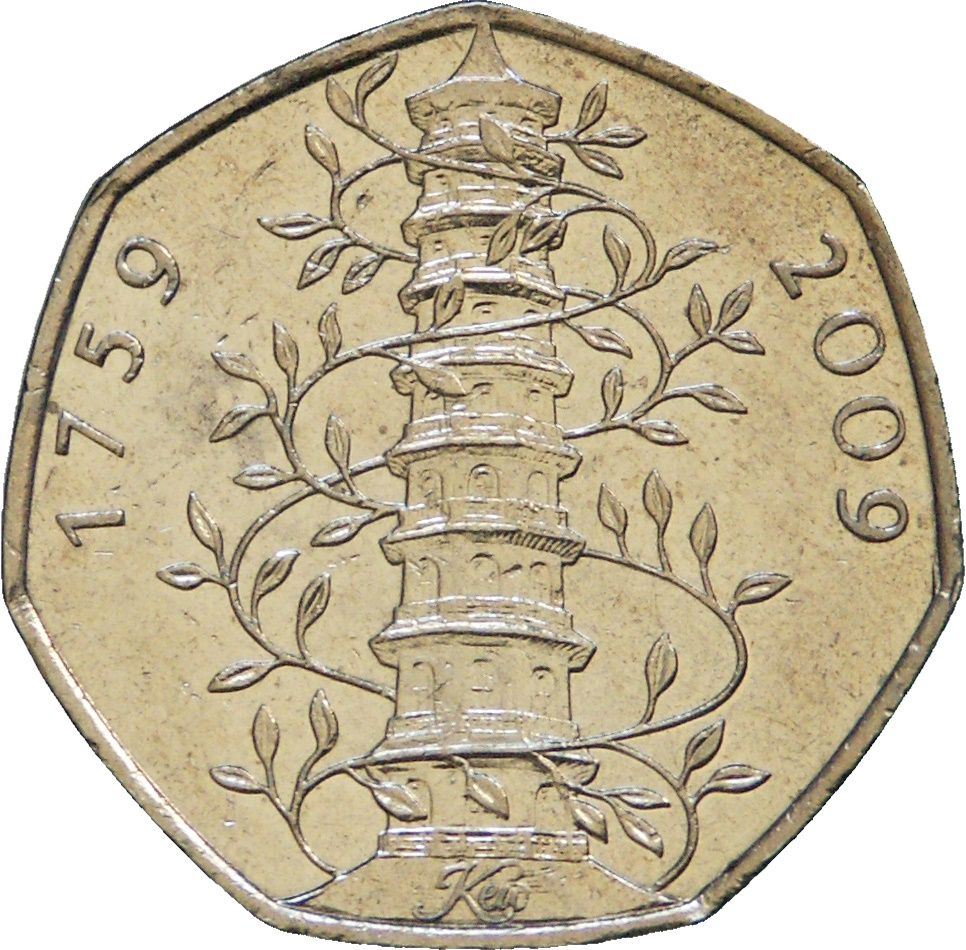
The story: how a Pagoda became Britain\'s most famous coin
In 2009 the Royal Botanic Gardens at Kew turned 250. The Royal Mint marked the anniversary with a commemorative 50p designed by Christopher Le Brun, then a Royal Academician and later President of the Royal Academy of Arts. Le Brun\'s reverse showed the Great Pagoda at Kew, the ten-storey octagonal structure completed in 1762, designed by Sir William Chambers, and one of the earliest examples of Chinese architecture in Britain. A vine wraps around the Pagoda; the legend reads "KEW 250 YEARS 1759 2009".
The coin entered general circulation alongside the standard Matthew Dent Royal Shield 50p. It was not promoted as a scarcity. The Royal Mint simply struck fewer of them, 210,000 against typical 50p runs in the tens of millions, because demand for circulating 50ps was unusually low in 2009 and the commemorative was a small slice of an already small year. Banks took what they needed; the rest went into bags and circulated quietly for years.
The rarity wasn\'t public for half a decade. Between 2009 and 2014 the coin traded at £3–£10 in BU and barely registered as collectable. Then in 2014, with mintage figures from the Royal Mint becoming widely indexed online, the public realised what they were holding. The price went vertical. By 2016 it was a £30–£80 coin; by 2018 a £100–£180 coin; by 2020 a £180–£280 coin in BU.
Mintage: the 210,000 figure
The Royal Mint reported a circulating mintage of 210,000 for the 2009 Kew Gardens 50p. Brilliant Uncirculated coins were also struck for the 2009 Royal Mint annual sets in higher numbers (the Royal Mint has not published an exact set figure but the total BU mintage is several thousand). Those set coins never entered circulation.
| Version | Mintage | Finish | Where issued |
|---|---|---|---|
| Circulation strike | 210,000 | Cupro-nickel circulation strike | General circulation, 2009 |
| Brilliant Uncirculated | Several thousand | BU finish, sealed in Royal Mint pack | 2009 Royal Mint BU annual set |
| Cupro-nickel proof | Limited (set-tied) | Proof cupro-nickel | 2009 proof set |
| Silver proof (2009) | Limited | .925 silver proof | 2009 silver-proof set |
| Silver piedfort (2009) | ~3,500 | .925 silver, double thickness | 2009 piedfort issue |
| Gold proof (2009) | 629 | 22 carat gold proof | 2009 gold proof issue |
| Gold piedfort (2009) | 40 | 22 carat gold, double thickness | 2009 gold piedfort issue |
| Silver proof (2019 reissue) | 1,933 | .925 silver proof | 2019 50p 60th-anniversary set |
Source: 210,000 circulating mintage figure published by The Royal Mint and tracked by Change Checker; 1,933 figure for 2019 silver proof reissue from Royal Mint product listings.
How to identify a Kew Gardens 50p
- Reverse: The Great Pagoda at Kew, an octagonal ten-storey tower, with a climbing vine wrapping around it. Signed Le Brun.
- Legend: "KEW 250 YEARS 1759 2009" arranged around the Pagoda, with FIFTY PENCE positioned beneath.
- Date: 2009.
- Obverse: Queen Elizabeth II, fourth definitive portrait by Ian Rank-Broadley.
- Shape: Heptagonal Reuleaux (seven-sided curved-edge), 27.3 mm across, 8.0 g.
The Pagoda design is unmistakable and unique to this coin (with the exception of the 2019 silver-proof reissue, which uses the same reverse). If you have a 2009 50p with a Pagoda on the back, you have a Kew Gardens.
Realised prices over time
The Kew Gardens 50p has the longest, deepest realised-price history of any modern UK coin. We track eBay UK sold-listings going back to 2010 and the trajectory tells the rarity story almost better than any narrative could:
| Period | Circulated (eBay) | Brilliant Uncirculated (eBay) | Notes |
|---|---|---|---|
| 2009–2013 | £1, £5 | £3, £10 | Rarity not yet widely known |
| 2014–2016 | £30, £80 | £50, £120 | Rarity goes mainstream |
| 2017–2019 | £80, £160 | £120, £220 | Steady appreciation |
| 2020–2022 | £120, £180 | £180, £300 | Plateau at peak |
| 2023 (post-Salmon) | £130, £180 | £180, £280 | Slight softening |
| 2024–2026 | £140, £180 | £180, £280 | Stabilised; slabbed examples climbing |
All figures are realised eBay UK sold-listing ranges, not asking prices. Sources include eBay UK sold listings, Baldwin\'s, Spink and Noonans auction archives.
2026 price snapshot by grade
| Condition / version | Realised range (2026) | Notes |
|---|---|---|
| Heavily circulated, F-VF | £90, £140 | Wear visible on Pagoda; sells but at floor |
| Lightly circulated, EF | £140, £180 | Most common eBay sale point |
| Almost UNC, ex-circulation | £160, £220 | No bag marks; traceable handling |
| BU loose (out of pack) | £150, £220 | Pack value lost on extraction |
| BU sealed in 2009 RM pack | £180, £280 | Provenance is part of price |
| Cupro-nickel proof | £120, £200 | From 2009 proof set |
| Silver proof (2009) | £150, £280 | Limited, scarce |
| Silver proof (2019 reissue) | £400, £800 | Mintage 1,933 |
| Silver piedfort (2009) | £180, £280 | ~3,500 struck, double thickness |
| Gold proof (2009) | £3,000, £4,500 | Mintage 629; gold value underpins the floor |
| Gold piedfort (2009) | £15,000+ | Mintage 40; rarely offered at all |
| Slabbed PCGS/NGC MS65 | £250, £400 | Premium for verified grade |
| Slabbed PCGS/NGC MS66+ | £400, £700 | Top of the realised market |
Counterfeits: the most-faked modern UK coin
The Kew Gardens 50p attracts more counterfeiting than any other modern British coin. Cast and pressed fakes have been circulating on eBay since 2015. The good news is that they are usually catchable with careful examination. The bad news is that some are sophisticated enough to fool a casual buyer at arm\'s length.
- Weight. Genuine 50p: 8.0 g ± 0.05 g. Use a jewellery scale to 0.01 g resolution. The most common counterfeit weight error is light, around 7.6–7.8 g, because the cast alloy is less dense than genuine cupro-nickel.
- Heptagonal shape. The Reuleaux heptagon should be geometrically clean, sharp corners, no flats, even curve radii. Counterfeits often show wavering edge curves where the casting process did not capture the original geometry cleanly.
- Font kerning. Genuine Kew Gardens legend has very specific kerning between letters in "KEW 250 YEARS 1759 2009". Counterfeits frequently misspace, particularly between "250" and "YEARS" or in the date fields. Compare against a known-good photograph.
- Pagoda roof tiers. The Pagoda has ten distinct horizontal roof tiers, each finely defined with individual finials. Counterfeits almost always lose detail here: the tiers blur into each other, finials disappear, and the upper roofline becomes a single mass rather than a stack of edges. This is the single most reliable visual tell.
- Edge milling. The 50p is unreeded but the edge should still be crisply struck with no seam line, no flash and no rounded transition between edge and face. Cast counterfeits often show a faint horizontal seam where the mould halves met.
Variants: 2009 original vs 2019 silver reissue
A common point of confusion: the Royal Mint reissued the Kew Gardens design in 2019 as part of a special silver-proof set marking the 60th anniversary of the modern 50p (introduced 1969 in pre-decimal form). The 2019 reissue is a different coin on a different specification.
| Detail | 2009 original | 2019 silver-proof reissue |
|---|---|---|
| Year on coin | 2009 | 2019 |
| Material | Cupro-nickel circulating; .925 silver proof variant | .925 silver only |
| Mintage | 210,000 circulating | 1,933 silver proof |
| Obverse | Elizabeth II, Rank-Broadley fourth portrait | Elizabeth II, Jody Clark fifth portrait |
| Realised range (2026) | £140, £700 | £400, £800 |
| Where issued | General circulation + 2009 sets | 2019 50th-anniversary silver-proof set |
Both are collectable and both carry the Pagoda. They are not the same coin and should not be priced against the same comparables. Always check the date before pricing.
High-grade auction realisations
For the top of the Kew Gardens market, the data sits in slabbed examples at major auction. PCGS- and NGC-graded MS66 and higher coins have realised prices in a clear bracket:
- PCGS MS65, typically £250–£400 at major UK auction.
- PCGS / NGC MS66, typically £400–£600.
- PCGS / NGC MS67+, the top tier, £500–£700, with single high outliers above when supply is thin.
- CGS UK 90+, broadly equivalent to MS66, £350–£550.
These are not asking prices but realised hammer figures from Spink, Baldwin\'s and Noonans sales over the past three years. Single outlier sales above £700 exist but should not be treated as benchmarks.
The displaced legend: Kew vs the Atlantic Salmon
In November 2023 the 2023 Atlantic Salmon 50p overtook Kew on raw mintage, with 200,000 against Kew\'s 210,000. The Salmon is now technically the rarest 50p in active circulation. This shift mattered for headlines but has not yet translated into prices: Kew still trades at roughly twice the realised levels of the Salmon for an equivalent grade.
| Coin | Mintage | Released | Circulated price (2026) | BU price (2026) |
|---|---|---|---|---|
| Kew Gardens 50p | 210,000 | 2009 | £140, £180 | £180, £280 |
| Atlantic Salmon 50p | 200,000 | 2023 | £50, £90 | £100, £200 |
The fifteen-year head start in collector recognition is the explanation. Kew Gardens has been the famous British rarity since 2014; collectors have built collections around it; auction houses report realised prices on a regular cadence; the secondary market is mature. The Salmon is two years old. In five or ten years the gap may close, but in 2026 Kew remains the prestige holding and the Salmon is the fashionable one.
Where to sell a Kew Gardens 50p
Kew Gardens has the deepest secondary market of any modern UK coin. Realised eBay UK sales typically run five to fifteen per week. Venue choice depends on grade and version:
- Circulated and ungraded BU, £140–£280. eBay UK is where the realised-price market is set and where most sales happen. List with crisp obverse and reverse photos and clear edge shots.
- Sealed BU pack, £180–£280. eBay still works; BNTA dealers and Royal Mint secondary-market resellers will often pay close to mid-range without the listing risk.
- Slabbed MS66+ or 2019 silver proof, £400+. Specialist UK auction houses, Spink, Baldwin\'s, Noonans. Hammer commission is typically 15–20%. Net proceeds usually beat best private offer for high-grade slabbed examples.
- Avoid selling unverified high-grade Kew Gardens through Facebook Marketplace or Gumtree. Counterfeit suspicion is high enough that buyers heavily discount unverified examples, and the platforms\' buyer-protection regimes work against the seller in any payment dispute.
The full venue-by-venue commission breakdown is in the where to sell rare coins UK guide.
Featured 50p coins on MyCoinage
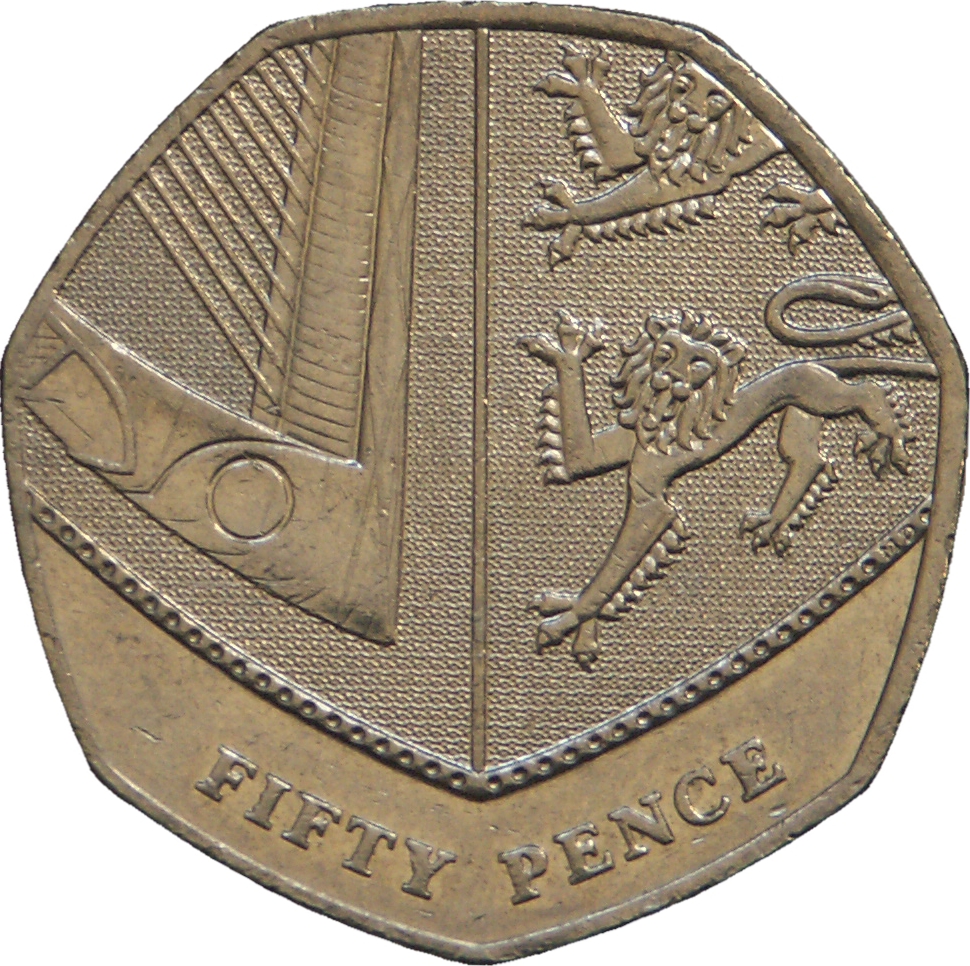
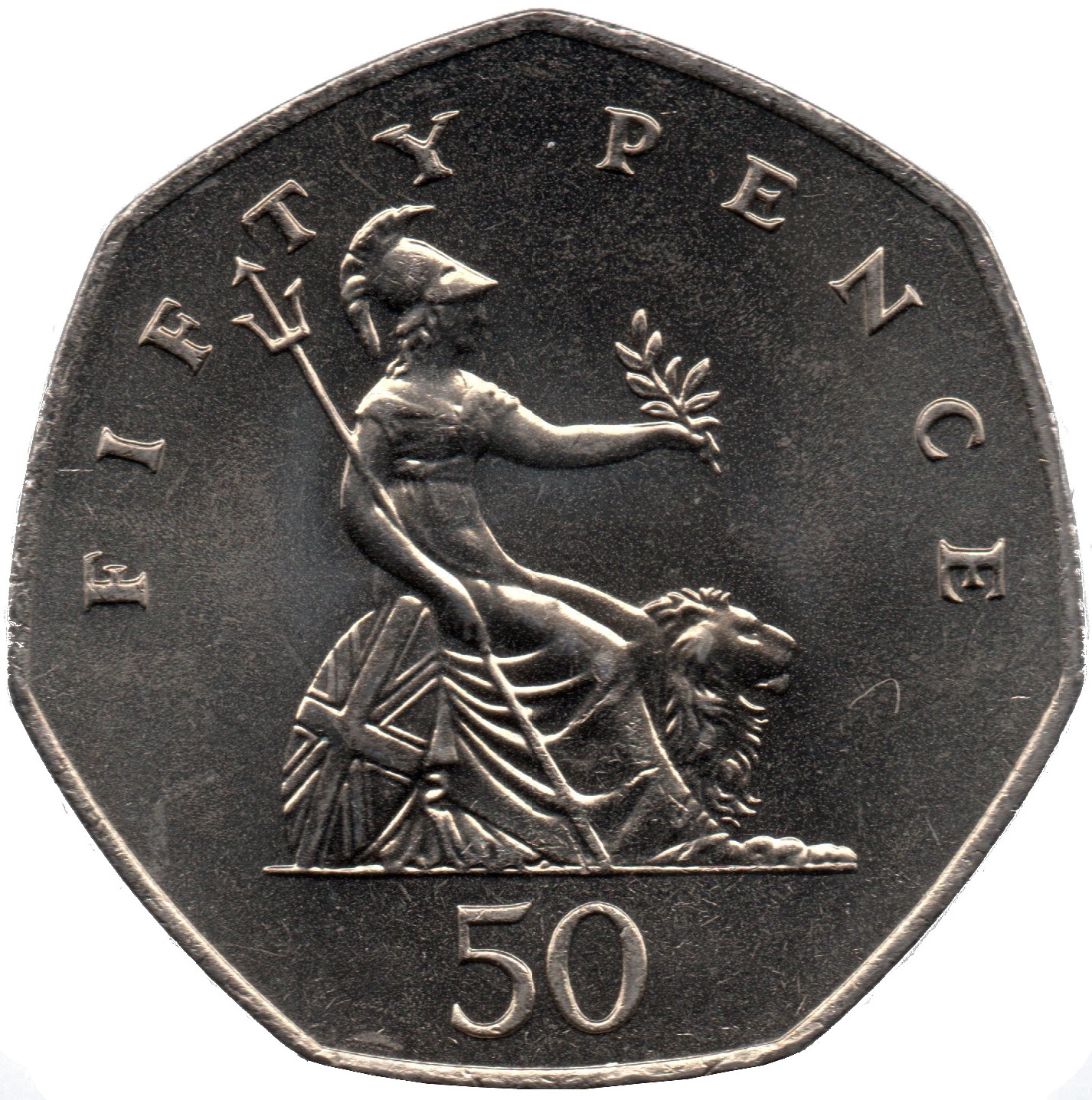
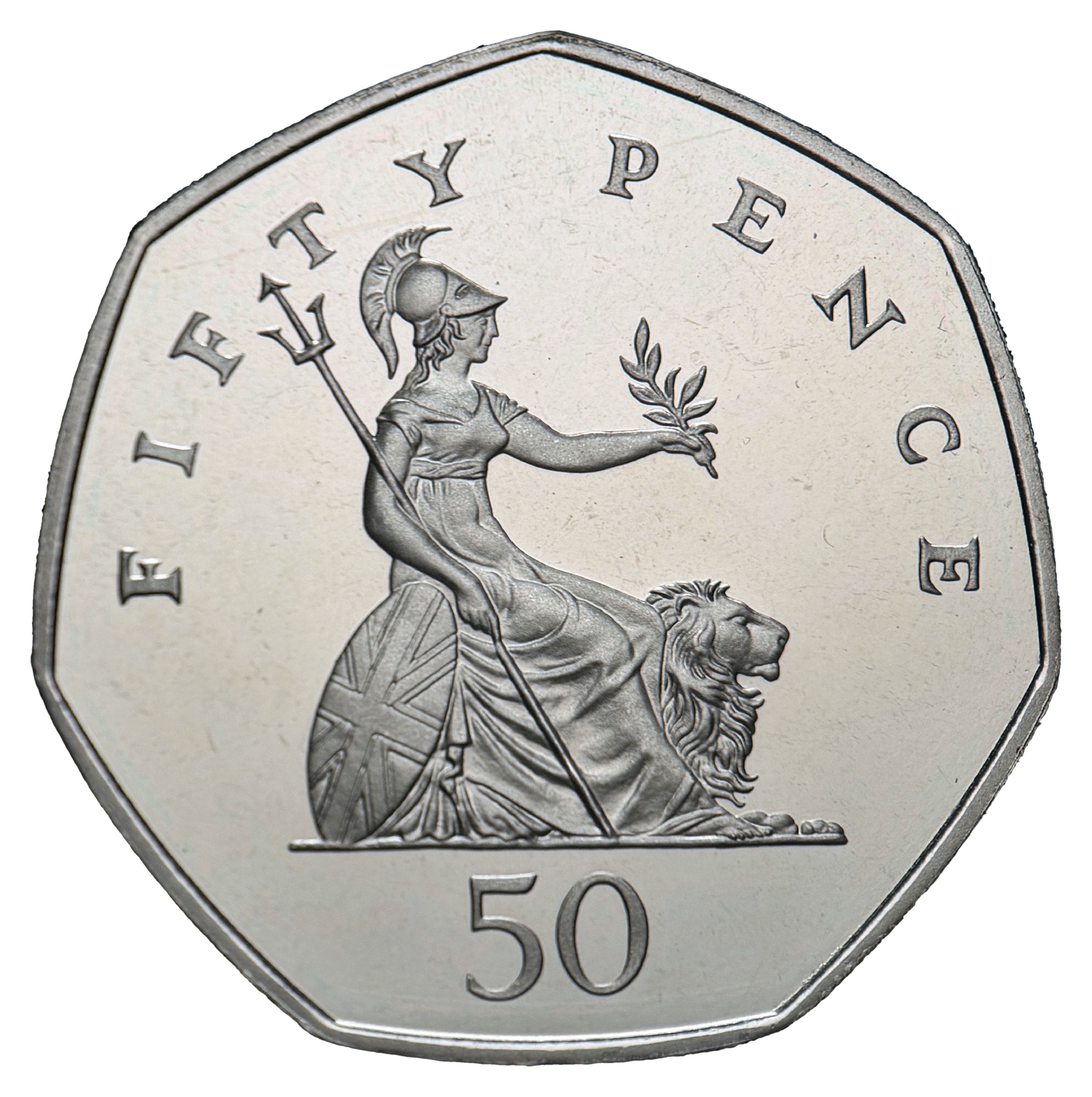
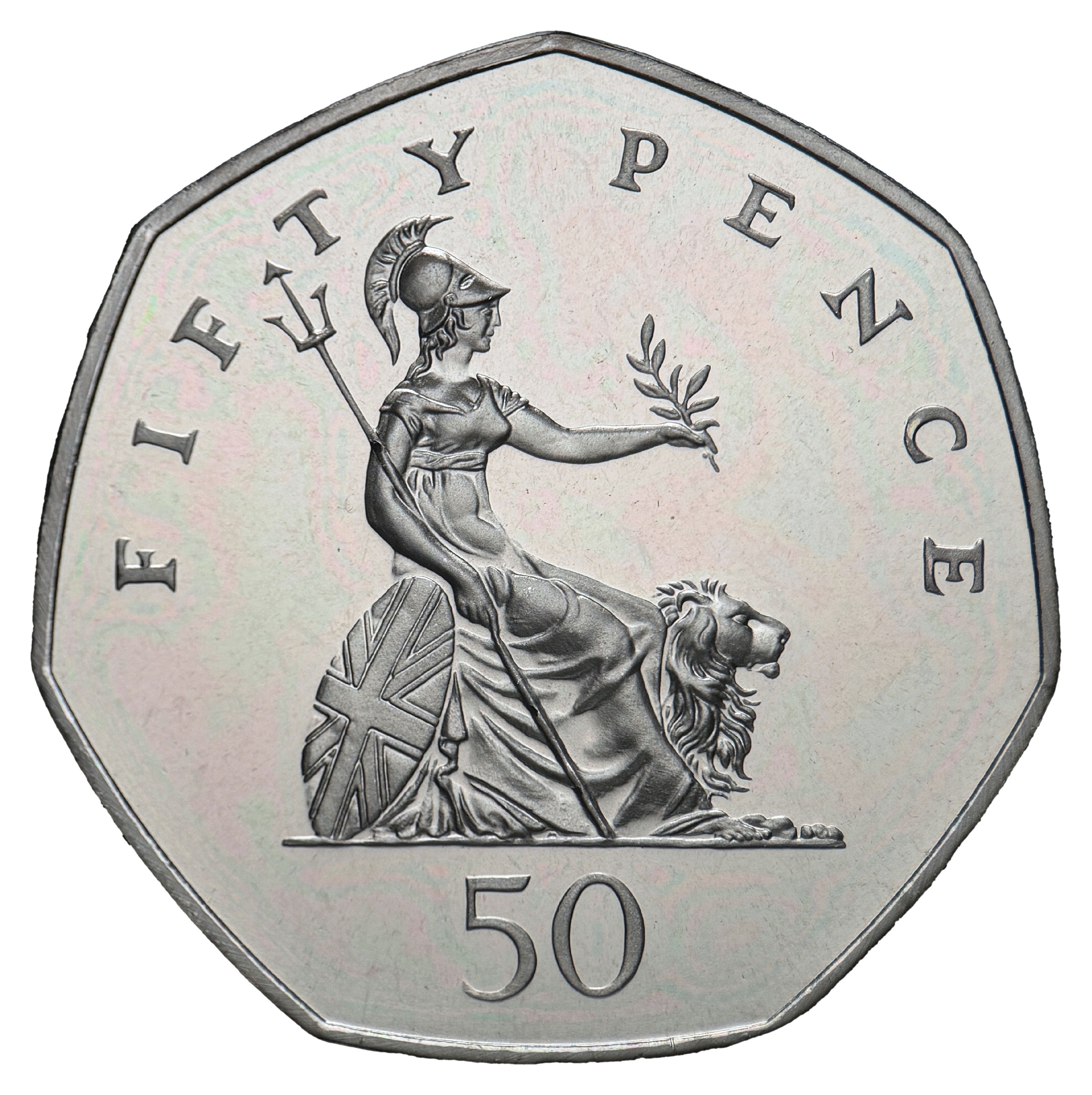
Browse every 50p in our database →
Frequently asked questions
How much is a Kew Gardens 50p worth in 2026?
How rare is the Kew Gardens 50p?
How can I tell if my Kew Gardens 50p is genuine?
Who designed the Kew Gardens 50p?
Why is the Kew Gardens 50p so rare?
What is the difference between the 2009 Kew Gardens and the 2019 silver Kew?
Where should I sell a Kew Gardens 50p?
Are 2009 Kew Gardens 50ps still in circulation?
How can I tell if a Kew Gardens 50p is fake?
What is the Brilliant Uncirculated Kew Gardens worth?
Has Kew Gardens lost value since the Atlantic Salmon was released?
How many Kew Gardens 50ps were made?
Why do some sites quote £500 or £1,000 for a Kew Gardens 50p?
What grade should I aim for if I am buying a Kew Gardens to keep?
Further reading
- The Royal Mint, primary source for the 210,000 mintage figure and 2019 silver-proof reissue product data.
- Change Checker, community rarity index tracking active sightings of Kew Gardens 50ps in circulation.
- eBay UK sold listings: Kew Gardens 50p, live realised-price data.
- Spink, Baldwin\'s and Noonans, specialist UK auction houses with active Kew Gardens consignment markets.
- Atlantic Salmon 50p value guide, the 2023 coin that overtook Kew on raw mintage.
- 50p Coin Values UK, the full denomination guide.
- Where to sell rare coins UK, venue and commission breakdown.
- How to grade a coin, the grading guide that anchors any Kew Gardens valuation.