Ads off, prices on.Pro is £1.99 a month or £19.99 a year: no adverts, unlimited coins, price alerts. Try it free for 7 days.Try Pro free for 7 days.
Try Pro free →
Guide
Sixpence Values UK: Silver, Cupronickel and the Lucky Sixpence Wedding Tradition
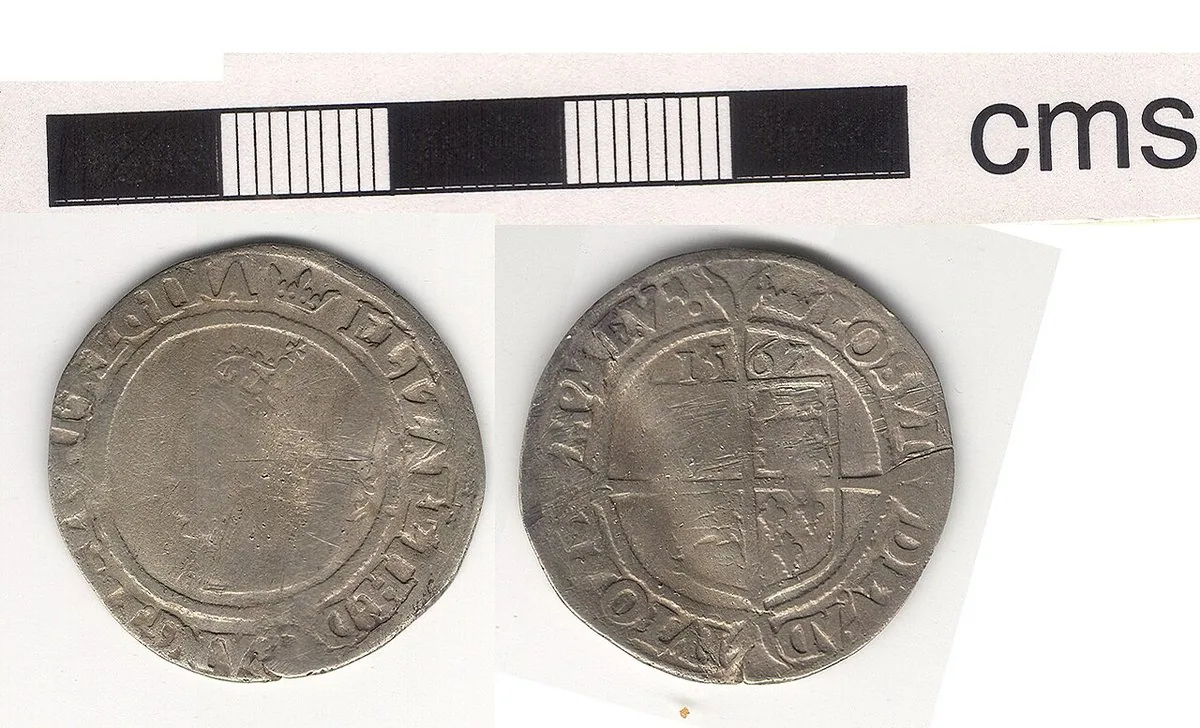
The British sixpence was struck from 1551 to 1967, over 400 years of continuous British
coinage history. Famously the "lucky sixpence" worn by brides in their left shoe ("something old, something new…
and a sixpence in your shoe"). Demonetised in 1980 but still hugely collected as wedding charms, junk silver and
Victorian numismatic pieces. This guide covers every era, the silver-to-cupronickel transition of 1947, key dates,
and where to source authentic lucky sixpences.
Wondering what a sixpence was worth in today’s money? A sixpence was half a shilling, 2½p decimal. In 1900 it bought roughly what £4 buys today.
Convert any amount and year (1751–2024) with our
old money in today’s money converter.
This guide covers the other question: what the physical coins are worth to collectors.
In brief. Worn pre-1947 silver: £3-8 (junk silver). Worn post-1947
cupronickel: £1-3. Lucky-sixpence retail (Royal Mint wedding pack): £3-8.
BU pre-1947 silver: £15-50. 1893 Jubilee Head small bust: £200-450.
1953 Coronation proof set sixpence: £15-35. Demonetised 30 June 1980.
All UK silver coinage was debased to cupronickel in 1947 due to the post-war silver shortage. Pre-1947
sixpences are .500 silver (1920-1946) or .925 sterling silver (pre-1920). Post-1947
sixpences are cupronickel (75% copper, 25% nickel), with no silver content. The change happened
simultaneously with shillings, florins, half crowns and threepences. Silver content of a pre-1947 sixpence:
1.42 g of silver at 50% fineness; melt value at £25/oz silver spot is approximately £1.15.
See our pre-1947 vs post-1947 silver guide.
The full traditional rhyme reads: "Something old, something new, something borrowed, something blue, and a
silver sixpence in her shoe". The bride traditionally places a silver sixpence in her left shoe on her
wedding day to ensure future wealth and prosperity in the marriage. The custom dates from late Victorian Britain
and was popularised across the Commonwealth in the 20th century. Wedding sixpences are typically Elizabeth II
1953-1967 (cupronickel) or pre-1947 silver. The Royal Mint produces a "Wedding Sixpence" packaged product annually
for the bridal market, a genuine 1953-1967 sixpence in a wedding-themed presentation card, at £3-8.
A common-date pre-1947 silver sixpence trades at £3-8 in worn condition based on silver content (.500 silver, 1.42 g of silver, melt value about £1.20 at current spot). A common-date post-1947 cupronickel sixpence trades at £1-3, numismatic premium only, no silver content. "Lucky sixpences" worn smooth from generations of circulation trade at £2-5 each, popular as wedding charms (the bride traditionally wears a sixpence in her shoe). Mint-state pre-1947 silver sixpences command higher premium: BU silver at £15-50; uncirculated proof set examples £30-90. The 1893 Jubilee Head sixpence and 1952 (the lowest-mintage Elizabeth II sixpence) are the famous date rarities.
When was the sixpence demonetised?
The sixpence ceased to be legal tender on 30 June 1980, nine years after Decimal Day. It was the last surviving pre-decimal coin in circulation, having been retained as a 2.5p decimal equivalent from 1971-1980 to ease the transition. After 30 June 1980, sixpences could no longer be used in shops and most banks would not exchange them at face value either. The Royal Mint final-year of sixpence production was 1967; coins dated 1968-1970 do not exist (production stopped in anticipation of decimalisation). The 1971 sixpence-equivalent was the new decimal 2.5p, but no decimal 2.5p was ever minted; 5p replaced it.
What is a "lucky sixpence"?
The "lucky sixpence" is a British wedding tradition where the bride wears a sixpence in her left shoe on her wedding day, "something old, something new, something borrowed, something blue, and a sixpence in your shoe". The sixpence symbolises future wealth and prosperity in the marriage. The custom dates from late Victorian England and Scotland; some accounts trace it to 17th-century Lord Mayor of London Charles Coates. Modern brides typically wear a worn, dark-toned sixpence (the "lucky" patina shows it has been in circulation for generations). Royal Mint produces "wedding sixpences" packaged for the bridal market at £3-8 each. Genuine pre-1947 silver sixpences worn smooth from circulation are the traditional choice and trade at £2-5.
Are sixpences silver?
Pre-1947 sixpences are .500 silver (50% silver, 50% copper) for the wartime-era issues 1920-1946, and .925 sterling silver for pre-1920 issues. From 1947 onwards the sixpence was struck in cupronickel (75% copper, 25% nickel) due to post-war silver shortages and the US silver-loan repayment. The change happened in 1947 simultaneously with all other UK silver denominations (shillings, florins, half crowns, threepence). To distinguish silver from cupronickel: silver coins are slightly heavier (2.83 g vs 2.83 g, identical by design) and silver does not magnetise to a magnet. Magnet test alone is not decisive (cupronickel is also non-magnetic); date is the most reliable test.
What is the rarest sixpence?
In modern: the 1952 sixpence (Elizabeth II first-year) has the lowest decimal-era sixpence mintage at just 1,013,477, trades at £30-80 in BU. In Victorian: the 1860 over 0/0 over-date (where the underlying date 1856 has been re-engraved to 1860) is a key variety; trades at £500-1,200. The famous 1893 Jubilee Head sixpence with the small-bust portrait (struck only briefly before the change to Veiled Head) trades at £200-450. In modern proof: the 1953 Coronation proof sixpence in original blue plastic case trades at £30-80 as part of the proof set. The 1947 first-year cupronickel sixpence is the most-collected as the transition piece.
How can I tell a pre-1947 from post-1947 sixpence?
Date is the easiest test, if it reads 1947 or later, it is cupronickel (post-debasement). Pre-1947 silver sixpences carry the date 1946 or earlier. Other tests: (1) Lustre: silver has a brighter, whiter sheen; cupronickel is yellower and duller. (2) Wear pattern: silver wears more deeply on high points; cupronickel wears differently. (3) Specific gravity test: for high-value coins, a precision scale plus water displacement gives a definitive reading: silver = 10.5 g/cm³; cupronickel = 8.9 g/cm³. The 1947-onwards cupronickel sixpence is the same size and weight as the .500 silver pre-1947, so weight alone does not distinguish them.
How do I sell a sixpence collection?
For pre-1947 silver: junk-silver buyers and bullion dealers pay roughly £1-2 per silver sixpence based on melt value. For Victorian and Edwardian dates in mint-state: UK numismatic auction houses (Spink, Baldwin's, Noonans). For lucky-sixpence wedding stock: Etsy and eBay UK retail at £3-8 per coin. For complete George VI or Elizabeth II date runs in BU: eBay UK with sold-listings cross-check. Avoid Westminster-style direct-mail buyers and pawn shops, which consistently undervalue silver sixpences. See our where to sell rare coins UK guide.
What is on the reverse of a sixpence?
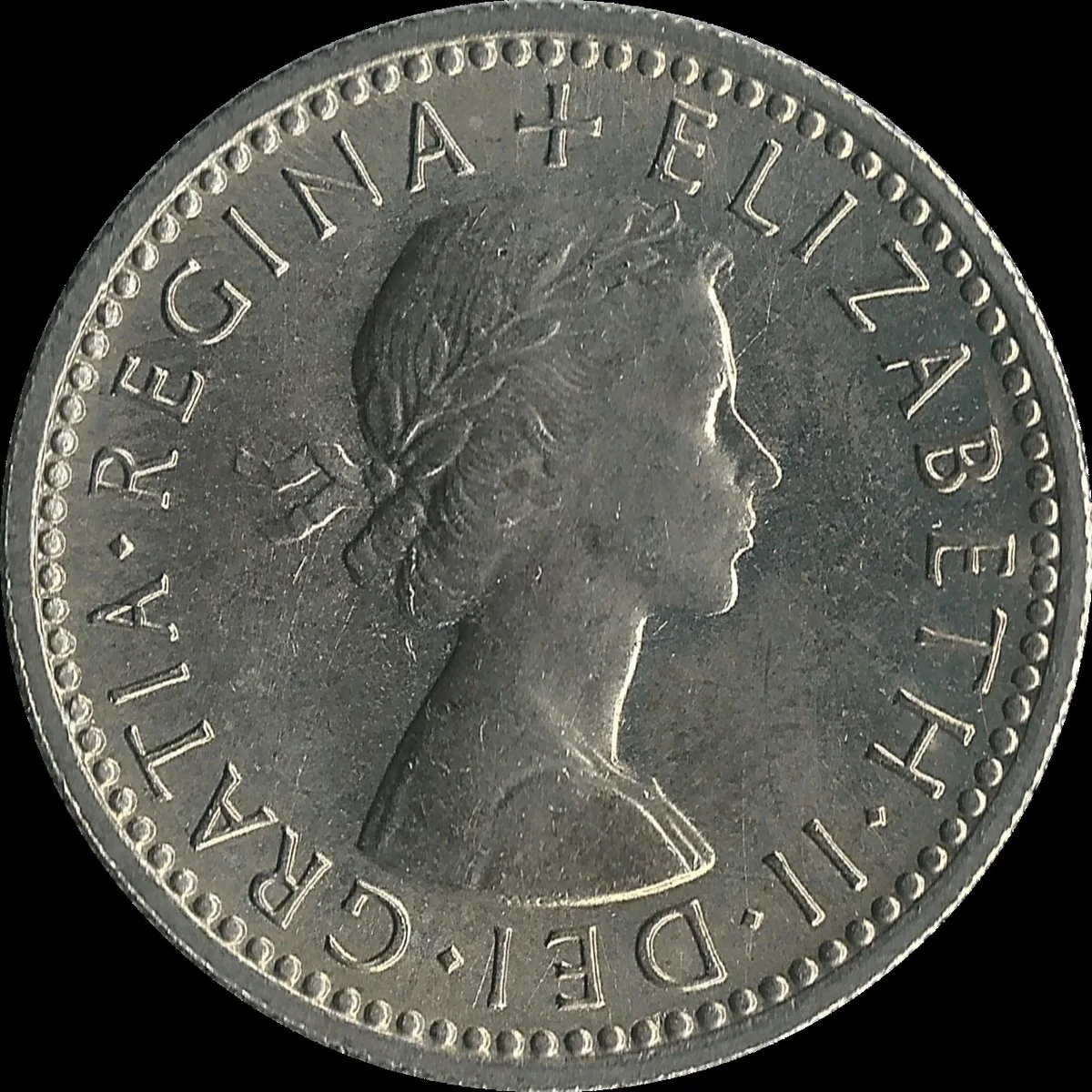
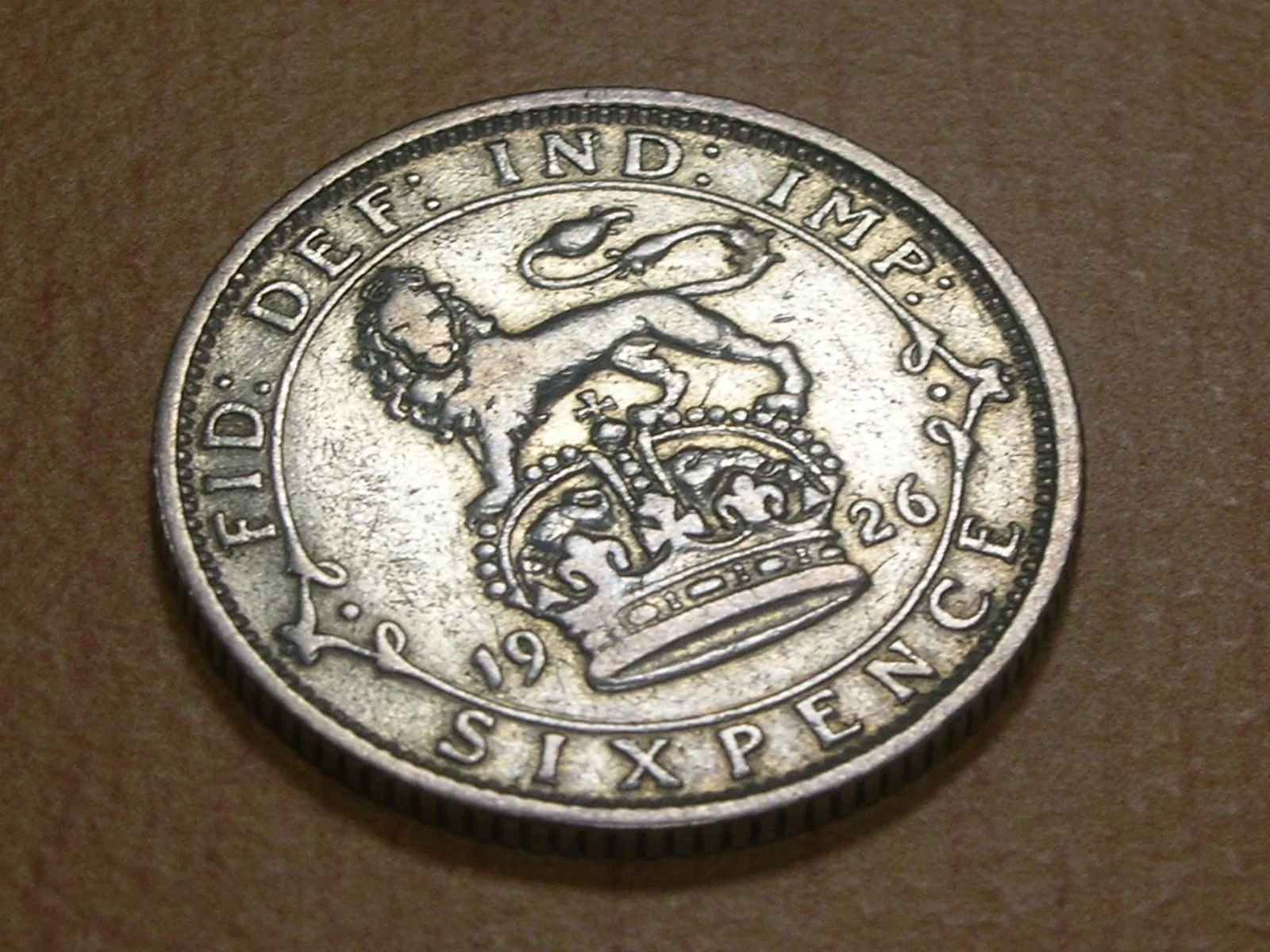
Each monarch had a different sixpence reverse: Victoria: shield reverse 1838-1879, then "lion of England" reverse 1879-1887, then crowned "6" cypher 1887-1893, then shield reverse 1893-1901. Edward VII: shield reverse with crown above. George V: three lines of "SIX PENCE" with mintmarks. George VI: royal cypher GRI by George Kruger Gray. Elizabeth II: crowned interlocked rose-thistle-shamrock-leek by Edgar Fuller and Cecil Thomas. The Elizabeth II sixpence (1953-1967) is the most-collected for change-finder collectors and is the version most lucky sixpences are minted on.
Are sixpences from the 1953 Coronation proof set valuable?
The 1953 Elizabeth II Coronation proof set was the first proof set of the new reign. It contained 10 coins (including the sixpence) and was sold in a distinctive blue plastic case. Mintage was approximately 40,000 sets. The complete set in original case trades at £120-220. The individual sixpence component (if removed from the set) trades at £15-35. The set is one of the most-collected post-war Royal Mint products and is the entry-level Elizabeth II proof set most British collectors own. Sealed cases command higher premium than opened cases; original ribbon-tied paperwork adds 10-15%.
Can I still find a sixpence in change?
No, not legitimately. The sixpence was demonetised on 30 June 1980 and is no longer legal tender. Any sixpence you encounter today comes from inherited collections, antique-shop change-jar purchases, or specialist coin retailers selling commemorative wedding-sixpence stock. The Royal Mint produces a limited run of "wedding sixpences" annually (typically Elizabeth II 1953-1967 dates, sourced from collector inventory, packaged in a wedding-themed presentation card) for the bridal market at £3-8 each. These are genuine sixpences but not new strikes, they are old coins repackaged for retail.
We use cookies to keep you signed in, a first-party cookie to see how the site is used, and Google Analytics.
No thanks turns off our own record; you can change it any time in your account.
Cookie Policy