Is My 50p Rare? The 5-Step Check (2026)
Got a 50p you think might be valuable? Five quick checks tell you whether it is genuinely scarce or just an interesting find. Most 50ps drop out of consideration in the first two steps; the ones that survive all five are usually worth real money. Here is the walkthrough.
Skip the five steps, value your 50p in 10 seconds
Free MyCoinage valuation tool · realised auction prices · no card needed
If you just want the answer, add your 50p to a free MyCoinage collection and the tool will tell you the realised auction price, mintage and rarity tier instantly. The five-step walkthrough below is the long-form version for everything else.
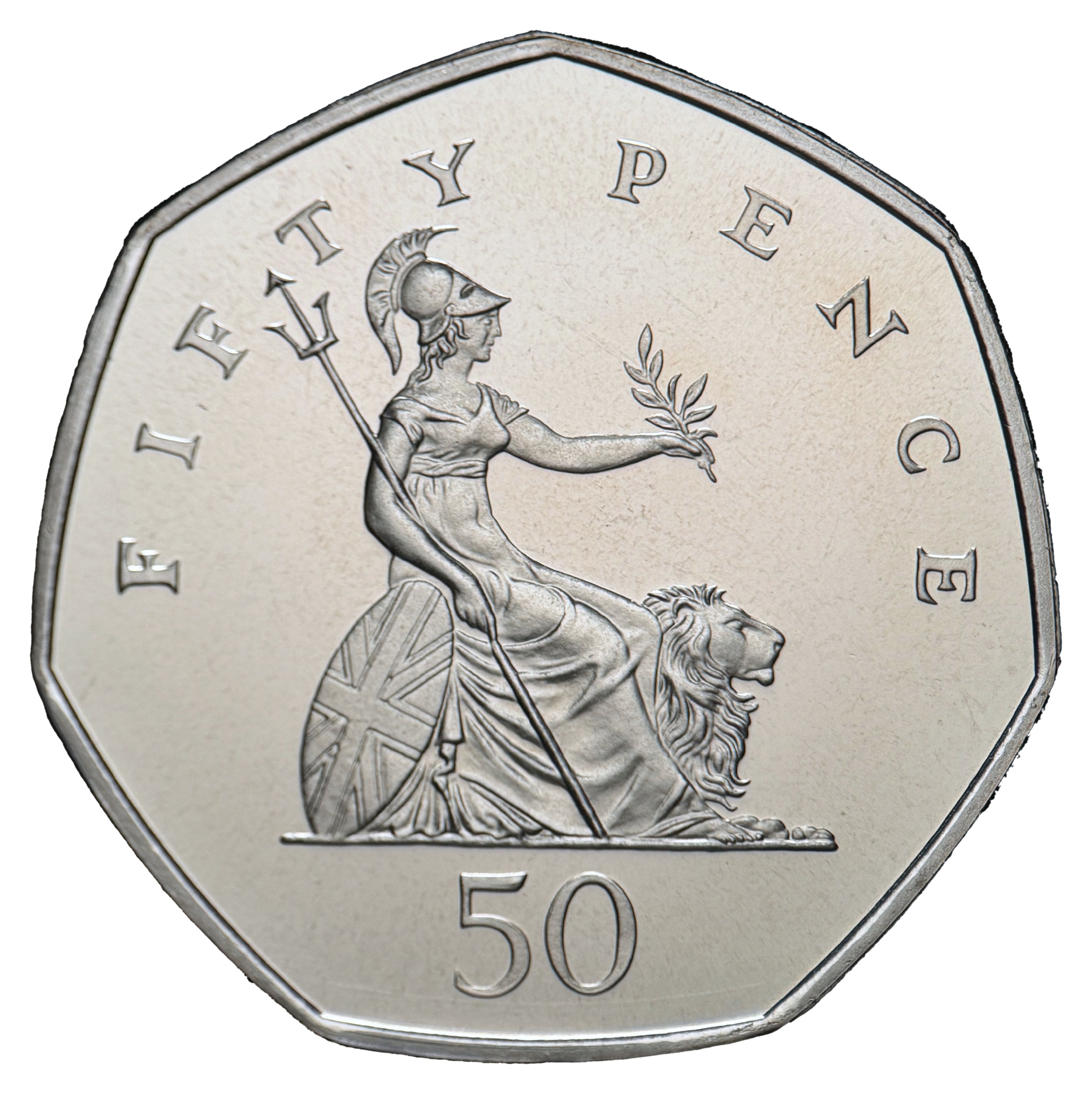
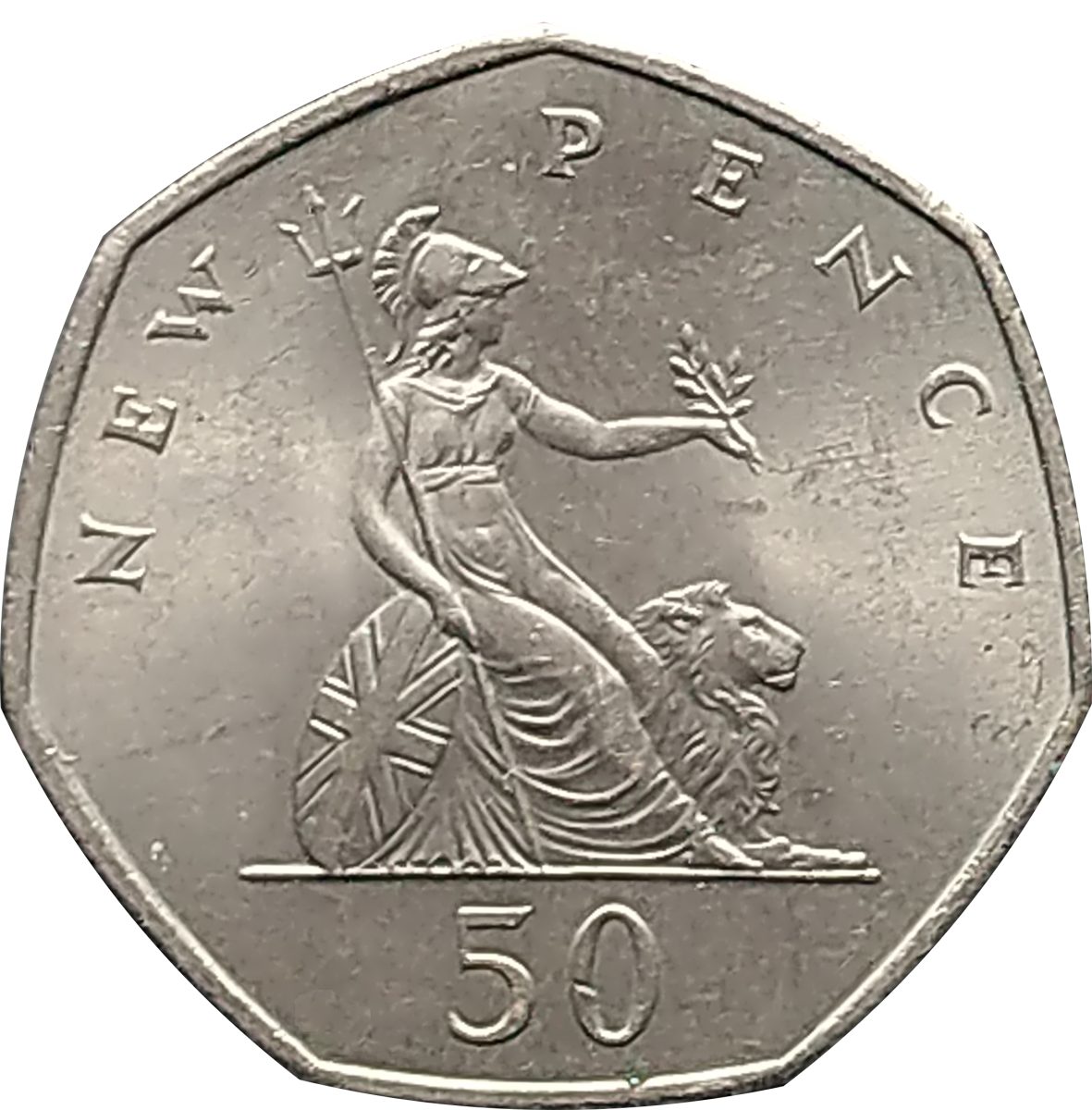
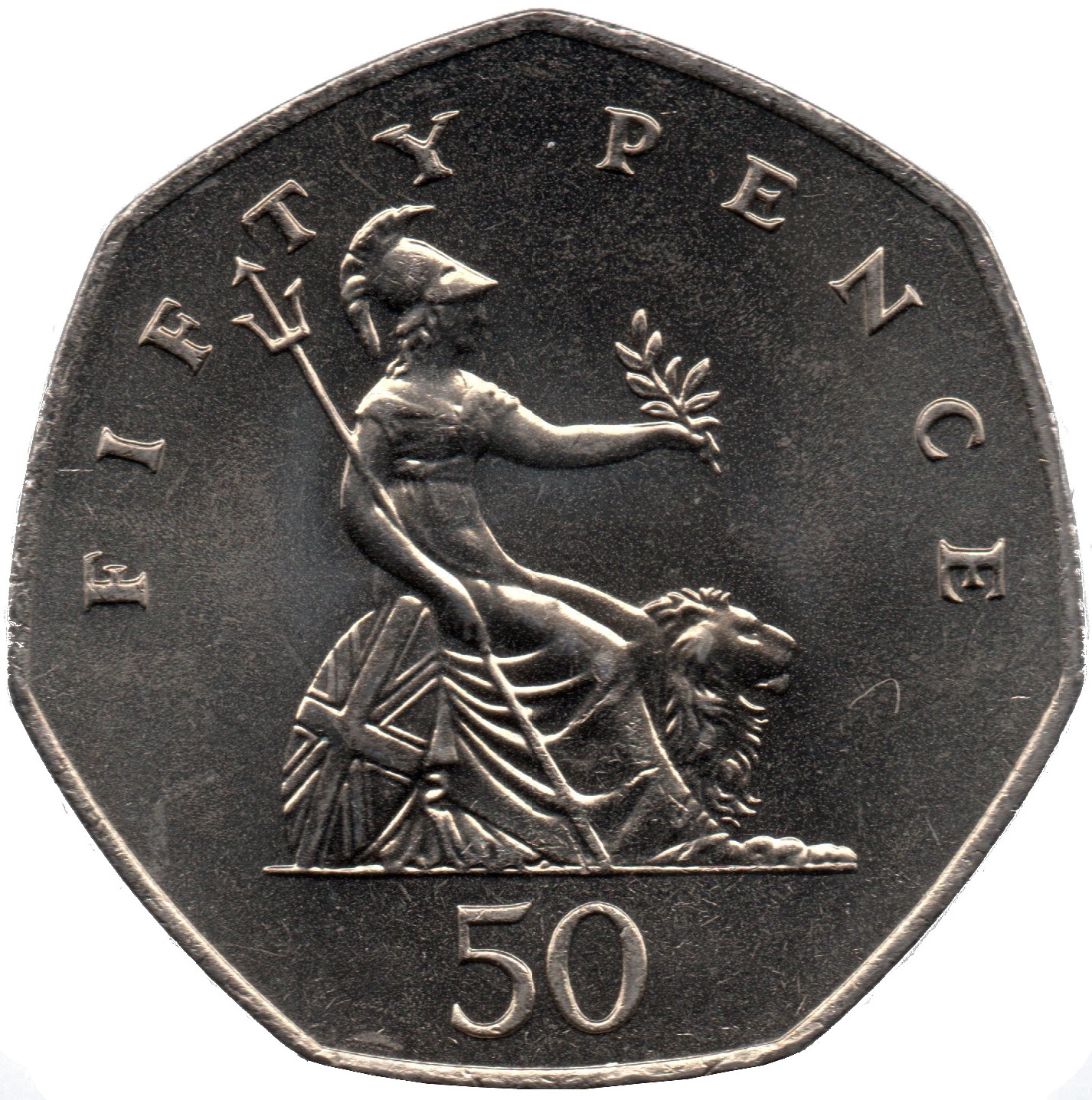
The first thing to check is whether you have a large pre-1997 50p (30 mm, 13.5 g) or a modern small 50p (27.3 mm, 8.0 g). The size reduction happened on 1 September 1997; pre-1997 coins were demonetised on 28 February 1998 and are no longer legal tender, but they remain collectable.
Most pre-1997 dates are common in worn grade and worth face value to about £2. The exception is the 1992–1993 EU Presidency 50p, the last large 50p ever struck for circulation, with a mintage of just 109,000, technically the rarest 50p mintage in history. Realised prices: £30–£60 circulated, £80–£150 in BU.
| Year band | Format | Notable rarity |
|---|---|---|
| 1969–1991 | Large (30 mm, 13.5 g) | None: common in circulated grade |
| 1992–1993 | Large | EU Presidency: 109,000 mintage |
| 1994–1996 | Large | 1994 D-Day commemorative: 6.7 m mintage, common |
| 1997 onwards | Small (27.3 mm, 8.0 g) | Multiple commemoratives, see Step 2 |
The reverse design (the “tails” side) is the single biggest determinant of a modern 50p’s value. The eight designs below account for nearly all 50ps worth more than £10 in circulated grade. Compare your coin’s reverse against this list.
| Design | Year | Tell-tale feature | Mintage |
|---|---|---|---|
| Atlantic Salmon | 2023 | Salmon swimming, Charles III obverse, no privy mark | 200,000 |
| Kew Gardens | 2009 | Pagoda with climbing plant; legend “1759–2009” | 210,000 |
| EU Presidency (large) | 1992–93 | Conference table, 12 stars; only on the large 50p | 109,000 |
| Olympic Football | 2011 | Goal diagram explaining the offside rule | 1,125,500 |
| Olympic Wrestling | 2011 | Two wrestlers grappling | 1,129,000 |
| Beatrix Potter (2018) | 2018 | Peter Rabbit, Flopsy Bunny, Mrs Tittlemouse, Tailor of Gloucester | 1.4–3.9 m |
| Sir Isaac Newton | 2017 | Newton’s rings/prism diagram | 1,801,500 |
| Suffragettes | 2003 | WSPU centenary; “Give women the vote” | 3,124,000 |
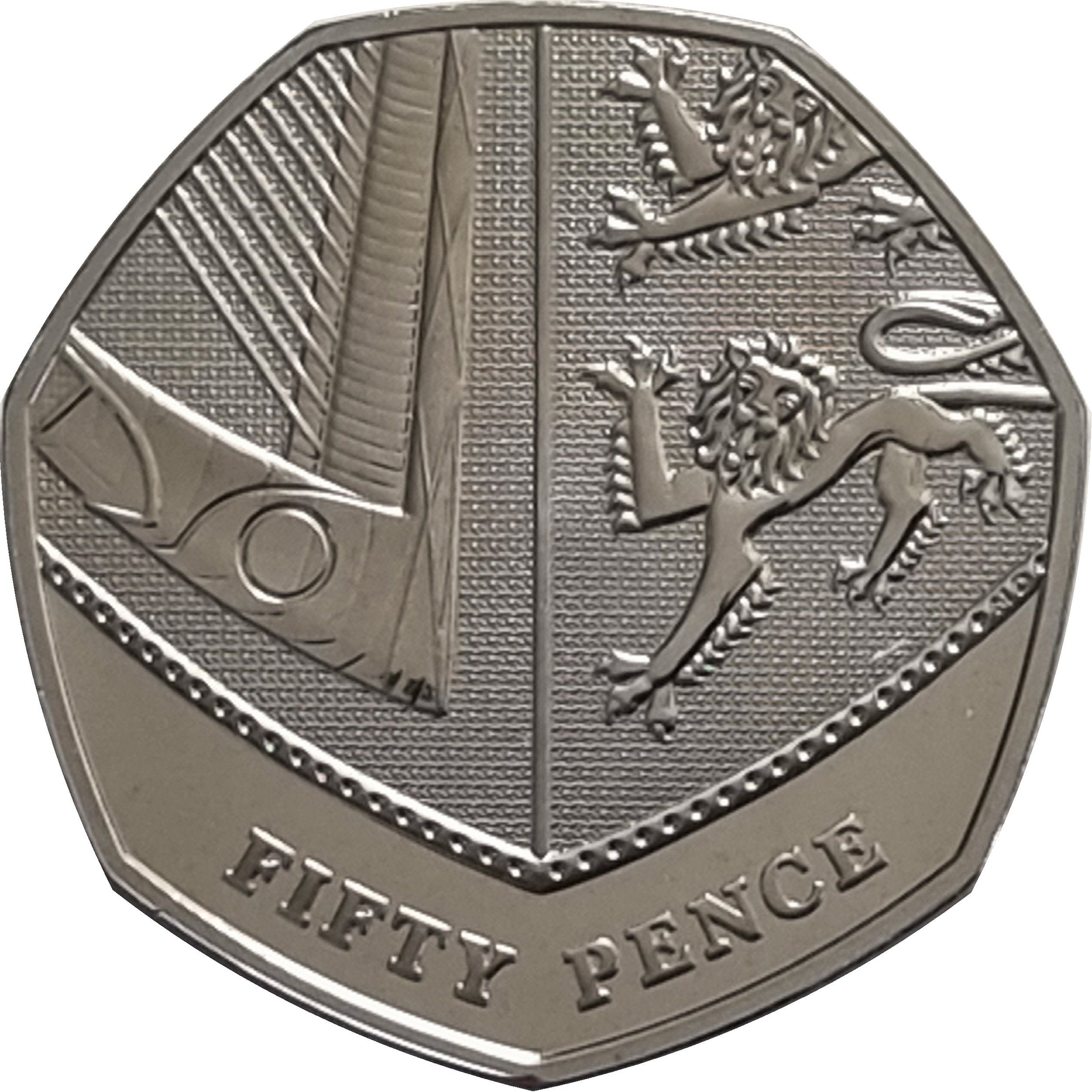
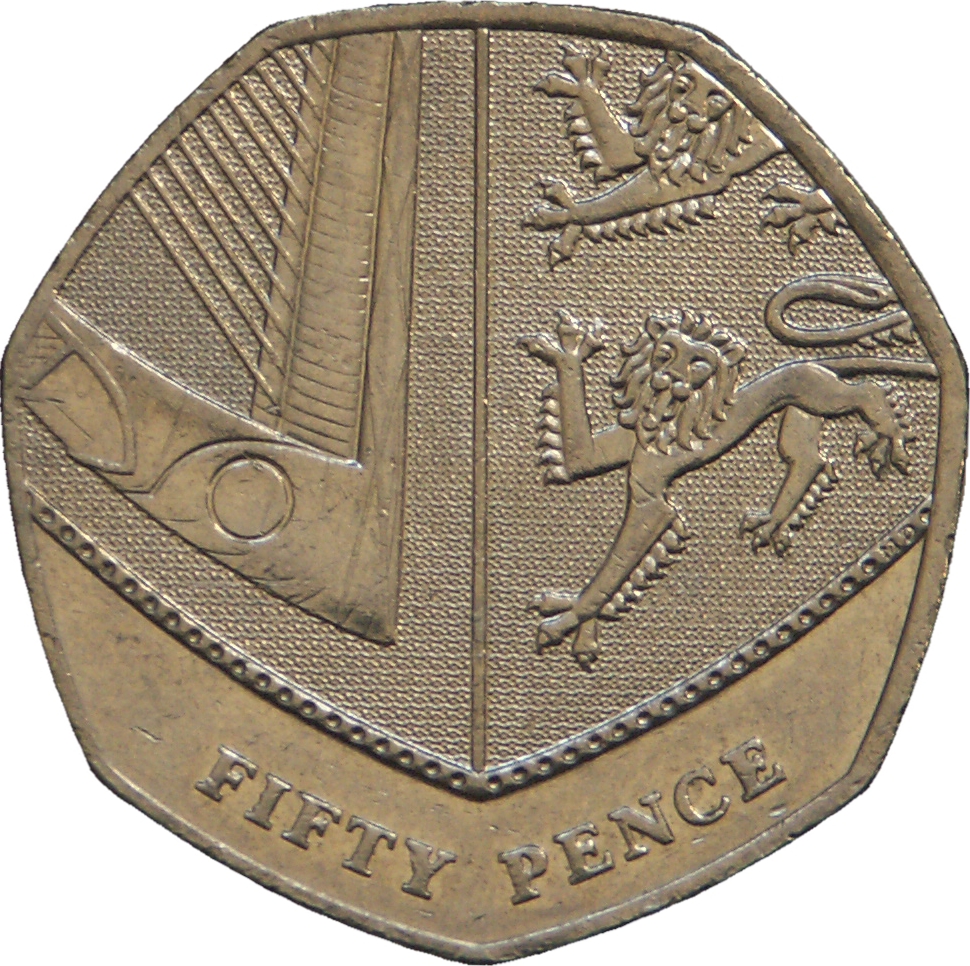
Have one of these? You have a candidate. Move to Step 3. If not, your 50p is most likely a higher-mintage commemorative or definitive Britannia / Royal Shield design and worth face value to a few pounds. The full top-25 list is in our rare 50p coins UK reference.
Mintage is the single best proxy for scarcity. Once you know the design and year, look up the Royal Mint’s published mintage. Use this rule of thumb:
- Under 1 million, rare. Almost certainly a keeper.
- 1–2 million, scarce. Worth real money in any grade above worn.
- 2–5 million, mid-tier. BU examples carry premium; worn coins are worth a few pounds.
- 5–10 million, common. Face value to about £5 in BU.
- Over 10 million, very common. Face value, with rare exceptions for design appeal.
Search the MyCoinage database to find your coin’s mintage and current realised values:
Or browse every UK 50p in our database.
Counterfeits exist for the high-value rarities, particularly Kew Gardens and Olympic Football. Five physical checks catch over 95% of counterfeits in circulation:
- Weight. Genuine modern 50p is 8.00 g ± 0.05 g on a jewellery scale. Pre-1997 large 50p is 13.5 g ± 0.1 g. Most cheap cast counterfeits run light (7.5–7.8 g) due to porosity.
- Diameter. 27.3 mm flat-to-flat across the heptagon (modern). 30 mm (pre-1997). The seven-sided edge is a Reuleaux polygon: each curved side has constant width.
- Edge. All UK 50ps have a plain edge with no reeding. If your coin has a milled or grooved edge, it is a counterfeit or a novelty.
- Fonts. Lettering should be sharp, evenly spaced and aligned with the heptagonal edge. Cast counterfeits often show fuzzy or unevenly spaced legends under a 10× loupe.
- No hologram. The 50p does not, and has never, carried a hologram. The 12-sided £1 coin (introduced March 2017) is the holographic British coin. If your “50p” appears to switch images when tilted, it is either a misidentified £1 or a novelty.
If your 50p has cleared all four previous checks, you have a saleable rarity. Match the venue to the value bracket; using the wrong venue is the single biggest cause of underselling.
- eBay UK sold-listings. Best for £5–£100. Auction format with a three or seven day duration, clear photos of obverse and reverse. Filter the search by Sold listings on eBay UK to see what comparable coins have actually realised.
- Specialist dealer. Best for £100–£300 and BU coins still in original Royal Mint cards. Change Checker, Coincraft and BNTA-listed UK dealers all offer trade-in. For the highest-value pieces, professional grading by CGS UK first can lift the realised price 20–40%.
- UK auction house. Best for £300+. Baldwin’s, Spink and Noonans all handle modern UK commemoratives. Hammer commission is 15–20%; net proceeds usually beat eBay for genuine rarities because the buyer base is larger and more serious.
For the venue-by-venue commission breakdown including ten alternatives and fee comparisons, see our where to sell rare coins UK guide.
Featured 50ps in our database
Browse every 50p in our database →
Frequently asked questions
How do I know if my 50p is rare?
What is the rarest 50p I might actually find in change?
Are pre-1997 50p coins worth anything?
How do I check the weight of my 50p?
Does my 50p have a hologram?
Where is the best place to sell a rare 50p?
Should I clean my 50p before checking it?
My 50p has a privy mark, is it more valuable?
How much is a 1969 50p worth?
Further reading
- Rare 50p coins UK: top 25 list, the deep reference for every rare 50p with verified mintages and prices.
- 50p coin values UK, companion overview with full mintage tables.
- Peter Rabbit 50p series, all 13 Beatrix Potter 50ps, mintages and values.
- London 2012 Olympic 50p, the deepest collectable 50p run, all 29 designs ranked.
- Where to sell rare coins UK, venue-by-venue commission breakdown.
- The Royal Mint, official mintage figures and design references.
- Change Checker scarcity index, trade-standard scarcity tracker for UK circulating coins.