How to Start a Coin Collection in the UK: 2026 Beginner's Guide
Coin collecting is the cheapest "real" investment hobby you can pick up, a working starter kit costs under £25, your first 30 coins can be free from your own change, and the price ladder runs from face value to six figures. This guide is the practical, no-fluff route for a brand-new UK collector: what to focus on, what kit you need, where to find coins, how to store them safely and what to budget for the first year.
Why coin collecting is having a moment
UK coin collecting has quietly grown through the late 2010s and early 2020s on the back of three trends: the Royal Mint's aggressive commemorative programme (Olympic 50ps, Music Legends, Harry Potter, James Bond), a wider revival of "tangible-asset" hobbies during and after the pandemic, and free realised-price data on eBay making the secondary market transparent for the first time. The Royal Mint reported a seven-figure growth in subscriber numbers over 2020-2024, and Change Checker's active swap-and-collect membership crossed a million users.
For a brand-new collector that translates to: more coins in circulation than ever before that are worth looking for; a saturated secondary market with deep liquidity; and a learning ecosystem (forums, podcasts, free grading guides, this site) richer than any prior generation of collectors had access to. Now is genuinely a good time to start.
Pick a focus before buying anything
The single biggest beginner mistake is buying scattered coins across every era and denomination. A focused collection is more enjoyable to build, easier to grade, and meaningfully more valuable to a future buyer than the same money spent on random pieces. Pick one of the four starter focuses below and stick with it for the first year.
| Focus | Why it suits beginners | Typical first-year spend | Caveats |
|---|---|---|---|
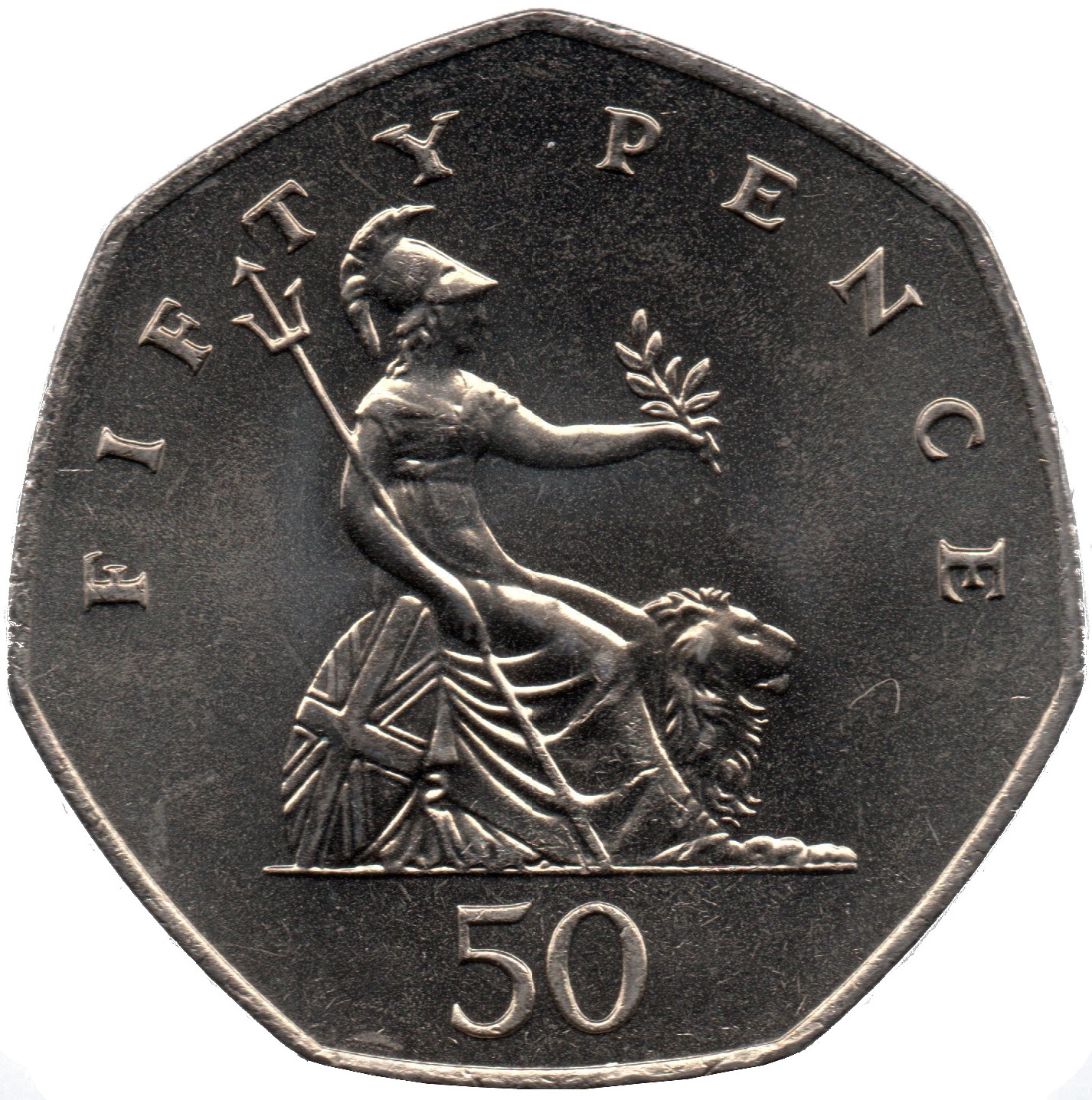
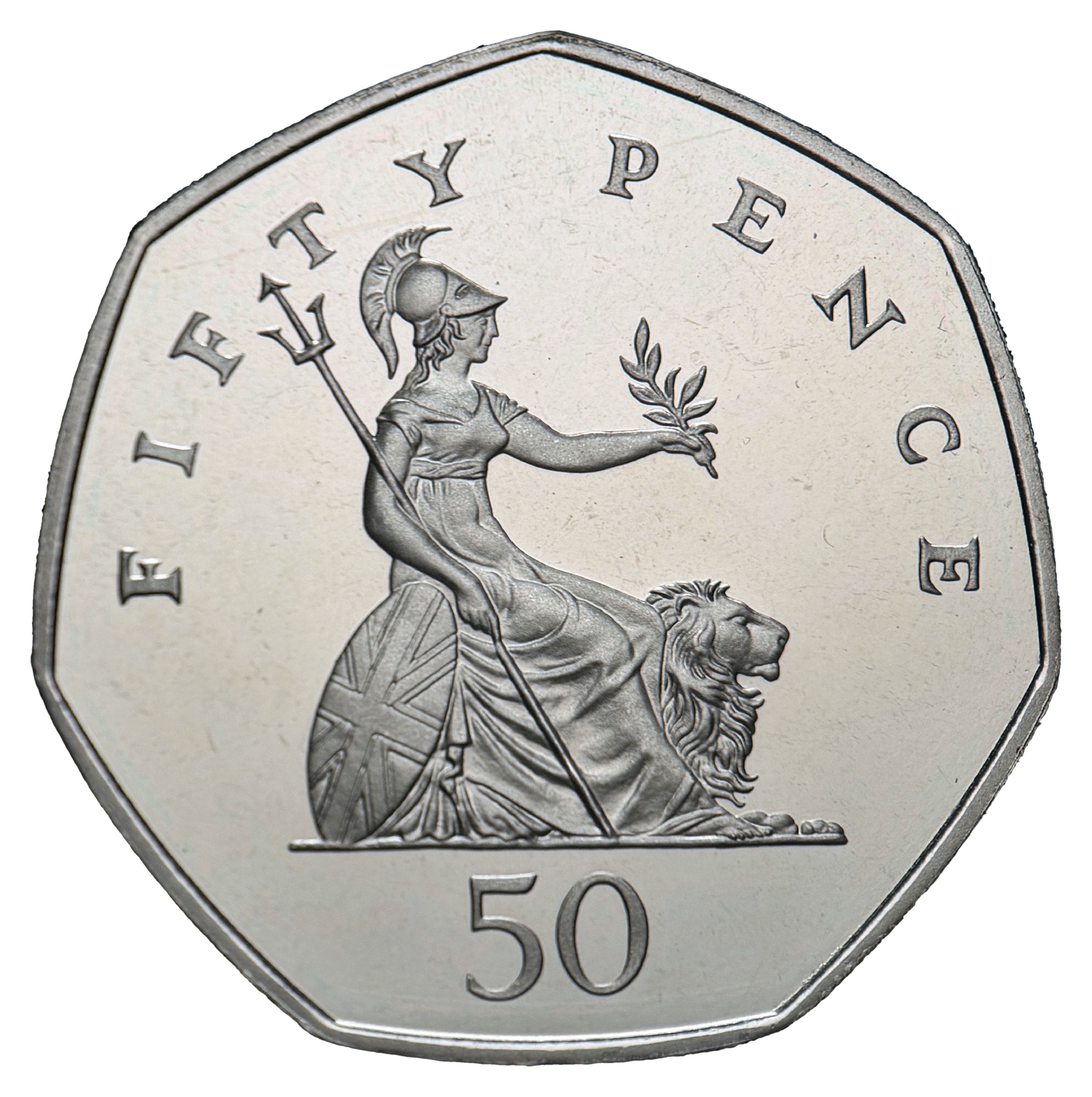
| Modern 50p commemoratives | Visually distinctive, mintage data published, still circulate, broad price ladder | £50–£300 | Royal Mint over-issuance has saturated some designs |
| Pre-decimal silver (1816–1946) | Genuine sterling or .500 silver, forgiving prices, deep historical interest | £100–£500 | Grading harder than modern; cleaning damage common |
| Gold sovereigns | CGT-exempt, near-pure gold, the longest-running British coin series | £800–£3,000 | High entry price; counterfeits exist; check mintmarks |
| World coins by theme | Cheap, varied, no UK-market saturation | £30–£200 | Reference material harder to find; resale market thinner |
Most UK beginners pick modern 50ps or pre-decimal silver. If you have a specific era or theme that pulls you in, the Tudor monarchs, WWII, Olympic Games, Harry Potter, lean into it. Personal interest sustains the hobby longer than any spreadsheet of "investment-grade" picks.
Your first five coins, a £50 starter set
If you want a concrete shopping list rather than theory, these five give you one coin from five different collecting worlds for under £50 total, and each one teaches you something different about the hobby.
- A Victorian penny (any date, Fine), £2-5. A 130+ year old coin for the price of a coffee teaches you patina, wear grading and why cleaning is a sin. Victorian penny guide.
- A pre-1947 silver shilling or sixpence, £3-8. Real 50% silver; introduces intrinsic metal value vs collector value. Sixpence values.
- A commemorative 50p from circulation, face value. Check your change against the rare 50p list; the hunt itself is the hobby's free entry drug.
- A brilliant uncirculated coin in original packaging, £10-15. Seeing BU next to your circulated coins calibrates your eye for grade faster than any written guide. BU explained.
- One coin older than 1816, £10-20 buys a worn Georgian halfpenny or earlier hammered-era piece. Holding something struck before Waterloo is why most people stay in the hobby.
Add each one to a free MyCoinage collection as you buy it and you'll have a tracked, valued starter collection from day one.
What you actually need to start
The whole starter kit fits in a desk drawer and is inexpensive from any numismatic supply shop. Don't over-buy, you'll rarely use 80% of an "advanced" kit in the first year. The essentials:
- Coin capsules (Lighthouse, Quadrum, or generic): hard plastic snap-shut holders that protect coins individually. Buy a mixed assortment (20-30mm sizes) for around £0.50 each. Avoid soft PVC flips, the plasticiser leaches into the metal and causes irreversible green-dot damage within 5-10 years.
- Mylar 2×2 flips (cardboard with a clear window): the safe alternative to PVC flips for bulk storage. Around £5 per pack of 100. Acid-free; mark the date and grade on the cardboard.
- White cotton gloves: 100% cotton, well-fitting. Skin oils etch onto coin surfaces and leave permanent fingerprints visible under magnification. £3 a pair on eBay.
- 10× jeweller's loupe or 5-10× magnifier: essential for grading and authentication. A glass lens (not plastic) loupe is £10-15 from any jeweller's supply shop. Don't buy 20×+ magnification, depth of field becomes too shallow to be useful.
- Kitchen scale to 0.01g resolution: for authentication. A genuine sovereign is 7.988g, a genuine 50p is 8.0g, a Victorian shilling is 5.66g. Counterfeits frequently miss by 0.1-0.5g. Salter or cheap eBay equivalent is £8-12.
- Spink Standard Catalogue of British Coins (the "Yearbook"): the trade-standard reference. £25-30 for the latest edition. Updated annually with realised prices.
- Storage album or coin tray: the Lighthouse Vista series and Westminster Albums (the physical product, not the mailer service) are both fine. Budget £15-25 for a starter album with 20-30 capsule slots.
Where to find your first coins
Six routes, ordered roughly from cheapest to most expensive per coin:
- Change-checking. Go through the change in your wallet and any household change jars. Every UK collector's first "find" is something already in their pocket. Modern Olympic 50ps, Royal Shield designs, Harry Potter 50ps and the 2002 Commonwealth Games £2 set still appear regularly. The Change Checker app rates each circulating coin on a scarcity scale and is free.
- Family inheritance. Ask older relatives. A surprising number of UK households have a Victorian or Edwardian penny tin, an inherited sovereign, or a 1953 Coronation crown sitting in a drawer. These are usually the most personally meaningful coins in any starting collection. See our inherited coin collection guide for sorting and valuing inherited material.
- eBay sold listings. The deepest secondary market for UK coins. Filter by "sold" only, sort by date, and use the realised prices as your reference. Avoid asking-price listings entirely as a beginner. Stick to sellers with 99%+ feedback and at least 100 coin transactions. See our guide to eBay sold listings.
- Coin fairs. The London Coinex (BNTA, September), Birmingham International Coin Fair (twice a year) and regional BANS-affiliated club fairs run year-round. Entry is usually free or £5; you can examine coins in hand and bargain with dealers face-to-face.
- High-street and specialist dealers. Coincraft (London), Spink, Baldwin's and a network of regional dealers carry stock at retail (15-30% above eBay). Worth the premium for authentication confidence on higher-value coins.
- Royal Mint subscriptions. Last resort for a beginner; useful only if you want first-day-of-issue BU sets at issue price and accept the packaging premium. Not a value buy.
Storage 101, never use PVC
Storage is the single area where beginners cause the most permanent damage. PVC flips, sticky-tape labels, paper envelopes with high acid content and plain cardboard shoeboxes will all degrade your collection over time. The right approach:
- Capsules for individual valued pieces (anything £20+ or any silver/gold). Acrylic snap-shut, sized to the coin. Lighthouse Quadrum is the trade standard.
- Mylar 2×2 flips (acid-free cardboard with inert plastic window) for bulk circulation coins and lower-value duplicates. Stapled flips go in a 2×2-format album page.
- Lighthouse Vista, Westminster, or Hartberger albums for organised display. Make sure the slip pockets are marked acid-free and PVC-free.
- Silica gel sachets in any storage box to control humidity. UK damp will tarnish silver and develop verdigris on copper given enough time. Replace sachets annually.
Never: stack loose coins (rim-to-rim contact causes "rim taps"), wrap in tissue paper (often acidic), label with sticky tape or sharpie directly, or store in cigar tins or cigar boxes (cedar oils cause spotting). The popular "coin in a Coca-Cola tin" advice on social media will destroy a silver coin within a year. Read our dedicated coin storage UK guide.
Authenticity basics, weight, magnet, sound
Counterfeits exist for almost every UK coin worth £50+, with sovereigns, £1 coins (especially pre-2017 round pounds), Victorian copper rarities and modern key-date 50ps as the most-faked targets. Three five-second tests catch most beginner-level fakes:
- Weight. Every UK coin has a published specification. A modern 50p is 8.0g (±0.05g). A sovereign is 7.988g. A Victorian shilling is 5.66g. A counterfeit will usually miss by 0.1-0.5g. Use your kitchen scale.
- Magnet test. Gold and silver are non-magnetic. Pre-1992 1p and 2p coins are bronze (non-magnetic); post-1992 are copper-plated steel (magnetic). A "silver" coin that pulls toward a rare-earth magnet is fake. A pre-1992 copper that's magnetic is fake.
- Ring test. Balance a silver coin on a fingertip and tap with another coin. Genuine silver rings clearly for 1-2 seconds; copper-cored fakes thud. Practice with known coins first to learn the "voice" of real silver.
For high-value coins (£500+) these home tests are not enough, send to PCGS, NGC or CGS UK for professional authentication and slabbing (£20-40 per coin). See our authenticate a coin walkthrough for the full ten-test sequence.
Budget plans for the first year
Three example first-year plans showing what a focused collector can build at each spending tier. All assume modern 50p / £2 commemoratives as the starter focus; pre-decimal silver and sovereigns adjust upward by roughly 2-3×.
The £100 budget, "no-card collector"
| Item | Cost |
|---|---|
| Starter kit (capsules, gloves, magnifier, scale) | £25 |
| Spink Standard Catalogue (used or last year's) | £15 |
| 30 modern circulation 50ps from change + eBay (avg £1.50 each) | £45 |
| Hartberger 2×2 album with 30 pages | £15 |
| Total | £100 |
You will own a 30-coin focused collection, every piece graded by you, properly stored, and you'll have learned to authenticate. Highlights to chase: 2009 Olympic football 50p, 2018 Paddington 50p set, 2002 Commonwealth Games £2 set.
The £500 budget, "first key-date"
| Item | Cost |
|---|---|
| Starter kit + storage album | £40 |
| Spink Standard Catalogue (current year) | £30 |
| 50 modern commemoratives in BU | £100 |
| One Kew Gardens 50p in EF | £150 |
| Six pre-1947 silver shillings (mixed dates) | £90 |
| One 2009 Royal Shield BU set | £30 |
| Buffer for fairs and impulse buys | £60 |
| Total | £500 |
The Kew Gardens 50p is the threshold "key-date" coin in modern UK collecting and gives the collection a meaningful centre. The pre-decimal silver introduces grading challenge and historical depth. See cheap rare UK coins under £50 for affordable pieces to fill the rest.
The £1,000 budget, "first sovereign"
| Item | Cost |
|---|---|
| Full starter kit + premium album | £60 |
| Spink + one specialist reference (e.g. Coins of England) | £55 |
| One common-date Elizabeth II bullion sovereign | £750 |
| One Kew Gardens 50p in EF | £150 |
| Cumulative pre-decimal silver and 50p commemoratives | £0 (rolled from earlier) |
| Total | £1,000 |
The first sovereign is the threshold where the hobby starts feeling investable. CGT-exempt as legal tender, near-pure gold, deep historical interest, and tradeable through any UK bullion dealer for spot-minus-1%. Most collectors who buy one buy a second within 12 months.
Joining the community
Three communities to join early:
- BNTA (British Numismatic Trade Association), the trade body. Free to follow; their member directory is the most reliable list of vetted UK dealers. Annual Coinex show in London is the largest UK fair.
- Change Checker , the swap-and-collect community. Free app rates every UK circulation coin by scarcity. Active Facebook group with 100,000+ members; the most accessible UK coin community for newcomers.
- Reddit's r/coins and r/coincollecting, international communities, both very active. Use them for grading questions, identification help, and "is this real?" sanity checks. The mods enforce evidence-based responses.
Related coins on MyCoinage
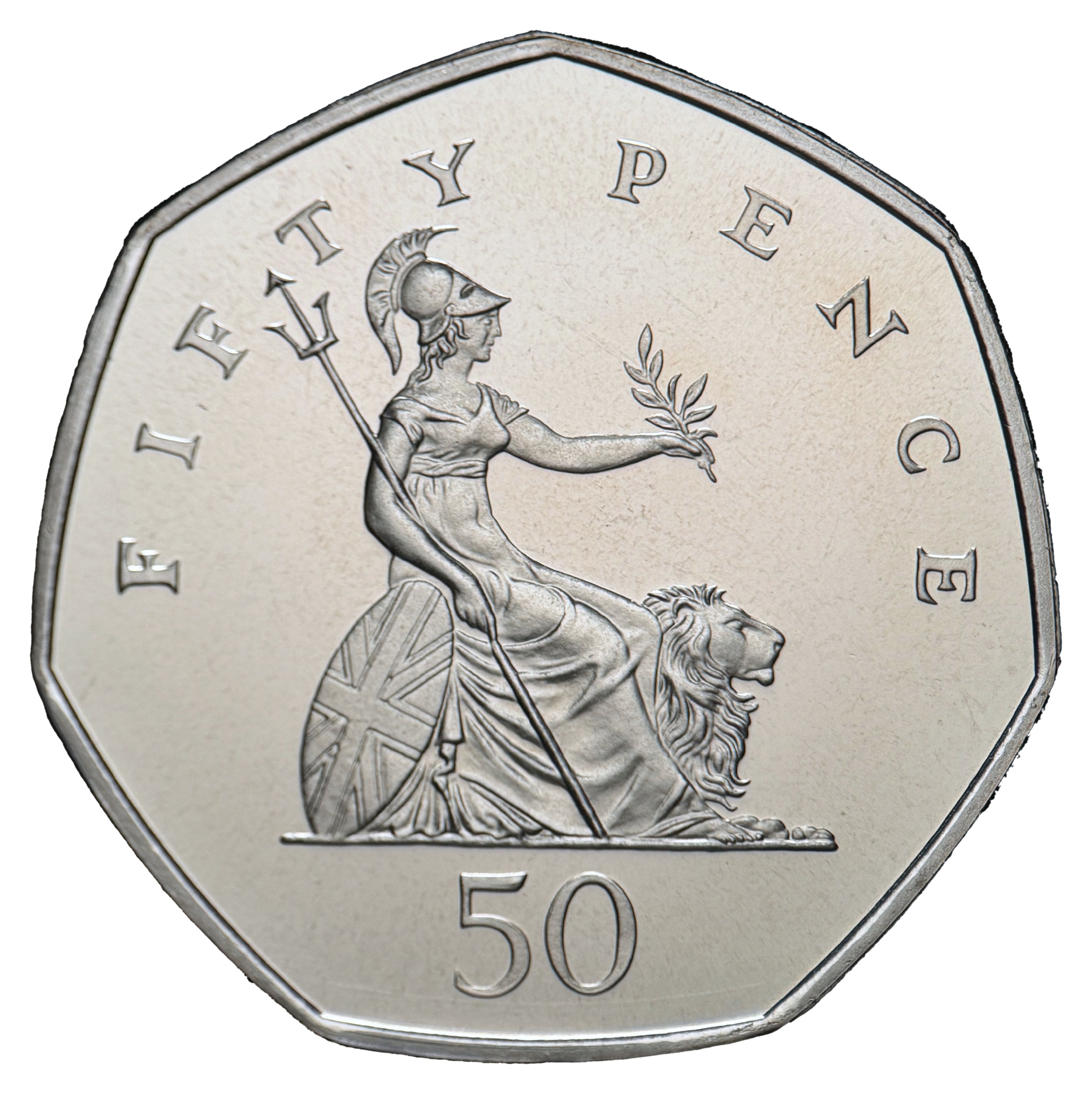
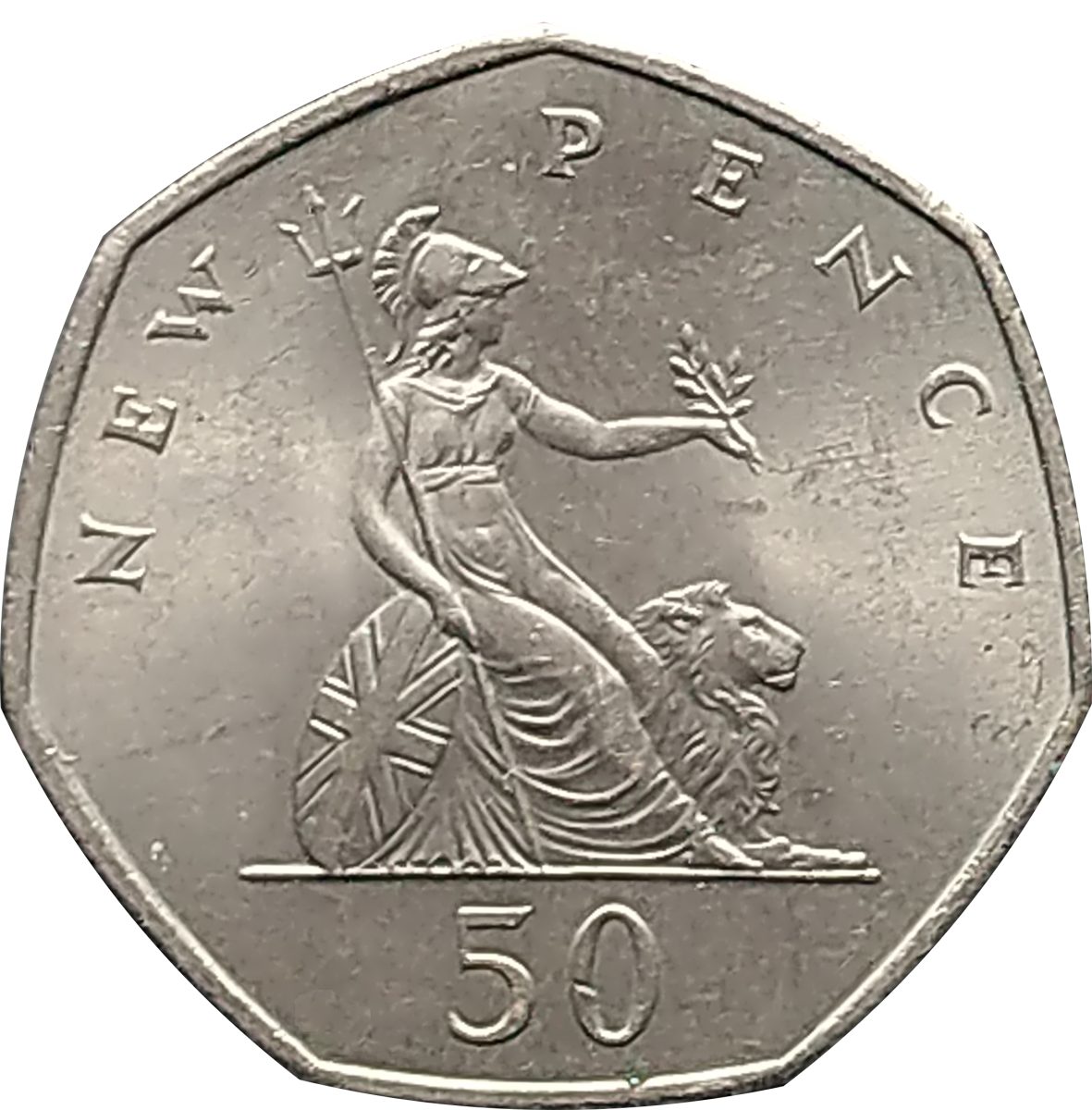
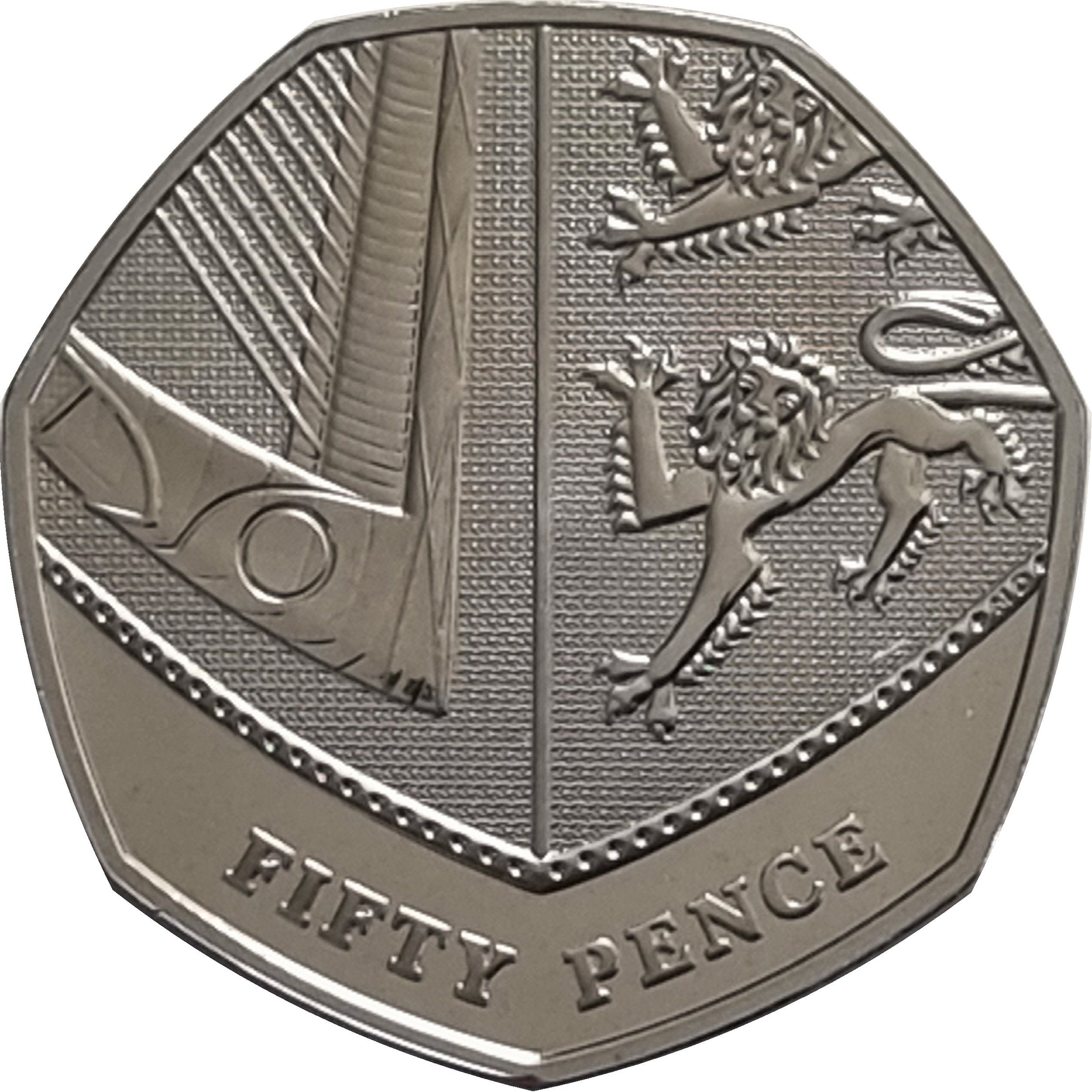
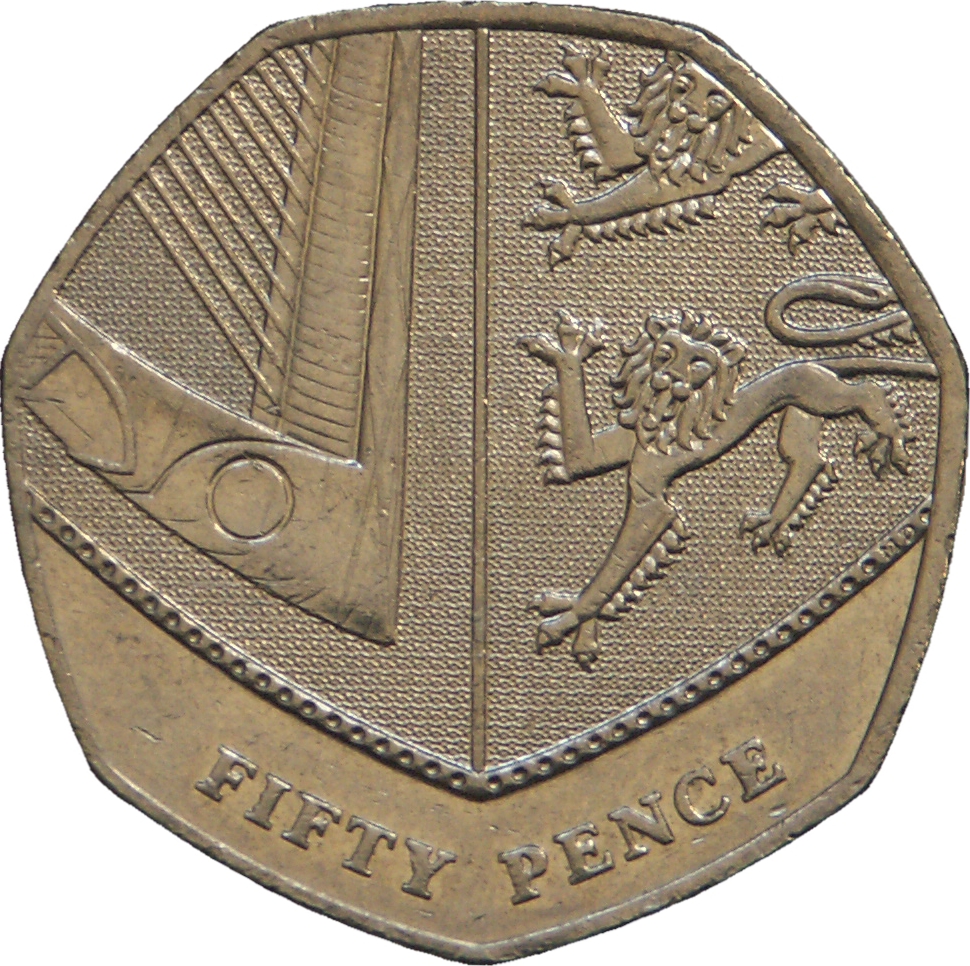
Related guides
- Coin collecting glossary, every term you'll need to read auction catalogues.
- Coin storage UK, the full guide to capsules, albums, humidity and PVC damage.
- Are my old coins worth anything?, the realistic answer for inherited collections.
- How to authenticate a coin, the ten-test sequence for spotting fakes.
- Cheap rare UK coins under £50, affordable first targets.
- I found a rare coin: what to do next, the post-find checklist.
- Best £2 coins to buy, the top picks for a modern £2 collection.