£2 Coin Value Chart 2026: What Every UK £2 Is Worth
The value chart is the first thing on this page, because it is the thing you came for. All 15 circulating £2 coins worth more than face value, ranked by mintage, with realised prices in both circulated and brilliant uncirculated grade. The rarest is the 2002 Northern Ireland Commonwealth Games £2 at 485,500 struck. Everything after the chart is the detail: the 2002 set, the two easily confused 2008 Olympic coins, edge errors, specifications and where to sell.
Value your £2 coins in seconds
Free MyCoinage valuation tool · realised auction prices · no card needed
The free MyCoinage tool prices every UK £2 against realised auction sales from the trailing 90 days, bimetallic, single-metal, Olympic Handover, Commonwealth Games. Add any £2 you own and get a live valuation alongside the wider portfolio total.
£2 coin value chart: every rare circulating coin ranked
This value chart is the working "key date" list for any UK £2 collector, every bimetallic circulating £2 worth more than face value, ranked by mintage. Mintages are Royal Mint figures; realised prices are representative completed sales over the past 12 months on eBay UK and at major UK auction houses.
| # | Design | Year | Mintage | Circulated | Brilliant Uncirculated |
|---|---|---|---|---|---|
| 1 | Commonwealth Games, Northern Ireland | 2002 | 485,500 | £15–£30 | £30–£60 |
| 2 | Commonwealth Games, Wales | 2002 | 588,500 | £10–£22 | £25–£45 |
| 3 | Commonwealth Games, England | 2002 | 650,500 | £10–£20 | £20–£40 |
| 4 | WWI Centenary, Royal Navy | 2015 | 650,000 | £6–£12 | £15–£25 |
| 5 | Commonwealth Games, Scotland | 2002 | 771,750 | £8–£18 | £18–£35 |
| 6 | Olympic Handover (Beijing → London) | 2008 | 918,000 | £6–£15 | £15–£30 |
| 7 | London Olympic Games of 1908 centenary | 2008 | 910,000 | £5–£12 | £12–£25 |
| 8 | King James Bible 400th | 2011 | 975,000 | £3–£8 | £8–£14 |
| 9 | Mary Rose 500th | 2011 | 1,040,000 | £3–£6 | £6–£12 |
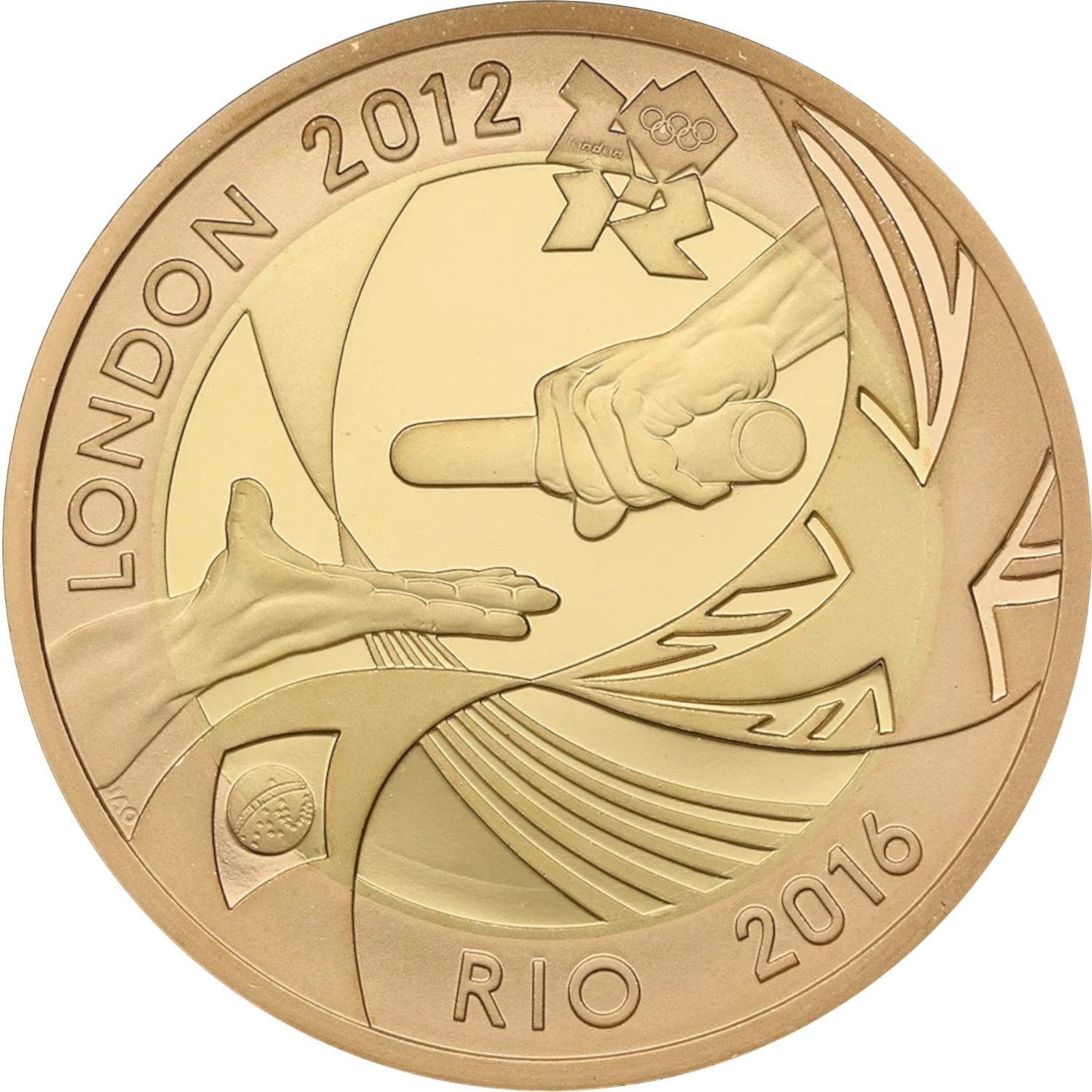
| 10 | Olympic Handover (London → Rio) | 2012 | 845,000 | £3–£7 | £6–£12 |
| 11 | Magna Carta 800th | 2015 | 1,495,000 | £3–£6 | £6–£12 |
| 12 | Trinity House 500th | 2014 | 3,705,000 | £3–£5 | £5–£10 |
| 13 | Robert Burns 250th | 2009 | 3,253,000 | £3–£5 | £5–£10 |
| 14 | Act of Union (Scotland) | 2007 | 7,545,000 | £3–£5 | £6–£10 |
| 15 | Commonwealth Games (Glasgow) | 2014 | 6,860,000 | £3–£5 | £5–£10 |
Mintage data: Royal Mint annual reports cross-referenced with Change Checker.
Which £2 coins are worth money?
Six £2 coins you can still find in change sell for clearly more than face value, and all six were struck in runs of under a million. Prices are for circulated coins, taken from the value chart above.
- 2002 Commonwealth Games, Northern Ireland (485,500 struck): £15–£30
- 2002 Commonwealth Games, Wales (588,500): £10–£22
- 2002 Commonwealth Games, England (650,500): £10–£20
- 2002 Commonwealth Games, Scotland (771,750): £8–£18
- 2008 Olympic Handover, Beijing to London (918,000): £6–£15
- 2015 Royal Navy (650,000): £6–£12
A second tier sells for £3–£12: the 2008 London 1908 Olympics centenary, the 2011 King James Bible and Mary Rose, and the 2012 Handover to Rio. Almost every other commemorative £2 from change is a £3–£5 coin, and the standard Technology and Britannia designs are worth their £2. Condition decides where in the range a coin lands: a coin that has never circulated is worth roughly double a worn one. To check the coin in your hand, use is my £2 rare?
A short history of the £2 coin
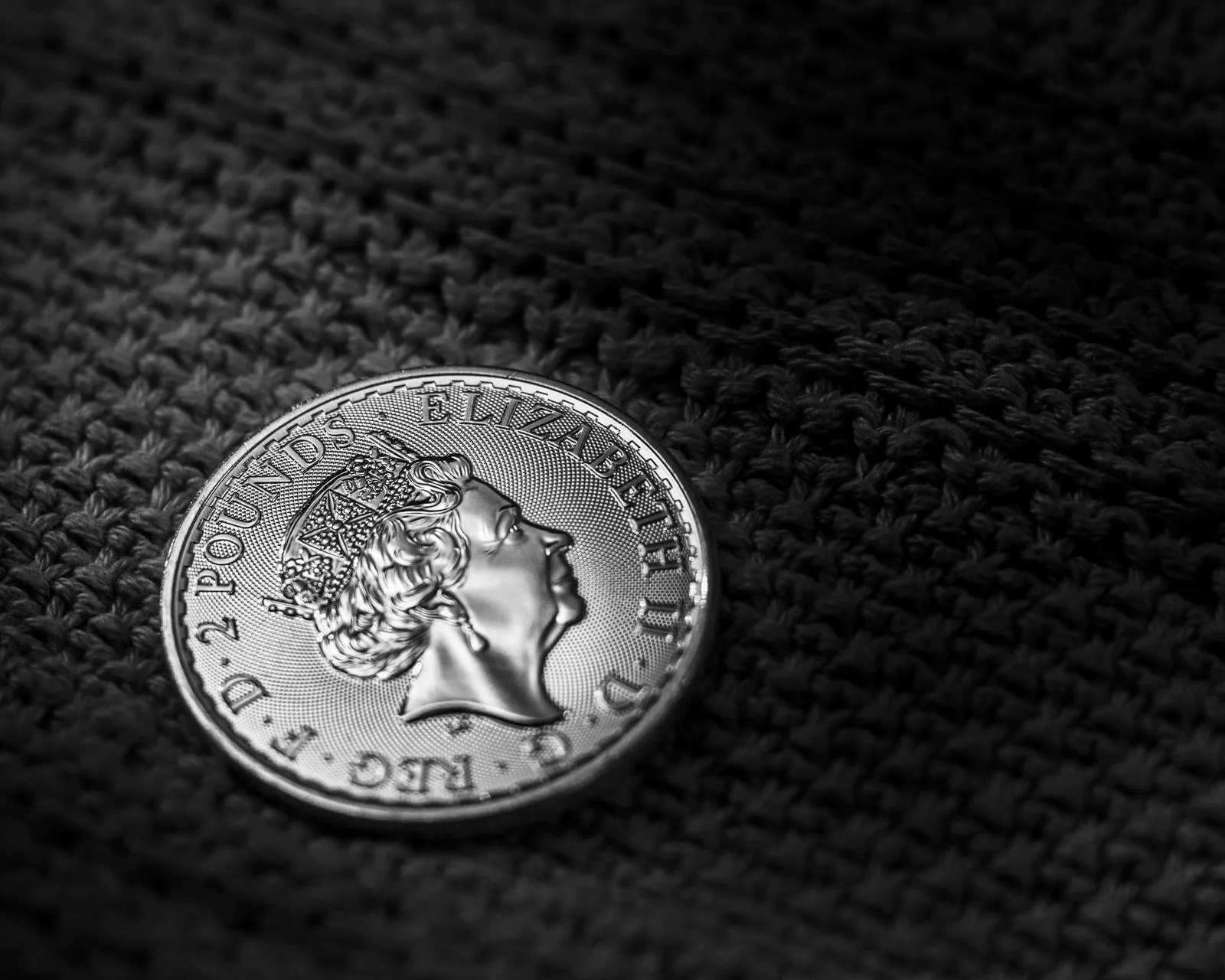
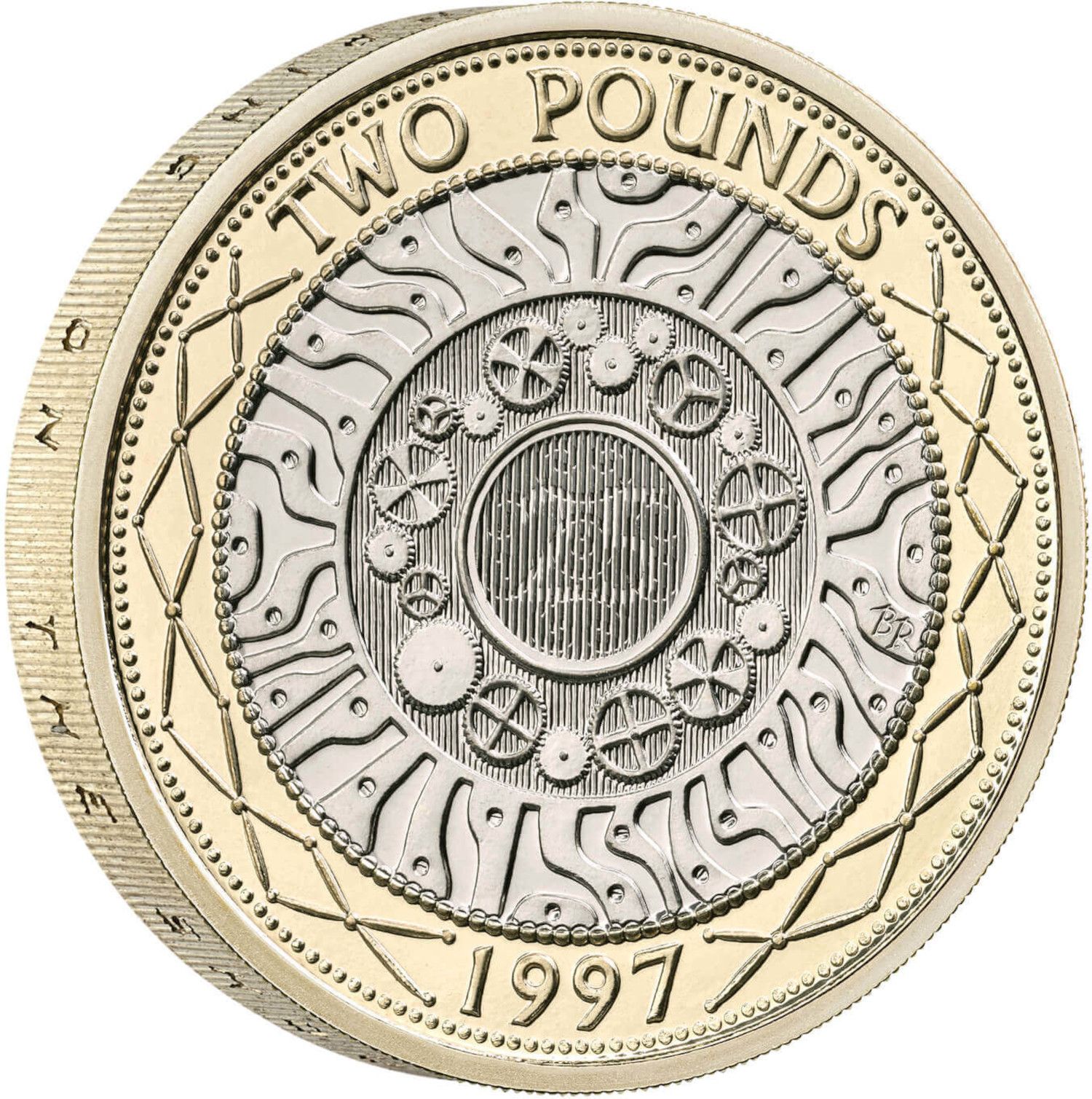
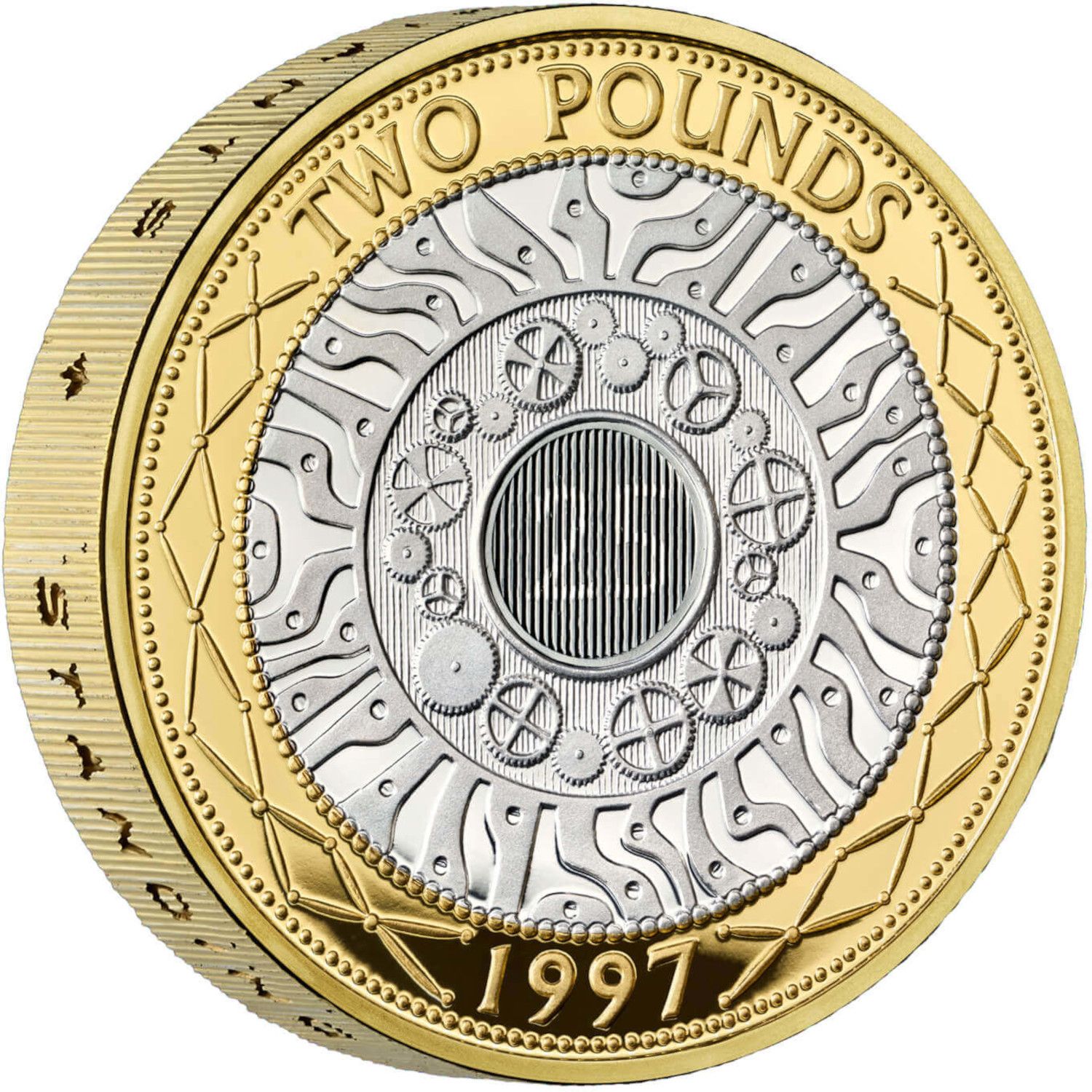
Britain’s £2 coin has two distinct phases. From 1986 to 1996 seven commemorative £2 coins were issued in single-metal nickel-brass, struck only for collector sets and never released into general circulation. From 1997 the bimetallic circulating £2 was introduced, with a cupronickel inner disc set inside a nickel-brass outer ring. The 1997 launch design used Bruce Rushin’s "Technology" reverse, showing concentric rings that represented the iron, industrial and electronic ages, and the Newton edge inscription "STANDING ON THE SHOULDERS OF GIANTS" became the default for almost two decades. The 1998 Technology £2 is the one most people find in change; its page shows realised prices by grade.
Bimetallic construction was already in widespread use across continental Europe (notably the French 10-franc and the Italian 500-lira), but the 1997 UK introduction was the first British application and required new vending and parking-meter validation. Bimetallic circulating coins are harder to forge because the two metals must bond cleanly under strike pressure; cast counterfeits typically show a visible seam between the two parts.
From 2015 the Royal Mint introduced an annual Britannia bimetallic £2 alongside any commemorative designs, providing a recurring "default" reverse analogous to the Britannia bullion series.
Pre-bimetallic single-metal £2 (1986–1996)
The seven single-metal £2 commemoratives were nickel-brass, slightly larger and heavier than the later bimetallic, and were sold by the Royal Mint in presentation folders, BU packs and proof sets. None were issued for general circulation, so most surviving examples are in good condition.
| Year | Theme | Mintage (all formats) | BU value |
|---|---|---|---|
| 1986 | 13th Commonwealth Games (Edinburgh) | 8,212,184 | £10–£20 |
| 1989 | Bill of Rights tercentenary (England) | 4,392,825 | £12–£25 |
| 1989 | Claim of Right tercentenary (Scotland) | 381,400 | £25–£45 |
| 1994 | Bank of England Tercentenary | 1,443,116 | £15–£30 |
| 1995 | Dove of Peace (50th anniversary VE Day) | 4,394,566 | £10–£20 |
| 1995 | United Nations 50th | 1,668,575 | £12–£25 |
| 1996 | Tenth European Football Championship | 5,141,350 | £10–£18 |
The 1989 Claim of Right is the scarcest single-metal £2 by mintage and is the most-collected of the seven. The 1994 Bank of England issue, designed by Leslie Durbin to mark 300 years of the Bank, is a numismatic favourite for the obverse’s detailed depiction of the Bank’s original Royal Charter.
The 2002 Commonwealth Games set
The four-coin set marking the Manchester 2002 Commonwealth Games is the benchmark rare £2 collection. Each coin features a flag ribbon framing the central running-figure motif and bears a nation name (England, Scotland, Wales, Northern Ireland). The combined four-coin circulation mintage was just 2,496,250, smaller than several individual £2 commemorative mintages.
- England (E): 650,500, the second-highest of the four.
- Scotland (S): 771,750, the highest mintage in the set.
- Wales (W): 588,500, second-rarest.
- Northern Ireland (NI): 485,500, the rarest circulating bimetallic £2 ever issued.
A complete uncirculated four-coin set in original Royal Mint packaging trades at £120–£250 at the major UK auction houses; slabbed sets in MS65+ can reach £300–£500. Be cautious of mismatched sets reassembled from individual coins; original presentation folders carry a serial number and Royal Mint hologram.
Bimetallic £2 specifications
| Spec | Single-metal £2 (1986–1996) | Bimetallic £2 (1997–) |
|---|---|---|
| Weight | 15.98 g | 12.00 g ± 0.05 g |
| Diameter | 28.4 mm | 28.4 mm |
| Thickness | 3.15 mm | 2.50 mm |
| Composition (outer) | Nickel-brass (Cu 76 / Zn 20 / Ni 4) | Nickel-brass outer ring |
| Composition (inner) | (single-metal) | Cupronickel inner disc (Cu 75 / Ni 25) |
| Edge | Milled with motto (varies by issue) | Milled with inscription (varies by design) |
| Default edge inscription | "NOTHING LIKE THIS WAS EVER MADE" (1986); others vary | "STANDING ON THE SHOULDERS OF GIANTS" (1997–2015 Technology) |
Documented £2 coin errors
£2 errors are less common than round-pound errors but the documented cases command strong premiums. Always authenticate before paying the upper end; many alleged errors are within Royal Mint tolerance or are post-mint damage.
- 2014 Britannia obverse-reverse die clash. A small batch of 2014 commemorative £2 issues shows ghosting where a die clash occurred during striking, leaving faint traces of the obverse design on the reverse field. Confirmed examples sell at £30–£80.
- Edge inscription orientation errors (2008 and others). The edge inscription should orient consistently relative to the obverse. A meaningful number of 2008 £2 coins were struck with the edge inscription rotated 180°, so it reads upside-down when the portrait is right-way-up. This is more common than collectors realise and typically adds £8–£20 over face. Royal Mint policy treats edge orientation as cosmetic rather than a true error, but the secondary market values them.
- Bimetallic separation. Coins where the inner disc has loosened or partially ejected from the outer ring. Genuine pre-circulation examples (still in mint state) sell at £40–£120 depending on severity. Post-circulation separation from heavy use or damage is not collectable.
- Off-centre and broad-strike errors. Coins struck off-centre or with collar failure (broad-strike) sell at £15–£60 depending on severity. The bimetallic construction makes broad-strikes particularly visually striking.
- Inverted die rotation. Reverse aligned same way as obverse rather than 180° offset. Confirmed examples sell at £80–£150; verify by holding the obverse up and flipping vertically: the reverse should read upside down on a normal coin and right-way-up on a true error.
For the broader UK error landscape see our UK coin errors list. Definitions of striking and die-clash terminology are in the coin collecting glossary.
The Britannia £2 series (2015–)
From 2015 the Royal Mint has issued an annual Britannia bimetallic £2 alongside any commemorative designs. The 2015 inaugural issue used the Antony Dufort Britannia portrait and edge inscription "WHAT IS PAST IS PROLOGUE" (Shakespeare, The Tempest). Mintages have generally been substantial (typically 9–60 million per year), so individual years are not scarce, but the design is collected as a recurring series and BU pieces from sealed Royal Mint packs sell at £5–£10.
Charles III £2 coins
Charles III £2 coins began entering circulation from 2023, carrying the Martin Jennings portrait on the obverse. The first Charles III commemorative £2 designs include the 2023 Flora Britannica issues. As the first year of a new monarch’s coinage they will likely retain a modest premium indefinitely; BU examples from sealed packs typically sell at £5–£12. Full new-reign coverage is at our Charles III coin guide.
Grading and authentication
£2 coins grade on the standard UK descriptive scale (Fine, Very Fine, Extremely Fine, Brilliant Uncirculated) and the Sheldon 1–70 numeric scale used by PCGS, NGC and CGS UK. For coins worth under £15 the descriptive scale is sufficient; for the rare 2002 Commonwealth Games dates, confirmed errors and any £2 valued above £50, slabbed grading typically adds 20–40% to realised price and removes any authentication doubt for the buyer. Slabbing fees of around £20–£40 per coin are recovered on any piece selling above £100. See our how to grade a coin walkthrough.
Where to buy and sell £2 coins
Buying
- The Royal Mint, first-party for any new issue, annual proof set or Britannia £2.
- eBay UK, deepest market for circulating-rare and BU graded coins. Filter by sold listings and use seller feedback as a counterfeit filter.
- Change Checker and similar UK coin specialists, useful for filling specific year gaps.
Selling
- Common circulating £2s → spend or bank. The vast majority of post-2002 £2 commemoratives have mintages above 5 million and are not collectable above face.
- Modern circulating-rare (£5–£80) → eBay UK. Sell as Buy It Now with clear photos of obverse, reverse and edge. Quote the mintage in the title.
- Authenticated errors and 2002 Commonwealth sets → specialist auction. Consign to Noonans, Spink or Baldwin’s. Hammer commission is 15–20% but realisations on graded material typically exceed eBay by 20–40%.
See the full venue-by-venue breakdown at where to sell rare coins UK. Once a £2 collection crosses £1,000 in total value, consider scheduling cover via coin collection insurance UK.
Featured £2 coins on MyCoinage
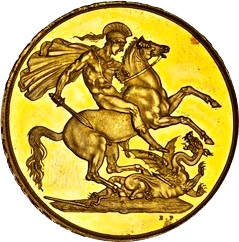
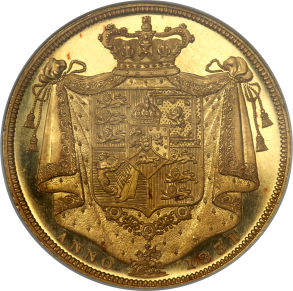
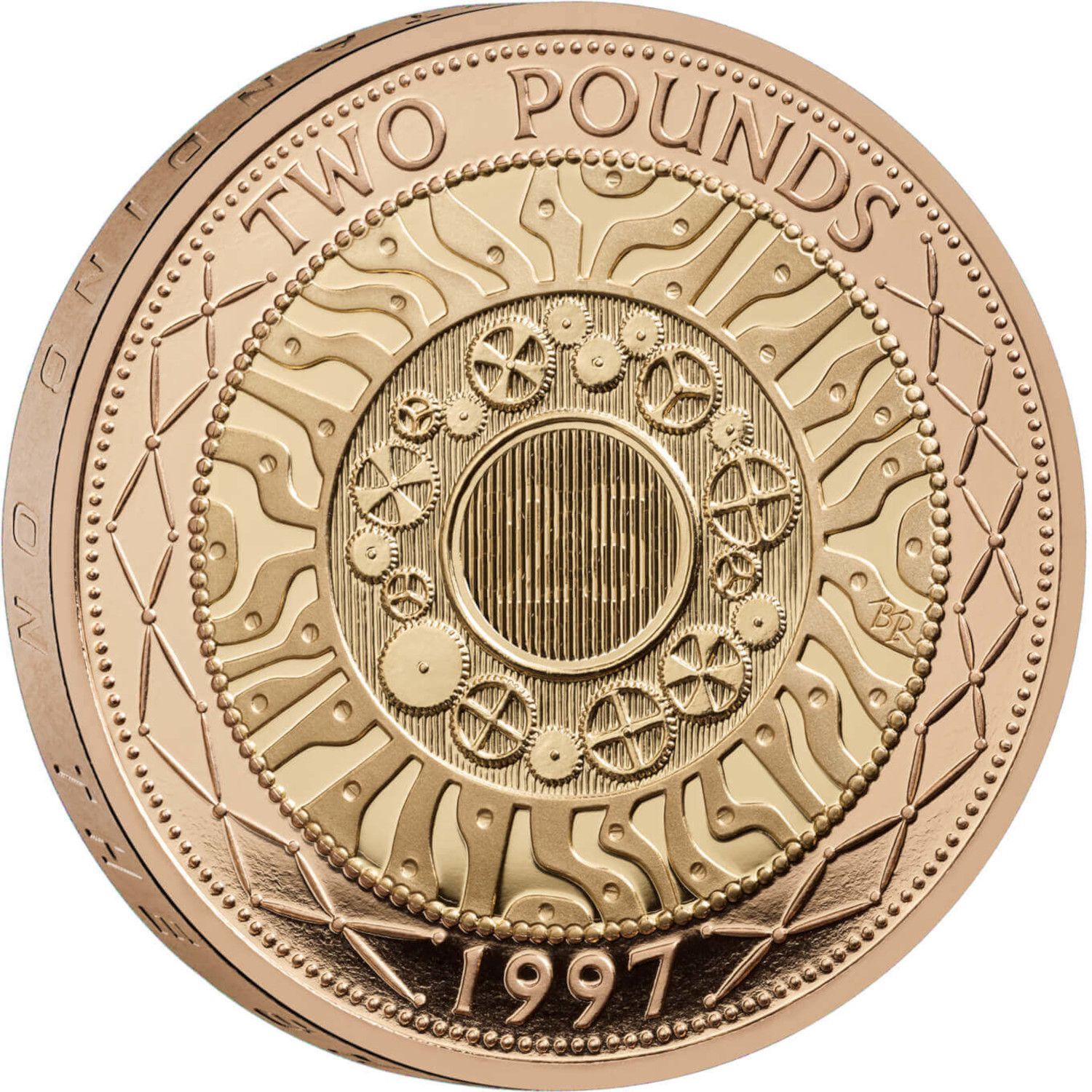
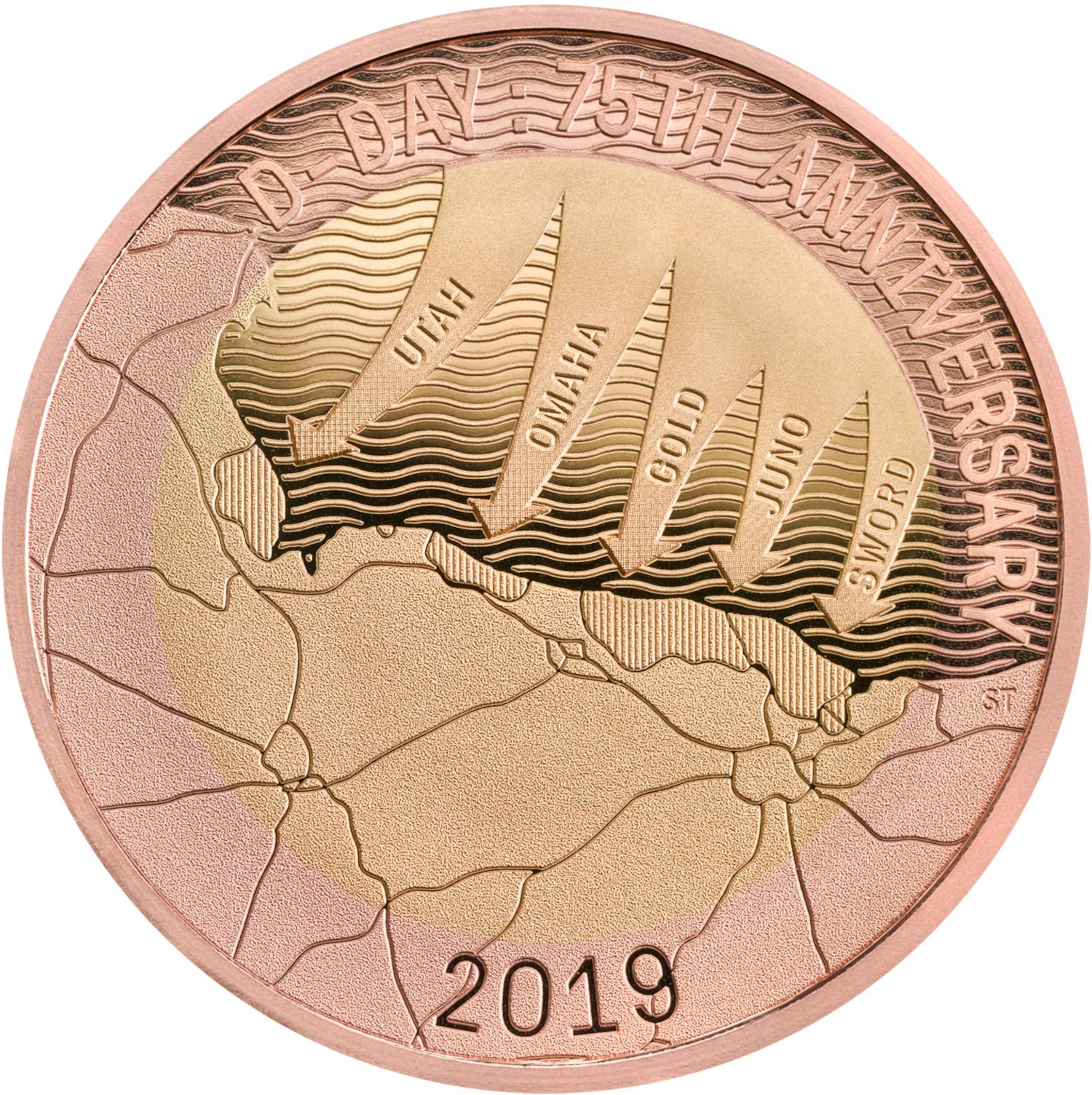
Browse every UK £2 coin in our database →
Frequently asked questions
Which £2 coins are worth money?
Which £2 coin is the rarest?
How much is a 1986 £2 coin worth?
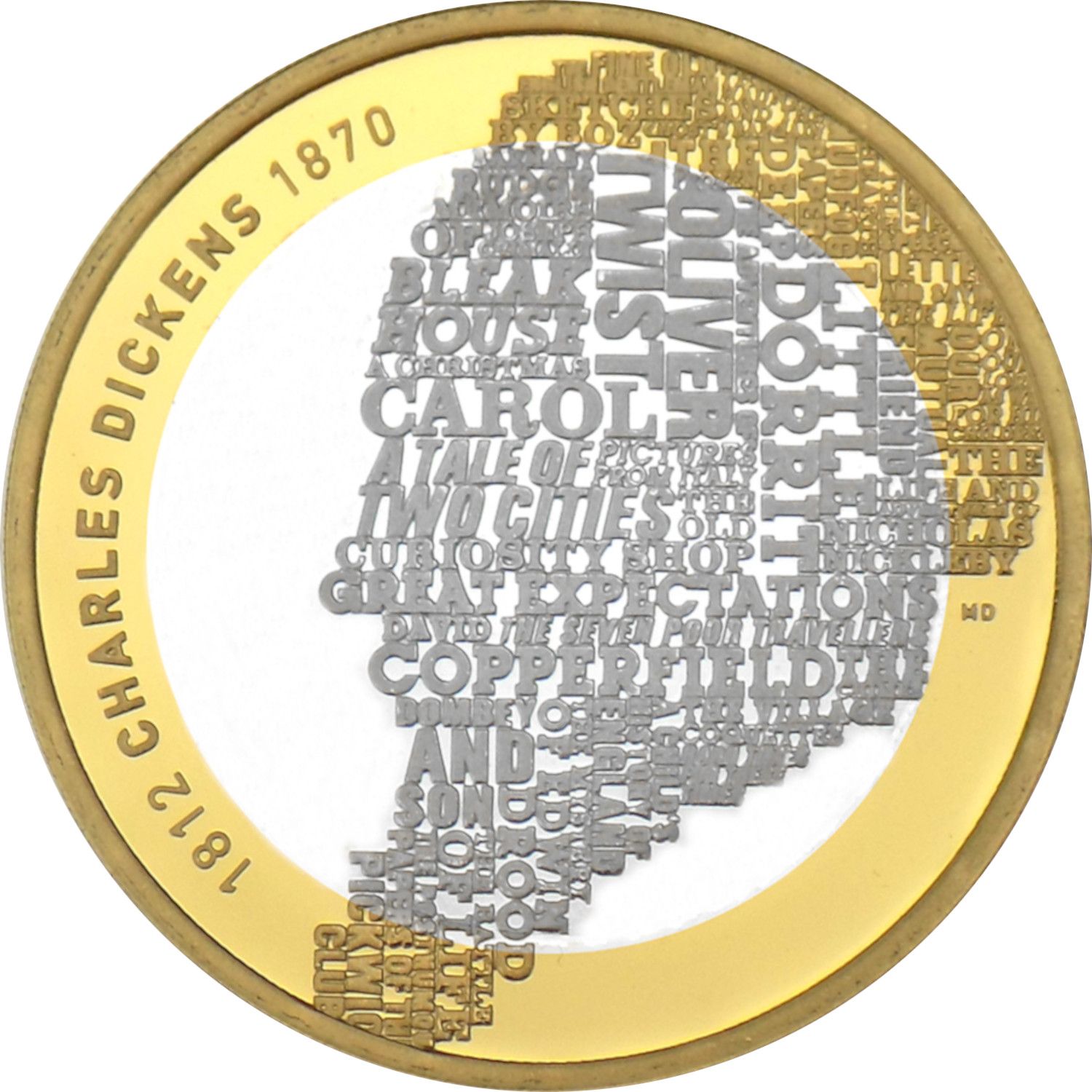
Are 2012 Charles Dickens £2 coins rare?
What is the "inverted effigy" £2 coin?
What does the £2 edge inscription "Standing on the shoulders of giants" mean?
Are pre-bimetallic 1986–1996 £2 coins worth more?
What is the Britannia £2 series?
Are Charles III £2 coins in circulation?
How can I tell if a £2 coin is genuine?
Why are 2002 Commonwealth Games £2 coins so scarce?
What is the edge orientation error on 2008 £2 coins?
Where should I sell a rare £2 coin?
Further reading
- WW1 commemorative coins UK, the 2014–2018 First World War £2 series.
- Shakespeare £2 coins, the three 2016 designs and their values.
- Free coin valuation tool, check any coin's value, not just £2s.
- Royal Mint: £2 coin design and specifications, first-party reference for all £2 issues.
- British Numismatic Society, the academic standard for UK coin scholarship.
- UK coin errors list, full list of recognised UK error coins.
- £1 coin values UK, round and 12-sided pound guide.
- Charles III coin guide, the new-reign series.
- Coin collecting glossary, numismatic terminology used in this guide.