Rare £1 Coins UK: Value Chart and List
Two distinct £1 coins have circulated in Britain since 1983. The round £1 (1983–2017) ran for 16 reverse designs before being demonetised in October 2017; a handful of dates now realise £30–£60. The 12-sided £1 launched in 2017 is bimetallic, carries a latent hologram image and is described by the Royal Mint as the most secure circulating coin in the world. This guide covers every reverse design, specifications, errors, rarities and where to sell.
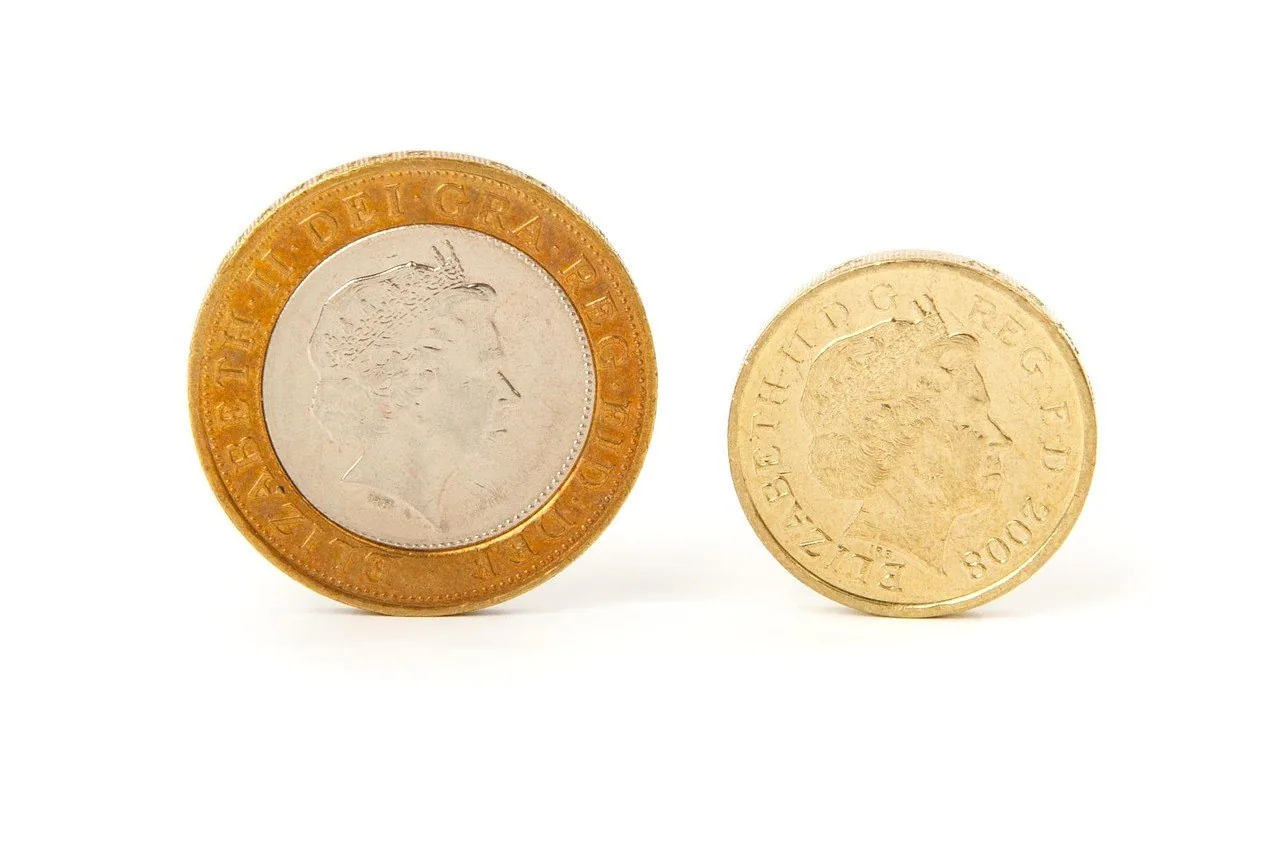
Got an old £1 you think might be rare?
Free MyCoinage valuation tool · realised auction prices · no card needed
Run it through the free MyCoinage valuation tool against the full round-pound and 12-sided catalogue. The 2011 Edinburgh round £1 (935,000 minted) is the single rarest UK £1 ever struck, check yours alongside the other 23 round-pound designs.
A short history of the £1 coin
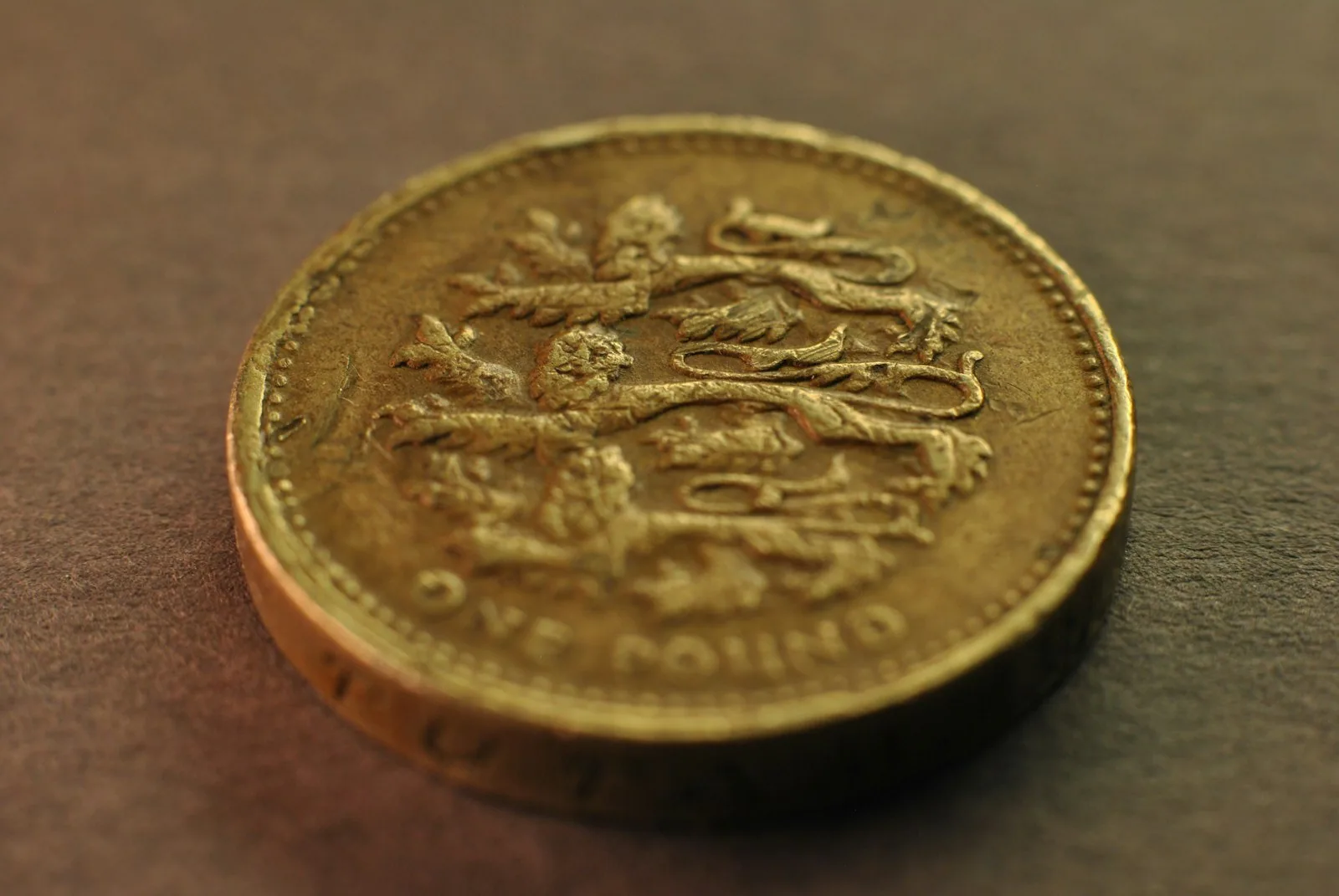
For most of the 20th century the £1 denomination in Britain was a banknote, not a coin. The Bank of England £1 note had been in continuous issue since 1797 (with a brief break around the Napoleonic era), but by the late 1970s rising inflation meant notes were wearing out at speed: average circulation life was around nine months, against several years for a coin. The Treasury decided to replace the £1 note with a coin, and the Royal Mint introduced the round £1 on 21 April 1983. The Bank of England issued its last £1 note in 1984 and fully withdrew it on 11 March 1988.
The original round £1 was struck in nickel-brass with a 9.50 g weight, 22.5 mm diameter and a milled edge bearing a Latin or Welsh inscription that varied with the reverse design. Sixteen distinct reverse designs ran across the 1983–2016 series, grouped into several themed sub-series (see below).
By 2014 counterfeit pressure had reached an unsustainable level, with the Royal Mint estimating around 3% of circulating round pounds were forgeries, and the 12-sided bimetallic replacement was announced in that year’s Budget. The new coin entered circulation on 28 March 2017 and the round pound was demonetised six months later on 15 October 2017.
Round £1 reverse designs (1983–2016)
The round pound series is best understood in themed groups. Each group rotated reverse designs representing the four parts of the United Kingdom or, in later issues, capital cities or symbolic elements. Mintages varied dramatically: early issues regularly exceeded 100 million per year, while the 2011 Capital Cities issues were under 2 million each.
| Year | Reverse design | Theme / series | Circulation mintage |
|---|---|---|---|
| 1983 | Royal Arms | Inaugural | 443,053,510 |
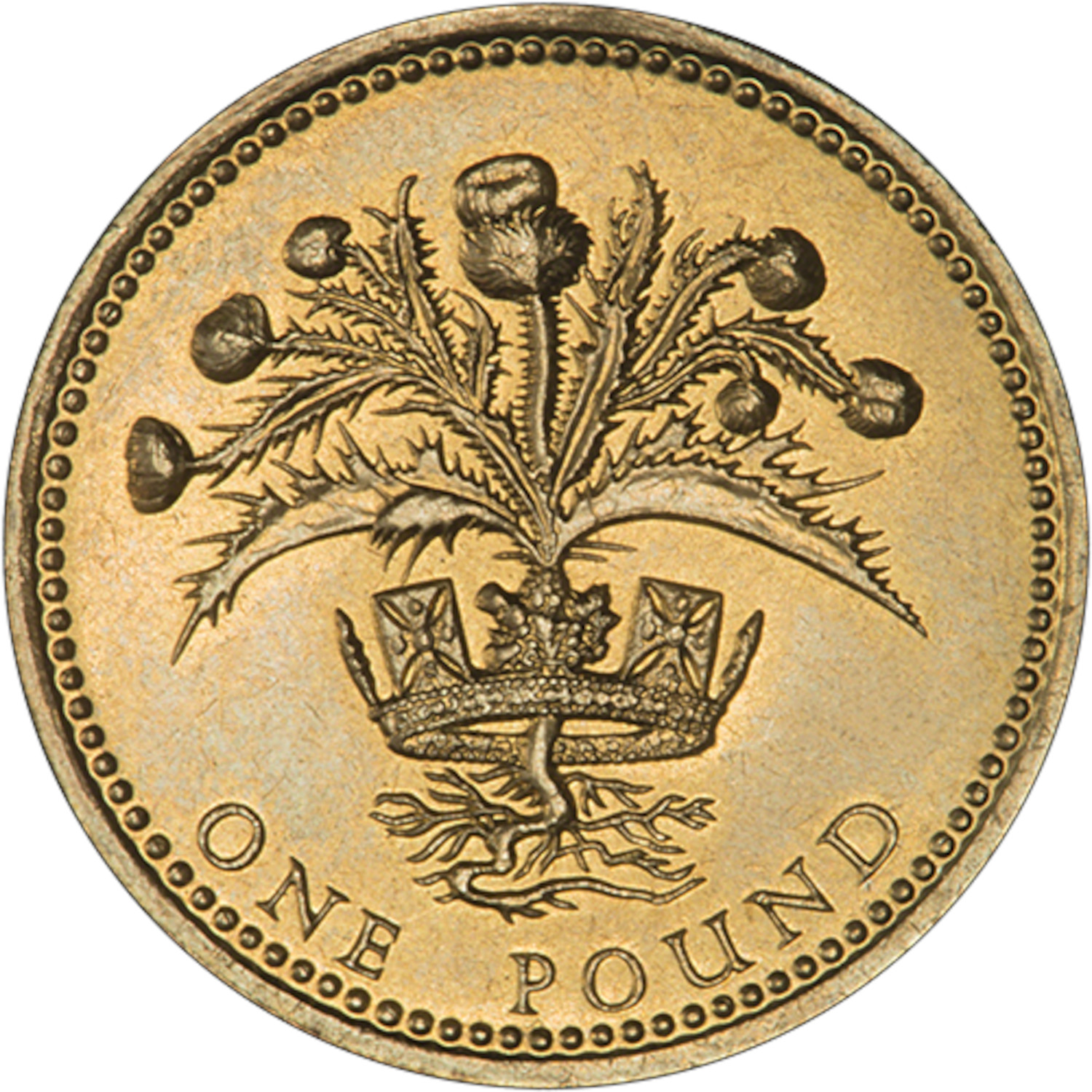
| 1984 | Scottish thistle | Floral emblems I | 146,256,501 |
| 1985 | Welsh leek | Floral emblems I | 228,430,749 |
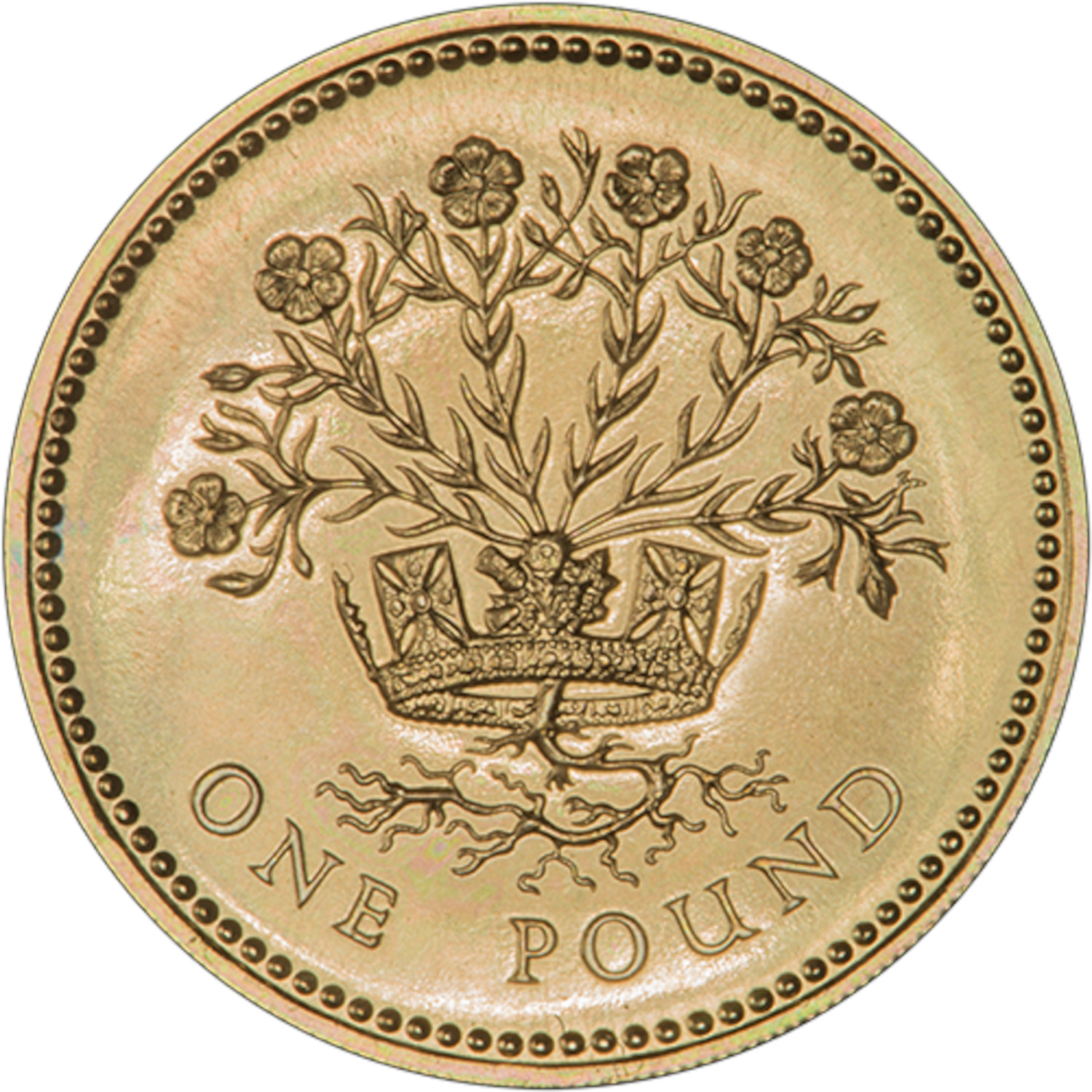
| 1986 | Northern Irish flax | Floral emblems I | 10,409,501 |
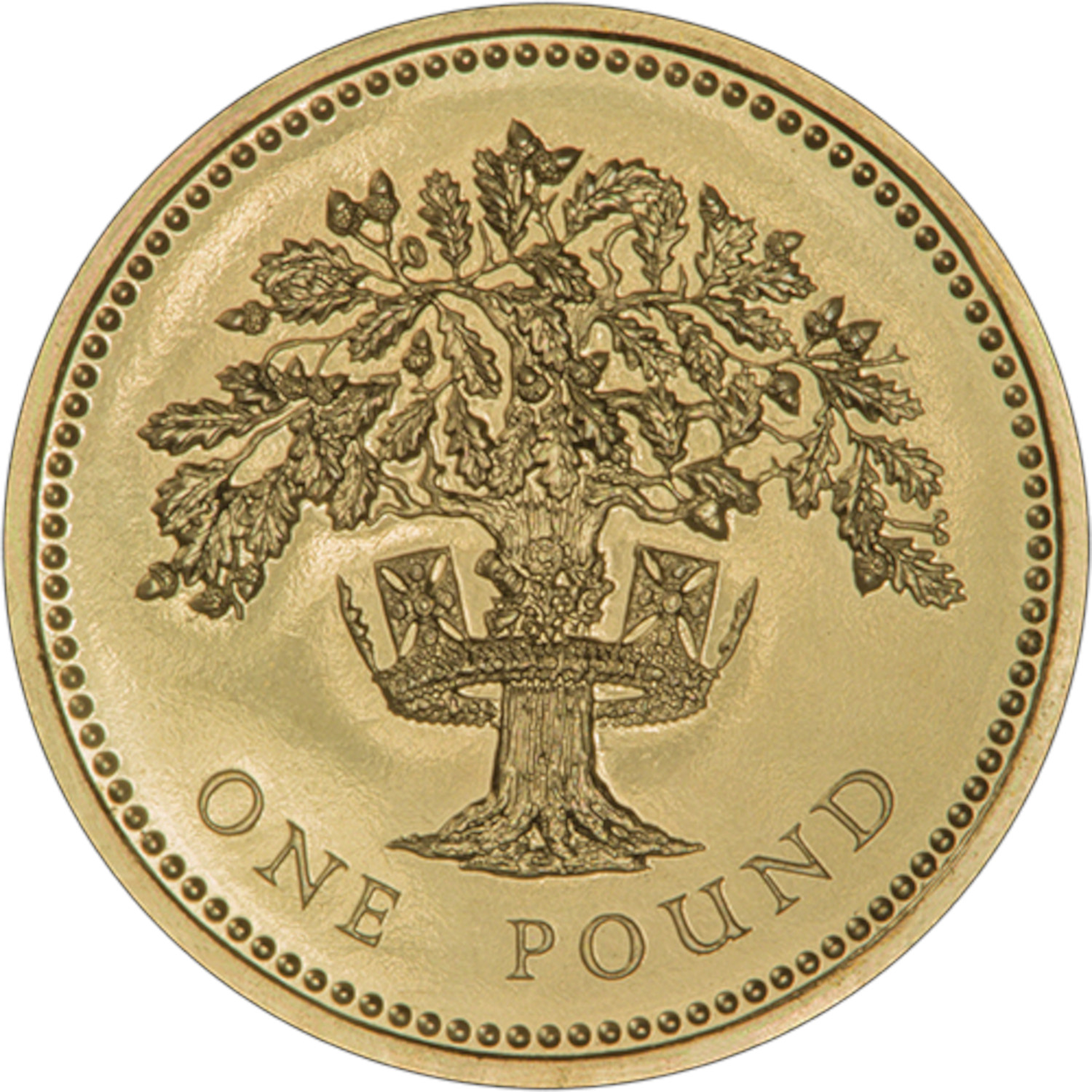
| 1987 | English oak | Floral emblems I | 39,298,502 |
| 1988 | Royal Shield | Heraldic | 7,118,825 |
| 1989 | Scottish thistle | Floral emblems II | 70,580,501 |
| 1990 | Welsh leek | Floral emblems II | 97,269,302 |
| 1991 | Northern Irish flax | Floral emblems II | 38,443,575 |
| 1992 | English oak | Floral emblems II | 36,320,487 |
| 1993 | Royal Arms | Heraldic | 114,744,500 |
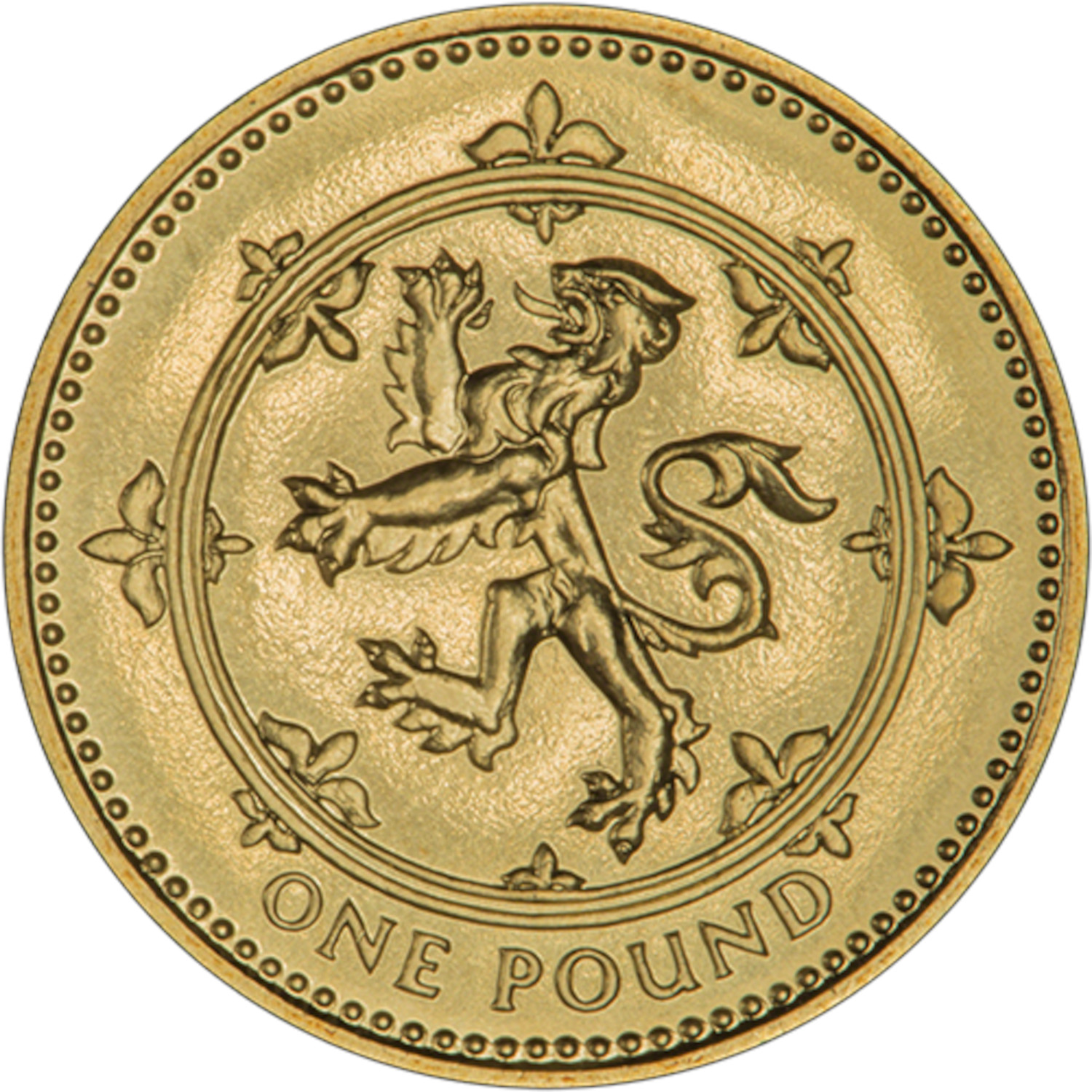
| 1994 | Scottish lion rampant | Heraldic beasts | 29,752,525 |
| 1995 | Welsh dragon | Heraldic beasts | 34,503,501 |
| 1996 | Northern Irish Celtic cross | Heraldic beasts | 89,886,000 |
| 1997 | English three lions | Heraldic beasts | 57,117,450 |
| 1998 | Royal Arms | Heraldic | 88,700,000 |
| 1999–2007 | Bridges & Royal Arms rotations | Various | 40–200 m typical |
| 2008 | Royal Shield (Matthew Dent) | One-year design | 3,910,000 |
| 2010 | London | Capital Cities | 2,635,000 |
| 2010 | Belfast | Capital Cities | 6,205,000 |
| 2011 | Edinburgh | Capital Cities, key date | 935,000 |
| 2011 | Cardiff | Capital Cities | 1,615,000 |
| 2016 | Last Round Pound (Nations of the Crown) | Final round design | 119,000,000 |
Mintage data sourced from the Royal Mint annual reports and cross-referenced with Change Checker.
Which £1 coins are worth money?
Six £1 coins are worth clearly more than a pound. Four are the Capital Cities round pounds of 2010 and 2011, priced here in circulated condition; the other two are a mint error and a trial piece.
- Edinburgh 2011 (935,000 struck): £15–£25
- Cardiff 2011 (1,615,000): £10–£18
- London 2010 (2,635,000): £6–£12
- Belfast 2010 (6,205,000): £4–£8
- 2008 dateless £1 (mule error): £25–£60
- 2016 trial 12-sided £1 (around 200,000 made): £15–£200
Other round pounds sell for £2–£6 to collectors, with the 2008 and 1988 Royal Shield and the 1986 flax at the upper end. The table below gives mintages and uncirculated prices for the round pounds, and the 12-sided section covers the current coin.
The rarest round £1 coins
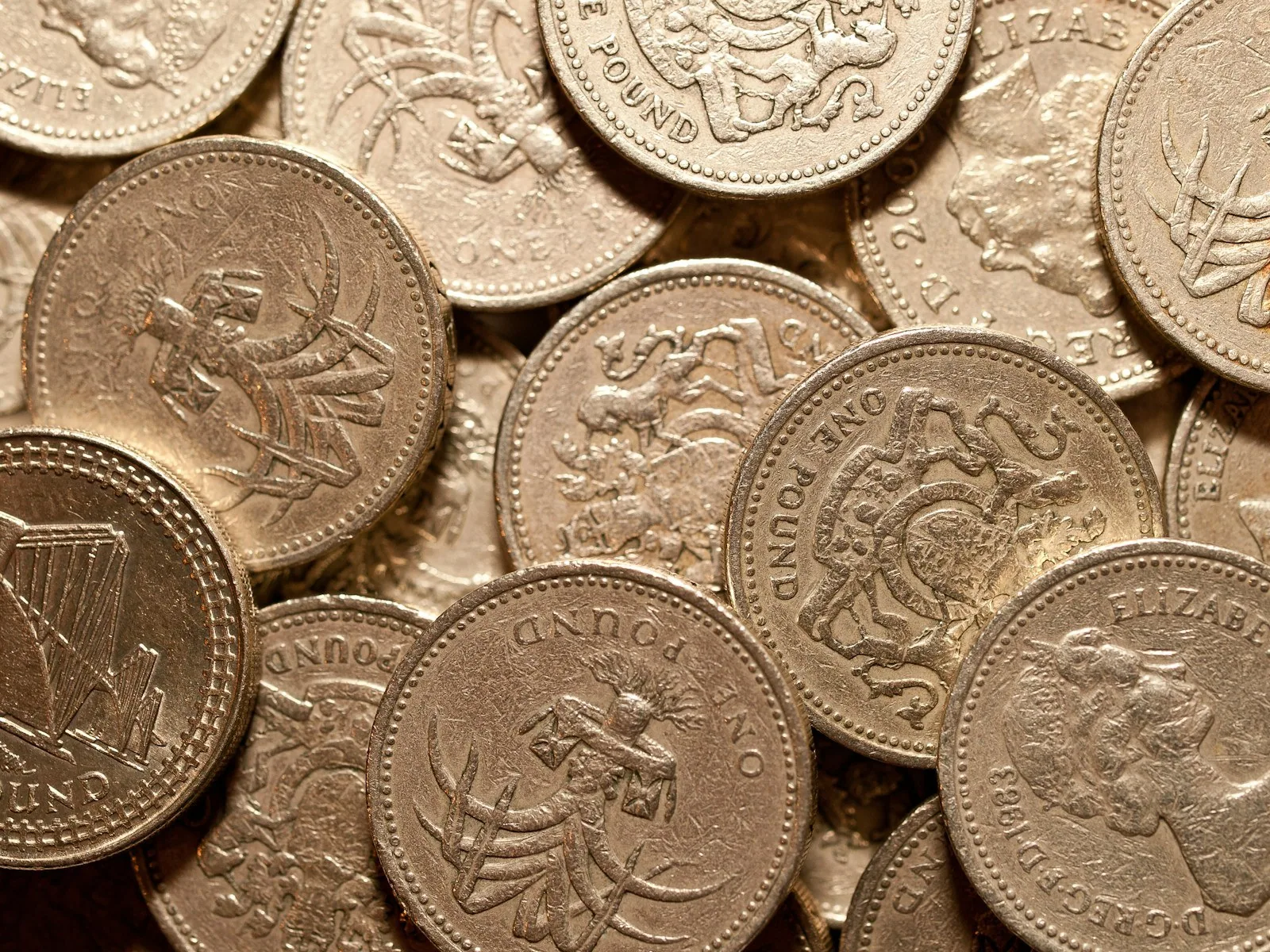
Three round pounds dominate the secondary market: the 2011 Edinburgh, 2011 Cardiff and 2010 London. All three are part of the Capital Cities series and were struck in tiny circulation quantities by £1 standards. Realised eBay prices vary by condition and presentation; the table below reflects representative completed sales over the past 12 months.
| Design | Year | Mintage | Circulated | Brilliant Uncirculated |
|---|---|---|---|---|
| Edinburgh | 2011 | 935,000 | £15–£25 | £40–£60 |
| Cardiff | 2011 | 1,615,000 | £10–£18 | £25–£40 |
| London | 2010 | 2,635,000 | £6–£12 | £15–£25 |
| Belfast | 2010 | 6,205,000 | £4–£8 | £10–£18 |
| 2008 Royal Shield (Dent) | 2008 | 3,910,000 | £3–£6 | £8–£15 |
| 1988 Royal Shield | 1988 | 7,118,825 | £3–£5 | £8–£14 |
| 1986 Northern Irish flax | 1986 | 10,409,501 | £2–£4 | £6–£10 |
The 12-sided £1 (2017–present)
The 12-sided £1 launched on 28 March 2017 and was developed at the Royal Mint’s Llantrisant facility over a five-year design programme. Its security features set a new bar for a circulating coin:
- Bimetallic construction, nickel-brass outer ring, nickel-plated alloy inner disc. The two metals expand at different rates under heat, defeating one-piece cast forgeries.
- Latent image (ISIS hologram). The image inside the inner disc switches between the pound symbol (£) and the numeral 1 as the coin is tilted. This is a true latent engraving, not a hologram sticker, and cannot be reproduced by casting or plating.
- Micro-lettering. The phrase "ONE POUND" is repeated around the inner edge of both the obverse and reverse, only readable under magnification.
- Edge alternation. Six of the twelve edges are milled, six are smooth, producing a tactile pattern that vending machines validate by physical contour.
- Covert security feature. An undisclosed marking, readable only by automated coin-validation hardware. The Royal Mint has not published the technical detail.
The 2016 trial £1
Approximately 200,000 trial-strike 12-sided £1 coins dated 2016 were distributed to vending operators, parking-meter manufacturers and self-service-checkout suppliers in late 2016 to allow machine recalibration before the public launch. Each carries the same Jody Clark obverse and Nations of the Crown reverse used on the launch coin, but is dated 2016 rather than 2017. Trial pieces are legitimate Royal Mint products, not errors or counterfeits, but were not intended to circulate.
- Lightly handled or used in machine tests: £15–£30
- Brilliant uncirculated, no test marks: £50–£100
- Sealed in original Royal Mint operator pack: £100–£200
Provenance is essential at the upper end. Pieces without supporting documentation are typically valued conservatively because the trial production was distributed with paperwork to commercial operators. An earlier batch of trial pieces is dated 2015; our 2015 Royal Mint trial £1 page tracks what those realise by grade.
Specifications: round vs. 12-sided
| Spec | Round £1 (1983–2017) | 12-sided £1 (2017–) |
|---|---|---|
| Weight | 9.50 g ± 0.10 g | 8.75 g ± 0.07 g |
| Diameter | 22.5 mm (round) | 23.43 mm widest, 12-sided |
| Thickness | 3.15 mm | 2.80 mm |
| Composition | Nickel-brass (Cu 70 / Zn 24.5 / Ni 5.5) | Outer: nickel-brass; inner: nickel-plated alloy |
| Edge | Milled with inscription (varies by year) | Alternating milled/smooth, 12 segments |
| Edge inscription | "DECUS ET TUTAMEN" (Eng/NI), "PLEIDIOL WYF I’M GWLAD" (Wales), "NEMO ME IMPUNE LACESSIT" (Scotland) | None on outer edge; "ONE POUND" micro-lettered around inner ring |
| Status | Demonetised 15 October 2017 | Current legal tender |
Documented £1 coin errors
Circulation-error pieces command meaningful premiums when authenticated. The list below covers errors that are well-documented and recognised by the major UK auction houses; tooled or post-mint altered coins are not included.
- 2008 dateless £1 (mule). A small batch from 2008 paired the new Matthew Dent shield reverse die with an obverse die from the previous denomination set that lacked the date. Genuine examples sell at £25–£60 in circulated grade. The Royal Mint has acknowledged the error.
- Welsh "Pridd" inscription error. Some 1985 and 1990 leek-design round pounds carry the misspelled edge inscription "PRIDD" (soil) instead of "PLEIDIOL" (loyal). Genuine unworn examples sell at £30–£80; most coins offered as the Pridd error are simply heavily worn pieces.
- Inverted die rotation (medal alignment). Round pounds were struck in coin alignment (180° reverse to obverse). Pieces with reverse and obverse aligned the same way (medal alignment) sell at £15–£40. Verify by holding the coin obverse-up and flipping vertically: the reverse should read the right way up; if upside down, you have a mule.
- Off-centre and broad-strike errors. Coins struck off-centre (where the design is shifted from the rim) or with collar failure (broad-strike, where the coin spread beyond normal diameter) appear sporadically and sell at £10–£50 depending on severity.
- 12-sided edge orientation errors. A handful of 12-sided coins have been reported with the rim flutes misaligned with the reverse design. Confirmed examples sit at £20–£50; many alleged errors are within Royal Mint tolerance.
For the broader UK error landscape see our UK coin errors list. To distinguish a real error from a fake or post-mint damage, see how to spot a fake £1 coin.
Grading a £1 coin
Modern £1 coins grade on the standard UK descriptive scale (Fine, Very Fine, Extremely Fine, Brilliant Uncirculated) and the equivalent Sheldon 1–70 numeric scale used by PCGS and NGC. For coins worth under about £15 the descriptive scale is sufficient; for the rare Capital Cities pieces and any error coin, slabbed grading from CGS UK, NGC or PCGS typically adds 20–40% to realised price. The grading fee of around £20–£40 per coin is recovered on any piece selling above £100. See the how to grade a coin guide for the full scale and the coin collecting glossary for any terms used here.
Where to buy and sell £1 coins
Buying
- The Royal Mint, first-party for any new issue or annual proof set; brilliant uncirculated and proof packs.
- eBay UK, deepest secondary market for circulating-rare and BU graded coins. Always filter by sold listings, not active asks, and use the seller’s feedback as a counterfeit filter.
- Change Checker and similar UK coin specialists, mid-market specialist dealers, useful for filling single-year gaps.
Selling
- Common bulk round pounds → bank deposit at face value if your bank accepts them. Do not deposit the rare dates listed in the table above.
- Modern circulating-rare (£5–£100) → eBay UK. Sell as Buy It Now with a clear photo of obverse, reverse and edge. List the mintage in the title for searchability.
- Authenticated errors and trial pieces → specialist auction. Consign to Noonans, Spink or Baldwin’s. Hammer commission is 15–20%, but realisations on confirmed errors typically exceed eBay by 20–40%.
See the full venue-by-venue breakdown at where to sell rare coins UK, and consider insuring your collection once total value crosses £1,000.
Featured £1 coins on MyCoinage
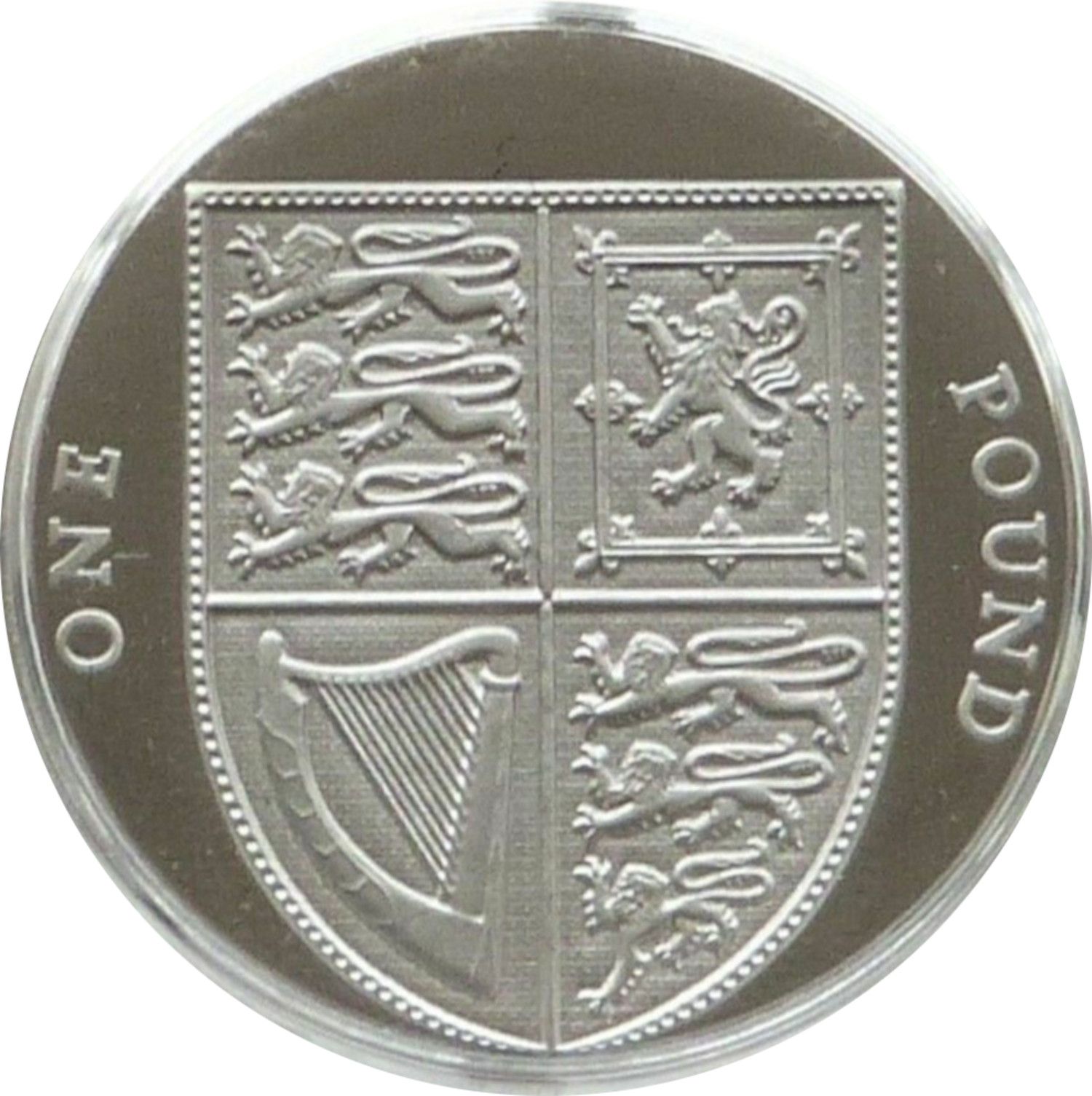
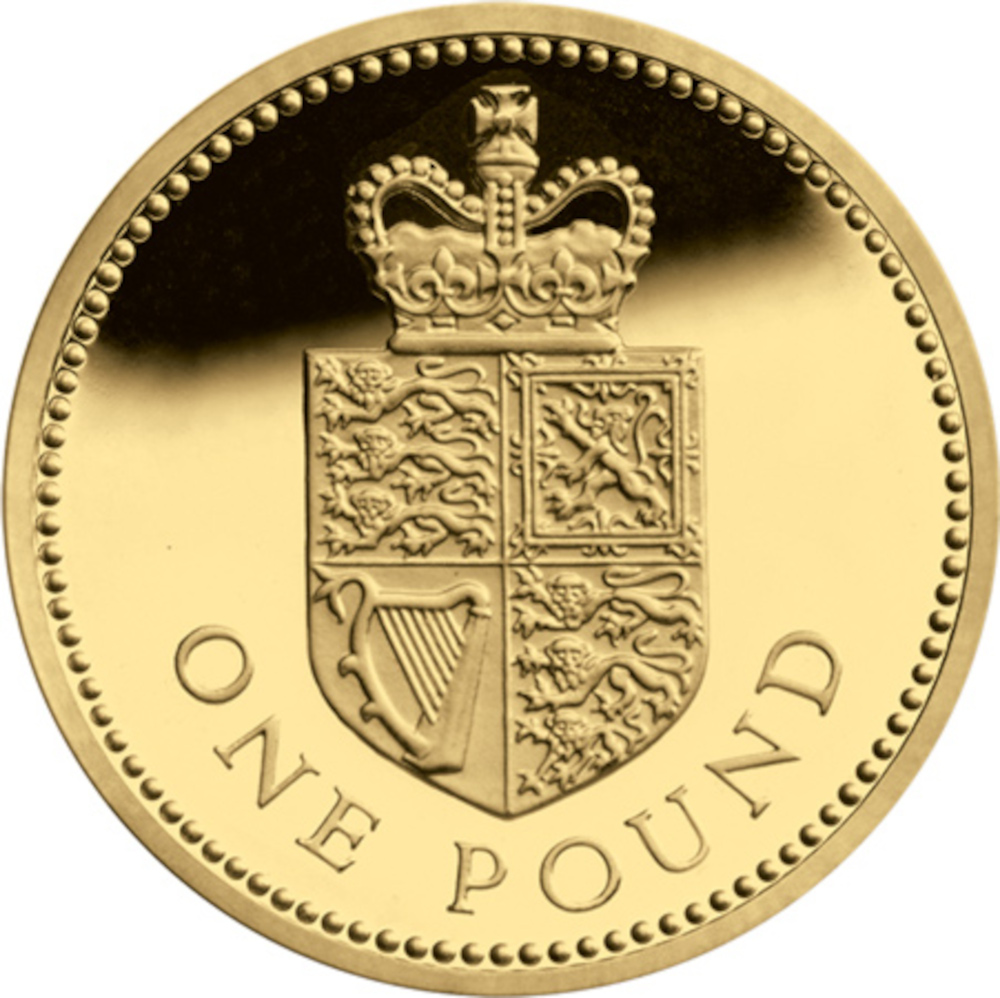
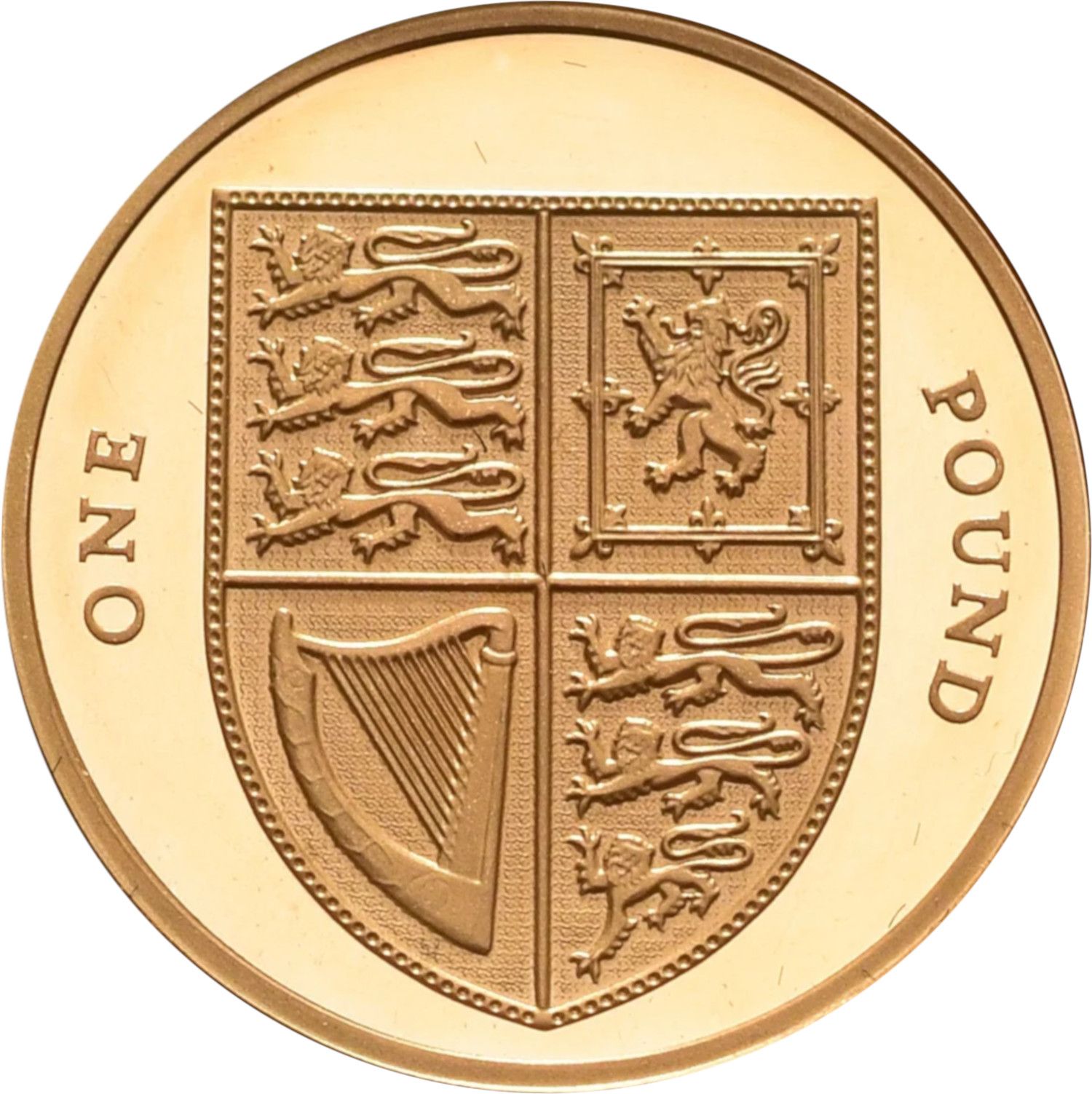
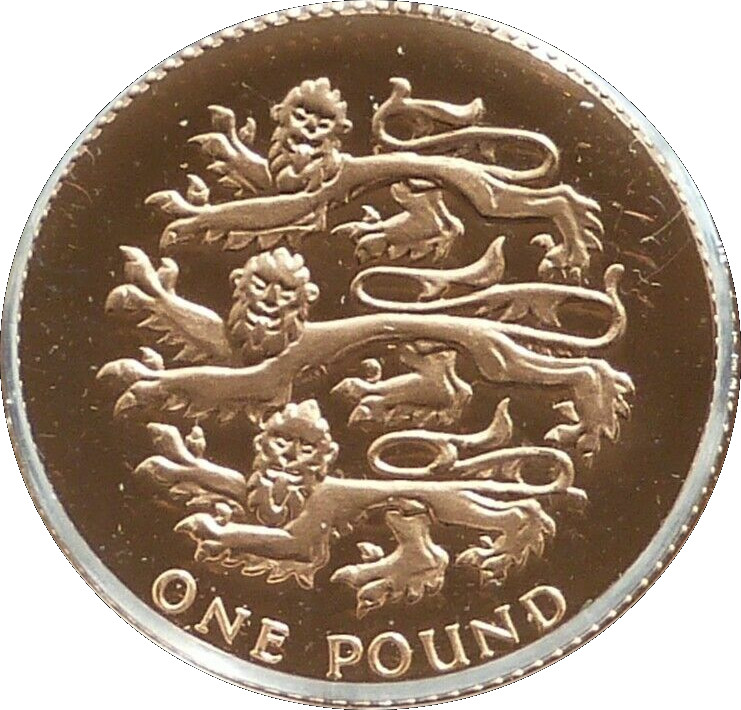
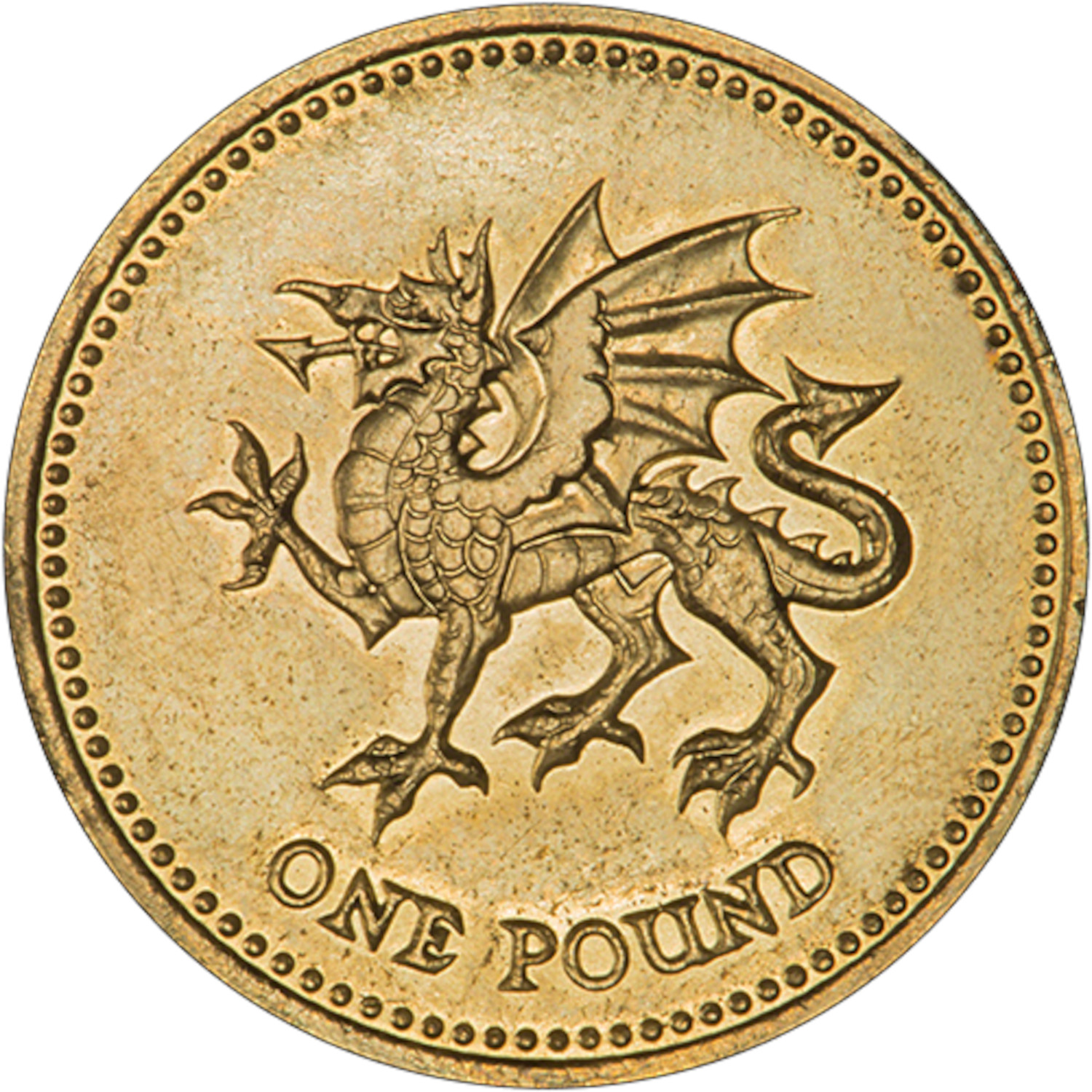
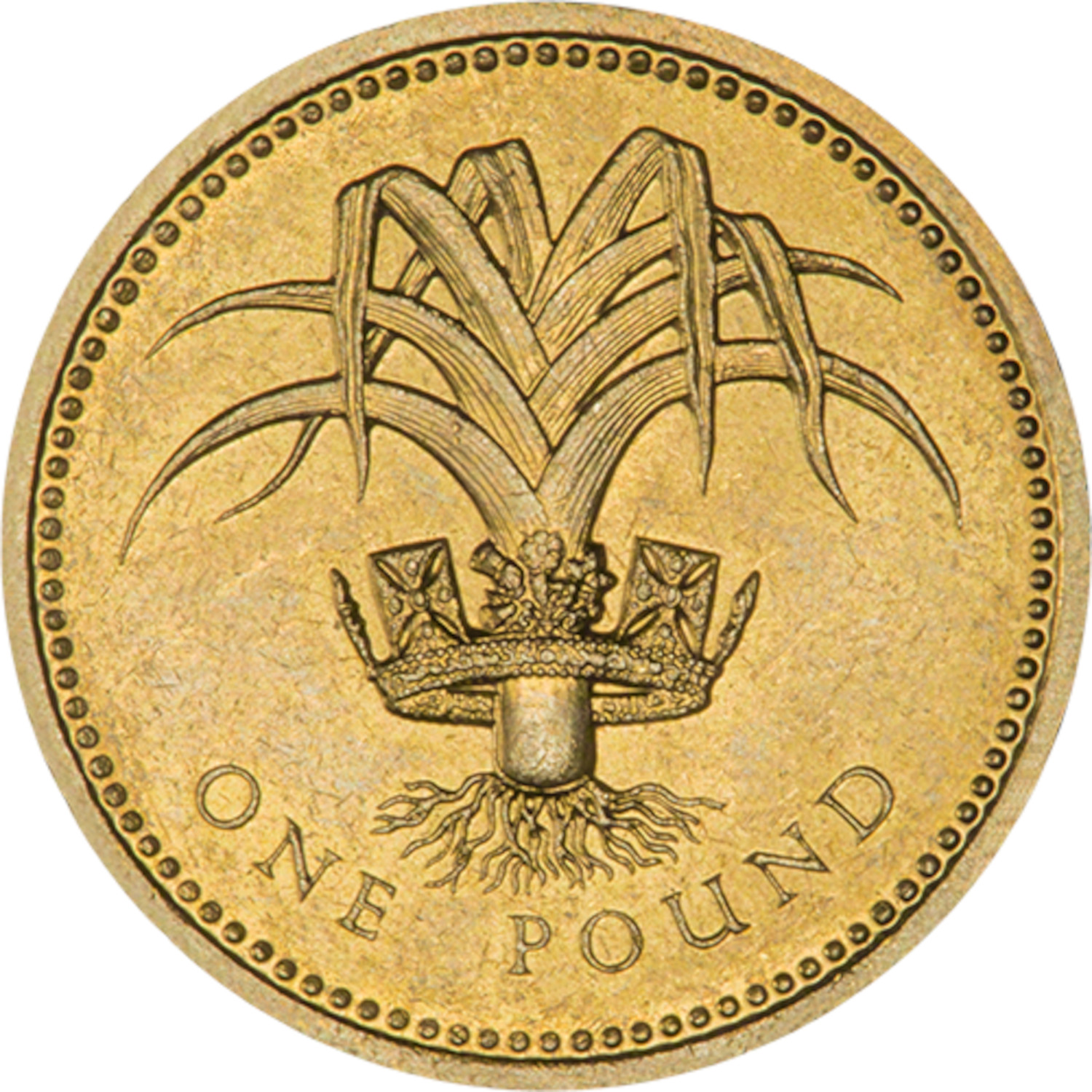
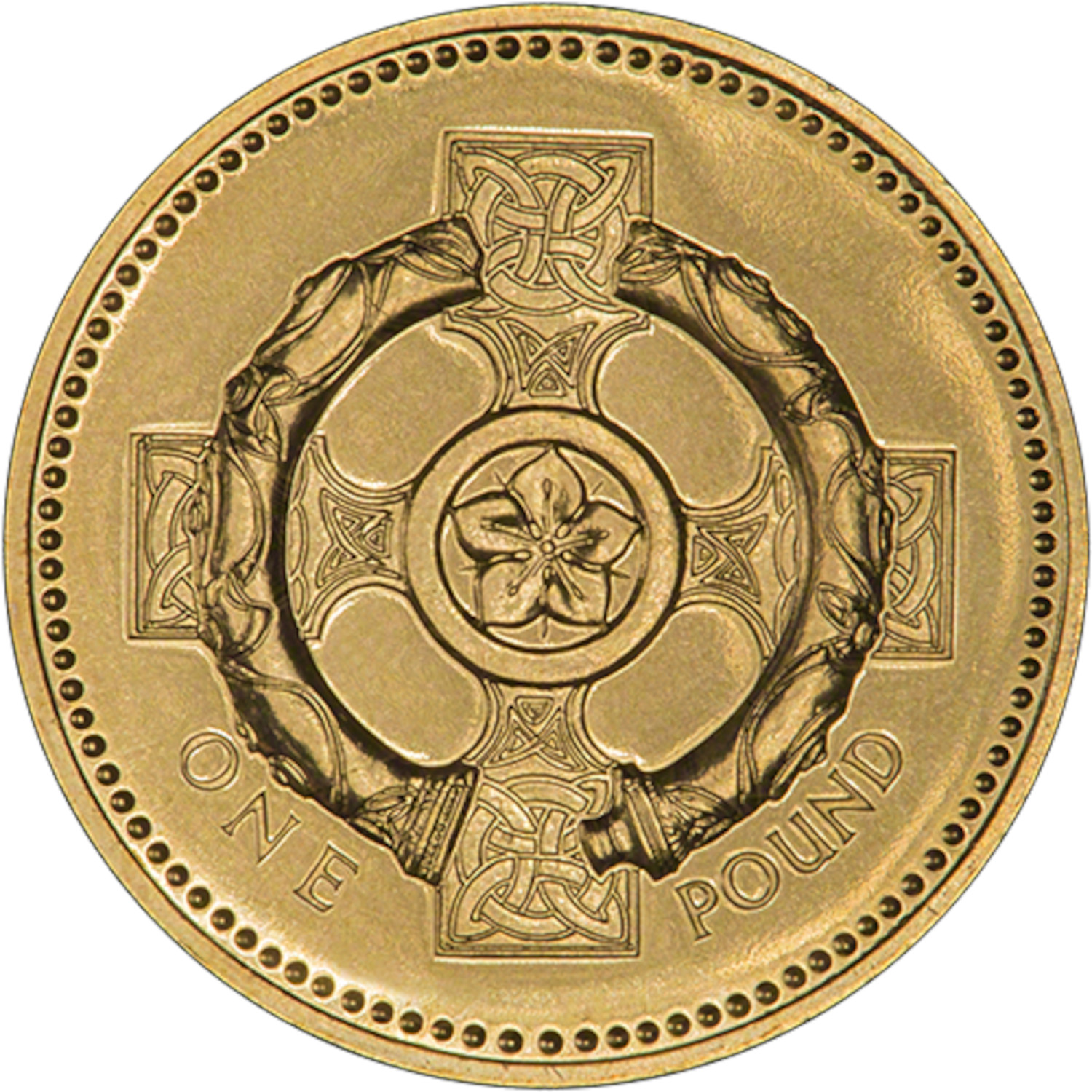
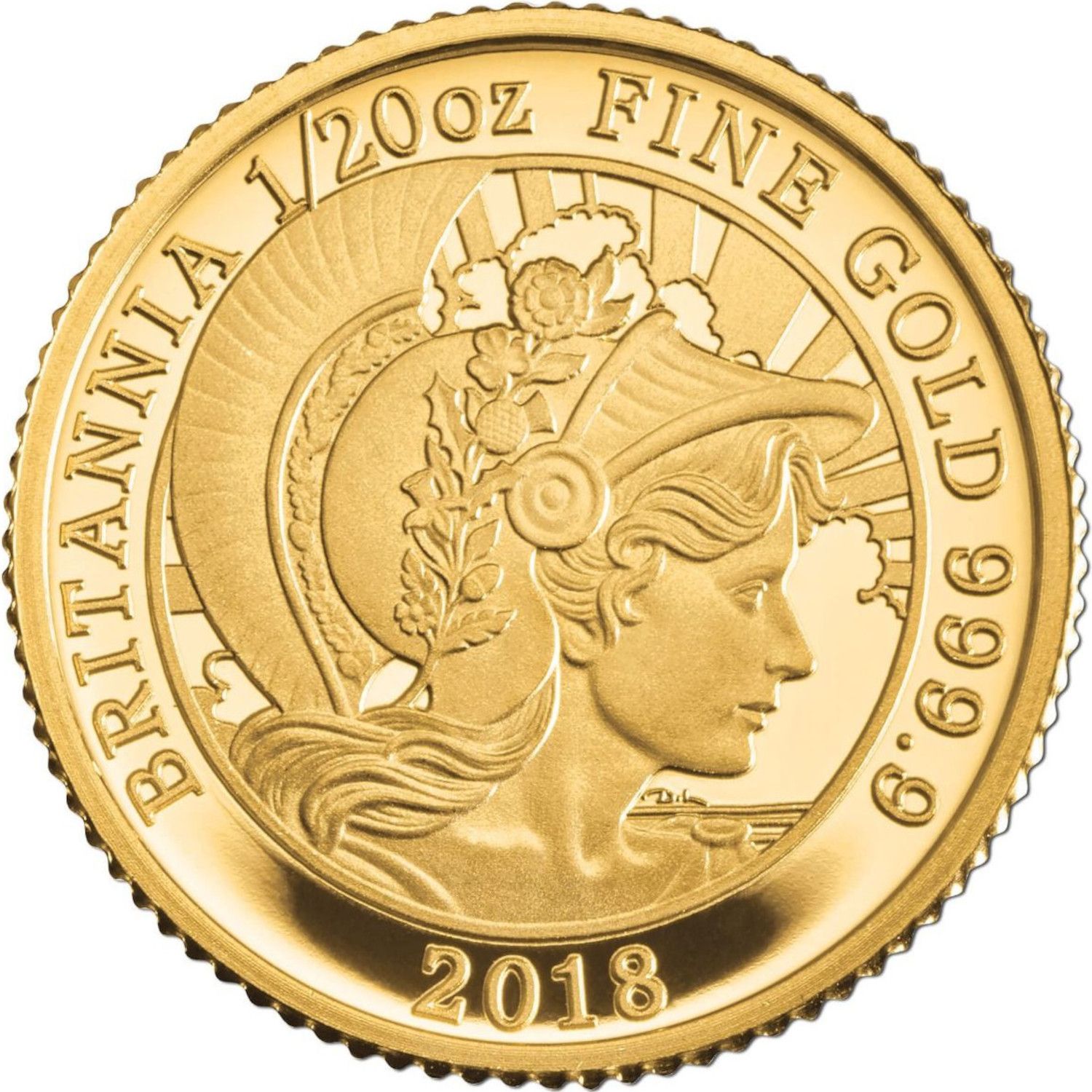
Browse every UK £1 coin in our database →
Frequently asked questions
Which £1 coins are worth money?
Can I still spend an old round £1 coin?
Which round £1 coin is the rarest?
Is the new 12-sided £1 coin made of gold?
How can I spot a fake £1 coin?
What is the 2016 trial 12-sided £1 worth?
What is the 2008 dateless £1 error?
How much is a 1983 £1 coin worth?
Why was the round £1 replaced?
Are Charles III £1 coins in circulation?
Where should I sell a rare £1 coin?
What is the "Pridd" Welsh inscription error?
Are there any scarce 12-sided £1 dates yet?
Further reading
- Bee £1 coin value, is the new King Charles £1 rare? (Spoiler: 10 million minted.)
- Are my old coins worth anything?, the 5-minute triage for a jar of old coins.
- Royal Mint: £1 coin design and specifications, first-party reference for both round and 12-sided coins.
- British Numismatic Society, the academic standard for UK coin scholarship.
- How to spot a fake £1 coin, photographic walkthrough for both designs.
- UK coin errors list, the full list of recognised UK error coins across all denominations.
- £2 coin values UK, the bimetallic £2 series in the same depth.
- Charles III coin guide, the new-reign series.