Halfpenny Values UK: Complete 1672–1969 Price Guide
The pre-decimal halfpenny had the longest continuous run of any modern British coin: 297 years from the milled coinage of Charles II in 1672 to withdrawal on 31 July 1969. Its design carried Britannia from 1672 until 1936 and Drake\'s ship the Golden Hind from 1937 to 1969. Most are common but mint-state red Victorian and Edwardian pieces, the 1839 proof, and certain 1860 transitional varieties carry meaningful premium.
Background
The halfpenny began as a hand-cut half of a silver penny in the 13th century and was first struck as its own milled coin under Charles II in 1672. The denomination ran continuously from then until 1969. From 1672 to 1860 it was struck in pure copper; from 1860 to 1969 in bronze (95% copper, 4% tin, 1% zinc). The transition to bronze halved the diameter from 28 mm to 25.4 mm while keeping the same weight, producing a thicker, more durable coin.
The halfpenny was never a high-value coin (it bought half a loaf of bread in late Victorian London), and survival rates are excellent. Inherited boxes of old British coins typically include dozens of halfpennies from the 1860s onwards. Most are common; the value lies in the small number of low-mintage years, the early Victorian proofs, and any example surviving in original mint-state red colour.
Copper halfpennies 1672–1860
Pre-1860 halfpennies were struck in pure copper. The series spans Charles II (1672-1675), James II (1685-1687), William and Mary (1689-1694), William III (1695-1701), Anne (1714 only), George I (1717-1724), George II (1729-1754), George III (1770-1775, 1799 "cartwheel" issue, 1806-1807), George IV (1825-1827), William IV (1831-1837) and Victoria Young Head (1838-1860).
| Reign | Years | Notes | VF realised range |
|---|---|---|---|
| Charles II | 1672-1675 | First milled halfpenny; tin-issue 1685 | £30, £200 |
| William and Mary | 1689-1694 | Joint monarchs reverse | £25, £180 |
| Queen Anne | 1714 only | Pattern only; very rare | £500, £3,000 |
| George I | 1717-1724 | "Dump" and "regular" varieties | £20, £120 |
| George II | 1729-1754 | Young and old head | £10, £80 |
| George III "cartwheel" | 1799 | Boulton-Watt steam-pressed; striking design | £15, £100 |
| George IV | 1825-1827 | Laureate head | £15, £80 |
| William IV | 1831-1837 | Short reign; scarce in higher grades | £15, £100 |
| Victoria Young Head copper | 1838-1860 | Final copper era | £5, £40 |
The 1839 proof halfpenny
The 1839 halfpenny was struck in proof only, as part of a special set issued for the new Victorian coinage. No business strikes were issued. Mintage estimates suggest fewer than 2,000 proofs were struck and survival is much lower. The 1839 proof is one of the famous early Victorian rarities and trades at £800-3,000 in collectable proof grades, £3,000-8,000 in top FDC condition.
The 1860 transitional issue
1860 was the year of transition from copper to bronze. The Royal Mint ran out of usable copper halfpenny dies partway through the year and switched to bronze blanks; the result is a small number of "mule" coins where the obverse and reverse are mismatched between the two design types. The recognised 1860 varieties are:
- 1860 copper. Final pure copper halfpenny strikes. Trades at £15-80.
- 1860 bronze, beaded border. First bronze halfpenny type. Common.
- 1860 bronze, toothed border. Replaced beaded later in the year. Common.
- 1860 mule (toothed obverse / beaded reverse). Scarce die-pairing error. Trades at £200-800.
Bronze Victorian halfpennies 1860–1901
| Date | Mintage | Notes | VF realised |
|---|---|---|---|
| 1860 | included with 1860 | Beaded / toothed varieties | £5, £30 |
| 1869 | 3,225,600 | Lower-mintage Victorian | £25, £100 |
| 1871 | 2,150,400 | Lowest-mintage Young Head bronze | £40, £180 |
| 1881-H | included with 1881 total | Heaton Mint variety | £15, £60 |
| 1887 | 3,675,000 | Jubilee Head first year | £10, £30 |
| 1895 | 3,062,400 | Old Head first year | £10, £35 |
| 1901 | 13,180,800 | Final Victorian halfpenny | £3, £15 |
Edward VII halfpennies 1902–1910
Edwardian halfpennies are common dates, mostly trading at £3-15 in collectable grades. The 1902 "low-tide" variety, where Britannia\'s feet appear lower in the water than the standard issue, is a sub-variety of the 1902 halfpenny that commands a small premium when correctly identified.
George V halfpennies 1911–1936
The 1925 modified-effigy variety (a slight redesign of the king\'s portrait introduced partway through 1925) is a key year. The 1923 has a low mintage and is the scarcest pre-1925 George V halfpenny. From 1928 onwards halfpenny mintages were huge, often over 50 million per year, and common-date George V halfpennies are pence coins.
| Date | Mintage | Notes | VF realised |
|---|---|---|---|
| 1911 | 12,570,000 | First year George V | £3, £12 |
| 1923 | 21,124,800 | Low for type, scarce in mint state | £6, £25 |
| 1925 modified effigy | included in 1925 | Modified effigy variety | £5, £20 |
| 1936 | 23,008,800 | Final George V | £2, £8 |
George VI and Elizabeth II: the Drake\'s Ship reverse
From 1937, the halfpenny adopted a new reverse design by Thomas Humphrey Paget, showing Sir Francis Drake\'s ship the Golden Hind under sail with the date below. The Drake ship is one of the most attractive small-coin designs of the 20th century. The reverse continued through both George VI (1937-1952) and Elizabeth II (1953-1969). The 1953 first-year Elizabethan issue is the most-collected single date.
| Date | Notes | VF realised |
|---|---|---|
| 1937 | First year Drake ship reverse | £1, £5 |
| 1944-1945 | Wartime issues, lower-grade strike quality | £1, £5 |
| 1952 | Final George VI | £2, £8 |
| 1953 | First year Elizabeth II; coronation issue | £3, £15 |
| 1967 | Last year of struck pre-decimal halfpenny | £1, £3 |
| 1969 | Demonetisation year (proof set only) | £5, £20 |
Featured halfpennies on MyCoinage
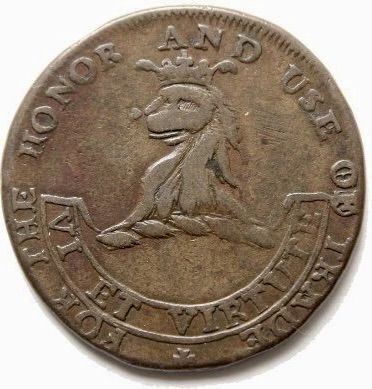
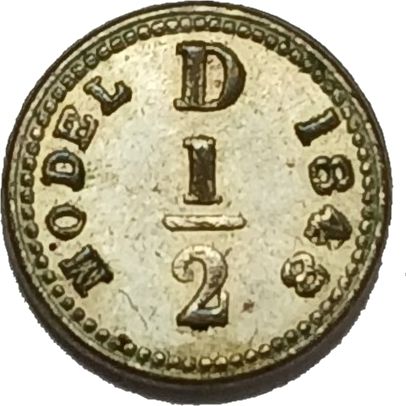
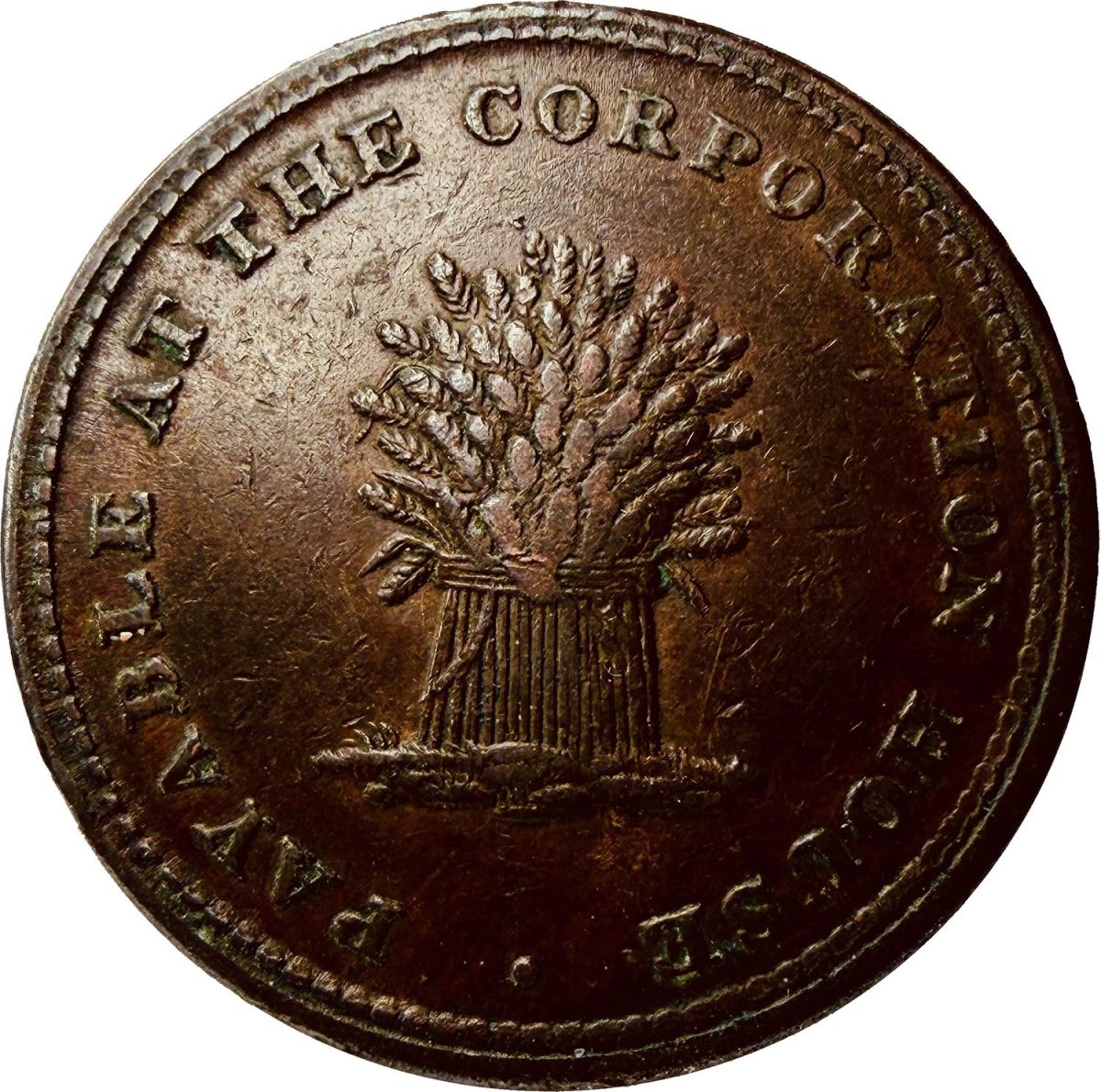
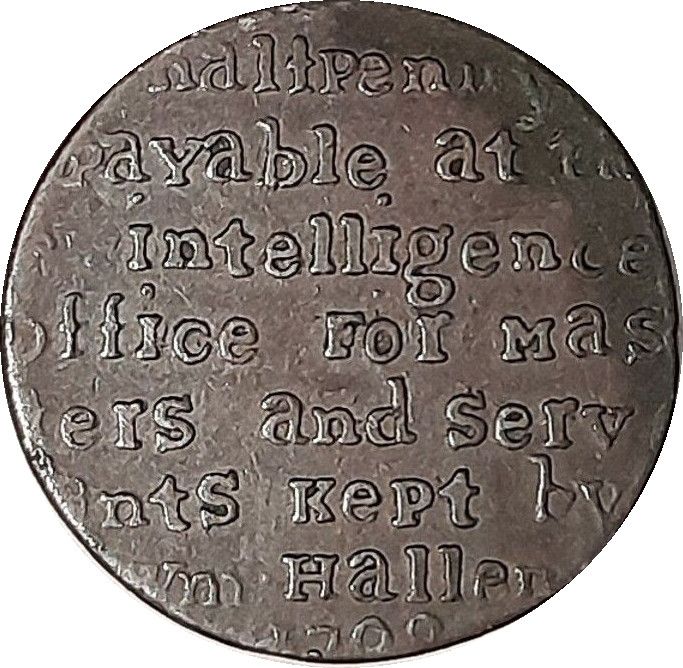
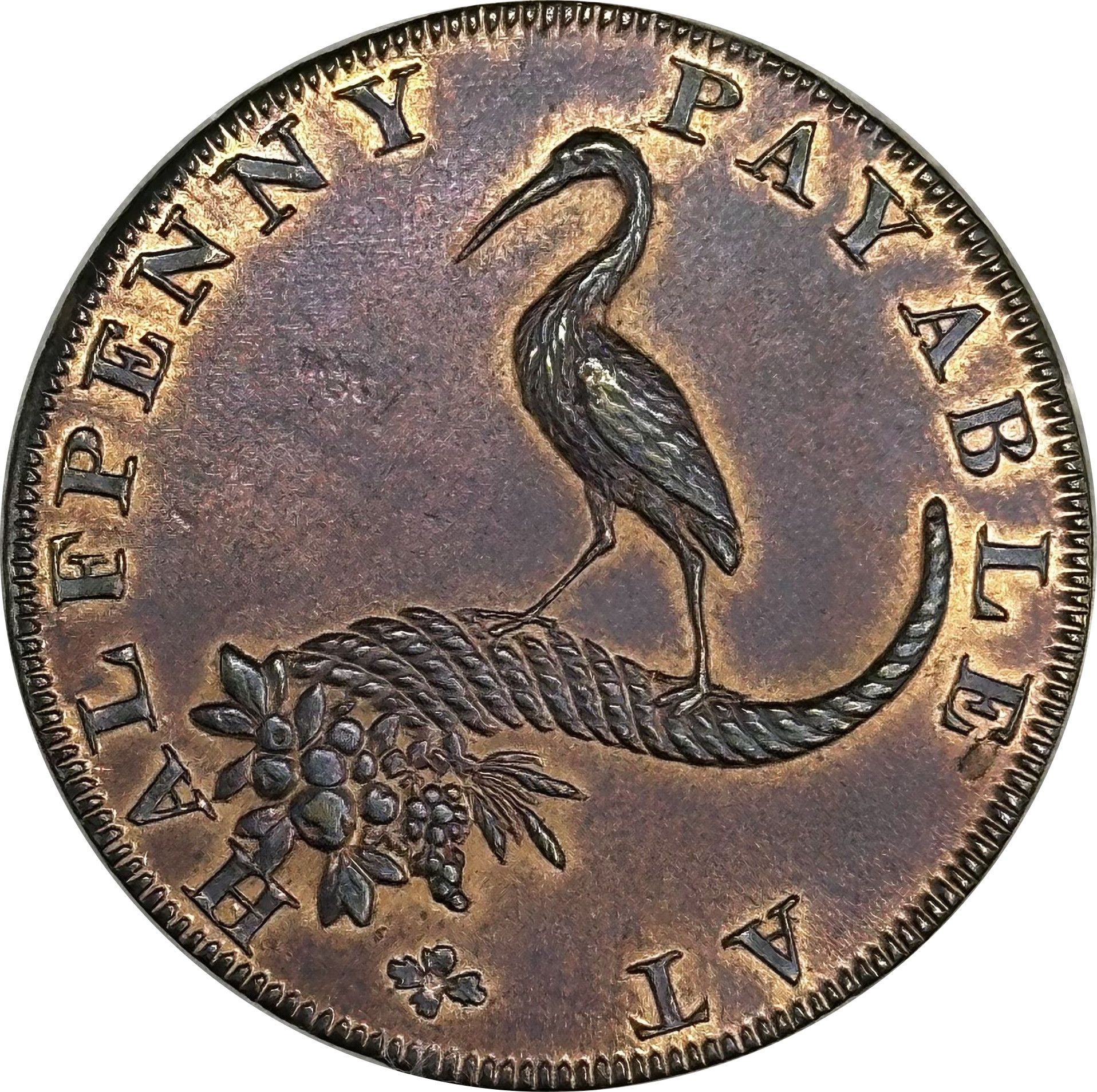
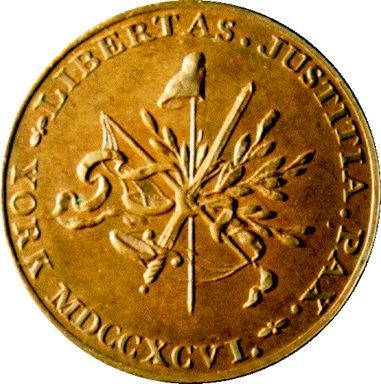
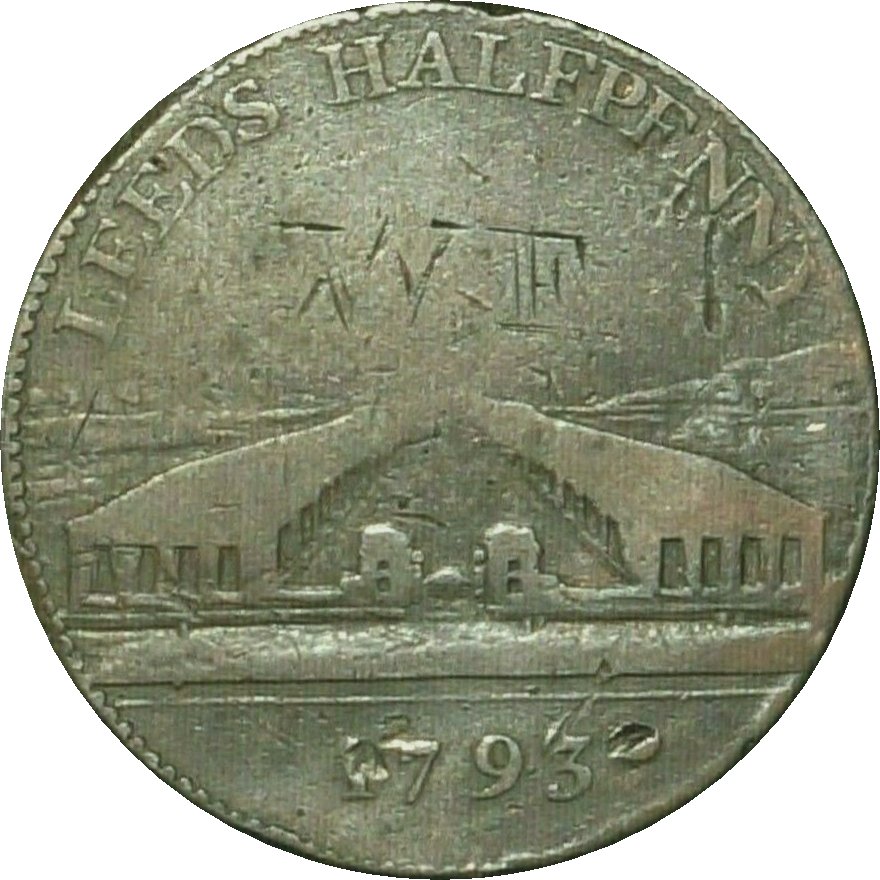
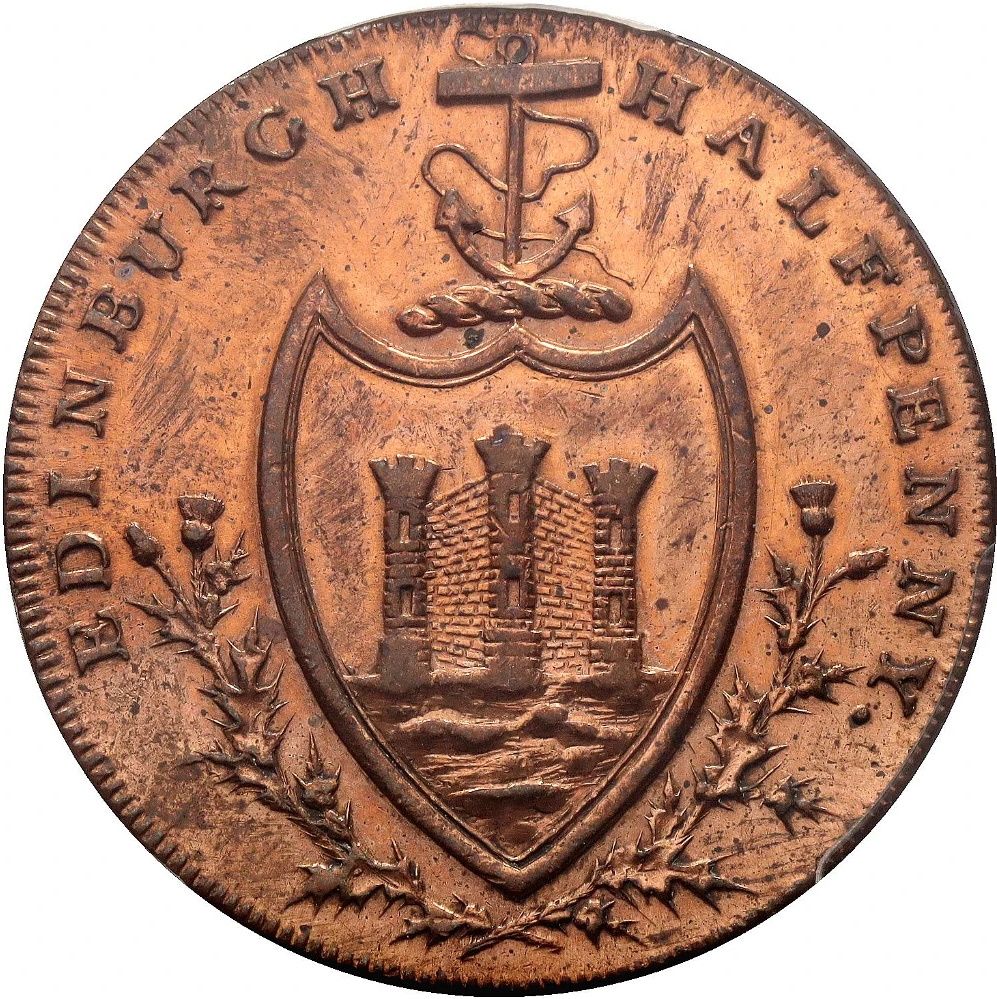
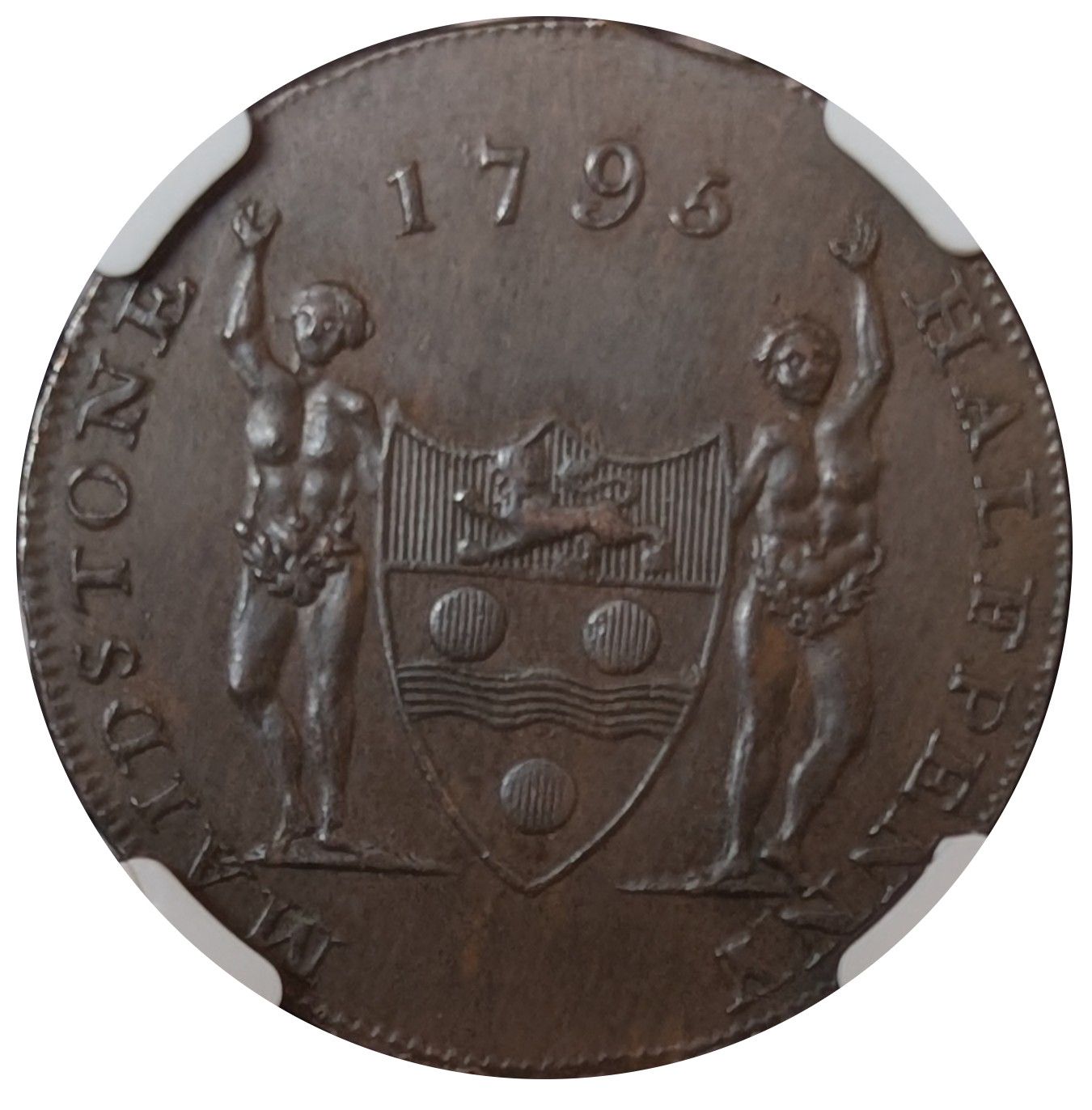
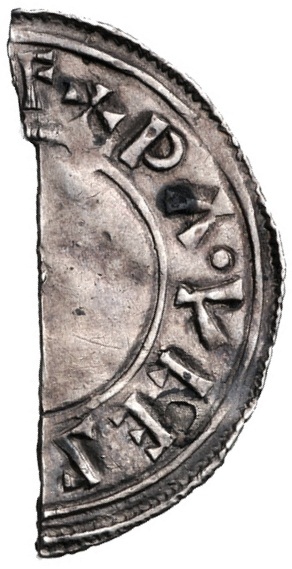
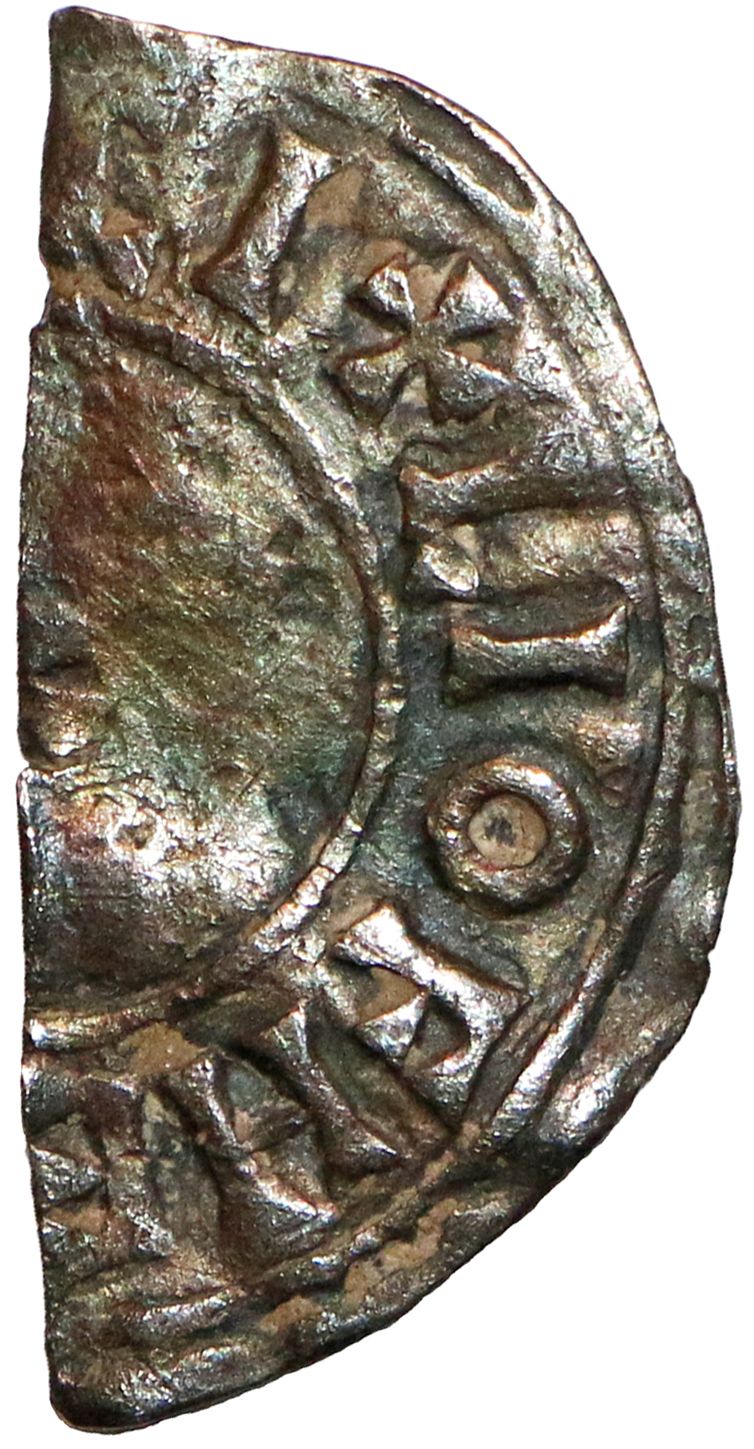
Browse every halfpenny in our database →
Grading bronze halfpennies
Bronze grades carefully because the colour shifts in three stages: original mint red (RD), red-brown (RB) and brown (BN). A coin certified MS-65 RD by PCGS or NGC is far more valuable than the same coin in MS-65 BN. Avoid any temptation to clean: harsh cleaning destroys the patina permanently and drops the coin to "details" grade in any third-party slab. Read our how to grade a coin guide for the full Sheldon scale and the UK Fine/VF/EF/UNC/FDC equivalents.
Related guides
- Pre-decimal coins UK: complete guide
- Farthing values UK, the smaller bronze sister
- Threepence values UK
- 1933 Penny value, the famous bronze rarity
- Where to sell rare coins UK
- How to grade a coin
- Coin collecting glossary
External references
- The Royal Mint
- British Numismatic Society, pre-decimal authority site.
- Spink Standard Catalogue of British Coins
- Baldwin\'s of St James\'s
- Noonans Mayfair
- eBay UK halfpenny category
Buying halfpennies on eBay
The links below open eBay UK searches; if you buy through them, MyCoinage earns a small commission at no cost to you.
Most pre-decimal halfpennies trade for £1-3 in collectable grade. The serious money sits in the 1860 Bun head varieties (toothed vs beaded border), the 1933 sub-rarity, and the Victorian Conder-style commercial halfpenny tokens of 1787-1797. The links below pre-filter eBay UK to the dates and varieties most worth chasing.
Victoria Bun head halfpenny ↗ 1860 toothed/beaded varieties (sold) ↗ George III halfpenny ↗ Conder token halfpennies (sold) ↗ George VI halfpenny ↗ Elizabeth II halfpenny ↗ Slabbed halfpenny (sold) ↗ Halfpenny date-run lots ↗