The free UK coin checker
that actually works.
The fastest way to identify a British coin: type what you know, answer four short questions, or measure a worn coin, matched against 7,000+ catalogued UK coins with realised sale values on every match. Built for beginners, detectorists and inherited-collection hunters.
Why identifying a British coin properly matters
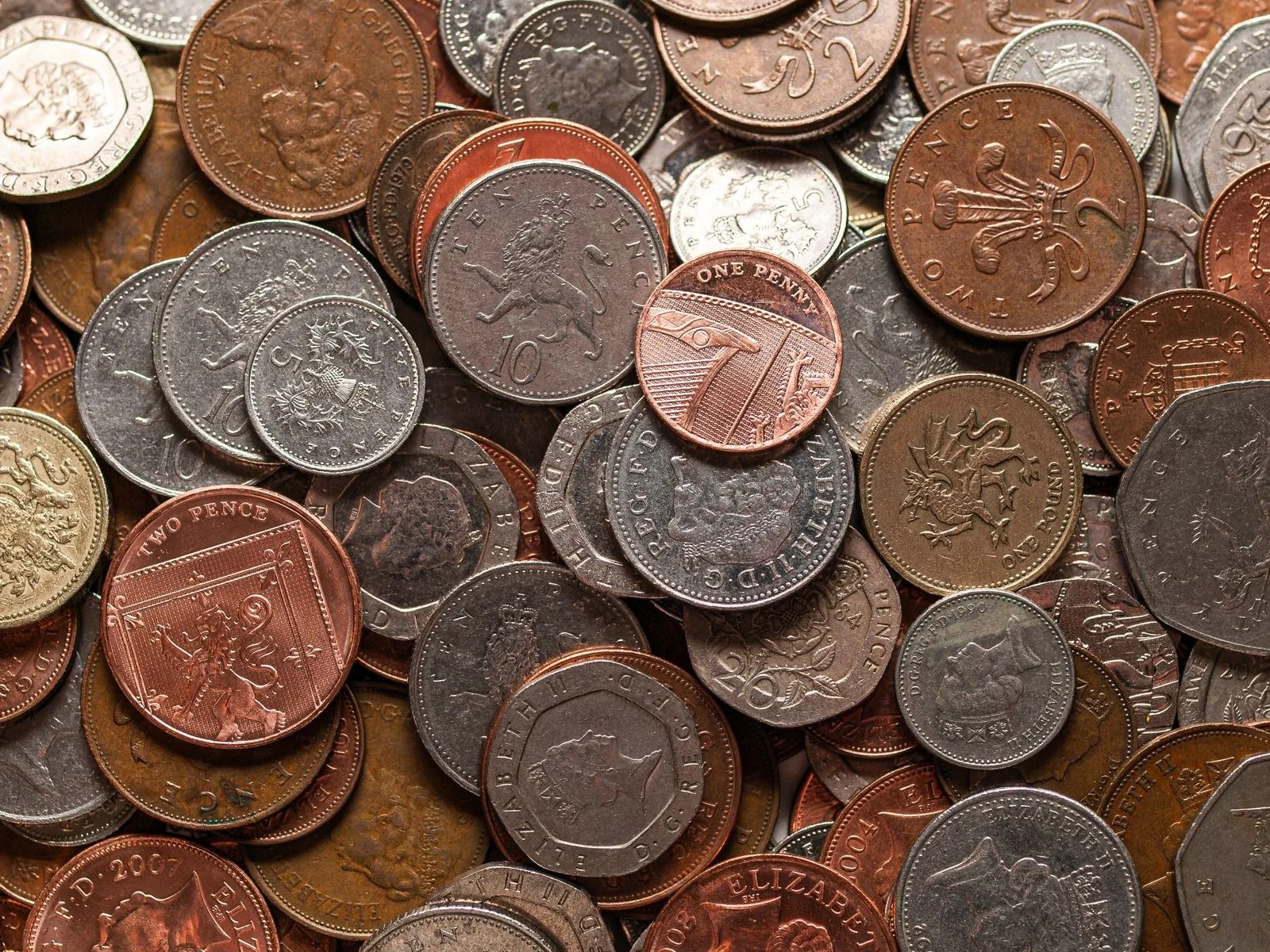
An unidentified coin is an unvalued coin. Get the year or monarch wrong and you might assume a penny is worth 2p when it is worth £200. The Royal Mint alone has struck dozens of distinct penny designs since 1800, many almost indistinguishable at a glance to a new collector. Getting identification right up front saves you from two avoidable mistakes:
- Selling a rarity for face value. A worn 1933 penny looks no different from a 1932 or 1934 penny, yet the 1933 is one of the most valuable modern British coins ever struck.
- Paying too much for a common piece. Victorian “bun head” pennies span 1860 to 1894. Most years are abundant; a handful are scarce. Identifying the specific year and variety tells you which.
The three routes below are the same ones a dealer uses when you hand them a coin over a counter: read it, measure it, or recognise it. Most coins land on their catalogue page in under a minute.
Three ways to identify a UK coin
Answer four questions
The portrait tells you the monarch and era: Victoria, Edward VII, George V, George VI, Elizabeth II, Charles III, or earlier reigns and hammered coins. Then the denomination on the reverse (ONE PENNY, SIXPENCE, FIFTY PENCE), the year under the bust, and the finish. Start the questions.
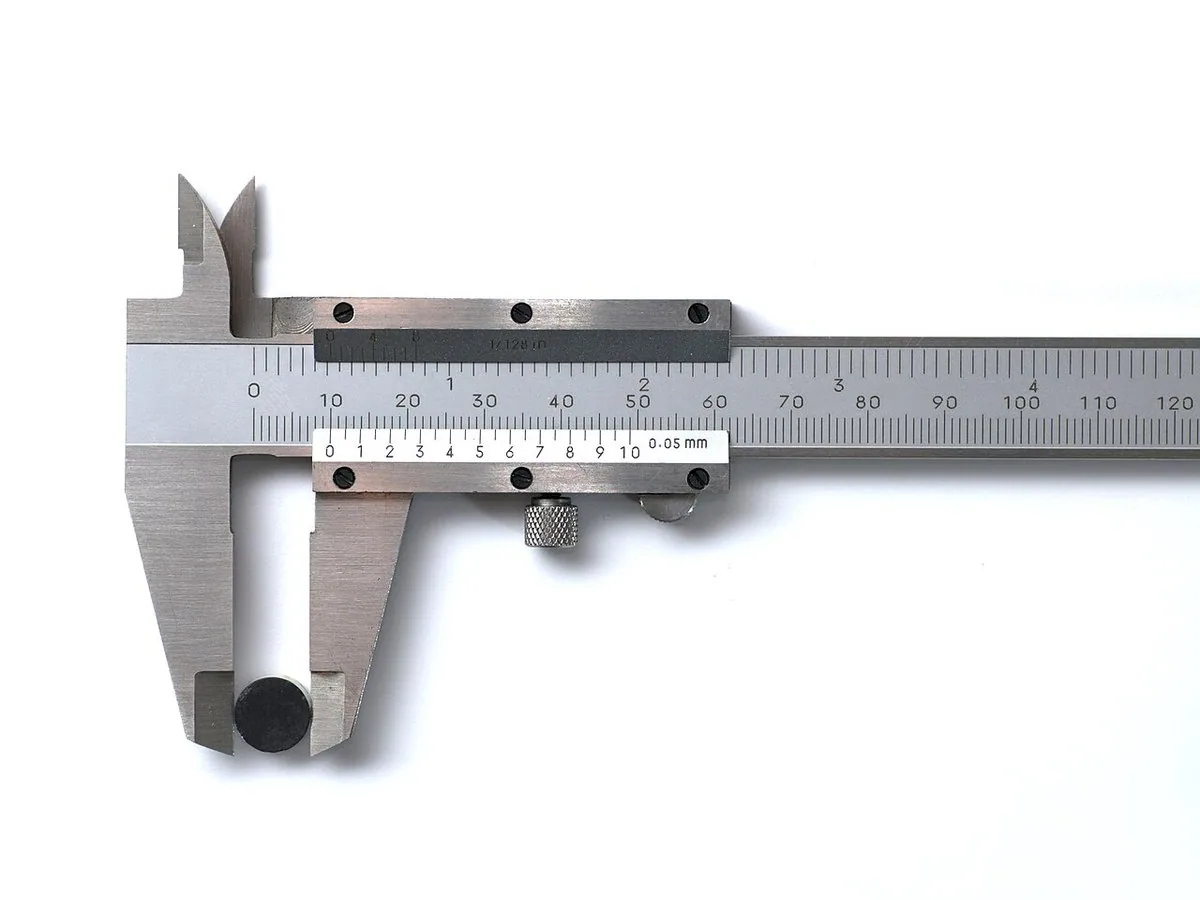
Measure a worn coin
Diameter with a ruler or calipers (50p: 27.3mm; £2: 28.4mm; florin: 28.5mm; half crown: 32.3mm), weight on kitchen scales, then the shape and colour. The catalogue is ranked by closeness, so a smooth, dateless coin still narrows to a few candidates. Measure it.
Type what you know
A year and a denomination, a design or a nickname, in any order: "1971 2p", "kew gardens 50p", "1887 shilling". Use the box at the top of this page or the text tab.
Whichever route you take, every match links to the coin’s page, complete with realised sales, 90-day average and the all-time range at every grade. Circulation strikes are shown first; the proofs and finishes of the same coin sit underneath. Coins from Jersey, Guernsey, the Isle of Man, Gibraltar, the territories and Ireland are a switch away.
Portrait reference: British monarchs on coins
The portrait is the single biggest identification clue. Here is a quick reference for the modern monarchs you are most likely to encounter, in approximate chronological order:
- Victoria (1837 to 1901): three main portraits. The “young head” (1838 to 1887), the “Jubilee head” (1887 to 1893, crowned), and the “veiled head” (1893 to 1901, older, veiled).
- Edward VII (1902 to 1910): bald, full beard, short reign. Easy to distinguish from his father Victoria and his son George V.
- George V (1911 to 1936): pointed beard, military moustache. The pre-1947 silver issues are sterling or 50%.
- George VI (1937 to 1952): clean-shaven, younger-looking than his father. The 1937 to 1946 silver is 50%; 1947 onwards is cupro-nickel.
- Elizabeth II (1953 to 2022): five distinct portraits by Gillick, Machin, Maklouf, Rank-Broadley and Jody Clark. The portrait narrows the year range to a specific decade.
- Charles III (2022 onwards): left-facing portrait by Martin Jennings, reversing the left-right alternation convention.
Earlier monarchs (Charles II, Anne, George I-IV, William IV) show up on hammered and early milled coins and require a more specialist reference; the British Museum collection is the gold-standard comparison library for those.
What makes MyCoinage a good coin identifier
UK coin identifier vs the alternatives
A few other routes exist for identifying a coin in hand. None of them combine identification with a live value in one step quite like a purpose-built numismatic catalogue.
| Method | MyCoinage | Google image search | Generic coin-ID app | Royal Mint website | Ask a dealer |
|---|---|---|---|---|---|
| UK coin coverage | Deep, primary focus | Hit or miss | Usually US-biased | Modern issues only | Deep (if specialist) |
| Live value shown | Realised sales | No | Estimates at best | Retail price of new issues | Buying price |
| Pre-decimal coins | Yes | Hit or miss | Rarely | No | Yes |
| Cost | Free | Free | Often paid | Free | Time and travel |
| Depth (mintmark, variety, error) | Detailed | Surface only | Shallow | None | Expert |
| Available 24/7 | Yes | Yes | Yes | Yes | Shop hours |
After you identify, what next?
Identification is step one. The interesting bit comes afterwards:
- Grade it. The grading guide walks through Fine, Very Fine, Extremely Fine, About Uncirculated, Uncirculated, Brilliant Uncirculated and Proof with photographs and examples.
- Value it. The catalogue page for your coin shows realised sales at each grade, so you know what your specific condition is worth. The how to value a UK coin guide takes you through it in five steps.
- Save it. A free account lets you add the coin to a private collection with its grade, purchase price and photographs.
- Decide what to do with it. Keep, sell, upgrade, or consign to auction. The where to sell rare coins UK guide covers the practical options.
For very old hammered coins, very worn finds, or anything you suspect of archaeological importance, the British Museum’s Portable Antiquities Scheme should be your next stop before valuation.
UK coin identifier FAQ
How do I identify a UK coin I have found?
How do I tell if my 50p is rare?
What UK coins are silver?
What is my grandfather's coin worth?
Can I use Google image search to identify a UK coin?
What is the difference between a coin identifier and a coin valuer?
Do I need an account to use the UK coin identifier?
How do I identify a worn UK coin where the year is unreadable?
Are there rare UK coins still in circulation?
Can a metal detectorist use this identifier?
Related reading
- Coin Collection App: save the coins you identify to a free browser-based inventory.
- Coin Price Tracker: follow realised-sale values after identification.
- Physical Coin Tracker: catalogue the coins you own, with insurance export.
- Coin Grading Guide: grade the coin you have just identified.
- Browse the catalogue: search every coin the site knows about.
- About MyCoinage: methodology, editor, sources.
Identify, grade, value, track. All in one place.
Identification is free. Tracking is free up to 25 coins. No card, no install.