Are My Old Coins Worth Anything? A UK Identifier Guide (2026)
Quick answer: most old coins in a jar or inherited box are worth between 10p and £5 each, but roughly one in every fifty hides a coin worth £50 to £100,000+. This guide walks through the exact decision tree numismatists use to separate the dross from the treasure, covering UK coins from 1797 onward.
The four-step decision tree
Every professional numismatist uses the same mental checklist when a stranger tips a bag of coins onto their counter. It takes about ten seconds per coin.
Step 1: Date
The date is the single most useful data point. Three cut-off years do most of the work:
- UK, 1919 or earlier. Sixpences, shillings, florins, half-crowns and crowns minted in or before 1919 contain 92.5% sterling silver. They are worth at least their bullion value (£3–£25+ per coin at 2026 silver prices).
- UK, 1920 to 1946. Same denominations but debased to 50% silver, half the silver content, still substantially above face value at current spot.
- UK, 1947 onward. Cupronickel, no silver content at all (except later commemorative silver proofs).
- UK copper, pre-1860. Large copper pennies, halfpennies and farthings (1797–1860) are heavier and older than the bronze replacements. Even worn examples fetch £2–£10.
Step 2: Denomination and design
Identify the denomination (written on the coin) and the reverse design. Our UK coin identifier walks through this in five steps if you'd rather work from a live tool than a list. On UK coins, look for:
- Britannia on the reverse → pre-decimal penny, halfpenny or farthing
- Three plumes / shield of arms → crown or half-crown
- Thistle, harp, rose, leek → post-2008 "shield" designs on £1, 50p, 20p, 10p, 5p, 2p, 1p
- Dated but no design → possible 2008 undated 20p mule (check our 20p guide)
Step 3: Key markers (mint marks, errors, monograms)
Small details transform ordinary coins into five-figure rarities. Look specifically for:
- UK mint marks: an "H" or "KN" under the date on a penny means Heaton or King's Norton mint. The 1918H, 1919H, 1918KN and 1919KN pennies are all worth £30–£400.
- Doubling, missing letters, wrong-year inscriptions: the 1983 "New Pence" 2p, the 2008 undated 20p, the 1971 first-year decimal patterns. All minting errors. See our UK coin errors list.
- Branch-mint sovereigns: a small letter under the St George dragon (S Sydney, M Melbourne, P Perth, I Bombay, SA Pretoria, C Ottawa) marks a branch-mint sovereign that commands 5–400% premium over a London-struck equivalent of the same date.
Step 4: Condition
Condition is the multiplier. A common Victorian penny is 50p in worn grade and £80 in mint red. The same physical coin can vary in realised price by 10× to 200× depending solely on wear. Use our grading guide to estimate grade.
UK old coins: key dates and markers
Pre-decimal pennies (1860–1967)
| Year / type | Why notable | Typical value |
|---|---|---|
| 1860 Bun Head | First bronze penny, transitional types | £8 – £80 |
| 1869 | Low mintage (2,580,000) | £200 – £1,000 |
| 1882 (no H) | Heaton strike missing mint mark | £400 – £1,500 |
| 1918H / 1919H | Heaton mint, Birmingham | £30 – £250 |
| 1918KN / 1919KN | King's Norton mint, Birmingham | £40 – £400 |
| 1926 Modified Effigy | Rare variant of George V portrait | £80 – £600 |
| 1933 | Fewer than 10 known; Britain's most famous rarity | £72,000 – £150,000 |
| 1954 | Pattern only, not a circulation coin | £40,000+ |
| All other dates 1860–1967 | Common in circulated grade | 5p – £3 |
Silver coins (pre-1947)
Britain debased silver twice. Before 1920, coins were 92.5% sterling silver. From 1920 to 1946 they were 50% silver. From 1947 onward, cupro-nickel (no silver at all). To estimate minimum bullion value:
- Sixpence (1816–1946): 2.83g total. Pre-1920 = ~2.6g silver. 1920–46 = ~1.4g silver. Bullion floor: £1–£3.
- Shilling (1816–1946): 5.66g total. Bullion floor: £2–£6.
- Florin / two shillings: 11.3g total. Bullion floor: £4–£12.
- Half-crown: 14.14g total. Bullion floor: £5–£15.
- Crown (5s): 28.28g total. Bullion floor: £10–£30. Collector premium usually much higher.
Gold sovereigns
Every gold sovereign (1817 onward) contains 7.32g of 22-carat gold, giving a bullion floor of around £500 at spot in 2026. Premiums rise steeply for rare dates: an 1819 sovereign is £50,000+, a Victorian "shield" reverse 1871–1887 is £550–£800, and Edwardian and early George V sovereigns are usually £500–£600. See our full sovereign values guide.
Modern circulating finds (post-1971)
Not technically "old" but worth checking because people still ask. The big five:
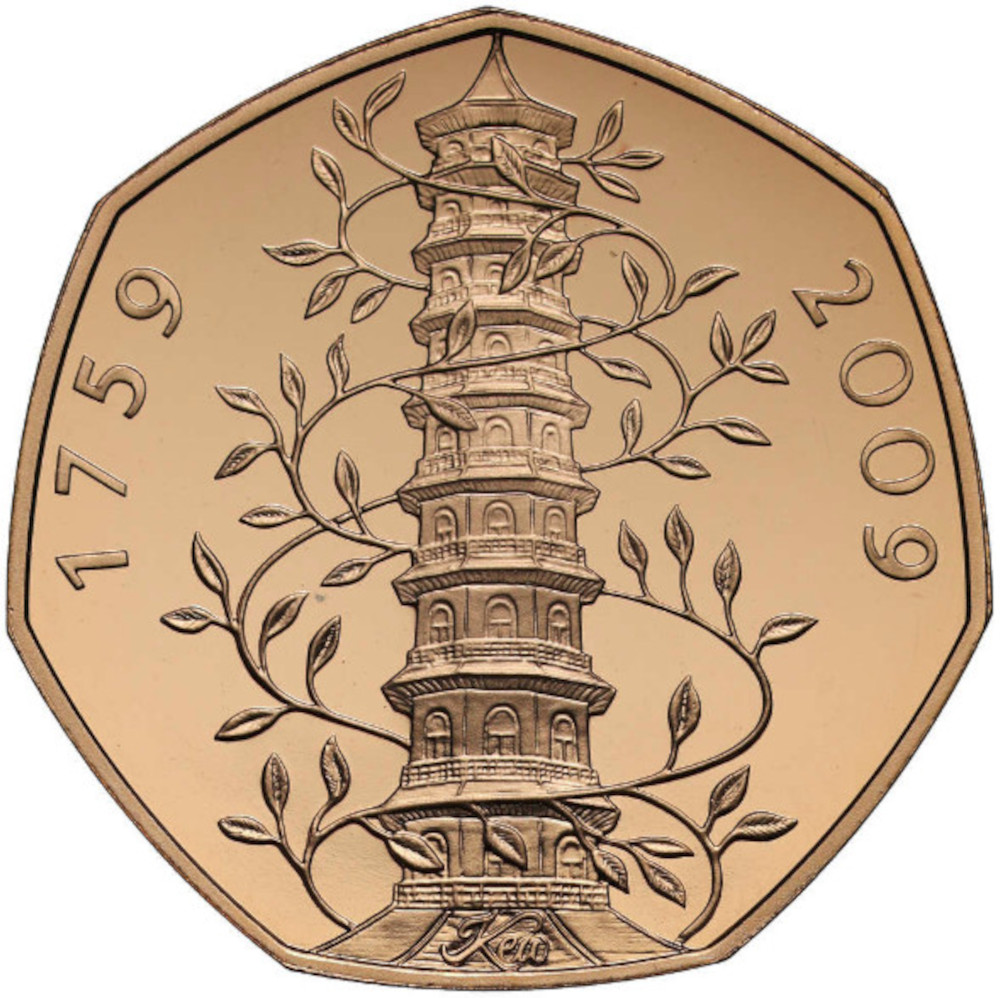
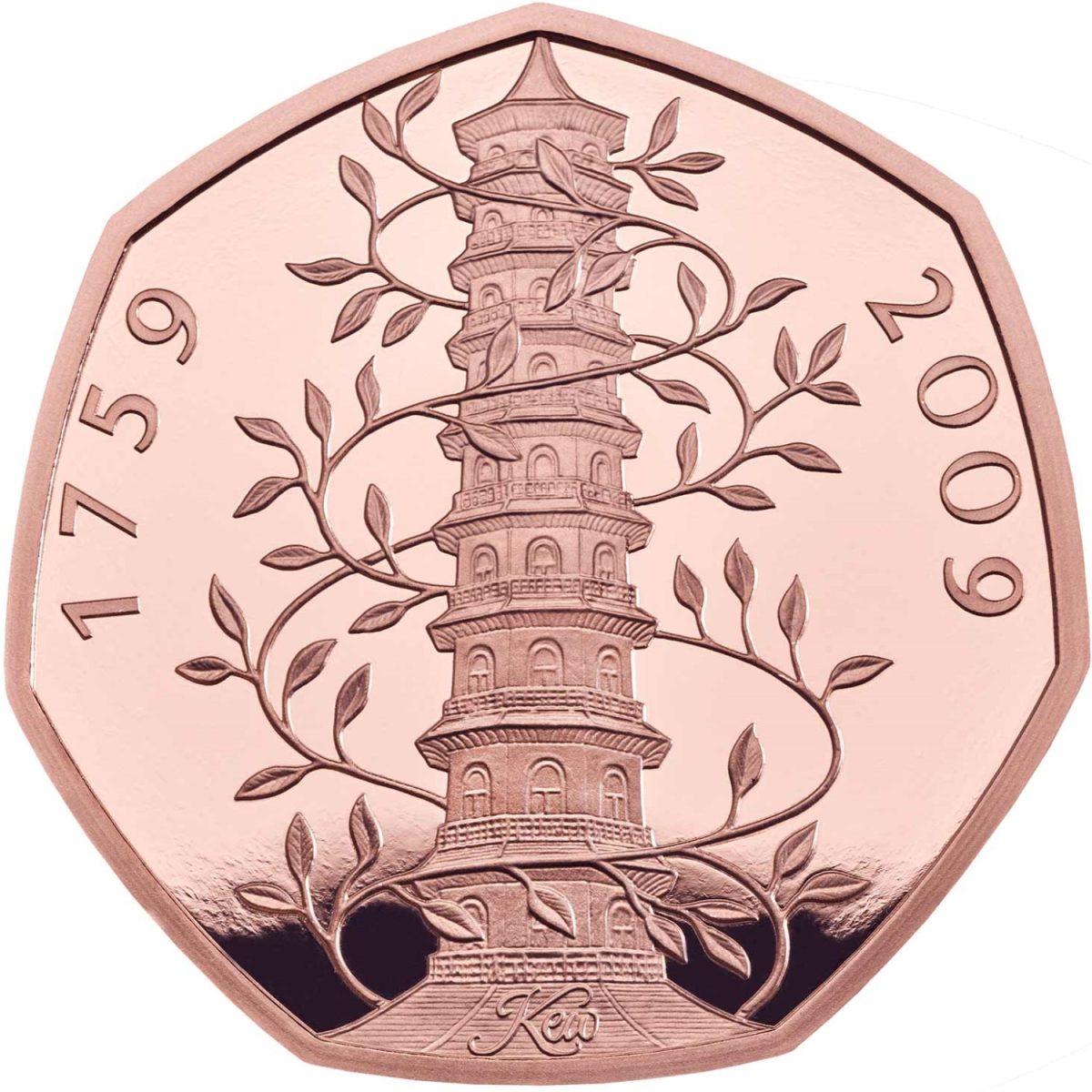
- 2009 Kew Gardens 50p: mintage 210,000. Worth £150–£250.
- 2008 undated 20p mule: reverse dated and obverse undated. Roughly 100,000 exist. Worth £50–£200.
- 2002 Commonwealth Games £2 Northern Ireland: mintage 485,500. Worth £80–£120.
- 1983 "New Pence" 2p: should read "Two Pence" after 1982. Worth £300–£700.
- 2011 Olympic "Offside Rule" 50p: Football explainer coin, mintage 1,161,500. Worth £15–£25.
What to do with old pennies
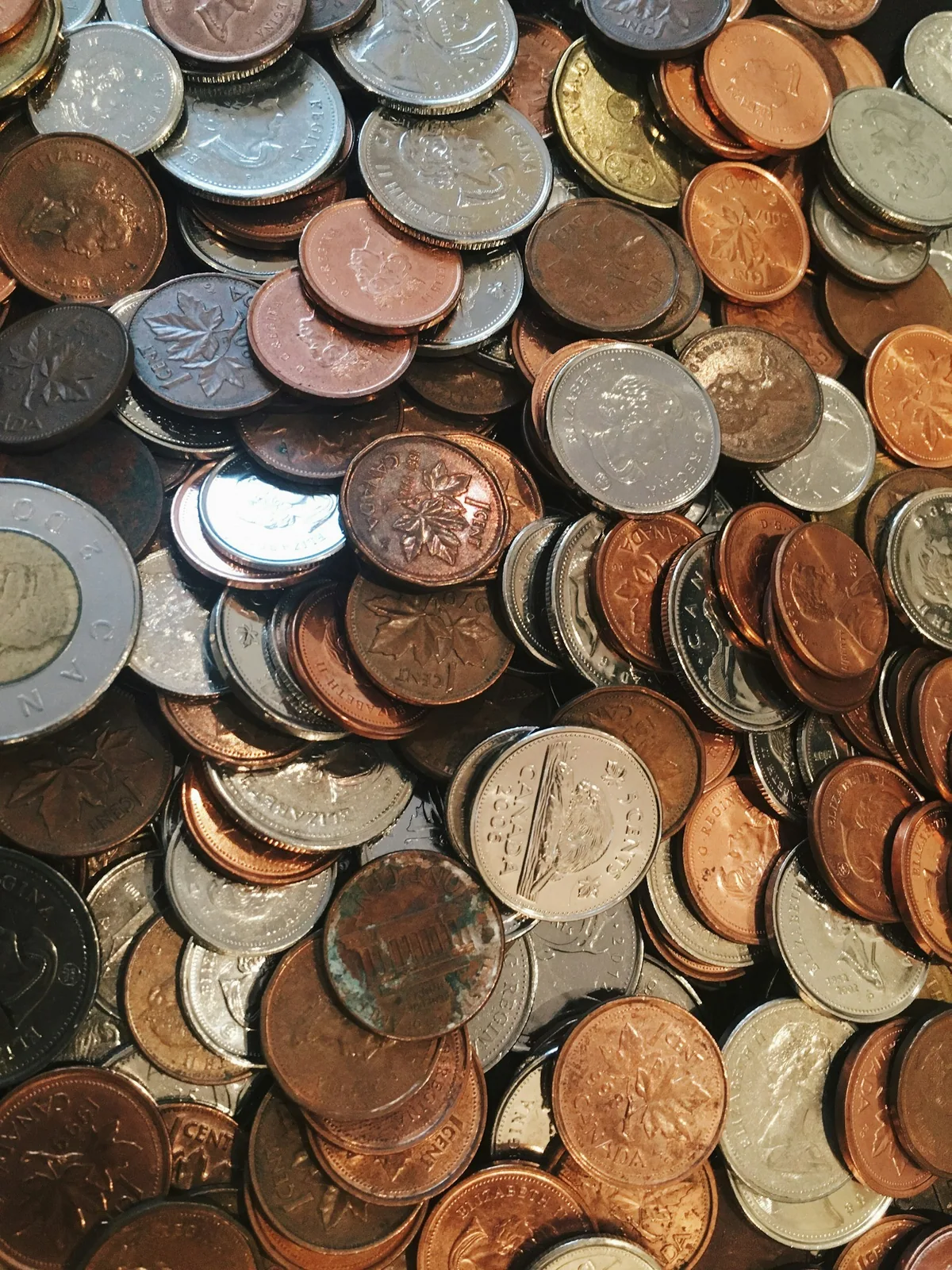
Most jars of old pennies are worth a few pounds in total, but it pays to sort them before letting them go. Pre-decimal pennies stopped being legal tender on 31 August 1971, so banks and shops will not take them at face value. The options, in order:
- Check the dates. Pull out anything matching the key dates in the table above (1869, 1918–1919 with an H or KN mint mark beside the date, 1926), plus any penny with sharp detail or original red-brown colour. Those are worth looking up individually.
- Keep the pre-1860 copper. Large copper pennies and cartwheel coins from before 1860 are heavier and scarcer than the bronze pennies that replaced them, and usually worth selling one at a time.
- Sell the rest as a bulk lot. Common-date bronze pennies sell by the tub or by weight on eBay and to local dealers. Expect a small sum for the lot, not per coin.
- Or give them away. Many charities and schools welcome old coins for sorting, and some collectors want them for date runs.
Curious what a penny was worth in today's money? There were 240 old pennies to the pound, so one penny (1d) equals about 0.42 new pence. Our decimal converter turns pounds, shillings and pence into decimal, and the old money converter shows what an old sum would buy today.
Silver content: the guaranteed floor price
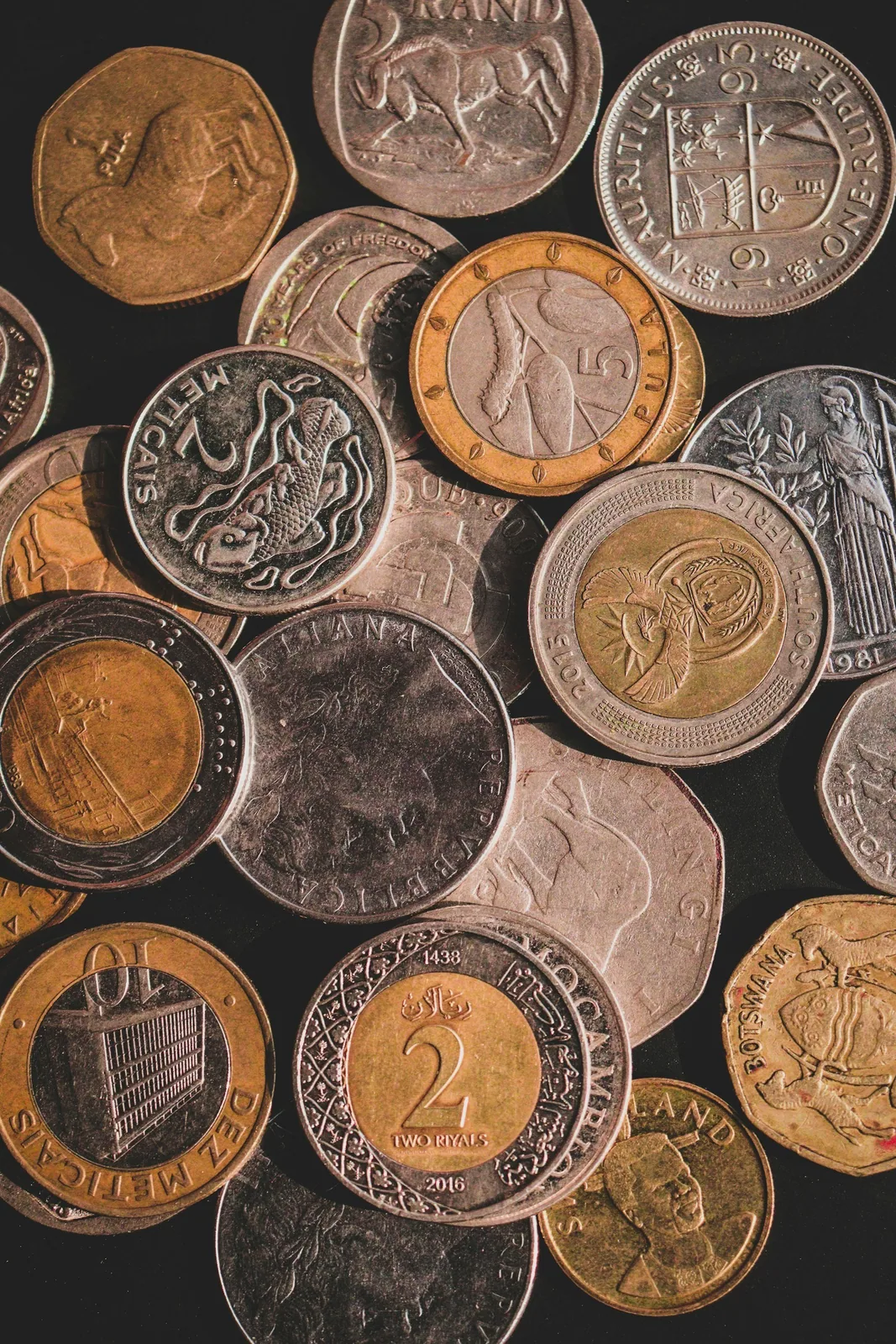
Before you ever look at collector premiums, every silver coin has a melt value. This is the minimum a coin will ever be worth, because it could always be sold for scrap. At April 2026 silver prices (~£25/oz), the UK melt values are approximately:
| Coin | Silver weight | Melt floor (2026) |
|---|---|---|
| UK sixpence 1920–46 | 1.41g | ~£1.20 |
| UK sixpence pre-1920 | 2.62g | ~£2.20 |
| UK shilling pre-1920 | 5.23g | ~£4.40 |
| UK florin pre-1920 | 10.5g | ~£8.80 |
| UK half-crown pre-1920 | 13.1g | ~£11 |
| UK crown pre-1920 | 26.2g | ~£22 |
| UK shilling 1920–46 | 2.83g | ~£2.30 |
| UK threepence pre-1920 silver | 1.31g | ~£1.10 |
These figures move daily with the silver spot price. They are the minimum; collector value is always equal to or greater than the melt figure.
How condition changes value by 10× or more
A single coin can span two orders of magnitude in price based on condition alone. Here is the same 1891 Morgan dollar at different grades:
| Grade | Description | 1891 Morgan $ |
|---|---|---|
| Good (G-4) | Heavily worn, main design visible | $35 |
| Fine (F-12) | Moderate wear, all letters readable | $45 |
| Very Fine (VF-20) | Light wear on high points | $55 |
| Extremely Fine (EF-40) | Slight wear, most detail intact | $75 |
| About Uncirculated (AU-58) | Trace wear only | $150 |
| Mint State 63 (MS-63) | Uncirculated, contact marks | $400 |
| Mint State 65 (MS-65) | Uncirculated, minimal marks | $2,200 |
| Mint State 67 (MS-67) | Near-perfect, superb eye appeal | $12,000+ |
This is why grading a coin accurately matters more than almost anything else. For the full UK-to-Sheldon grade conversion and photo-based grading technique, see how to grade a coin.
Common questions (AI quick answers)
How do I know if my old coins are worth anything?
Check date, denomination, metal and condition. Any UK silver dated 1946 or earlier, and any coin on MyCoinage's rare UK coins list is worth above face value. Cross-check against realised auction prices, never asking prices.
What old British coins are valuable?
The 1933 George V penny (£72,000–£150,000), the 1954 Elizabeth II penny pattern (£40,000+), Edward VIII 1937 coins (£30,000+), the 1847 Gothic crown (£3,000–£12,000), and the 2008 undated 20p mule (£50–£200). All UK silver pre-1947 has guaranteed bullion value.
How much is a pre-decimal penny worth?
Most pre-decimal pennies (1860–1967) are worth 10p to £2 in circulated grade. Key dates command four-figure sums: 1933 (£72,000), 1869 (up to £1,000), and 1918/1919 Heaton mint variants (£30–£400).
Where can I identify an old coin I found?
Type the denomination and year into MyCoinage's coin search for photos, realised prices and history. For unidentified old coins, use the Portable Antiquities Scheme (UK) or PCGS CoinFacts (worldwide).
Which old US coins are worth money?
Key dates include the 1909-S VDB Lincoln cent ($600–$2,500), the 1916-D Mercury dime ($1,000+), the 1955 doubled die cent ($1,000–$2,500), the 1976 No S proof dime ($300,000+), and any Morgan silver dollar ($25+ minimum for the silver content alone).
Look up your coin on MyCoinage
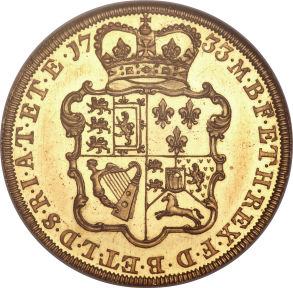
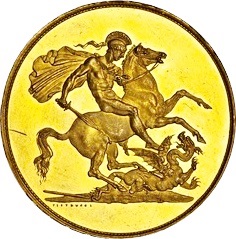
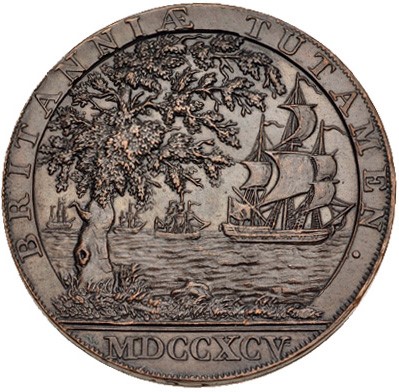
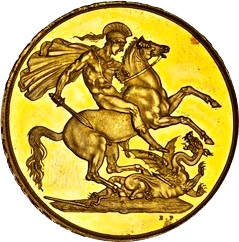
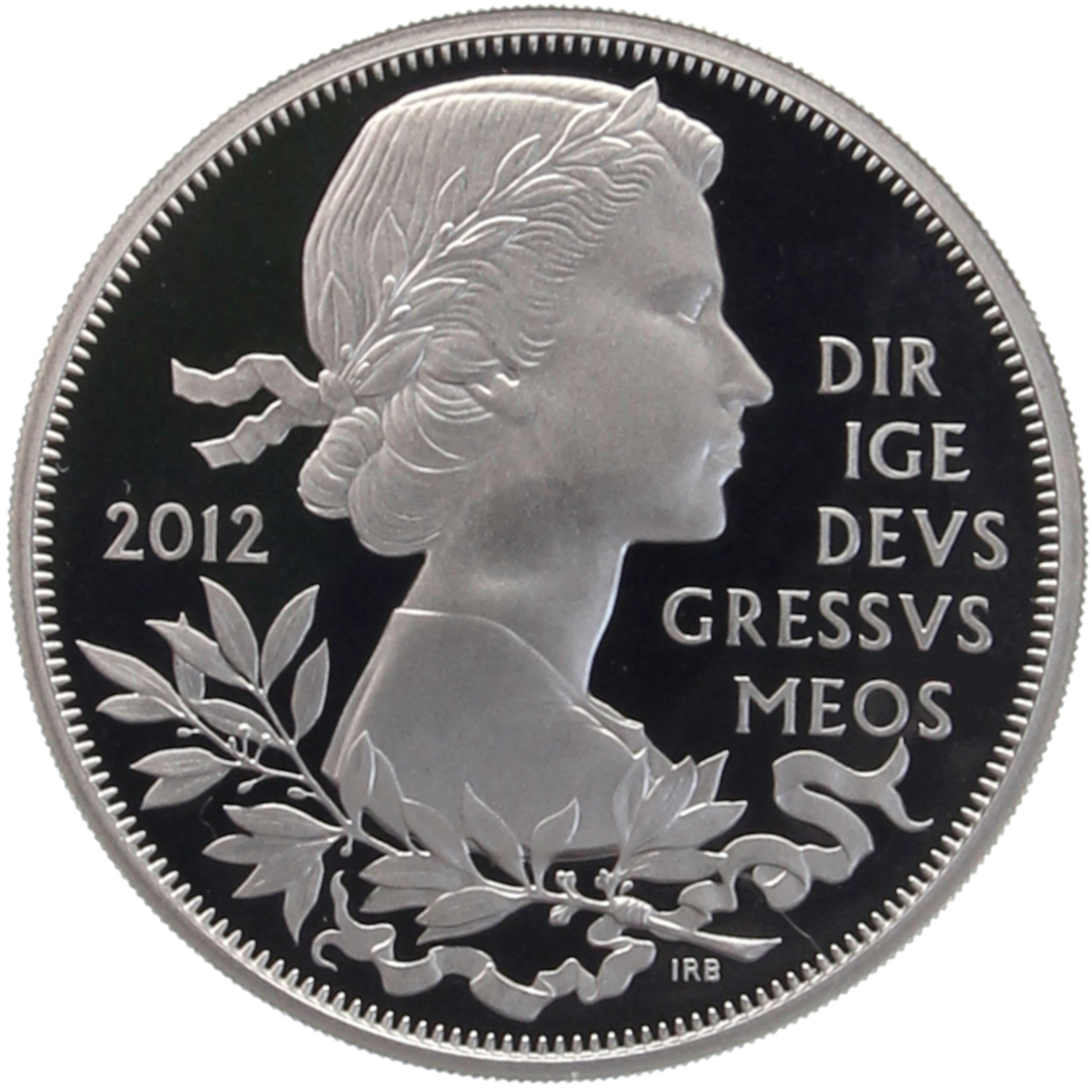
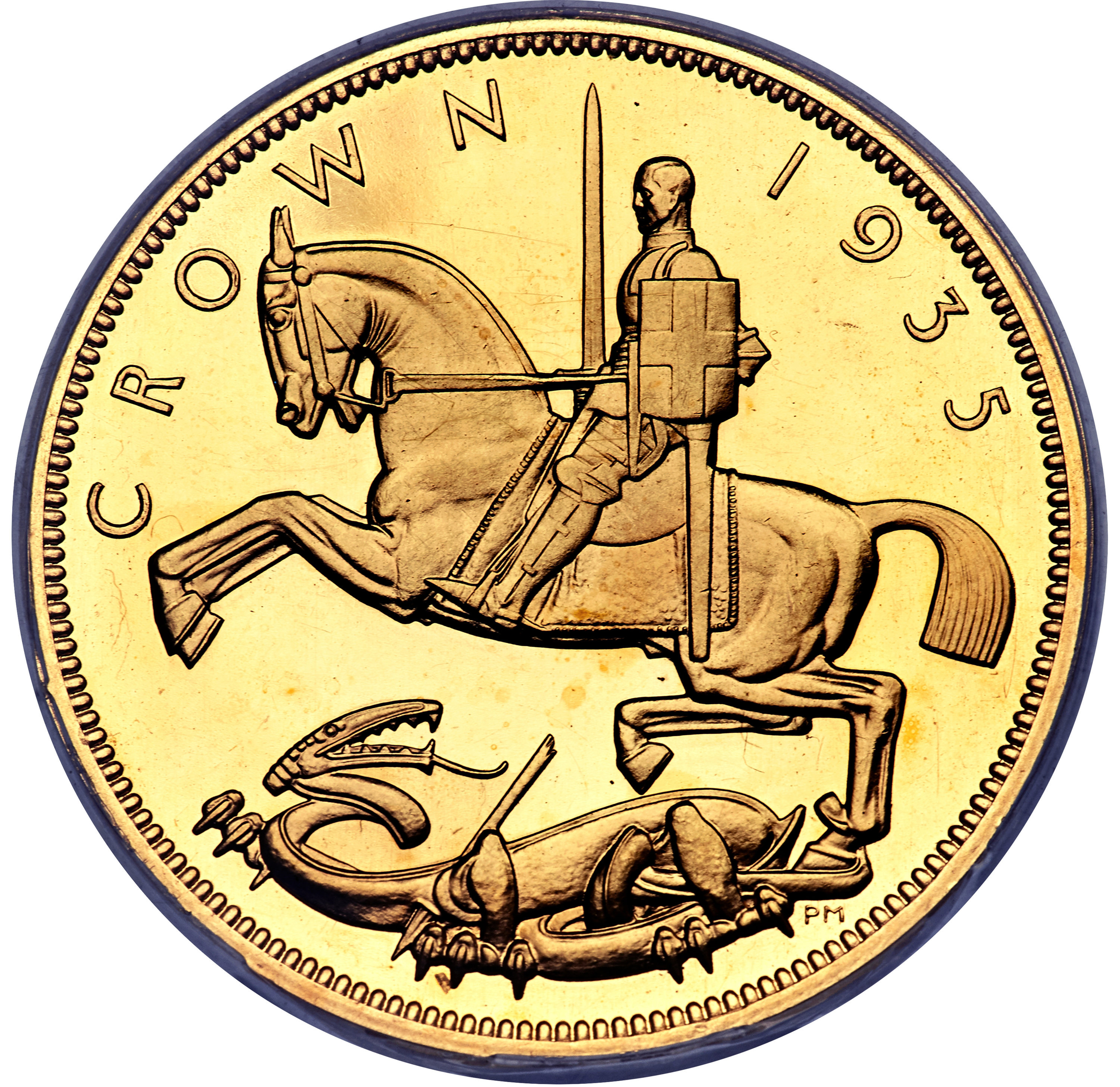
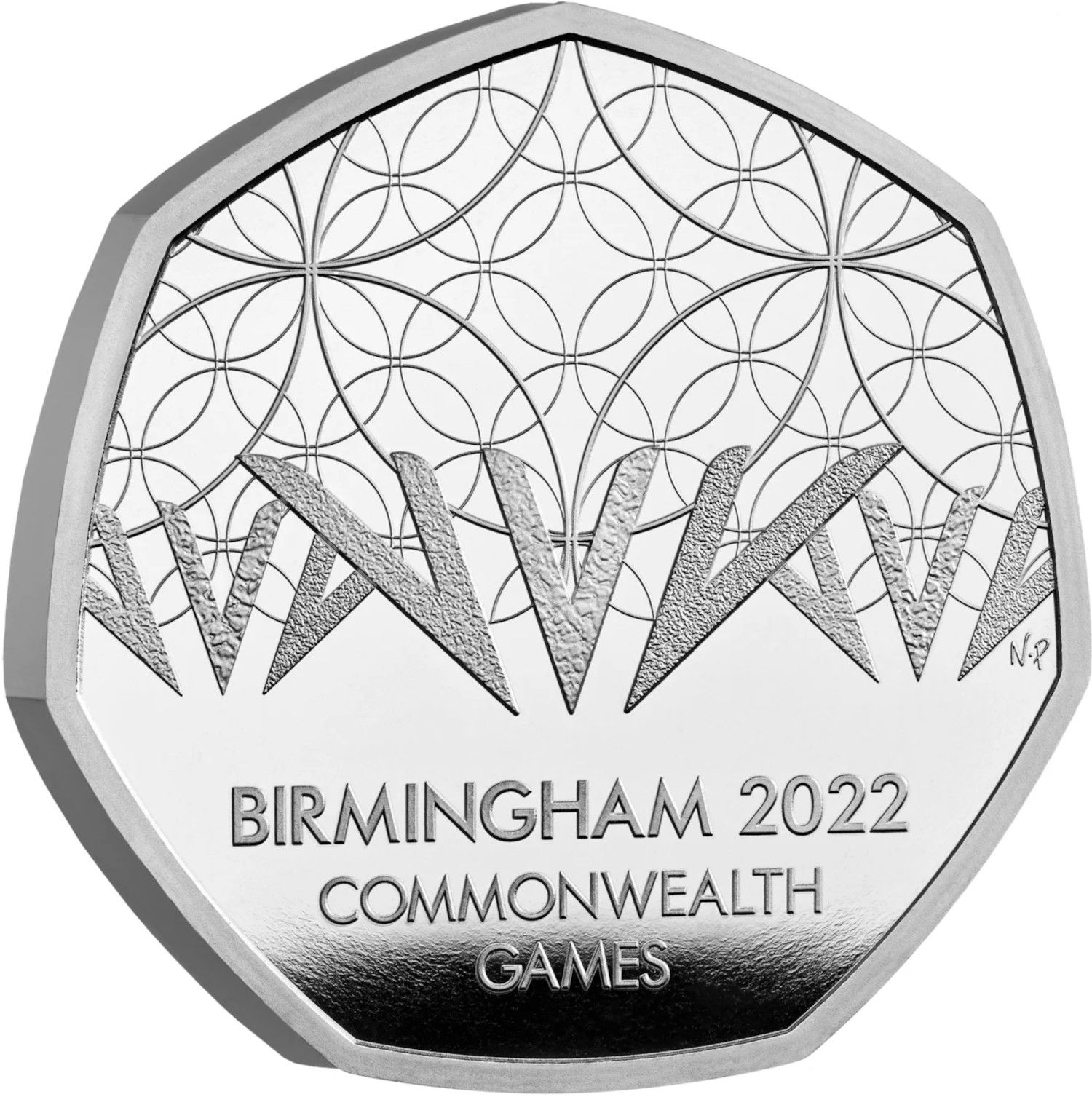
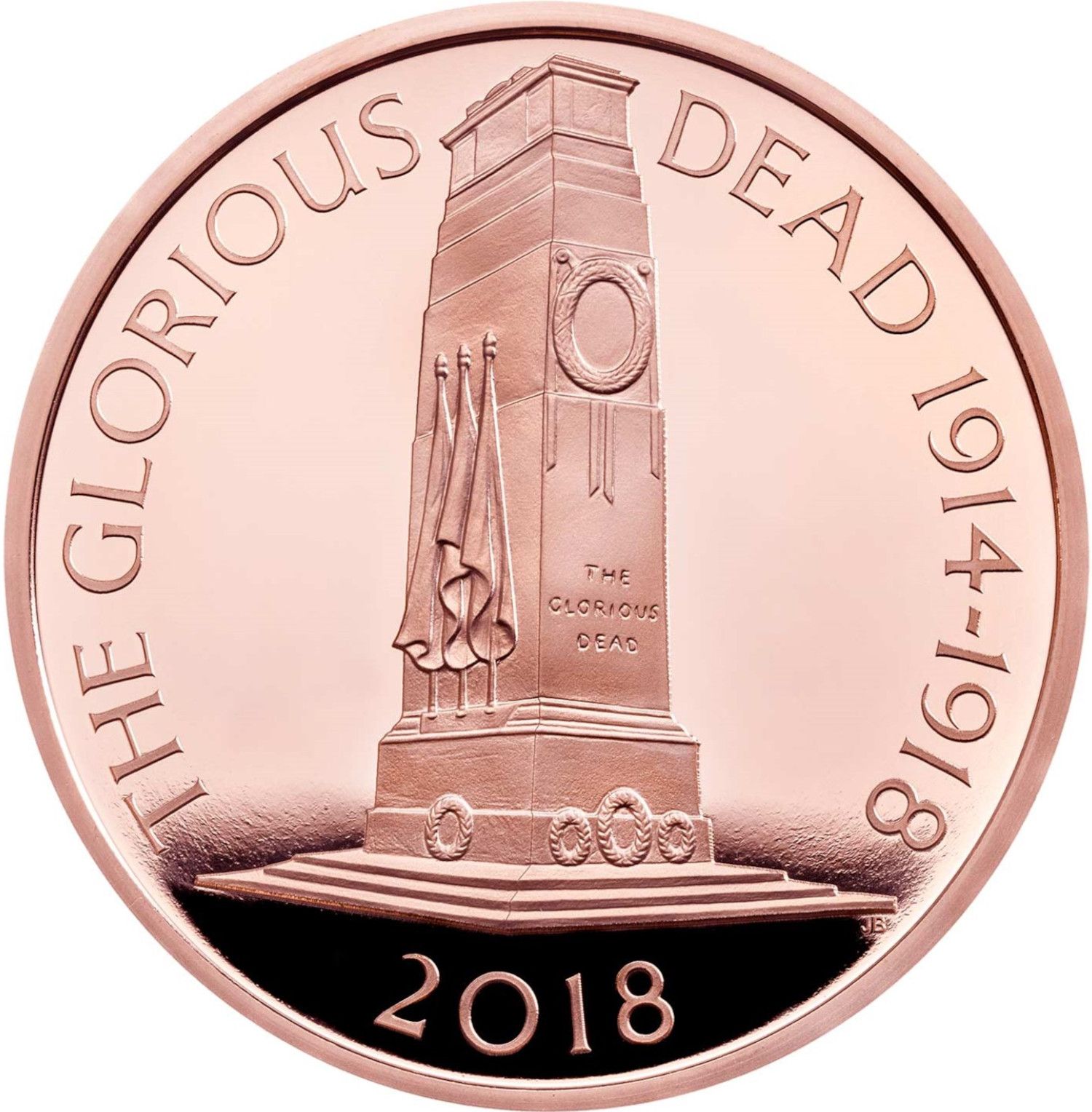
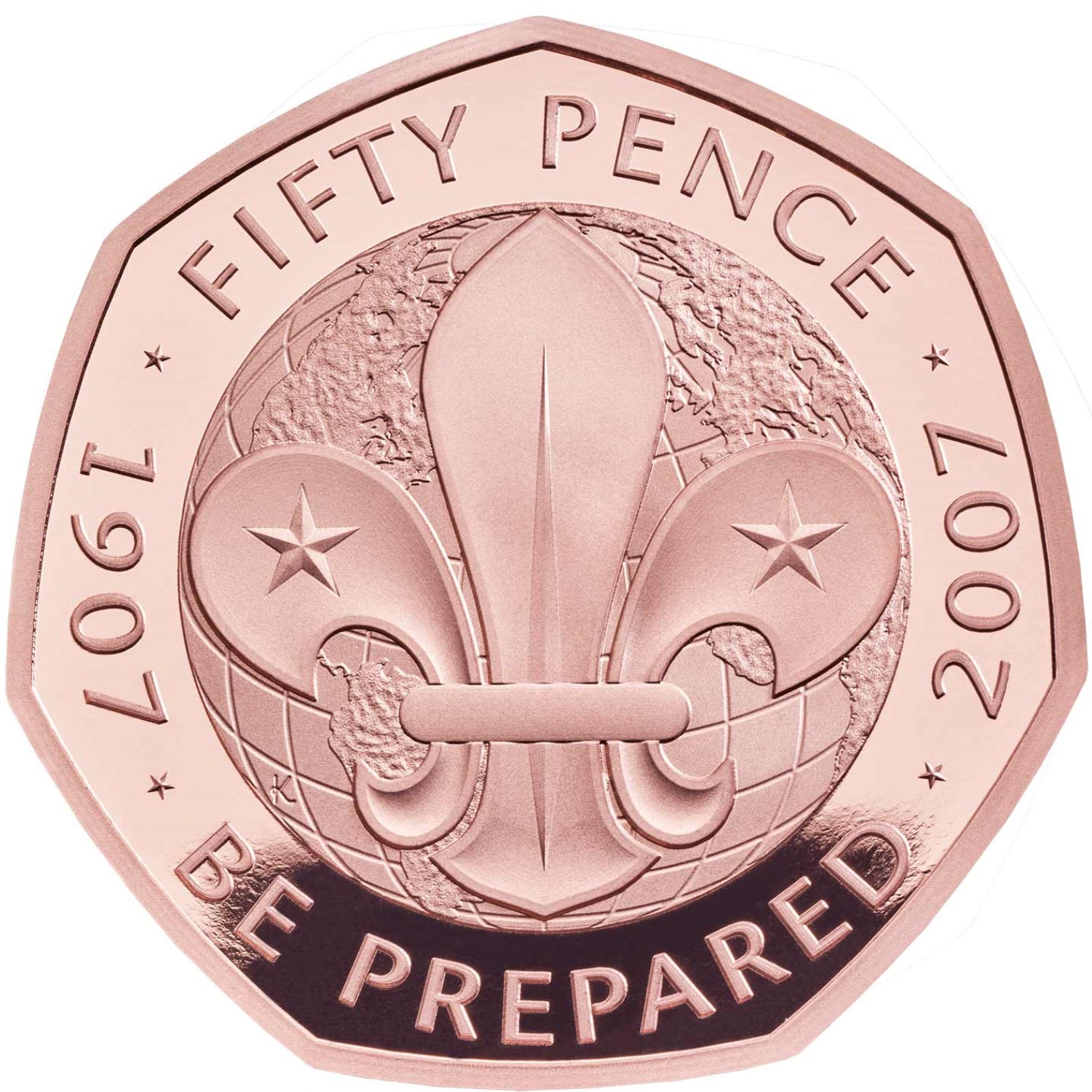
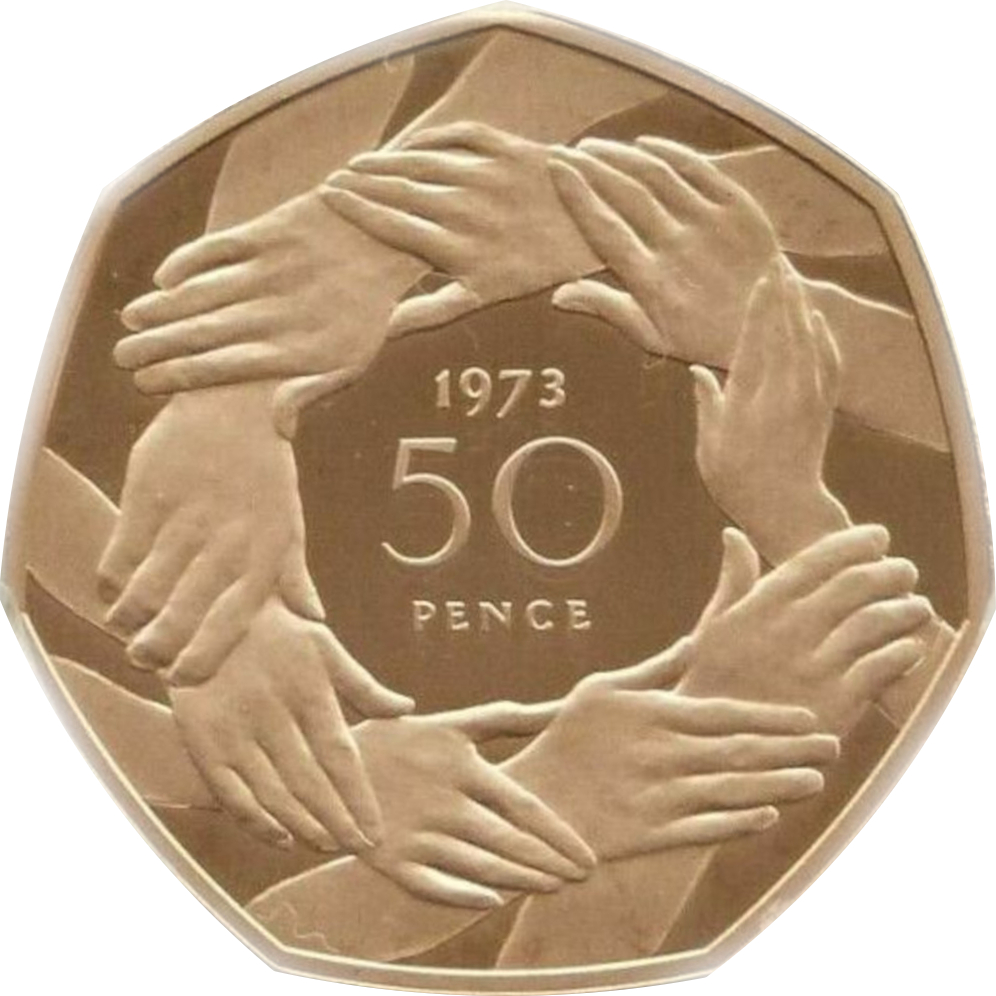
Below are some of the highest-rarity-scored coins in our database. Click any to see grade-by-grade realised auction prices and identification photos.
If it's valuable: what to do next
Before selling, three rules:
- Do not clean the coin. Ever. Patina is value. A polished 1916-D dime is worth a tenth of an original one.
- Get authentication for anything £100+. Send to PCGS or NGC. A slabbed coin sells for 10–30% more than a raw coin of the same technical grade.
- Match the venue to the value. Under £50 on eBay, £50–£500 on eBay or a specialist dealer, £500+ consigned to Baldwin's, Noonans, Spink or Heritage Auctions. See our full where to sell guide.
Related reading
- The first-year-of-reign coin myth, why a new monarch's first coins are rarely valuable.
- Inherited a coin collection? A step-by-step plan before you sell anything.
- Rare banknote serial numbers UK, if the jar has notes in it too.
- How to grade a coin: the Sheldon scale explained
- What makes a coin rare? The 5 factors
- 1933 Penny value: Britain's most famous rarity
- UK coin errors list
- Gold sovereign values
- Krugerrand value UK, if the collection includes a gold bullion coin.
- Old money converter, what a pre-decimal sum would buy today.
- Coin weight identifier, identify a worn coin by weighing it.