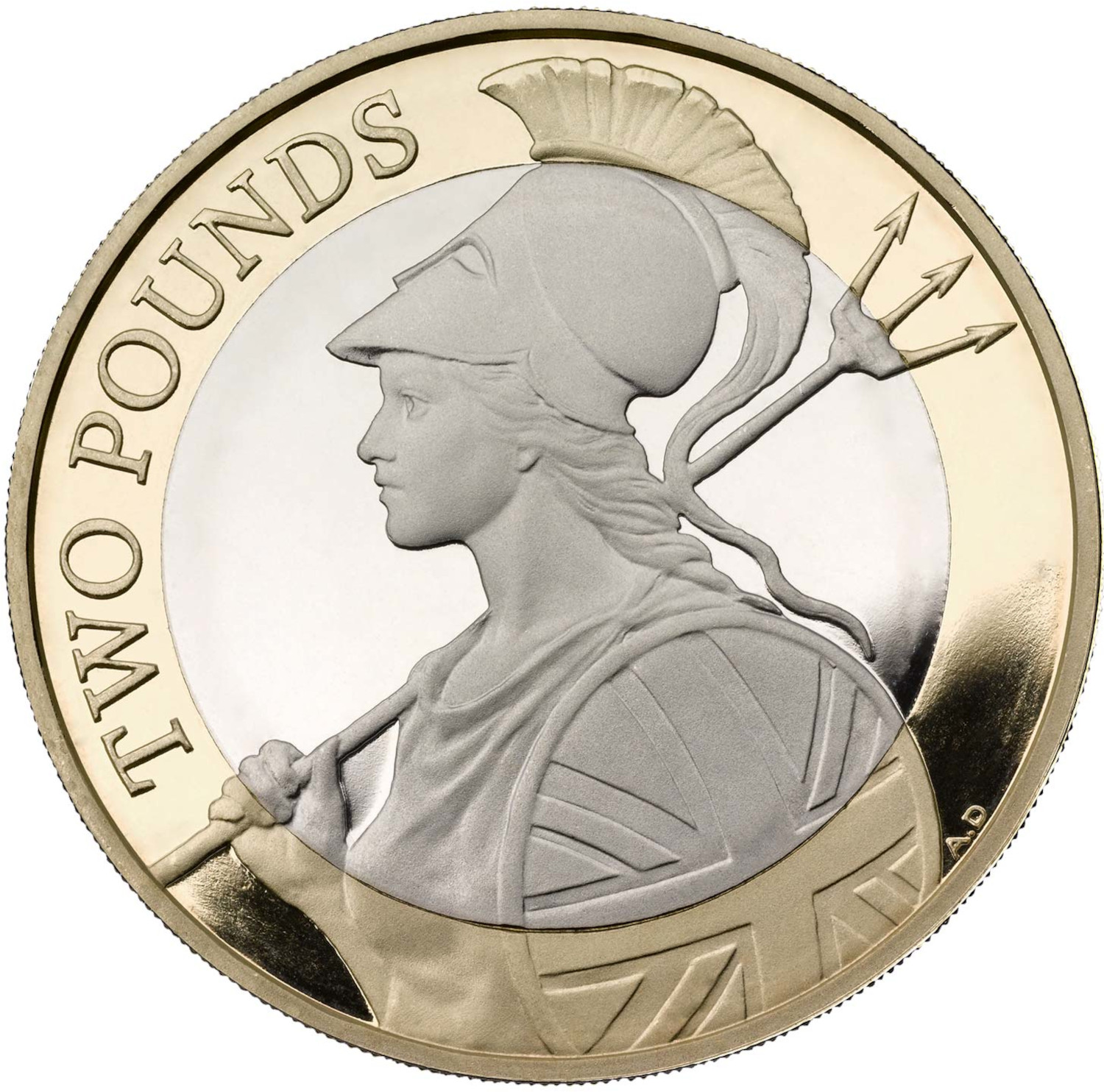
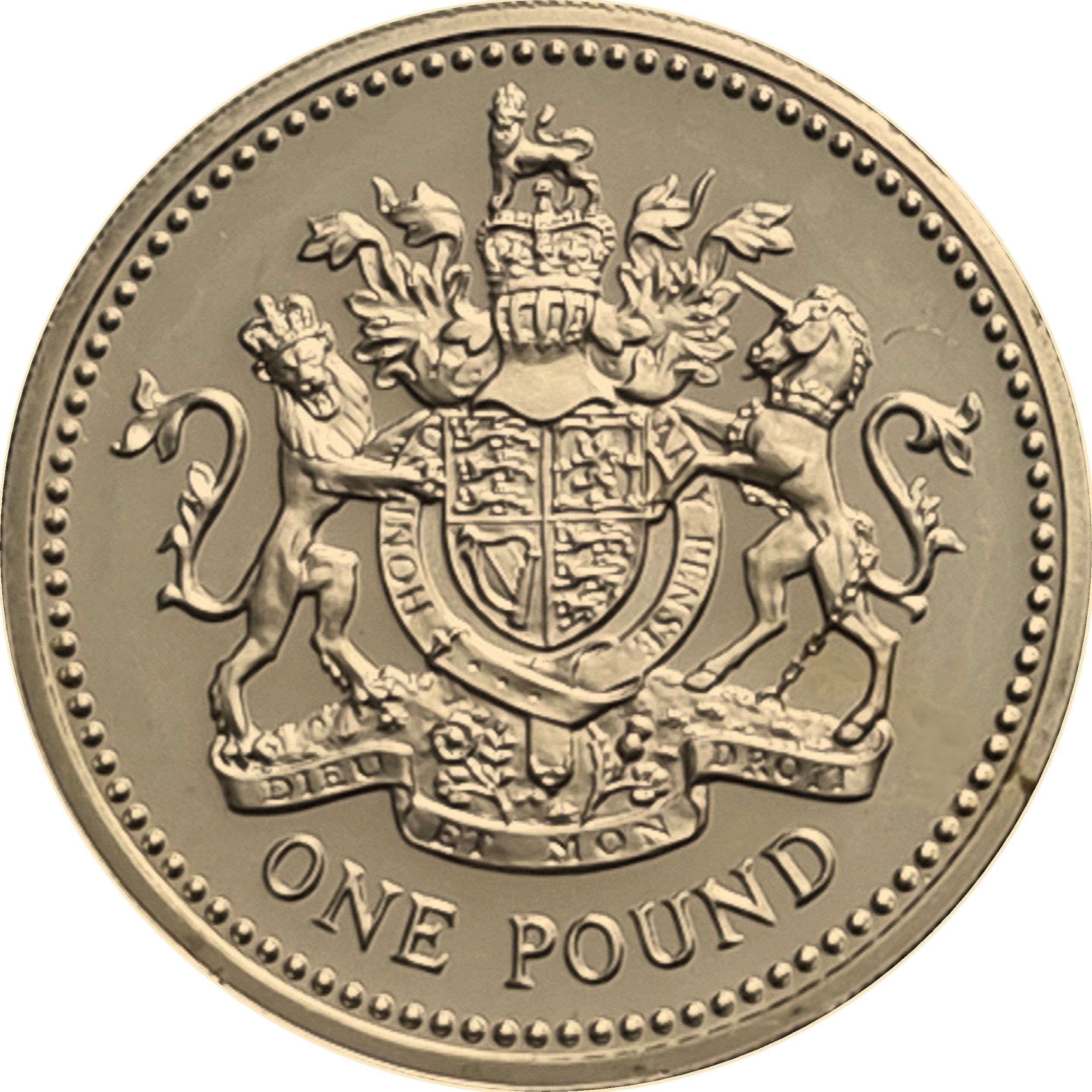
Counterfeit British coins flood eBay, online classifieds, and even occasional dealer stock. The good news: every
fake fails at least one of five simple tests if you know what to check. This guide covers the headline
counterfeits in the UK market, the five-step authentication framework that catches 95%+ of fakes in under five
minutes, and what to do if you've been sold one.
In brief. Five tests catch most fakes: weight (digital scale, ±0.2 g
tolerance), diameter (callipers), edge (look for cast seams under 10x loupe),
magnet test (gold/silver/cupronickel are non-magnetic), and surface relief
(cast counterfeits lose detail in high points). Most-faked British coins: the 12-sided £1, gold sovereigns,
the 1933 penny, the 1937 Edward VIII pattern denominations, and the 1839 Una and the Lion crown. eBay-listed
"gold plated" 50ps and £2s are decorative novelties, not real Royal Mint issues.
The most-faked British coins
| Coin | Why it's faked | Best detection test |
|---|
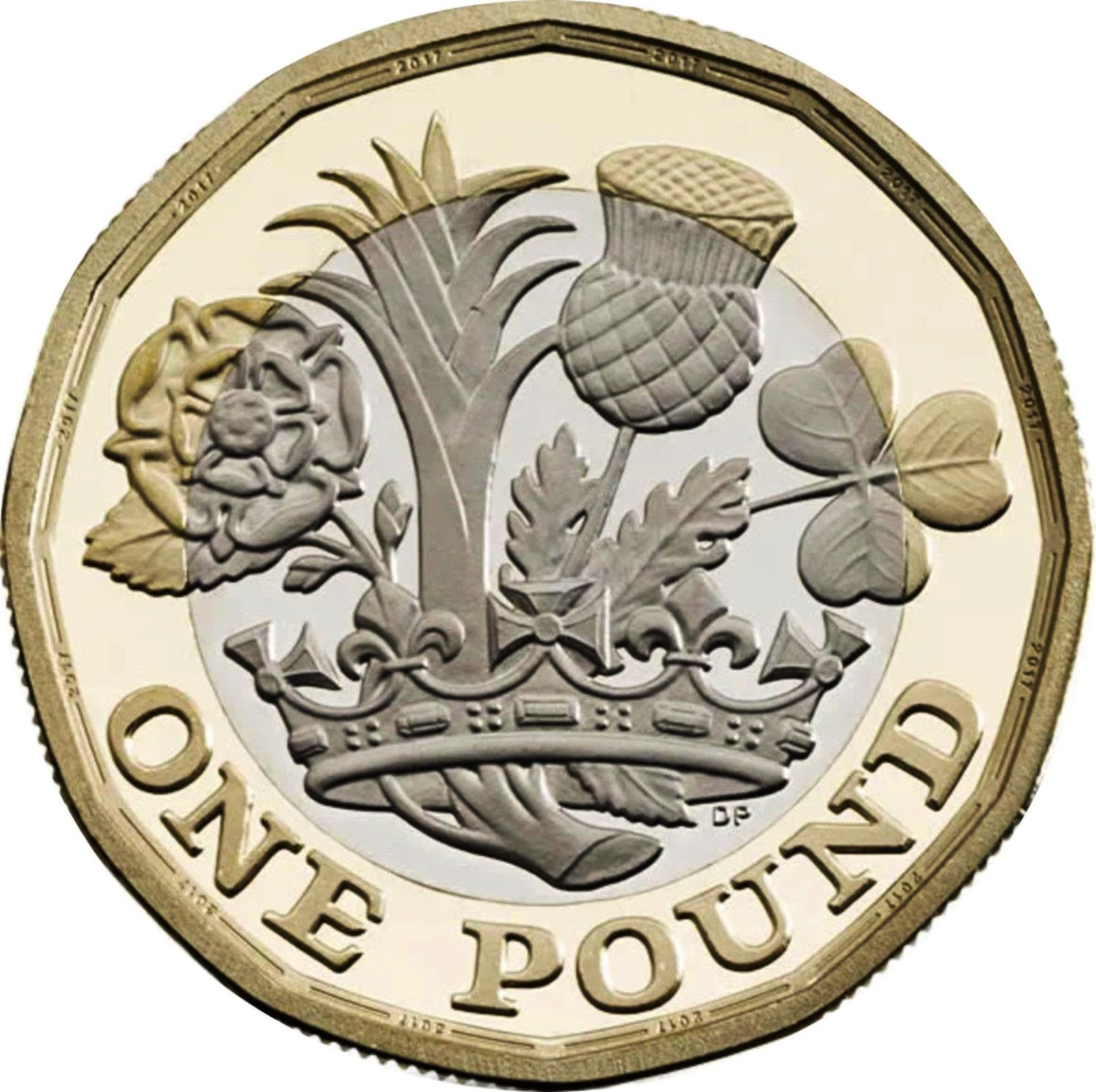
| 12-sided £1 (2017+) | Cheap to fake, in everyday change | Latent image, micro-engraving, weight 8.75 g |
| Gold sovereign (any era) | High intrinsic value, recognisable design | Weight 7.988 g, magnet, edge seam |
| 1933 penny | Iconic rarity, fewer than 10 genuine | Weight 9.4 g, date "3" tooling marks |
| 1937 Edward VIII pattern | Never circulated, market full of replicas | Provenance, professional grading |
| 1839 Una and the Lion crown | Headline rarity, £100,000+ | Weight 28.28 g, professional grading |
| Kew Gardens 50p (2009) | Famous low-mintage modern coin | Weight 8.00 g, edge milling, no plating |
| Olympic 50p & £2 series | Plated novelties widespread on eBay | Listing wording: "gold plated" = not Royal Mint |
The five-test authentication framework
Test 1: Weight (catches 70% of fakes)
Every British coin has an exact specified weight. A digital jeweller's scale with 0.01 g resolution costs
inexpensive and is the single most useful tool you can own. Cast counterfeits almost never match
weight perfectly because their alloy compositions differ: a "silver" coin made from pewter weighs less; a "gold"
sovereign cast from brass-and-tungsten alloy weighs differently from real 22-carat gold.
| Denomination | Spec weight | Acceptable tolerance |
|---|
| 1p (post-1992 copper-plated steel) | 3.56 g | ±0.05 g |
| 2p (post-1992 copper-plated steel) | 7.12 g | ±0.10 g |
| 5p (cupronickel pre-2012, plated post) | 3.25 g | ±0.05 g |
| 10p | 6.50 g | ±0.10 g |
| 20p | 5.00 g | ±0.10 g |
| 50p (post-1997) | 8.00 g | ±0.10 g |
| £1 (12-sided, post-2017) | 8.75 g | ±0.10 g |
| £2 (bimetallic) | 12.00 g | ±0.15 g |
| Sovereign | 7.988 g | ±0.020 g |
| Half sovereign | 3.994 g | ±0.010 g |
Test 2: Diameter (catches another 15%)
Cast counterfeits shrink as the metal cools, typically by 0.2-0.4 mm. Digital callipers (£10-20) measure
the widest point of the coin. The 50p and 20p are heptagonal, so measure across-the-flats; for round coins,
measure the diameter through the centre.
Test 3: Edge inspection (the cast-counterfeit giveaway)
Cast counterfeits start as two-piece moulds, leaving a faint horizontal seam line where the halves met. Real
struck coins are made between two dies under high pressure: their edges are sharp, uniform, and seam-free. Hold
the coin edge-on under a 10x loupe and rotate slowly. Any horizontal line, even a faint one, is a near-certain
fake. For coins with edge inscriptions (the 12-sided £1 has none, the £2 has one), the lettering
should be deeply struck and evenly spaced.
Test 4: Magnet test
Gold, silver, cupronickel, copper and bronze are all non-magnetic. A strong rare-earth (neodymium) magnet should
have zero pull on any genuine British coin EXCEPT the post-1992 1p and 2p, which are copper-plated steel by
design and DO attract a magnet (this is normal). If your sovereign, £2, 50p or £1 is even slightly
drawn to a magnet, it's plated steel, an immediate fake.
Test 5: Surface and high-relief detail
Under 10x magnification, examine the highest points of the design: the queen or king's diadem, hair detail,
Britannia's helmet, any central design centrepiece. Cast counterfeits lose definition here because the
casting process can't reproduce the sharp edges of die-struck metal. Look for grainy textures, soft edges
on lettering, "blobby" rather than crisp design lines, and any pitting (microscopic holes from gas bubbles in
the casting). Genuine struck proofs in particular show mirror-finish fields with sharp, clear design edges.
"Gold plated" eBay listings: are they fakes?
Technically, no, but they're not what most buyers think they are.
A "Gold Plated 2009 Kew Gardens 50p" listing usually starts as a genuine cupronickel 50p coin: real Royal Mint
issue, real legal tender, real numismatic value (£100-200 in genuine grade). Someone, not the Royal
Mint, has applied a microns-thin layer of gold electroplating on top, in a workshop. The coin underneath is
real; the gold plating is decorative.
The problem: such listings often imply the coin is a "gold plated edition" issued by the Royal Mint. There is
no such issue. The Royal Mint's actual gold variants of the Kew Gardens 50p are 22-carat solid gold (not
plated), 15.5 g, and were issued in numbered presentation packs at £800-1,200 each. A £15-30 "gold
plated" eBay listing is a cupronickel coin with about 5p of gold on the surface.
Rule of thumb. If a listing description includes the word "plated", it is not a Royal Mint
issue. Treat it as a souvenir. If you want a genuine gold version of any coin, the catalogue entry will be
flagged "Gold Proof" or similar, we list the realised prices so you know the right ballpark.
When to use professional grading
Third-party grading services (PCGS, NGC, CGS UK) authenticate AND grade coins in tamper-evident plastic slabs.
For any British coin worth more than £200, the £25-50 grading fee is almost always worth paying.
- CGS UK, UK-based, faster turnaround, lower fees, recognised by all major UK auction houses.
- NGC UK, American grading company's UK office, strongest international recognition.
- PCGS, the largest grading service globally, premium fees, strongest US auction recognition.
All three guarantee authenticity on encapsulated coins; if a graded coin later proves fake (extremely rare), the
grading service refunds the purchase price up to a stated maximum. This is why slabbed coins trade at 10-25%
premium over equivalent raw coins, the buyer is paying for the authenticity guarantee.
Featured British coins on MyCoinage
Browse the full coin catalogue →
Buy authenticated coins on eBay
The links below open eBay UK searches; if you buy through them, MyCoinage earns a small commission at no cost to you.
The safest way to buy any British coin worth more than £100 is third-party graded (slabbed). The PCGS,
NGC and CGS UK plastic slabs are tamper-evident and the grading service guarantees authenticity. eBay listings
pre-filtered to slabbed-only:
PCGS-slabbed British coins ↗
NGC-slabbed British coins ↗
CGS-slabbed British coins ↗
Slabbed sovereigns ↗
Digital scale (0.01 g) ↗
10x jeweller's loupe ↗
What to do if you've been sold a fake
- Don't spend the coin. Using a counterfeit as legal tender is fraud (Forgery and Counterfeiting Act 1981).
- Document the listing. Save listing URL, photos, payment receipts, and any seller communication. Mark the date you received the coin.
- Get authentication confirmed. A second pair of eyes from a reputable dealer or grading service formalises the "fake" status. Without this, "I think it's fake" is harder to escalate.
- Open a refund request:
- eBay: "Item not as described" → invoke the Money Back Guarantee. eBay refunds counterfeit purchases regardless of seller cooperation.
- BNTA dealer: contact directly invoking lifetime authenticity guarantee. Refund usually unconditional.
- Private seller: small claims court if amount over £100 and seller is locatable.
- Report systematic operations: Action Fraud for the police; the Royal Mint cooperates with Trading Standards on prosecutions and accepts public counterfeit reports.
- Don't destroy the coin. Keep it as a study reference, marked clearly as a known fake. Coin clubs and educational institutions actively want known counterfeits for training; many will accept donations.
External references
Frequently asked questions
What is the most-faked British coin?
The 12-sided £1 coin (2017 onwards) is the most-faked British coin in active circulation: even the redesign that introduced the bimetallic core, latent Royal Arms image and micro-engraving was specifically aimed at suppressing the counterfeiting that had reached an estimated 1 in 30 of the old round pound. Among collectables, the 1933 penny, 1937 Edward VIII florin / brass threepence, the £5 1839 Una and the Lion crown, the 1817 George III sovereign and Victorian gold sovereigns generally are the most-faked. eBay also floods the market with souvenir-quality "Gold Plated" replicas of any popular design (Kew Gardens 50p, Paddington 50p, Olympic series). Those replicas are not technically counterfeit because they don't pretend to be circulation coins, but they have no numismatic value either.
What's the single best test for a fake British coin?
Weight. Every British coin has a specified weight to two decimal places, and counterfeiters almost never match it perfectly because their alloys differ. A £1 coin should weigh 8.75 g, a £2 coin 12.00 g, a 50p 8.00 g, a sovereign 7.99 g, a half sovereign 4.00 g. A digital jeweller's scale (sub-gram resolution) catches more counterfeits than any other single test. Anything more than ±0.2 g off the spec is suspicious; more than ±0.5 g is almost certainly fake.
Are gold-plated commemorative coins counterfeit?
Technically no, legally yes-and-no. A "gold plated" Kew Gardens 50p starts as a genuine cupronickel coin and has a microns-thin layer of gold electroplated onto the surface by a third party. The Royal Mint never issued a "gold plated" Kew Gardens 50p, so any listing claiming to sell one as a Royal Mint product is misrepresentation. The coin underneath is still legal tender, but you are paying for the equivalent of about 5p of gold and a souvenir presentation. Treat them as decorative novelties, not investments.
How do I tell a real sovereign from a fake one?
Five tests. Weight: 7.988 g (full), 3.994 g (half), cast counterfeits typically run 0.1-0.4 g light because their alloys aren't 22 carat. Diameter: 22.05 mm (full), 19.30 mm (half). Magnetic test: 22-carat gold is non-magnetic; even a weak rare-earth magnet pulling the coin slightly means it's plated steel or has iron in the alloy. Edge: sovereigns have a milled (reeded) edge with sharp, evenly-spaced grooves. Cast fakes show a faint horizontal seam where the two halves of the mould met. Sound test: tap a real sovereign on a hard surface and you get a high, ringing sustain. Cast fakes ring dull. For any sovereign you're paying more than £500 for, third-party grading at PCGS, NGC or CGS UK (£30-50 fee) is essential.
What does a fake 12-sided £1 look like?
The Royal Mint's deliberately complex 2017 design makes large-scale counterfeiting much harder than the old round pound, but cheap fakes do exist. Tells: the bimetallic colour boundary should be sharp and centered, fakes often show offset rings or smeared transitions. The micro-engraved word "ONE POUND" should be visible under a 10x loupe along the bottom of the obverse; fakes either omit this or show blurred lettering. Latent Royal Arms image should toggle between the £ symbol and the number "1" as you tilt the coin; fakes rarely reproduce the latent image at all. Edge milling alternates smooth/grooved sections; fakes often have a single uniform pattern. Weight: 8.75 g.
Can I clean a coin to make it look real?
Cleaning a real coin destroys its grade and value. Cleaning a fake doesn't make it real. Either way the answer is no. Patina (the natural oxidation layer on copper or silver) is part of the grade; abrasive or chemical cleaning leaves microscratches that grading services (PCGS, NGC) will detect and assign a "Cleaned" details grade to, halving or quartering the realised price. The single acceptable handling for a coin you suspect is genuine is to hold it by the edges (not the faces), keep it dry, and submit to grading or a reputable dealer for assessment. Any "before/after cleaning" YouTube videos are showing collectors how to destroy value, not preserve it.
How do I tell if a 1933 penny is real?
Almost every "1933 penny" on the open market is fake, because fewer than 10 genuine specimens are known and most are in museums or buried under building cornerstones. Five tests:
weight (9.4 g ± 0.1 g),
diameter (31 mm),
edge (plain, sharp, no seam),
the date "3" digits (compare against a real 1932 or 1934 to spot reworked dates, cast counterfeits or hand-carved alterations leave tooling marks under 10x magnification), and
portrait detail (George V "small head" by Bertram Mackennal, the diadem and bow knot lose definition in cast counterfeits). For any specimen claimed to be genuine, send to a third-party grading service before paying any meaningful sum. See our
1933 penny guide for full provenance.
What does a "Cleaned" details grade mean?
A "Cleaned" or "Details" grade from PCGS or NGC means the coin would have qualified for a numeric grade but was disqualified by detectable cleaning, scratches, polishing, environmental damage or alteration. It still authenticates the coin as genuine, just confirms the surfaces aren't original. Cleaned coins typically realise 30-60% less than equivalent un-cleaned examples. The most common cleaning method is silver dip (a thiourea-based jewellery cleaner) applied for "brightness" by an owner who didn't know better; the resulting micro-etching is visible to graders under 10x magnification.
What are "Chinese counterfeits"?
A specific quality tier of fake British coins originating from workshops in mainland China, mostly entering the UK via eBay direct-from-Asia sellers. They're cast from genuine specimens (so weight and diameter are usually close to correct), but the metal is typically a brass or bronze alloy plated to look like silver or gold. Tells: the edges show a faint horizontal seam where the cast halves joined; the surfaces have a slightly grainy or pitted texture under 10x magnification; high-relief details (queen's portrait, design centrepieces) lose definition. The asking price is the giveaway, a "1933 penny" or "1817 sovereign" listed at £30-100 is impossible. Real specimens trade at £30,000-90,000.
What should I do if I've been sold a fake?
On eBay: open an "Item not as described" case within 30 days. eBay's Money Back Guarantee covers counterfeit items and will refund regardless of seller cooperation. From a UK dealer: dealers who are members of the British Numismatic Trade Association (
BNTA) are required to offer lifetime authenticity guarantees and will refund unconditionally. Outside the BNTA, refer to the dealer's terms. From a private seller (coin fair, classified ad): consumer protection is weaker but small claims court can recover the funds if the seller is locatable. Report systematic counterfeit operations to
Action Fraud, the Royal Mint cooperates with Trading Standards on prosecutions.
Is it illegal to own a fake British coin?
Owning a fake coin you didn't make is not illegal in the UK, but using one as legal tender is fraud (Forgery and Counterfeiting Act 1981), and selling one as genuine without disclosure is misrepresentation under the Consumer Protection Act. Coin clubs and educational institutions hold large reference collections of known counterfeits for training purposes, this is legal. If you discover a coin is fake, mark it as a study piece and never present it as genuine. Destroying it is permitted but rarely necessary; keeping it in a marked "fakes" envelope with the others is more useful.
How do I find a trustworthy coin dealer?
The
British Numismatic Trade Association publishes a member directory of vetted UK dealers who are bound by a code of conduct including lifetime authenticity guarantees. The major auction houses (
Spink,
Baldwin's,
Noonans,
Heritage Auctions) all guarantee authenticity on lots they sell. For day-to-day buying, look for sellers who accept slabbed (third-party graded) coins, publish weight and dimension information in listings, and have established eBay feedback in the numismatic category specifically.