UK legal-tender coins are exempt from Capital Gains Tax indefinitely. For British investors holding gold or
silver, choosing UK Sovereigns and Britannias over foreign gold coins (Krugerrands, Maple Leafs, American
Eagles) means all future gains are tax-free. This guide covers exactly which coins qualify, the practical
implications, and the rare edge cases.
In brief. UK Capital Gains Tax does not apply to gains from selling UK legal-tender coins.
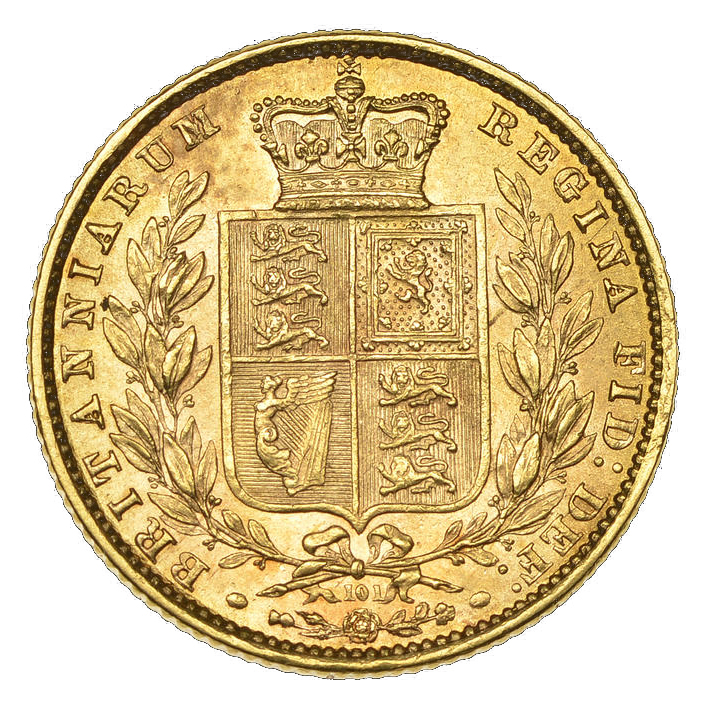
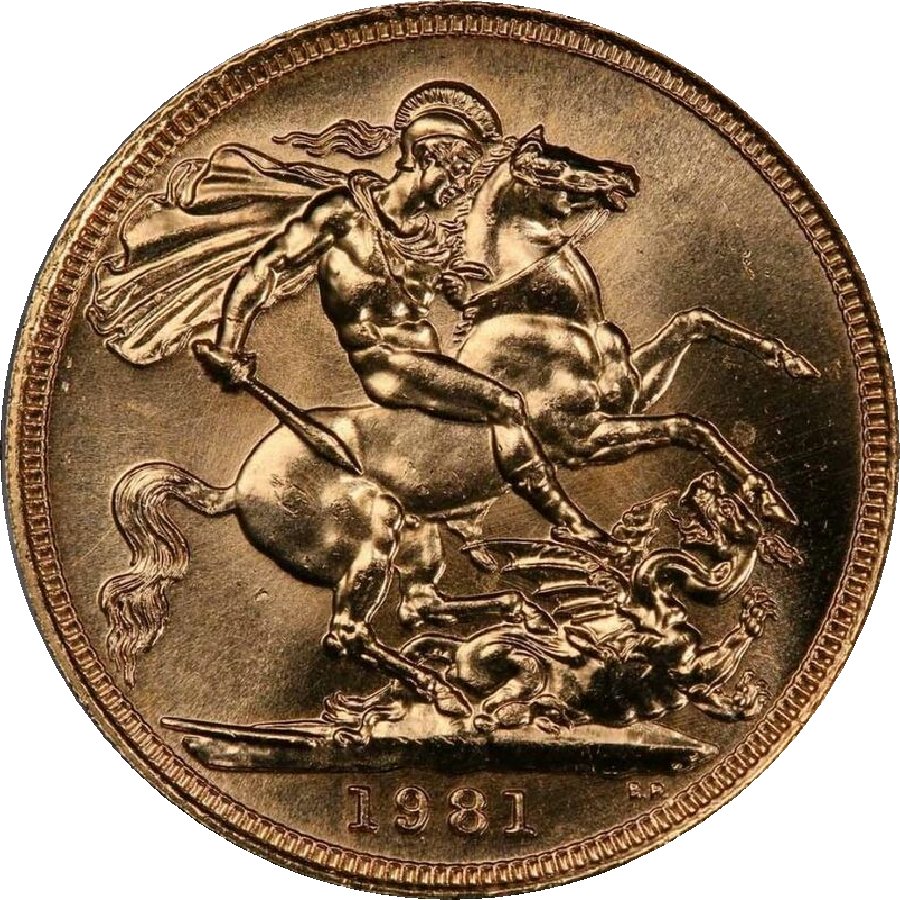
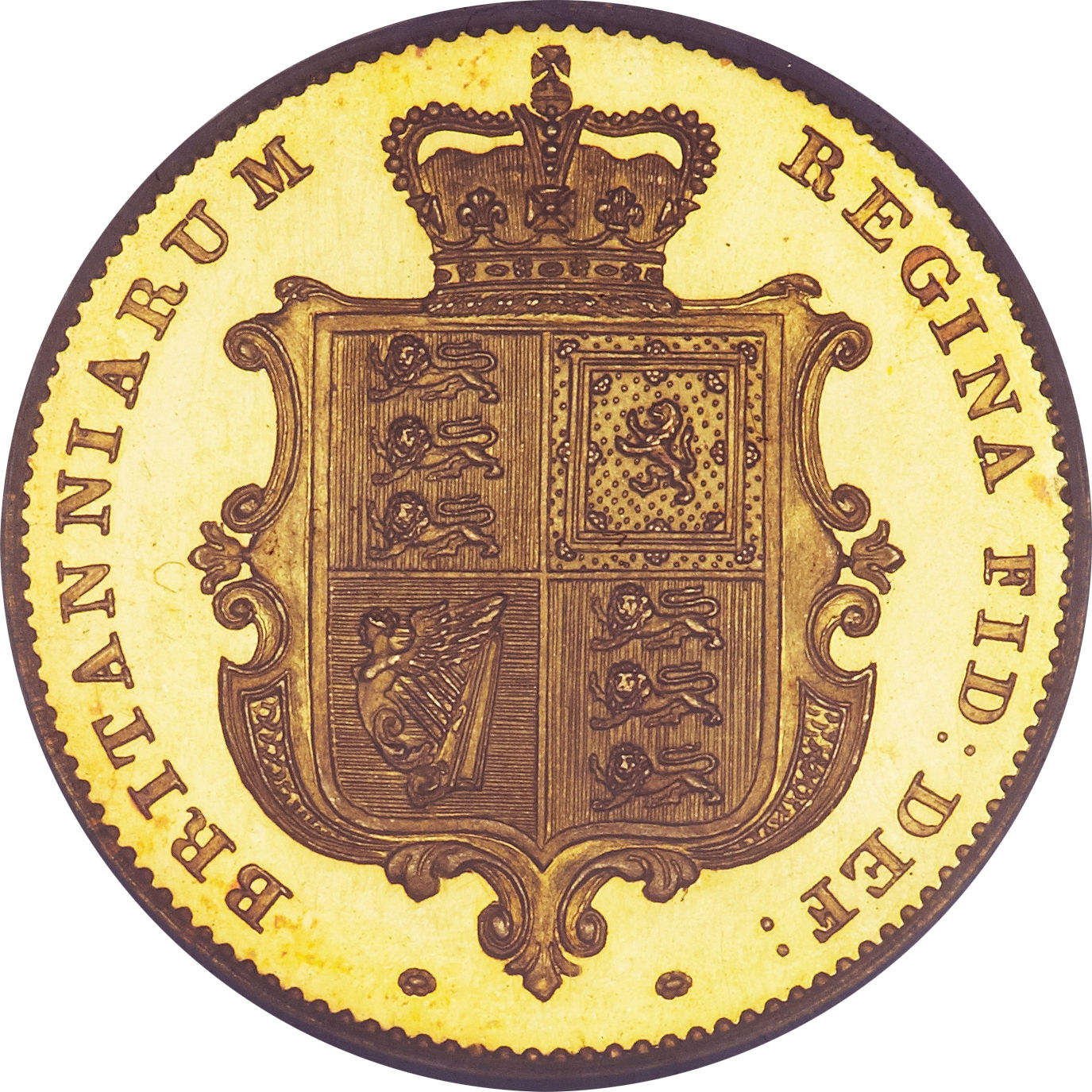
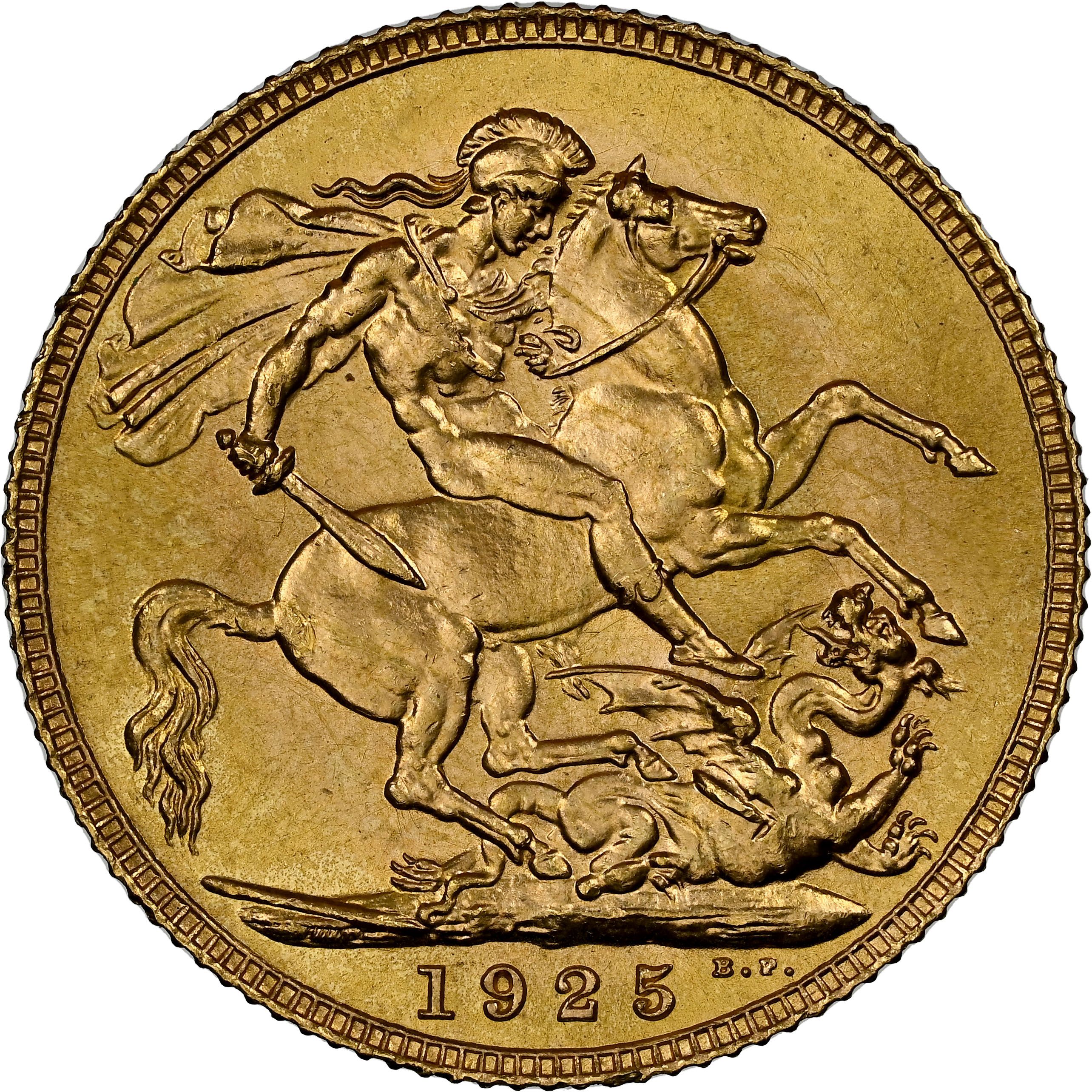
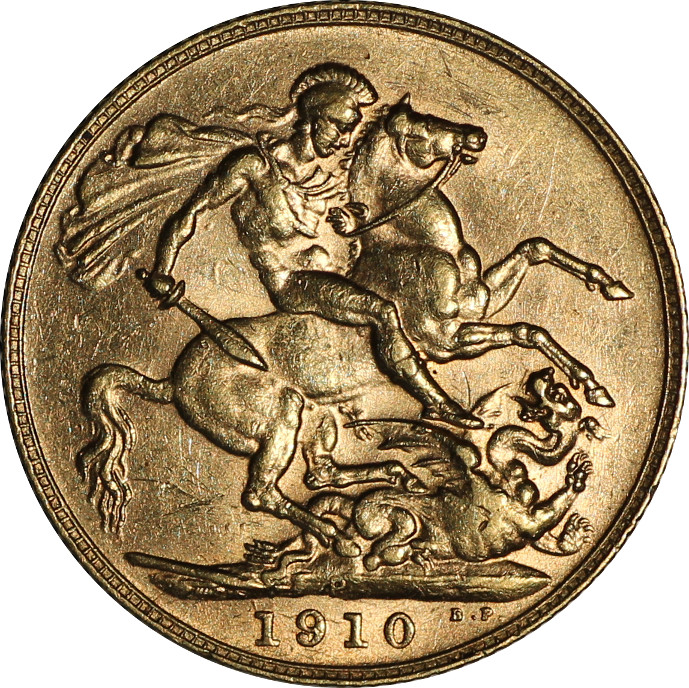
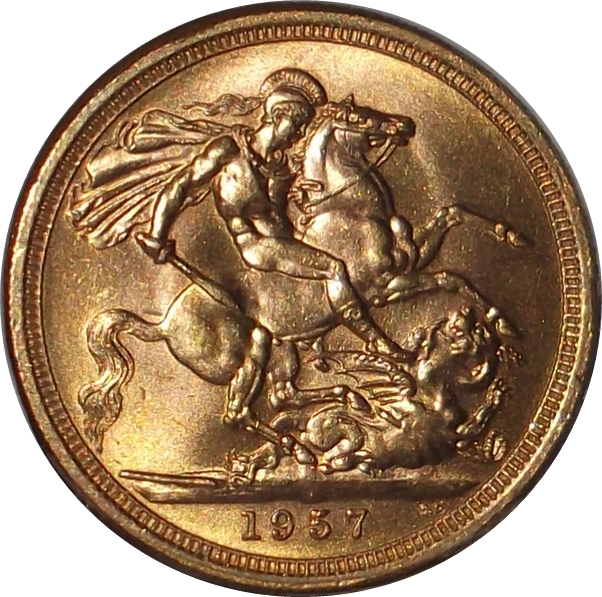
CGT-exempt: gold Sovereigns (1817+), gold Britannias (all sizes from 1987), silver
Britannias, Royal Mint commemorative coins (50p / £2 / £5 / £100 / £500 etc.),
Lunar series legal-tender coins, ALL pre-1947 UK legal-tender silver. NOT CGT-exempt:
Krugerrands, American Eagles, Maple Leafs, Vienna Philharmonics, Australian Kangaroos and any other
non-UK gold coin. The exemption applies regardless of holding period or capital gain.
We list reputable UK bullion dealers we'd happily buy from ourselves. Some links may earn us a small
commission at no cost to you, it helps keep MyCoinage free.
CGT-exempt UK coins (full list)
| Coin | Issued | Notes |
|---|
| Gold Sovereign (full) | 1817 onwards | 22-ct, 7.32 g pure gold, £1 face |
| Half / quarter / double / quintuple sovereigns | varying | All Royal Mint, all legal tender |
| Gold Britannia (all sizes) | 1987 onwards | 24-ct, 1/40 oz to 10 oz, £100+ face |
| Silver Britannia 1 oz | 1997 onwards | £2 face, .999 fine, BUT 20% VAT at new purchase |
| Royal Mint 50p commemoratives | 1969 onwards | Including all the Olympic, Paddington, Beatrix Potter, Music Legends 50ps |
| Royal Mint £2 commemoratives | 1986 onwards | Bimetallic and silver/gold proof variants |
| Royal Mint £5 crowns | 1990 onwards | Including Music Legends, royal occasions, anniversaries |
| Royal Mint £100 / £500 / £1,000 gold | varying | Premium gold proofs, all CGT-exempt |
| Pre-1947 sterling silver UK coins | 1849-1919 .925; 1920-1946 .500 | Florins, half-crowns, shillings, sixpences, threepences, crowns. CGT-free, no VAT |
| Pre-decimal copper (penny, halfpenny, farthing) | before 1971 | Legal tender at the time, gains exempt |
NOT CGT-exempt
- South African Krugerrands, not UK legal tender
- Canadian Gold Maple Leafs, Canadian legal tender, not UK
- American Gold Eagles, American Buffalos, US legal tender
- Austrian Vienna Philharmonics, Austrian legal tender (in Euros)
- Australian Kangaroos / Lunar coins, Australian legal tender
- Chinese Pandas, Chinese legal tender
- Mexican Centenarios, Mexican legal tender
- Westminster Collection / Bradford Exchange "commemorative medals", not legal tender ANYWHERE; these are decorative medals, not coins
- Royal Mint "Pobjoy" / overseas-territory issues, legal tender of those territories (Isle of Man, Tristan da Cunha, etc.) but NOT of the UK; CGT applies in the UK
Featured CGT-exempt coins on MyCoinage
Browse every UK gold coin in the catalogue →
Buy CGT-exempt UK coins on eBay
The links below open eBay UK searches; if you buy through them, MyCoinage earns a small commission at no cost to you.
Full sovereigns ↗
1 oz gold Britannia ↗
1/4 oz Britannia ↗
Second-hand silver Britannia ↗
Pre-1947 sterling silver ↗
Royal Mint gold proof ↗
External references
Frequently asked questions
What does "CGT-exempt" mean for UK coins?
Capital Gains Tax in the UK normally applies to profits from selling assets held outside an ISA / pension wrapper. UK legal-tender coins are exempt from CGT on their gains, regardless of holding period or sale price. The legal basis is that gains on UK currency aren't treated as capital gains because the asset is, technically, money. The annual CGT-free allowance (currently £3,000 / 2026) doesn't apply because the gains aren't counted at all. This is one of the most attractive structural features of UK gold coins for British investors.
Which coins are CGT-exempt?
All Royal Mint legal-tender coins. The big-volume CGT-exempt holdings are: gold sovereigns (full, half, quarter, double, quintuple), gold Britannias (1/40 oz to 10 oz), silver Britannias (1 oz, £2 face), Royal Mint commemorative coins (50p, £2, £5, £100, £500 etc.) regardless of metal, and Lunar series coins issued by the Royal Mint. Foreign gold coins (Krugerrands, Maple Leafs, American Eagles, Vienna Philharmonics) are NOT CGT-exempt because they are not UK legal tender. Buying CGT-exempt UK coins instead of foreign gold coins is one of the most cost-effective tax-planning moves available to British investors holding bullion.
Are silver Britannias really CGT-exempt?
Yes. Silver Britannias (1 oz, .999 fine) are UK legal tender at £2 face value (since 1997) so they're CGT-exempt indefinitely. However, they DO carry 20% VAT at purchase (gold is VAT-free; silver is not). The VAT cost typically negates the CGT benefit unless you're holding for many years. For pure-silver investment, look at second-hand Britannias (no VAT, since the seller has already paid it) or pre-1947 sterling silver UK coins (also CGT-exempt since they're old legal tender, plus no VAT).
Are pre-1947 silver coins CGT-exempt?
Yes. Pre-1947 sterling silver UK coins (florins, half-crowns, shillings, sixpences, threepences from 1849-1919; .500 silver from 1920-1946) were UK legal tender when issued and remain CGT-exempt. They were demonetised on various dates from 1969-1992 but tax treatment of their gains stayed CGT-free. They have no VAT (the original mint-tax era was different). For UK investors wanting silver exposure with neither CGT nor VAT, pre-1947 sterling florins / half-crowns are the most efficient route.
Are foreign gold coins CGT-free in the UK?
No. Krugerrands (South Africa), Maple Leafs (Canada), American Eagles (US), Philharmonics (Austria), Pandas (China), Kangaroos (Australia) etc. are NOT UK legal tender, so any gain on them is subject to UK Capital Gains Tax above the annual allowance (£3,000 in 2026). For the same gold content, a Sovereign or Britannia is the more tax-efficient choice for UK investors. Foreign coins are still useful for some collectors (different designs, different premiums, easier global resale) but understand the UK tax difference.
Does the inheritance tax exemption apply too?
No, that's separate. CGT exempts
capital gains on the disposal (sale) of legal-tender coins. Inheritance Tax applies to the value of the estate including any coins; the IHT exemption is specific to assets like business relief or agricultural relief, not legal-tender currency. Inherited coins do, however, receive a "step-up" in basis to the probate value, so any subsequent sale at probate-value avoids both CGT (legal tender exemption) AND no IHT-driven gain. See our
inherited a coin collection UK guide.
How does HMRC know what to apply to my coins?
You self-declare on Self Assessment if you sell at significant profit. UK legal-tender coin gains aren't reported on the Capital Gains pages because they're exempt; HMRC doesn't track individual coin disposals. For very large dispositions (£50,000+) or if you're trading at scale (treated as taxable income, not capital gains), a professional accountant is worth the fee. For typical individual / family disposals, no reporting required.
Why is it set up this way?
Historical accident plus deliberate Treasury preference. The UK legal-tender exemption stems from the long-standing principle that money shouldn't be taxed as a capital asset. Pre-decimal sovereigns and crowns were everyday currency until 1971; HMRC never carved out an exception when they became collectibles. The Treasury has historically supported the policy because it encourages domestic gold investment in UK-issued coins (vs foreign bullion outflows). Both major UK political parties have left the regime intact.
Can I move other gold INTO sovereigns / Britannias to capture the exemption?
Yes, in principle. Selling a foreign gold coin (which IS CGT-applicable) and buying UK legal-tender gold coins doesn't magically erase the existing gain on the foreign coin (you owe CGT on that disposal), but going forward, all future gains are CGT-exempt. Some investors do exactly this once they realise the structural advantage: liquidate foreign coins, accept the one-time CGT hit, and rebuild the position in Sovereigns / Britannias. Calculation depends on each individual's circumstance, consult an accountant for amounts £50,000+.
What about Royal Mint commemorative gold coins?
Yes, all Royal Mint legal-tender commemoratives are CGT-exempt. Music Legends gold proofs (£5 face value), Britannia gold proofs (varying face values), royal-themed gold coronation issues, £500 gold proof coins, £1,000 gold proof kilo coins, all CGT-exempt. The Royal Mint marketing typically highlights this on their gold proof product pages because it's a meaningful selling point.
Does the exemption apply to graded / slabbed coins?
Yes. Legal-tender status doesn't change with grading. A PCGS MS-65 graded sovereign in a tamper-evident slab is still a UK legal-tender coin and gains on its sale are CGT-exempt. The slab adds resale premium (10-25%) without affecting tax treatment.
Where can I learn more?
HMRC publishes guidance on the legal-tender exemption:
gov.uk Capital Gains Tax. The Royal Mint marketing materials are also useful (royalmint.com). For specific tax-planning advice on collections worth £50,000+, consult a UK accountant or financial adviser specialising in alternative assets, you want one who understands the legal-tender exemption mechanics, which not every general accountant does.