Rare UK Coins List: Top 25 Most Valuable British Coins by Realised Auction Price (2020–2025)
Britain's most valuable coins, ranked by what they actually sold for at auction in the last five years rather than dealer asking prices or guesses. The list is dominated by patterns, proofs and pre-1900 rarities; modern circulating coins like the Kew Gardens 50p have a separate section further down. Every figure is a hammer price from a published auction archive.
Wondering if you own one?
Free MyCoinage valuation tool · realised auction prices · no card needed
Run a free valuation across your collection, we’ll match every coin against realised auction prices from the last 90 days so you can see at a glance whether anything in your drawer rivals the list below.
How this list is compiled
Every price below is a realised hammer price: a specific lot was sold to a specific buyer at that figure on a specific date. We do not use:
- Dealer asking prices
- Catalogue values from Spink's Standard Catalogue (these are reference points, not transaction records)
- "Starting estimates" or "guide prices" from auction listings that didn't sell
- eBay completed listings (these can be unreliable for higher-end pieces and are excluded for this list specifically)
The data sources for the table below:
- Spink, the UK's leading numismatic auction house, founded 1666.
- Baldwin's of St James's, specialist British auction house with a strong pattern and proof catalogue.
- Noonans Mayfair, (formerly Dix Noonan Webb) major London numismatic auctioneer.
- Heritage Auctions, the world's largest numismatic auction archive, US-based but with significant UK coin throughput.
- Onebid, European auction-house aggregator with strong British coverage from continental dealers.
Where one coin has multiple recorded sales in the window, we list the highest. The full price history per coin (every sale, every grade, with source links) is on each coin's detail page on this site.
The Top 25 by realised auction price (2020–2025)
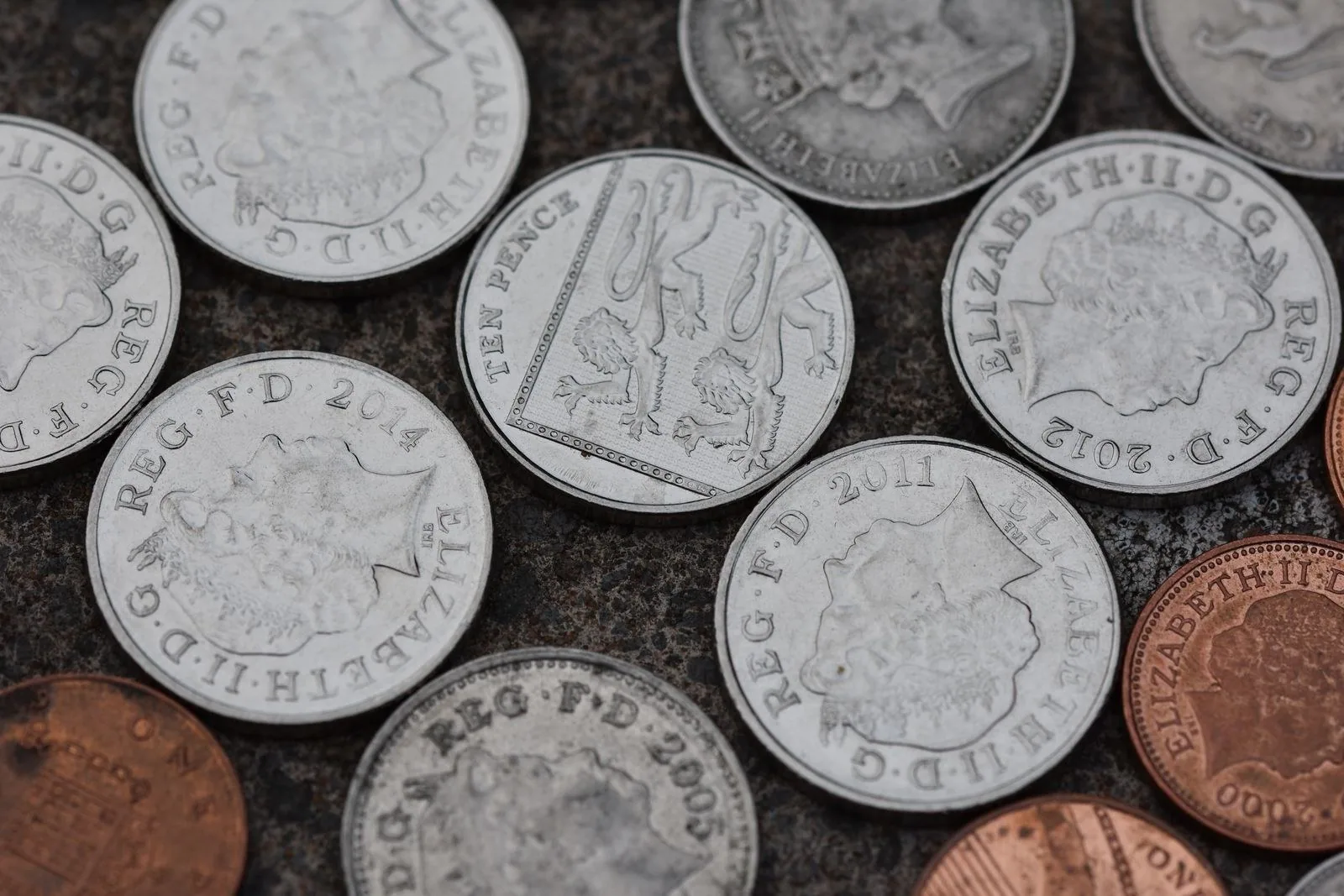
Live data from our auction-price database, deduplicated to one entry per catalogue coin and sorted by highest single realisation. Click any row to open the coin's detail page with full sale history.
| # | Coin | Year | Top realised | Where & when |
|---|---|---|---|---|
| 1 | 5 Pounds - Victoria 1st portrait; 'Una and the Lion' · PR-65 | 1839 | £1,386,320 | Onebid · Oct 2023 |
| 2 | 1 Crown - William IV Pattern · PR-65 | 1831 | £287,928 | Onebid · Oct 2021 |
| 3 | 1 Crown - Victoria 1st portrait · BU | 1839 | £159,960 | Onebid · Jun 2025 |
| 4 | 5 Pounds - George V · PR-65 | 1911 | £63,984 | Onebid · Jun 2021 |
| 5 | 1 Crown - William IV · PR-65 | 1831 | £39,000 | Spink · Sep 2025 |
| 6 | ½ Crown - Victoria 1st portrait; 1st type · VF | 1839 | £24,000 | Baldwin's · Dec 2025 |
| 7 | 2 Pounds - William IV · PR-63 | 1831 | £22,000 | Spink · Sep 2025 |
| 8 | 5 Pounds - George VI · PR-66 | 1937 | £18,000 | Spink · Apr 2026 |
| 9 | 2 Pounds - George V · PR-65 | 1911 | £8,531 | Onebid · Jun 2021 |
| 10 | 5 Pounds - Elizabeth II Sapphire Anniversary; Gold Proof · VF | 2018 | £8,499 | Onebid · Nov 2024 |
| 11 | 1 Sovereign - William IV · VF | 1831 | £7,000 | Baldwin's · Jul 2025 |
| 12 | 5 Pounds - Edward VII · AG | 1902 | £6,500 | Spink · Jul 2026 |
| 13 | 1 Sovereign - George V · PR-66 | 1911 | £6,000 | Spink · Sep 2026 |
| 14 | 5 Pounds - Elizabeth II Prince Charles 60th Birthday; Platinum Piedfort · VF | 2008 | £5,676 | Onebid · Jan 2026 |
| 15 | 1 Crown - George IV 1st portrait · MS-65 | 1821 | £5,500 | Spink · Sep 2025 |
| 16 | 1 Florin - Victoria Pattern · PR-61 | 1848 | £5,200 | Baldwin's · Dec 2025 |
| 17 | 2 Pounds - George IV · MS-62 | 1823 | £5,074 | Onebid · May 2024 |
| 18 | 1 Sovereign - Victoria 2nd portrait · PR-65 | 1887 | £5,000 | Baldwin's · Aug 2024 |
| 19 | 5 Pounds - Victoria 2nd portrait · VF | 1887 | £4,500 | Baldwin's · Oct 2026 |
| 20 | 1 Crown - George III Pattern; Silver · VF | 1820 | £4,439 | Onebid · Oct 2021 |
| 21 | 1 Sovereign - George IV · MS-62 | 1821 | £3,352 | Onebid · Nov 2022 |
| 22 | ½ Crown - George IV 1st portrait; 1st reverse · PR-65 | 1820 | £3,200 | Baldwin's · Oct 2023 |
| 23 | 2 Pounds - George VI · PR-65 | 1937 | £3,199 | Onebid · May 2024 |
| 24 | 1 Sovereign - George VI · PR-65 | 1937 | £3,000 | Baldwin's · Oct 2024 |
| 25 | ½ Crown - William IV · PR-62 | 1831 | £3,000 | Baldwin's · Dec 2025 |
Notes: many top entries are 19th-century patterns and proofs (denoted "PR" or with grades like PR-65) struck in tiny numbers for presentation. Modern record-holders such as the 1933 George V penny haven't traded in our 2020–2025 window and are covered separately below.
Britain's record-breaking coin sales
Several of the most famous British coin rarities sit outside our public-auction dataset because they sold via private treaty (not at a hammer auction), or because they trade so infrequently the most recent transaction predates 2020. They're named here for context, with documented realisations on record.
The 1937 Edward VIII Sovereign, Britain's record at £1,000,000
The all-time record for the most valuable British coin sold to a private collector is held by a 1937 Edward VIII gold sovereign, which sold for £1 million in January 2020 in a private treaty sale brokered by the Royal Mint. The buyer was an anonymous UK collector. The same coin had previously sold to a US collector in 2014 for £516,000, so the 2020 sale almost doubled its previous price.
The coin itself is one of just six known specimens of the 1937 Edward VIII sovereign in the public realm. Of those six: four are held by museums and similar institutions, leaving only two in private hands, including the buyer of this 2020 sale. The piece was struck as a trial coin in 1936, ahead of the planned January 1937 issue of Edward VIII coinage that was cancelled when the king abdicated to marry Wallis Simpson on 11 December 1936. The Royal Mint never released the Edward VIII coinage publicly; almost the entire production was melted, and Edward VIII coins struck for general circulation never physically existed.
Why the £1 million figure stands as an outlier above our 2020–2025 auction dataset: private treaty sales brokered by the Royal Mint and major dealers are typically negotiated rather than hammered, so they don't appear in published auction archives. Among public auction realisations the 1820 George III pattern £5 at £666,500 (Onebid, October 2021) holds the top spot in our table; the Edward VIII sovereign sits above it in the all-method sale league.
Caveat for buyers and sellers: post-1937 "Edward VIII" pieces offered for private sale today are almost always private restrikes or fantasy issues by INA Inc and similar private mints, not the original Royal Mint patterns. Authentic specimens carry full Royal Mint provenance documentation; anything else is, at best, a privately struck commemorative with no numismatic standing.
The 1703 Queen Anne "Vigo" Five Guineas
Struck from gold captured at the Battle of Vigo Bay (1702) and inscribed VIGO below the bust. Around 20 are known. A specimen realised approximately £700,000 at Sotheby's in 2019. Pre-2020 so it doesn't appear in our table, but it sits second only to the Edward VIII sovereign among Britain's confirmed coin sales.
The 1839 "Una and the Lion" £5
The William Wyon-designed five-pound piece featuring Queen Victoria as Una guiding a lion is widely regarded as the most beautiful British coin ever struck. Mintage approximately 400. Specimens in PR-65 routinely exceed £500,000 at auction. Heritage Auctions realised £560,000 on a PR-65 in 2018.
The 1933 George V "Wreath" Penny
Britain's most famous modern rarity. The Royal Mint struck only a handful of 1933 pennies as presentation pieces; 1933 mintage for circulation was zero because the country had a glut of pennies already. Best estimates put the surviving population at fewer than ten. A specimen realised £72,000 at Heritage Auctions in 2020. Higher figures have been quoted privately. Anything purporting to be a "1933 penny" found in change is virtually certain to be either counterfeit or a related-but-not-identical Lavrillier-pattern strike.
The 1819 George III Sovereign
Approximately 10 known examples. Realisations of £100,000–£180,000 in recent decades. Covered in detail on the sovereign values guide.
Modern coins still found in change
Headline auction prices belong to historical pieces locked away in collections. The coins below are modern issues that still circulate occasionally, and the ones to actually search for if you're sifting through change. Realised secondary-market prices are typical eBay completed-listings averages.
| Coin | Year | Mintage | Typical sale |
|---|---|---|---|
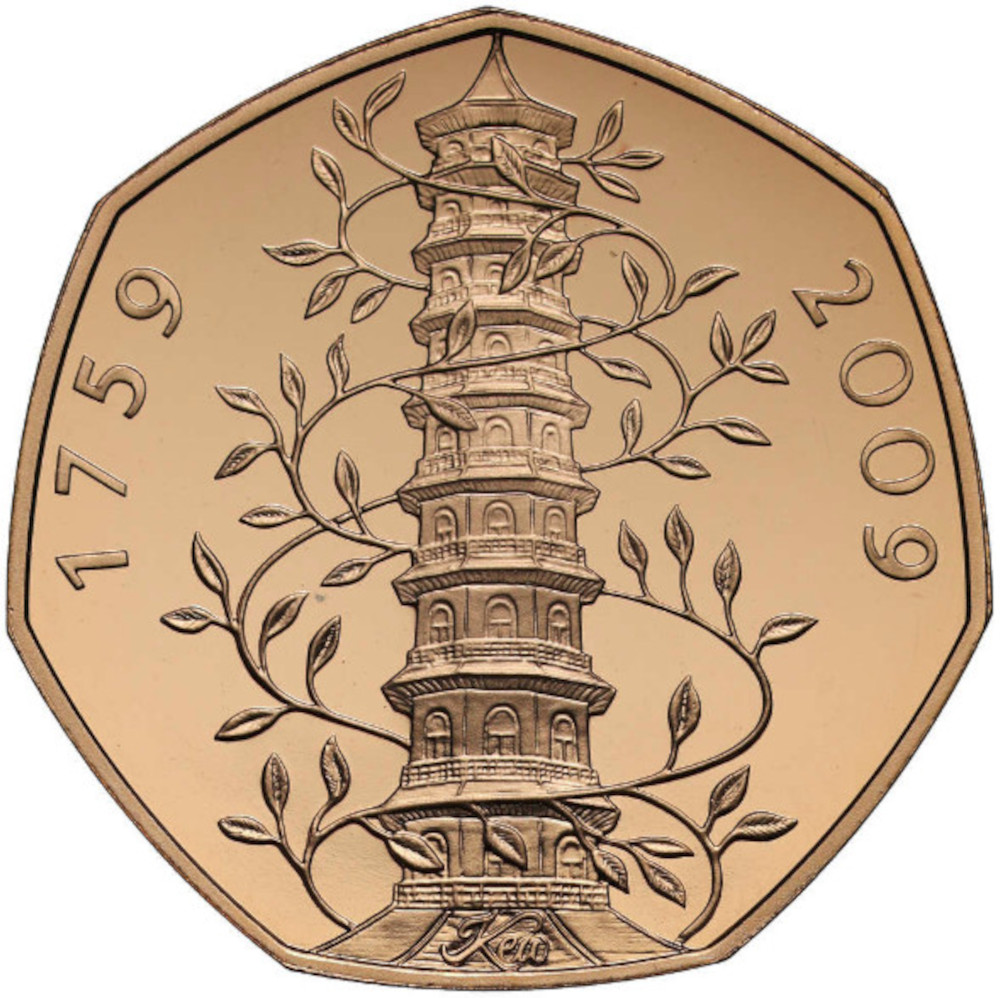
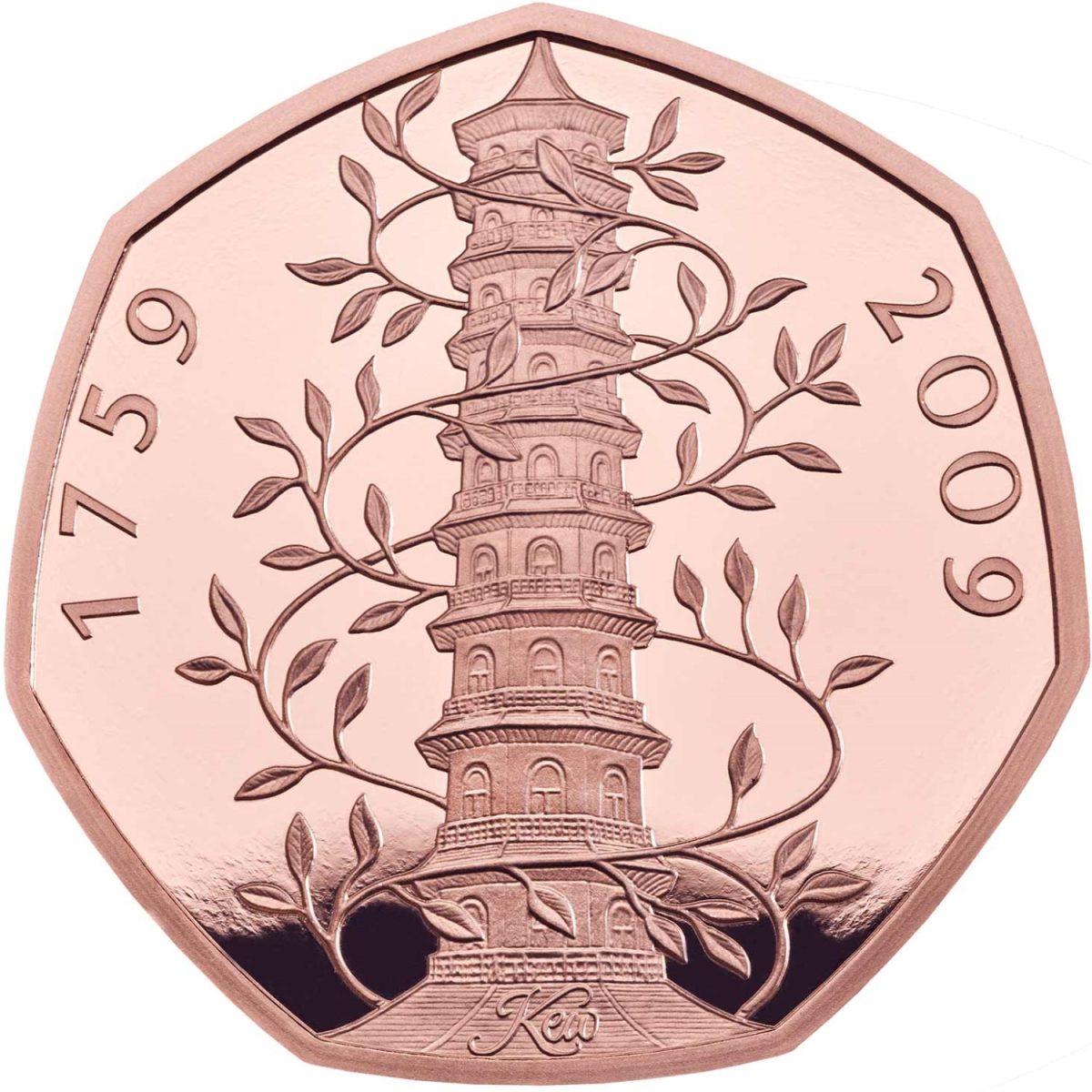
| Kew Gardens 50p | 2009 | 210,000 | £100–£200 |
| Olympic 50p, Football (offside rule) | 2011 | 1,125,500 | £6–£15 |
| Olympic 50p, Wrestling | 2011 | 1,129,500 | £5–£12 |
| Olympic 50p, Triathlon | 2011 | 1,163,500 | £4–£10 |
| Olympic 50p, Judo | 2011 | 1,161,500 | £4–£10 |
| Peter Rabbit 50p | 2016 | 9,602,000 | £3–£8 |
| Squirrel Nutkin 50p | 2016 | 5,001,000 | £5–£15 |
| 2002 Commonwealth Games £2, Northern Ireland | 2002 | 485,500 | £30–£60 |
| 2002 Commonwealth Games £2, Wales | 2002 | 588,500 | £15–£35 |
| 2002 Commonwealth Games £2, Scotland | 2002 | 771,750 | £10–£20 |
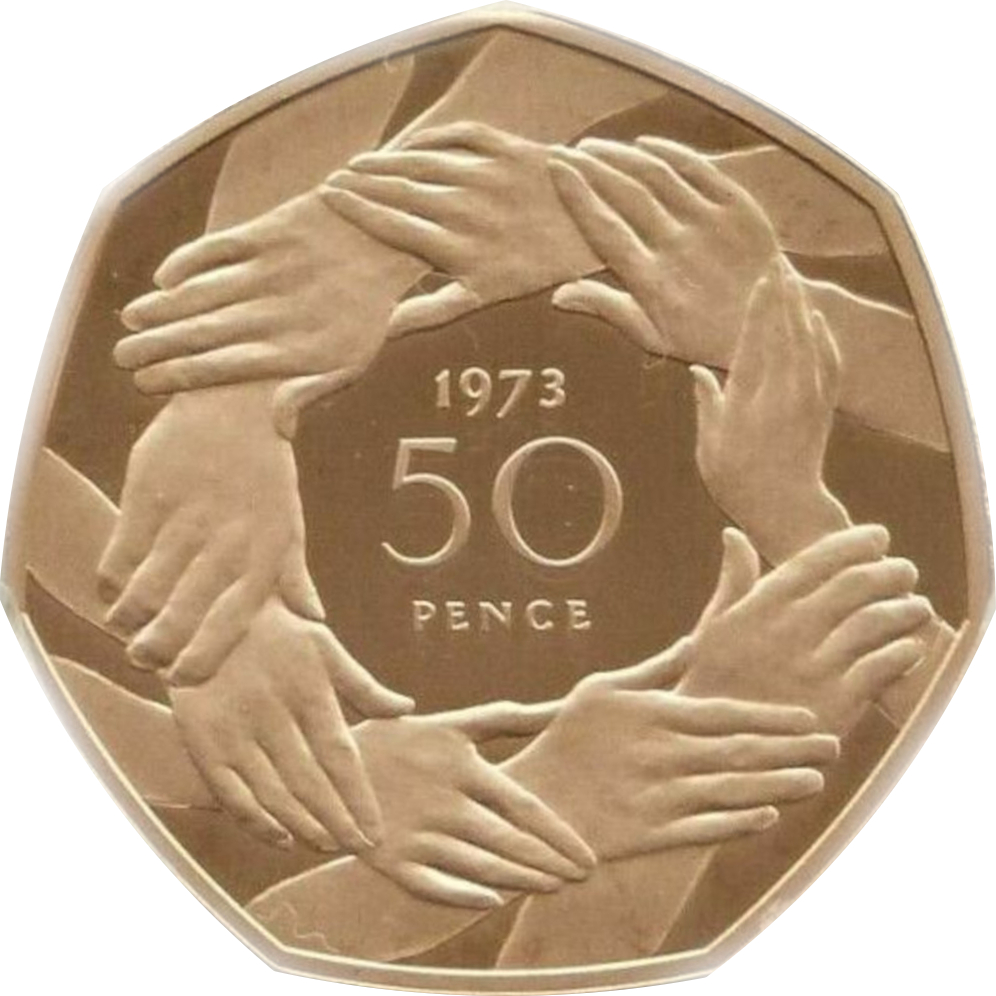
| 1992–1993 EU Presidency 50p | 1992 | 109,000 | £30–£55 |
| WWF 50p (50th anniversary) | 2011 | 3,400,000 | £3–£8 |
| Britannia £2 (early issues) | 1997– | various | £5–£25 |
Famous British error coins worth checking for
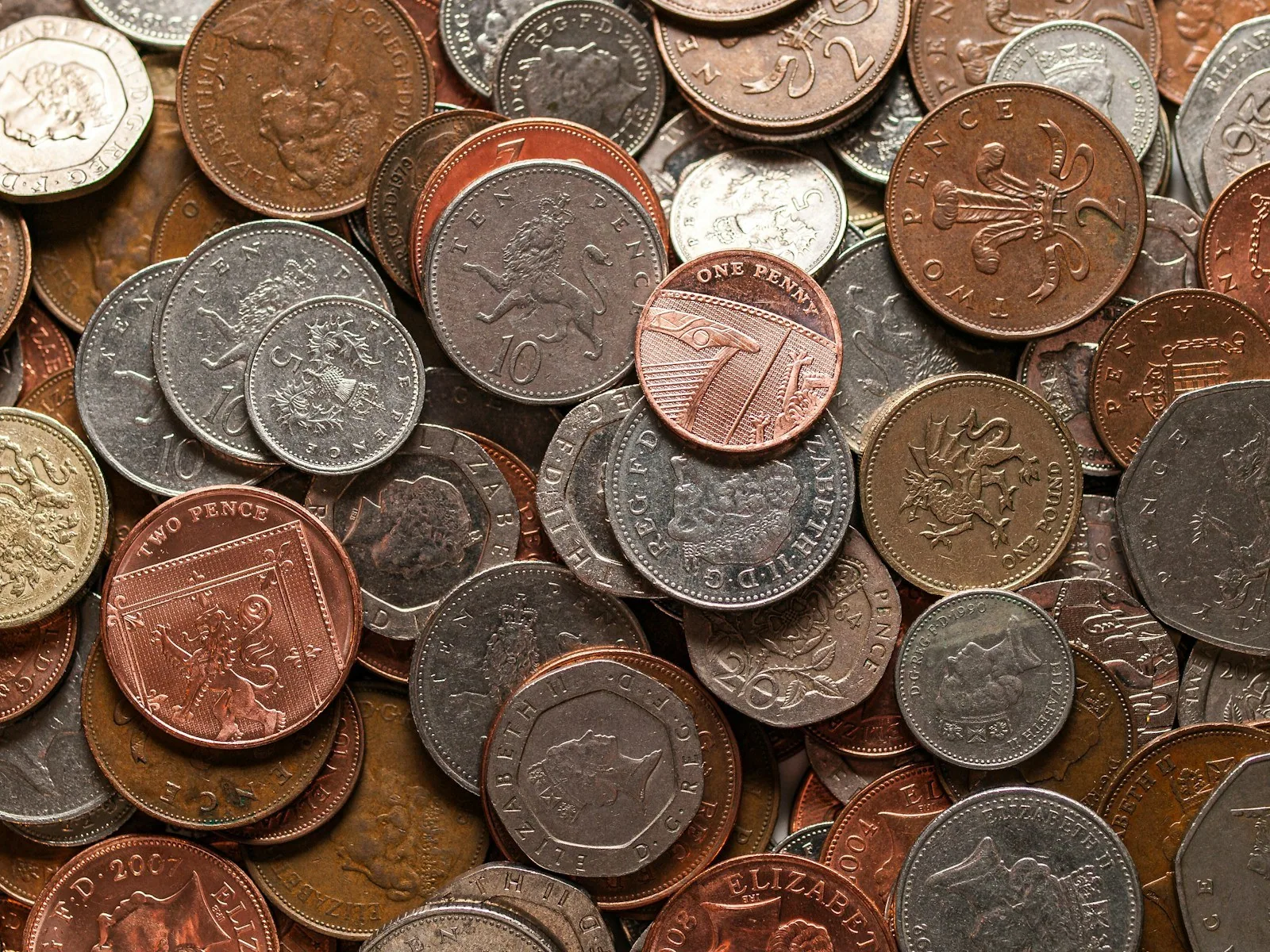
These aren't rare by mintage, they're mistakes the Royal Mint released into circulation, and each one is worth multiples of face value. Full coverage on the UK coin errors guide.
- 2008 undated 20p ("mule"): the 2008 redesign accidentally paired a new reverse with the old obverse, leaving the date off entirely. Around 250,000 entered circulation. Sells for £50–£100.
- 1983 "New Pence" 2p: proof coins struck with the 1971–81 "New Pence" reverse instead of the 1982-onwards "Two Pence" wording. Found only in 1983 Royal Mint sets. Sells for £500–£1,500.
- 1971 New Pence on a halfpenny blank: wrong-blank errors are scarce; specimens command £500+.
- 2009 Kew Gardens 50p missing reverse detail: a known minor variety with weak strike on the pagoda; tradeable at a 10–30% premium over the standard Kew.
- Inverted effigy on £2 coins (any year): if the obverse and reverse are misaligned by ~180°, the coin is a die-rotation error worth £30–£100 depending on year and severity.
How to spot a rare coin in your change
The five-second checklist that catches most genuine modern rarities without specialist knowledge:
- Year, for 50ps, look for 2009 (Kew Gardens), 2011 (Olympic series), 2016–2018 (Beatrix Potter / Paddington); for £2s, 2002 Commonwealth Games variants are key.
- Reverse design, oddly specific Olympic sport, or a Beatrix Potter character; these are the modern key dates.
- Edge, for £2 coins, missing or rotated edge inscriptions are valued errors.
- Weight, if it feels wrong in the hand, weigh it. Wrong-blank errors (a 2p on a halfpenny planchet, etc) are real and valuable.
- Date or wording, missing date on a 20p, "New Pence" instead of "Two Pence", any unexpected legend variant. Photograph and search.
Authentication for high-value coins
Anything you suspect is worth more than ~£500 should be sent to one of the third-party grading services for professional authentication and encapsulation. The major options:
- PCGS, US-based, the largest grading service worldwide. Strong reputation across all eras of British coinage.
- NGC, second-largest. NGC slabs are widely accepted at UK auction.
- CGS UK, British-based, focuses on UK coinage. Lower fees and faster turnaround domestically.
Fees are typically £20–£50 per coin depending on declared value and turnaround time. A slabbed coin sells for typically 10–25% more than the same coin raw, and removes counterfeit risk for the buyer.
Where to sell rare British coins
The right venue depends entirely on value tier:
- £5,000+ (a piece on this list): consign to Spink, Baldwin's, Noonans or Heritage. Hammer commission ~15–20%. Realised prices on rare dates are reliably above private dealer offers.
- £500–£5,000: auction is still typically best for net return. Slab the coin first.
- £100–£500 (modern rarities): eBay UK with a third-party-graded slab. Expect prices to track our published modern-rarity figures within ~10%.
- Under £100: eBay or local coin fair. Slabbing is rarely cost-effective at this tier.
The where to sell rare coins guide has commission structures and net-return comparisons for each venue.
Featured rarities on MyCoinage
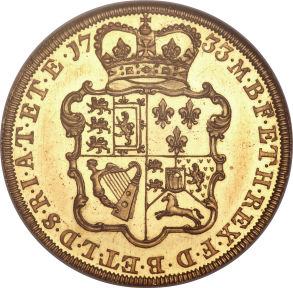
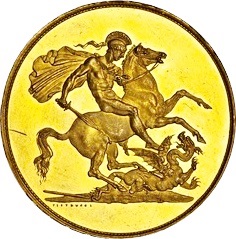
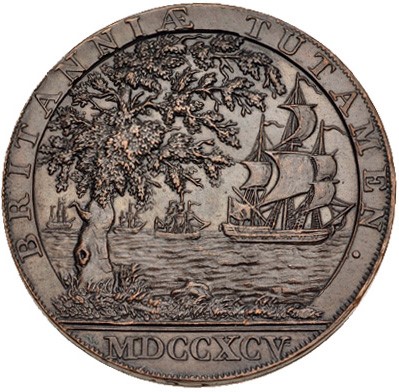
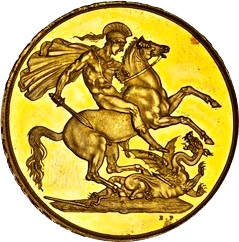
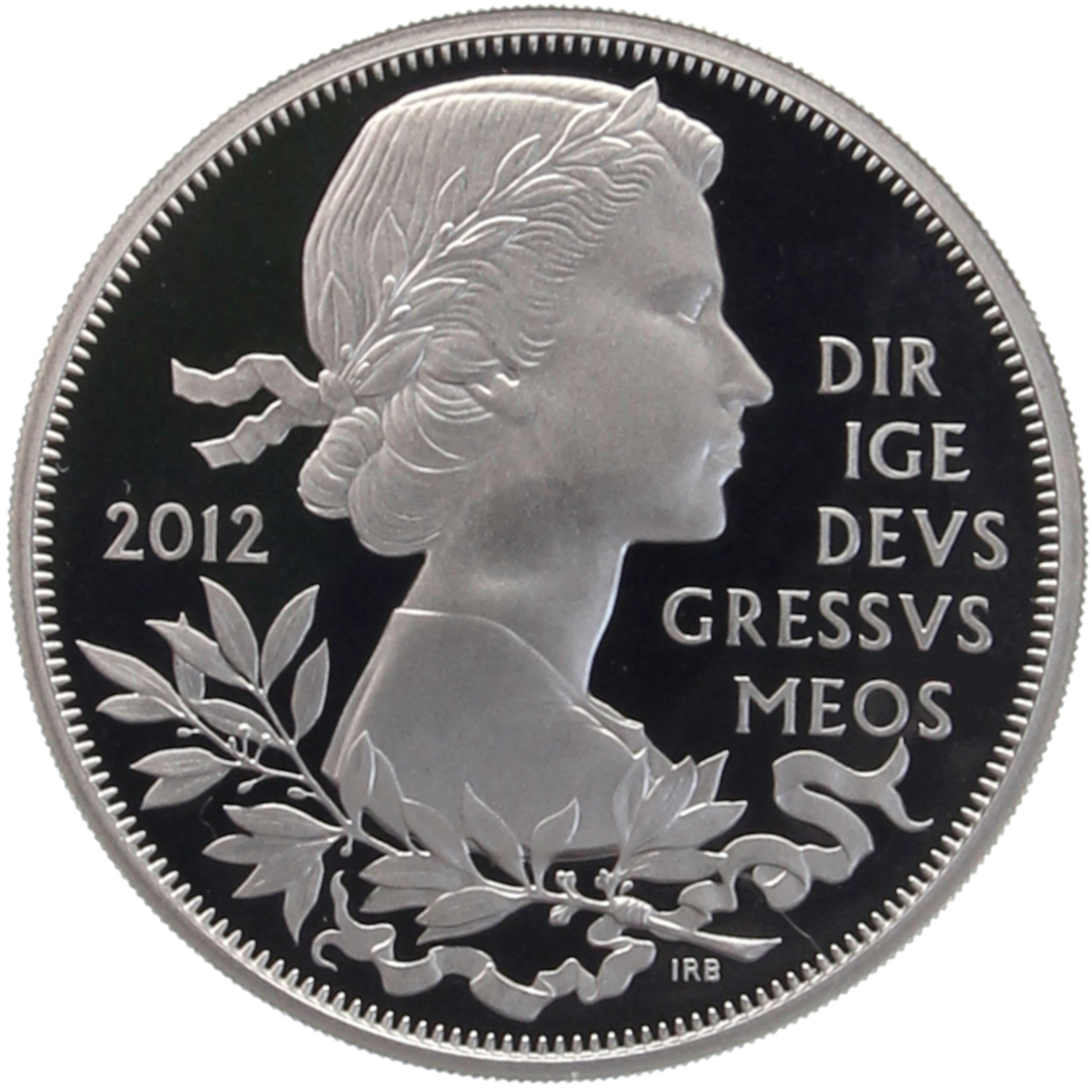
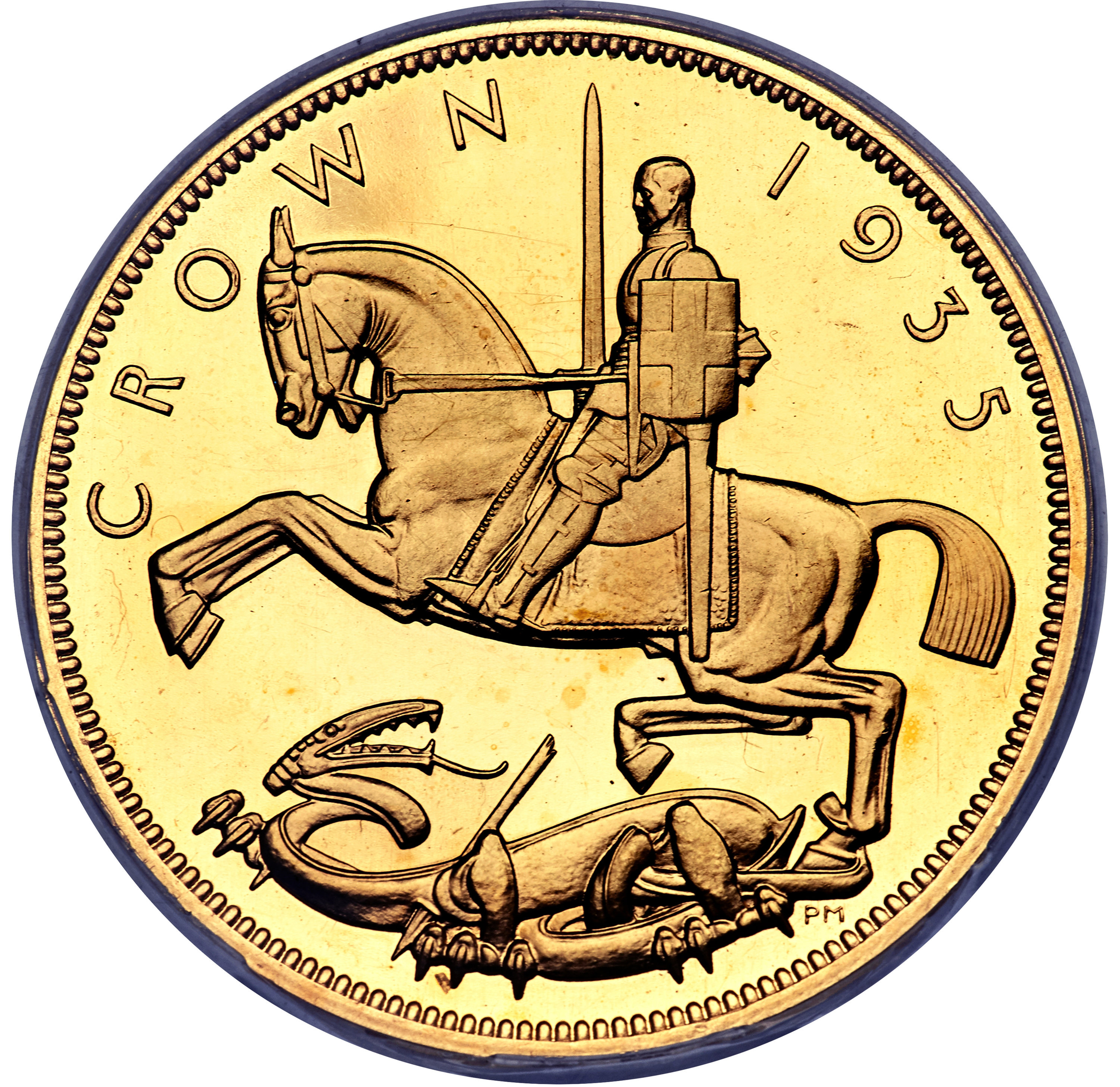
Browse every key-date coin in the catalogue →
Frequently asked questions
What is the most valuable British coin ever sold?
Are any rare British coins still found in circulation?
How do I know if my old coin is rare or just old?
Should I clean a rare coin before selling?
Where can I sell a rare British coin?
How accurate are the prices in this list?
What does "PR-65" or "MS-65" mean?
Are sovereigns on this list?
Do I need to authenticate before selling?
Are rare coins a good investment?
How often is this list updated?
Further reading
- Rare banknote serial numbers, the same hunt on the paper side of your wallet.
- UK Coin Scarcity Index, live ranking of every circulating UK 50p, £1 and £2 by combined mintage + collection-completion data.
- Gold sovereign values UK, the parallel reference for British gold rarities.
- UK coin errors list, full coverage of mules, off-strikes and Royal Mint mistakes.
- The 1933 Penny in detail, the most famous 20th-century British rarity.
- Coin grading guide, UK and Sheldon scales, the prerequisite for any pricing decision.
- Where to sell rare coins UK, commission and net-return comparisons.
- Value your collection, portfolio-level valuation tool.