Common: 10,000,000 or more minted. Sells often: 38 verified sales in the last 12 months.
1 Pound - Elizabeth II 3rd portrait Scottish Lion (1994)
"1994 Lion Rampant £1"
| Country | United Kingdom |
| Year | 1994 |
| Denomination | 1 Pound |
| Face value | £1 |
| Mintage | 29,752,525 |
| Mint | Royal Mint · Llantrisant |
| Series | Round Pound Series |
| Circulation | Circulating |
| Demonetised | 2017 |
| Composition | Nickel brass |
| Weight | 9.500g |
| Diameter | 22.5mm |
| Thickness | 3.15mm |
| Shape | Round |
| Edge | Milled with inscription: NEMO ME IMPUNE LACESSIT |
| Orientation | Medal alignment ↑↑ |
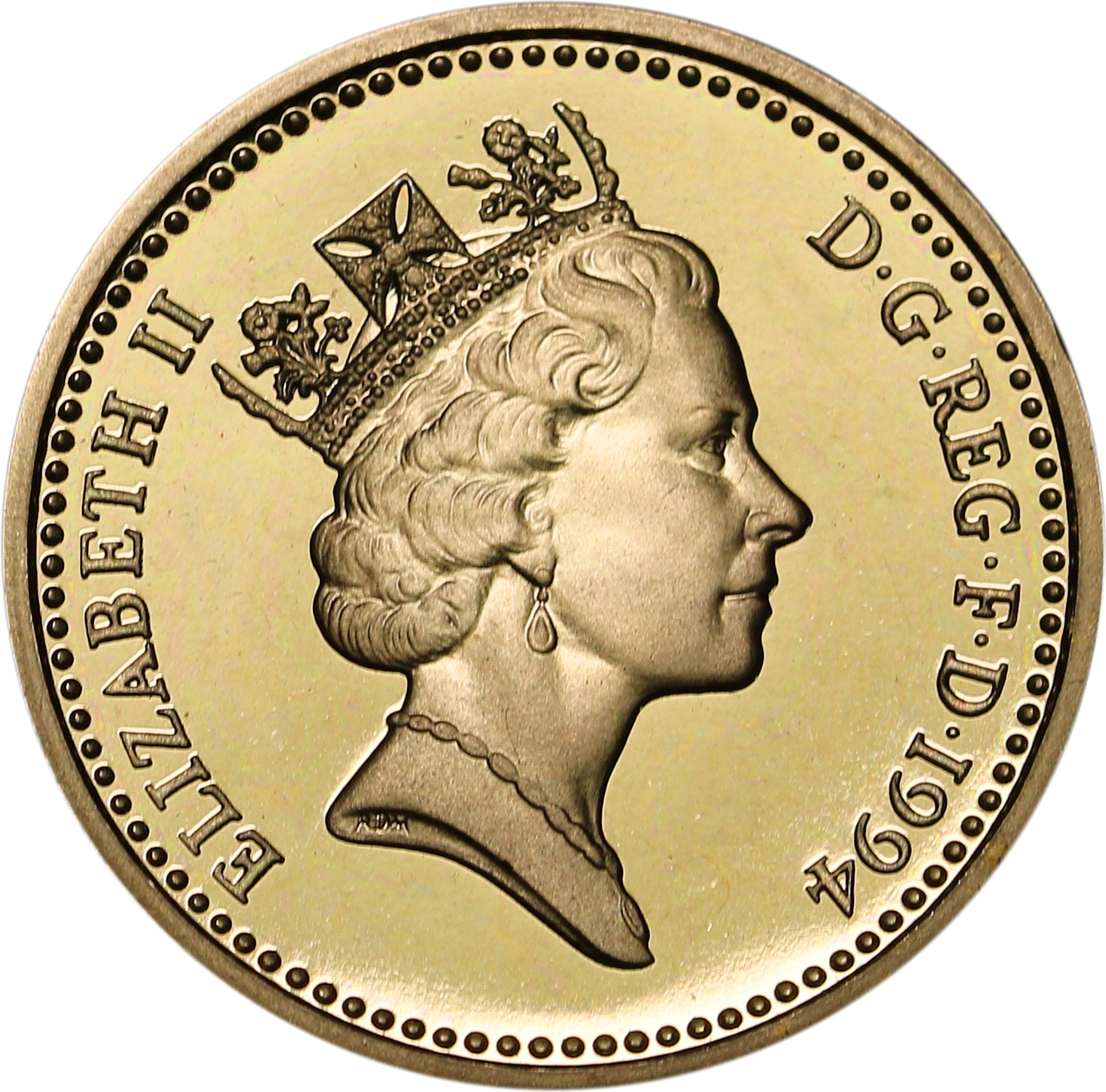
| Obv. artist | Raphael Maklouf |
| Rev. artist | Norman Sillman |
| Grade scale | UK (EF/UNC) |
Third crowned portrait of Queen Elizabeth II right, wearing the George IV State Diadem, legend around
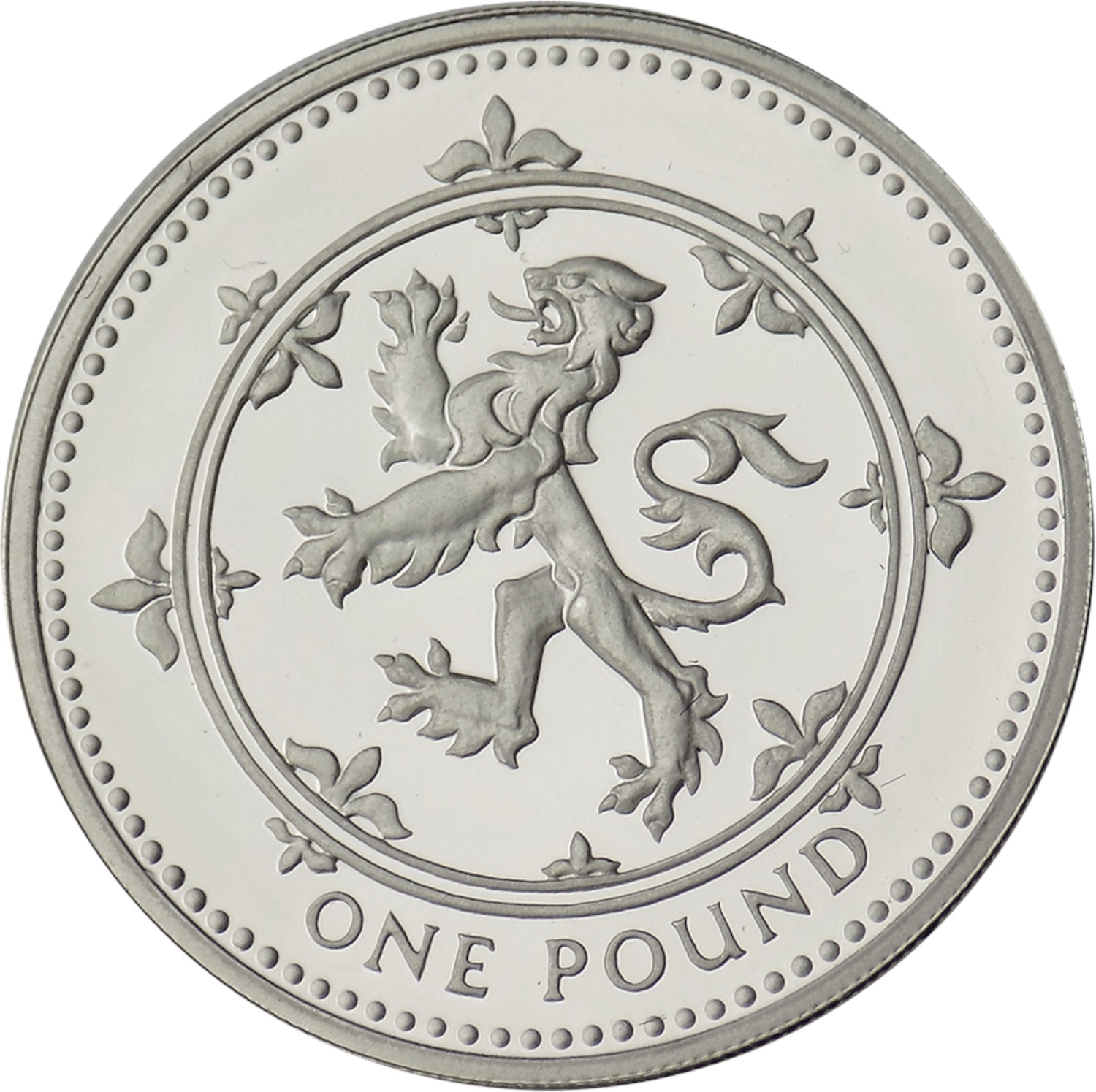
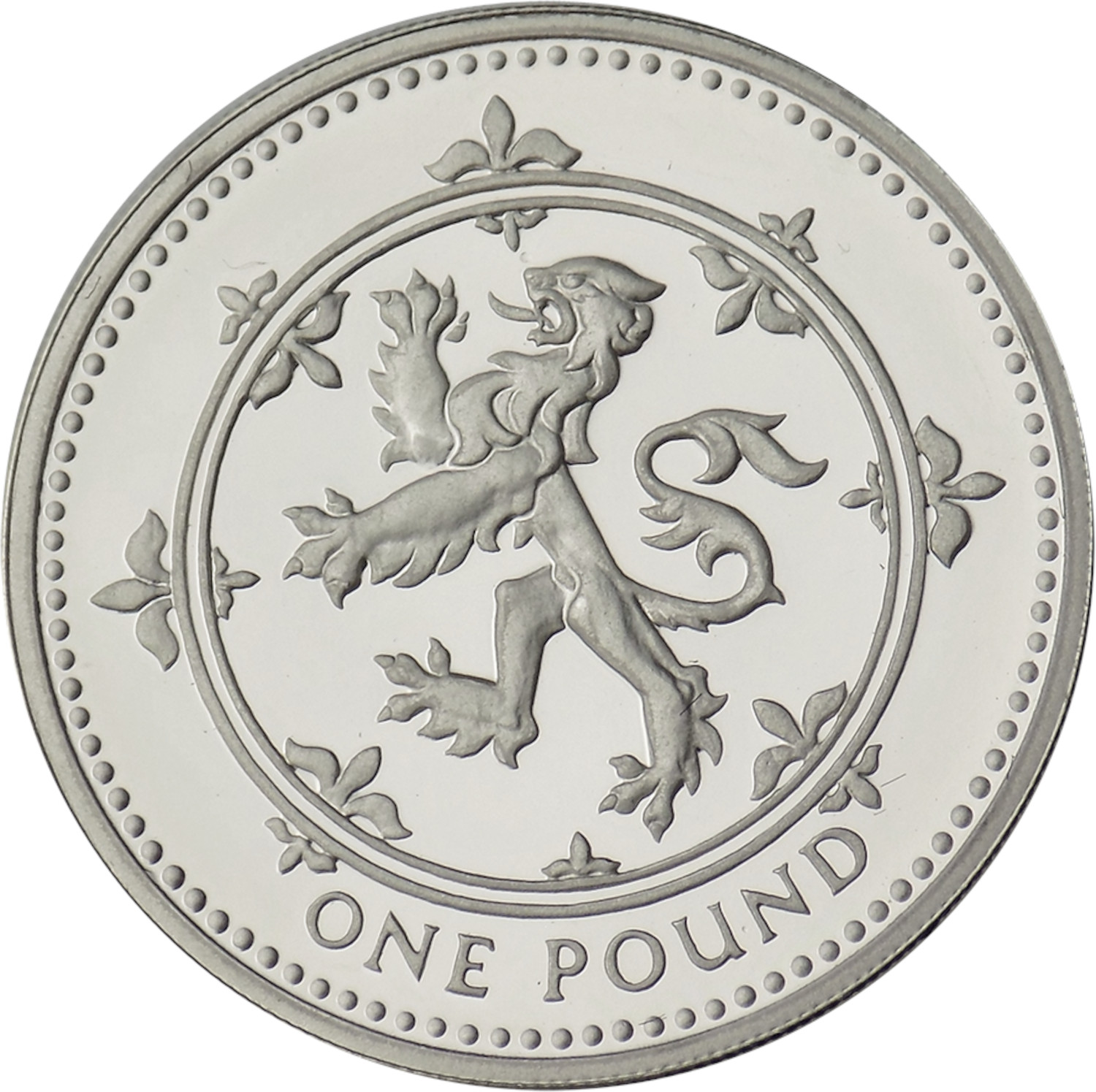
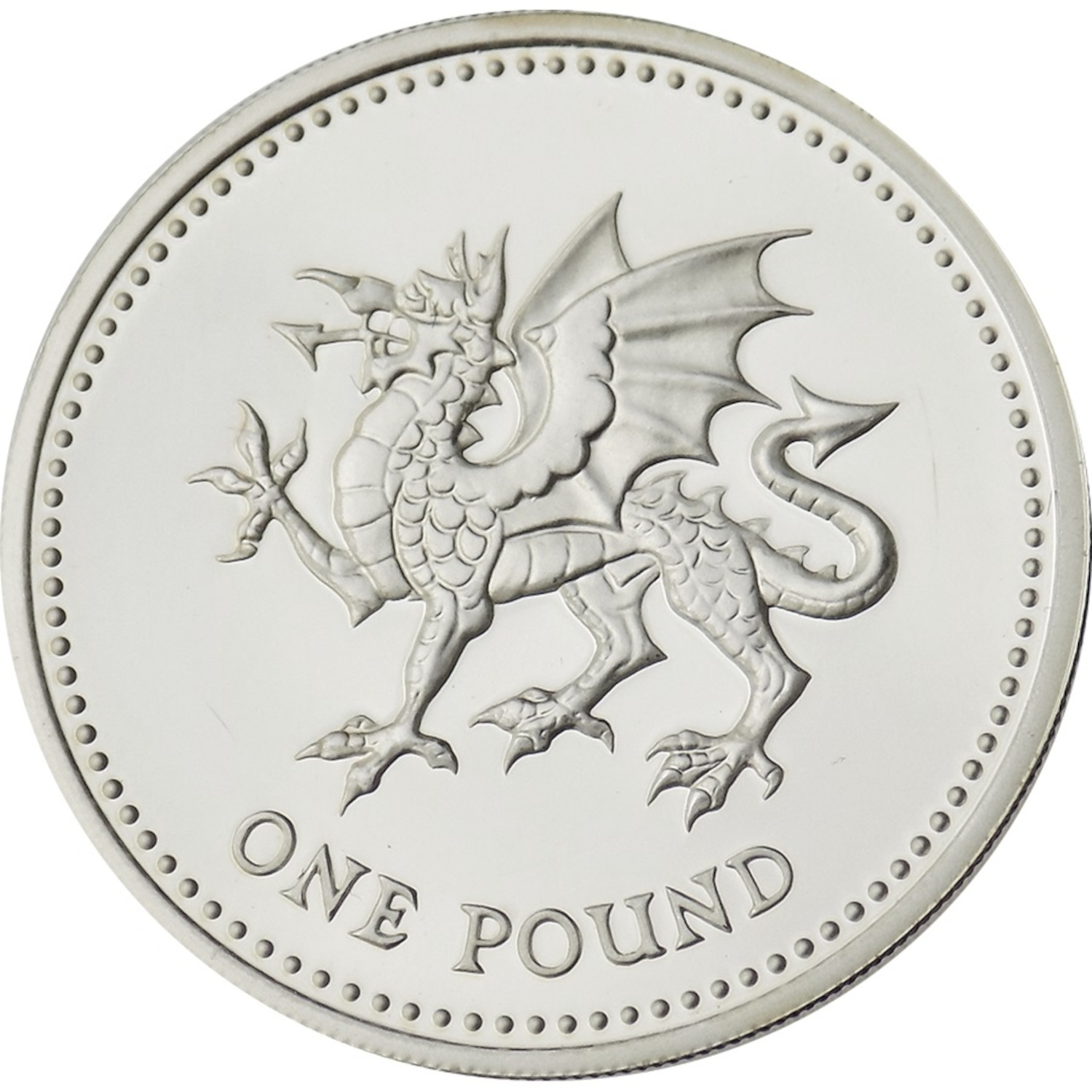
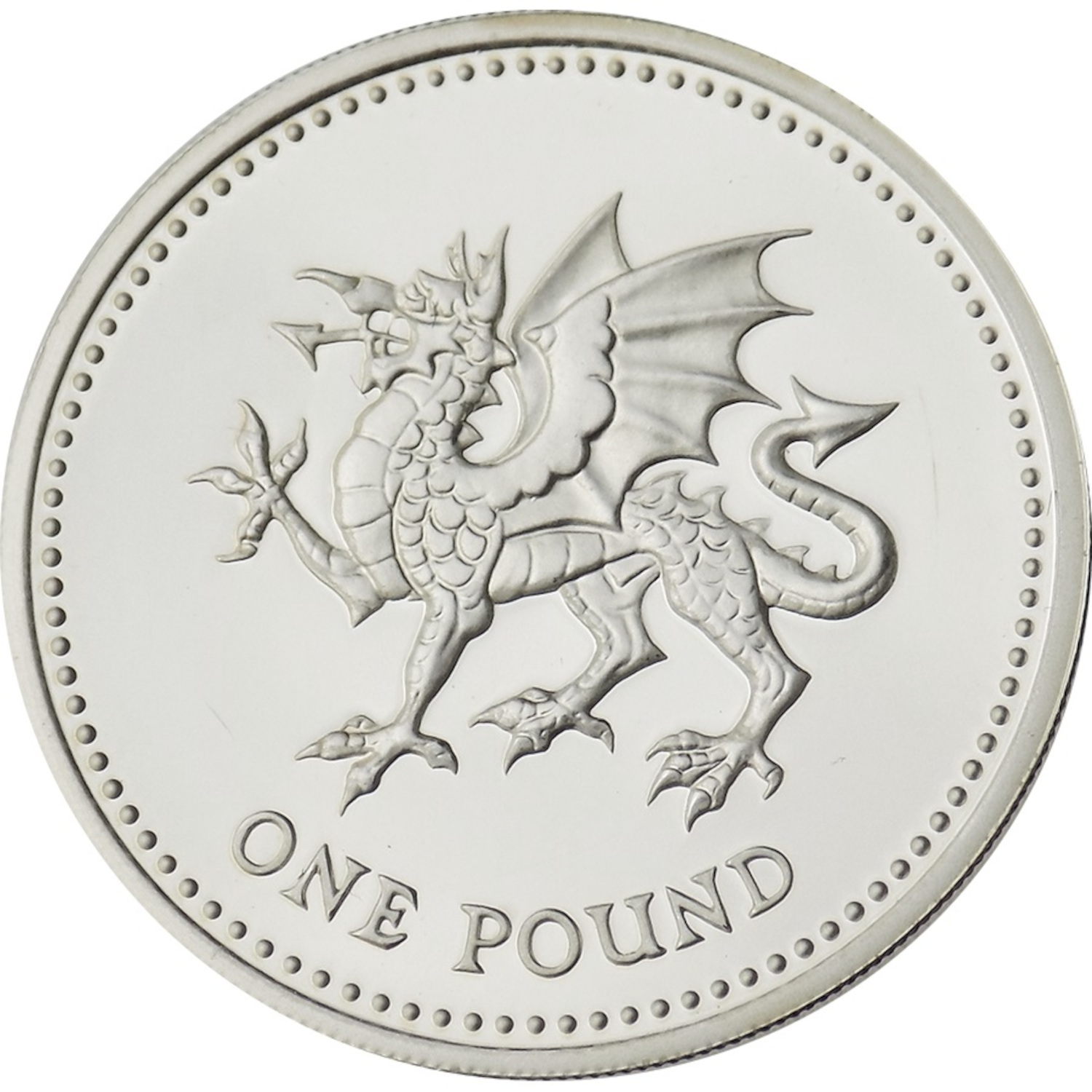
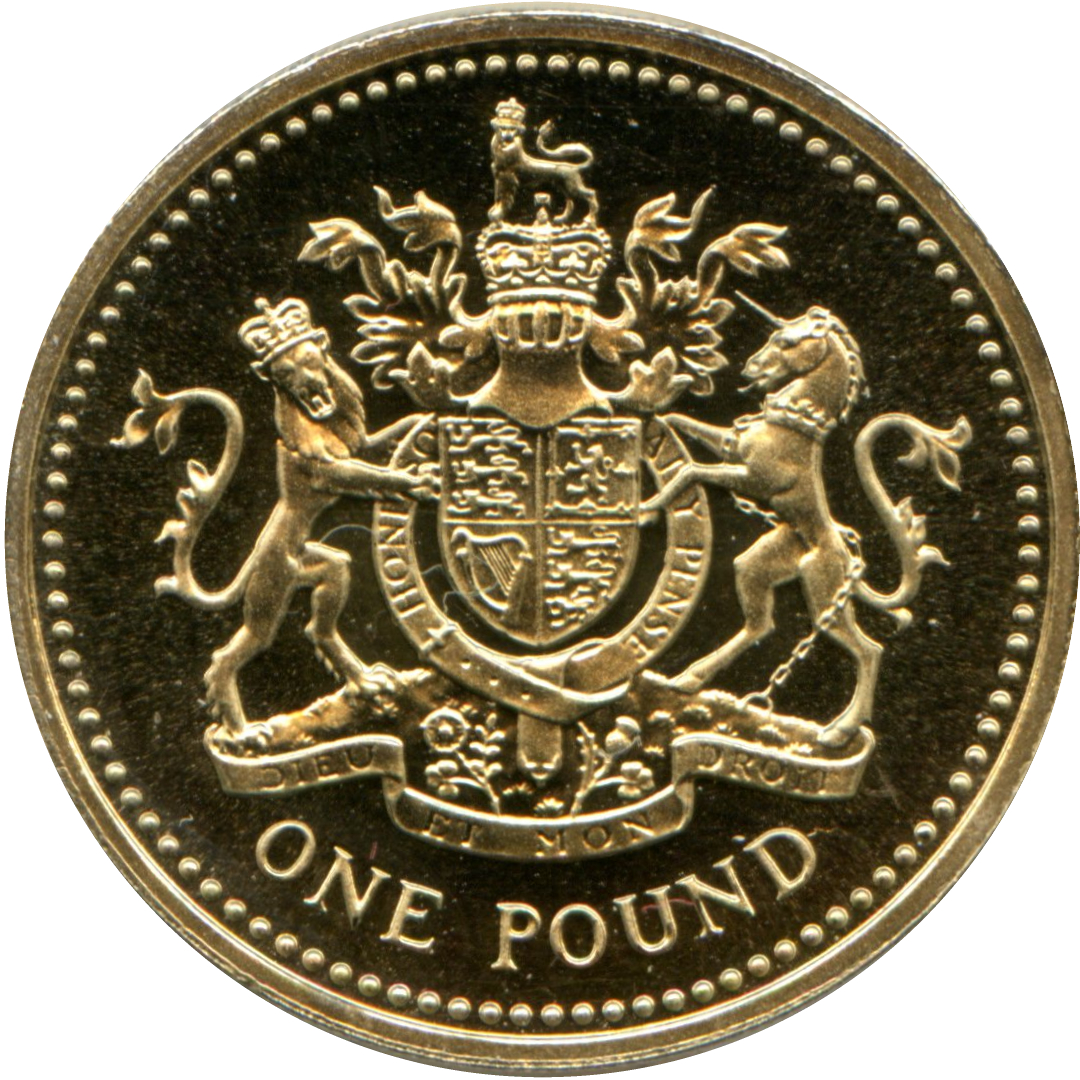
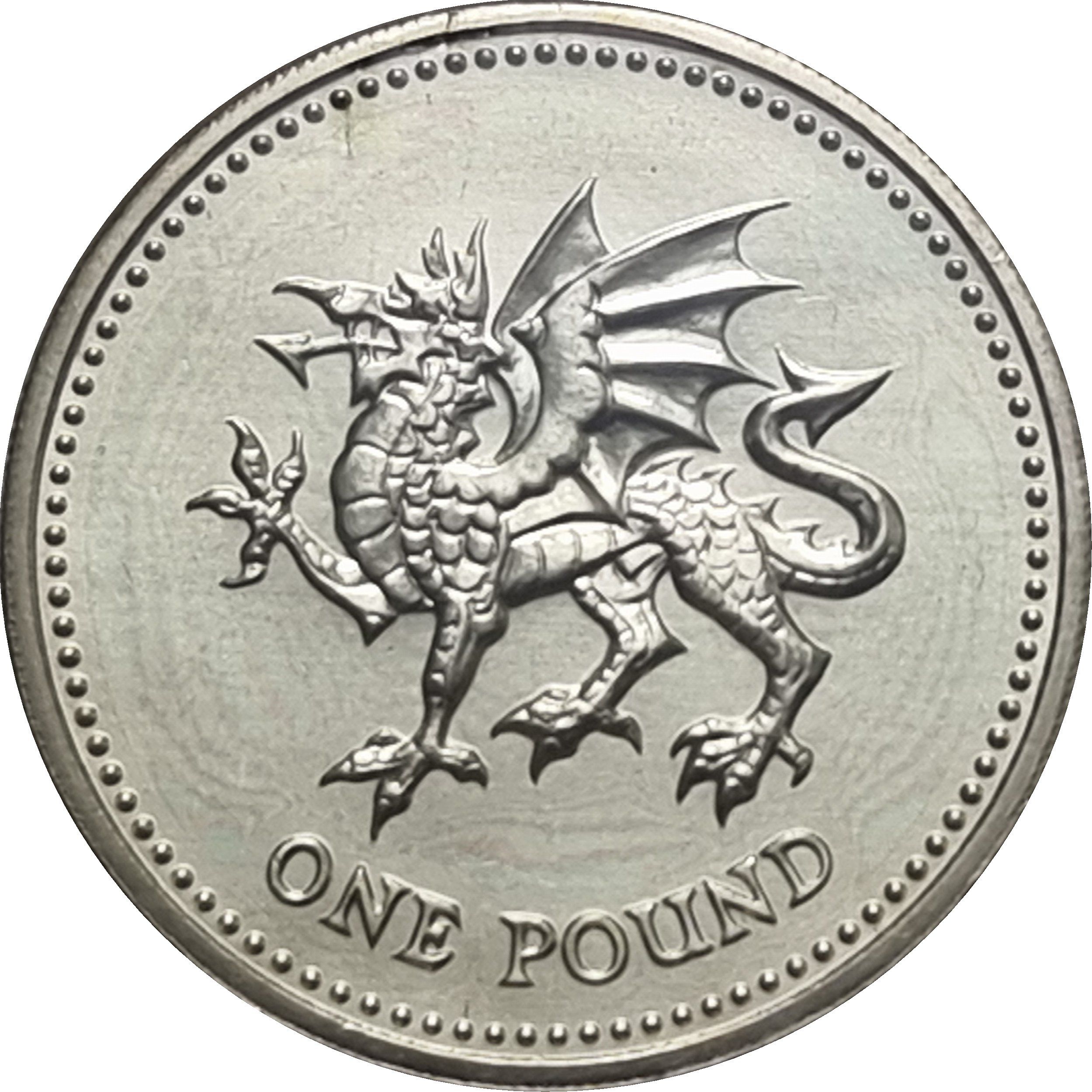
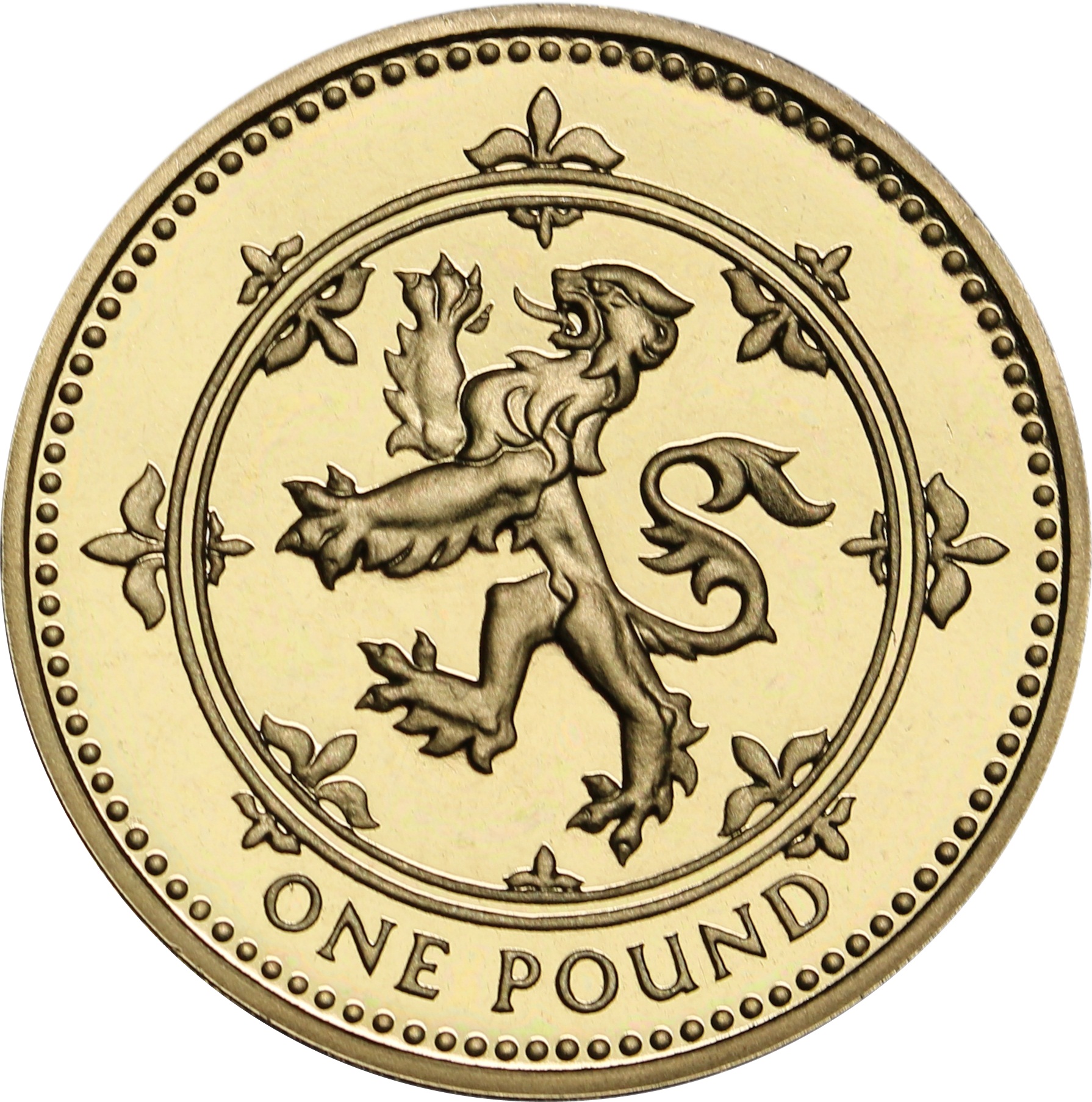
A lion rampant within a double tressure flory counter-flory above denomination
Scottish Lion £1 market value
Find this on eBay
AffiliateScottish Lion £1 price history
Daily limit reachedScottish Lion £1 value by grade
Realised auction prices · ⭐ Pro Expand rows for individual sale records| Grade | Latest | Median | 30d Δ | All-time range | Sales (1yr) | Total sales | Last sale | |
|---|---|---|---|---|---|---|---|---|
| BU | £2.20 🔒 eBay | £4.45 | – | £2.11 – £19.95 | 28 | 28 | 13-09-2026 | |
|
Loading…
|
||||||||
| VF | £2.49 🔒 eBay | £3.30 | – | £1.97 – £5.94 | 7 | 7 | 01-10-2026 | |
|
Loading…
|
||||||||
| MS-67 | £23.04 🔒 eBay | £23.04 (1) | – | £23.04 – £23.04 | 1 | 1 | 28-05-2026 | |
|
Loading…
|
||||||||
| PR-65 | £5.98 🔒 eBay | £5.98 (1) | – | £5.98 – £5.98 | 1 | 1 | 01-02-2026 | |
|
Loading…
|
||||||||
| PR-70 | £68.30 🔒 eBay | £68.30 (1) | – | £68.30 – £68.30 | 1 | 1 | 05-04-2026 | |
|
Loading…
|
||||||||
About the 1994 1 Pound - Elizabeth II – Scottish Lion
The 1994 1 Pound - Elizabeth II – Scottish Lion is a circulating 1 pound coin in the Round Pound series, struck in nickel brass. It weighs 9.5g and measures 22.5mm across. Reverse design: A lion rampant within a double tressure flory counter-flory above denomination.
29,752,525 were struck. It is no longer legal tender (withdrawn 2017), so its value is to collectors only.
Common questions
How much is the 1994 1 Pound - Elizabeth II – Scottish Lion worth?
Verified sold prices for the 1994 1 Pound - Elizabeth II – Scottish Lion run from £3.30 to £68.30 across 5 grades, taking the median for each grade. Condition makes the difference, so check the grade table above before pricing one.
Is the 1994 Scottish Lion £1 rare?
No, but it is the lowest of its series. The Royal Mint's figures give 29,752,525 struck for circulation, fewer than any other date in Norman Sillman's heraldic series of 1994 to 2002. The next lowest is the 1995 Dragon at 34,503,501.
Who designed the 1994 Lion Rampant £1?
Norman Sillman designed the reverse, along with the Welsh dragon, Northern Ireland Celtic cross and English three lions coins that completed the heraldic series. The portrait of Elizabeth II on the obverse is by Raphael Maklouf, which the Royal Mint lists for round pounds from 1985 to 1997.
What does the lion on the 1994 £1 coin mean?
It is the lion rampant, representing Scotland. Change Checker explains that rampant describes a lion standing upright with forelegs raised and claws unsheathed, and says the symbol was first used to represent the Scottish kingdom by King Alexander II in the 13th century.
Was the Lion Rampant £1 issued in 1999 as well?
The Royal Mint's design table lists the Lion Rampant for 1994 and 1999. Its circulating mintage figures, though, give a number only for 1994 (29,752,525) and have no £1 entry at all for 1999. The 1999 version is catalogued separately.
Is the 1994 £1 coin still legal tender?
No. Round £1 coins lost their legal tender status at midnight on 15 October 2017 and cannot be spent. The Royal Mint says they can still be deposited at most UK high street banks, though arrangements and limits vary from bank to bank.
How do I identify the 1994 1 Pound - Elizabeth II – Scottish Lion?
Check the weight 9.5g and diameter 22.5mm and the metal (nickel brass) against the specification table on this page. The reverse design is described above.
History and design
The 1994 pound started a new run of national designs. The first series, issued from 1984, had given each nation a floral emblem. The Royal Mint describes the second series as heraldic, and it opened with Scotland: a lion rampant in 1994, followed by a dragon for Wales in 1995, a Celtic cross for Northern Ireland in 1996 and three lions for England in 1997.
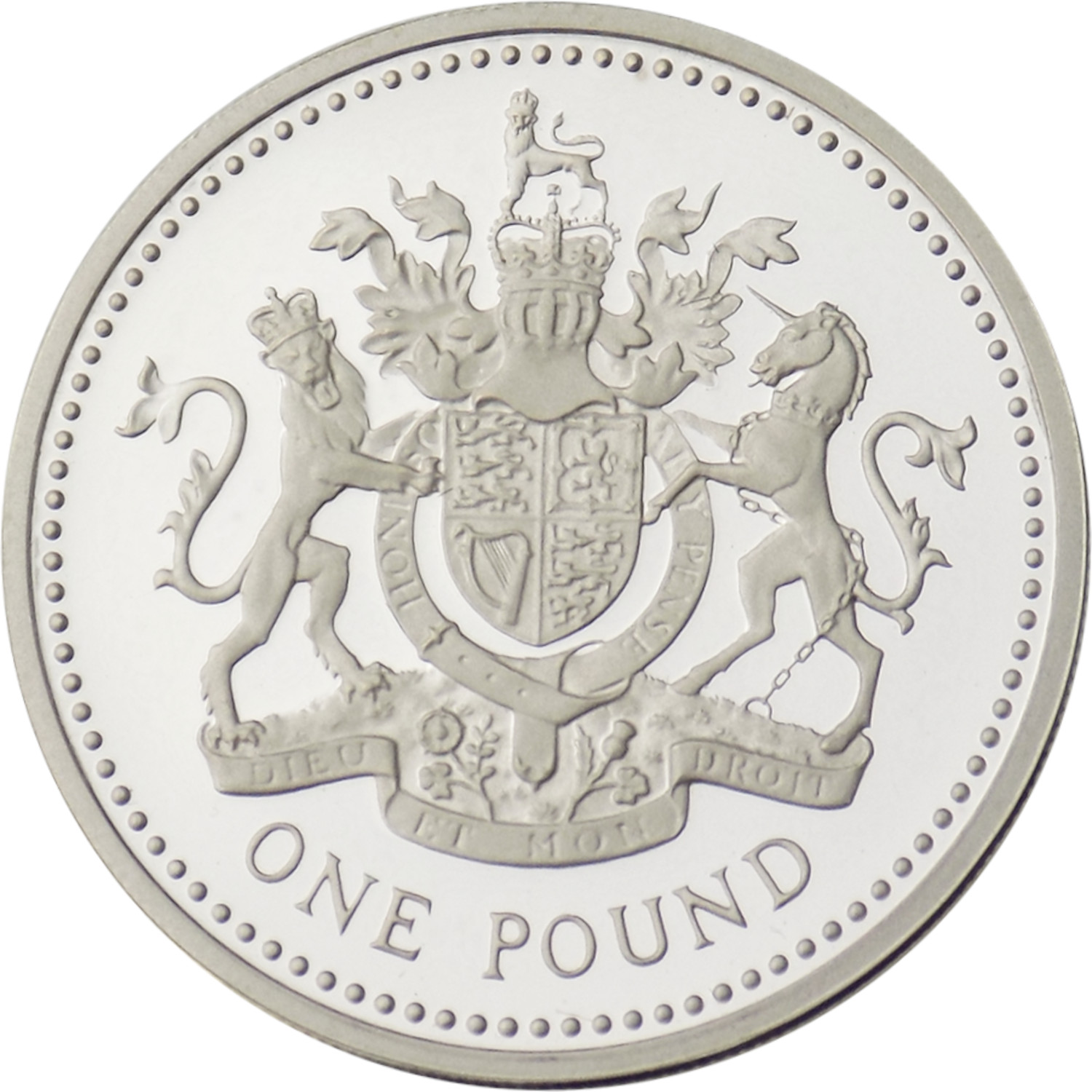
The Royal Mint's figures give 29,752,525 struck for circulation. That is the lowest of the seven dated issues in the heraldic series, which ran to 2002, with the 1995 Dragon next at 34,503,501. It was also a sharp drop from the 114,744,500 Royal Arms pounds of 1993. The Mint's design table lists the Lion Rampant for 1999 as well, but its circulating figures have no £1 entry for that year.
Round pounds were replaced by the 12-sided £1 from 28 March 2017 and lost their legal tender status at midnight on 15 October 2017.
Norman Sillman designed all four coins of the heraldic series. This one shows the lion rampant, representing Scotland. Change Checker explains the term: the lion stands upright with its forelegs raised and claws unsheathed. It adds that the symbol was first used to represent the Scottish kingdom by King Alexander II in the 13th century.
The edge keeps the Scottish motto introduced on the 1984 Thistle, NEMO ME IMPUNE LACESSIT, which Check Your Change translates as "no one provokes me with impunity" and identifies as the Latin motto of the Stuart dynasty. The obverse has Raphael Maklouf's portrait of Elizabeth II. The Royal Mint lists that portrait for round pounds up to 1997, so 1994 is the only circulating date on which it appears with the lion.
Varieties and errors
No recognised varieties or mint errors are documented for this coin. The edge motto may read either way up when the coin is held obverse upwards. The Royal Mint states that there is no right or wrong way, because blanks are lettered on the edge before they are struck.
Collecting notes
For a circulating collection this is a one-date coin. Check the date and look for a sharply detailed lion and an edge that can be read in full. Although its mintage is the lowest of the heraldic series, it is not scarce by the standards of later round pounds, several of which were struck in numbers below ten million.
The design was also struck as a silver proof and a silver piedfort. The site catalogues the later version with Ian Rank-Broadley's portrait separately as the 1999 Scottish Lion £1. Scotland's previous round pound was the 1989 Thistle £1. The coin can no longer be spent, though most high street banks may still accept round pounds for deposit.
Sources
The history, design, varieties and collecting notes on this page are drawn from these sources. Prices come from recorded sales, not from them.
- UK coin mintage figures (data file), The Royal Mint (read 9 Oct 2026)
- £1 Coin Designs and Specifications, The Royal Mint (read 9 Oct 2026)
- 1994 Elizabeth II 'Lion Rampant, Representing Scotland' £1 Coin, The Royal Mint (read 9 Oct 2026)
- 1994 One Pound, Check Your Change (read 9 Oct 2026)
- Round £1: Scotland: Lion Rampant, Change Checker (read 9 Oct 2026)
- Your guide to Britain's round pounds, Change Checker (read 9 Oct 2026)
- Why does the edge inscription on the £2 and £1 coins sometimes appear "upside down"?, The Royal Mint (read 9 Oct 2026)
More from Round Pound Series