How to Spot a Fake £1 Coin (2026 Guide)
The 12-sided £1 was introduced on 28 March 2017 specifically because the old round pound had reached an estimated 3% counterfeit rate. The new coin is far harder to forge, but fakes do exist. This guide covers the six quick visual tests for the 12-sided £1, the legacy checks for the round pound, the law on passing counterfeits, and what to do if you find one.
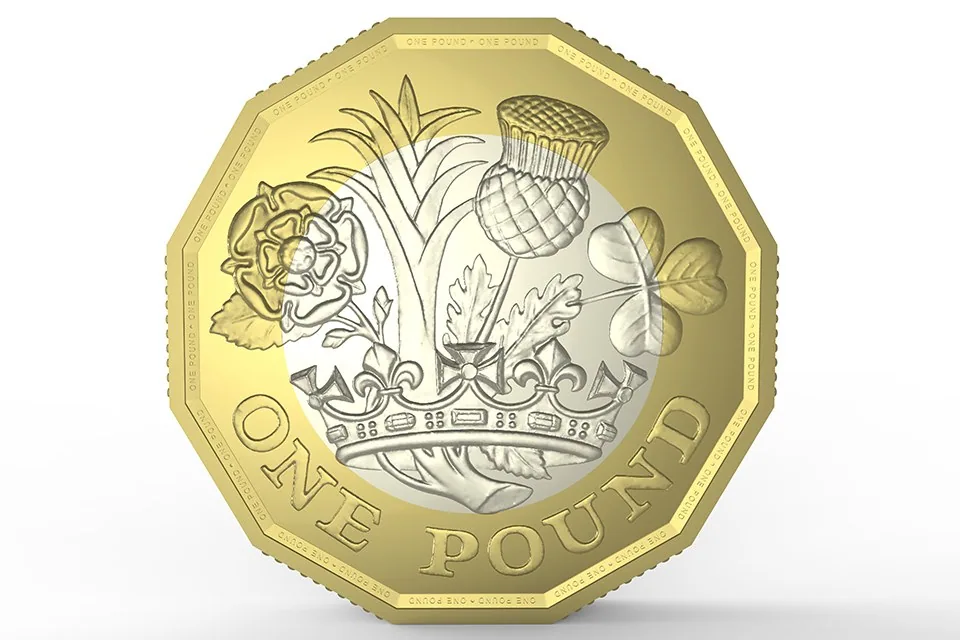
The six-point 12-sided £1 authenticity check
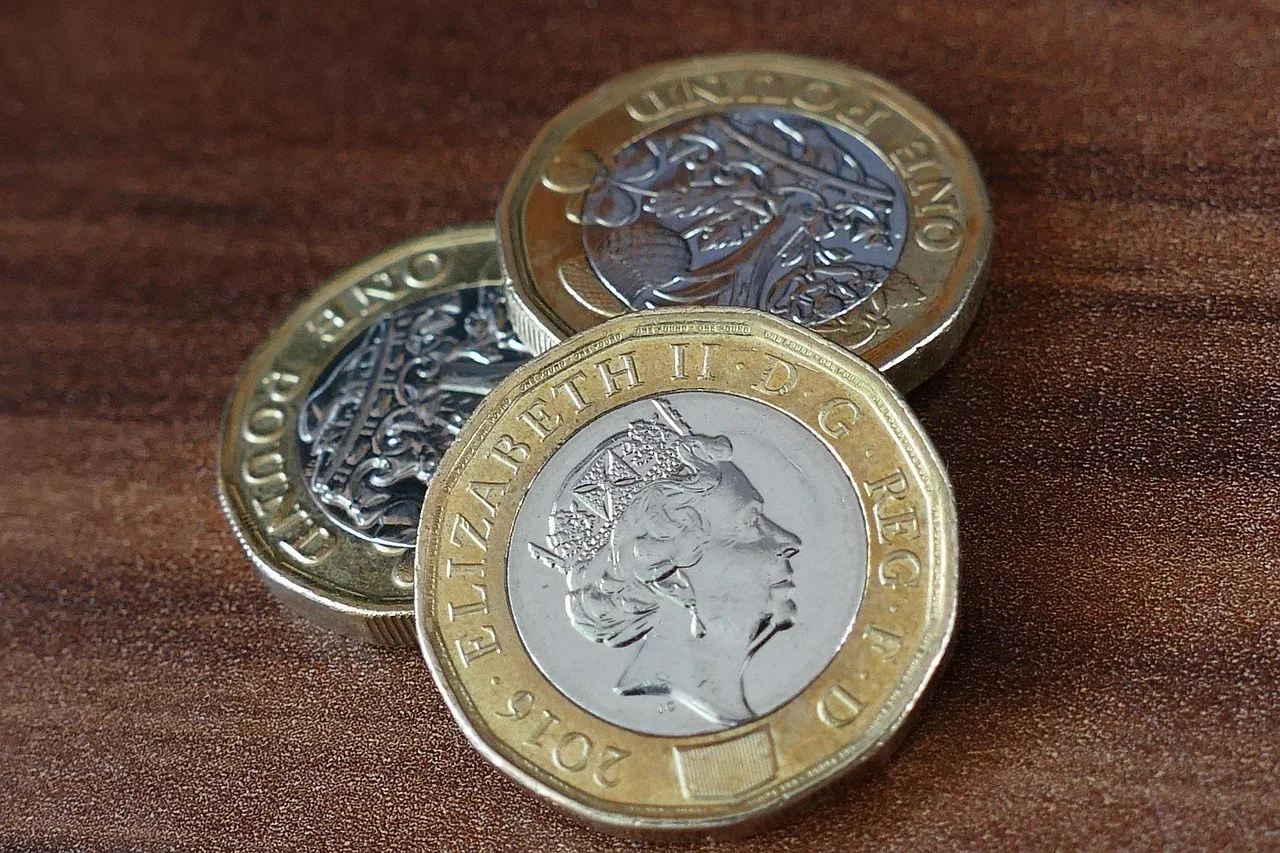
Perform these in sequence. A genuine coin passes all six; a competent fake usually fails at least two. The whole sequence takes under a minute with a coin in hand and a bright light source.
1. The hologram (the headline test)
On the reverse, between the year and the central design, sits a small circular latent-image hologram. Tilt the coin under direct light. On a genuine coin the image flips cleanly between the "£" symbol and the numeral "1". On a fake, the image typically does not change, fades unevenly, looks printed rather than embossed, or is missing entirely. This single test rejects the majority of counterfeits in seconds. The hologram is exclusive to the 12-sided £1; the older round pound never had one.
2. Edge milling (the geometry test)
The 12 sides of a genuine £1 have alternating milled and smooth flats: six are vertically milled (fine ridges), six are smooth. Run a fingernail around the edge and you should feel the alternation. Cast counterfeits typically have either entirely smooth edges or sloppy milling that does not alternate cleanly. The 12-sided shape itself should be perfectly regular; warped or unevenly cut sides indicate a struck-from-blank counterfeit rather than a genuine Royal Mint piece.
3. Weight (the density test)
A genuine £1 weighs 8.75 g ± 0.05 g. A digital kitchen scale to 0.1 g resolution is accurate enough; for verification work, a 0.01 g jewellery scale is better. Counterfeits are often 0.3–0.8 g light because forgers cannot match the density of nickel-brass plus nickel-plated alloy in the bimetallic combination. A coin under 8.65 g or over 8.85 g should be treated as suspect even if it passes the other tests.
4. Diameter and thickness (the dimensions test)
Diameter is 23.43 mm point-to-point across the 12-sided shape (the corner-to-corner measurement, not flat-to-flat). Thickness is 2.8 mm. Use a digital calliper if you have one; phone-camera calliper apps are not accurate to 0.1 mm and should not be relied on. Counterfeits typically vary by 0.1–0.3 mm because of cooling shrinkage in cast counterfeits and tooling drift in struck fakes.
5. Micro-lettering and design detail
Around the lower edge of both obverse and reverse runs micro-lettering reading the year of issue and a Royal Mint mark. Under a 10× loupe each character should be sharp, legible and individually struck. Counterfeits show smudged, fused or simply absent micro-lettering. Beyond the micro-text, look at the overall design crispness: the portrait of the monarch should have clear eye, hair and crown detail; the reverse motif (rose/leek/thistle/shamrock) should show distinct plant veins. Fakes look slightly "soft" under magnification.
6. Bimetallic colour match
The outer 12-sided ring is nickel-brass and should look warm golden-yellow. The inner round disc is nickel-plated alloy and should look bright silver-white. Both surfaces tone with handling but the colour relationship between ring and centre should be a clear yellow-against-white contrast. Counterfeits often show a brassy ring leaning green or red, or a centre that looks dull grey or faintly orange because the nickel plating was thinly applied or omitted.
Genuine versus counterfeit: a side-by-side
| Specification | Genuine 12-sided £1 | Genuine round £1 | Typical counterfeit |
|---|---|---|---|
| Weight | 8.75 g ± 0.05 g | 9.50 g ± 0.10 g | Often 0.3–0.8 g light |
| Diameter | 23.43 mm | 22.5 mm | Variable 0.1–0.3 mm out |
| Thickness | 2.8 mm | 3.15 mm | Variable |
| Construction | Bimetallic (ring + centre) | Single-metal nickel-brass | Often single-metal cast |
| Hologram | Yes (£/1 latent image) | No | Absent, static or printed |
| Micro-lettering | Yes (year + RM mark) | No | Usually absent or smudged |
| Edge inscription | None (12-sided form) | Latin / English motto | Often missing on rounds |
| Edge milling | Alternating milled/smooth | Continuous milled | Even or absent milling |
| Magnetism | Non-magnetic* | Non-magnetic | Sometimes magnetic (steel core) |
* The 12-sided £1 inner disc contains a small amount of nickel-plated steel and may show very weak magnetism with a strong rare-earth magnet. A coin that visibly jumps to the magnet, however, is fake.
The round pound: legacy issue, possible collectability
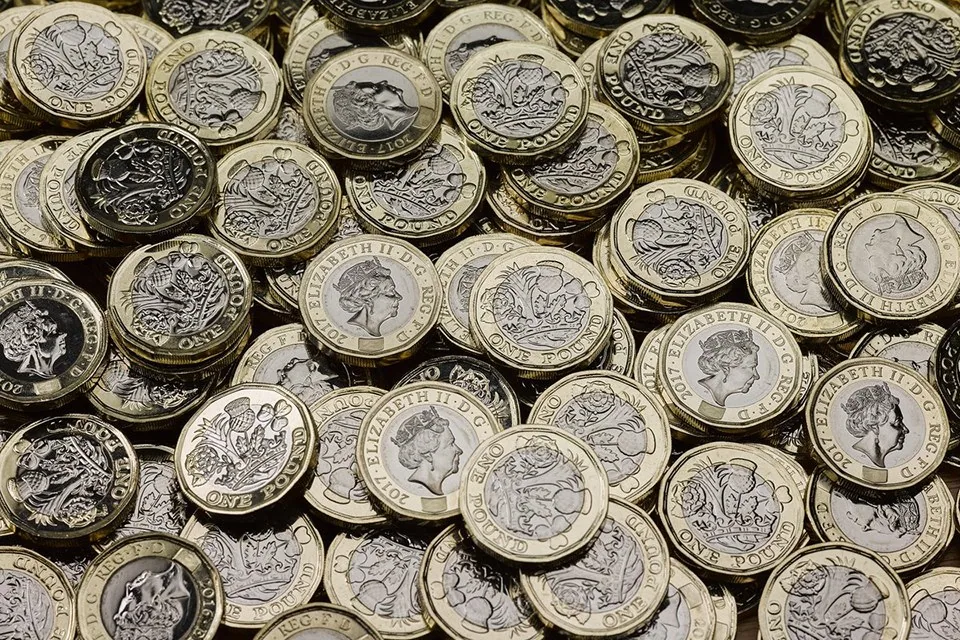
Any round £1 presented as legal tender today is effectively obsolete. The round pound was withdrawn on 15 October 2017 after a 33-year run (1983–2016). Most banks will still accept them on deposit from existing account holders, but no shop is obliged to take one. The classic round-pound counterfeit checks were: weight (9.50 g), edge inscription clarity, crisp design, milled edge condition and consistent colour.
Don't assume round pounds are worthless. Several designs trade well above face: the 2011 Edinburgh and Cardiff £1 (low mintage capital cities series) reach £20–£60 each, the 2016 last-round-pound Royal Shield trades at £3–£6, and the 2016 trial piece (undated, never released) is a genuine rarity at £200+. Sort round pounds before banking them.
Common counterfeit types
- Cast fakes (round pound era). A two-part mould produces a coin with a faint horizontal seam line on the edge, slightly soft design and often light weight. The bulk of the round pound's 3% counterfeit population was cast.
- Struck fakes (12-sided era). Made with proper coining presses by organised counterfeiters; specifications are closer to genuine but the hologram, micro-lettering and edge alternation are usually wrong. These are rare in the UK because production cost is high.
- Plated fakes. A cheaper base metal core (zinc, lead alloy or steel) given a thin nickel or brass plating. Tend to be obvious by colour, weight or magnetism.
- Novelty & foreign tokens. Magic-prop coins, advertising tokens, foreign similar-size coins (some Thai 10-baht coins are similar in size and bimetallic). Not strictly counterfeit but often passed as £1 by accident.
The law on counterfeit coins
Two pieces of UK legislation matter:
- The Forgery and Counterfeiting Act 1981 sets the modern offences. Section 14 makes it an offence to make a counterfeit; Section 15 to pass one knowingly; Section 16 to have one in your custody or under your control intending to pass it. The maximum penalty is 10 years' imprisonment.
- The Coinage Act 1971 sets the underlying status of legal tender and reserves the production of UK coinage to the Royal Mint.
The crucial point: simply holding a counterfeit you received in change is not an offence. Knowingly passing it on, however, is. Once you suspect a coin is fake, you must either keep it out of circulation or hand it in to a bank or the police.
What to do with a fake £1
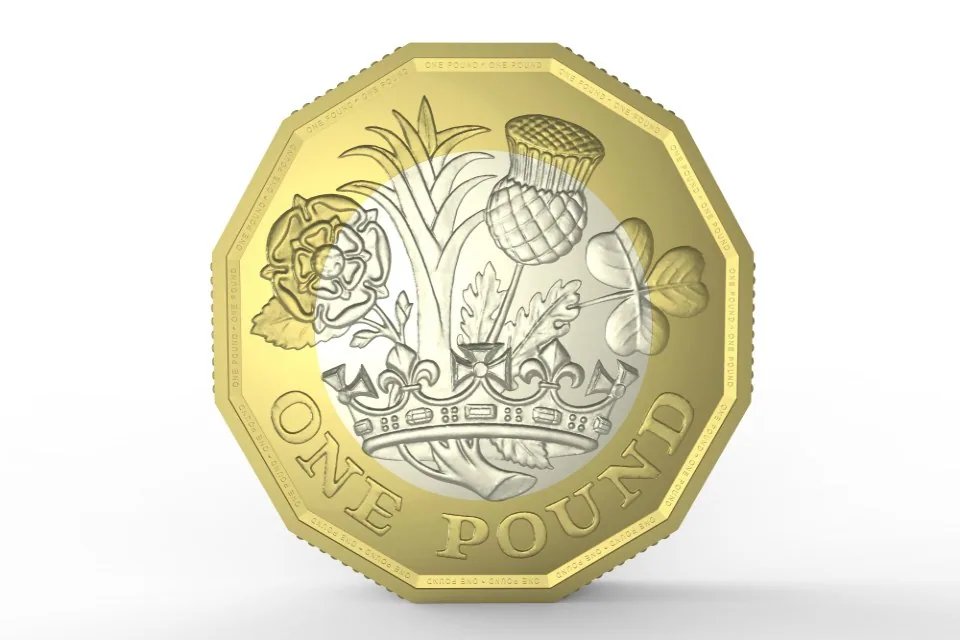
- Stop circulating it. Set it aside; do not put it back into your wallet or till.
- Take it to a high-street bank. Any major UK bank will withdraw it from circulation. You will not receive a refund, but no penalty attaches to handing it in.
- Or report it to the police as a non-urgent matter. The non-emergency 101 number; they will log it for counterfeit unit analysis.
- Note where you received it. Shop name, time, day. Police investigate clusters; one report from a single shop is usually ignored, three is usually investigated.
- Check your other coins. Counterfeits usually arrive in groups, so if one coin is fake, others from the same source may also be.
For collectors: identifying mint errors versus fakes
Collectors occasionally encounter a coin that fails one or more authenticity tests yet is genuine , a Royal Mint error. The 2016/17 dual-dated £1 (a transitional die-pairing piece) and the off-centre strike are real UK coin errors worth substantial premiums. The distinguishing features are usually: the rest of the coin is genuinely Royal Mint quality (perfect lettering, correct weight, correct alloy); the error is consistent across multiple known examples; and the piece can be authenticated by NGC, PCGS or CGS UK. If you suspect a coin is an error rather than a fake, send it for grading before banking it.
Sources and further reading
- Royal Mint: 12-sided £1 specifications, first-party dimensions and security features.
- Bank of England, coin integrity policy and legal-tender status.
- Change Checker: £1 coin scarcity index, live secondary-market data for round and 12-sided issues.
- Forgery and Counterfeiting Act 1981, the underlying UK law on passing counterfeits.
- £1 Coin Values UK, rare round-pound designs that beat melt and face value.
- UK Coin Errors List, how to tell a genuine error from a counterfeit.
- UK Coin Value Checker, valuation walkthrough before sale.
- Where to Sell Rare Coins UK, venues and commissions for confirmed-genuine pieces.