12 Coin Collecting Myths Debunked: 2026 UK Edition
Coin collecting attracts more bad advice per pound spent than any other UK hobby. Viral social-media claims, direct-mail marketing, decades-old folklore and outright misinformation circulate as common wisdom, and cost beginners real money. This guide debunks the twelve most persistent myths and gives you the actual answer with sources.
Myth 1: All old coins are valuable
The most pervasive UK coin myth and the most damaging for new collectors. The intuition is simple, older coin = scarcer = more valuable, but the data flatly disagrees.
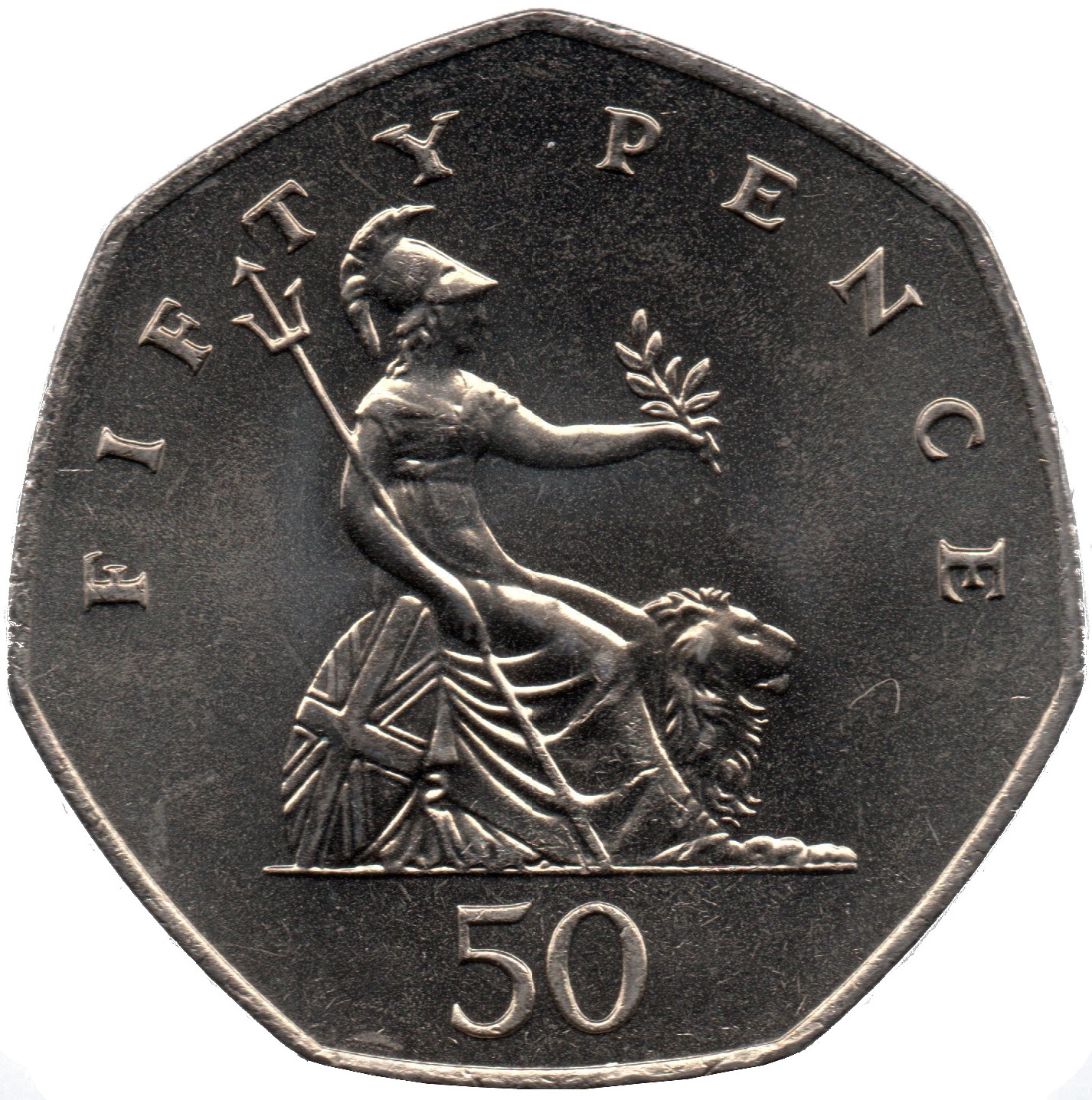
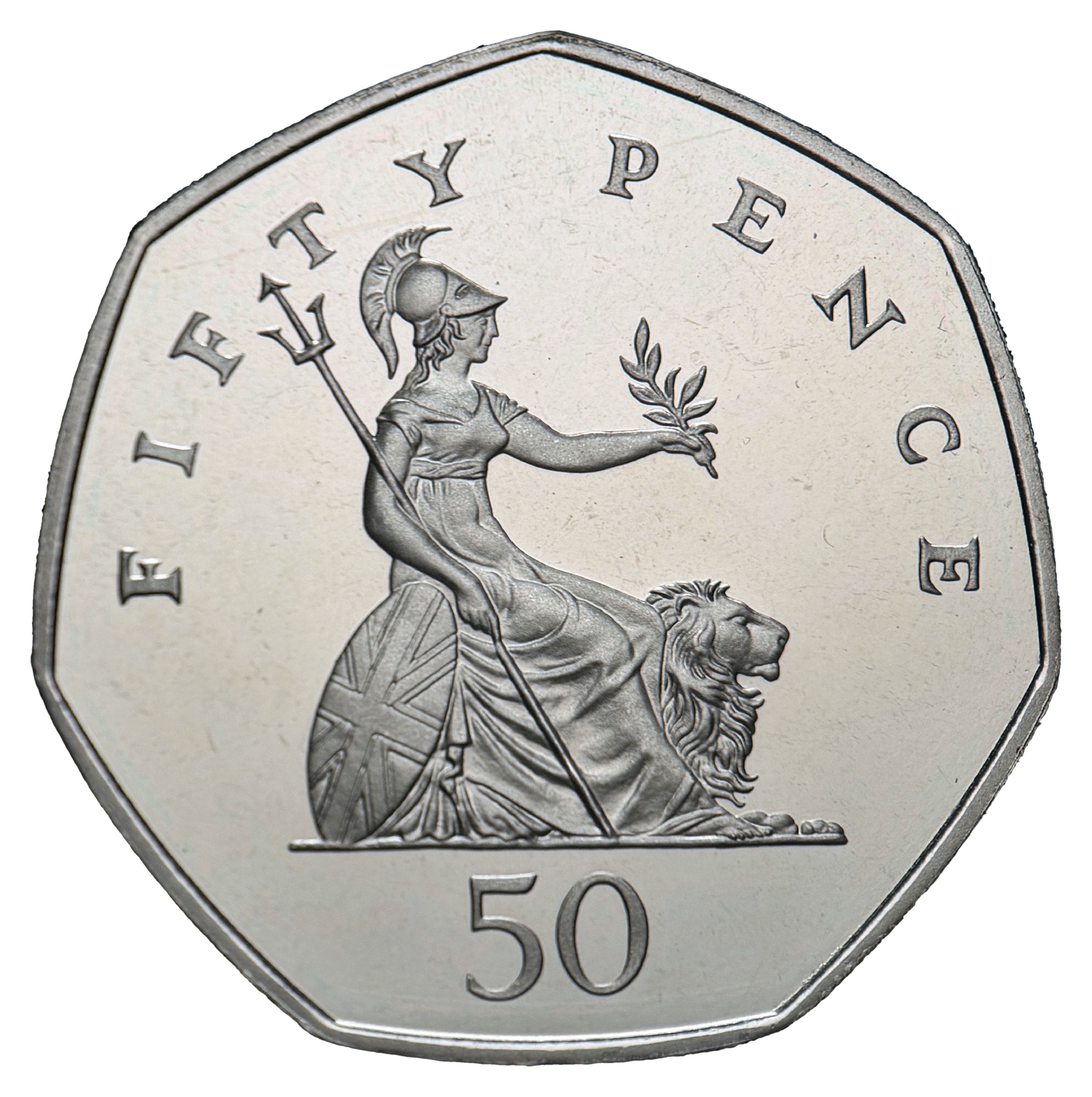
A worn Victorian "Bun Head" penny from 1860-1894 has a mintage in the tens of millions and survives in collector-grade by the hundreds of thousands. Realised price in worn condition: £1-3. A 2009 Kew Gardens 50p, less than 20 years old, has a mintage of 210,000 and trades at £120-280 depending on grade. Age is a tiebreaker between two coins of equivalent mintage and condition; it is not a primary driver of value.
The truth. Value comes from mintage (how many were struck) multiplied by survival rate (how many survived in collectable condition) multiplied by condition of the specific coin in hand, factored against collector demand. A 1933 penny is worth six figures because only seven exist, not because it's 90 years old. See our are my old coins worth anything? guide and what makes a coin rare.
Myth 2: Cleaning coins makes them worth more
The single most expensive mistake a beginner can make. The intuition: a tarnished or grubby coin "looks worse" than a shiny one, so cleaning it must improve the value. The reality: cleaning destroys 50-90% of a coin's numismatic value, almost without exception.
Toning, patina, even surface dirt are part of a coin's graded condition. Abrasive cleaning (Brillo, baking soda, polish) leaves microscratches and "hairlines" visible under 5-10× magnification that any numismatic buyer will spot in two seconds. Chemical cleaning (acids, ammonia, dips) strips natural lustre and leaves the metal looking unnaturally bright. Both are detected and downgraded by every professional grading service: PCGS, NGC and CGS UK assign "Cleaned" or "Details" grades that exclude the coin from numerical grading entirely.
The truth. Don't clean coins. Ever. The only acceptable handling is a careful warm-water-and-mild-soap rinse to remove loose dirt, with no rubbing. If you're tempted to "improve" a coin's appearance, photograph it, set it aside, and read our how to clean a coin (don't) guide first.
Myth 3: Mint marks always add value
A nuanced myth. Mint marks can dramatically affect value, but only in combination with low mintage or specific historical context. A mint mark in isolation does nothing.
A common-date Sydney "S" mintmark sovereign trades at bullion plus 10-25%, a small premium over London-struck sovereigns of the same year, reflecting nicer surfaces from the Australian mint. A 1920 Sydney "S" sovereign, however, has a mintage of just 360 and is a six-figure rarity. The "S" matters there because it's paired with a vanishingly low mintage; the mintmark on a 1900 Sydney sovereign (mintage 1.9 million) adds essentially nothing.
For modern UK coins, mint marks are largely irrelevant. Almost all UK coins from 1968 onwards are struck at the Royal Mint Llantrisant and don't carry distinguishing marks. The exception: a tiny mint mark on selected commemorative pieces (e.g. the "RML" Royal Mint Llantrisant logo on certain 2017+ commemoratives) is a marketing detail, not a value driver.
The truth. Always check the specific year-and-mint combination against published mintage data, not just the mark in isolation. See our sovereign mint marks UK guide for the full British branch-mint breakdown.
Myth 4: First-year-of-reign coins are always rare
A specific case of the "old = valuable" myth and a favourite Westminster-Collection-style sales angle. The pitch: "the first coin of a new reign" sounds historically significant and intuitively scarce, so it must be valuable.
The reality is mixed. Some first-year-of-reign coins genuinely are scarce: the Edward VIII 1937 patterns (struck before the abdication; only handful exist), the 1937 George VI proof sovereign (struck only in coronation sets), and the 2022/2023 Charles III transitional issues all command meaningful premium.
Many first-year-of-reign coins, however, are extremely common: Elizabeth II 1953 Coronation crowns (mintage 5.96 million); Edward VII 1902 standard issues (high mintages across all denominations); Victoria 1838 sovereigns (mintage 273,341, plentiful in the secondary market). The marketing pitch doesn't match the actual mintage figures.
The truth. Always check the actual mintage. First-year-of-reign is a sales angle, not a rarity signal. See our dedicated first year of reign coins myth deep-dive for monarch-by-monarch breakdown.
Myth 5: Westminster Collection / Bradford Exchange offer fair value
The Westminster Collection (UK) and Bradford Exchange (US) are direct-mail commemorative-coin sellers. Their marketing, glossy mailers showcasing low-mintage Royal Mint commemoratives in expensive presentation cases with COAs, is professionally produced and emotionally compelling. The pricing is consistently 100-200% above fair market.
A typical Westminster £199 "year set" contains coins that trade for £60-80 individually on eBay sold listings within 90 days of release. A £299 "limited edition presentation case" set contains the same coins available raw for £100-130. Westminster doesn't buy back; second-hand Westminster sets sell for 30-50% of original.
The truth. Buy individual coins from the Royal Mint at issue or from BNTA-vetted specialist dealers. The presentation cases look impressive; the resale market is brutal. See our full Westminster vs Bradford Exchange review.
Myth 6: Slabbing always increases a coin's value
Slabbing (third-party grading by PCGS, NGC, or CGS UK) costs £20-40 per coin at standard turnaround. The myth: slabbing always adds value because the slab "guarantees" the coin. The truth: slabbing only adds value when the slab grade is high enough to bid up the realised price by more than the cost of the slab.
| Coin value range | Slabbing economics |
|---|---|
| Under £100 raw | Net loss, slab fee exceeds added value |
| £100-500 raw | Roughly break-even; slab adds confidence not price |
| £500-2,000 raw | Slab adds £50-150 typically; net positive in MS65+ |
| £2,000+ raw | Slab is essentially required for serious sale |
There's a second consideration: slabbing locks the coin into a specific grade. If a future grader assigns the same coin a higher grade than the original slab, the original slab now caps the realised price, you'd need to crack out and re-submit, paying again, with no guarantee.
The truth. Slab high-value pieces (£500+) where the grade adds price; leave common coins raw. See our slabbed vs raw coins UK guide.
Myth 7: Sealed Royal Mint packs always appreciate
The intuition: a sealed Royal Mint pack with COA at issue price will be worth more in 5-10 years. The reality: most sealed packs from the late 2010s and early 2020s sit 20-30% below issue price on the secondary market. The Royal Mint has over-issued commemoratives during this period, saturating collector demand.
Pieces that have appreciated are the exceptions: the 2009 Kew Gardens 50p in BU pack (now £200-280, issue £9.99); low-mintage gold proofs of mintage under 500; the Aston Martin DB5 £5 silver proof (now £320-450, issue £195); and select Music Legends issues. These are driven by genuine scarcity or strong franchise demand, not the "sealed pack" status.
The truth. A sealed Royal Mint pack of an arbitrary commemorative is more likely to trade flat or down than up. Check eBay sold listings for the specific issue before assuming appreciation. Subscriber-tier "year sets" almost universally underperform individual issues bought at the same time.
Myth 8: Storing coins in a Coca-Cola tin preserves them
A surprisingly persistent myth, especially among inherited collections. The pitch is that an aluminium tin is "airtight" and protects coins from oxidation. The reality: aluminium tins with plastic liners off-gas compounds capable of tarnishing silver and developing verdigris on copper within 12 months. Tobacco tins (cigar boxes) carry residual oils and lignin that cause permanent spotting. Paper envelopes, especially old manila or craft, are typically acidic and leave acid-burn marks over years.
The truth. Use Mylar 2×2 flips (acid-free cardboard with inert plastic windows) for bulk storage and hard plastic capsules (Lighthouse Quadrum) for valued pieces. Add silica gel sachets to the storage container, replace annually, store at stable room temperature. See our coin storage UK guide for the chemistry.
Myth 9: Sovereigns track the gold spot price 1:1
The intuition: a sovereign is gold, so its price moves with gold. Roughly true at the bullion tier; not true in the round.
Bullion-grade common-date sovereigns trade at spot plus 5-15% premium. The premium reflects minting cost, dealer margin, the CGT-exempt legal-tender advantage, and current inventory levels. When spot moves 1%, a sovereign typically moves 0.7-1.3% depending on which way the premium shifts. Premiums tend to compress when gold rallies hard (collectors trim positions) and expand when gold dips (dealers tighten margins).
Numismatically rare sovereigns, 1819 George III, 1908 Ottawa proof, 1920 Sydney, 1937 GVI proof , decouple from gold entirely. Their price is driven by collector demand and rarity, not bullion; the gold content is incidental.
The truth. Bullion sovereigns track gold imperfectly with a small premium drift; rare-date sovereigns track collector demand. Don't confuse the two. See is a sovereign a good investment?.
Myth 10: Online coin valuation tools are accurate
Free "coin value lookup" sites and chat-based valuations are accurate to within ±30-50% at best and worse for modern low-mintage issues or any coin where condition meaningfully affects price. They typically extract a single asking-price-style number from an outdated reference and don't account for grade, current dealer demand or recent realised sales.
The only reliable price reference is recent eBay sold listings (filtered by sold, last 90 days, same coin same grade) cross-checked against published auction results from Spink, Baldwin's, Noonans or Heritage Auctions. For high-value coins (£500+), a professional written appraisal from a BNTA dealer or a PCGS/NGC graded slab is the threshold for serious valuation.
The truth. Use sold listings, not "valuation tools". See our UK coin value checker guide for the real valuation workflow.
Myth 11: Most "rare coin" social-media posts are real finds
Facebook, TikTok and Twitter regularly carry posts claiming a common 2p, 50p or £1 coin is "worth thousands". Engagement on these posts is enormous, they share, they generate comments, they get rewarded by the platforms. Accuracy is essentially zero.
The genuine modern UK rarities are well-documented: 2009 Kew Gardens 50p (mintage 210,000, £120-280); 2008 undated 20p mule (estimated 50,000-200,000, £50-100); 1983 New Pence 2p (mintage unknown but very low, £500-1,000+); 1933 penny (seven known, six figures). Anything else claiming "rare coin" status is almost always face value and almost always engagement-driven misinformation.
The truth. Cross-reference any "rare coin" claim against published mintage data, eBay sold listings, and our rare UK coins list. If it isn't corroborated, treat as marketing noise.
Myth 12: Raw coins always sell for less than slabbed coins
A US-import myth that doesn't fully hold in the UK. American collectors strongly favour slabs and the US secondary market reflects that preference. UK collectors, particularly in the specialist dealer network, are more comfortable with raw coins from established cabinets and pay equivalent prices for raw vs slabbed in many cases.
For coins under £200, raw is the norm in the UK and slabbing rarely adds enough to recover the fee. For coins £500-2,000, raw vs slabbed sits within 10-20% of each other depending on the specific grade and venue. For coins £2,000+, slabbed adds confidence and resale liquidity meaningful enough that most sellers slab as a matter of course, but high-grade raw pieces from named cabinets still realise full market.
The truth. Slabs are a tool for specific risk reduction, not a universal value-add. The UK market values raw provenance more than the US market does.
Related coins on MyCoinage
Related guides
- Are my old coins worth anything?, the realistic answer for inherited collections.
- How to clean a coin (don't), the dedicated cleaning-damage walkthrough.
- Sovereign mint marks UK, the full British branch-mint breakdown.
- Slabbed vs raw coins UK, when to slab, when to leave raw.
- Westminster Collection vs Bradford Exchange, the direct-mail review.
- First year of reign coins myth, the dedicated debunking.