The right storage protects coin condition; the wrong storage destroys it. PVC plasticisers, humidity above 50%
and direct UV light all damage coin surfaces irreversibly. This guide covers the five storage tiers matched
to coin value, the PVC rule, humidity control, and where to buy archival coin storage on eBay UK.
In brief. Storage tiers by coin value: face-value coins in plastic flips
or polyethylene tubes; common collector (£5-50) in coin albums with mylar pockets;
mid-tier (£50-300) in airtight capsules (Lighthouse, AirTite, Quickslab);
high-value (£300-2k) in third-party slabs (PCGS / NGC / CGS UK);
investment-tier (£2k+) slabbed plus offsite secure storage. NEVER use PVC
plastic, the plasticisers cause permanent green-residue damage. Look for "PVC-free",
"archival", "mylar" or "coin-grade" on every storage product.
The five storage tiers
| Coin value | Storage type | Cost per coin |
|---|
| Face value | Plastic flips, polyethylene tubes | 5-15p |
| £5-50 collector | Cardboard 2x2 flips with mylar in album | 20-50p |
| £50-300 | Airtight capsules (Lighthouse, AirTite, Quickslab) | £0.50-2 |
| £300-2,000 | Third-party slab (PCGS, NGC, CGS UK) | £25-50 grading + slab |
| £2,000+ | Slabbed + offsite secure storage | £50-200 per year storage |
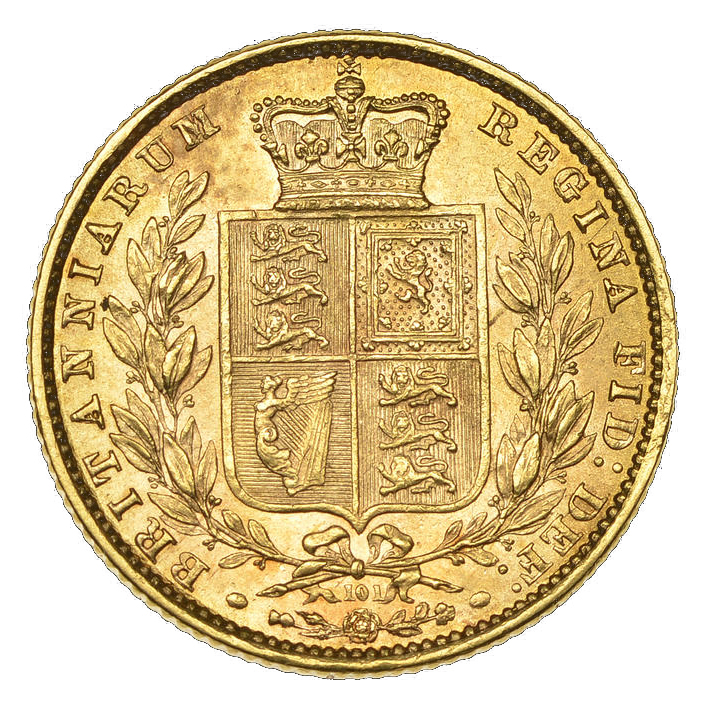
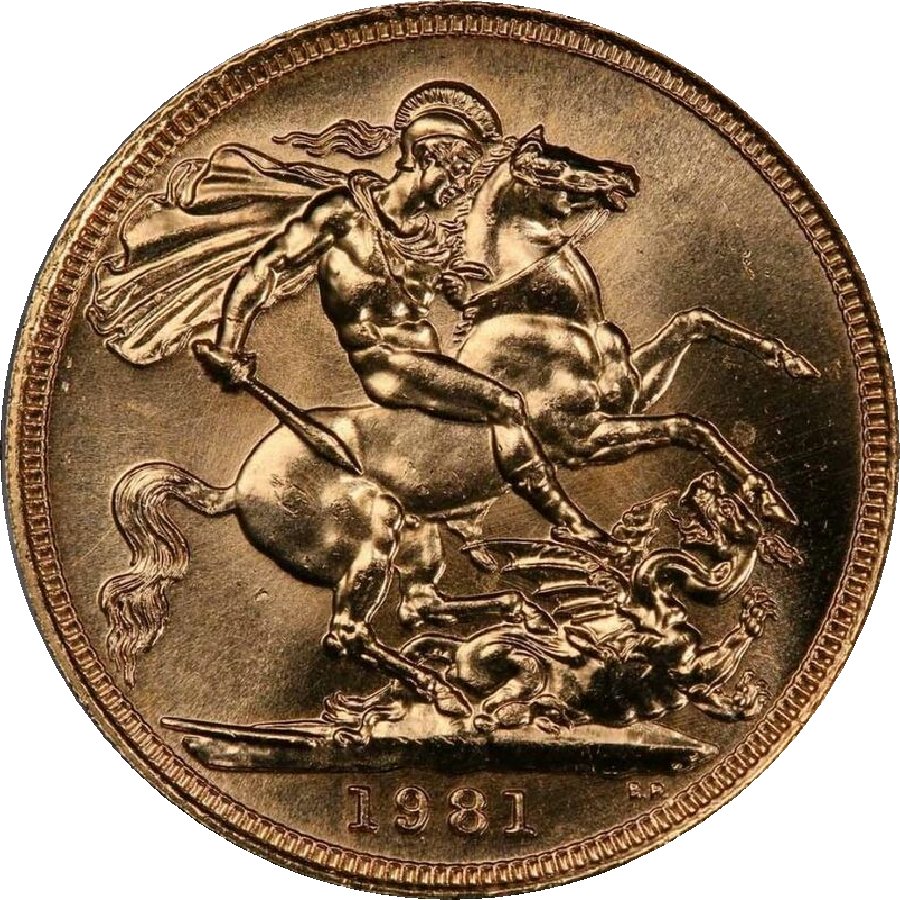
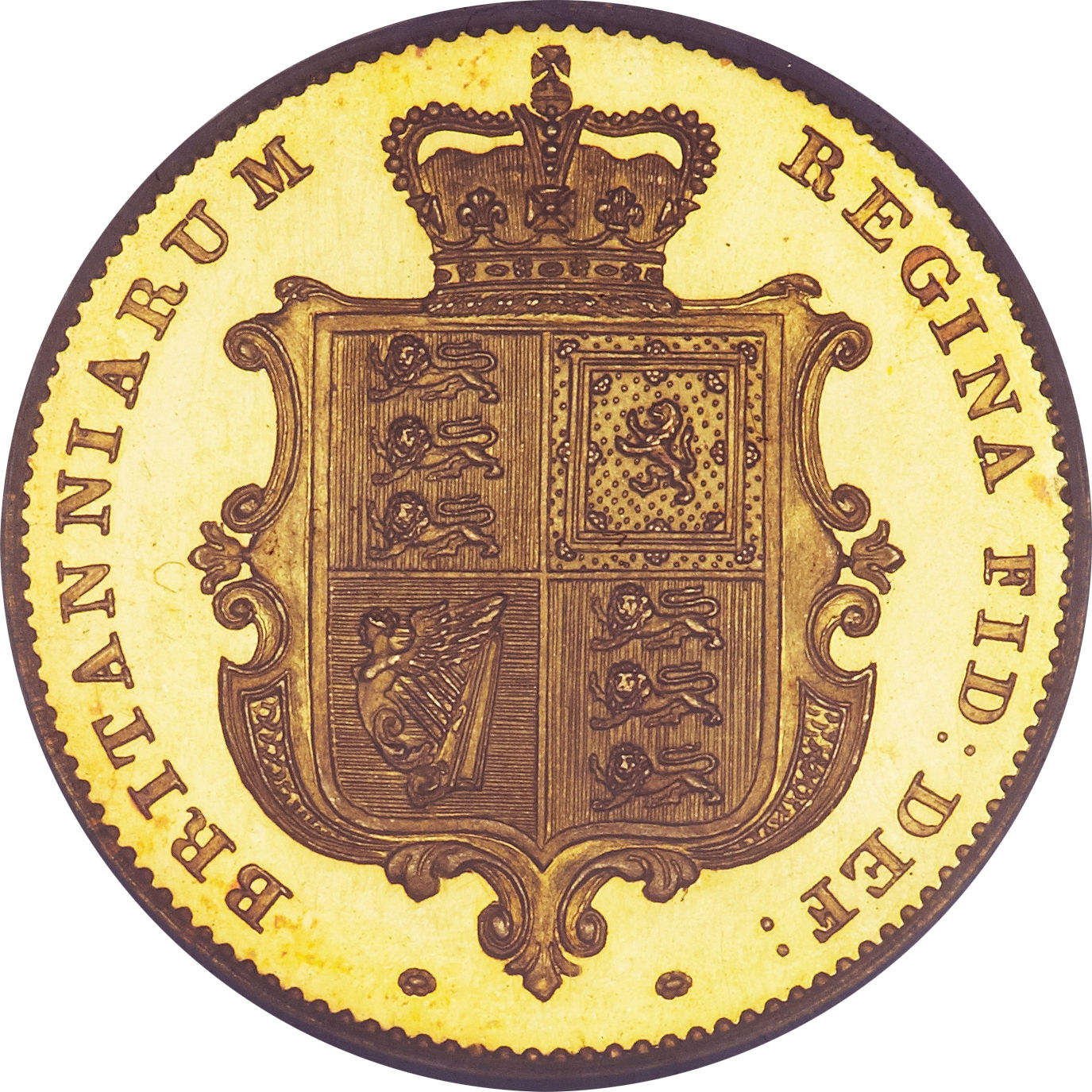
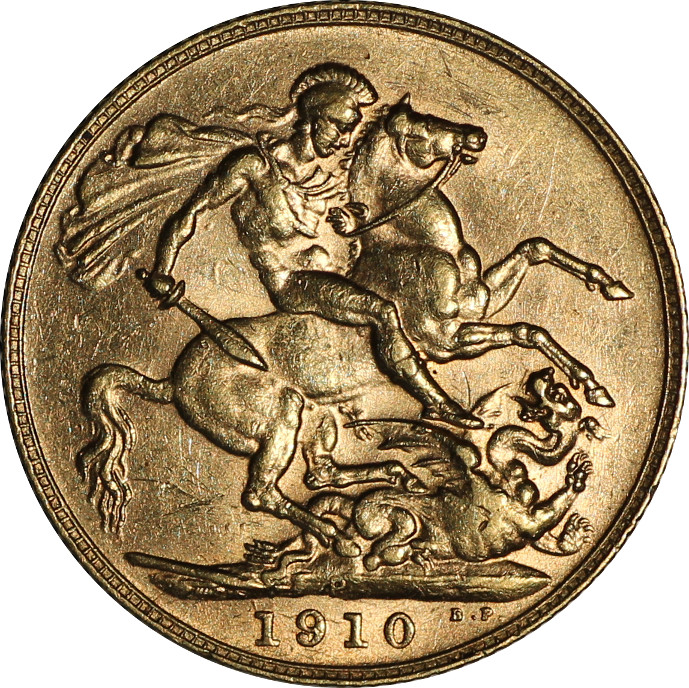
Featured coins on MyCoinage
Buy coin storage on eBay UK
The links below open eBay UK searches; if you buy through them, MyCoinage earns a small commission at no cost to you.
eBay's pre-filtered to PVC-free / archival / coin-grade products from the established brands. Always check
the listing description includes "PVC-free", "mylar", or names a brand (Lighthouse, AirTite,
Saflip) before buying.
Lighthouse coin capsules ↗
AirTite capsules ↗
Lighthouse coin album ↗
Mylar 2x2 flips ↗
Saflip archival flips ↗
Polyethylene coin tubes ↗
Display cases ↗
Silica gel desiccant ↗
Quickslab self-encapsulation ↗
Digital scale (for authentication) ↗
Frequently asked questions
What's the best way to store coins?
Five tiers, matched to coin value. Face-value circulation coins (typical change): plastic 2x2 cardboard flips or simple coin tubes. Common collector coins (£5-50 each): cardboard 2x2 flips with mylar windows, organised in coin albums. Mid-tier collector (£50-300): Lighthouse, Quickslab or AirTite plastic capsules sized exactly to the coin's diameter. High-value (£300-2,000): third-party slabbed (PCGS, NGC, CGS UK) tamper-evident plastic. Investment-tier (£2,000+): slabbed plus offsite secure storage (Royal Mint Vaulted, IBV International, etc.). The single most-important rule applies at every tier: no PVC contact, PVC plasticisers leach onto coin surfaces over time and cause irreversible green corrosion.
What is PVC damage and how do I avoid it?
PVC (polyvinyl chloride) is a soft plastic widely used in early coin flips and album sleeves before the toxicity to coins was understood. Over months and years, plasticisers in the PVC migrate out and bond with the coin surface, producing a green, hazy or slimy residue. The damage is permanent and visible to grading services as "environmental damage", halving or quartering numismatic value. Avoid by using only mylar, polyethylene or polypropylene flips and capsules. Modern coin-grade products will say "PVC-free", "archival", or "mylar" explicitly. If you suspect PVC damage on an inherited collection, do not attempt to clean, consult a third-party grading service.
Should I keep coins in their original Royal Mint packaging?
Yes, absolutely. Original Royal Mint packaging is the gold standard for storage AND value preservation. The card box, plastic capsule, foam insert and Certificate of Authenticity were all designed by the Royal Mint specifically for that coin and add 30-50% to secondary-market value compared to the same coin loose. Never break the seal of an original capsule unless you intend to send for grading. Store the packaging in a cool, dry place away from sunlight; the cardboard fades over decades but the coin inside stays protected indefinitely.
What humidity is safe for coin storage?
Below 50% relative humidity is the target. Most homes in the UK run at 50-65% RH, which is borderline acceptable for cupronickel and base-metal coins but problematic for unprotected silver and copper. For valuable collections, use silica gel desiccant packs in the storage container (a couple of pouches in a coin album or display case), replace every 6-12 months. For very valuable collections, a fireproof safe with a small dehumidifier or rechargeable desiccant device. Avoid: bathrooms, kitchens, cellars, and any room with regular condensation.
Coin albums vs capsules vs slabs, which is best?
Each suits different value tiers. Coin albums (Lighthouse, Westminster) are the cheapest per-coin option (50p-£1 per slot) and good for organising large date runs of common-grade material. Capsules (Lighthouse, AirTite, Quickslab) are airtight individual containers that protect each coin separately, ideal for £50-300 coins where the album's open-air sleeve isn't protective enough. Slabs (PCGS, NGC, CGS UK) are tamper-evident graded encapsulation costing £25-50 per coin to acquire but adding 10-25% to resale price. As a rule: albums for fillers, capsules for keepers, slabs for sellers and high-value pieces.
How do I store a sovereign collection?
Gold sovereigns are gentle, gold doesn't tarnish or corrode, so storage requirements are about preventing physical damage rather than chemical. Individual capsules sized to 22.05 mm (full sovereign) or 19.30 mm (half) are the standard. For larger collections, sovereign-specific albums with mylar pockets work well. The investment-tier option is a Royal Mint Vaulted account or third-party secure storage facility (IBV International, BullionVault) where coins are stored in segregated allocated accounts, insurance is included and the coins never enter your home, useful for collections worth £50,000+ where home security and insurance complications outweigh the convenience of physical possession.
What about coin tubes for circulation lots?
Plastic coin tubes are the standard for organising circulation-grade material in bulk: 50ps, £1s, £2s for sorting through change, building a 50p Olympic series collection, or storing pre-decimal copper for resale. Use polyethylene tubes (NOT PVC). Sizing: 27 mm for the modern small 50p, 30 mm for the pre-1997 large 50p, 23 mm for the new bimetallic £2, 22 mm for the £1 (12-sided), 27 mm for the old round £1. Tubes typically hold 20-30 coins each; label with masking tape and a marker for date / denomination / source.
Can I keep coins in a safe deposit box?
Yes, with caveats. UK high-street banks no longer offer safe-deposit boxes (Lloyds, Barclays, NatWest all withdrew the service 2010-2018). Independent providers exist (Metropolitan Safe Deposits in London, Mersey Safe Deposits in Liverpool, regional vaults) at £200-800 per year for a small box. Useful for collections worth £5,000+; insurance is generally up to the box owner to arrange separately. Note that home insurance policies typically cap jewellery and valuables at £1,500-5,000 unless declared individually, for collections beyond that, specialist coin collection insurance (see our
coin collection insurance guide) is the right choice.
How do I display a collection without damaging the coins?
Lockable display cases with UV-filtered acrylic glass are the standard. Ensure individual coins are in airtight capsules (not just resting on velvet) so the display air doesn't expose them to humidity. Avoid sunlight, bright UV fades the cardboard certificates and accelerates copper toning. For wall display, the case should be away from radiators, exterior walls (cold spots cause condensation) and high-traffic areas where vibration could rattle capsules. Lighthouse and Hartberger make purpose-built display cases at £30-200 depending on size.
What's the difference between archival and ordinary plastic?
Archival plastic is rated for long-term contact with paper, photographs and sensitive materials, it's certified PVC-free and made from polyethylene, polypropylene, or mylar. Ordinary craft-store flips and binder pages are usually PVC-based and damage coins over time. Look for product descriptions explicitly stating "archival", "PVC-free", "coin-grade", "mylar" or "Saflip" (a specific archival plastic brand). Specialist coin retailers (Coincraft, Lighthouse, Hartberger UK) sell only archival material; eBay general sellers sometimes mix and the description may be ambiguous.
How do I clean coin storage containers?
Don't clean the coins. The containers themselves can be wiped with a microfibre cloth and isopropyl alcohol (no water on coin surfaces). For fingerprints on capsule windows, the same. For mouldy or PVC-residue-affected vintage albums, replace the album entirely, cleaning a contaminated album doesn't restore the protection. The cost of new archival storage is far less than the value of any coin that PVC would damage.
Should I photograph my collection?
Yes, for two reasons. Insurance: a comprehensive photo record (front, back and edge of each coin worth £50+) supports claims if anything is lost or stolen. Documentation: photographing the original packaging, certificates and any dealer receipts builds a provenance trail that adds 10-30% value to any rare-date material at sale. Phone cameras are sufficient; use natural daylight or a small light-tent (£10-20 from photographic suppliers) for consistent angles. Save to cloud backup AND a separate device. Update the record every 1-2 years.