UK Coin Sizes and Weights: Every Coin in mm and Grams
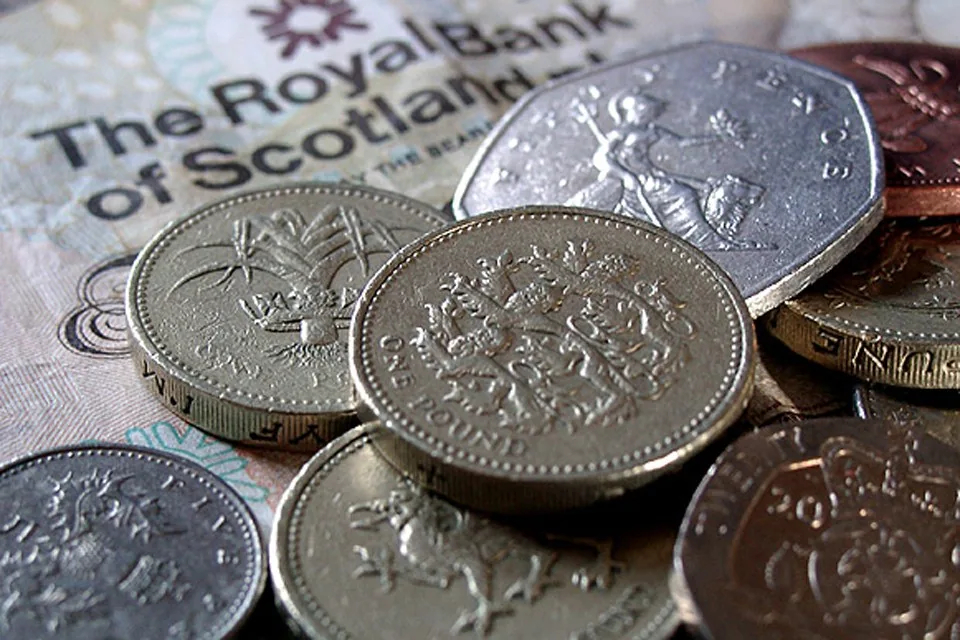
A 1p is 20.3 mm across, a 2p 25.9 mm, a 5p 18 mm, a 10p 24.5 mm, a 20p 21.4 mm, a 50p 27.3 mm, a £1 23.43 mm and a £2 28.4 mm. The table below gives the diameter, thickness, weight and metal of every coin in circulation, using the Royal Mint’s published specifications.
UK coins in circulation
| Coin | Diameter | Weight | Thickness | Metal |
|---|---|---|---|---|
| 1p 1971 to date |
20.30 mm | 3.56 g | 1.52 (bronze) / 1.65 (steel) mm | Bronze to 1992, copper-plated steel since |
| 2p 1971 to date |
25.90 mm | 7.12 g | 1.85 (bronze) / 2.03 (steel) mm | Bronze to 1992, copper-plated steel since |
| 5p 1990 to date |
18.00 mm | 3.25 g | 1.70 mm | Cupro-nickel to 2011, nickel-plated steel since 2012 |
| 10p 1992 to date |
24.50 mm | 6.50 g | 1.85 mm | Cupro-nickel to 2011, nickel-plated steel since 2012 |
| 20p 1982 to date |
21.40 mm | 5.00 g | 1.70 mm | Cupro-nickel (84% copper, 16% nickel) |
| 50p 1997 to date |
27.30 mm | 8.00 g | 1.78 mm | Cupro-nickel (75% copper, 25% nickel) |
| £1 (12-sided) 2017 to date |
23.43 mm | 8.75 g | 2.80 mm | Nickel-brass outer, nickel-plated alloy inner |
| £2 1997 to date |
28.40 mm | 12.00 g | 2.50 mm | Nickel-brass outer, cupro-nickel inner |
The 20p and 50p are seven-sided curves of constant width, so they measure the same across any two opposite points and still work in vending machines.
Why two coins of the same value can differ
In September 1992 the 1p and 2p switched from bronze to copper-plated steel, and in January 2012 the 5p and 10p switched from cupro-nickel to nickel-plated steel. The diameter and weight stayed the same, but the steel coins are slightly thicker and they stick to a magnet. That magnet test is the quickest way to tell a bronze 1p or 2p from a steel one. In 1992 (and again in 1998 for the 2p) both alloys were struck, so the date alone will not tell you. See the 2p coin values guide for the dates that do carry a premium.
Old and withdrawn coins
| Coin | Diameter | Weight | Notes |
|---|---|---|---|
| Large 5p 1968 to 1990 |
23.59 mm | 5.65 g | Withdrawn 31 December 1990 |
| Large 10p 1968 to 1992 |
28.50 mm | 11.31 g | Withdrawn 30 June 1993 |
| Large 50p 1969 to 1997 |
30.00 mm | 13.50 g | Demonetised 1998 |
| Round £1 1983 to 2017 |
22.50 mm | 9.50 g | Demonetised 15 October 2017; 3.15 mm thick |
The large 5p and 10p were the same size as the shilling and florin they replaced, which is why those pre-decimal coins stayed in use until 1990 and 1993. For gold coins, see the sovereign weight and specifications guide. For shillings, florins and crowns, see the pre-decimal coins guide.
Identify a coin by size or weight
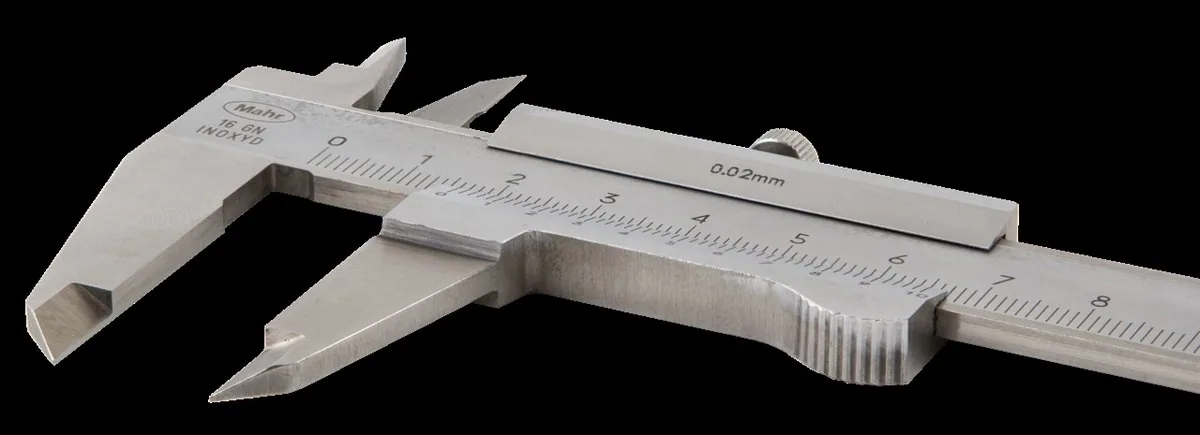
- Measure the diameter with a ruler or, better, a calliper. Enter it in the coin diameter identifier to see every UK coin within a tolerance you choose.
- Weigh it on a kitchen or jewellery scale that reads to 0.01 g, then use the coin weight identifier.
- Still stuck? Try the UK coin identifier, which narrows by metal, shape and inscription.
A coin that is noticeably off the figures above may be worn, damaged, a foreign coin or a fake. A 12-sided £1 well under 8.75 g is worth a closer look: see how to spot a fake £1 coin.
Frequently asked questions
How big is a 1p coin in mm?
How big is a 2p coin in mm?
Which UK coin is the biggest?
Why is the 10p bigger than the 20p?
Are old 5p, 10p and 50p coins bigger?
How can I identify a coin by its size?
Further reading
- Change Hunter, a free checklist of every circulating UK coin.
- Sovereign weight and specifications, quarter to five pound.
- Are my old coins worth anything?, what to check next.