1983 “New Pence” 2p Error: The Most Famous UK Royal Mint Mule
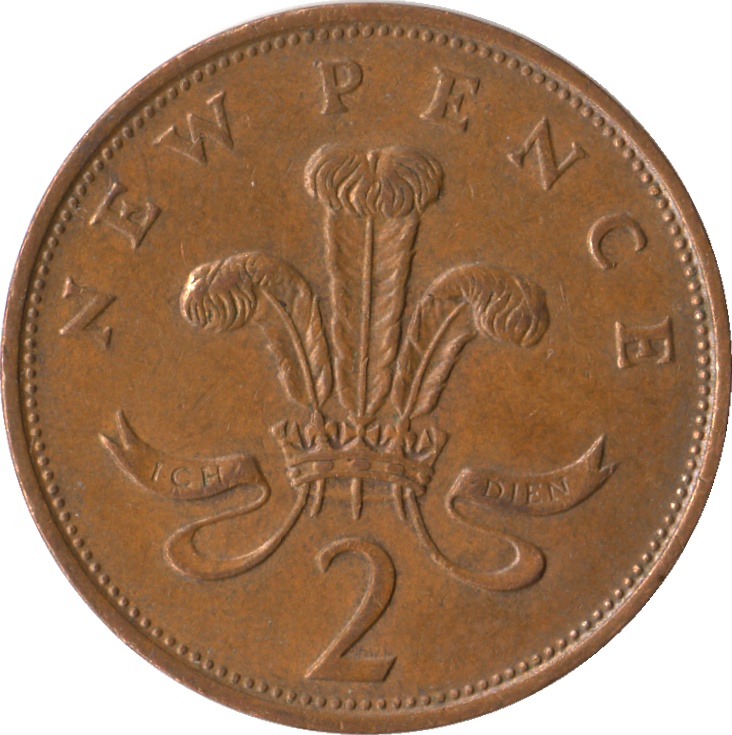
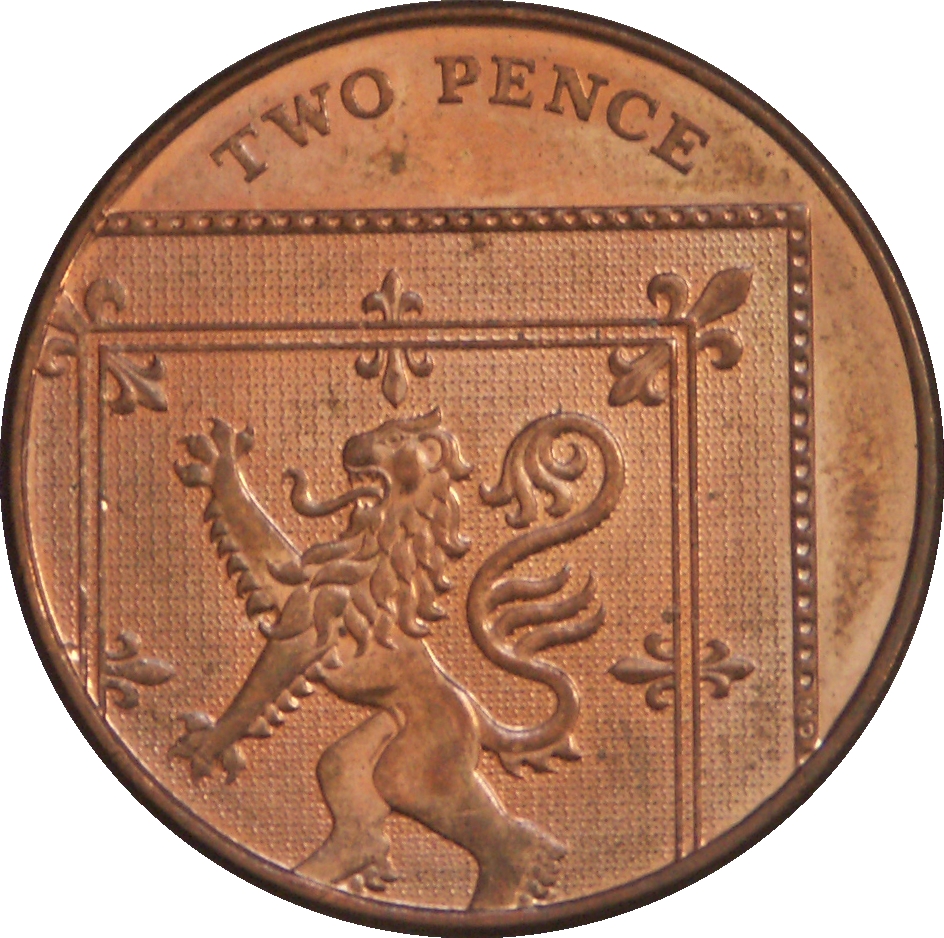
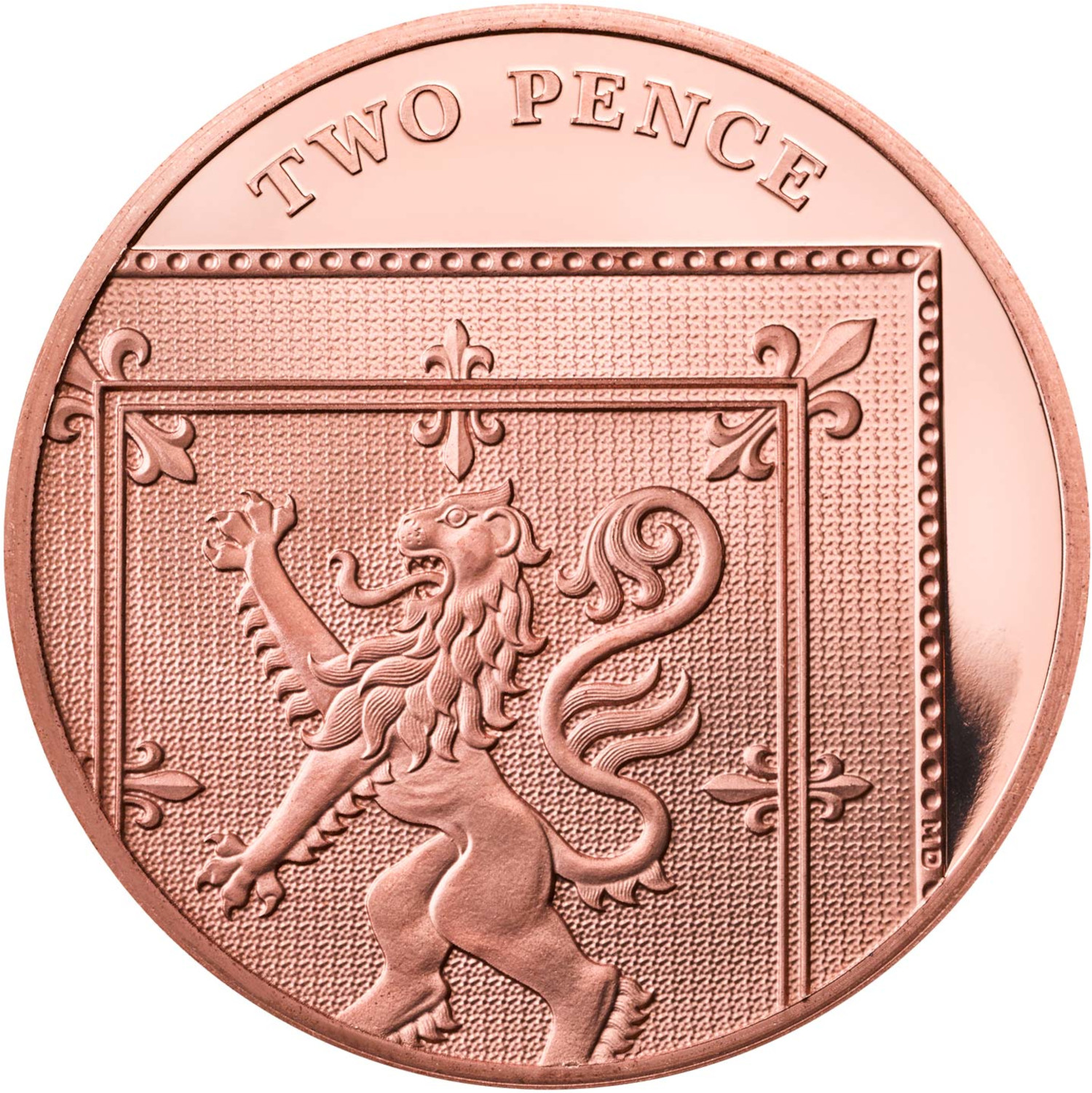
The 1983 “New Pence” 2p is the most-famous Royal Mint die error of the modern decimal era. A small batch of 1983 proof 2ps was accidentally struck with the obsolete "NEW PENCE" reverse die that had been retired in 1982 in favour of "TWO PENCE". The error escaped quality control and was distributed inside the 1983 Royal Mint annual proof set. Surviving error coins are estimated at fewer than 500 examples and trade at £500-2,500+. This guide covers identification, authentication, and where to sell.
How to identify the 1983 New Pence 2p
Two checks, both must be true:
- Date on obverse: the year must be 1983. Any other date is not the error.
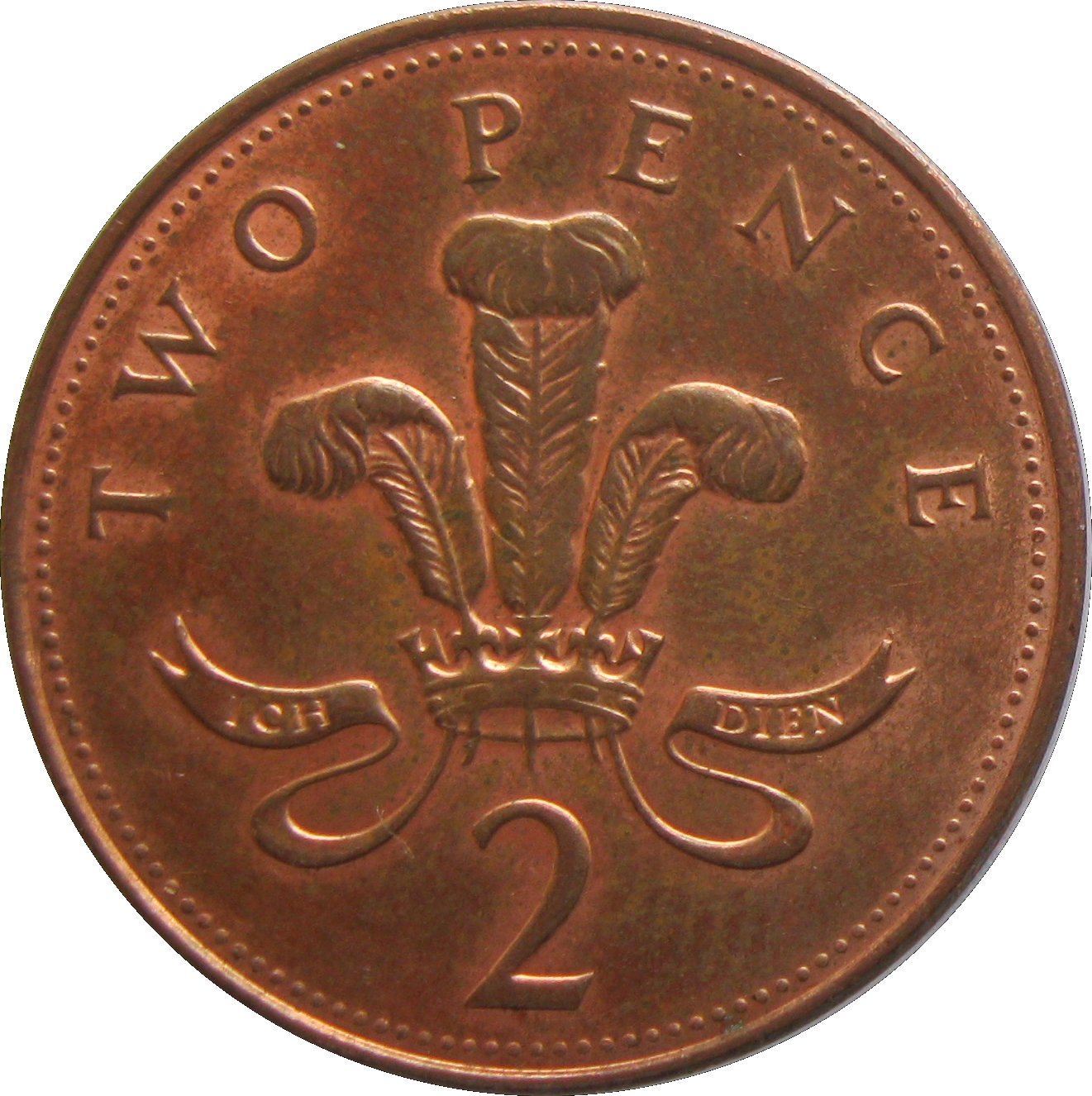
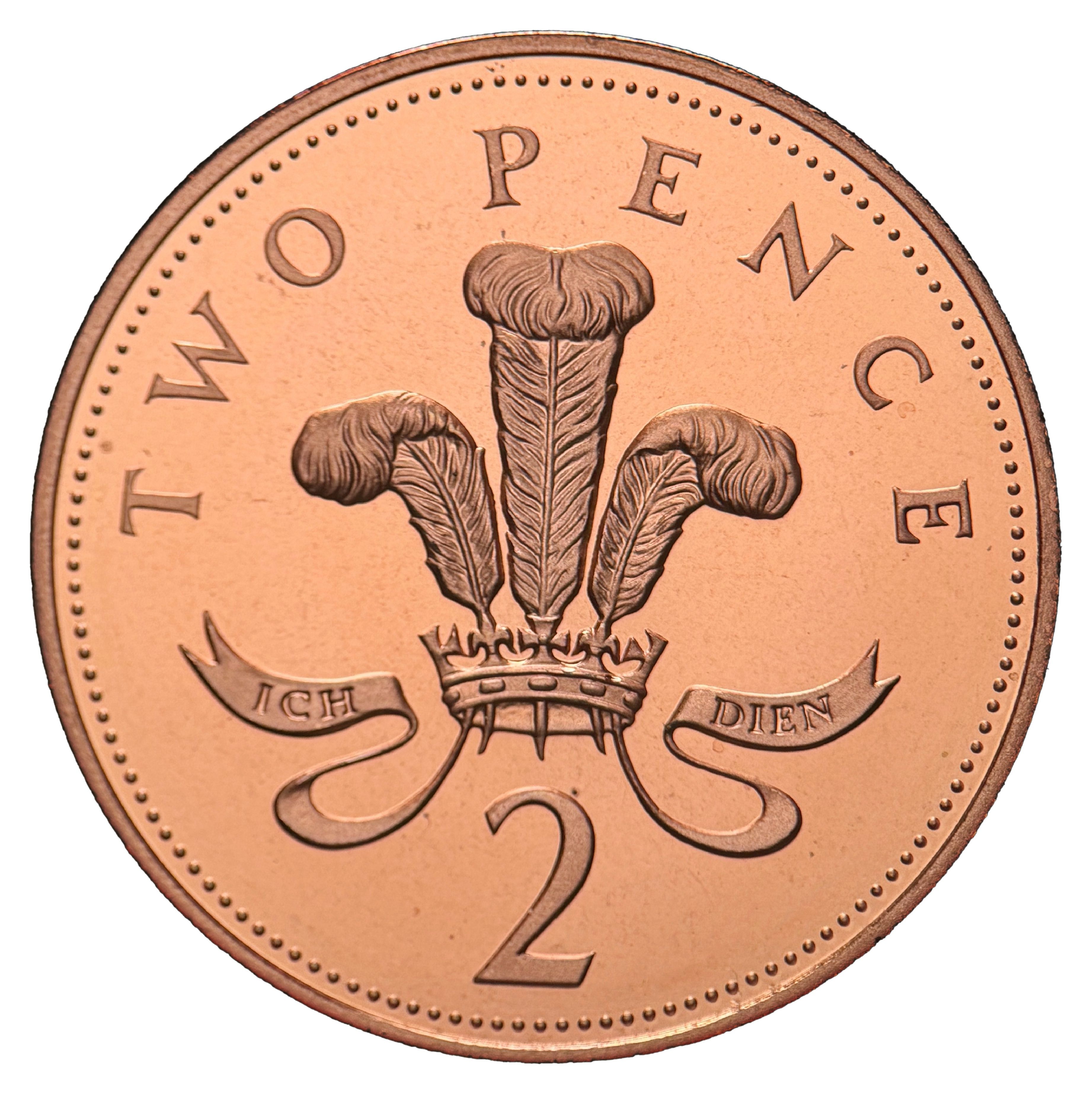
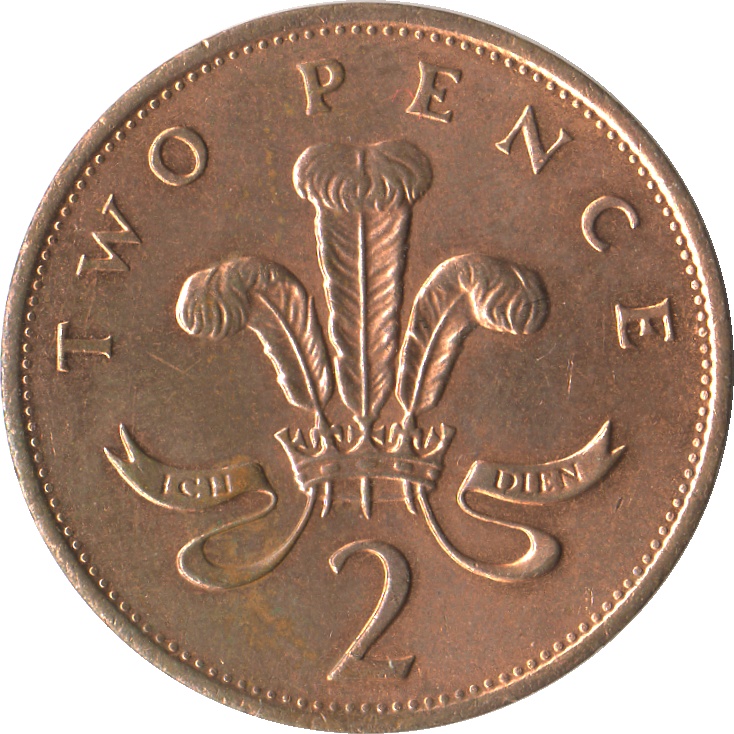
- Reverse legend: across the bottom of the Plumed Ostrich Feathers (Prince of Wales feathers) reverse, the legend must read "NEW PENCE", not "TWO PENCE".
The error coins came from the 1983 Royal Mint proof annual set. Loose error coins are rare; most surviving examples are still sealed in their original 1983 Royal Mint blue plastic proof set, alongside the 1p, half penny, 5p, 10p, 20p, 50p and silver Maundy components.
How the error happened
The Royal Mint changed the legend on UK 2p reverses from "NEW PENCE" to "TWO PENCE" in 1982, eleven years after Decimal Day. The change was driven by public familiarity with decimal coinage and the redundancy of the word "NEW" by that date. From 1982 onwards, all UK 2p coins should carry "TWO PENCE".
For the 1983 proof annual set, a small batch was struck using the obsolete 1971-1981 reverse die that should have been retired and stored. The obsolete die carried "NEW PENCE". The mistake was an internal die-stock mix-up; the affected coins escaped quality control and were sealed inside the standard 1983 proof annual set. The error was discovered by collectors when the sets were opened, and the 1983 NEW PENCE 2p was identified as a genuine Royal Mint mule. Other dates (1984 onwards) used the correct "TWO PENCE" reverse without exception.
Realised price ranges
| Format | Realised price (2026) |
|---|---|
| Loose 1983 NEW PENCE 2p (worn / circulated) | £500 – £800 |
| Loose 1983 NEW PENCE 2p (Brilliant Uncirculated) | £800 – £1,500 |
| Slabbed PCGS / NGC MS-65 or higher | £1,800 – £2,500+ |
| Complete 1983 proof set in original Royal Mint blue case (with error) | £1,500 – £3,500 |
| Standard 1983 proof set (correct TWO PENCE 2p, common) | £15 – £30 |
Counterfeit warning
The 1983 New Pence 2p is the most-counterfeited modern UK error coin. Two common fakes:
- Re-engraved date: a genuine 1971-1981 NEW PENCE 2p with the obverse date altered to read 1983. Detect by examining the date under 10x magnification, re-engraving leaves microscopic tool marks not present on a genuine 1983 obverse strike.
- Cast copy: a counterfeit cast from a genuine 1983 New Pence error. Detect by weight (genuine: 7.12 g ± 0.05 g) and edge inspection (cast counterfeits show faint horizontal seams).
For any 1983 NEW PENCE 2p you intend to sell or buy above £500, professional grading by PCGS, NGC or CGS UK is essential. Slabbed examples carry a 25-40% price premium over unslabbed loose coins because the slab provides authentication, a guaranteed grade, and resale-market trust.
Featured 2p coins on MyCoinage