Britannia Coin Values UK 1987-2026: Silver, Gold, Every Denomination
The modern Britannia series is the Royal Mint’s flagship CGT-exempt bullion programme, running since 1987 for gold and 1997 for silver. Philip Nathan’s standing Britannia design has been refreshed annually since launch and the coin has gone through a major fineness upgrade (gold 22ct → 999.9 and silver 958 → 999 in 2013). This guide covers every size and metal, the 1987–2026 design timeline, current bullion-floor values, the sovereign-vs-Britannia decision, and where to buy and sell.
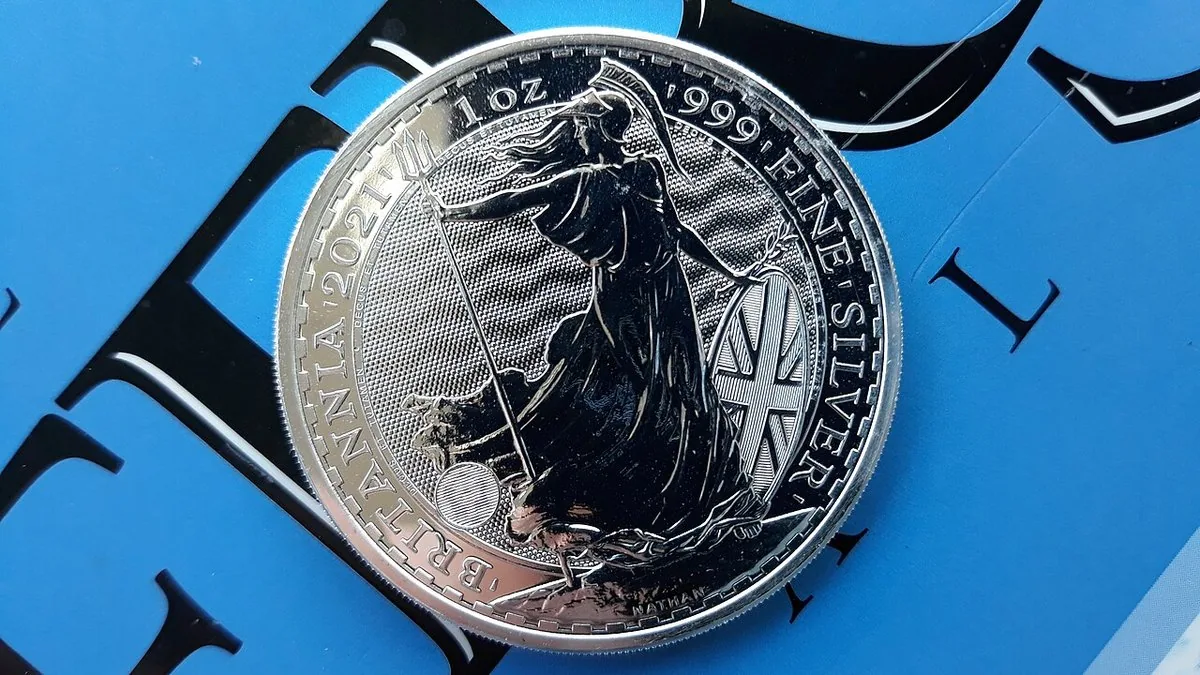
The Britannia design from 1672 to 2026
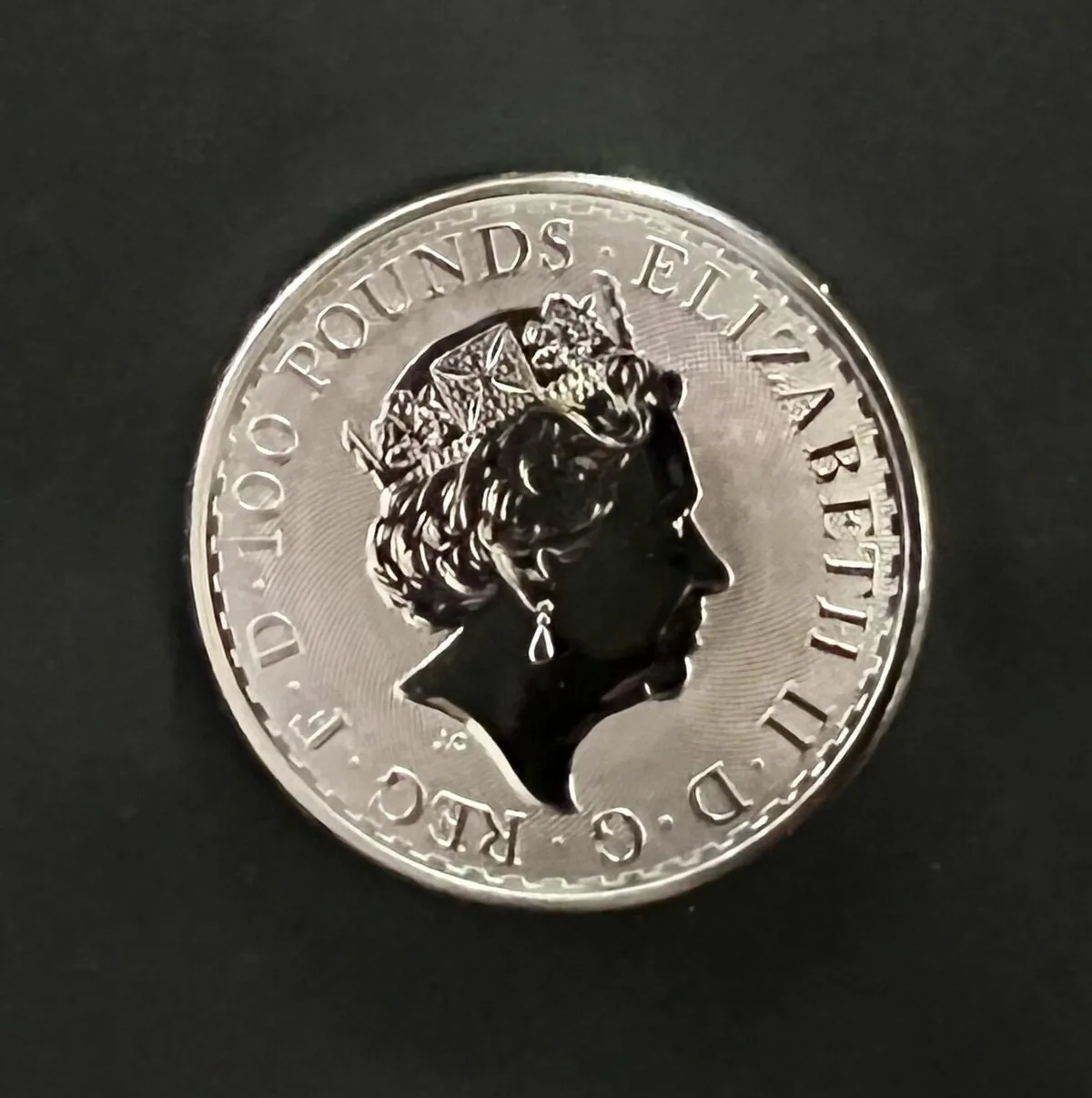
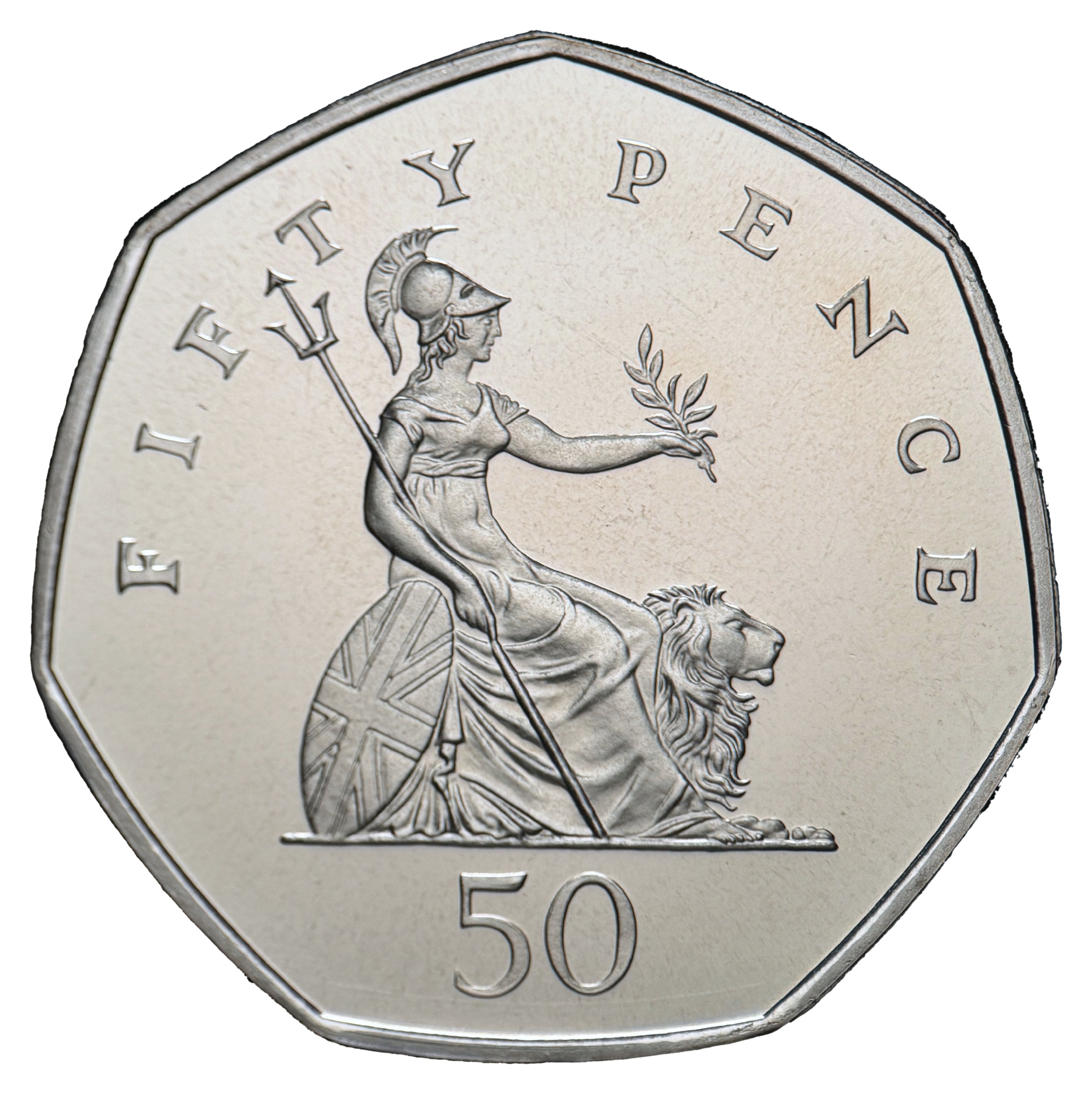
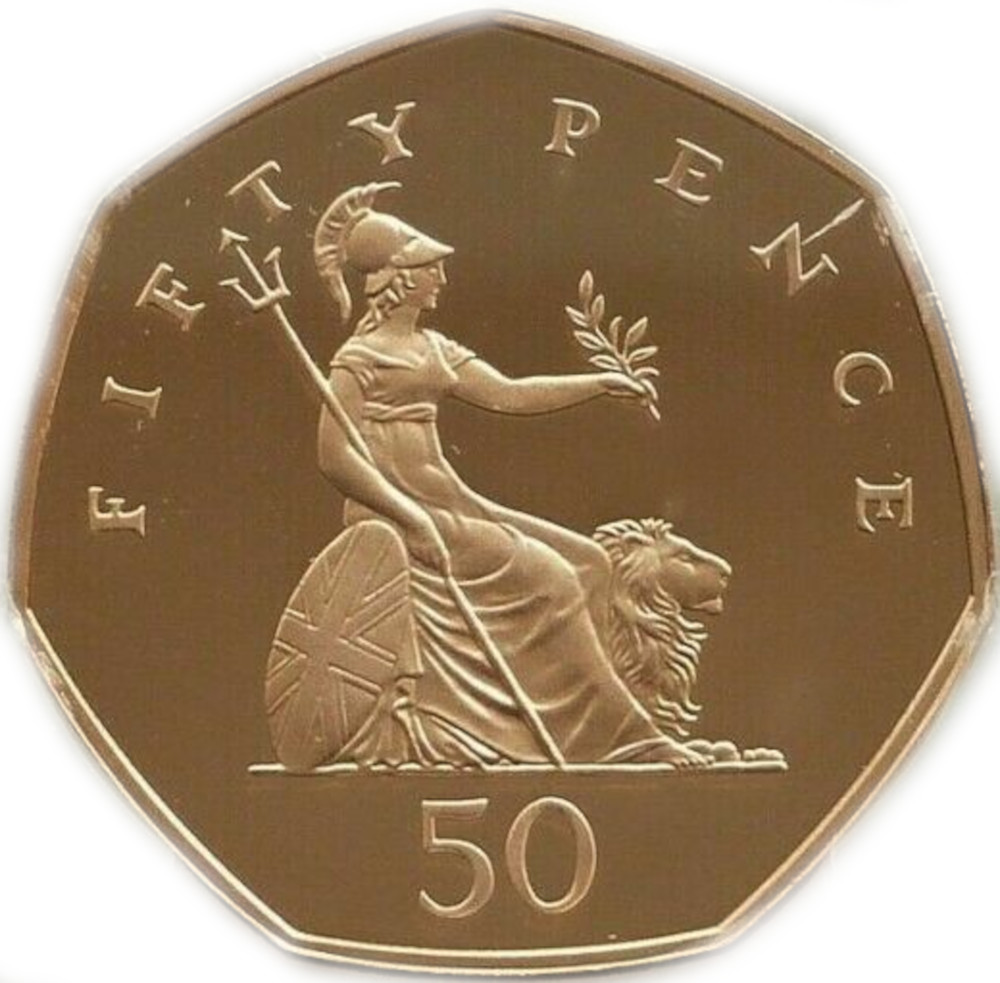
Britannia as a coin design is one of the longest-running motifs in numismatic history. The figure first appeared on a Charles II copper farthing in 1672, modelled (according to Samuel Pepys’s diary entry of 25 February 1667) on Frances Stuart, Duchess of Richmond, one of Charles II’s mistresses. The design ran continuously on copper halfpence (1672–1860), bronze pennies (1860–1970), and the original Christopher Ironside seated Britannia on the 50p reverse (1969–2008).
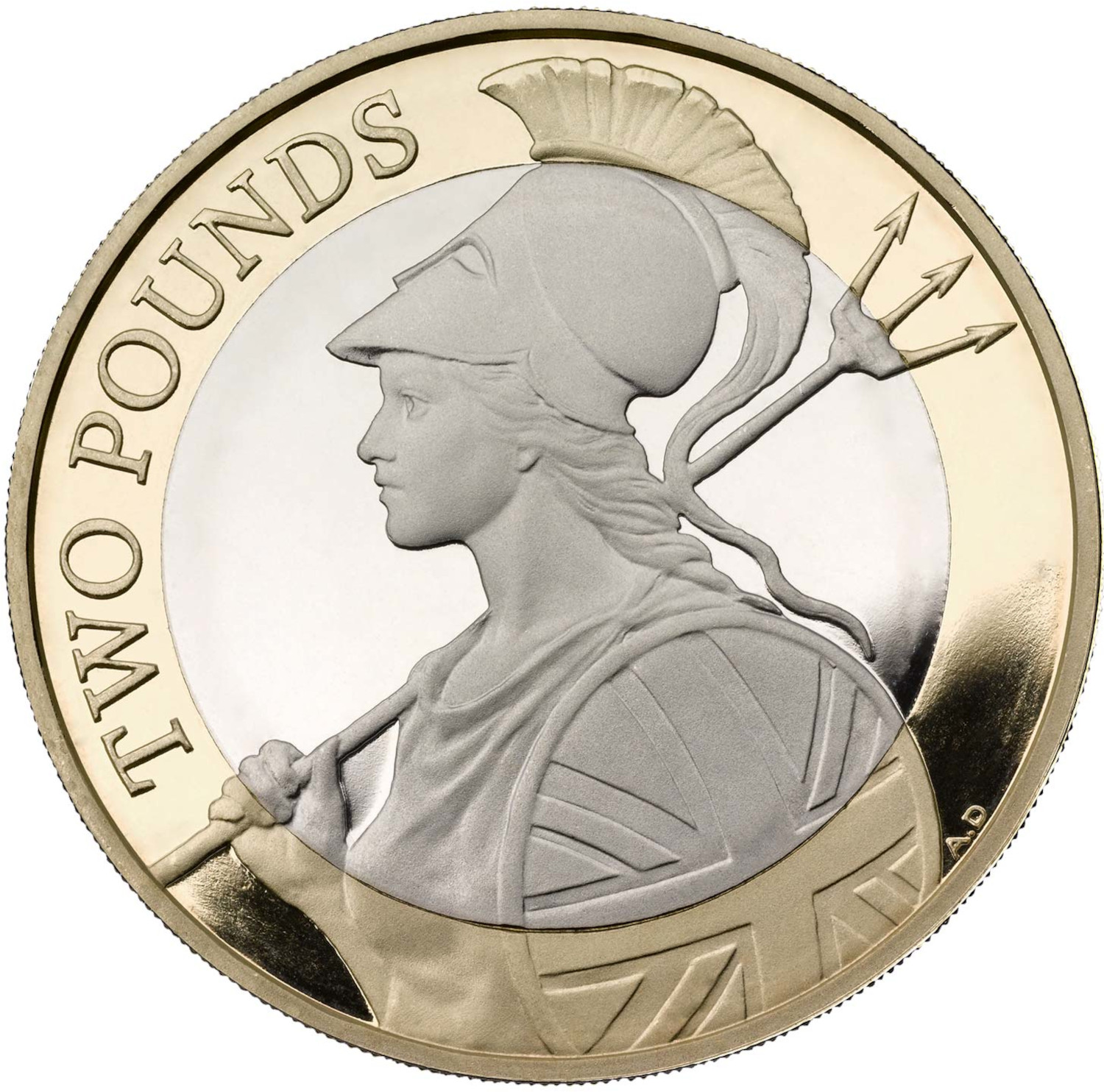
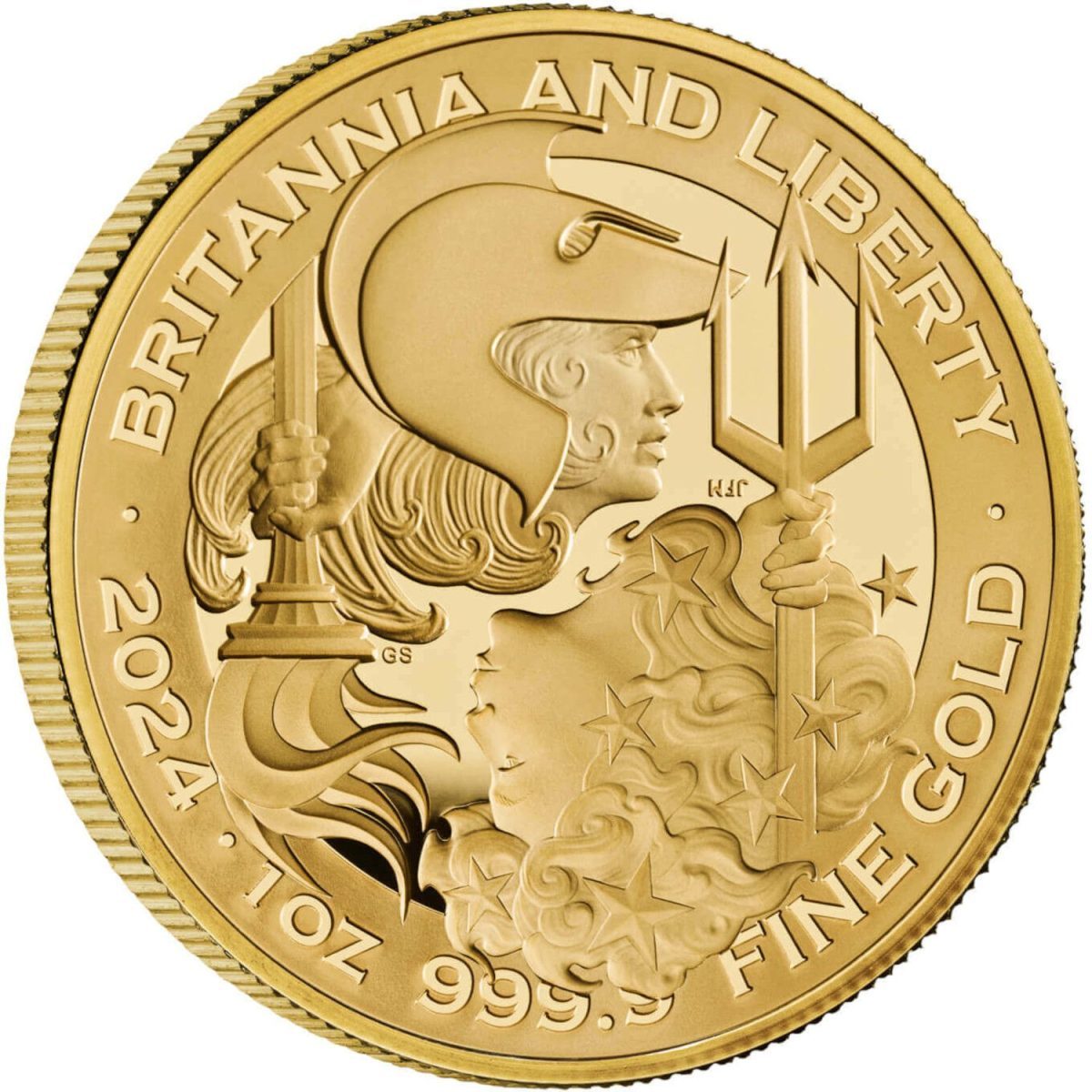
The modern bullion Britannia is a separate programme. Gold Britannias launched in 1987, designed by Philip Nathan as a standing Britannia in classical pose with Union flag shield, olive branch and trident. Silver Britannias launched in 1997. The Royal Mint has refreshed the reverse design annually since approximately 2001, while keeping the Nathan composition as the canonical reference.
The modern bullion Britannia (1987 / 1997 onwards)
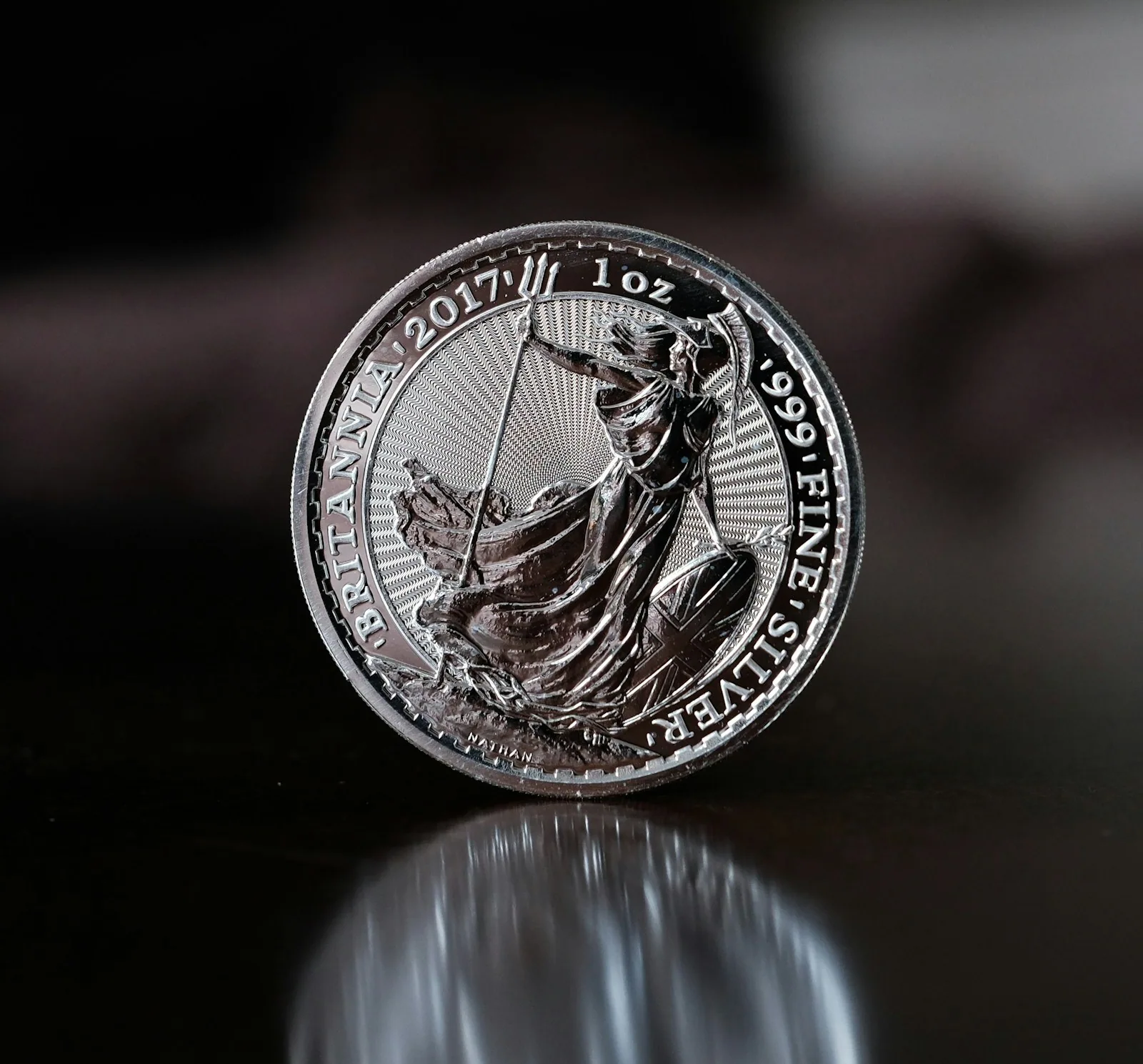
Annual reverse design refreshes have kept the Britannia series visually distinct each year while maintaining the standing-Britannia core composition. Notable design years:
- 1987, first gold Britannia, Philip Nathan standing design with Union shield, olive branch and trident.
- 1997, first silver Britannia, same Nathan design, mintage 88,909 (lowest silver mintage of the series).
- 2007, 20th-anniversary design with Britannia facing the viewer.
- 2013, fineness upgrade: gold 22ct → 999.9, silver 958 → 999. New 4-coin gold proof set.
- 2017, 30th-anniversary silver set, premium issue.
- 2021, security feature introduction: micro-engraving, latent image (only visible at certain angles), and laser-cut tincture lines.
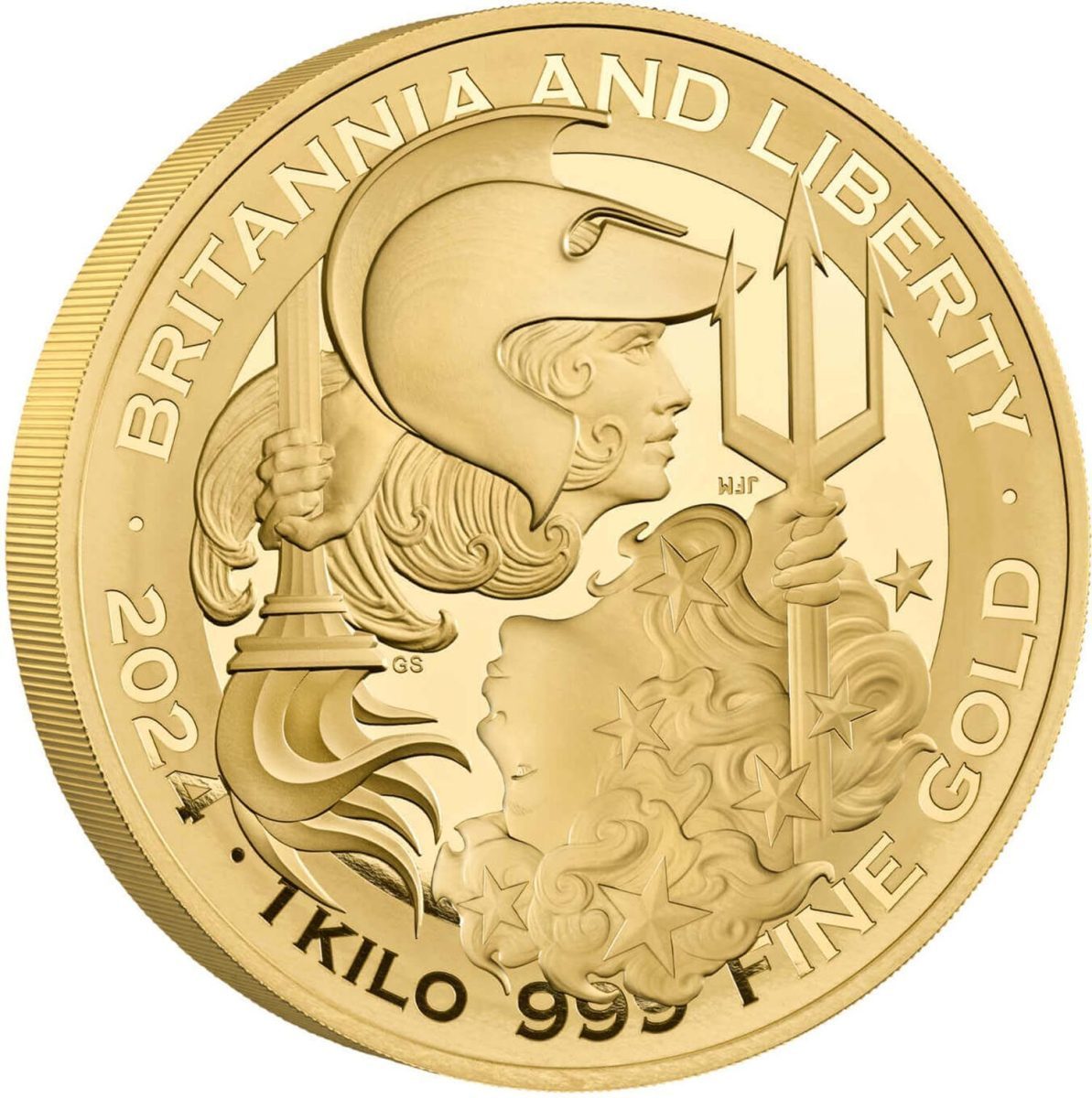
- 2024, first Charles III Britannia obverse (Martin Jennings effigy replacing Jody Clark).
The 2013 fineness upgrade
The 2013 upgrade was driven by global bullion-market preference for higher-fineness gold (the international standard had moved to 999.9 fine across most national programmes, Canadian Maple Leaf, Australian Kangaroo, Austrian Philharmonic, with only the UK and US Eagles holding 22-carat). The Royal Mint upgraded simultaneously:
- Gold Britannia 1 oz: 22-carat (916.7 fine), coin weight 34.05 g → 999.9 fine, coin weight 31.1035 g (pure gold only, no copper alloy).
- Silver Britannia 1 oz: 958 fine (Britannia silver), coin weight 32.45 g → 999 fine, coin weight 31.1035 g.
The pre-2013 22-carat gold Britannias remain popular with collectors who prefer the harder alloy (more resistant to scratching) and trade at slight discount to 999.9 issues. Pre-2013 958 silver Britannias trade roughly in line with 999 issues on a per-gram-pure-silver basis.
Sizes and specifications
| Size | Gold weight | Silver weight | Diameter | Face value |
|---|---|---|---|---|
| 1 oz | 31.1035 g | 31.1035 g | Au 32.69 mm / Ag 38.61 mm | Au £100 / Ag £2 |
| ½ oz | 15.55 g | 15.55 g | 27 mm | Au £50 / Ag £1 |
| ¼ oz | 7.78 g | 7.78 g | 22 mm | Au £25 / Ag 50p |
| 1/10 oz | 3.11 g | 3.11 g | 16.5 mm | Au £10 / Ag 20p |
| 1/20 oz | 1.56 g | 1.56 g | 12 mm | Au £5 / Ag 10p |
Current values by metal and size
Bullion Britannias trade at metal spot plus a premium that varies by size (smaller = higher per-ounce premium due to fabrication costs):
| Variant | Bullion content | Typical premium | 2026 indicative price |
|---|---|---|---|
| 1 oz silver Britannia | 31.1 g 999 silver | +5-15% | £30–£38 |
| 1 oz gold Britannia (post-2013) | 31.1 g 999.9 gold | +3-8% | £2,200–£2,500 |
| 1 oz gold Britannia (pre-2013, 22ct) | 31.1 g pure (34.05 g coin) | +2-6% | £2,150–£2,400 |
| ½ oz gold Britannia | 15.55 g 999.9 gold | +5-10% | £1,150–£1,300 |
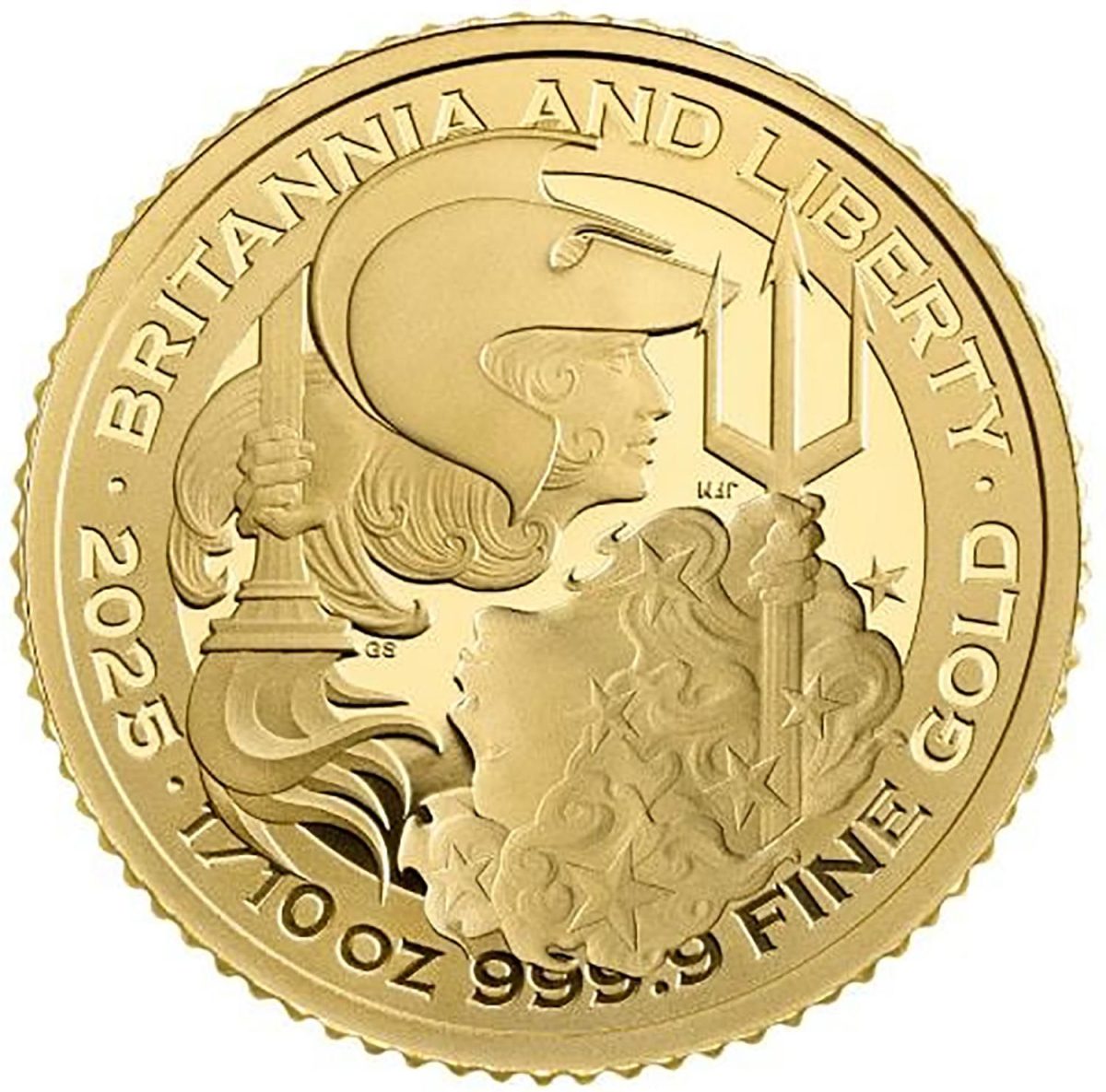
| 1/10 oz gold Britannia | 3.11 g 999.9 gold | +10-20% | £235–£280 |
| Proof Britannia (1 oz silver) | 31.1 g 999 silver | +50-100% on bullion | £75–£125 |
| 4-coin gold proof set (post-2013) | 57.5 g 999.9 gold | +15-25% on bullion | £4,800–£5,500 |
Britannia vs sovereign
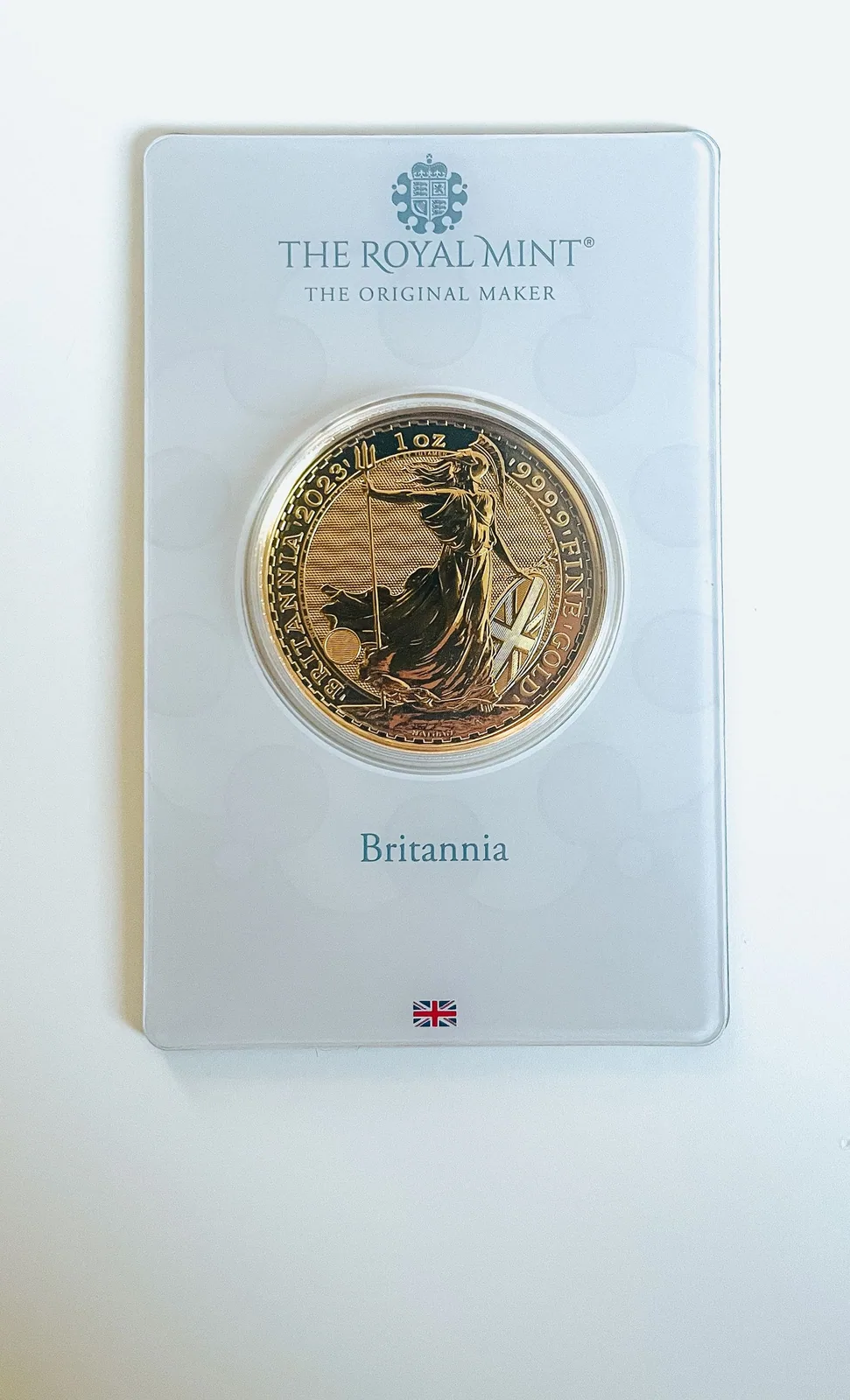
Both are CGT-exempt UK gold. Pick based on use case:
- Sovereign, 7.988 g, 22-carat, £400+ each. Easier to sell in small amounts; deep liquidity in UK market; 200-year design history. Best for flexible accumulation and occasional liquidation.
- Gold Britannia 1 oz, 31.1 g, 999.9 fine (post-2013), £2,200+ each. Higher fineness (matches international bullion standard); fewer coins to store for given gold weight. Best for large positions or where international resale liquidity matters.
See our sovereigns vs Britannias guide for the full decision matrix.
CGT exemption
All Royal Mint Britannias (gold and silver, all dates, all sizes) are exempt from UK Capital Gains Tax as legal-tender coins. The relevant HMRC guidance is in CG78310. The exemption applies regardless of gain. Investment-grade gold (defined under VAT Notice 701/21A) is also VAT-free at point of purchase.
For comparison: Krugerrands, US Gold Eagles, Canadian Maple Leafs and pre-1837 sovereigns are NOT CGT-exempt. Any gain above the annual exemption (£3,000 for 2026–27) is taxable. This is the principal reason UK private investors prefer Britannias and sovereigns over international gold coins of equivalent fineness.
Authentication
For high-value gold Britannias, five tests catch every fake:
- Weight: 1 oz post-2013 = exactly 31.10 g ± 0.02 g. Pre-2013 22ct = 34.05 g ± 0.05 g.
- Diameter: 32.69 mm for 1 oz post-2013; 32.69 mm pre-2013 22ct (same diameter, different thickness).
- Magnet: gold is non-magnetic. Any pull = steel-cored counterfeit.
- Specific gravity: 19.32 g/cm³ for 999.9 gold (Archimedes water displacement). Tungsten-cored fakes pass weight but fail SG (tungsten is 19.30 g/cm³, very close, but detectable with precise measurement).
- Security features (2021+): micro-engraving, latent image visible at specific viewing angle, laser-cut tincture lines on the Union shield. Counterfeits typically miss at least one of these.
The Royal Mint provides free coin authentication for high-value examples; for collector-grade Britannias, professional grading via CGS UK, PCGS or NGC is worth the £25–£50 fee.
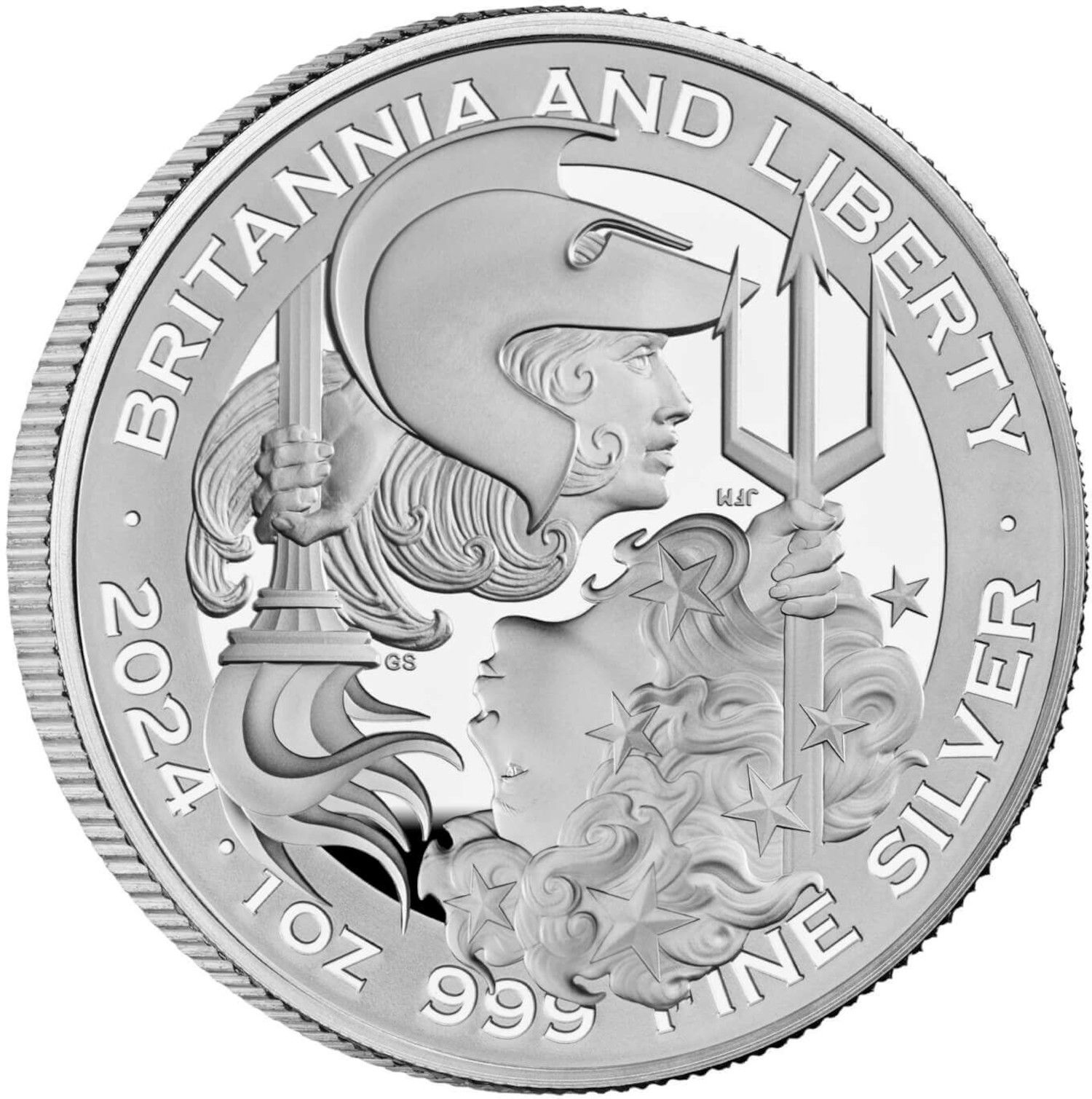
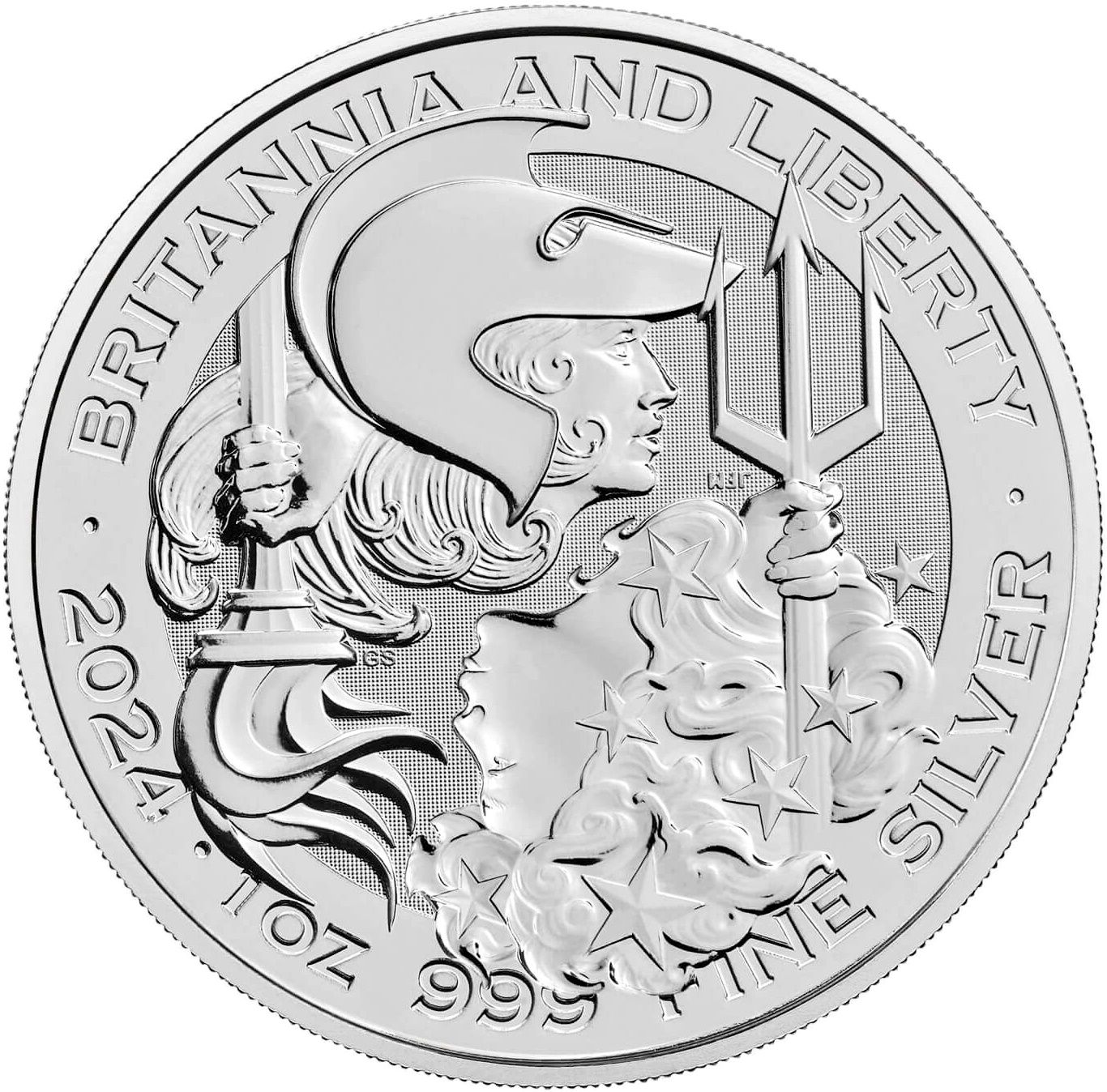
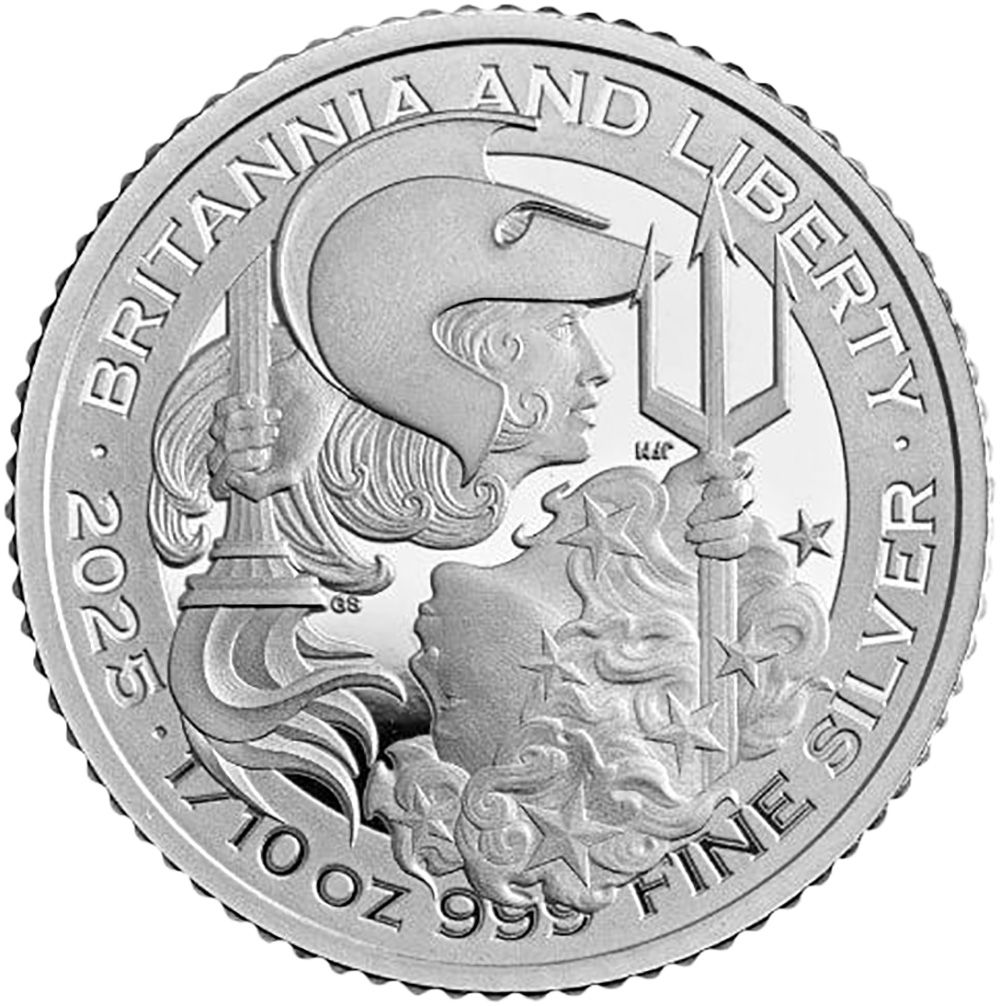
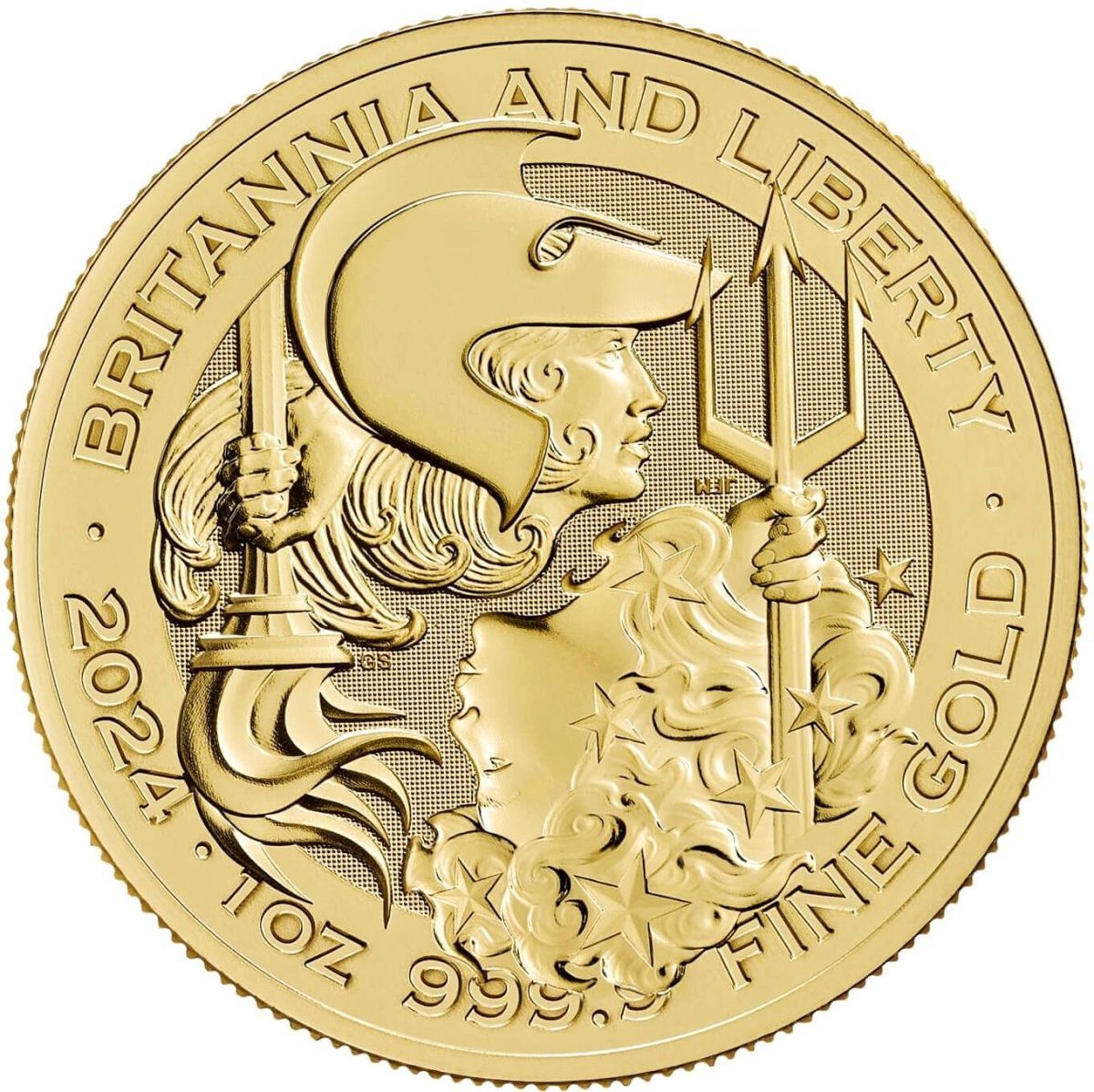
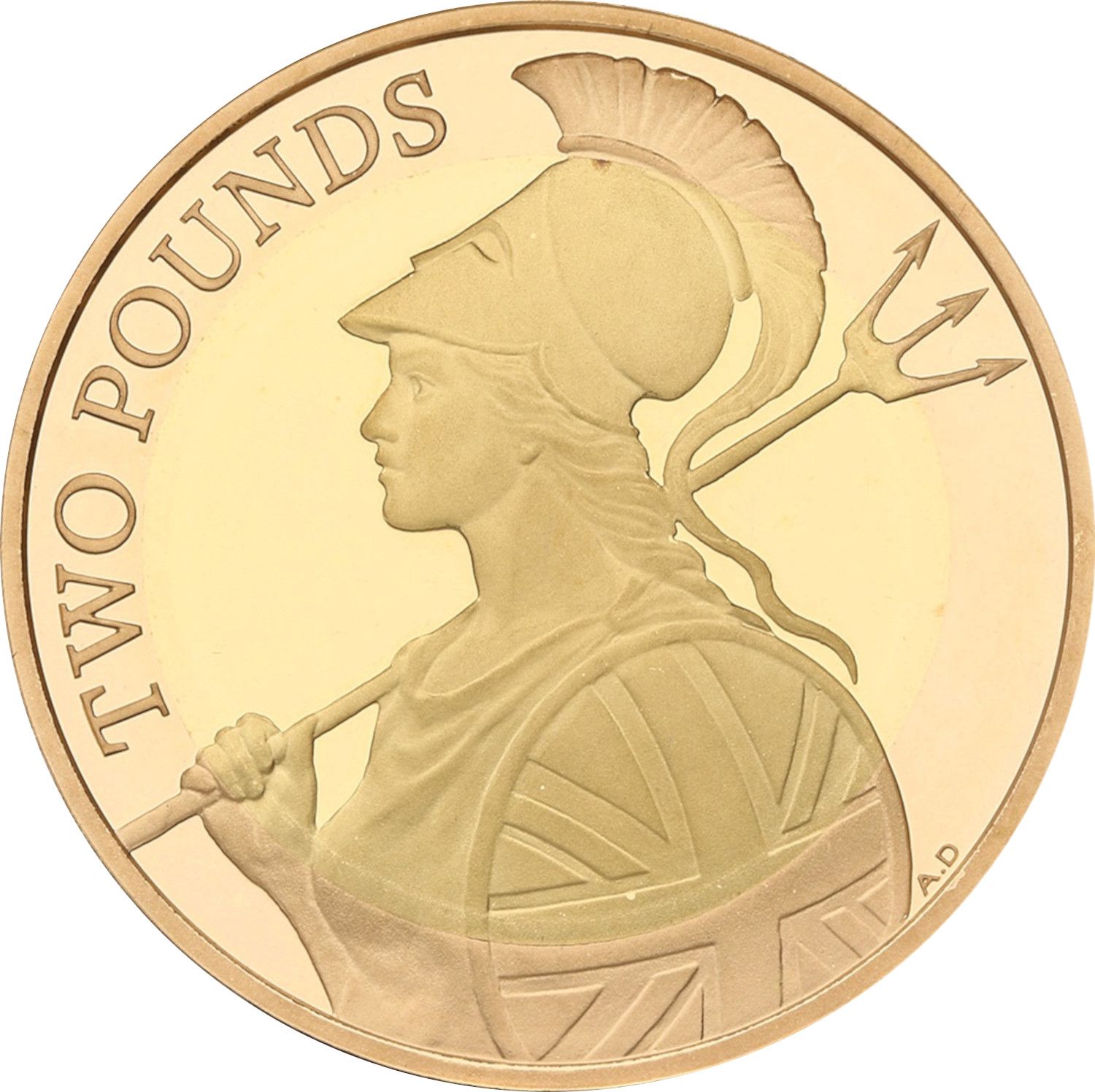
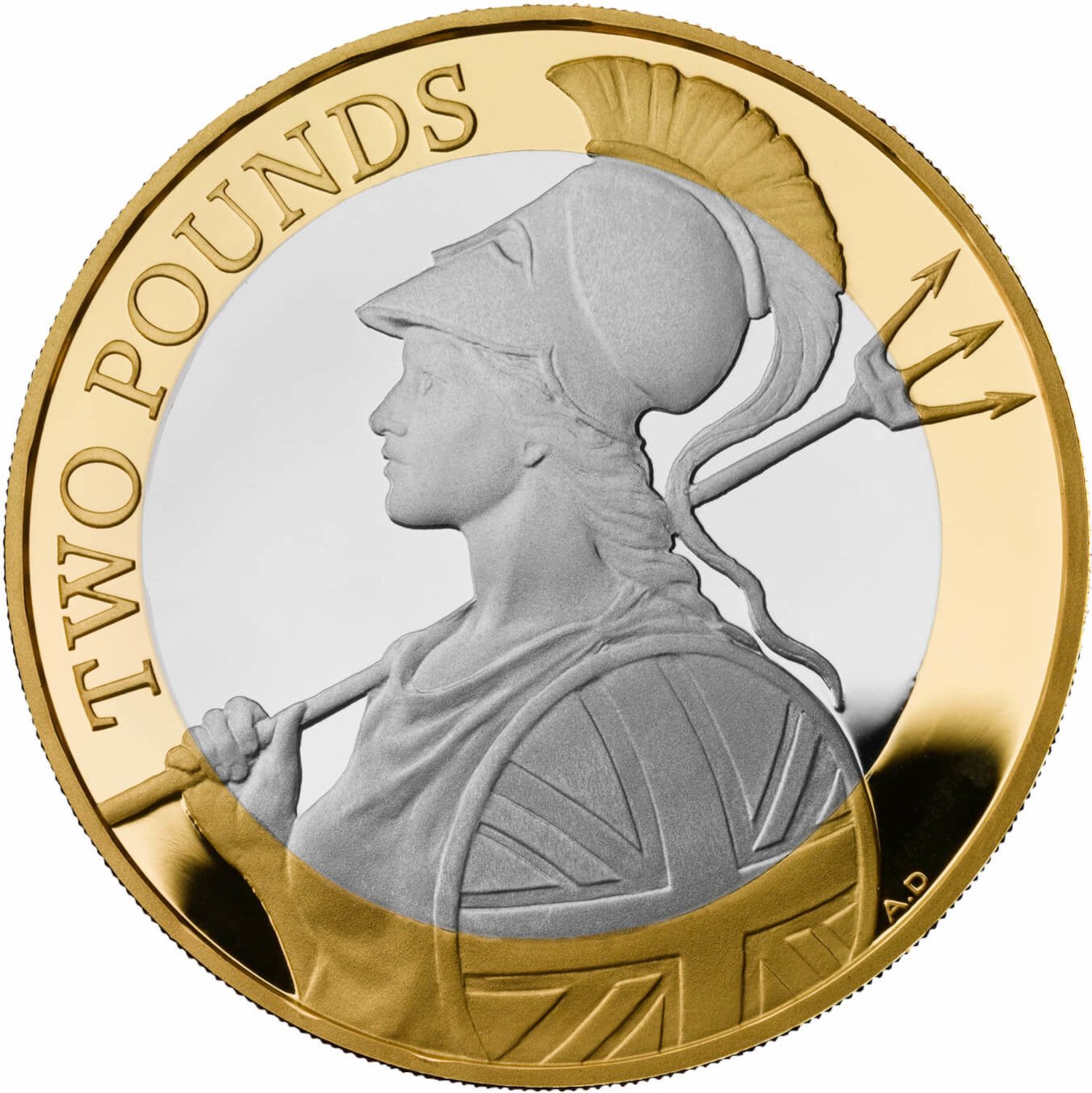
Featured Britannia coins on MyCoinage
Frequently asked questions
How much is a Britannia coin worth in 2026?
When was the Britannia coin first issued?
What is the fineness of a silver Britannia?
What is the fineness of a gold Britannia?
Are Britannias CGT-exempt?
Sovereign vs Britannia: which should I buy?
What is the 2 pound Britannia coin?
Are smaller Britannia denominations issued?
How do I tell a real Britannia from a fake?
Further reading
- Royal Mint Lunar series, the Shengxiao bullion and proof coins by year.
- Sovereigns vs Britannias, full decision comparison.
- Gold sovereign values, the alternative CGT-exempt UK gold.
- Britannia bullion £2, the £2 face-value silver Britannia in detail.
- Silver melt calculator, live silver spot calculator.
- Sovereign value calculator, live gold spot calculator for sovereigns.