Guide
Victorian Sovereign Values: 1838–1901, All Three Portraits
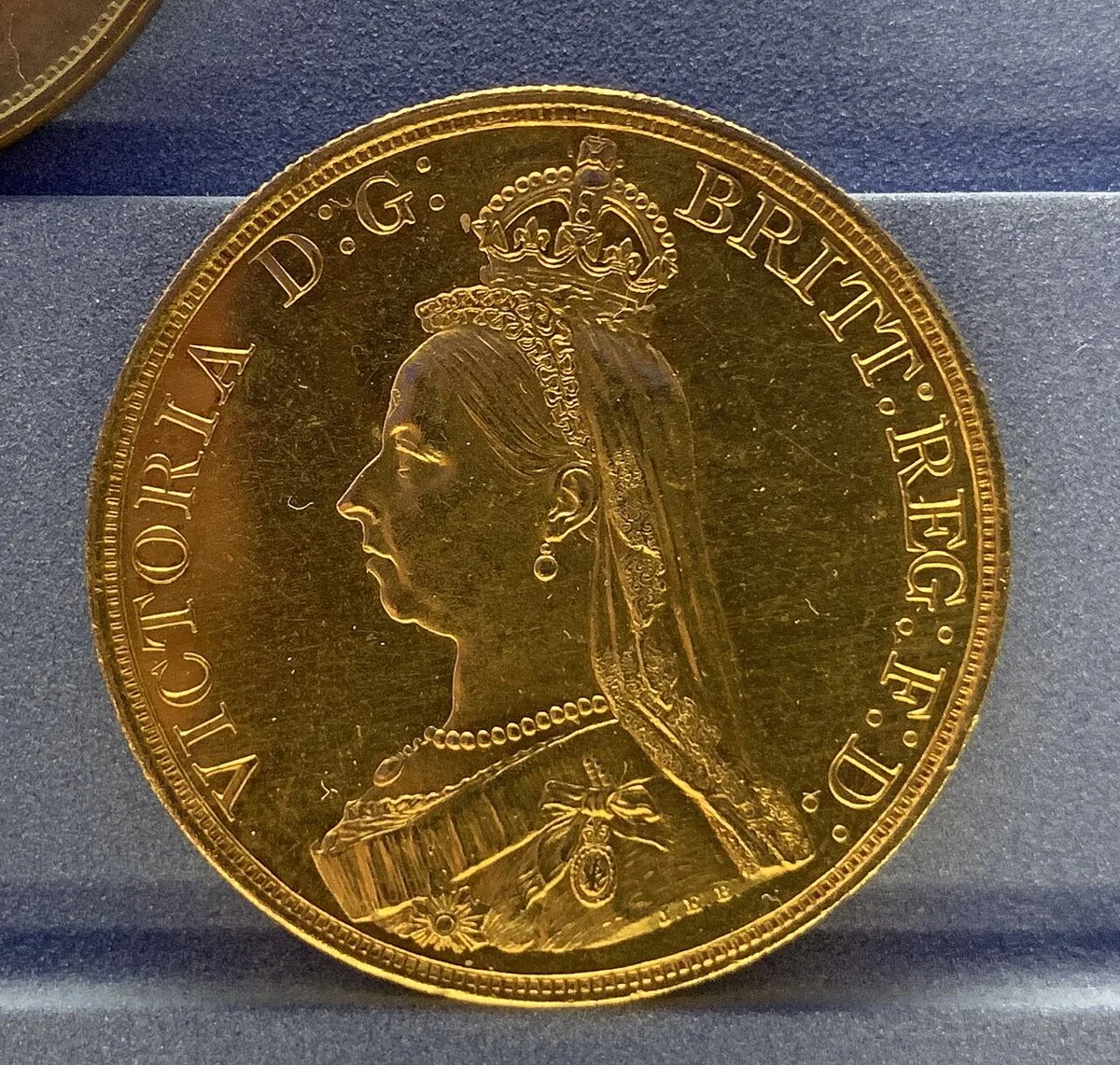
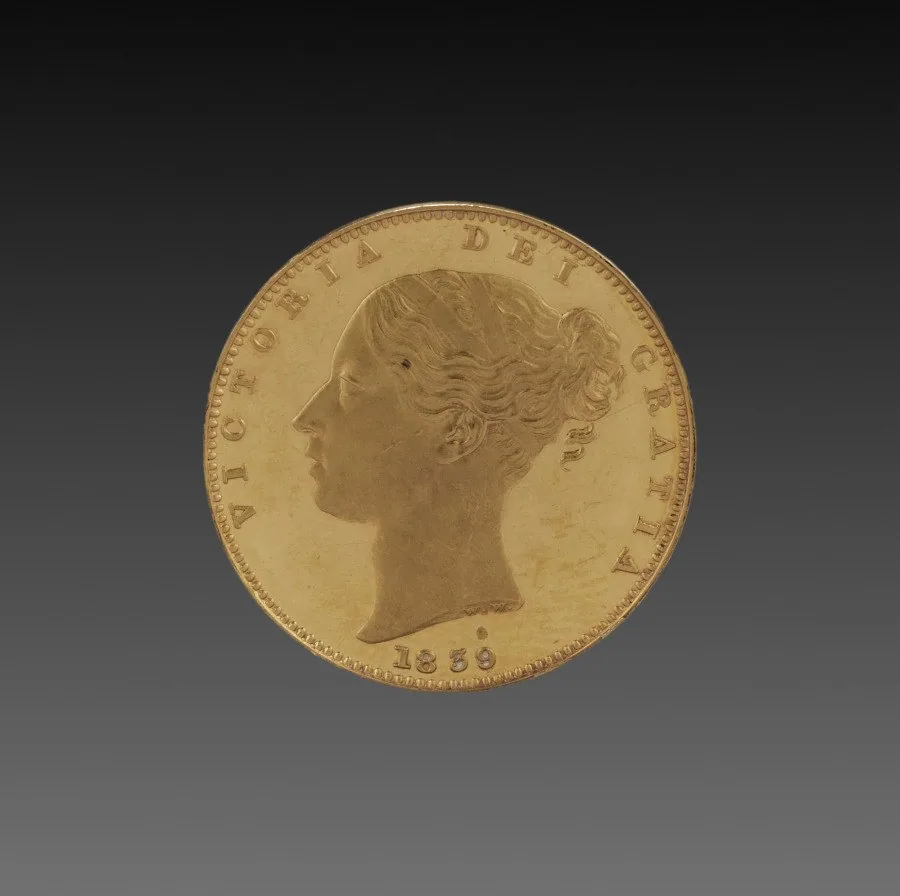
Queen Victoria's 64-year reign saw the longest continuous run of British sovereigns in history, struck across three definitive portraits (William Wyon's Young Head, Boehm's Jubilee Head, Brock's Veiled / Old Head), two reverse designs (shield-back to 1874, then Pistrucci's St George thereafter), and three Australian branch mints (Sydney S, Melbourne M, Perth P from 1899). This guide covers every portrait era, branch-mint marks, key dates and realised auction prices.
Reviewed by Connor Jones, Editor
Last updated:
In brief. Common-date Victorian sovereign at £1,750/oz gold spot:
£480-650. Young Head shield-back (1838-1874): +20-50% premium over melt.
Young Head St George (1871-1887): +5-20%. Jubilee Head (1887-1893): +10-30%. Veiled Head (1893-1901): +5-20%.
Branch mints (S/M/P): additional +10-40% over London. Key dates £3,000-15,000+. CGT-exempt as UK legal tender.
The three Victorian portraits
| Years | Portrait | Sculptor | Reverse | Common-date premium over melt |
|---|---|---|---|---|
| 1838-1874 | Young Head | William Wyon | Shield-back | +20-50% |
| 1871-1887 | Young Head | William Wyon | St George (Pistrucci) | +5-20% |
| 1887-1893 | Jubilee Head | Joseph Edgar Boehm | St George | +10-30% |
| 1893-1901 | Veiled Head (Old Head) | Sir Thomas Brock | St George | +5-20% |
Key dates and rarities
| Year | Type | Mintage | Realised range |
|---|---|---|---|
| 1879 | Young Head shield-back London | 20,013 | £3,000-7,500 |
| 1879 | Sydney shield-back | scarce | £3,500-8,500 |
| 1887 | Jubilee Head Sydney "M reverse" mule | ~6 known | £15,000+ |
| 1893 | Veiled Head proof London | 773 | £6,000-18,000 |
| 1872 | Young Head Melbourne first year | scarce | £3,500-6,000 |
| 1839 | Una and the Lion £5 proof (separate denomination) | ~400 | £100,000-300,000+ |
Featured Victorian sovereigns on MyCoinage
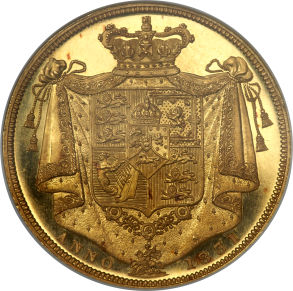
2 Pounds - William IV
up to £29,945
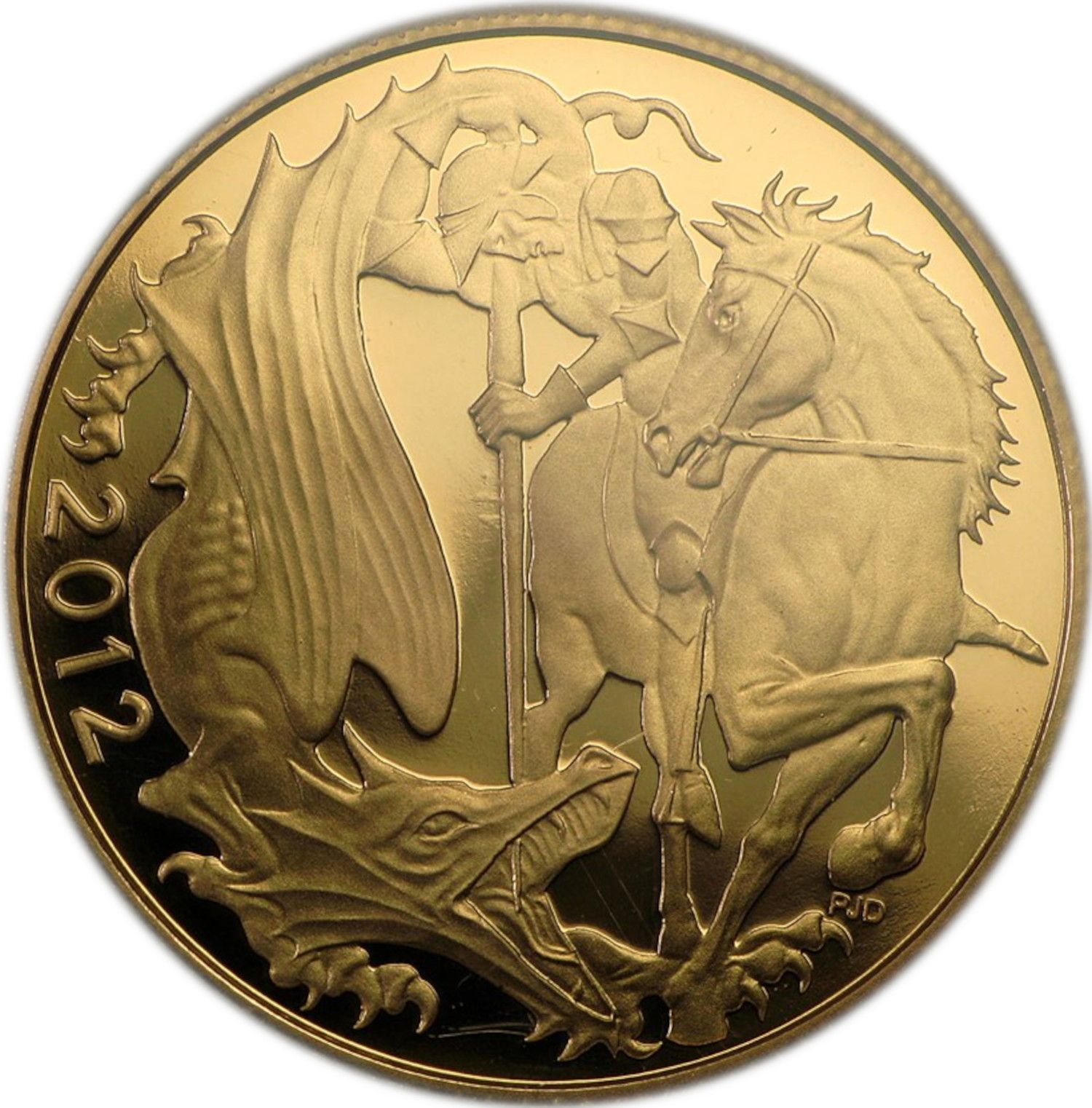
2 Sovereigns - Elizabeth II Diamond Jubilee
up to £1,800
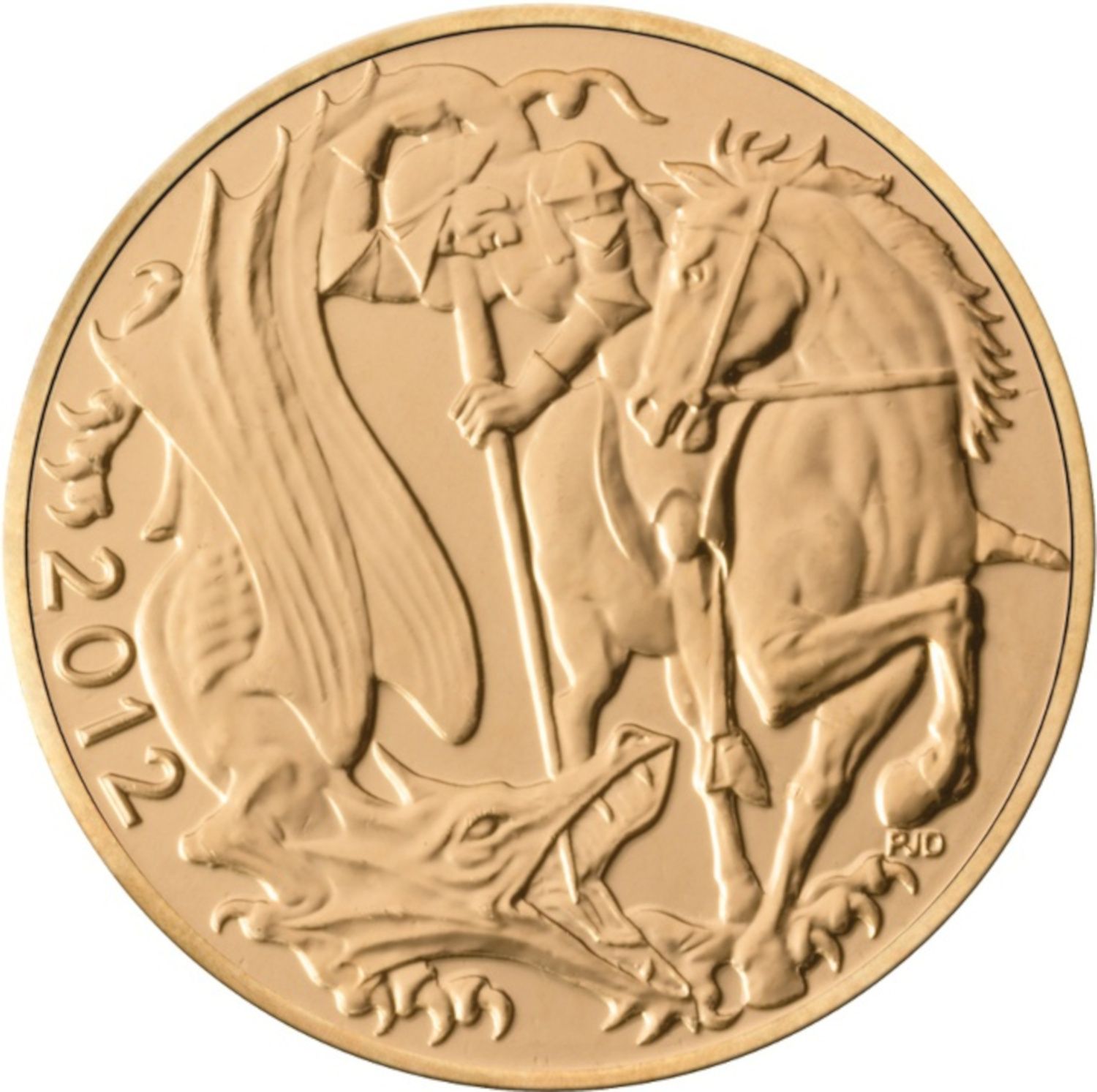
¼ Sovereign - Elizabeth II 4th portrait; Diamond Jubilee
up to £365
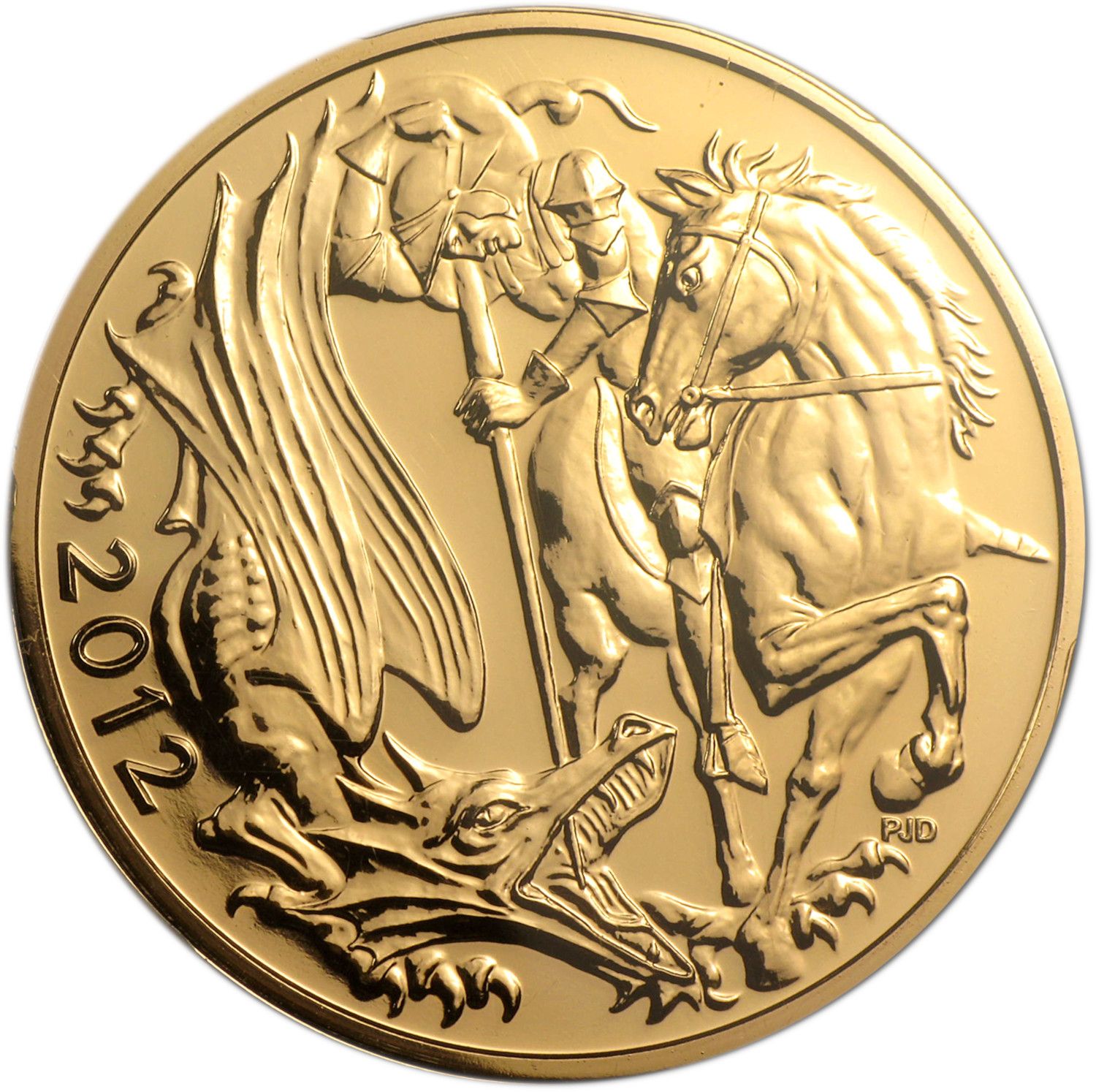
5 Sovereigns - Elizabeth II 4th portrait; Diamond Jubilee
up to £4,820
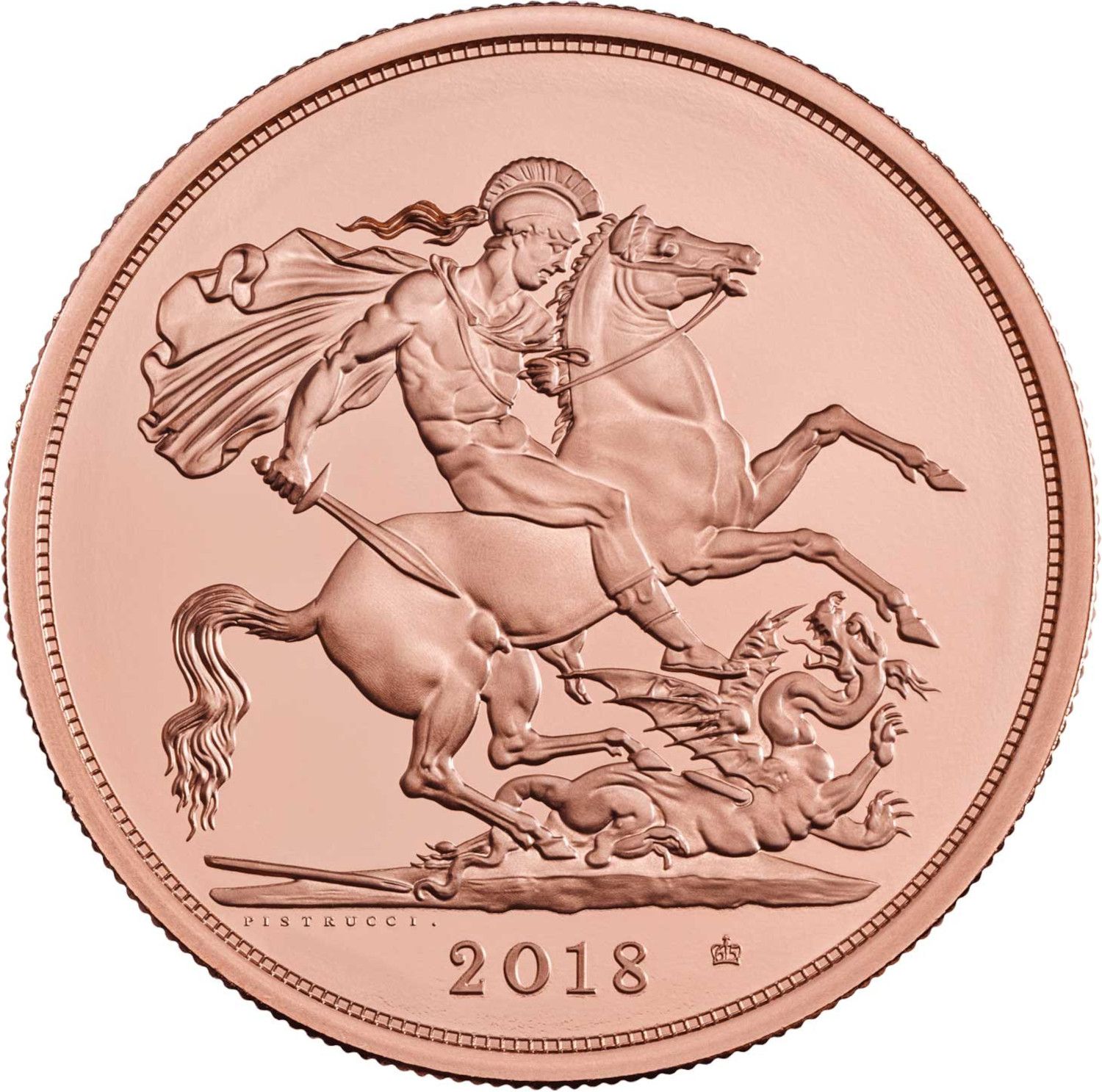
5 Sovereigns - Elizabeth II Sapphire Coronation
up to £3,548
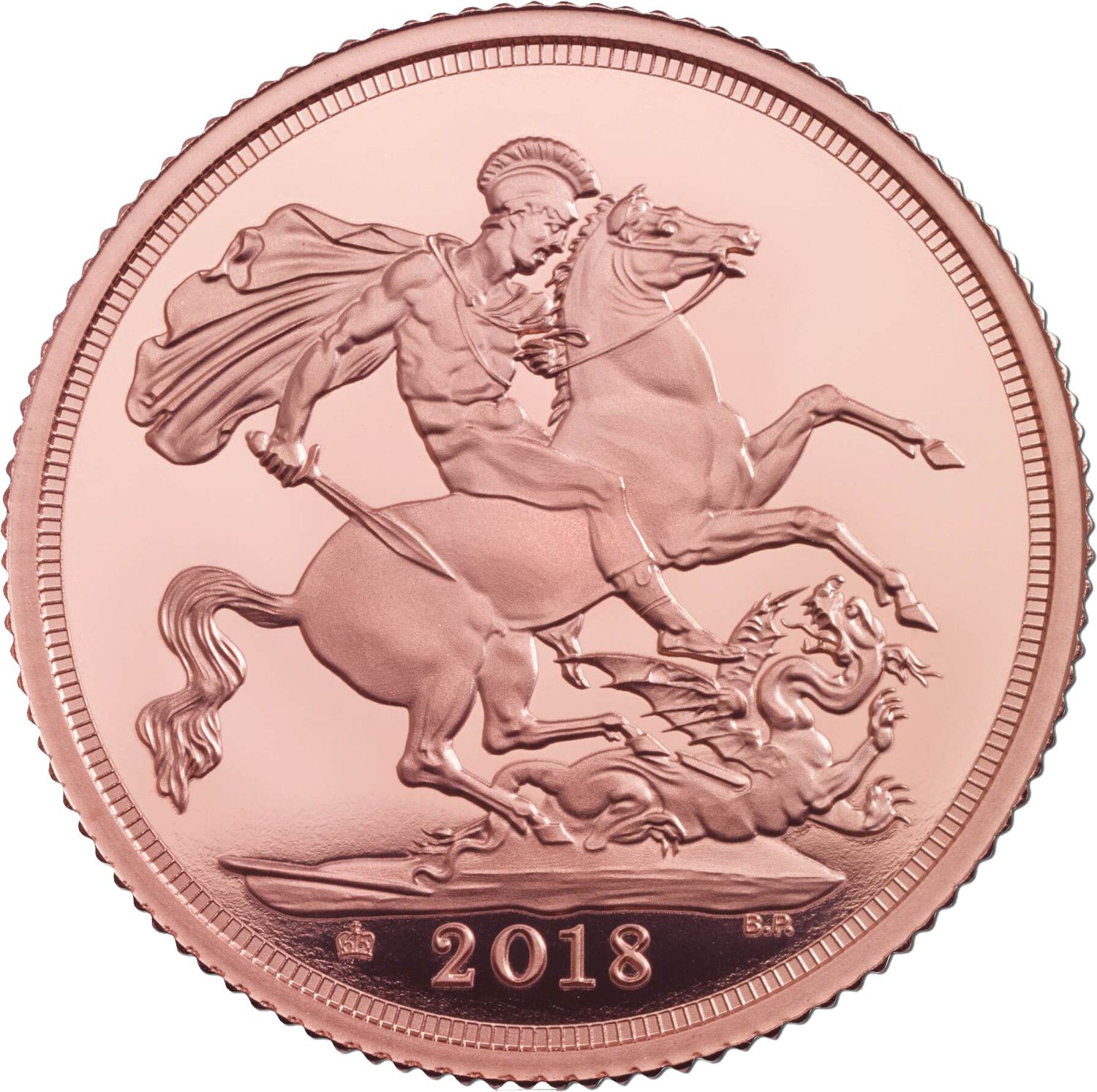
1 Sovereign - Elizabeth II 5th portrait; Sapphire Coronation
up to £625
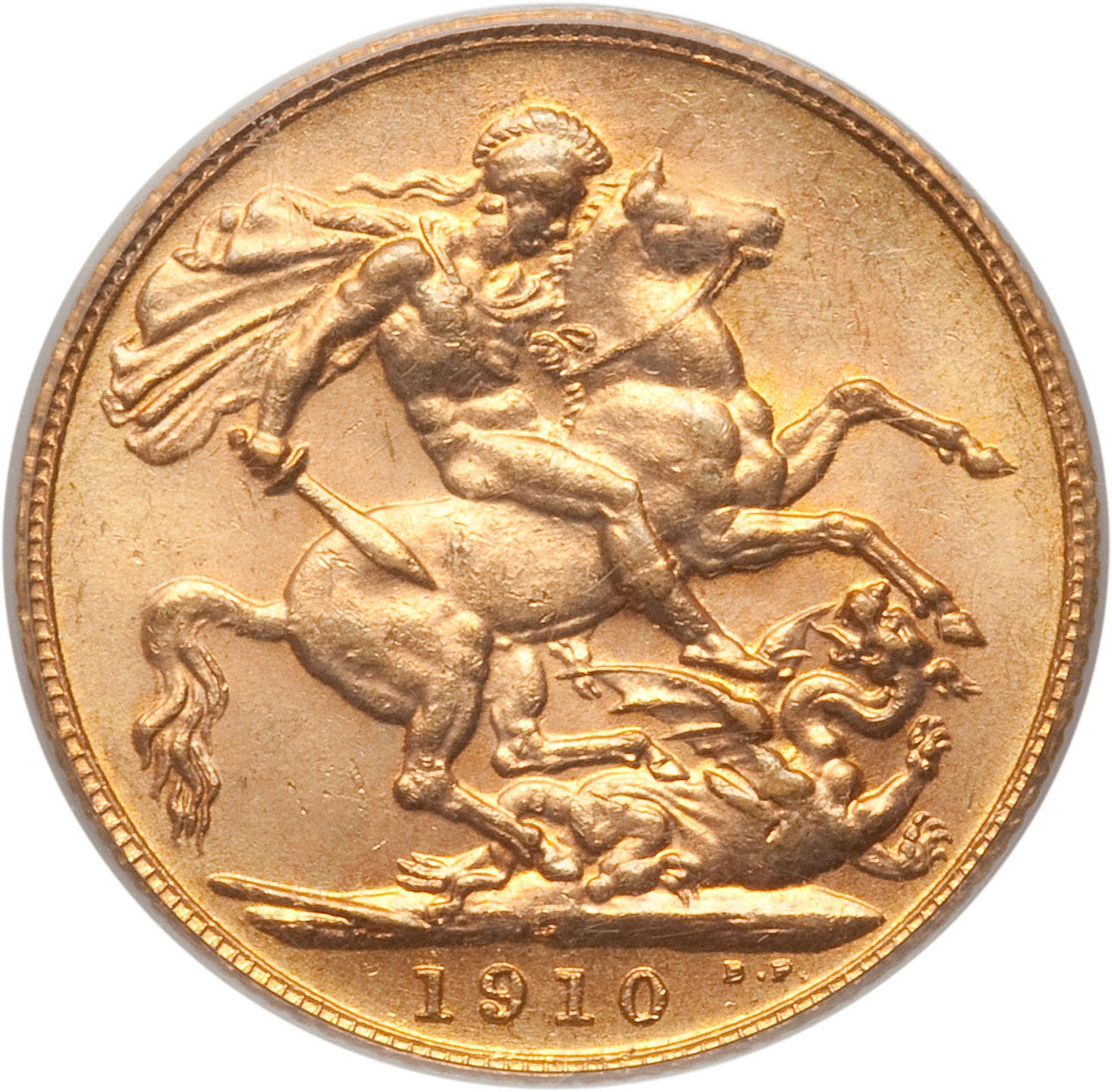
1 Sovereign - Edward VII Ottawa mint
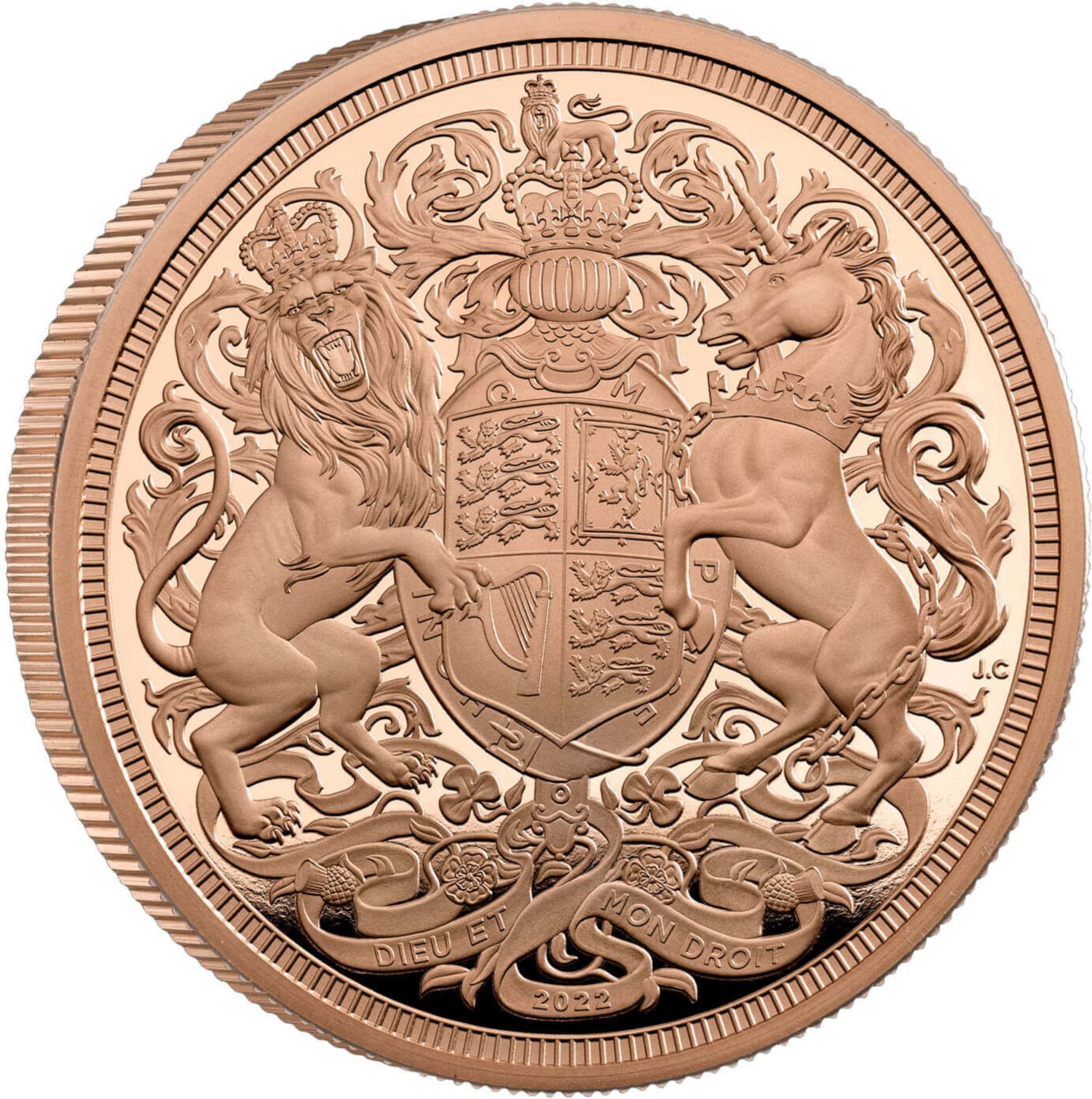
5 Sovereigns - Charles III Queen Elizabeth II Memorial
up to £3,925
Related guides
- Victoria coins value guide, pennies, florins, crowns and more from her 64-year reign
- Sovereign values UK, every monarch, the rare dates and the lowest-mintage years
- Edward VII sovereign values
- George V sovereign values
- Sovereign mint marks UK
- CGT-exempt coins UK
Frequently asked questions
How much is a Victorian sovereign worth?
A common-date Victorian sovereign trades at £480-650 at current gold prices (gold spot £1,750/oz; pure gold content 7.32 g = approximately £425 melt floor). Numismatic premiums on top of melt: Young Head shield-back (1838-1874): 20-50%; Young Head St George reverse (1871-1887): 5-20%; Jubilee Head (1887-1893): 10-30%; Veiled Head / Old Head (1893-1901): 5-20%. Branch-mint pieces (Sydney S, Melbourne M, Perth P) carry an additional 10-40% premium. Key dates such as the 1879 S (Sydney) and 1892 J (Veiled Head proof) realise £3,000-12,000+. Maximum-grade slabbed examples (NGC MS66+) trade at multiples of typical realisations.
What are the three Victoria sovereign portraits?
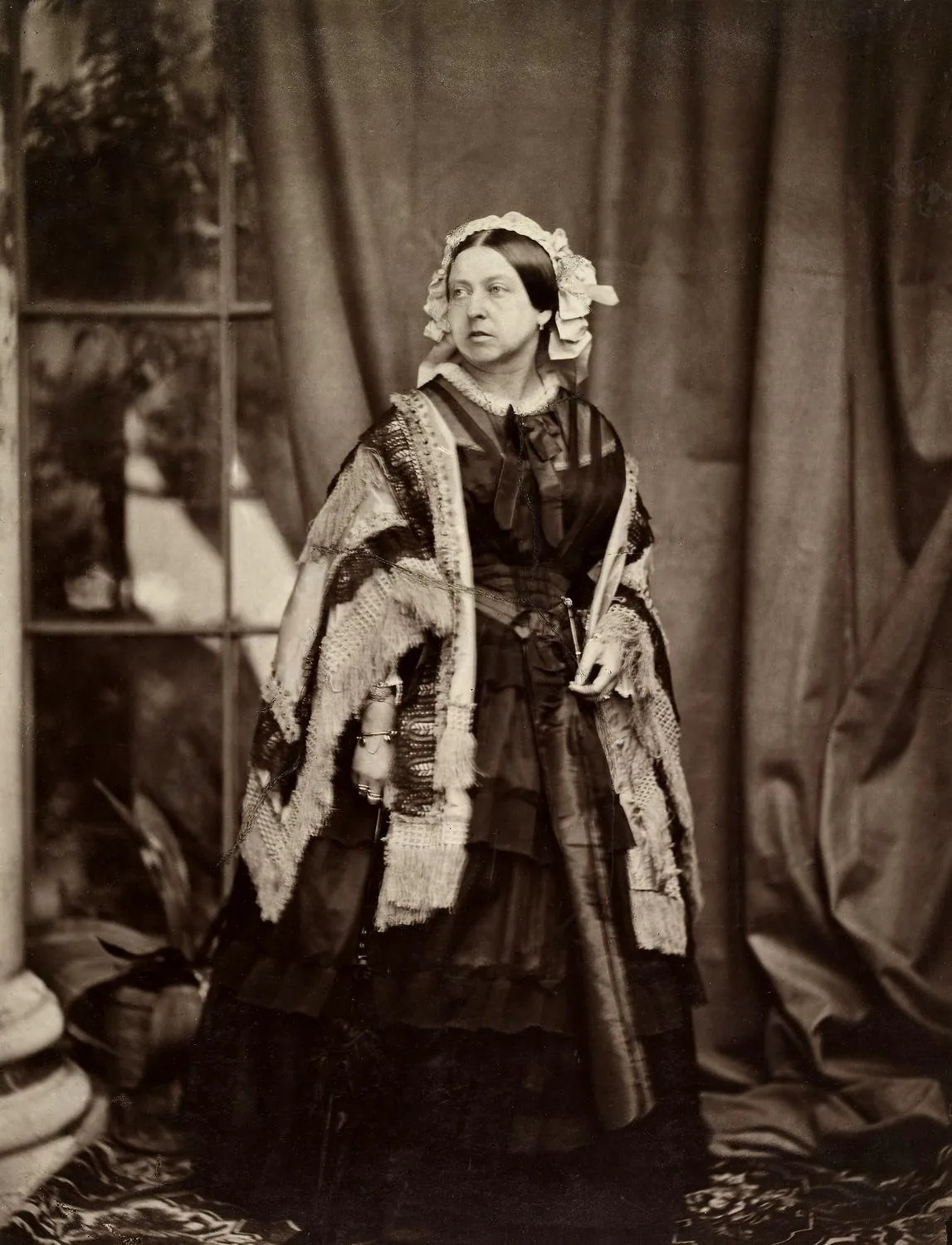
Queen Victoria appears on sovereigns in three principal portraits across her 64-year reign. Young Head (1838-1887) by William Wyon, left-facing laureate bust. Jubilee Head (1887-1893) by Joseph Edgar Boehm, left-facing crowned bust, struck for the Golden Jubilee. Veiled Head / Old Head (1893-1901) by Sir Thomas Brock, left-facing veiled crowned bust, struck for the final years of the reign. Reverses pair Pistrucci's St George and the Dragon (1817 onwards) and the older shield-back design (1838-1874). Each portrait has subtle variants by year and mint that affect collector premium.
What is the rarest Victoria sovereign?
Among standard issues: the 1879 Young Head shield-back London (mintage 20,013, the lowest London mintage of the Young Head era) trades at £3,000-7,500 in collectable grade. The 1879 Sydney shield-back is similarly key. Among proofs: the 1839 Una and the Lion £5 (sometimes catalogued separately because of its higher denomination) is the legendary Victorian gold rarity at £100,000-300,000+. The 1893 Veiled Head proof sovereign (mintage 773) trades at £6,000-18,000. Lowest-mintage Jubilee Head: 1887 Sydney Jubilee Head with the M reverse (a transitional mule) realises £15,000+ when offered. See our sovereign mint marks UK guide for the full branch-mint reference.
Are Victorian sovereigns CGT-exempt?
Yes. All Victorian sovereigns, struck under Queen Victoria 1838-1901, are UK legal tender at £1 face value. UK legal tender coins are capital-gains-tax exempt for UK residents indefinitely, regardless of the magnitude of the gain or the holding period. This makes Victorian sovereigns one of the most tax-efficient gold investments available to UK collectors: the gold-content floor protects downside, the numismatic premium offers upside, and any future appreciation is CGT-free. See our CGT-exempt UK coins guide for the full list.
How do I authenticate a Victorian sovereign?
Five tests. (1) Weight: 7.988 g ± 0.020 g. Use a precision scale to 0.01 g. (2) Diameter: 22.05 mm flat-to-flat. (3) Magnetic test: 22-carat gold is non-magnetic. Any pull on a magnet means the coin is plated steel or brass. (4) Edge: milled (reeded) with no seam. Cast counterfeits show a faint horizontal seam; struck genuine sovereigns have a uniform reeded edge. (5) Specific gravity: 22-carat gold = 17.7 g/cm³ via water displacement on a precision scale, the definitive test. For coins worth £500+, professional grading by PCGS, NGC or CGS UK adds 15-25% to realised price and removes counterfeit risk.
What is the difference between shield-back and St George reverse?
Two distinct reverse designs across the Young Head era. Shield-back (1838-1874): a heraldic shield with the royal arms (lions of England, lion of Scotland, harp of Ireland) within a wreath. The traditional UK reverse going back to George IV. St George and the Dragon (1817 onwards, then re-introduced 1871): Pistrucci's iconic image of the saint mounted, sword raised, slaying the dragon. From 1871 to 1887 both shield-back AND St George variants of the same year exist for some Sydney-mint pieces. From 1887 (Jubilee Head) onwards, St George becomes the standard reverse for all sovereigns and remains so to this day. Shield-back Victoria sovereigns generally trade at higher premiums than St George Young Heads of the same year.
How do I know which mint struck my Victorian sovereign?
Look for the mint mark on the reverse. S (Sydney, Australia): 1871-1887 shield-back, 1872-1887 St George. M (Melbourne, Australia): 1872-1887 St George. No mint mark: London Royal Mint. The mint mark sits on the ground beneath the rear hooves of the horse on St George reverses, and below the shield on shield-back reverses. The 1887 Jubilee Head transition saw both S and M sovereigns struck simultaneously with the new portrait. Perth Mint sovereigns (P) only began in 1899 under the Veiled Head portrait. See our sovereign mint marks guide.
How much gold is in a Victorian sovereign?
Exactly the same as every other sovereign struck since 1817: 7.988 g total weight, of which 7.32 g is pure gold at .9167 fineness (22-carat). The remaining 0.668 g is copper, added to harden the alloy for circulation use. The pure gold content is 0.2354 troy ounces. At a gold spot price of £1,750/oz, melt value is approximately £412. Numismatic premium on common-date Victorian sovereigns adds 10-30% to this floor; key dates and high-grade slabbed examples can multiply the premium severalfold.
Are Victorian half sovereigns also valuable?
Yes, same gold-content fundamentals at exactly half scale (3.99 g total, 3.66 g pure gold; 0.118 oz). Common-date Victorian half sovereigns trade at £260-400. Numismatic premiums on half sovereigns are similar to full sovereigns: shield-back young head: 25-50% over melt; Veiled Head: 10-30%. Branch-mint half sovereigns (Sydney, Melbourne, Perth) are scarcer than full-sovereign equivalents. The 1885 Melbourne shield-back half sovereign (mintage 11,000) trades at £2,500-4,500. See our half sovereign values UK guide.
How do Victorian sovereigns compare to modern bullion sovereigns for investment?
Three tradeoffs. Premium: Victorian sovereigns trade at 10-30%+ over melt (numismatic premium); modern Elizabeth II / Charles III bullion sovereigns trade at 5-7% over melt. So Victorian costs more per gram of gold acquired. Upside: Victorian sovereigns can capture rare-date appreciation that modern sovereigns cannot, key dates have outperformed gold spot over 10-year holds. Liquidity: modern bullion sovereigns are easier to sell at speed (any UK bullion dealer takes them); Victorian sovereigns benefit from numismatic auction venues (Spink, Baldwin's, Noonans) for best realisation. For pure bullion exposure, modern is better; for collector-investor blend, Victorian wins.
Where should I buy a Victorian sovereign?
For common-date Veiled Head examples in collectable grade: UK bullion dealers (Atkinsons Bullion, BullionByPost, Baird & Co, Hatton Garden Metals) at small-to-modest premiums. For specific dates, key dates, mint-mark variants and high-grade slabbed examples: UK numismatic auction houses (Spink, Baldwin's, Noonans) for the best selection and provenance. Avoid Westminster-style direct-mail buyers who consistently overcharge for common Victorian sovereigns by 50-100%.
Read next