The 1933 Penny: Britain's Rarest Modern Coin
Fewer than ten exist. Three are buried under building foundations. Three more are in museums. When one does surface at auction, it sells for more than the price of a terraced house. The 1933 George V penny is the most famous single British coin of the 20th century, and almost any "1933 penny" you encounter on the open market is either a counterfeit or a reworked 1932 with the date altered.
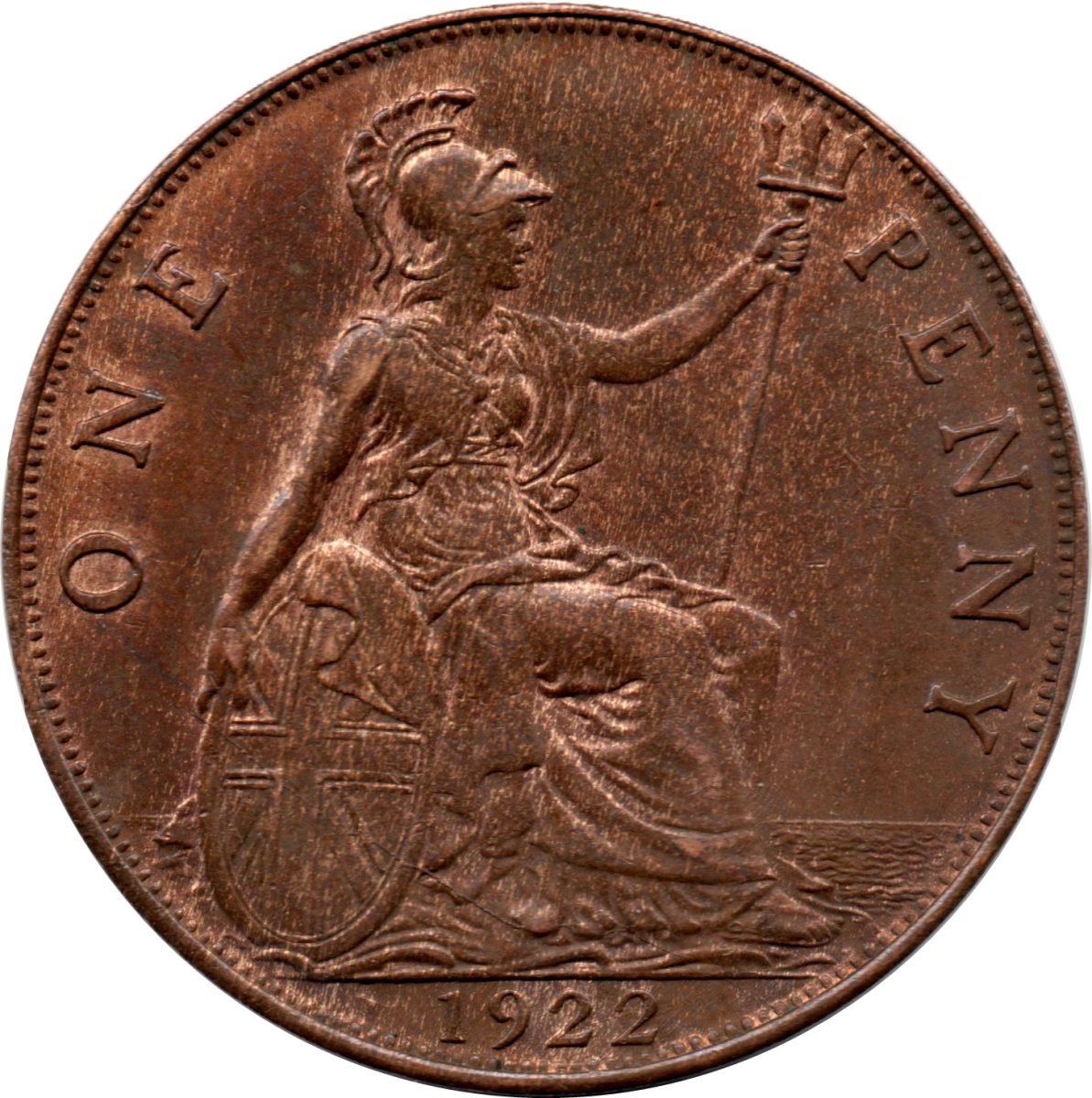
Why no 1933 pennies were struck
The Great Depression had hit Britain hard by 1932–33. Demand for low-denomination coins collapsed because consumer spending collapsed. The Royal Mint had built substantial penny stock from the high-mintage years of 1928 (50 million pennies), 1929 (49 million), 1930 (29 million), 1931 (24 million) and 1932 (53 million). With 200+ million pennies in circulation and demand soft, the Royal Mint concluded it had no operational need to strike additional pennies in 1933.
The decision was internal to the Royal Mint and not announced publicly. Coins dated 1934 (43 million), 1935 (39 million) and onward resumed normal mintage as the Depression-era stockpile gradually depleted. From a circulation perspective, 1933 was simply skipped.
Why any 1933 pennies exist at all
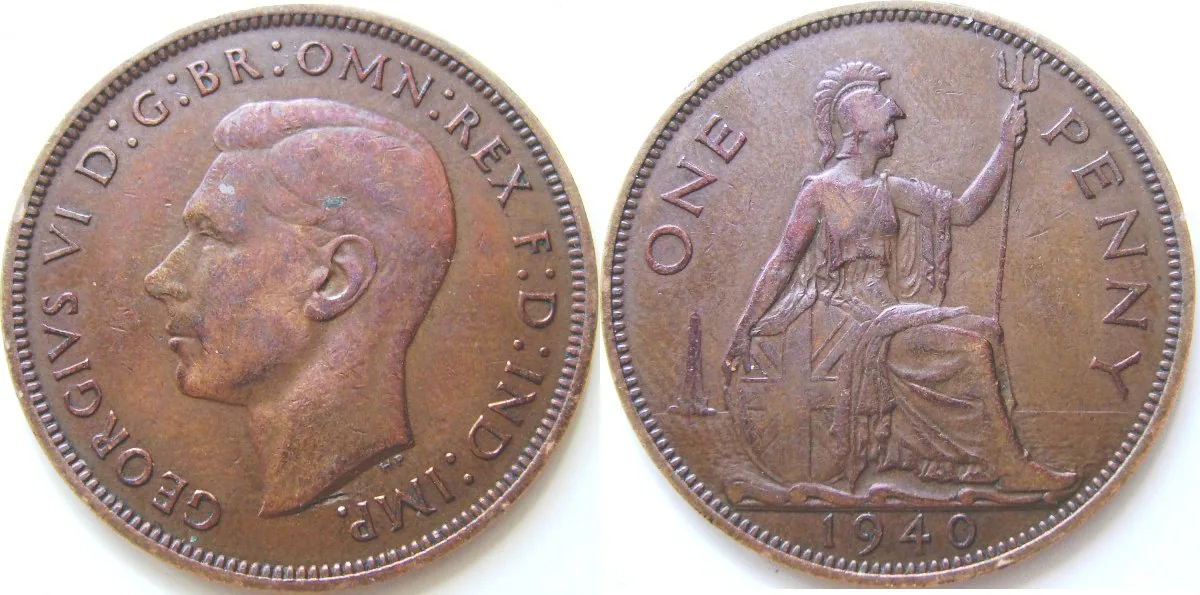
Two specific purposes required the Royal Mint to strike a small number of dies-active 1933 pennies:
- Proof / specimen pieces. The Royal Mint maintained an internal practice of striking proof pieces of every denomination for each year, even in years when no general circulation issue was made. These were retained for the Royal Mint Museum collection and occasionally as presentation gifts. Estimated three to four specimens were struck this way for 1933.
- Foundation-stone burial pieces. A long-standing tradition (active through the 19th and 20th centuries) involved sealing newly-struck coins of the year inside the cornerstone of any major new building. The Royal Mint produced a tiny number of 1933 pennies specifically for this purpose: known burials include the Church of St Cross at Middleton, Leeds, the University of London Senate House, and the BBC Broadcasting House extension. Estimated three to four specimens were buried this way.
Total estimated original production: seven to ten 1933 pennies. With the buried specimens irrecoverable (except in the Leeds case, where the cornerstone was broken into in 1970 and the coin stolen), the population of 1933 pennies actually available for trade is closer to four to six.
Known specimens and their locations
| Specimen | Location | Status |
|---|---|---|
| Royal Mint specimen #1 | Royal Mint Museum, Llantrisant | On display |
| British Museum specimen | British Museum, London | Held by Coins & Medals Department |
| University of London specimen | Institute of Numismatics | Held; not regularly displayed |
| Foundation-stone burial | Church of St Cross, Middleton, Leeds | Stolen 1970, never recovered |
| Foundation-stone burial | Senate House, University of London | In situ |
| Foundation-stone burial | BBC Broadcasting House extension | In situ |
| Private collection #1 | UK private holding | Last surfaced 2020 at Heritage |
| Private collection #2 | UK / international | Last surfaced 2016 at Spink |
| Private collection #3 (disputed) | Unknown | Believed to exist; never publicly sold |
Auction realisations: prices over time
| Year | Sale price | Auction house | Notes |
|---|---|---|---|
| 2020 | £72,000 | Heritage Auctions | Circulated specimen, US auction |
| 2016 | £72,500 | Spink | UK auction |
| 2009 | £57,000 | Baldwin's | UK auction, slabbed |
| 2004 | £30,000+ | Spink | UK auction |
| 1996 | £15,500 | Spink | UK auction |
The price has approximately doubled per decade since the 1990s. Private treaty sales are reported in the £80,000–£120,000 range over the same period for top-grade specimens.
The Lavrillier pattern: a related rarity
In 1933 the Royal Mint also commissioned French sculptor André Lavrillier to design a pattern penny as a possible new design direction. A small number of Lavrillier 1933 pattern pennies were struck (estimated four to six). The Lavrillier shows a different, sculptural portrait of George V on the obverse and a redesigned Britannia reverse with cleaner relief.
Surviving Lavrillier 1933 pennies trade at £30,000–£80,000 at auction, significant but somewhat below the standard 1933 penny because the market treats them as a distinct numismatic category rather than as a "1933 penny" in the headline sense. They do, however, have provenance that can be traced cleanly back to the Royal Mint.
Authentication: how to tell a real 1933 penny from a fake
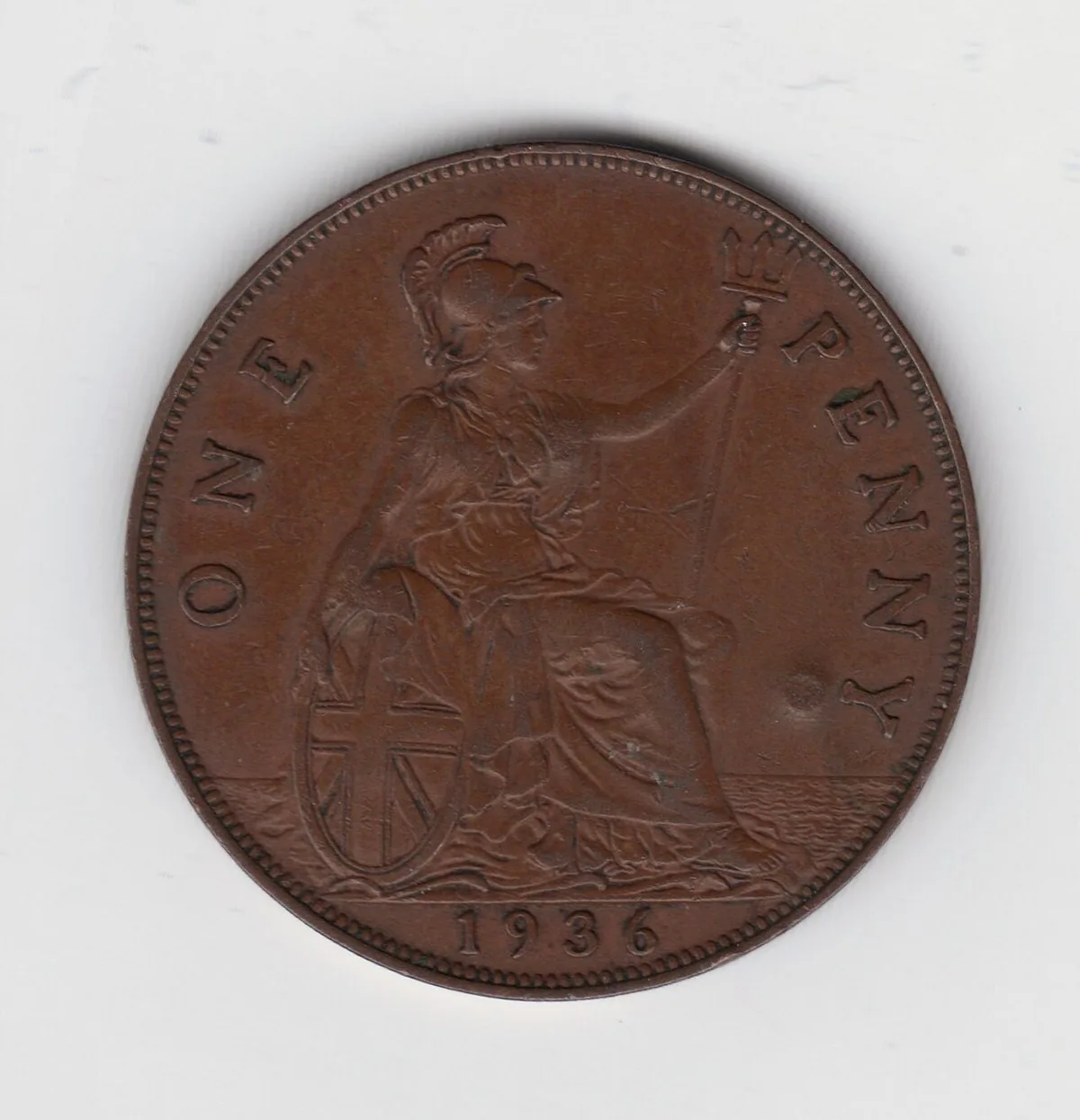
Almost every "1933 penny" on the open market is fake. Five tests catch most counterfeits:
- Weight. 9.4 g ± 0.1 g. Cast counterfeits typically run 0.2–0.5 g light.
- Diameter. 31 mm. Casts shrink 0.2–0.4 mm.
- Edge. Plain edge, sharp and uniform. Cast counterfeits show a faint horizontal seam line where the two halves of the mould met.
- The "3" digit. The two 3s should match the typeface of the genuine 1932/1934 dies exactly. The most common counterfeit is a reworked 1932 with the 2 altered to a 3 (or 1938 with the 8 altered). Under 10x loupe, look for tooling marks: micro-scratches running parallel to the digit edges, slight depressions where metal was cut away, or unusual letter spacing relative to the field.
- Portrait detail. The George V "small head" portrait by Bertram Mackennal has very specific high-relief details on the diadem, ribbons and bow knot. Counterfeits, especially cast ones, lose detail in these areas. Compare against a known-genuine 1932 or 1934 reference photo.
Other rare British pennies
| Year | Why scarce | Typical value |
|---|---|---|
| 1922 Type II obverse | Rare obverse variant of an otherwise common year | £500–£2,000 |
| 1932 in MS-65 | High-grade survivor of a high-mintage year | £50–£120 |
| 1934 in PR-65 proof | Pattern / specimen striking | £100–£250 |
| 1950 | Struck for colonial export only, very few in UK | £25–£100 |
| 1951 | Same as 1950 | £30–£120 |
| 1954 pattern | Experimental issue | £10,000+ |
| 1860 "Bun Head" pattern | Pattern striking; mintage tiny | £3,000–£15,000 |
Featured pennies on MyCoinage
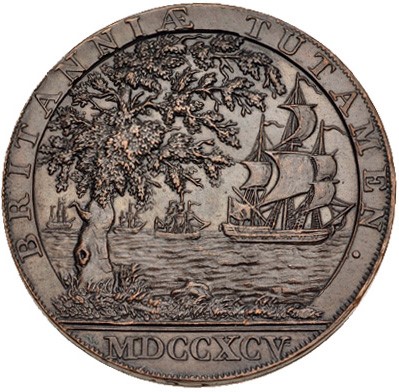
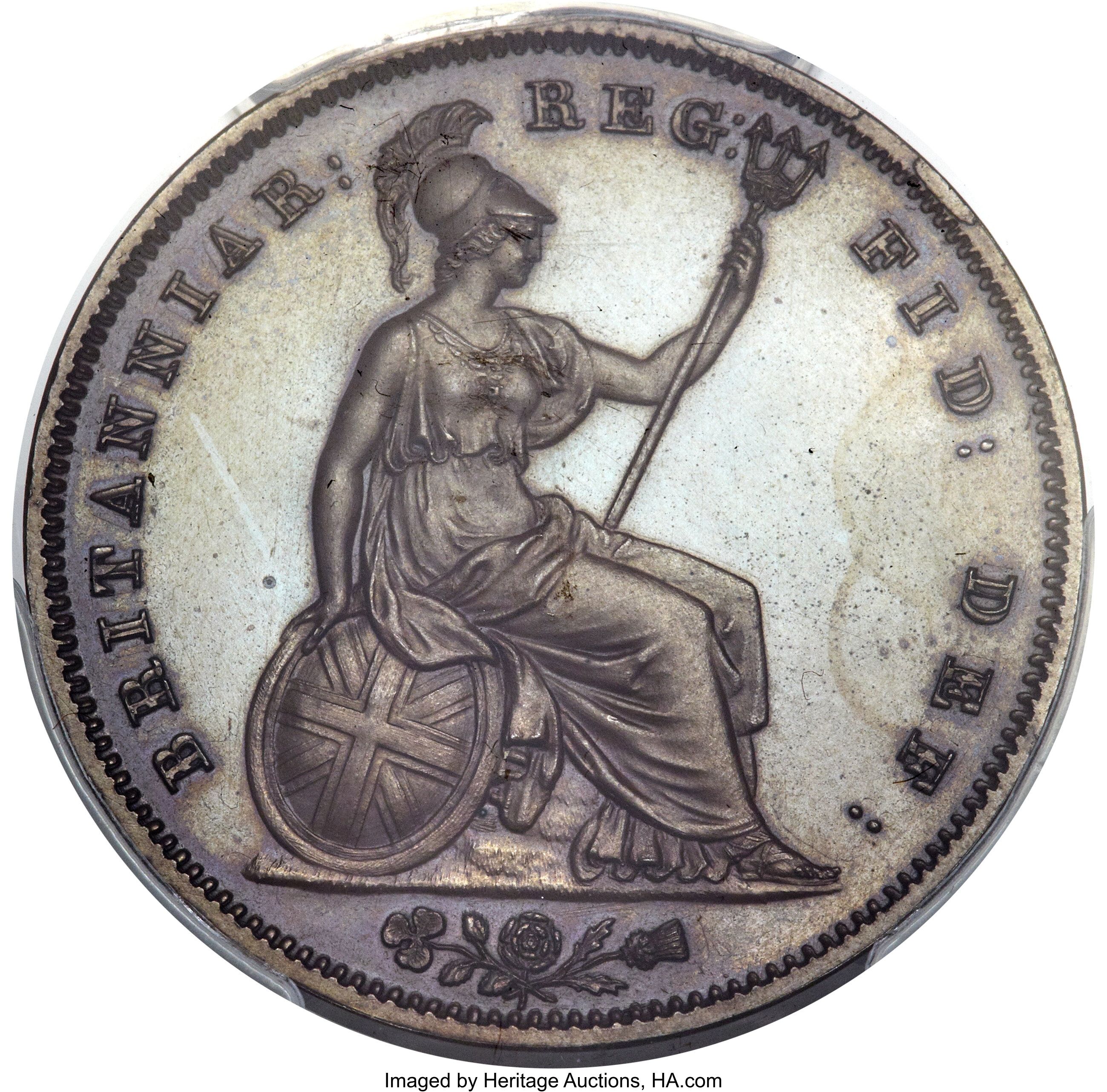
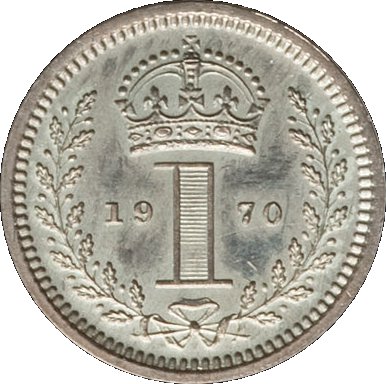
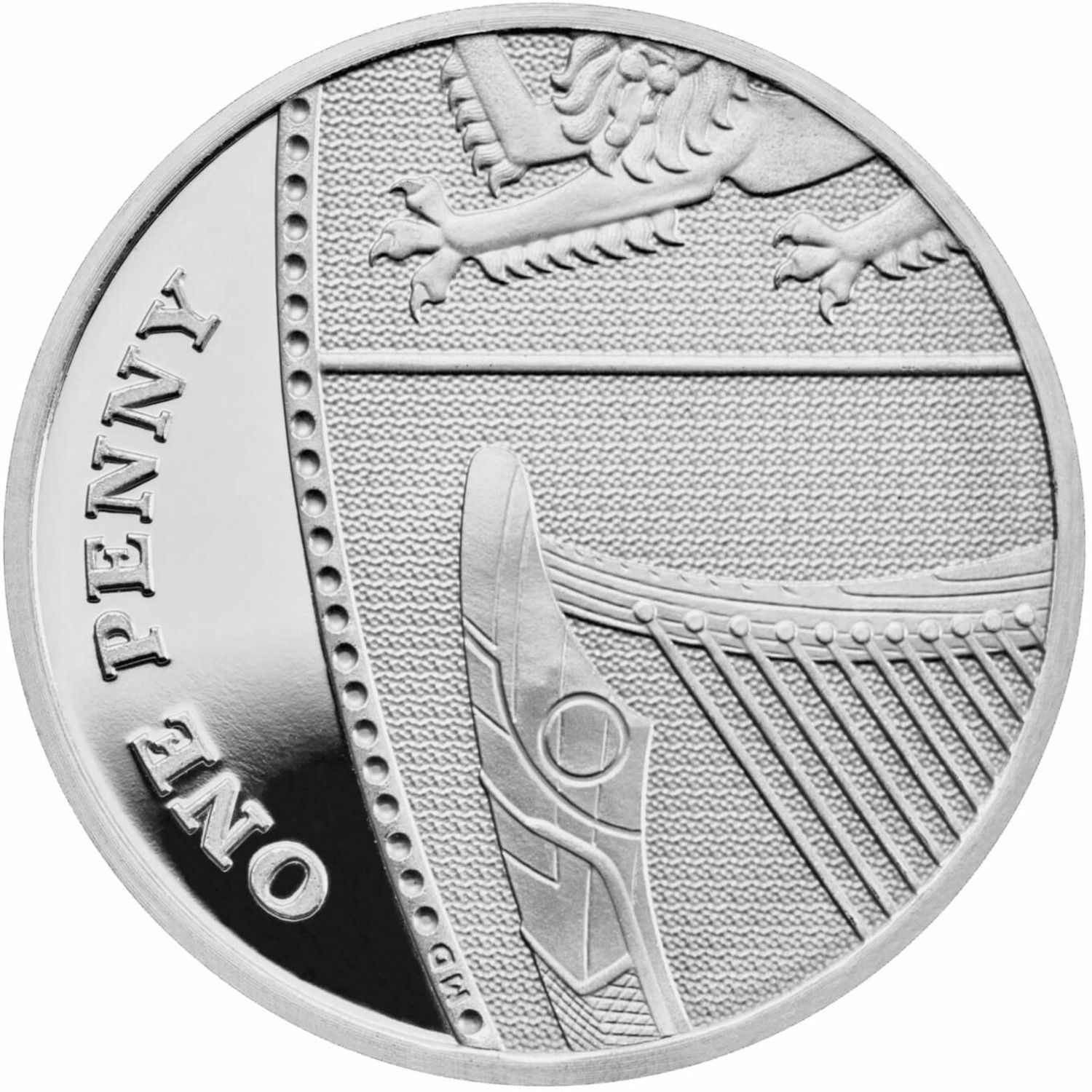
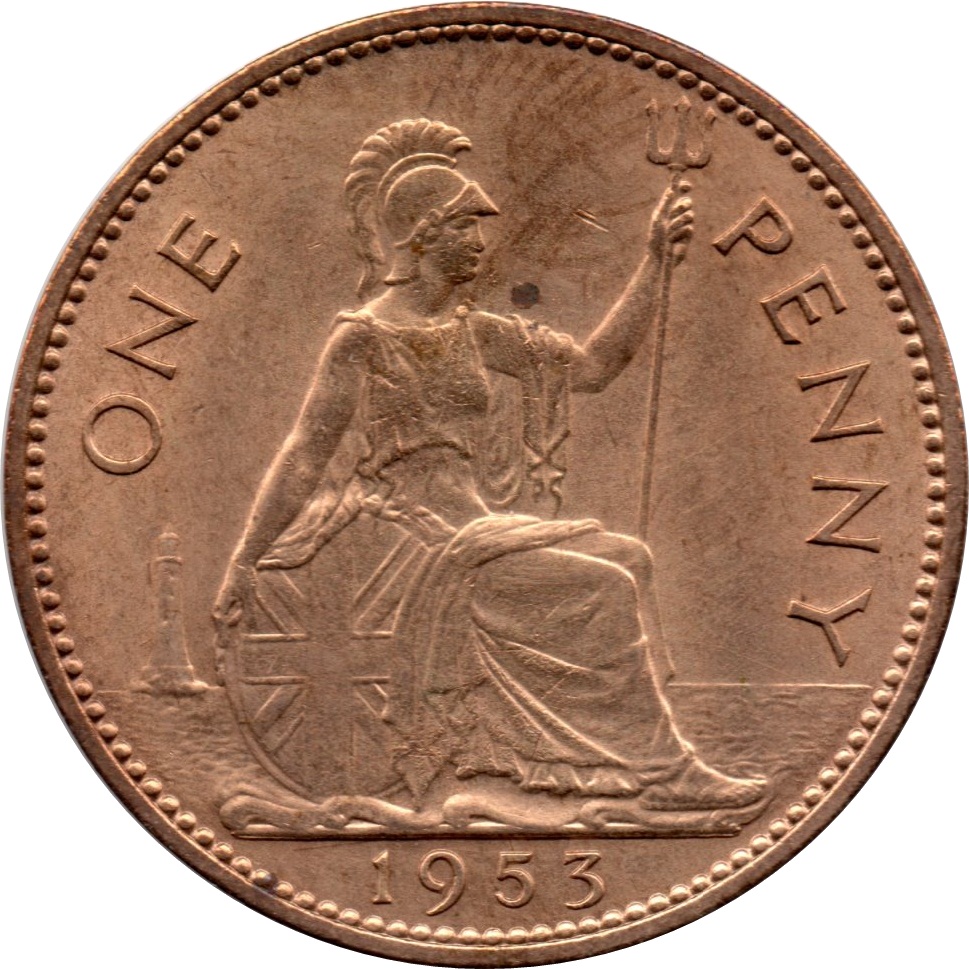
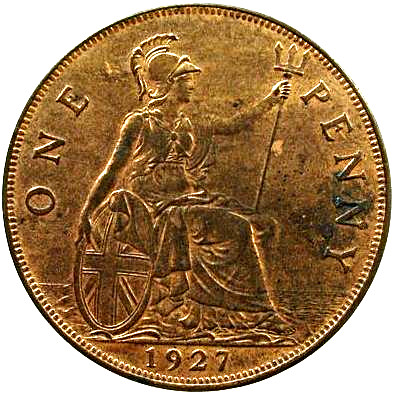
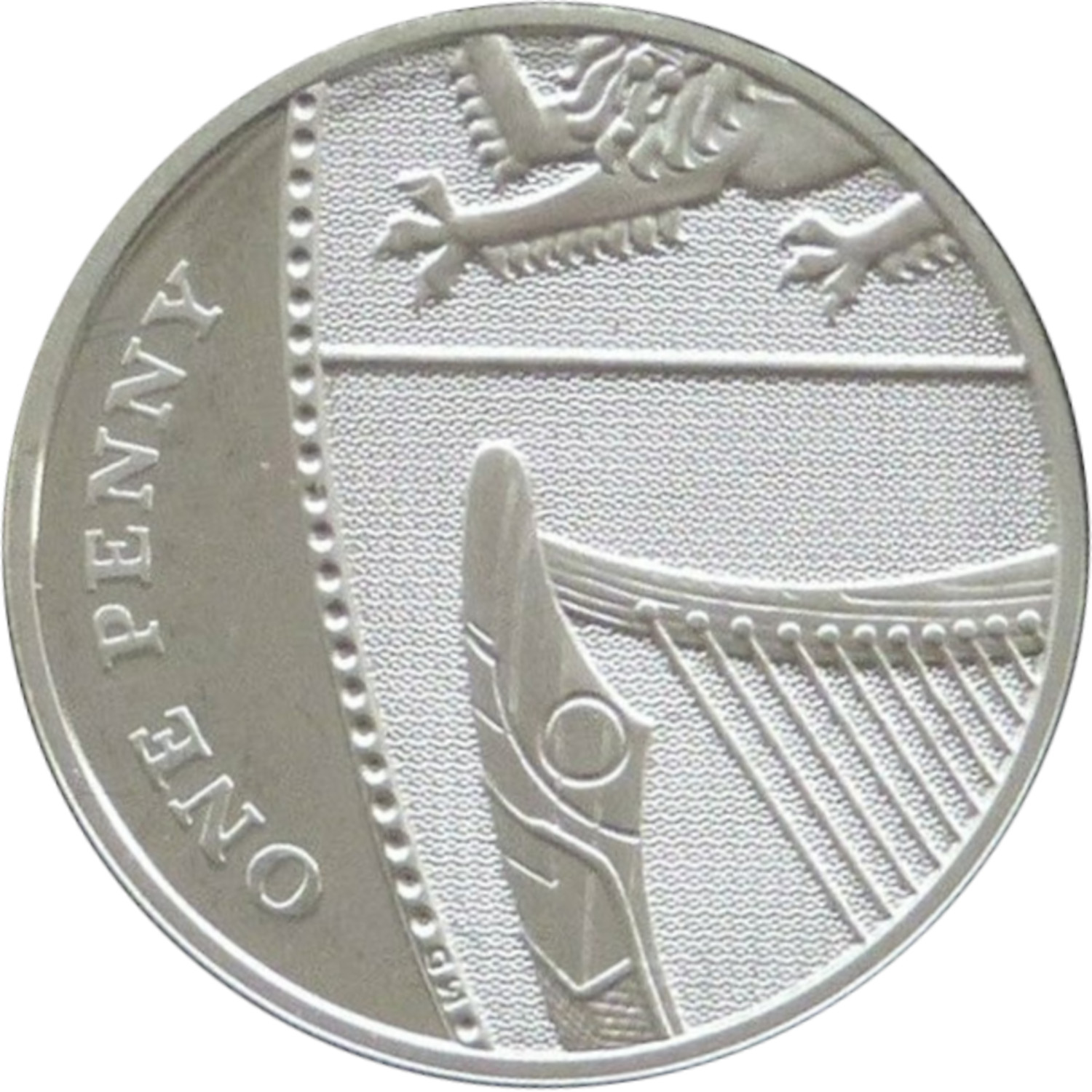
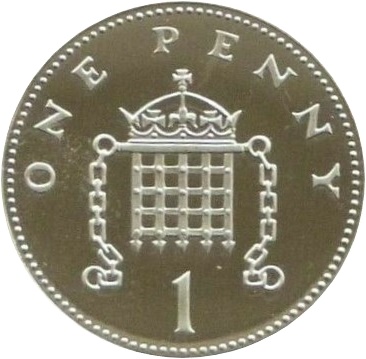
Browse every UK penny in the catalogue →
Buying high-grade George V pennies on eBay
The links below open eBay UK searches; if you buy through them, MyCoinage earns a small commission at no cost to you. We only link to coins we'd genuinely buy ourselves.
Genuine 1933 pennies don't trade on eBay, they appear once a decade at Spink or Heritage and sell for £70,000+. What does trade on eBay are the companion-year pennies, slabbed proofs and the related rarities. If you're building a George V penny collection or want a high-grade representative example without the 1933 price tag, these are the searches that matter.
George V slabbed pennies (sold) ↗ 1932 penny UNC ↗ 1934 penny proof ↗ 1922 penny (Type II hunt) ↗ 1950 colonial-export penny ↗ 1951 colonial-export penny ↗ 1860 Bun Head varieties (sold) ↗ George V penny date sets ↗
Frequently asked questions
How many 1933 pennies were made?
Why was no 1933 penny minted for circulation?
How much does a 1933 penny sell for at auction?
Where are the known 1933 pennies now?
Could I find one in change?
How do I tell a real 1933 penny from a fake?
What about the Lavrillier pattern 1933 penny?
Are 1932 and 1934 pennies valuable too?
Has the 1933 penny ever been stolen or lost?
Can I see a real 1933 penny in person?
Are there any other "missing year" British pennies?
Resources and further reading
- Royal Mint Museum, the most authoritative reference on Royal Mint history, including the 1933 penny's production records.
- British Museum: Department of Coins and Medals, holds one of the three museum 1933 pennies; viewing by appointment.
- British Numismatic Society, the *British Numismatic Journal* has published several papers on the 1933 penny's production and provenance.
- Spink, the auction house with the most 1933-penny sale history in their archives.
- Heritage Auctions, venue for the most recent confirmed 2020 sale.
- Baldwin's and Noonans, alternative UK auction venues for high-rarity British coins.
- Predecimal.com, the British Coin Forum. Long discussion threads on 1933-penny authentication and provenance.
- Rare UK Coins List, the headline rarities by realised auction price.
- UK Coin Errors List, mint mistakes and their realised values.
- Coin Grading Guide, the prerequisite for understanding pricing decisions.