Guide
Elizabeth II Sovereign Values: 1953–2022 Complete Guide
Queen Elizabeth II's 70-year reign (1952-2022) is the longest in British history and produced sovereign coinage across five distinct portraits, multiple commemorative milestones (the 1989 500th anniversary, the 2002 and 2012 Diamond Jubilees), and the introduction of the modern quarter sovereign in 2009. This guide covers every portrait era, the production gaps (1933-1956 with no sovereigns; 1937-1979 with no half sovereigns), the flagship 1989 anniversary issue, and what an Elizabeth II sovereign is worth today.
Reviewed by Connor Jones, Editor
Last updated:
In brief. Common-date Elizabeth II sovereign at £1,750/oz spot:
£425-475. Pre-decimal Mary Gillick (1957-1968): £500-650.
1989 anniversary proof: £800-1,400. 2002 / 2012 Diamond Jubilee:
£500-1,000. 1989 Piedfort proof: £2,200-3,500. 1989 quintuple gold proof £5:
£5,500-8,500. CGT-exempt as UK legal tender, indefinitely valid even after the Queen's death.
Five portraits across 70 years.
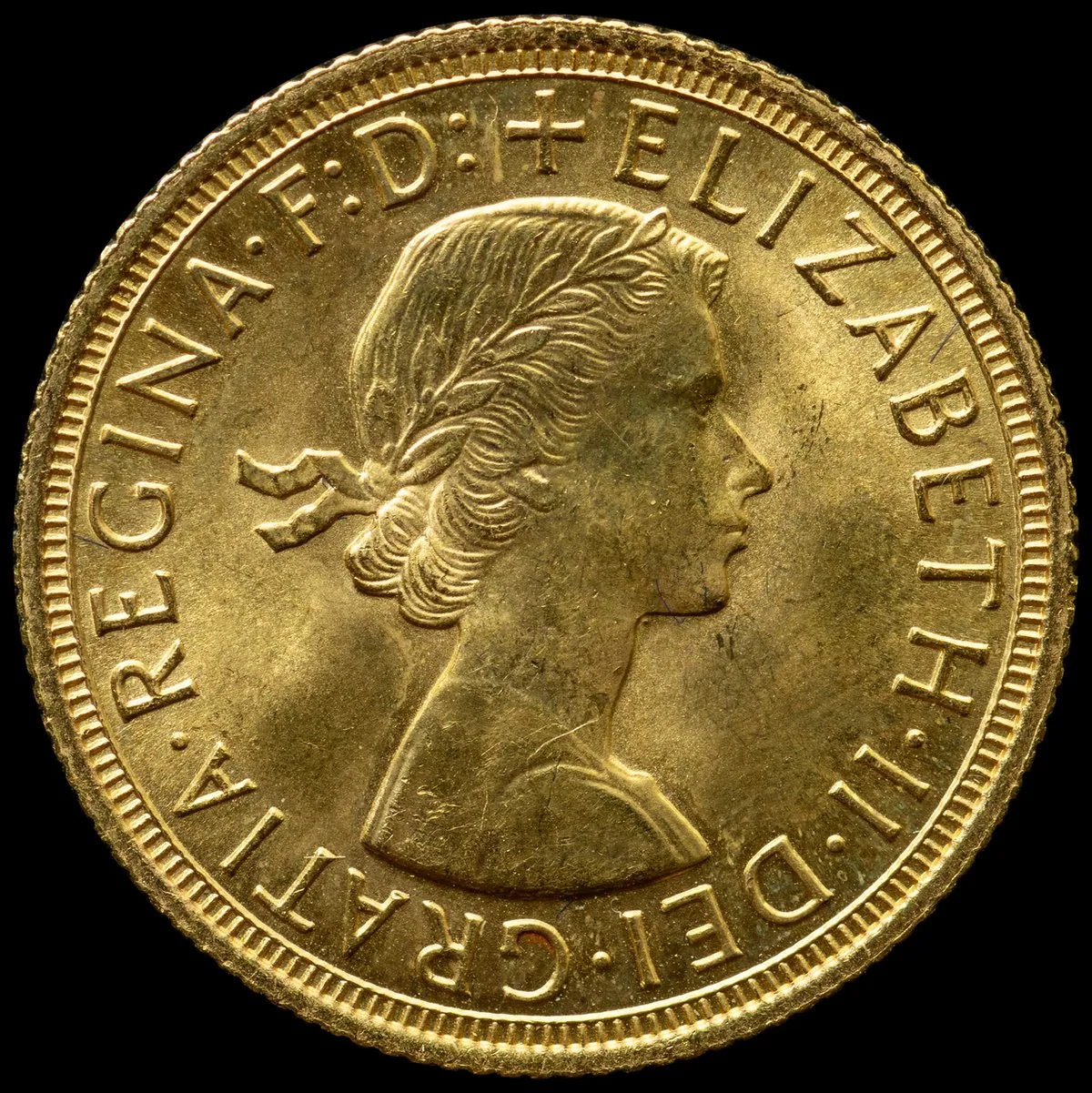
The five Elizabeth II sovereign portraits
| Years | Portrait | Sculptor | Initial below truncation |
|---|---|---|---|
| 1957-1968 | 1st (Young Head) | Mary Gillick | none |
| 1974-1984 | 2nd | Arnold Machin | none |
| 1985-1997 | 3rd | Raphael Maklouf | RDM |
| 1998-2015 | 4th | Ian Rank-Broadley | IRB |
| 2015-2022 | 5th | Jody Clark | JC |
Featured Elizabeth II sovereigns on MyCoinage
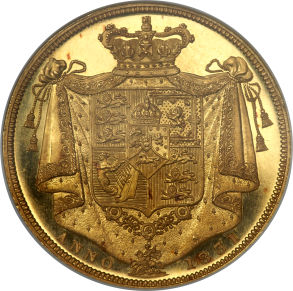
2 Pounds - William IV
up to £29,945
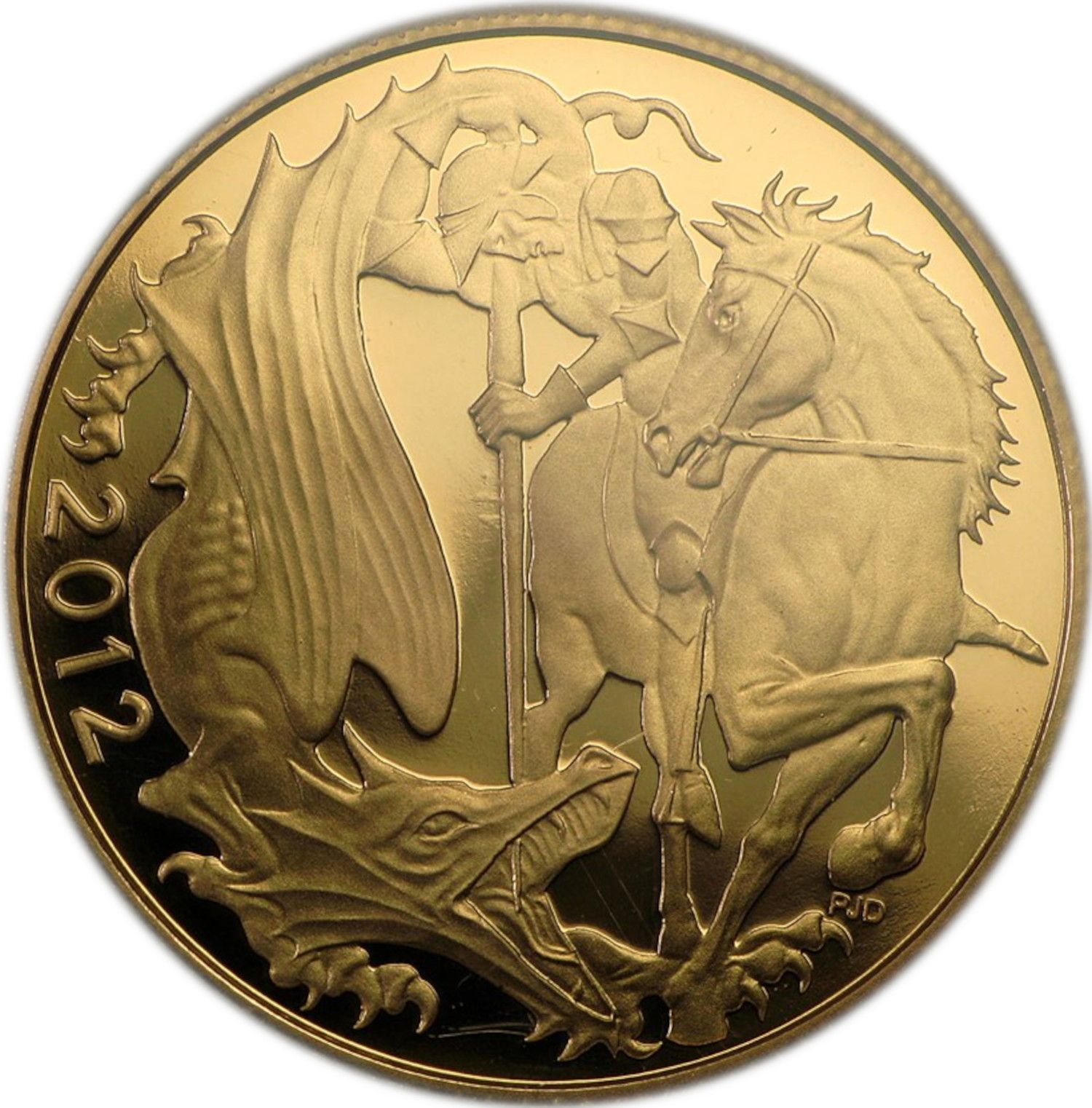
2 Sovereigns - Elizabeth II Diamond Jubilee
up to £1,800
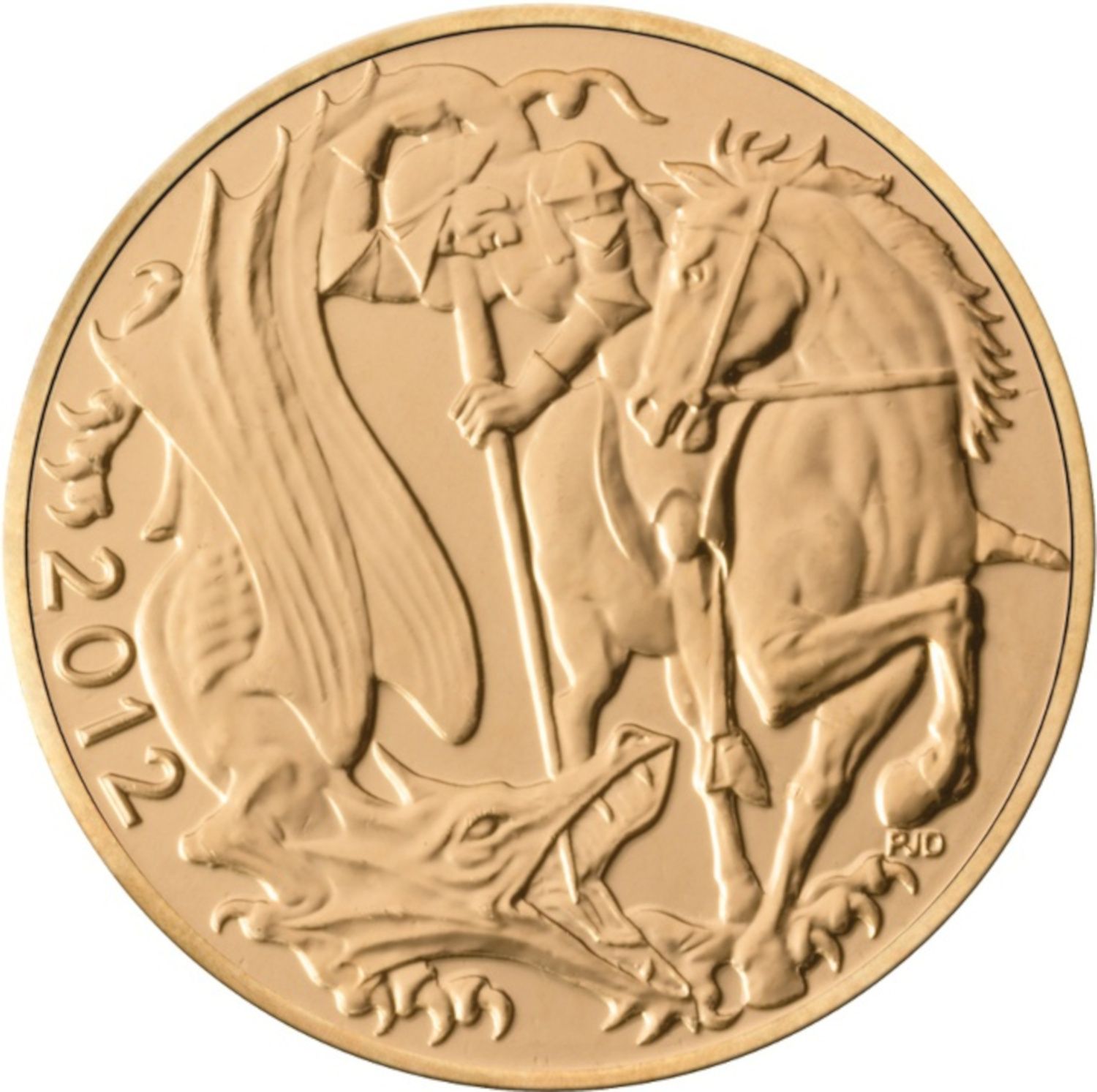
¼ Sovereign - Elizabeth II 4th portrait; Diamond Jubilee
up to £365
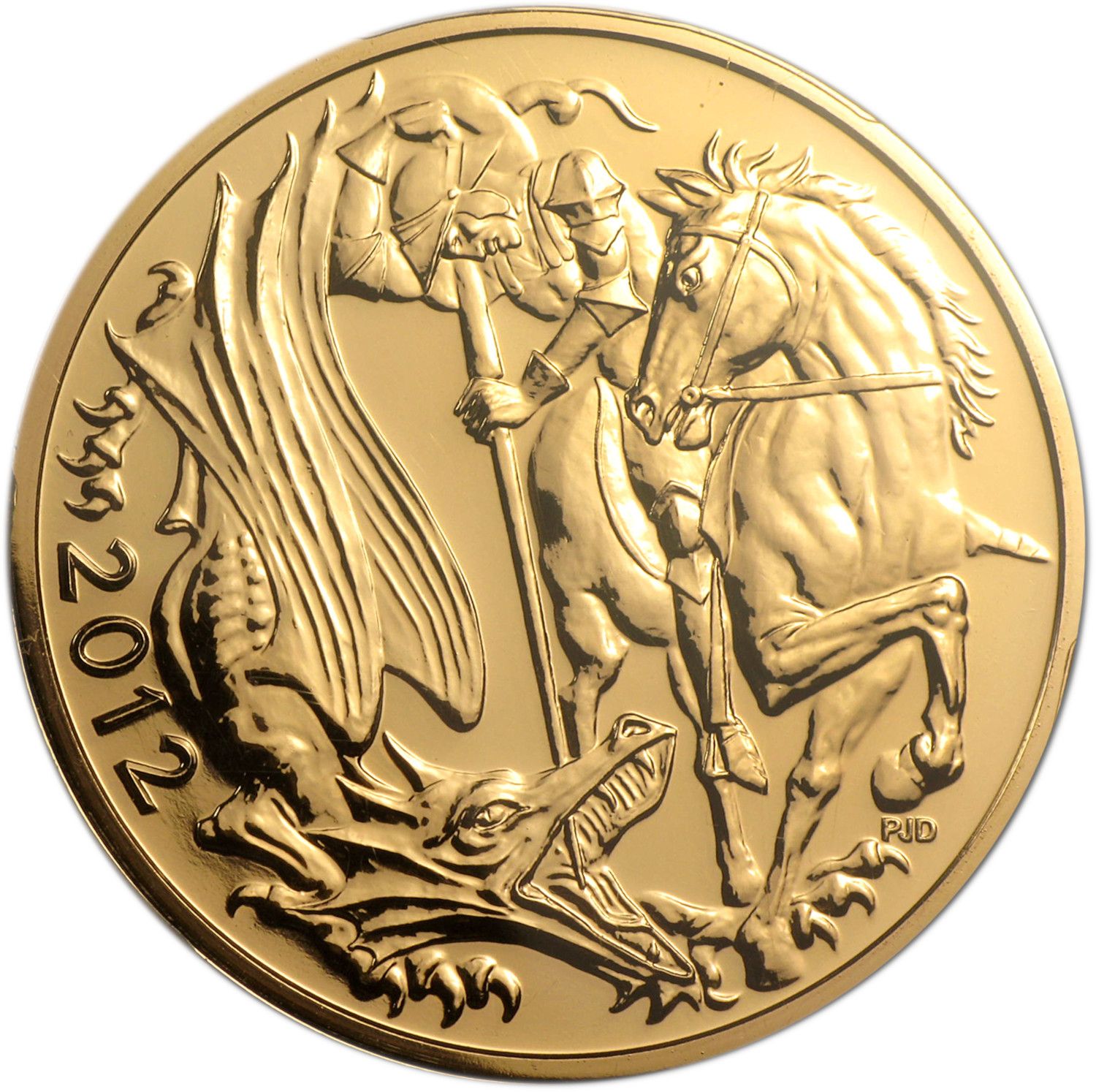
5 Sovereigns - Elizabeth II 4th portrait; Diamond Jubilee
up to £4,820
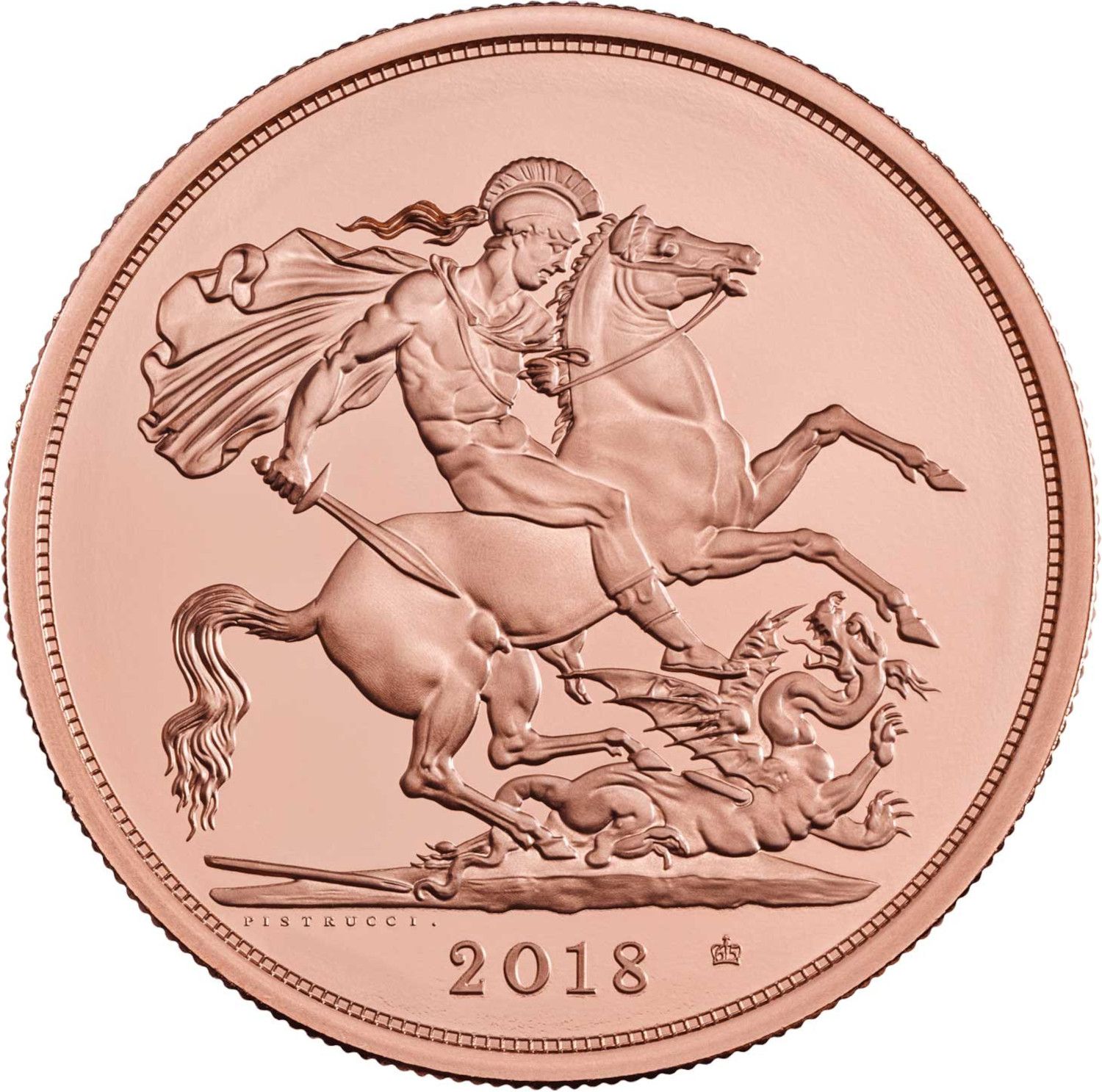
5 Sovereigns - Elizabeth II Sapphire Coronation
up to £3,548
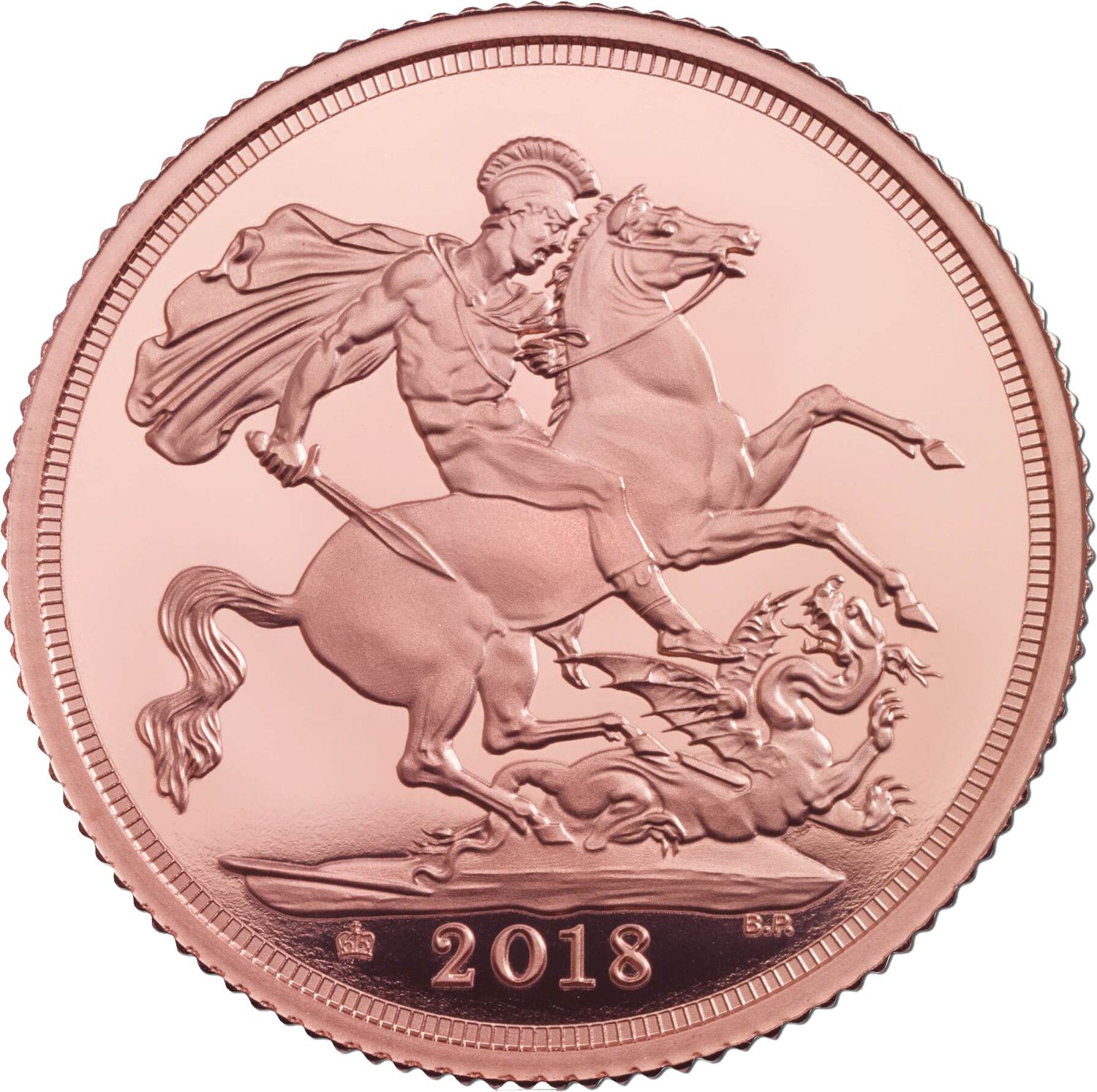
1 Sovereign - Elizabeth II 5th portrait; Sapphire Coronation
up to £625
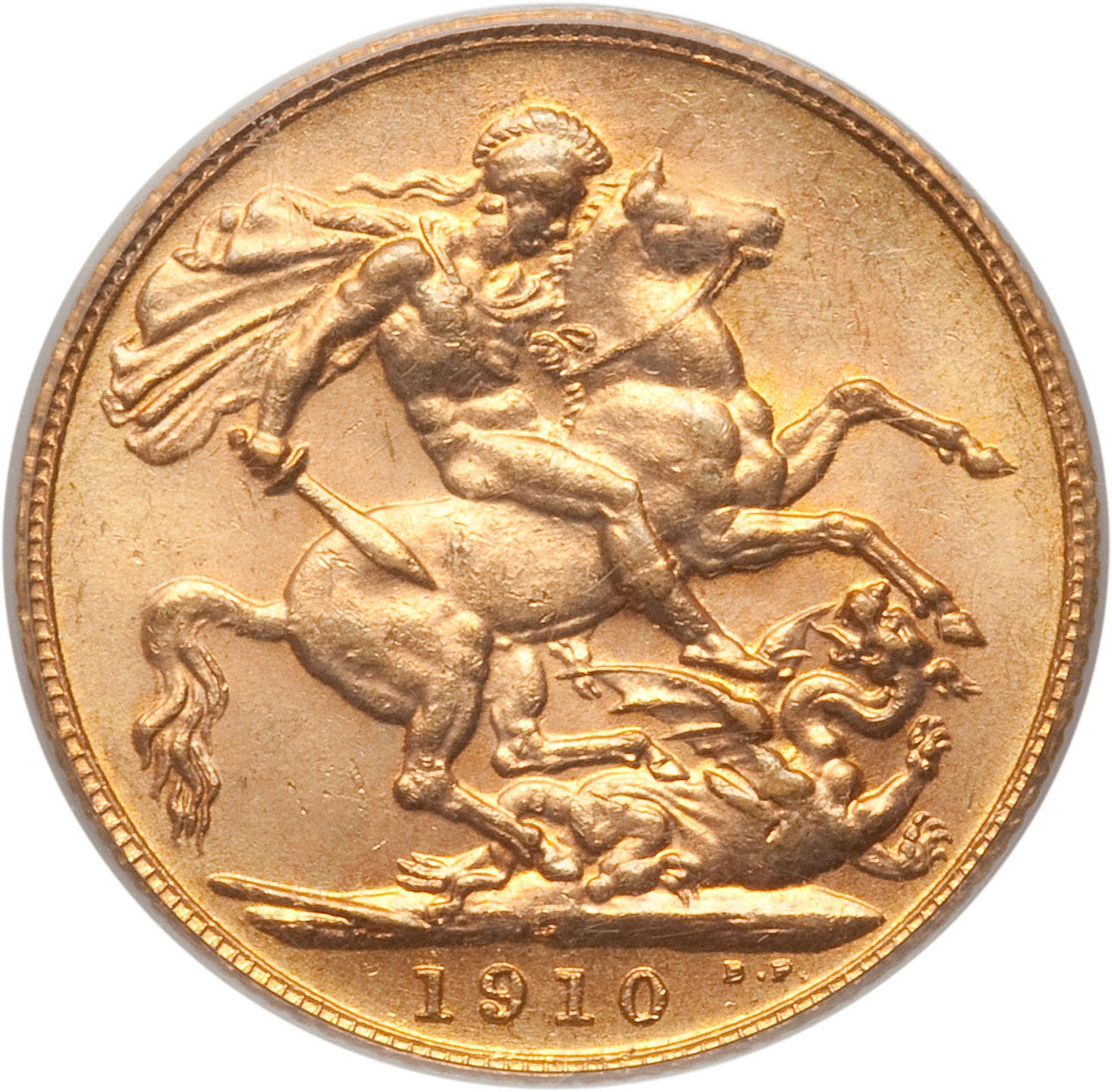
1 Sovereign - Edward VII Ottawa mint
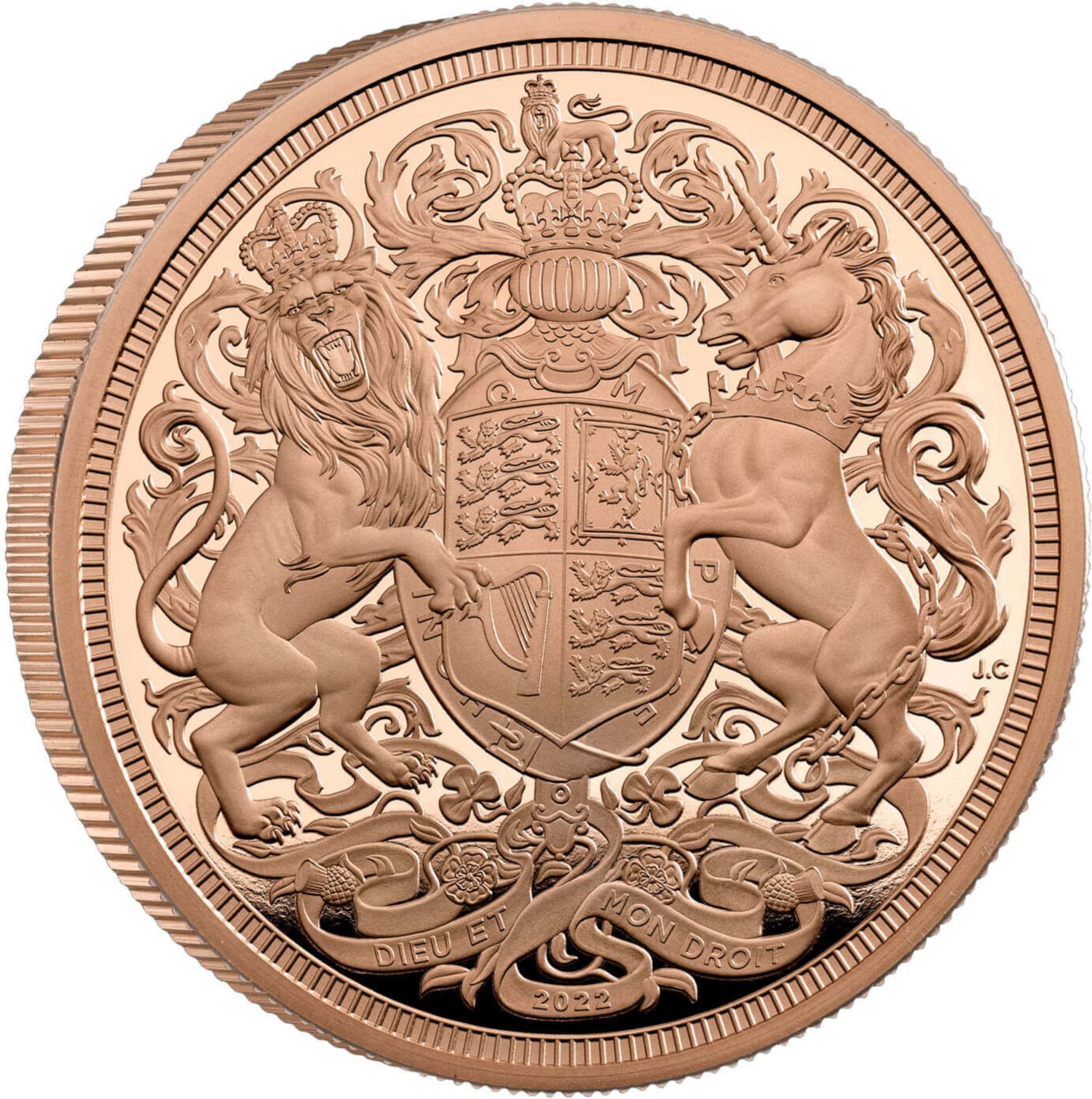
5 Sovereigns - Charles III Queen Elizabeth II Memorial
up to £3,925
Related guides
- Elizabeth II coins value guide, pre-decimal silver, decimal commemoratives and 50p rarities from her 70-year reign
- Charles III sovereign values
- Gold sovereign values UK
- Sovereign mint marks UK
- CGT-exempt coins UK
Frequently asked questions
How much is an Elizabeth II sovereign worth?
Elizabeth II sovereigns span 5 portraits and 70 years (1953-2022). Common-date examples trade at £425-475 at current gold prices, near the bullion floor of £425 plus a 1-12% premium. Specific portrait premiums: 1st portrait Mary Gillick (1957-1968): £500-650 as the only pre-decimal Elizabeth II sovereigns, with stronger collector demand. 2nd portrait Arnold Machin (1974-1984): standard bullion premium. 3rd portrait Raphael Maklouf (1985-1997): standard bullion premium. 4th portrait Ian Rank-Broadley (1998-2015): standard bullion premium. 5th portrait Jody Clark (2015-2022): standard bullion premium plus first-year-of-portrait premium for 2015 issues. 1989 500th anniversary sovereign (special Tudor reverse, mintage 22,000): £800-1,400. 2002 Diamond Jubilee sovereign: limited mintage, £700-1,000.
Were Elizabeth II sovereigns struck every year?
No. Sovereign production paused after 1932 (under George V's reign) and didn't fully resume until 1957 under Elizabeth II for export bullion purposes. Production gaps: 1933-1956 had no sovereign production globally; pre-1957 Elizabeth II sovereigns do not exist in any year. 1957 onwards: continuous London Royal Mint production. Double sovereigns (£2): brief production runs in 1953 (Coronation), 1980 (centenary), 1989 (anniversary), 2002 (Diamond Jubilee), 2012 (Diamond Jubilee), 2022 (Memorial). Quintuple sovereigns £5: brief runs in similar commemorative years. Half sovereigns: paused 1937-1979, resumed 1980 with collector and bullion variants annually. Quarter sovereigns: introduced new under Elizabeth II in 2009 as the smallest sovereign-family member.
Which Elizabeth II sovereign portraits exist?
Five portraits over the 70-year reign. 1st: Mary Gillick (1957-1968), uncrowned laureate young head, used through pre-decimal era. 2nd: Arnold Machin (1974-1984), crowned diadem bust, used from sovereign restart through to the early 1980s. 3rd: Raphael Maklouf (1985-1997), crowned bust with diadem and royal robes. 4th: Ian Rank-Broadley (1998-2015), crowned head, more austere, larger portrait filling the field, "IRB" initials below truncation. 5th: Jody Clark (2015-2022), crowned with George IV State Diadem, finer detail, "JC" initials. The portrait-change years (1974, 1985, 1998, 2015) are the most-collected for first-year-of-portrait pieces.
What is the rarest Elizabeth II sovereign?
In modern issue: the 1989 500th anniversary sovereign (mintage 22,000 proof) is the most-collected single Elizabeth II sovereign, trades at £800-1,400. 1989 Piedfort proof sovereign (mintage 1,000): £2,200-3,500. 1989 1 oz gold proof £5 quintuple (mintage 750): £5,500-8,500. 2002 Diamond Jubilee sovereign (limited mintage): £700-1,000. 2012 Diamond Jubilee sovereign: £500-700. 2022 Memorial sovereign (struck December 2022 in tiny Christmas-only window): £500-700. The 1989 series is widely considered the strongest-performing Elizabeth II sovereign by long-term appreciation. See our 1989 500th anniversary sovereign guide.
Are Elizabeth II sovereigns CGT-exempt?
Yes. All Elizabeth II sovereigns are UK legal tender at £1 face value, making them capital-gains-tax exempt for UK residents on any future profit. The CGT exemption applies regardless of portrait, year, or numismatic premium. Combined with the gold-content floor (£425 at £1,750/oz spot for the 7.32 g pure gold) and the modest 1-15% numismatic premium, Elizabeth II sovereigns are one of the most tax-efficient bullion investments available to UK collectors. CGT exemption stays valid even after the Queen's 8 September 2022 death, the legal-tender status is unaffected by the change of monarch. See our CGT-exempt UK coins guide.
Are Elizabeth II sovereigns still legal tender after her death?
Yes, explicitly. The Bank of England and Royal Mint confirmed at the King's accession in September 2022 that all Elizabeth II coinage remains valid legal tender indefinitely. This applies to sovereigns specifically and to all decimal coinage with her portrait. Both Elizabeth II and Charles III sovereigns will circulate side by side for decades, exactly as Edward VII, George V and George VI sovereigns continued circulating after their respective monarch's death. The Royal Mint has not announced any plan to demonetise Elizabeth II decimal coinage. Practical consequence: an Elizabeth II sovereign held today retains both its CGT-exempt status and its legal-tender face value £1 indefinitely.
What's the difference between an Elizabeth II sovereign and a modern Charles III?
Identical specifications: 7.988 g, 22.05 mm, 22-carat, 7.32 g pure gold (0.2354 troy oz). Both CGT-exempt UK legal tender. Different obverses: Elizabeth II by Jody Clark (5th portrait, 2015-2022), right-facing, crowned diadem; Charles III by Martin Jennings (2022-), left-facing, uncrowned. Both reversed by Pistrucci St George (Elizabeth II all years; Charles III 2024+ definitives, with 2023 Coronation reverse exception). Pricing: Elizabeth II bullion: £425-465; Charles III bullion: £430-475. The Charles III piece carries a slight first-monarch numismatic premium that has narrowed as production has ramped up. For pure bullion exposure, Elizabeth II is currently the cheaper acquisition; for first-monarch novelty collecting, Charles III is the more interesting recent piece. See our Charles III sovereign values.
How can I authenticate an Elizabeth II sovereign?
Standard sovereign authentication tests apply: weight 7.988 g, diameter 22.05 mm, 22-carat gold, non-magnetic, milled edge with no seam, specific gravity 17.7 g/cm³. The portrait and year together identify which Elizabeth II sub-era the sovereign comes from. Pistrucci's St George reverse should show the dragon's coiled body beneath the rear hooves with crisp detail (or the Tudor reverse for 1989 issues, or the Royal Arms reverse for 2002 issues). Counterfeit Elizabeth II sovereigns exist but are uncommon, the modest bullion premium provides limited economic incentive for forgers. For high-value 1989 anniversary or Diamond Jubilee pieces, professional grading by PCGS, NGC or CGS UK is essential. See our how to spot a fake sovereign guide.
What years should I focus on for collecting Elizabeth II sovereigns?
Three collecting strategies. (1) Complete portrait set: one sovereign from each of the five Elizabeth II portraits, achievable for £2,500-4,500 across all five portraits. Iconic British numismatic milestone. (2) Anniversary and Jubilee series: 1989 (500th anniversary, mintage 22,000 proof), 2002 (Diamond Jubilee), 2012 (Diamond Jubilee), 2022 (Memorial / Platinum Jubilee year). Each marks a major reign milestone. (3) Modern bullion buildup: focus on common-date Charles III and Elizabeth II proofs from 1980 onwards, building gold-content positions at near-bullion premium. For investment-focused collectors: prioritise the 1989 anniversary series (strongest performer), then complete the 5-portrait set, then add bullion-grade pieces for gold-content scaling.
Where can I buy Elizabeth II sovereigns?
For common-date examples in collectable grade: UK bullion dealers (Atkinsons Bullion, BullionByPost, Baird & Co, Hatton Garden Metals) at competitive 1-3% premiums over melt. For 1989 anniversary, Diamond Jubilee or limited-mintage variants: UK numismatic auction houses (Spink, Baldwin's, Noonans). For sealed Royal Mint BU and proof packs: eBay UK with sold-listings cross-check. For graded slabbed examples: PCGS / NGC slabbed pieces on eBay UK. The Elizabeth II era is the most-traded sovereign category in modern UK numismatics, ample supply across all venues at all price points.
Is buying a year-of-birth Elizabeth II sovereign a good idea?
Yes, one of the most popular sovereign-collecting traditions. A sovereign struck in your year of birth or a loved one's year of birth carries deeper personal significance than a current-year sovereign. For year-of-birth sovereigns 1957-2022: budget £500-1,000 depending on year and condition. The Royal Mint maintains comprehensive year-by-year historical inventory through their Coin Hunter and reseller channels. Many UK bullion dealers offer "year-of-birth sovereign" services with presentation packaging at modest premium. For pre-1957 sovereigns (which would actually be George VI or earlier): the year-of-birth concept extends back through 1817 with significantly higher prices (Victorian and earlier). Birth-year sovereigns make exceptional milestone gifts, particularly for 21st, 30th, 40th, 50th and 70th birthdays. See our sovereign as gift UK guide.
Read next