Where to Buy Rare Coins UK 2026: The Complete Guide
The right place to buy a rare coin depends on its value, type and the level of authentication you need. A modern Kew Gardens 50p belongs on eBay UK; a Victorian sovereign with a BNTA dealer; a Charles I crown at Spink or Heritage. This guide covers every UK route, BNTA dealers, the Royal Mint, auction houses, eBay, coin fairs and probate sales, with realistic premiums, authentication confidence and the channels to avoid.
Where rare UK coins actually live
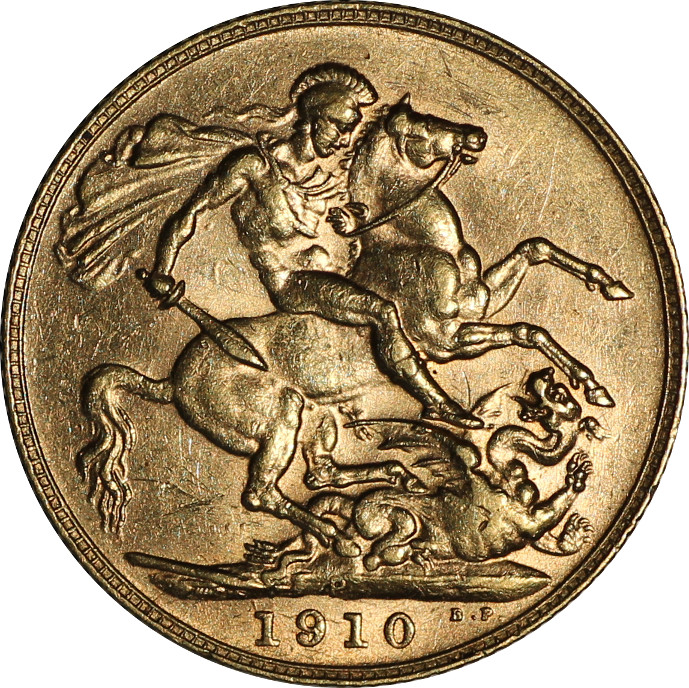
Rare British coins do not sit in one market. The same Edward VII sovereign might be advertised by a BNTA dealer at £520, hammered at £420 in a Noonans sale, listed on eBay at £480 and sold privately at a coin fair for £450 cash. The price band is real; the channel determines the premium, the authentication, the returns rights and the convenience. Knowing which channel suits which coin is the difference between paying market price and paying a 30-50% novice tax.
- BNTA dealers, the British Numismatic Trade Association is the UK's professional body. Members carry insurance, follow a published code of conduct, and offer warranty on authenticity. About 80 active dealers in the UK; member directory at bnta.net.
- Royal Mint direct, the only source for new releases at issue price. Strong on Britannia bullion, Sovereign annual issues, and limited-mintage proofs. Subscription scheme is available for guaranteed access; secondary-market prices often beat Royal Mint retail for sold-out issues six months after release.
- UK auction houses, Spink, Baldwin's, Noonans, London Coins, the Coin Cabinet and a handful of regional houses run catalogued sales four to ten times a year each. Fully described, photographed and authenticated lots; buyer's premium of 24-30% on top of hammer.
- eBay UK, fastest, most liquid, lowest friction for sub-£500 coins. Authentication risk is real but manageable through sold-listings cross-checks and a preference for slabbed coins.
- Coin fairs, Hertfordshire, London Coin Fair (Bloomsbury), Midland Coin Fair, Coinex (BNTA flagship). Cash sales, hold-the-coin inspection, on-the-spot negotiation. Trade prices for serious buyers.
- Specialist forums, Coin Community Forum, the British Numismatic Society's members' bulletin and the BCN Discord. Limited but trustworthy private-sale activity between known collectors.
- Probate and estate sales, regional auctioneers (John Pye, Charterhouse, Wilkes), house-clearance lots, and family-run sales. Genuine bargains exist for buyers willing to research mixed lots; risk is high for first-timers.
Channel-by-channel comparison
| Channel | Typical premium over hammer | Authentication confidence | Cooling-off rights | Payment methods | Volume available |
|---|---|---|---|---|---|
| BNTA dealer (in-person) | +30-55% | Very high | Up to 14 days written warranty | Card, transfer, cash | Curated stock; 50-500 coins per dealer |
| BNTA dealer (online) | +30-55% | Very high | 14 days under Distance Selling | Card, bank transfer | Same as in-person, with photos only |
| Royal Mint direct | +10-25% | Highest (factory-fresh) | 14 days under Distance Selling | Card, PayPal | Current programme only |
| Spink / Baldwin's / Noonans | +24-30% buyer's premium | Very high (catalogued) | Limited; sold as-is plus authenticity warranty | Card, bank transfer | 200-2,000 lots per sale |
| Heritage Auctions (US) | +20% buyer's premium | Very high (graded slabs) | Sold as-is; 21-day authenticity guarantee | Card, transfer | Massive; 5,000+ lots per major sale |
| eBay UK (slabbed) | +0-15% | High (slab guarantees) | 30 days seller-dependent + Money Back Guarantee | PayPal, card via eBay | Vast; thousands of slabs live at any time |
| eBay UK (raw) | -10% to +20% | Variable | 30 days seller-dependent + Money Back Guarantee | PayPal, card via eBay | Vast |
| Coin fair cash sale | +0-25% | High (in-hand inspection) | None, cash sales final unless dealer is BNTA | Cash, card on larger tables | 30-80 dealers per event |
| Probate / estate sale | -30% to +20% | Low (no authentication) | None, sold as found | Card, transfer | Highly variable |
Buying from BNTA dealers: what to expect
The British Numismatic Trade Association (BNTA) is the UK's professional trade body for coin dealers, founded in 1973. Members are admitted only after sponsorship by two existing members and review of trading history; membership is renewed annually and members must follow a published code of conduct covering authentication, fair pricing, returns and dispute resolution. About 80 dealers carry the BNTA mark today, ranging from one-person specialists to multi-staff firms.
What this means for buyers:
- Insurance and authentication. Every BNTA member carries professional indemnity insurance and warrants every coin they sell as genuine. Where a coin proves to be a forgery, the dealer refunds the full purchase price, this is the single biggest practical advantage over eBay UK.
- Written provenance. Higher-value coins (typically £500+) come with a typed sales invoice that includes the coin description, grade if relevant, date of acquisition by the dealer, and ideally the prior known owner. Provenance materially helps resale; cataloguers can cite the chain at later auction.
- 14-day returns minimum. Distance Selling Regulations mandate 14 days; most BNTA members offer 14 days for any reason and 30 days for authenticity disputes (longer in practice).
- Trade-in and consignment. Most BNTA dealers will trade-in or consign on commission, useful if you upgrade and want to recycle a previous purchase.
- Pricing premium of 30-55% over auction. The mark-up funds carry cost, authentication labour and overheads. For sub-£1,000 coins, BNTA prices are often comparable to auction once you add the buyer's premium and shipping.
Top BNTA-member dealers to know: A.H. Baldwin & Sons (oldest UK coin specialist, founded 1872), R. Ingram Coins, London Coins Ltd, Coincraft, Mark Rasmussen, The Coinery, and Sovereign Rarities. Each has a specialty, check the BNTA member directory and individual websites before committing to a dealer.
Royal Mint direct: for new releases
The Royal Mint is the only legal-issuer source for new UK coinage at issue price. For collectors who want guaranteed access to flagship issues (Britannia annual designs, Sovereign annual issues, Coronation issues, themed Music Legends and James Bond coins), the Royal Mint is the only safe channel for first-day pricing.
- Best for: brand-new releases (issue prices), bullion sovereigns and Britannias for stacking, gift packs, year proof sets.
- Subscription scheme: automatic delivery of selected issues. Useful for collectors who treat coin collecting as a savings plan; less efficient for value-focused buyers (secondary-market prices often beat Royal Mint retail six months after issue).
- Pricing premium: 10-25% over equivalent bullion-dealer rates for common-date material. The premium funds the mint's presentation packaging, certificates of authenticity and limited-edition status.
- Sold-out issues: the Royal Mint does not run a buy-back desk. Once an issue sells out at the mint, the only source is the secondary market.
- Returns: 14-day return under UK Distance Selling Regulations. No condition issues for sealed packs; sealed presentation is part of the value proposition.
Two corollaries. For bullion-only buyers, UK bullion dealers (BullionByPost, Atkinsons, Chards, Hatton Garden Metals) typically beat the Royal Mint by 1-3% on common-date sovereigns and Britannias. For pop-culture commemoratives (James Bond, Music Legends, Harry Potter), Royal Mint subscriptions are the most reliable way to acquire coins that frequently sell out within 24 hours of release. See our Royal Mint subscription review.
Auction houses ranked
Spink & Son
The grandee of British numismatics, founded 1666 with a royal warrant. Spink publishes the Standard Catalogue of British Coins (the trade reference) and runs premier auctions that combine coins, banknotes, medals and stamps. Best for high-value purchases at £2,000+ and especially for major collections. Buyer's premium 26%, plus VAT on the premium. Spink's in-house specialists offer free pre-bid valuations on lots and respond to queries promptly.
A.H. Baldwin & Sons (Baldwin's)
Founded 1872, one of Britain's longest-running coin specialists. Baldwin's runs themed auctions through the year, the Argentum silver-coin sales, the Pavlos S. Pavlou collection sales, Islamic coins specialist sales, and a regular private treaty desk. Strong on hammered British, milled silver, and high-grade sovereigns. Buyer's premium 25%, plus VAT. Baldwin's also operates a dealer-style retail counter at their London office for direct purchases.
Noonans (formerly Dix Noonan Webb)
London auction house specialising in British coins, medals and banknotes. Noonans runs eight to ten coin auctions per year with strong online catalogues and international reach. Buyer's premium 24%. The sweet spot is coins from £500 to £20,000; pricing is accessible and the catalogue presentation is competitive with the older houses. Many UK collectors treat Noonans as the default mid-tier consignment house.
Heritage Auctions (US)
US-based but with significant UK-focused British coin sales. Heritage attracts US and Asian buyers that UK-only houses cannot match. UK buyers may import without VAT for bullion-grade gold; numismatic items above £135 attract import VAT (5%) on entry. Buyer's premium 20% plus shipping. Worth considering for any coin where the US collector base is the natural buyer pool, Anglo-Indian sovereigns, Bombay-mint pieces, pre-decimal proofs of US-relevant types.
Smaller in-person auction houses
Regional auctioneers (John Pye, Charterhouse, Wilkes, Lockdales, Dominic Winter) lot probate and estate-clearance coins regularly. Catalogues are less detailed; viewing days are essential. Bargains exist for buyers willing to inspect lots in person and bid on under-described material. The trade-off is no authentication warranty, you pay your money and the coin is yours.
See our full UK auction house comparison and eBay vs auction house decision tree for more.
Buying on eBay UK safely
eBay UK is the best route for coins under £500 once you know how to read it. Total fees for buyers are zero (sellers pay the 12.8% final value fee), authentication risk is real but manageable, and the selection is vast. Five rules:
- Sold listings only. Filter for "Sold listings" + "Completed listings" to see real prices, not asking prices. Many novice listings are 50-200% above realised. See our eBay sold listings guide for the technique.
- Seller history. 300+ reviews, 99%+ positive feedback, registered for two or more years. New seller accounts (under 50 reviews) on coin listings are higher-risk, not always fraudulent, but worth caution.
- Read the description carefully. Honest sellers describe wear, defects, cleaning history and provenance. Vague "rare!" or "beautiful coin!" descriptions hide problems. Ask the seller a specific question (weight, edge inscription, mintmark) and gauge the response quality.
- Slabbed where possible. A PCGS, NGC or CGS UK slab eliminates authenticity risk and grade dispute, the slab fee was paid by someone, but the protection passes to you. For high-value coins (£500+), slabbed-only is the safe default.
- Pay through eBay. Use eBay's checkout (not bank transfer or PayPal F&F). eBay's Money Back Guarantee covers misdescribed and counterfeit items if you raise a claim within 30 days.
Coin fairs in the UK
UK coin fairs are one-day trade events where 30-80 dealers set up tables and sell direct to the public. Entry is £3-5 (often free with a flyer). For buyers, fairs offer trade-priced inventory, in-hand inspection, immediate cash settlement and on-the-spot negotiation. The four fairs every UK collector should know:
- Coinex (BNTA flagship), Royal Lancaster London hotel, every September. The largest UK coin event of the year; international BNTA-member and invited foreign dealers; strongest single offering of high-value rarities. Two-day event with paid entry on the public day.
- The London Coin Fair (Bloomsbury), Holiday Inn, Russell Square; twice yearly (typically February and November). Long-running (since 1971) and one of the largest UK fairs after Coinex. 50-80 dealers; strong on British coins, world coins and tokens.
- The Midland Coin Fair, National Motorcycle Museum, Solihull; monthly on a Sunday. Particularly strong dealer turnout for British hammered, milled silver and pre-decimal copper. Free entry.
- The Hertfordshire Coin Fair, St Albans Arena; three to four times a year. Mid-sized, well-attended, strong for the south-east London-belt collector base.
Bring: a 10x loupe (essential for examining coins in hand), small notes (cash deals get the best discount), your phone for cross-referencing prices on MyCoinage and eBay sold listings, and a notebook with target prices for any coins you came hoping to buy. Most dealers will move 5-10% on marked prices for serious buyers; expect "sticker" prices on PCGS and NGC slabs but flexibility on raw stock.
Red flags by channel
Channels to be wary of, and the specific scams to know about each:
- Westminster Collection / Bradford Exchange / The Bradford Mint / The London Mint Office. Direct-mail marketing operations that retail Royal Mint and licensed coins at 2-5x open-market price. Their "limited editions", "exclusive" sets, "first-day covers" and "presentation cases" carry no resale premium. Cancellation rights apply (14 days under Distance Selling Regulations) but the secondary market for these sets is essentially zero. Avoid entirely. See our Westminster vs Bradford Exchange breakdown.
- Cold-call dealers. Legitimate dealers do not cold-call private collectors. Calls claiming "we have a buyer for your coin" or "rare coin investment opportunity" are scams. Hang up.
- Facebook Marketplace and Gumtree. No buyer protection, no authentication, no provenance. Fakes and stolen goods are common. Avoid for any coin above £50.
- "Investment-grade" gold sellers. Firms marketing gold coins as "investment-grade" with extended payment plans typically charge 30-80% above bullion spot. Gold sovereigns and Britannias should trade within 5-15% of spot at established UK bullion dealers; anything above 25% premium is overpriced.
- Social-media coin "experts" with VIP courses. Coin investment advice is not a regulated activity; many self-styled experts on Instagram and TikTok promote overpriced "exclusive" purchases through affiliate links. Cross-check every recommendation against MyCoinage realised prices and eBay sold listings.
- eBay listings with no return policy. "Sold as seen, no returns" is a fraud signal. Genuine sellers offer 30-day returns. Walk away.
Related coins on MyCoinage
Step-by-step: your first rare-coin purchase
- Identify what you want. Use the MyCoinage catalogue to research denomination, year, rarity and realistic price band. Set a budget (including buyer's premium and shipping if auction).
- Research realised prices. Cross-check at least three sources: MyCoinage realised data, recent auction-house catalogues (Spink, Baldwin's, Noonans archives), and eBay UK sold listings. Three reference points give a realistic price band.
- Choose a channel. Match value to channel: Royal Mint for new issues, eBay for sub-£500, BNTA dealer for £500-2,000, auction for £2,000+.
- Authenticate before payment. For coins above £500 prefer slabbed (PCGS, NGC, CGS UK). For raw coins above £1,000 buy from a BNTA-member with a written authenticity warranty.
- Pay through traceable methods. Card via the platform (eBay, BNTA dealer site, auction house) gives consumer protection. Bank transfer is acceptable for established BNTA dealers and auction houses; never for first-time eBay private-message sales.
- Inspect on receipt. Photograph the coin, packaging and certification on the day of arrival. Compare against the listing. If anything is wrong, raise a return within 48 hours; the platform's return clock starts ticking immediately.
- Document and store. Keep the invoice, the certification card, and your photos in a digital folder organised by acquisition date. Add the coin to your MyCoinage collection with provenance and purchase price for tracking.
What to do if you receive a fake
Counterfeit coins reaching UK collectors come from three main sources: cast forgeries from China and Eastern Europe (the bulk of fake sovereigns and pre-decimal silver), modified genuine coins (alterations to dates, mintmarks or grades), and high-end die-struck forgeries that fool casual examination. Five steps if a coin proves to be fake:
- Photograph immediately. Both sides, the edge, weighing-scale photo, packaging, certification card, posted envelope. High-resolution close-ups of any suspicious details.
- Open a dispute via the platform. eBay Money Back Guarantee, BNTA mediation, auction-house warranty. Raise within seven days of receipt.
- Get a second opinion. A BNTA dealer or grading service (PCGS, NGC, CGS UK) will examine the coin and confirm whether it is genuine. This is essential evidence before formal escalation.
- Escalate firmly. Do not accept a partial refund as settlement; insist on full return-and-refund. If the seller refuses, eBay's Money Back Guarantee covers the full cost on raw escalation.
- Report. Persistent counterfeit sellers should be reported to Action Fraud and Trading Standards. The BNTA also maintains an internal blacklist of bad-actor sellers.
For more, see our guides on how to authenticate a coin and how to spot fake British coins.
Related guides
- Where to sell rare coins UK
- UK auction house comparison
- eBay vs auction house decision tree
- eBay sold listings: coin value UK
- Westminster Collection vs Bradford Exchange
- How to authenticate a coin
- How to spot fake British coins
- Royal Mint subscription review