How to Use eBay Sold Listings to Value a UK Coin
Asking prices lie. Book values are aspirational. Dealer offers are wholesale. The single most accurate real-world price for any UK coin is what someone actually paid for it on eBay in the last 30 days, and the sold-listings filter is how you find it. This guide covers the exact filter setup, which sales to trust, which to ignore, and how to triangulate when there are no recent sales.
Why sold listings beat every other price reference
There are four ways to value a coin online, and three of them are wrong:
- Active eBay listings, asking prices. Anyone can list a coin at £5,000; no-one has to buy it.
- Price-guide books (Spink Standard Catalogue, Coin Yearbook), aspirational retail prices, often 30–100% above the actual market.
- Dealer ‘buy prices’, wholesale offers, typically 50–70% of retail. Useful if you want a fast cash sale; not useful as a market value.
- eBay sold listings, the actual transaction price. Buyer paid, seller received, both walked away. The closest thing to ground truth.
For coins below the auction-house tier (anything under roughly £2,000), eBay sold listings are the dominant secondary market. The London Coins / Spink / Baldwin’s / Noonans circuit handles the coins worth £1,000+; eBay handles everything below. The eBay vs auction house guide has the venue decision tree by price tier.
Step-by-step: the eBay UK sold-listings filter
Three steps, plus one URL shortcut.
- Go to eBay.co.uk and search the coin. Use specific terms: ‘1933 penny VF’, ‘Kew Gardens 50p BU’, ‘1879 sovereign’. Vague searches like ‘old penny’ return junk.
- In the left sidebar (or the filter dropdown on mobile), scroll to ‘Show only’ and tick Sold items. eBay then hides active listings and only shows the last ~90 days of completed sales.
- At the top right, change Sort: Best Match to Sort: Time: ending soonest or Recently ended. Newest sales first, older sales are less reliable as the market moves.
URL shortcut. Append &LH_Sold=1&LH_Complete=1&_sop=13 to any
eBay UK search URL to jump straight to the sold-listings, recently-ended view. Bookmark the URL
pattern; you’ll use it dozens of times if you collect actively.
Ready-made affiliated examples for common UK rarities (opens the right view in a new tab):
- 2009 Kew Gardens 50p, sold listings →
- 1933 penny, sold listings →
- Gold sovereign, sold listings →
- 2023 Atlantic Salmon 50p, sold listings →
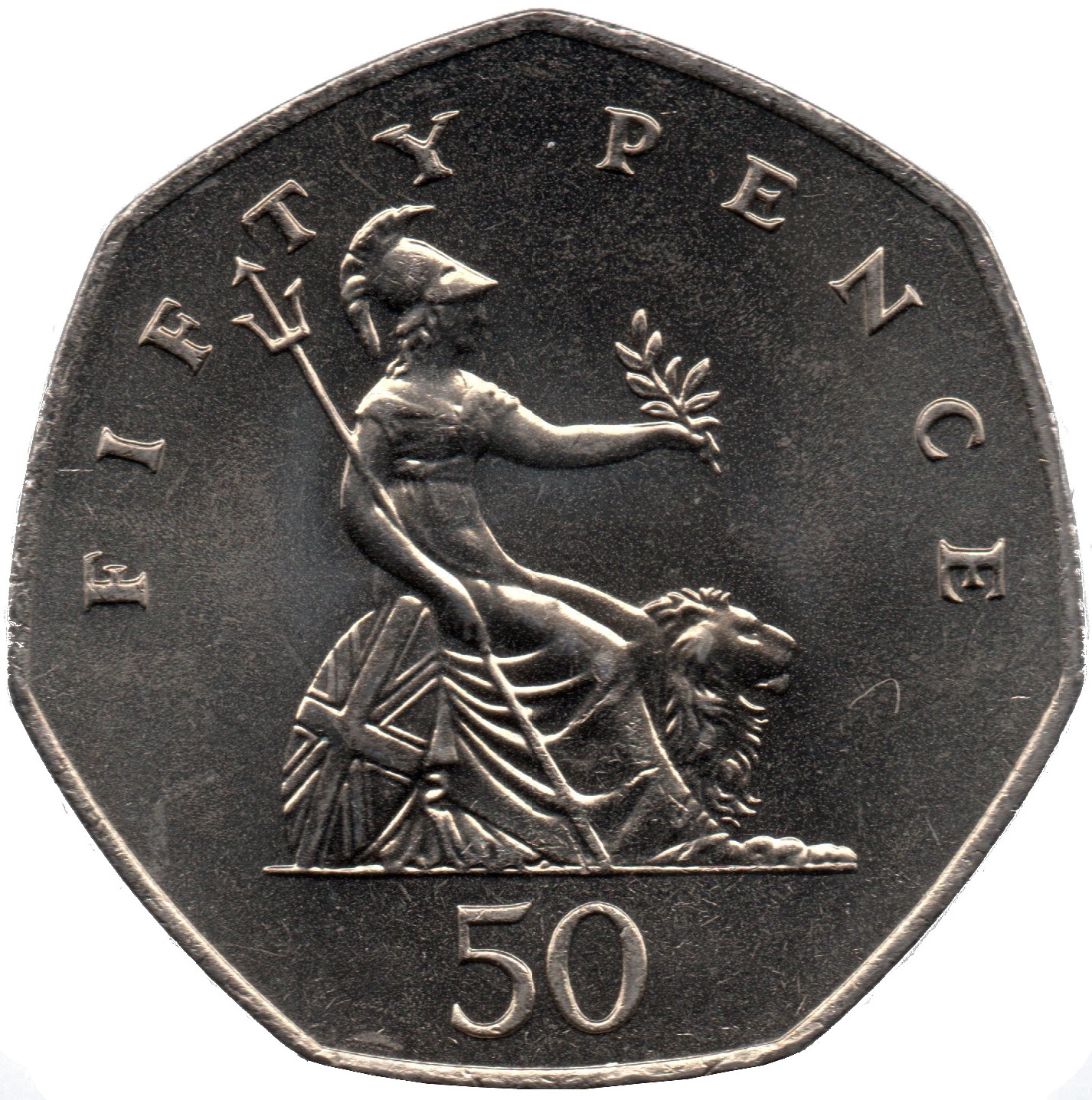
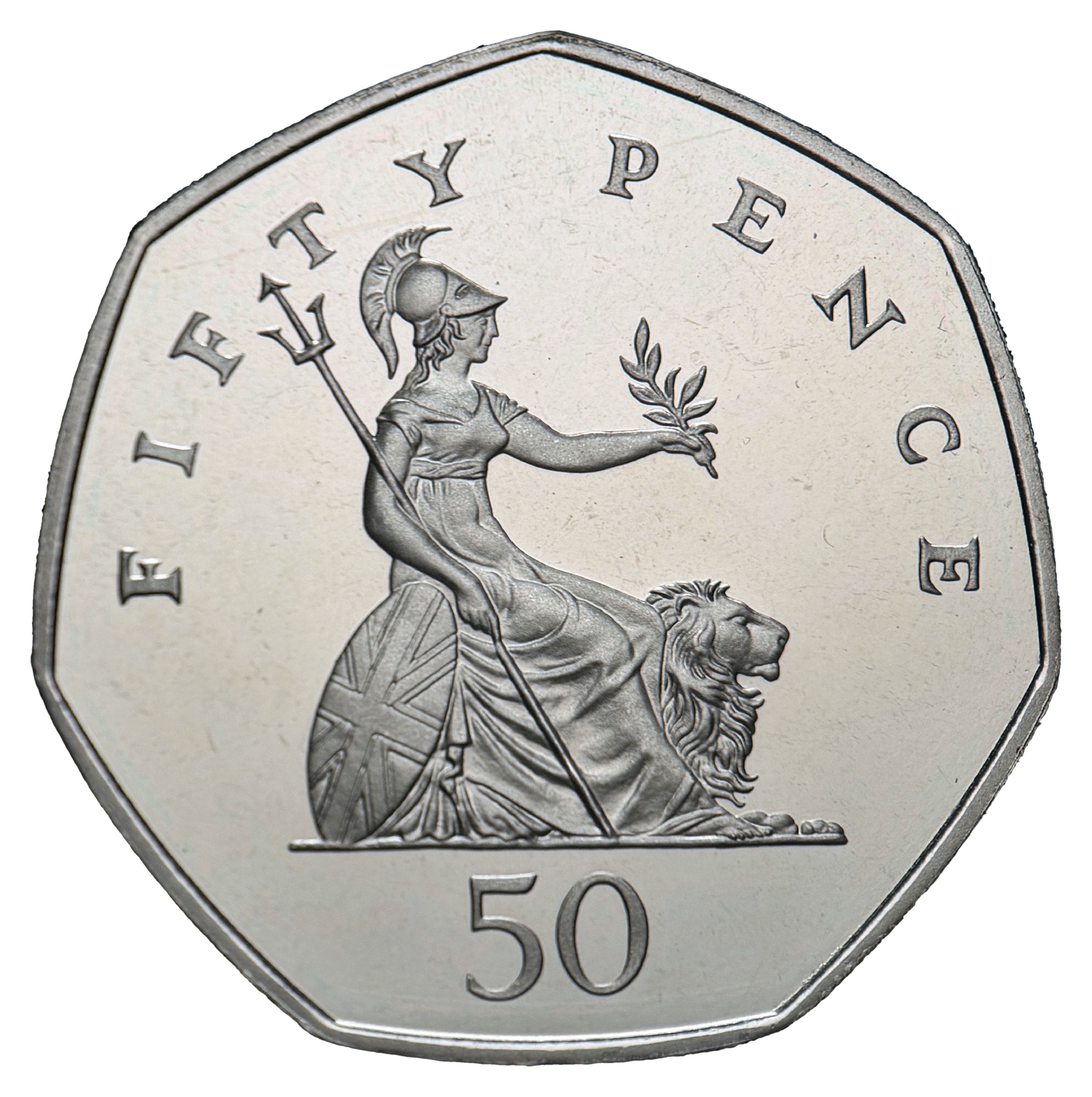
- 1971 50p, sold listings →
Reading the data: which sales count
The eBay sold-listings page shows you headline price, end date, listing format (auction or BIN), seller location, and whether postage was free. Six red flags to filter out before you build a median:
| Signal on the listing | What it means | Use the price? |
|---|---|---|
| ‘Best Offer Accepted’ badge | Final price hidden; eBay shows the asking price, not what was paid | No |
| Auction with one bid only | Cleared at start price, no competitive bidding | No |
| BIN well below average | Usually a known-issue relist (cleaned / damaged / fake) | No, unless photo confirms grade |
| ‘Lot of N coins’ or ‘bundle’ | Price covers multiple coins, can’t break out yours | No |
| Slabbed (PCGS / NGC / CGS UK) and you have raw | Slabbed coins trade at 15–30% premium over raw same-grade | Use as ceiling, not target |
| ‘REPLICA’ / ‘COPY’ / ‘souvenir’ in title | Not legal tender, near-zero numismatic value | No |
| Recently ended, multiple bids, photo matches your coin | Real market price | Yes, use this |
A reliable sold listing has: clear front + reverse photos, multi-bid auction or established BIN seller, ended within the last 30 days, postage clearly itemised, and a price within ~30% of the median. Take 8–15 of these and the median is your number.
Median, not average
The reason matters: averages are skewed by outliers, medians aren’t. A £100 coin with one listing at £500 (slabbed MS-67, totally non-comparable) and ten others at £90–110 has an average of £127, misleading. The median is £100, correct.
MyCoinage’s realised-price data uses a 30-day rolling median weighted by sale count for exactly this reason, see the price methodology page. For your own valuation, sort the prices in your head and pick the middle one. If you have an even count, average the two middle values.
What to do with each red-flag listing
Best Offer Accepted
Skip. The price you see (the asking price) isn’t what was paid. eBay shows ‘Best Offer Accepted’ as the badge and hides the agreed price. The buyer typically paid 80–90% of asking, but you can’t use unknown-discount data.
Single-bid auctions
A single-bid auction cleared at the seller’s start price, nobody competed. That’s an asking price masquerading as a sale. Skip these unless the start price was £0.99 (forced sale, real market price).
BIN below median
Suspiciously cheap BINs are usually relists of an item with a known fault (cleaned, scratched, counterfeit, wrong date). Click in and inspect the photos before including. If the photo shows the issue, exclude. If the photo looks fine but the coin is genuinely cheaper than median, include, you’ve found a low data point.
Slabbed when you have raw
A PCGS / NGC / CGS UK slabbed example trades at a structural premium because: (1) the slab certifies grade, (2) it certifies authenticity, (3) it shifts dispute risk to the grading service. Same coin raw vs slabbed: typically 15–30% gap on common coins, up to 50%+ on rare-date trophy coins. If you have raw, use slabbed sales as your ceiling estimate, not your target. To slab or not, see slabbed vs raw coins UK.
eBay UK vs eBay US: when to check both
The buyer pool varies by country. As a rule:
- Modern UK 50p / £1 / £2 commemoratives, eBay UK is the dominant venue. US prices are usually 10–20% lower (smaller buyer pool, postage friction).
- Pre-decimal silver (shillings, florins, half-crowns, crowns), both markets active; UK usually slightly higher.
- Sovereigns and pre-1971 gold, check both. Rare-date sovereigns regularly clear higher on eBay US than eBay UK. Convert at the day’s mid-market rate.
- Hammered / pre-1660 coinage, specialist territory. Use specialist dealers (Spink, Coin Cabinet) over either eBay venue.
The where to sell rare coins UK guide goes deeper on venue selection per coin tier.
Postage: the hidden 5–10%
eBay’s headline price doesn’t include postage. For coins under £20 a tracked-delivery Royal Mail charge of £3–5 is 15–25% of the transaction. For coins over £500, sellers usually offer free Special Delivery (insured to £500–2,500), which the seller pays out of pocket. The implication for your valuation:
- If the sold listing was free-postage and you’d charge buyer-pays-postage on your version, your effective realisation is 5–10% lower than the headline.
- If the sold listing was buyer-pays-postage and you’d free-post, your buyer pays the headline price minus your postage cost.
- Always click into a listing and check the postage line before adding it to your median.
Tools and complementary references
- MyCoinage grade-by-grade prices, aggregated realised-price data from eBay + auction houses, weighted by recent sales. Search any coin in the catalogue and the price chart shows a grade-level breakdown.
- MyCoinage coin value checker, identify and price an unknown UK coin from photos.
- MyCoinage silver melt calculator, floor price for any silver-bearing coin (sets the lower bound; collector premium sits above melt).
- MyCoinage sovereign value calculator, bullion + premium calculation for any sovereign.
- External: Spink price-realised archive, spink.com auction results for coins outside the eBay tier.
- External: PCGS Coin Facts, pcgs.com/coinfacts for slabbed-coin price archives by grade.
- External: Royal Mint mintage records, royalmint.com/discover/uk-coins for official issue figures.
Common mistakes to avoid
- Using the highest sold listing as your ‘value’. One outlier doesn’t set the market, the median does.
- Ignoring grade. A 1933 penny in Fine is £5,000–8,000; in Mint State, £75,000+. Compare your coin to sold listings of the same grade, or estimate yours carefully first, see how to grade a coin.
- Pricing off active listings. Asking prices over-state realised by 25–50% on common coins, more on aspirational pieces. Always switch to Sold filter.
- Ignoring fakes. If your coin doesn’t match Royal Mint specs (weight, diameter), the sold listings for the genuine coin are not your reference. See how to spot fake British coins.
- Pricing a cleaned coin off original-surface sold listings. A cleaned coin carries a ‘Cleaned details’ grade from PCGS / NGC and trades at 30–60% of original-surface prices. See how to clean a coin (TL;DR: don’t).
When eBay isn’t the right reference
Three coin tiers where eBay sold listings will under-state value or have insufficient data:
- £2,000+ trophy coins. Specialist auction houses (Spink, Baldwin’s, Noonans) consistently realise 30–50% above eBay ceilings on rare-date sovereigns, key-date 50ps in MS-67, and historical British rarities. The buyer pool there has institutional bidders eBay can’t reach.
- Hammered (pre-1660) coinage. Spink Standard Catalogue prices and Coin Cabinet / London Coins price archives are the references; eBay listings for hammered coins are too few and too inexpert.
- World-class international rarities (1869 Sydney sovereign in MS-67+, 1928 proof half-crown). Heritage Auctions and Stack’s Bowers are the international venues.
Featured UK coins on MyCoinage
Read next
- Where to sell rare coins UK, venue selection by coin value tier.
- eBay vs auction house UK, the side-by-side fee + realisation comparison.
- How to grade a coin yourself, because grade drives 80% of the value differential.
- How to spot fake British coins , protect against valuing a non-genuine piece.
- UK coin value checker, identify an unknown coin from photos before pricing.
- Coin collecting glossary, full numismatic terminology.