What Does “Proof” Mean on Coins? The Royal Mint’s Mirror Strike Explained
A proof coin is not a grade and not a measurement of condition, it’s a method of striking. Polished dies, multi-strike process, frosted devices set against mirror fields. Royal Mint proofs sell at £30–£100+ over face value, never enter circulation, and represent the highest production quality British coinage achieves. This reference covers the proof process, visual recognition, finish variants and the tax treatment that makes UK proofs uniquely attractive to investors.
A proof is a striking, not a grade
The single most important distinction in numismatics is between finish and grade. A grade measures wear and surface quality on the Sheldon 1–70 scale. A finish describes how the coin was struck. The five Royal Mint finishes are circulating UNC, Brilliant Uncirculated (BU), Specimen, Proof and Piedfort Proof. Each finish can then be graded across the full Sheldon range, though proofs are graded on a parallel PR-1 to PR-70 scale rather than the MS scale used for business strikes.
The word “proof” itself comes from the Mint’s historical practice of striking small numbers of new dies to prove the design and tooling before authorising mass production. Surviving examples of these early test strikes (often pattern coins of unreleased designs) carried distinctive surface qualities, polished fields, sharp detail, no circulation wear, that became aspirational for collectors. By the 19th century the Royal Mint was deliberately producing “proof” coins as collector items in their own right, with the multi-strike polished-die process becoming a deliberate quality standard rather than a byproduct of die testing.
The proof process: how a proof coin is made
Producing a proof coin involves four production steps that distinguish it from regular striking:
- Die preparation. The proof dies are hand-polished to a mirror finish, then the design elements are given a frosted (matte) texture using laser-etching, acid treatment or sandblasting. The contrast between polished field and frosted device is what produces the cameo effect on the finished coin.
- Blank preparation. The blank coin discs (planchets) are burnished, washed, and inspected before striking, removing the surface imperfections that come with mass-produced regular planchets. For gold and silver proofs, the blanks are rolled to exact thickness and polished individually.
- Multi-strike pressing. Each coin is struck two or three times at lower speed than regular production. The first strike establishes the broad design; the second and third sharpen detail and ensure the design is fully impressed into the polished blank. Regular circulating coins are struck once.
- Handling and packaging. Finished proofs are handled only with gloved hands or by purpose-built machinery, never by bare skin. They are immediately placed into airtight plastic capsules and mounted in certified presentation packs.
The proof process produces 50–100 coins per hour, compared to thousands per hour for circulating issues. The cost premium accordingly is steep: a 2022 Britannia 1oz silver proof retails at £100 against an £30 bullion-strike Britannia.
Visual recognition: how to identify a proof
Five features identify a genuine proof coin under raking light and 5× magnification:
- Mirror fields. The background of the coin should reflect like a mirror. You should be able to read text held above the coin in the reflection. Circulation strikes and BU coins lack this property, they are lustrous but not mirror.
- Frosted devices. The raised design elements (bust, lettering, date, design motif) should appear matte against the mirror field. The matte texture is uniform and fine-grained, not rough or granular.
- Cameo contrast. The combination of mirror field and frosted device produces a clear white-on-mirror visual contrast. Modern Royal Mint proofs almost always show this contrast (DCAM grade); older proofs (pre-1980) sometimes lack it.
- Sharp edges. The rim, reeded edge and design borders should be crisp with no flow lines visible. The multi-strike process ensures full design impression.
- No contact marks. Proofs are gloved and capsuled immediately. The fields should be free of bag marks, hairlines, fingerprints or tone rings under 5× magnification.
Place a Royal Mint silver proof £2 next to a BU £2 of the same year under a single bright lamp and the difference is immediately obvious. The proof reflects the lamp filament cleanly; the BU diffuses it.
Proof vs Specimen vs Pattern vs Trial Strike
Four terms occasionally appear in auction catalogues that all describe non-circulating coinage. Each has a distinct meaning:
| Type | Process | Mintage | Purpose |
|---|---|---|---|
| Proof | Polished dies, multi-strike, polished blank | 1k–15k typical | Collector commemorative, sold above face |
| Specimen | Polished dies, single strike, prepared blank | 5k–50k | Mid-tier presentation, between BU and proof |
| Pattern | Proof finish | 1–50 | Prototype design, never officially issued |
| Trial Strike | Various | Very small | Internal testing of new dies or processes |
The 1933 penny is the most famous British pattern: only seven were struck, all as patterns to inspect die preparation rather than as a planned circulation issue. Patterns are usually struck to proof finish but the term “pattern” specifies the prototype role. A trial strike is a Mint-internal piece testing a new die or metal alloy, often unsigned and unauthenticated, surviving only in tiny numbers. Both patterns and trial strikes typically command six-figure prices when authenticated and sold publicly.
Royal Mint proof formats
Modern Royal Mint proof issues come in four metal grades plus the Piedfort variant:
- Sterling Silver Proof. 925 fineness silver. The standard premium proof format. A 2022 Britannia 1oz silver proof retails at £100; a 50p silver proof at £65–£90; a £2 silver proof at £100–£150. Mintages typically 2,000–10,000 per issue.
- Gold Proof. 22-carat gold (.9167 fineness for sovereigns; .9999 for Britannias). Gold proof sovereigns retail at £800–£1,200 against £560 bullion content. Gold proof Britannias scale up to £3,000+ for the 1oz size. Mintages 250–1,500.
- Platinum Proof. Rare modern usage; the Royal Mint has issued platinum Britannias and commemoratives in select years. Retail typically £1,500–£3,500 per coin depending on weight.
- Piedfort Proof. Sterling silver double-thickness blank, proof finish. Retail £120–£250. Mintages 1,000–3,500. Marketed as the apex of Royal Mint commemoratives.
- Brass / Cupro-nickel Proof. Less common modern; some annual proof sets include circulating-metal proofs at standard fineness for the denomination. Retail £30–£80 in set format.
Why some proofs are CGT-exempt
UK proof coins enjoy two specific tax exemptions that make them uniquely attractive to investors:
- Capital Gains Tax exemption. Any UK coin with legal-tender face value struck since 1837 is exempt from CGT on resale, regardless of finish. A 2022 silver proof £5 carries a £5 face value and is legal tender; any gain on disposal is therefore CGT-free under HMRC manual CG78308. This exemption applies to proofs as much as bullion strikes.
- VAT exemption. Investment-grade gold (and from 2025, certain silver) is VAT-exempt under VAT Notice 701/21A. Royal Mint proof gold sovereigns and Britannias are explicitly listed in the investment-gold-coins schedule.
Together, these mean a UK retail investor can buy a Royal Mint gold proof sovereign with no VAT, hold it indefinitely, sell at any price uplift, and pay zero CGT on the gain. No comparable bullion or non-UK gold coin qualifies for both exemptions. See our CGT-exempt coins UK guide for the full eligibility list.
Matt, Satin and Reverse proof variants
Three lesser-known proof finishes occasionally appear in auction catalogues. Each is produced by manipulating the standard proof process:
- Matt proof (sandblast proof). Both the dies and blanks are sandblasted before striking, producing a uniform matte finish across both field and device with no mirror or cameo contrast. The Royal Mint issued matt proof sets for the 1902 Edward VII coronation and the 1911 George V coronation. These are rare and command 50–100% premium over standard proofs of the same year.
- Satin proof. Modern usage. A softer matte finish where the field retains some lustre but loses mirror reflection. Used by the Royal Mint for select Olympic and special-edition presentation sets.
- Reverse proof. An inversion of the standard proof finish: frosted field with mirror devices. Common on US Mint anniversary issues; rare on Royal Mint coinage. A reverse proof Britannia (if issued) would show a frosted background and a mirror Britannia portrait.
Storing proof coins: don’t touch the field
Proof coins are uniquely vulnerable to surface damage because their mirror fields amplify every fingerprint, hairline and tone ring under raking light. The same scratch that’s invisible on a circulation strike caps the grade of a proof at “Details, Hairlines.”
- Never touch the field surface. Always handle by the rim only, with cotton or nitrile gloves. Skin oils and sweat react with silver, copper and copper-nickel within hours.
- Keep in original capsule. The Royal Mint capsule is air-tight and chemically inert. Do not transfer to non-archival flips or generic display cases.
- Stable environment. Humidity 40–55%, temperature stable between 16–22°C, no direct UV light. Wood storage cabinets outgas tannins; choose acid-free archival storage.
- Avoid PVC. Soft plastic flips outgas chlorine compounds that etch silver and copper. Use only acid-free Mylar or Kointain capsules if you transfer from the original Mint pack.
- Never clean. Even mild cleaning removes the mirror finish irreversibly. A toned proof is worth more than a cleaned proof.
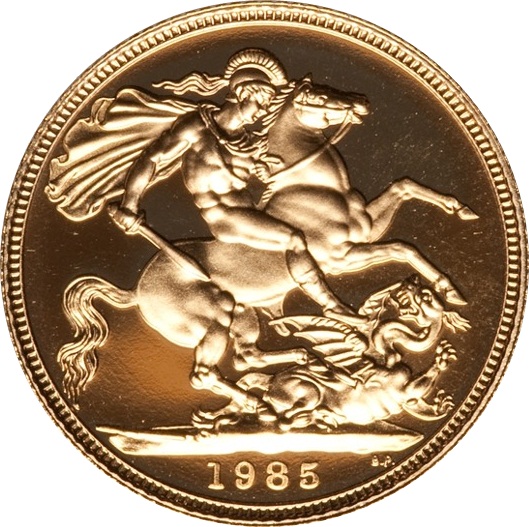
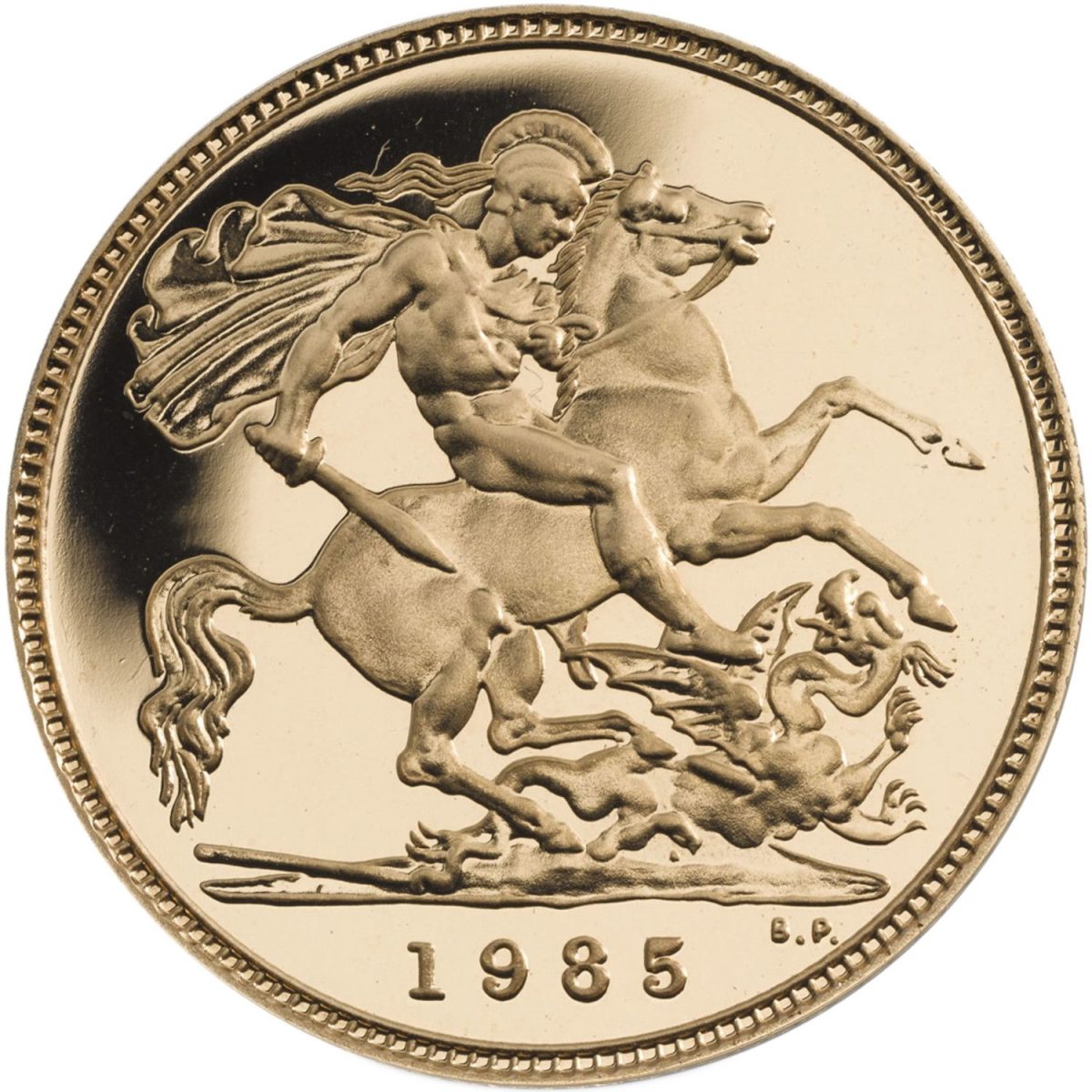
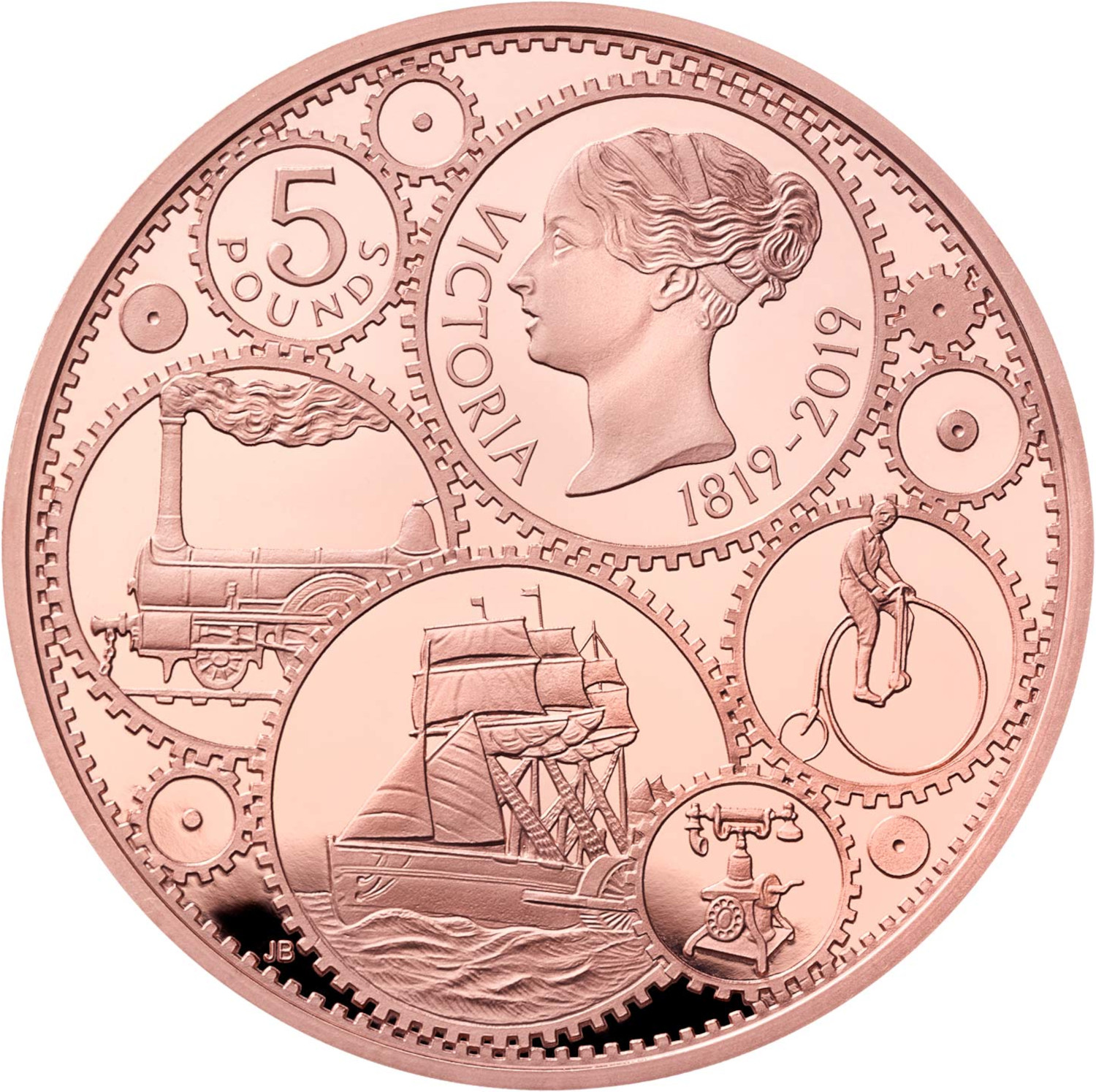
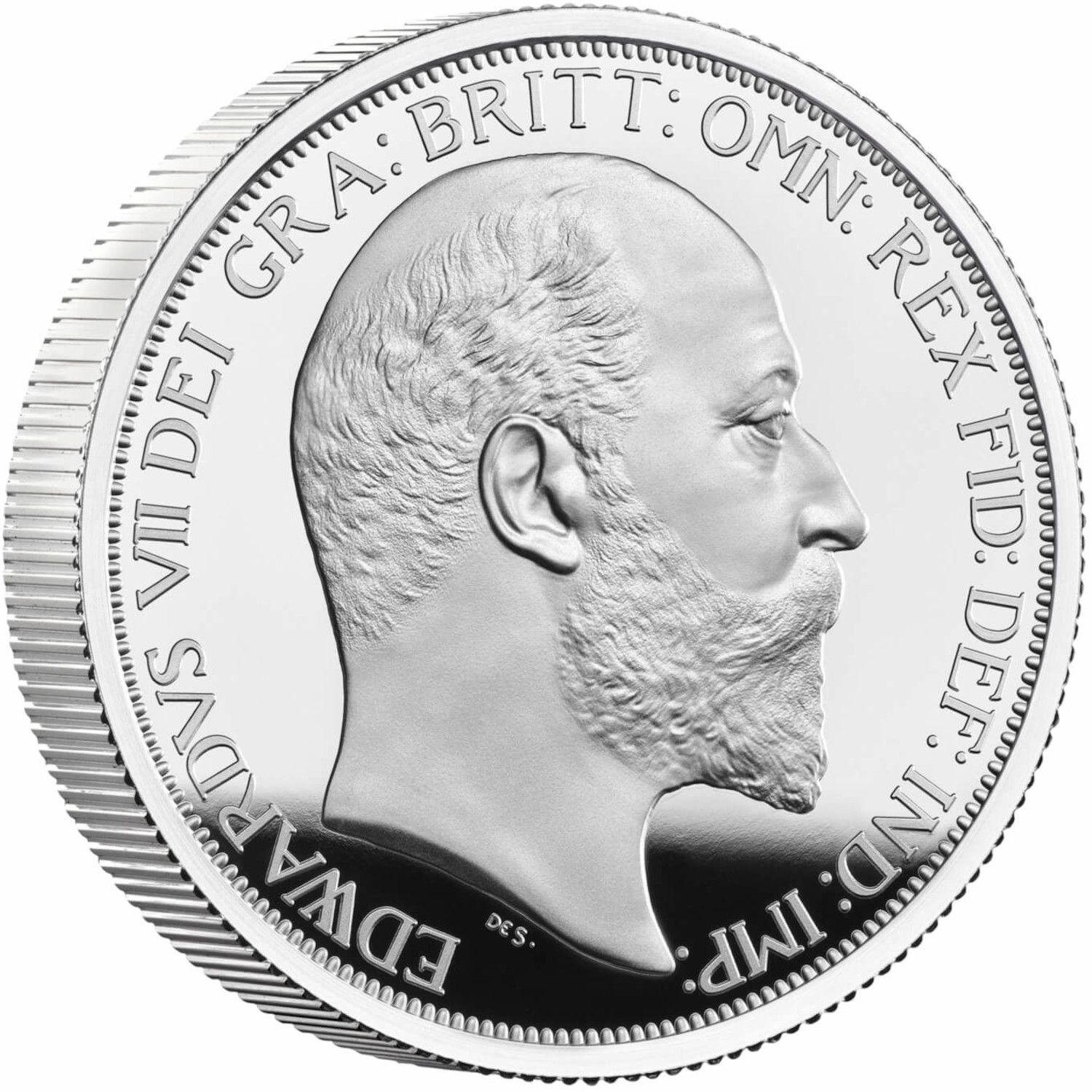
Featured coins on MyCoinage
Related guides
- BU vs UNC vs Proof Explained
- How to Grade a Coin (Sheldon scale)
- CGT-Exempt Coins UK
- Coin Collecting Glossary
- Coin Storage UK