Selling Inherited Coins UK 2026: Probate to Payment Walkthrough
Inheriting a coin collection is a common scenario that catches almost everyone unprepared. The legal mechanics (probate, IHT) take weeks, the valuation process is non-obvious, the right venue depends on the collection’s composition, and there are several costly mistakes that are easy to make in the first 48 hours (cleaning, splitting sealed sets, accepting the first dealer offer). This guide walks the full sequence from grant of probate to payment received, with specific numbers and named UK venues at every stage.
- First 48 hours: don’t do this
- Probate timeline and what you can do while waiting
- UK tax: IHT during probate, CGT on later sale
- Getting a professional valuation
- Matching venue to value bracket
- Insurance for inherited collections
- Foreign coins: a different market
- Featured rare coins in our catalogue
- FAQ
First 48 hours: don’t do this
Three irreversible mistakes that significantly destroy collection value:
- Do not clean any coin. Cleaning is the single most common mistake and the most costly. Original surface toning is part of the coin’s grade. Polished or chemically-treated coins are graded “Cleaned” by PCGS/NGC and typically realise 50% of equivalent untouched material. The only acceptable handling is a brief warm-water-and-mild-soap rinse to remove loose dirt, nothing more, ever.
- Do not open sealed Royal Mint presentation packs. The original packaging, the Certificate of Authenticity, and the sealed condition together typically add 15–30% to realisable price. A £200 silver Piedfort in original sealed Royal Mint capsule is £140 loose.
- Do not accept the first dealer offer. Honest dealers exist, but the bid-ask spread on numismatic material is wide. A £5,000 collection routinely produces dealer offers ranging from £2,000 to £3,500 across three or four houses. Get at least two valuations before committing to any sale.
Probate timeline and what you can do while waiting
Grant of Probate (or Letters of Administration if there’s no will) is required before selling estate assets above approximately £5,000 in value. The standard UK timeline:
| Stage | Typical time | What you can do |
|---|---|---|
| Death registration to probate application | 2-6 weeks | Locate the will; identify executor; secure the coins |
| Probate application review | 8 weeks (median, HMCTS) | Photograph collection; request free dealer valuations; arrange specialist insurance |
| Grant of Probate issued | Variable | Estate assets can now legally be transferred |
| Sale to payment | 4-12 weeks depending on venue | Auction consignment cycle; dealer turnaround; eBay listing |
Total elapsed time from death to bank-cleared payment: typically 4–9 months. While probate is in process you cannot legally sell estate assets above the small-items threshold, but you can do every preparatory step.
UK tax: IHT during probate, CGT on later sale
Two distinct taxes apply. Inheritance Tax (IHT) is paid by the estate before distribution, at 40% on the value above the £325,000 nil-rate band (or £500,000 if the family home passes to direct descendants). The executor handles the IHT calculation; you do not pay it personally as the recipient. Coin collections are valued at probate-date market value, which means a professional valuation is in your interest to get right (under-valuation can be challenged by HMRC).
Capital Gains Tax applies later, when you sell the coins, on any gain above the annual exemption (£3,000 for 2026–27). Crucially, UK gold sovereigns dated 1837 onwards and gold Britannias are CGT-exempt because they remain legal tender (HMRC manual CG78308). This is the single biggest tax advantage of UK gold coinage. Pre-1837 sovereigns, foreign gold (Krugerrands, US Eagles), and all silver / cupronickel coins are subject to standard CGT on gain.
Getting a professional valuation
For any collection estimated above £1,000, get a free initial valuation from a UK auction house. The three best-positioned firms for UK numismatic material:
- Baldwin’s of St James’s (London), specialists in Sovereigns, hammered, world gold. Free initial assessment via the website; in-person valuations at the London premises.
- Spink (London), British numismatic auction house, historically the strongest for high-grade rare-date sovereigns and pattern coinage.
- Noonans (London), formerly Dix Noonan Webb; broad numismatic coverage including modern UK commemoratives.
All three publish realised-price archives you can use to cross-check valuations. For modern UK commemorative material under £500 per coin, Change Checker or Coincraft provide faster (if narrower) assessments. Royal Mint Museum offers historical and authentication help but not commercial valuation.
Matching venue to value bracket
| Per-coin value | Best venue | Why |
|---|---|---|
| Under £50 | eBay UK sold auction | Most liquid for common modern UK commemoratives |
| £50–£500 | eBay or specialist dealer (Change Checker, Coincraft) | Faster turnaround than auction; tighter spread on modern material |
| £500–£5,000 | UK auction (Baldwin’s, Spink, Noonans) | Wider bidder pool; published realisations defensible for IHT/CGT |
| £5,000+ | International auction (Heritage US, Numisor EU) | Global bidder reach for rare-date sovereigns, patterns, pre-1837 material |
| Bulk junk silver / scrap | UK bullion dealer (Chards, BullionByPost, Atkinsons) | Quick payment at silver spot minus 1–3% |
Insurance for inherited collections
Standard UK home contents policies cap single-item value at £1,500–£2,500 and the “valuables” sub-limit at £5,000–£15,000. These limits are wildly inadequate for any collection containing high-grade pre-1900 material or rare-date sovereigns. A single 1819 George III sovereign in PR-62 (£180,000+) would be catastrophically under-insured.
Specialist collector insurers offer “scheduled” (named-item) cover at typically 0.5–1.5% of insured value per year:
- T.H. March, long-established UK jewellery and collectibles insurer; competitive pricing for collections.
- Hagerty UK, collectibles specialist; integrated valuation services.
- Hiscox, broader high-value contents policies; familiar with numismatic schedules.
All three price off a written valuation. The MyCoinage insurance PDF export produces a timestamped inventory in the format underwriters expect.
Foreign coins: a different market
UK collections often include foreign material that local dealers undervalue. The categories that matter:
- US silver dollars (Morgan 1878–1921, Peace 1921–1935), large dollar-denominated silver coins, deeply collected in the US. Sell via Heritage Auctions for highest realisations.
- European gold, French napoleons (6.45 g), Swiss vrenelis (6.45 g), German 20 marks (7.96 g). Bullion floor plus collector premium; sell via Numisor or specialist EU dealers.
- Commonwealth sovereigns, Sydney (S), Melbourne (M), Perth (P), Ottawa (C), Bombay (I), Pretoria (SA) branch mints. Some Commonwealth dates are rarer than London equivalents; check our sovereign mint-marks guide before selling.
- Krugerrands and modern bullion, sell at gold spot minus 1–3% to UK bullion dealers; no numismatic premium worth waiting for.
Featured rare coins in our catalogue
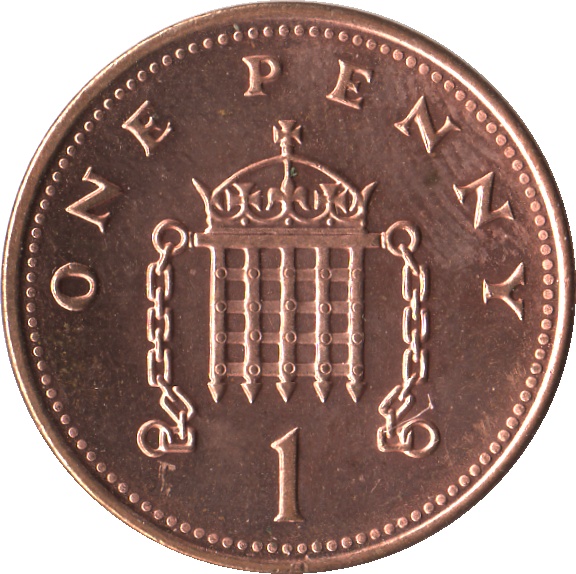
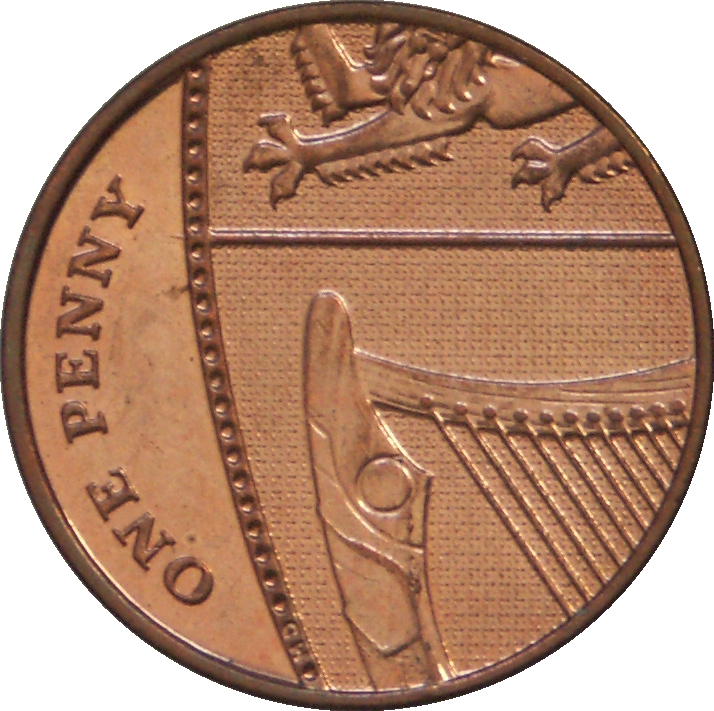
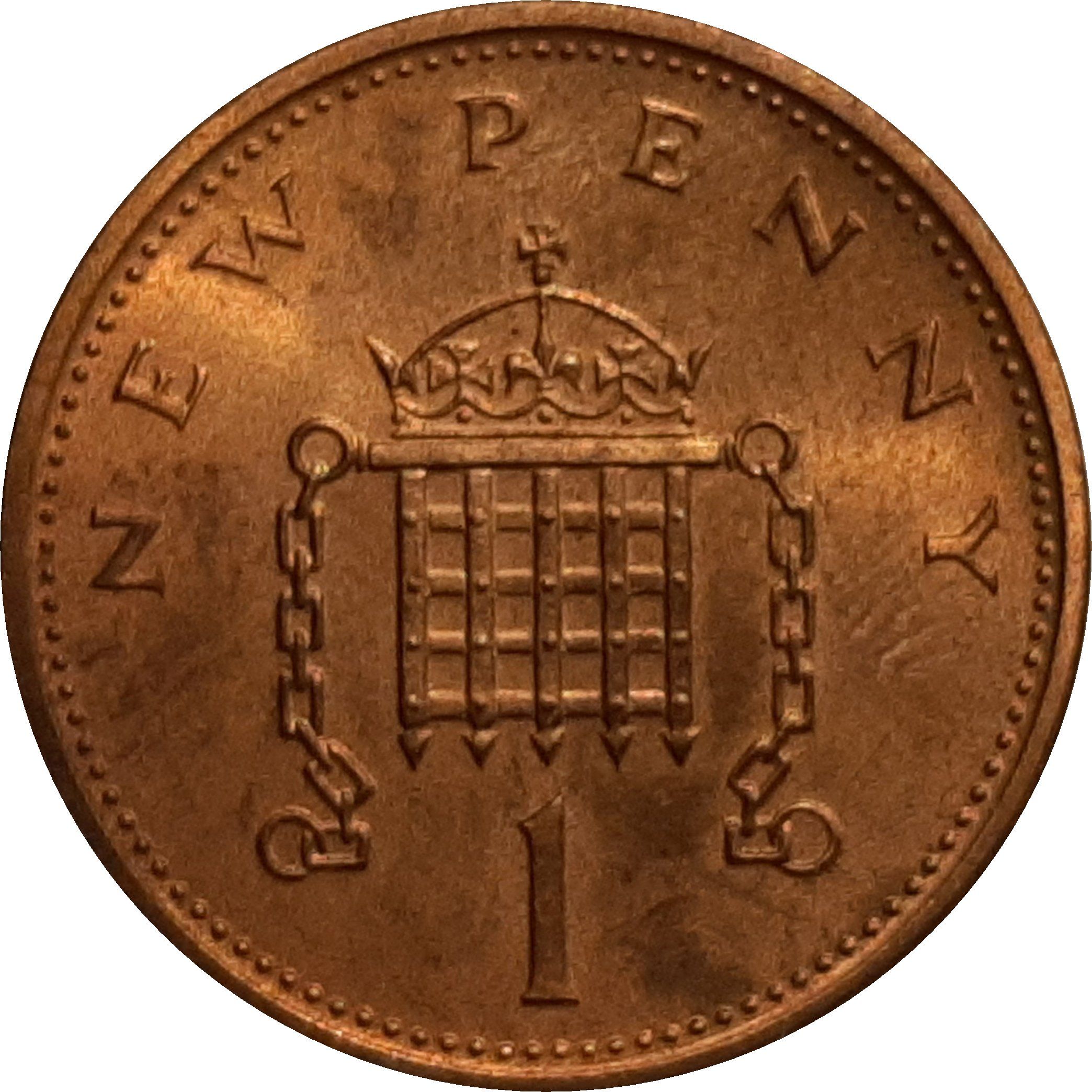
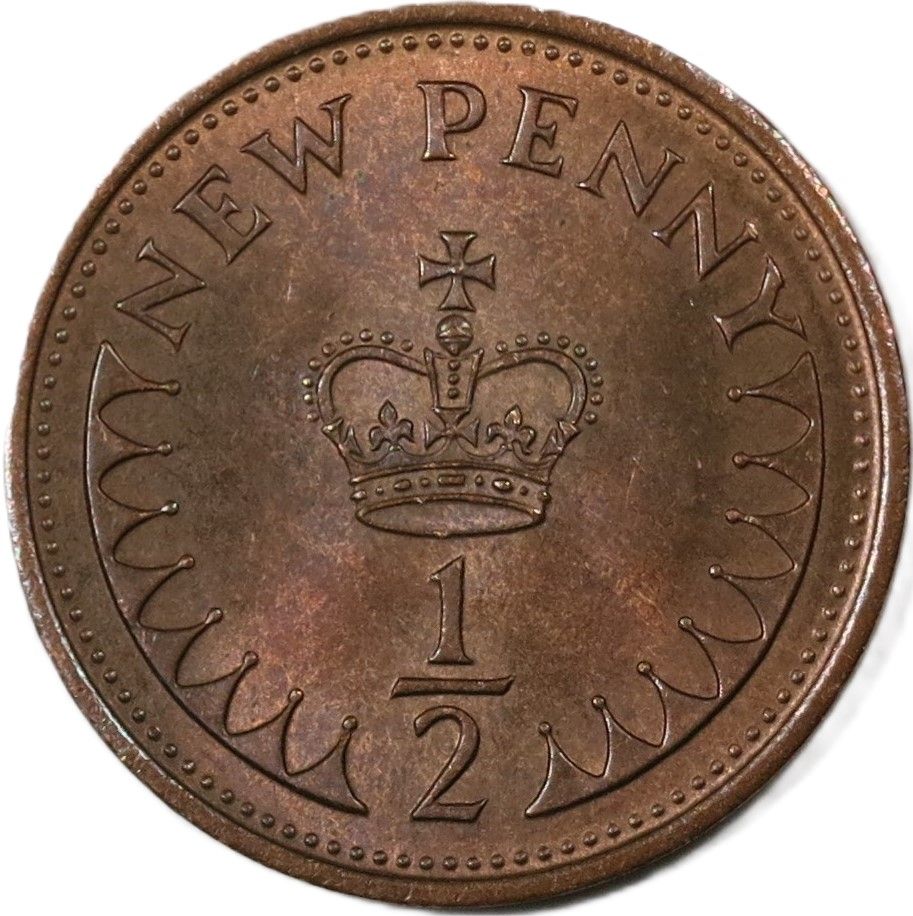
Frequently asked questions
Do I have to pay tax on inherited coins in the UK?
How do I value an inherited coin collection?
Should I sell inherited coins online or via auction house?
Should I clean inherited coins before selling?
How long does probate take before I can sell the coins?
Are my inherited coins covered by my home contents insurance?
What if the coins are in a Royal Mint presentation set?
What about foreign coins in the inherited collection?
Where can I get a free initial valuation?
Further reading
- Where to sell rare coins UK, venue-by-value comparison.
- Gold sovereign values UK, sovereigns are the most common high-value inheritance item.
- Rare UK coins list, headline rarities by realised auction price.
- How to grade a coin, the prerequisite for any valuation.
- Auction house comparison UK, commissions and turnaround.