Britannia 1oz Silver £2 Bullion: Complete Guide 2026
The Britannia 1oz fine silver £2 has been the Royal Mint\'s flagship silver bullion coin since 2015. Each coin contains exactly one troy ounce of .999 fine silver and is legal tender at £2 face value, making it exempt from UK Capital Gains Tax for private investors. This is the year-by-year reference: design changes, mintages, melt calculations, authentication and the Royal Mint Latent Security Feature.
Where to buy 1oz silver Britannias in the UK
UK dealers stocking current-year and back-year silver Britannias.
We list reputable UK bullion dealers we'd happily buy from ourselves. Some links may earn us a small commission at no cost to you, it helps keep MyCoinage free.
The series: Britain\'s answer to Eagle and Maple
The silver Britannia was the Royal Mint\'s response to the success of the American Silver Eagle (US Mint, 1986 onwards) and the Canadian Silver Maple Leaf (Royal Canadian Mint, 1988 onwards): a regularly issued, legal-tender, fine-silver bullion coin in 1oz format aimed at private investors and stackers. The gold Britannia launched in 1987; silver Britannias appeared in collector sets from 1997, then transitioned in 2013 from .958 Britannia-alloy silver to .999 fine silver, and stabilised as a high-volume annual bullion programme from 2015.
Each year the Royal Mint commissions a different Britannia portrait for the reverse, while the obverse carries the standard portrait of the reigning monarch. Mintages typically run 1.5–3 million per year for the bullion strike, with a separate proof issue in much smaller numbers (5,000–10,000) for the collector market.
Britannia 1oz silver specifications
| Property | Value |
|---|---|
| Weight | 31.10 g (1 troy ounce) |
| Pure silver content | 31.10 g (1 troy ounce, .999 fine) |
| Fineness | .999 (99.9% pure silver) |
| Diameter | 38.61 mm |
| Thickness | 3.00 mm |
| Edge | Milled, no inscription |
| Face value | £2 (legal tender) |
| Tax status | CGT-exempt; VAT-exempt as investment silver |
Live bullion calculation
Bullion value of one Britannia 1oz silver coin tracks the live silver spot price. Using the latest LBMA reference rate held in our database:
| Item | Pure silver | Bullion value (today) |
|---|---|---|
| Britannia 1oz silver £2 | 31.10 g (1 troy oz) | £49.24 |
| Tube of 25 Britannias (sealed) | 777.5 g (25 troy oz) | £1,231 |
| Monster box of 500 (sealed Royal Mint case) | 15.55 kg (500 troy oz) | £24,620 |
Bullion calculated live from the latest LBMA-tracked silver spot held in our database (£49.24/oz, 17 September 2026). Dealer buy-back is typically spot − 1–5%; sell premium is typically spot + 12–25% on new-issue coins. See the LBMA daily fix for the reference price.
Year-by-year design list 2015–present
The 1oz silver bullion Britannia has carried a different reverse design each year (with some multi-year reuse). Mintages for bullion strikes typically run 1.5–3 million.
| Year | Reverse designer / theme | Bullion mintage | Notes |
|---|---|---|---|
| 2015 | Antony Dufort Britannia (classical) | ~2,250,000 | First year of new annual programme |
| 2016 | Suzie Zamit Britannia (modern) | ~2,500,000 | Edge inscription "DECUS ET TUTAMEN" |
| 2017 | Louis Tamlyn 30th-year teaser | ~3,000,000 | Pre-anniversary issue |
| 2018 | Philip Nathan original portrait reprise | ~2,500,000 | 30th anniversary series; collectable |
| 2019 | Philip Nathan continued | ~2,250,000 | Standard reverse |
| 2020 | P. Nathan with first Latent Security Feature | ~2,000,000 | "1OZ" hologram introduced |
| 2021 | Jody Clark new Britannia | ~2,250,000 | Modern reverse refresh |
| 2022 | P. Nathan classic; QEII memorial year | ~2,500,000 | Final full Elizabeth II issue |
| 2023 | P. Nathan; Charles III obverse transition | ~2,000,000 | First Charles III silver Britannia |
| 2024 | P. Nathan; full Charles III Martin Jennings obverse | ~1,800,000 | Coronation series |
| 2025 | P. Nathan continued | est. 1,800,000 | Standard reverse |
| 2026 | P. Nathan continued | tbc | Current year |
Mintage figures from Royal Mint annual reports and bullion-coin programme disclosures. Recent-year figures are estimates pending final reporting; check the Royal Mint product page for the current-year figure.
Bullion versus proof: the key distinction
The same Britannia design is issued in two distinct production formats, and confusing the two is the most common pricing mistake when buying or selling silver Britannias:
- Bullion strike. Standard finish, no special packaging beyond Royal Mint plastic tube of 25 or monster box of 500. Mintage 1.5–3 million. Sold by dealers and the Royal Mint at low premium over silver melt (spot + 12–25%). Trades close to silver value on resale. This is the right choice for stacking and CGT-efficient silver exposure.
- Proof issue. Mirror fields, frosted relief, individually capsuled in presentation boxes with certificate of authenticity. Mintage typically 5,000–10,000. Sold by the Royal Mint at £100–£200 retail. Trades on the secondary market at proof premium, usually 50–200% above silver value depending on year and condition. This is the right choice for numismatic collecting, not bullion stacking.
A casual eBay search for "silver Britannia" returns both formats mixed together; check the listing carefully for "proof" and original packaging before paying proof prices.
Authentication and the Latent Security Feature
The Royal Mint introduced its Latent Security Feature on bullion Britannias from 2017–2018 onwards: a micro-engraved area on the reverse that reveals different motifs depending on the angle of view. Tilt the coin slowly and you should see a tiny "1OZ" appear and disappear, alongside a padlock or trident motif depending on year. The feature is visible without magnification but easier to verify with a 10× loupe.
Standard authentication tests for Britannia silver:
- Weight. 31.10 g ± 0.05 g on a calibrated jewellery scale. Lighter than 30.95 g, suspect.
- Diameter. 38.61 mm with calliper.
- Thickness. 3.0 mm. Counterfeits often run 0.1–0.3 mm thick to compensate for low-density alloys.
- Magnet test. Pure silver is fully non-magnetic. A strong rare-earth magnet should not move the coin at all. Steel-cored or zinc-alloy fakes pull immediately.
- Ping test. Balance the coin on a fingertip and tap with another coin. Pure silver rings clearly with a sustained note; alloy fakes thud.
- Latent Security Feature (2017+). Tilt under a light source. The "1OZ" or padlock motif should appear and disappear cleanly.
Tax: CGT-exempt and VAT-free
Britannia silver coins enjoy two specific UK tax exemptions that make them the most tax-efficient silver investment available to UK private investors:
- Capital Gains Tax exemption. All Britannia silver coins from 1987 onwards are legal tender at face value and exempt from CGT under HMRC manual CG78308. Any gain is tax-free regardless of size. This is the headline advantage over American Silver Eagles, Canadian Silver Maples and silver bars, which are all subject to CGT on gains over the annual allowance.
- VAT-free as investment silver. Although silver is generally subject to VAT in the UK, .999 fine silver coins of qualifying purity can be sold VAT-free as investment silver under specific dealer arrangements. The Royal Mint sells Britannias under the VAT margin scheme so the buyer pays VAT only on dealer margin, not on silver content.
- Inheritance Tax. Britannias are not exempt from IHT. Their value at date of death forms part of the estate. CGT exemption survives the holder; IHT does not.
Where to buy and sell Britannia silver
Buying new-issue current-year coins
- The Royal Mint Bullion , first-party, slightly higher premium but no authentication risk, and the Royal Mint runs frequent promotions on Britannia bulk orders.
- BullionByPost , major UK bullion dealer with live spot pricing; tubes and monster boxes typically cheapest by 3–5% over Royal Mint direct.
- Atkinsons , Birmingham bullion dealer with very tight spreads on Britannia tubes.
- Chards , Blackpool dealer; published live buyback rates.
Selling Britannia silver
For bullion-strike Britannias, sell to a UK bullion dealer running a buyback programme. Expected rate is spot − 1–5% for sealed tubes, slightly less for loose individual coins. Get quotes from at least two dealers. For proof Britannias and limited issues with original packaging, consign to a specialist auction or list on eBay UK with original boxes and certificate. Spink and Baldwin\'s handle proof Britannias regularly. Noonans accepts strong-grade material on consignment.
Featured Britannia coins on MyCoinage
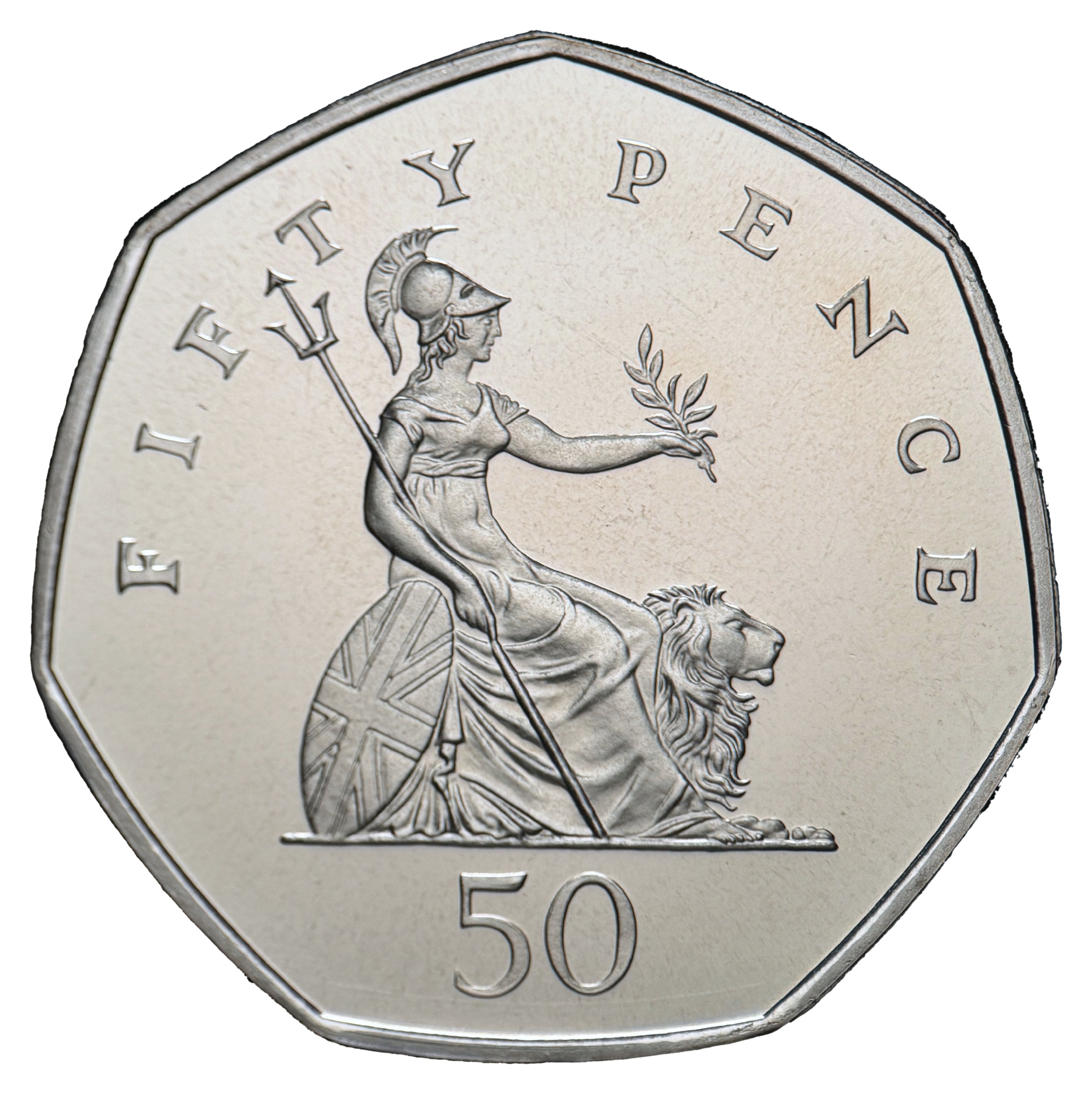
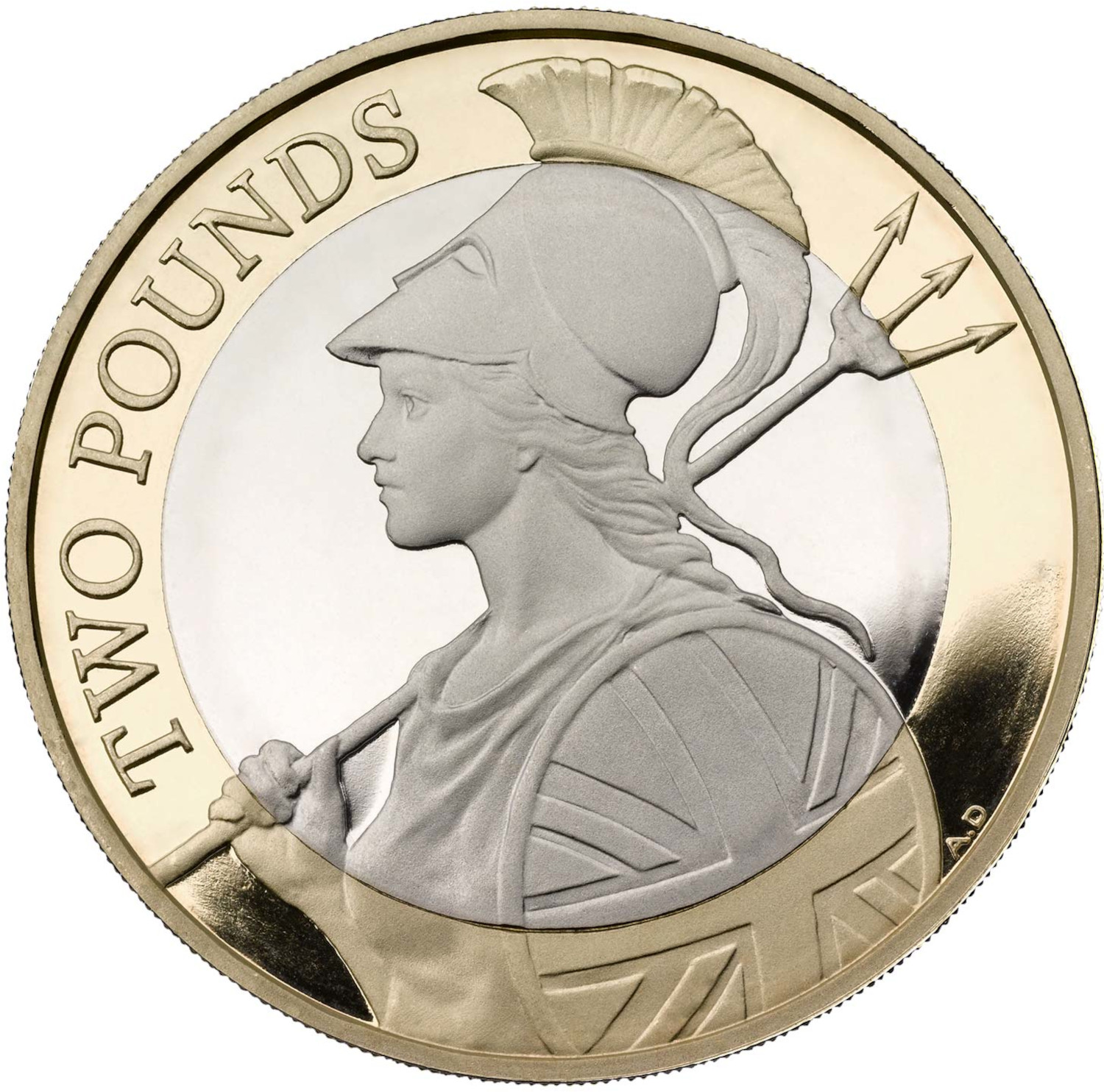
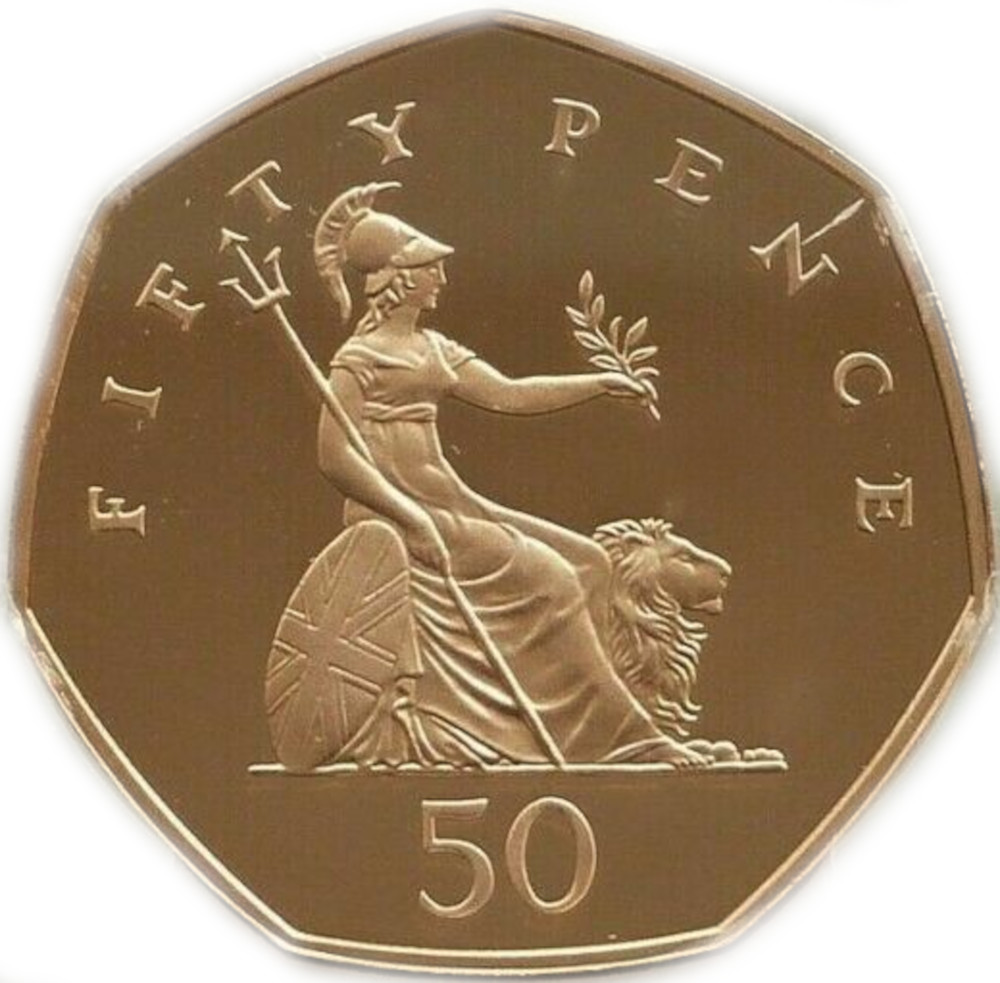
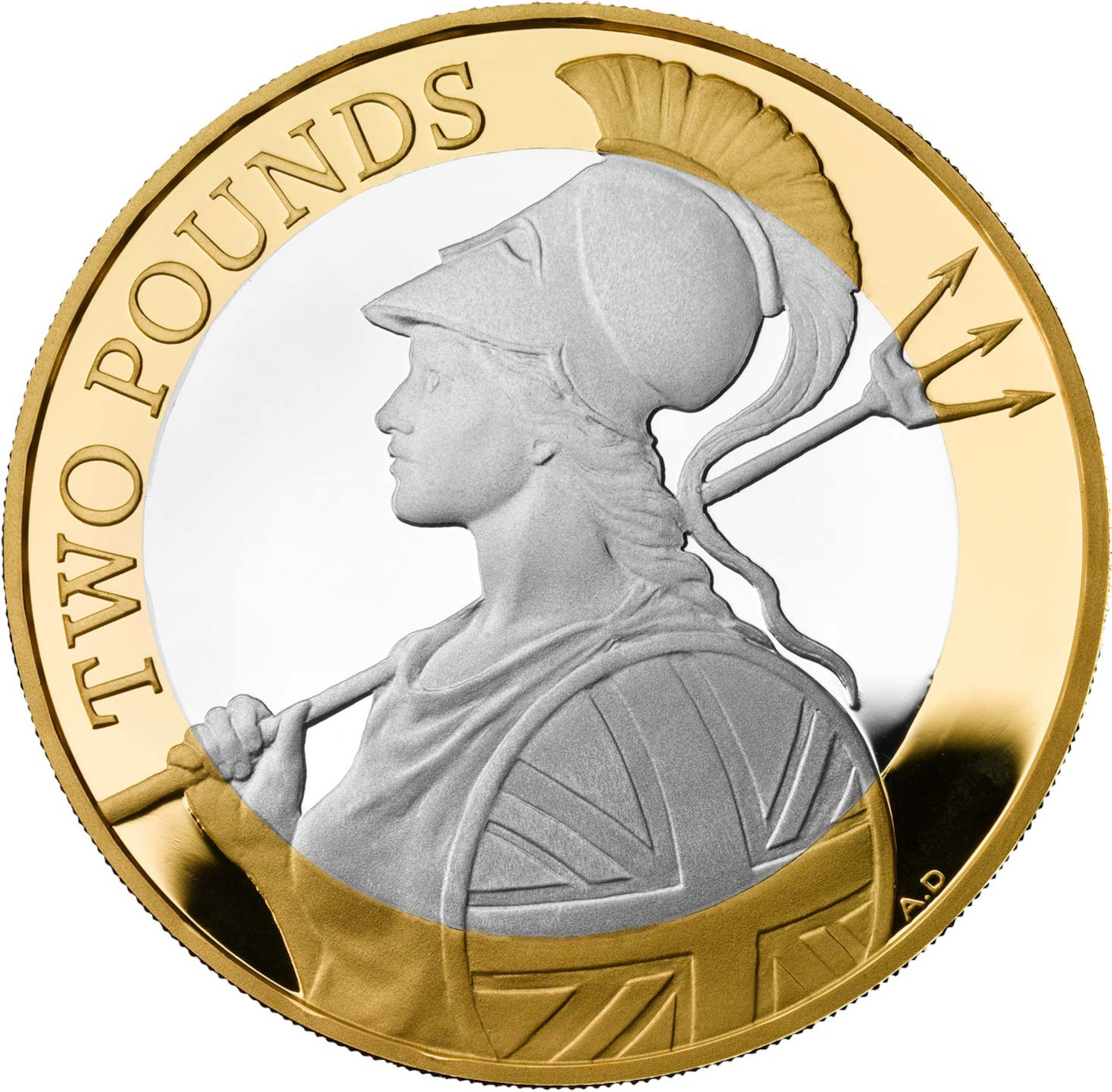
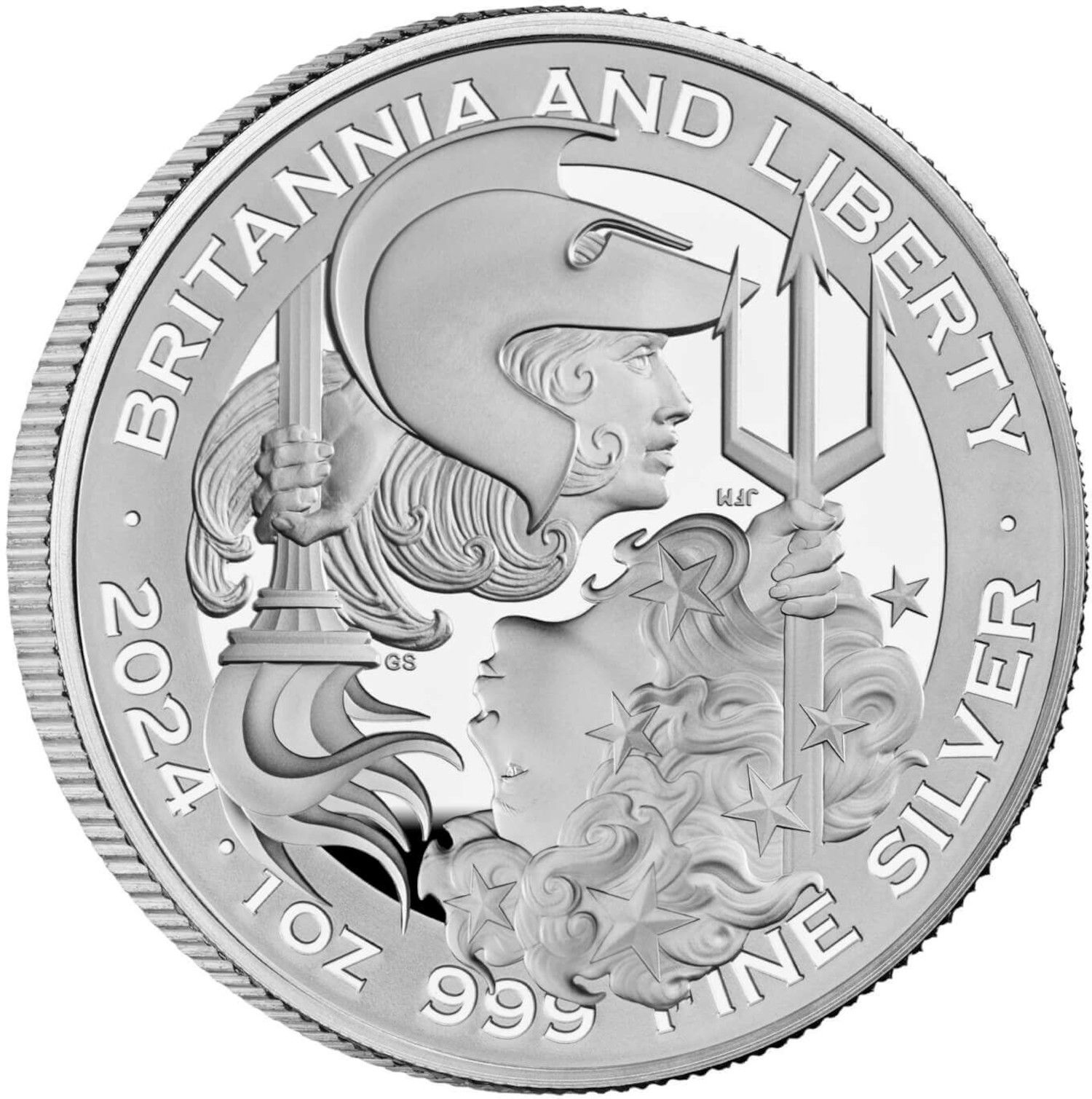
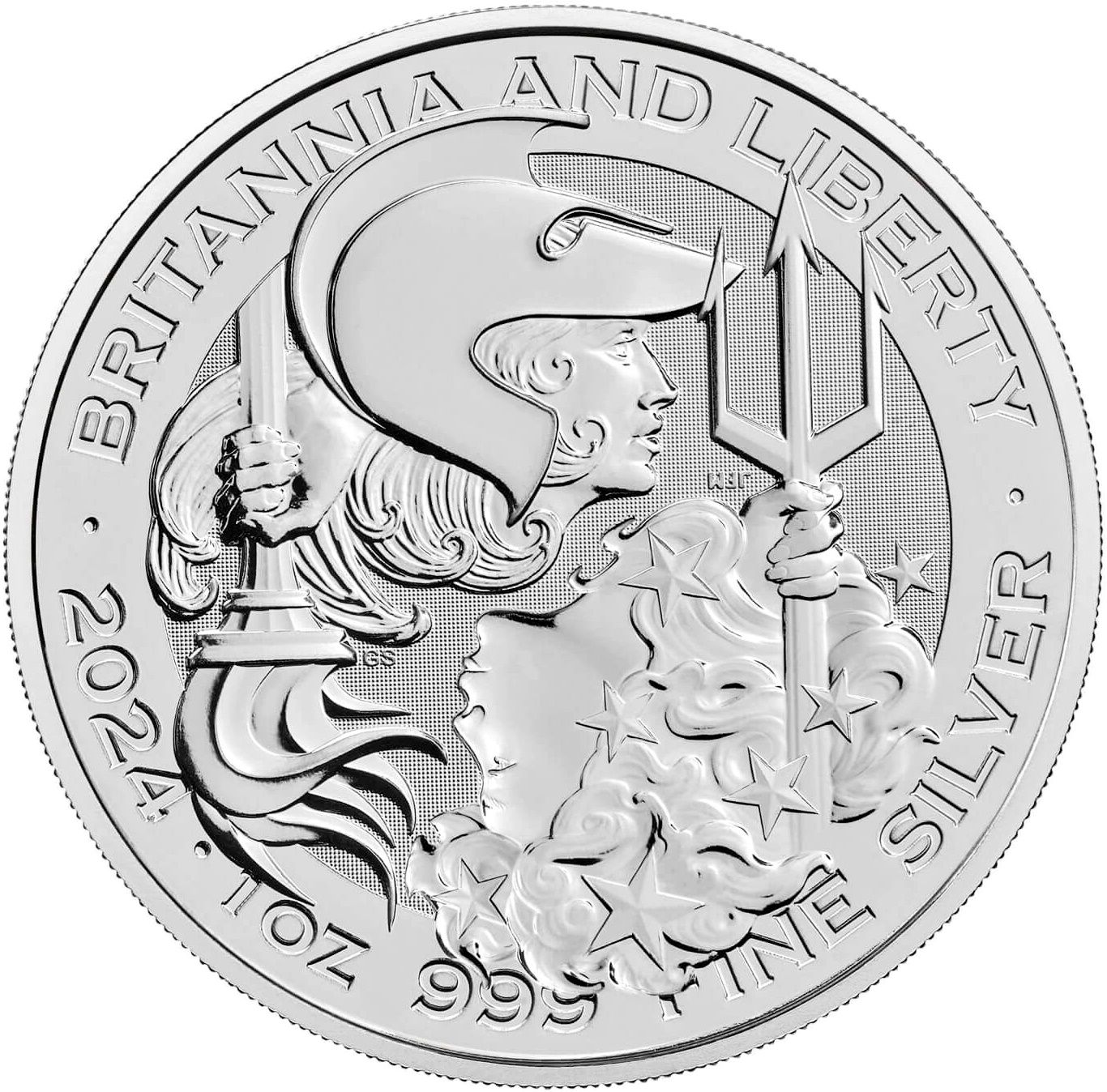
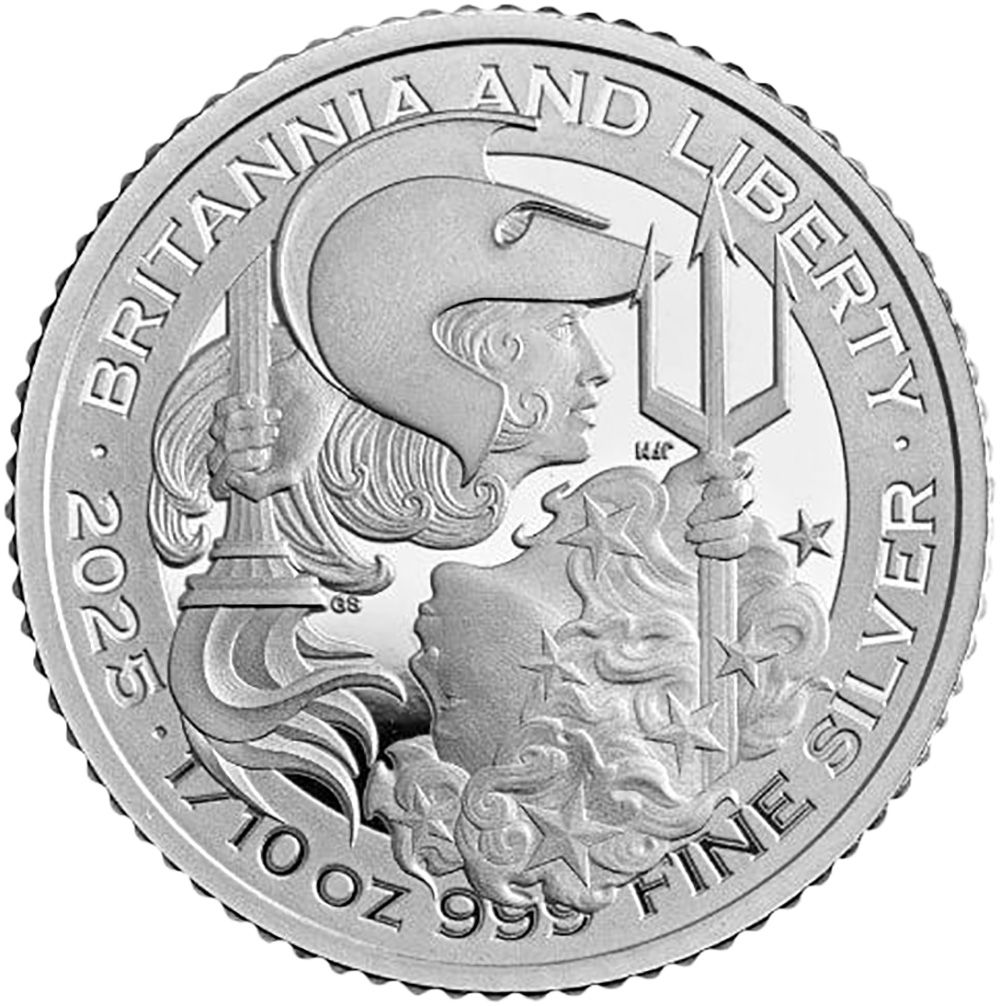
Browse every £2 in our database →
Frequently asked questions
What is the Britannia bullion £2?
How much is a Britannia 1oz silver £2 worth?
Are Britannia silver coins CGT-free?
When did the Britannia silver bullion series start?
What is the difference between a bullion Britannia and a proof Britannia?
How do I authenticate a Britannia silver coin?
Are older bullion Britannias worth more than newer ones?
What are the design themes for each year?
Are Britannias good for stacking?
Can Britannia silver coins go up in value as collectables?
Where should I buy Britannia silver?
What is the Britannia obverse?
Further reading
- Rare £2 coins UK (top 15 ranked), the bimetallic circulating £2 reference.
- 2002 Commonwealth Games £2, the rarest circulating £2 deep-dive.
- £2 edge inscription errors, orientation errors on the bimetallic series.
- £2 coin values UK (overview), the general £2 reference.
- Gold sovereign values, the equivalent CGT-exempt gold guide.
- Coin collection insurance UK, covering bullion holdings.
- The Royal Mint, first-party Britannia product reference.
- LBMA daily silver fix, the reference spot price.