Sovereign vs Krugerrand: Which UK Gold Coin Wins?
The Krugerrand is the world's most-traded bullion gold coin; the British sovereign is the UK collector's gold-coin staple with 200+ years of history. For UK-resident investors, the choice between them comes down to one major factor: capital-gains tax. Sovereigns are UK legal tender and therefore CGT-exempt indefinitely; Krugerrands are foreign coinage and fully subject to UK CGT. This guide covers the side-by-side comparison, the bullion-premium maths, and when each makes sense.
What is a sovereign?
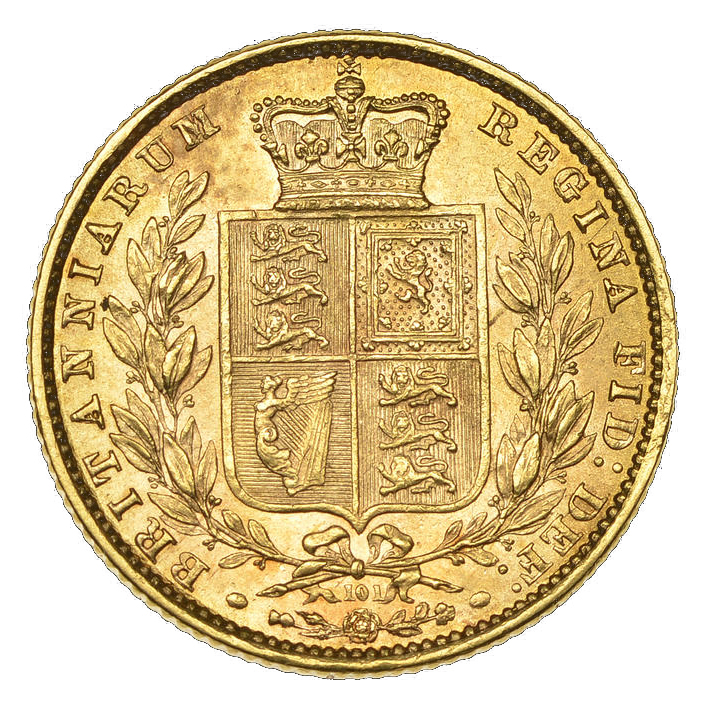
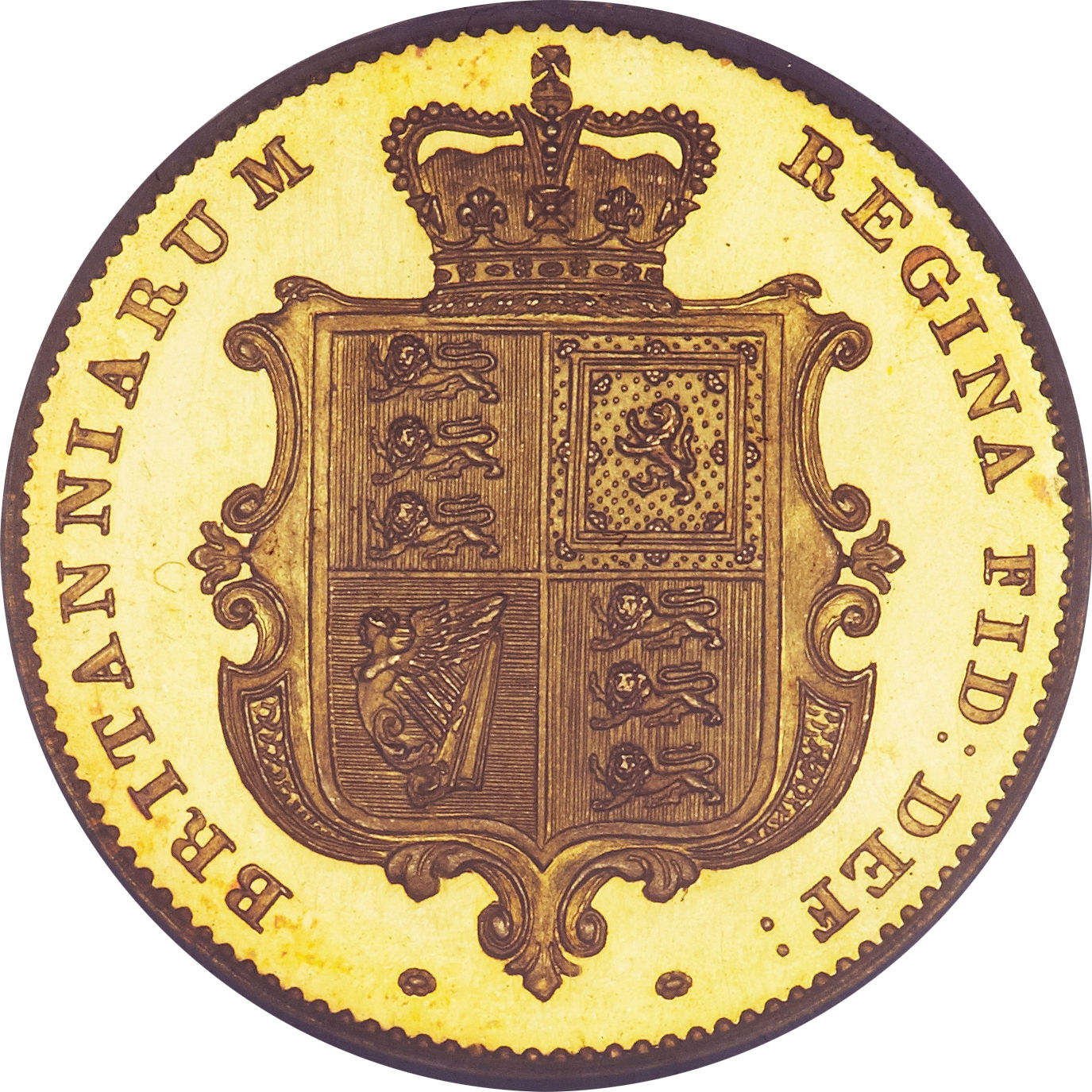
The British gold sovereign is a 22-carat gold coin with face value £1, struck almost continuously by the Royal Mint since 1817. The modern specifications: 7.988 g total weight, 22.05 mm diameter, 7.32 g of pure gold (0.2354 troy ounces) at .9167 fineness. The remaining 0.668 g is copper, added to harden the alloy for circulation use.
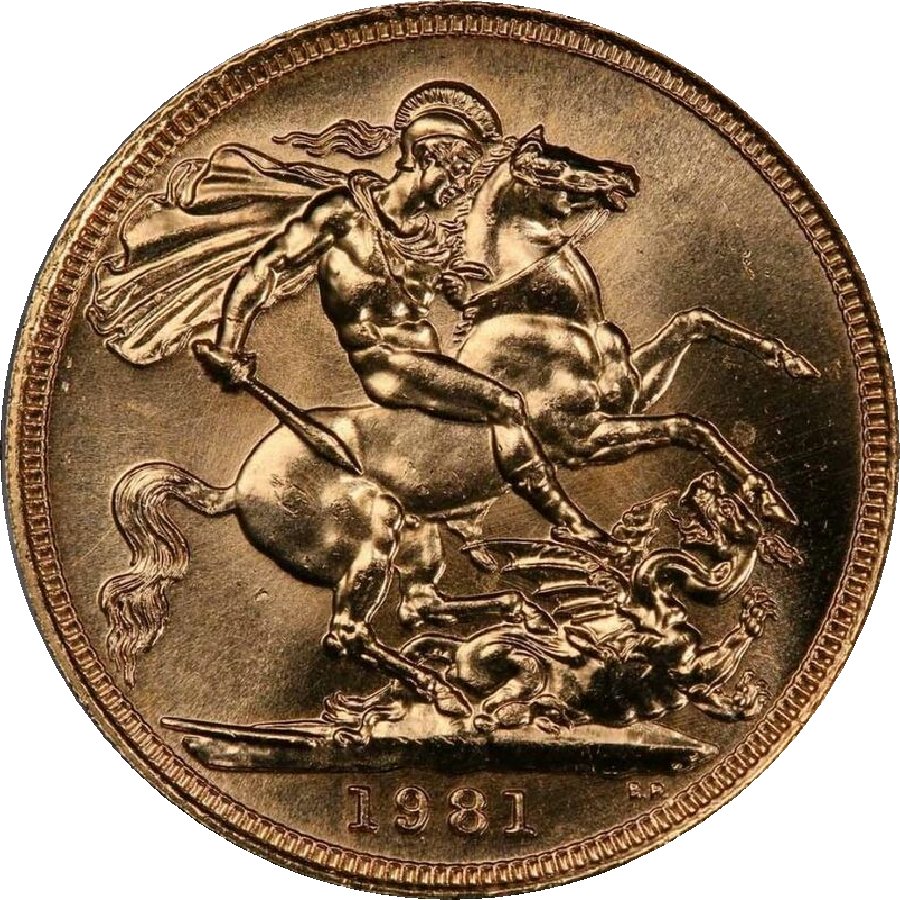
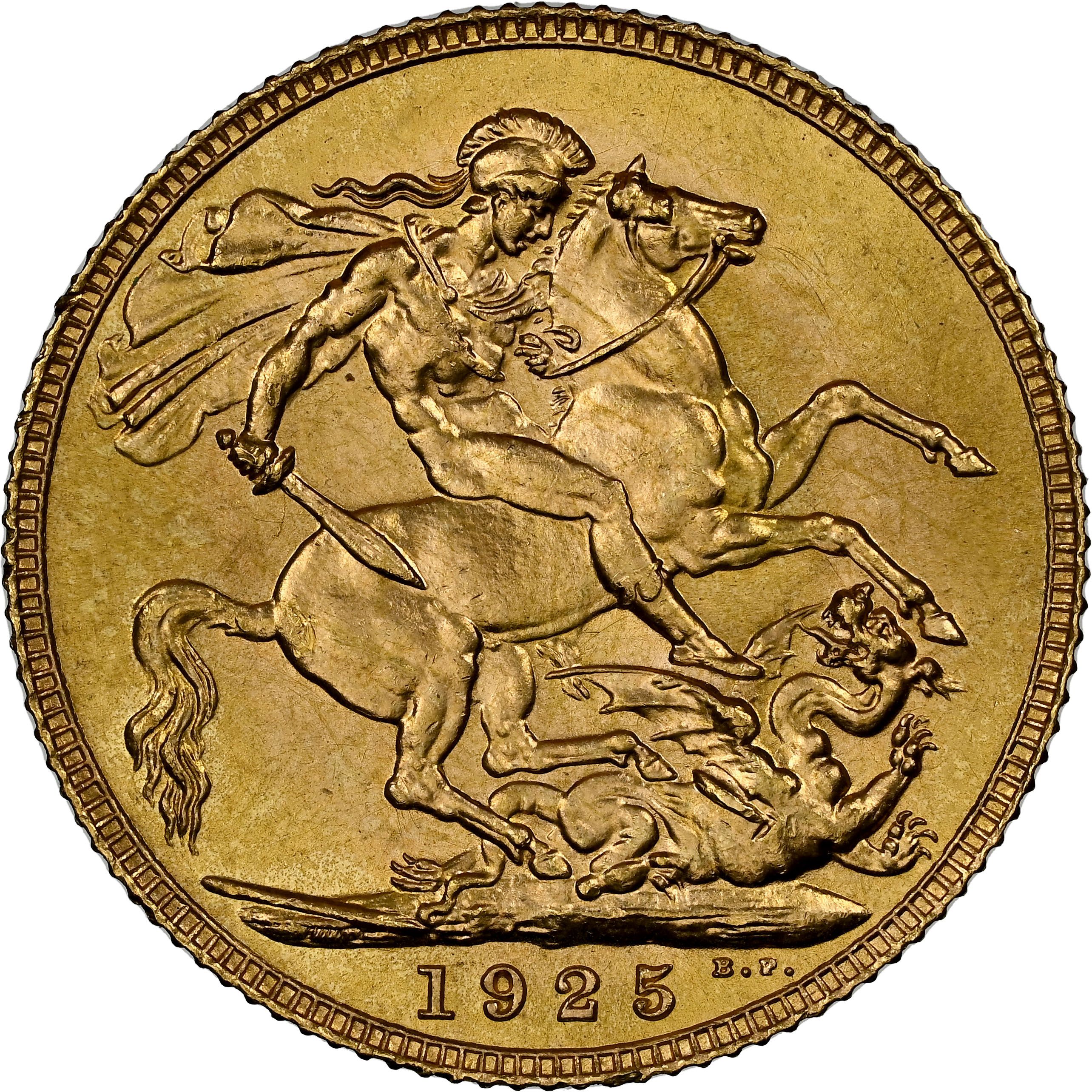
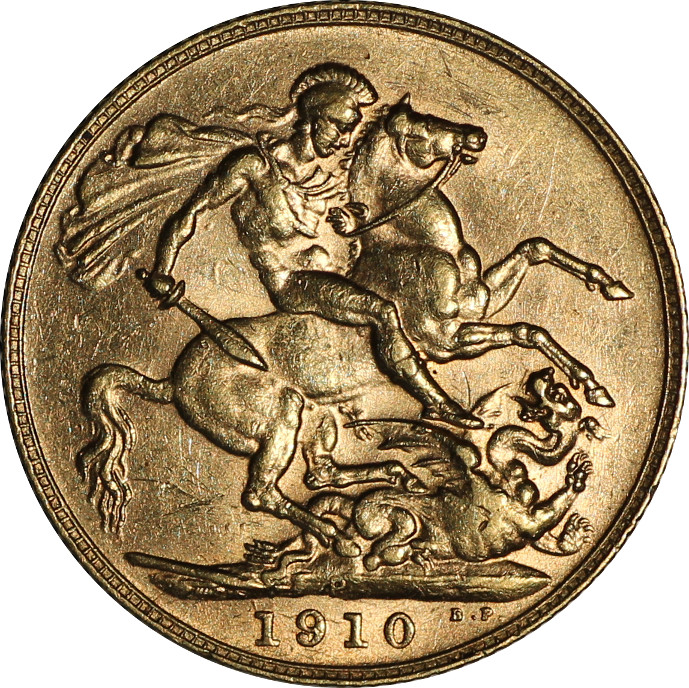
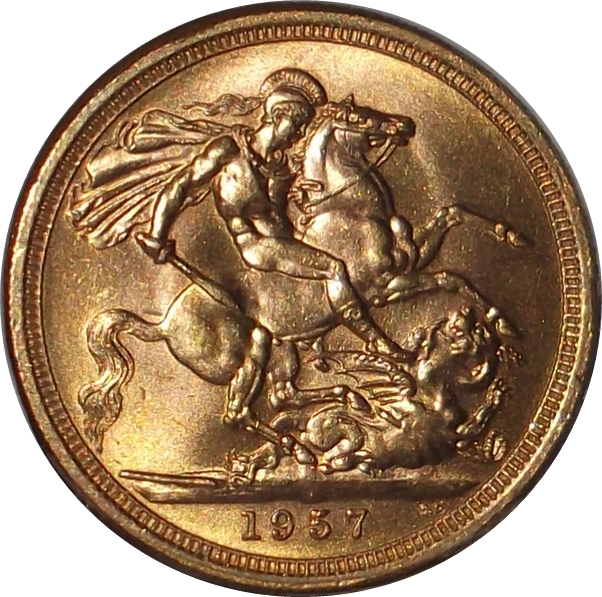
Designs are simple and stable: the reigning monarch on the obverse, Benedetto Pistrucci's St George and Dragon on the reverse for most issues since 1817. The sovereign series has run through seven monarchs (George III, George IV, William IV, Victoria, Edward VII, George V, George VI, Elizabeth II, Charles III) plus six branch mints (London, Sydney, Melbourne, Perth, Bombay, Pretoria, Ottawa) over more than 200 years.
For the UK investor, the critical features are: UK legal tender status (which triggers CGT exemption); a deep numismatic infrastructure (UK auction houses, BNTA-member dealers, PCGS/NGC grading); and a wide range of mintage scarcity from common-date bullion strikes to six-figure rarities. See our sovereign values UK guide for the full date-by-date pricing and our sovereign specifications guide for the technical detail.
What is a Krugerrand?
The Krugerrand is a South African gold coin first issued by the South African Mint in 1967. It was the first widely-traded modern bullion gold coin, the format that effectively invented the global retail bullion market. Modern specifications: 33.93 g total weight, 32.77 mm diameter, 31.10 g pure gold (1.000 troy oz) at .9167 fineness. The same 22-carat copper alloy as a sovereign, just sized to one full troy ounce of gold rather than a quarter.
The obverse shows Paul Kruger, president of the South African Republic 1883-1900; the reverse shows a Springbok antelope, designed by Coert Steynberg. The face value is symbolic only, the coin carries no nominal South African Rand denomination. The legal-tender status was conferred by the South African Reserve Bank in 1967 and remains in force today.
Variants: from 1980 onwards, the South African Mint added fractional Krugerrands at 1/2 oz, 1/4 oz and 1/10 oz. From 2017, a silver Krugerrand at 1 oz of .999 silver was introduced. The 1 oz gold Krugerrand remains the dominant format and is what is generally meant when the name is used unqualified.
The Krugerrand made global bullion-coin investing accessible. Before 1967, gold bullion meant gold bars (in approximately 400 oz LBMA Good Delivery bars), which were impractical for retail buyers. The Krugerrand's 1 oz round-number format was specifically designed for retail accessibility, and at its peak in the late 1970s and early 1980s, around 90% of the global gold bullion market was Krugerrands by volume.
Side-by-side comparison
| UK Sovereign | 1 oz Gold Krugerrand | |
|---|---|---|
| First issued | 1817 (modern), 1489 (Tudor original) | 1967 |
| Total weight | 7.988 g | 33.93 g |
| Pure gold content | 7.32 g (0.2354 oz) | 31.10 g (1.000 oz) |
| Fineness | 22-carat (.9167) | 22-carat (.9167) |
| Diameter | 22.05 mm | 32.77 mm |
| Face value | £1 UK legal tender | 1 oz South African legal tender (symbolic) |
| Typical UK premium over spot | 5-15% | 1-3% |
| UK CGT-exempt? | Yes | No |
| UK VAT? | Exempt (investment gold) | Exempt (investment gold) |
| Numismatic upside | Strong (200+ years of dates) | Limited (modern series only) |
| International liquidity | Moderate | Highest of any gold coin |
The CGT angle for UK investors
The single most important fact for UK-resident gold investors comparing these two coins: sovereigns are exempt from UK Capital Gains Tax; Krugerrands are not. This single difference usually outweighs every other factor in the comparison.
UK sovereigns dated 1837 onwards are legal tender of the United Kingdom and therefore fall under the legal-tender exemption codified in HMRC manual CG78308 (with the legal-tender exemption itself in section TCGA 1992 s.21(1)(b)). Any gain on the disposal of a UK legal-tender coin is exempt from CGT regardless of size, holding period, or transaction volume. There is no annual cap or limit on the exemption.
Krugerrands are South African legal tender. They are not UK legal tender. UK CGT therefore applies in full to any gain on a Krugerrand disposed of by a UK-resident taxpayer. For 2026/27 the rates are 10% basic-rate, 24% higher-rate, on gains above the annual exemption (currently £3,000).
The cumulative tax difference matters significantly over multi-year holds:
| Scenario | Sovereign tax | Krugerrand tax | Difference |
|---|---|---|---|
| 1 oz gold acquired 2024 at £1,800, sold 2030 at £3,000 Higher-rate taxpayer, £3k allowance used elsewhere |
£0 | £288 | £288 |
| 10 oz gold portfolio: same buy/sell prices and tax assumptions | £0 | £2,880 | £2,880 |
| 50 oz gold portfolio: same assumptions | £0 | £14,400 | £14,400 |
For a UK investor with a meaningful gold allocation (10+ oz) and a multi-year hold, the cumulative CGT saving from holding sovereigns instead of Krugerrands typically runs into the thousands of pounds. The saving is sufficient to overwhelm any plausible premium-over-spot advantage that Krugerrands offer.
See our CGT-exempt UK coins guide for the full list of UK legal-tender coins and the operational details of claiming the exemption.
International liquidity, when Krugerrand wins
The Krugerrand has one structural advantage no other gold coin matches: universal global recognition. Every gold dealer in every country recognises it. Bullion-dealer infrastructure in the United States, Germany, Switzerland, the UAE, Japan, Singapore and Hong Kong all carry Krugerrand inventory and offer competitive buyback rates.
Sovereigns by contrast have regional liquidity concentrated in the UK and Commonwealth. UK bullion dealers price sovereigns competitively. South African, Australian, Canadian and Indian dealers also handle them well (because of historical branch-mint connections). But US, German, and East Asian dealers price sovereigns more cautiously, spreads can widen 2-4% versus their Krugerrand spreads, simply because those dealers sell less sovereign volume per year.
Practical implications:
- If you hold gold for UK retirement / wealth purposes, sovereigns dominate. The CGT advantage compounds; the lower international liquidity is irrelevant because you sell in the UK.
- If you hold gold as portable wealth across borders (international expatriates, political-risk hedging, mobile professionals), Krugerrands win. The ability to sell at competitive rates anywhere globally outweighs any CGT consideration if you may not be UK-resident at the future point of sale.
- If you hold gold for emergency-use scenarios (war, currency collapse), Krugerrands edge ahead. Universal recognition matters most when sophisticated authentication infrastructure may not be available. A Krugerrand is recognised by sight by most adults globally; a sovereign is recognised by smaller fractions outside the UK.
For the typical UK investor whose holding-and-disposal context is the UK, this advantage is largely theoretical. For a small subset of internationally mobile or hedge-driven investors, it's real.
Premium-over-spot comparison
Premium over spot is the percentage above the gold-content value that you actually pay (or receive) when buying or selling the coin. The two coins have meaningfully different premium structures.
| Coin / variant | Buy premium (UK dealers) | Sell premium (UK dealers) | Spread |
|---|---|---|---|
| 1 oz Krugerrand (common) | +2-5% over spot | spot −1-2% | 3-7% |
| Sovereign (common-date Elizabeth II / Charles III) | +4-9% over spot | spot −1-3% | 5-12% |
| Sovereign (Victorian Veiled Head, common) | +8-15% | spot −1-3% | 9-18% |
| Sovereign (branch-mint, scarce date) | +50-400% | +25-300% | numismatic, not bullion |
| 1 oz Britannia (24-carat .9999) | +3-6% over spot | spot −1-2% | 4-8% |
For pure bullion exposure per gram of gold acquired, the Krugerrand is the cheapest 1 oz format. A 1 oz Britannia (CGT-exempt UK legal tender) sits 1-2% above Krugerrand for the same gold content but delivers UK tax efficiency. Sovereigns at 5-12% spread look more expensive per gram than either, but the CGT exemption and the option of numismatic upside on rare dates partly compensate.
Premium also moves with gold-market conditions. During gold-rush periods (sustained spot price rises), retail demand pushes premiums on every gold coin upward; during gold-bear markets, premiums compress. Krugerrand premiums are more stable than sovereign premiums because the Krugerrand market is institutional-bullion-driven; sovereign premiums fluctuate more because numismatic-collector demand layers on top of bullion demand.
See our sovereigns vs Britannias guide for the closer comparison between the two CGT-exempt UK gold options. For most UK investors, the more relevant question is sovereign vs Britannia rather than sovereign vs Krugerrand.
Which to buy when, UK investor decision matrix
Distilled to a practical decision tree:
| Your situation | Buy | Reasoning |
|---|---|---|
| UK-resident, long-term gold holder, <5 oz total exposure | Sovereigns | CGT exemption matters most when units are small and gain percentages compound; sovereign size matches scale |
| UK-resident, long-term gold holder, >5 oz total exposure | Britannias | CGT-exempt and 1 oz format scales better; lower premium than sovereigns per oz of gold |
| UK-resident, short-hold (1-3 years), bullion-only intent | Krugerrands or Britannias | Lower premium offsets fewer holding years; if CGT > £3k allowance, prefer Britannia |
| Internationally mobile, may sell abroad | Krugerrands | International liquidity outweighs UK tax considerations |
| Numismatic interest plus gold exposure | Sovereigns | 200 years of dates, branch mints, monarchs, deep collecting field unavailable elsewhere |
| Inheritance planning, multi-generation | Sovereigns | CGT exemption survives the holder; family members inherit and dispose without tax. Mix half + full sovereigns for divisibility |
| Diversified gold portfolio across uses | 70% sovereigns/Britannias + 30% Krugerrands | UK-tax-efficient core plus international-liquid satellite |
The dominant pattern for UK investors: core position in CGT-exempt UK gold (sovereigns and Britannias), with a smaller satellite position in Krugerrands or Maple Leafs only if international liquidity is a real consideration. Pure Krugerrand-only UK gold portfolios are tax-inefficient and rarely justified.
Building any of the above decisions on MyCoinage:
- For sovereigns: see the sovereign values UK guide and sovereign specifications guide.
- For authentication of any gold coin: see the how to spot a fake sovereign guide. The same six tests apply to Krugerrands and Britannias.
- For tax framework: see the CGT-exempt UK coins guide.
- For insurance and storage: see the coin collection insurance UK guide.
Related guides
- Gold sovereign values UK, full sovereign date guide and pricing.
- Sovereigns vs Britannias, the more relevant comparison for most UK gold investors.
- Sovereign weight specifications, the technical detail behind the comparison table.
- How to spot a fake sovereign, authentication tests applicable to Krugerrand and Britannia equally.
- CGT-exempt UK coins, the full UK legal-tender coin list including all sovereigns and Britannias.
- Where to sell rare coins UK, venue-by-venue economics for both bullion and numismatic gold.