How to Sell a Gold Sovereign in the UK
Selling a gold sovereign in the UK in 2026 is straightforward, but the venue you pick can swing your net proceeds by 30% or more on the same coin. A common-date Elizabeth II sovereign nets 95% of bullion floor at a bullion dealer in 24 hours; the same coin via auction may net 105–115% over 6–12 weeks. A 1918 I Bombay or 1908 C Ottawa key-date piece can only realistically be sold at auction, where specialist bidders push prices well above bullion levels. This guide covers every UK selling channel by realised premium, the legal-tender CGT exemption, when grading pays for itself, and a step-by-step sale process.
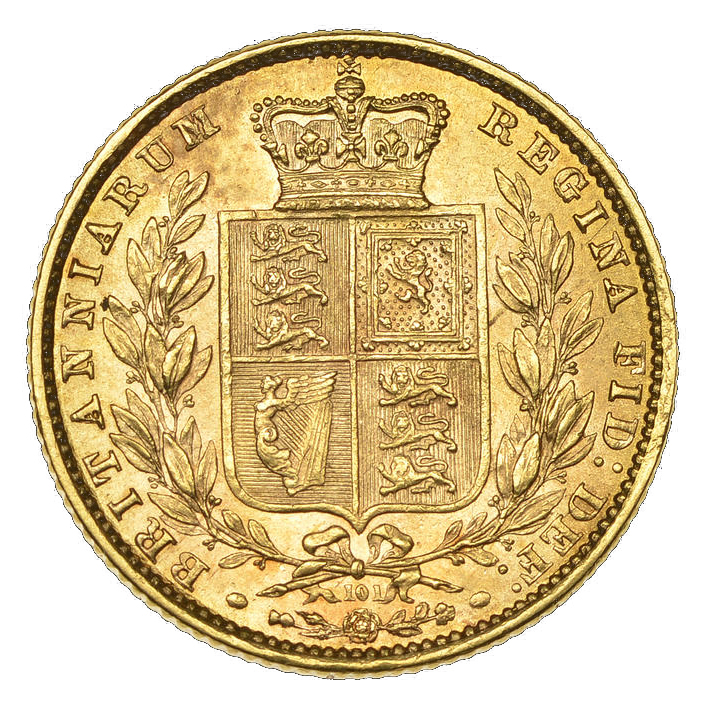
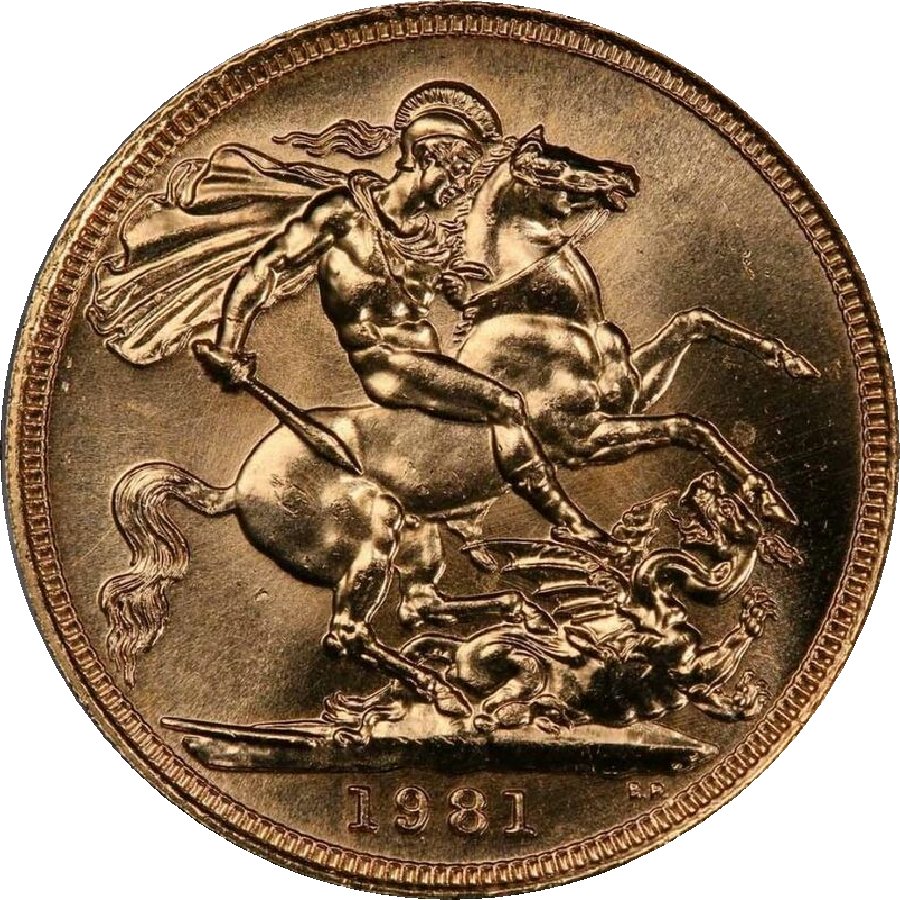
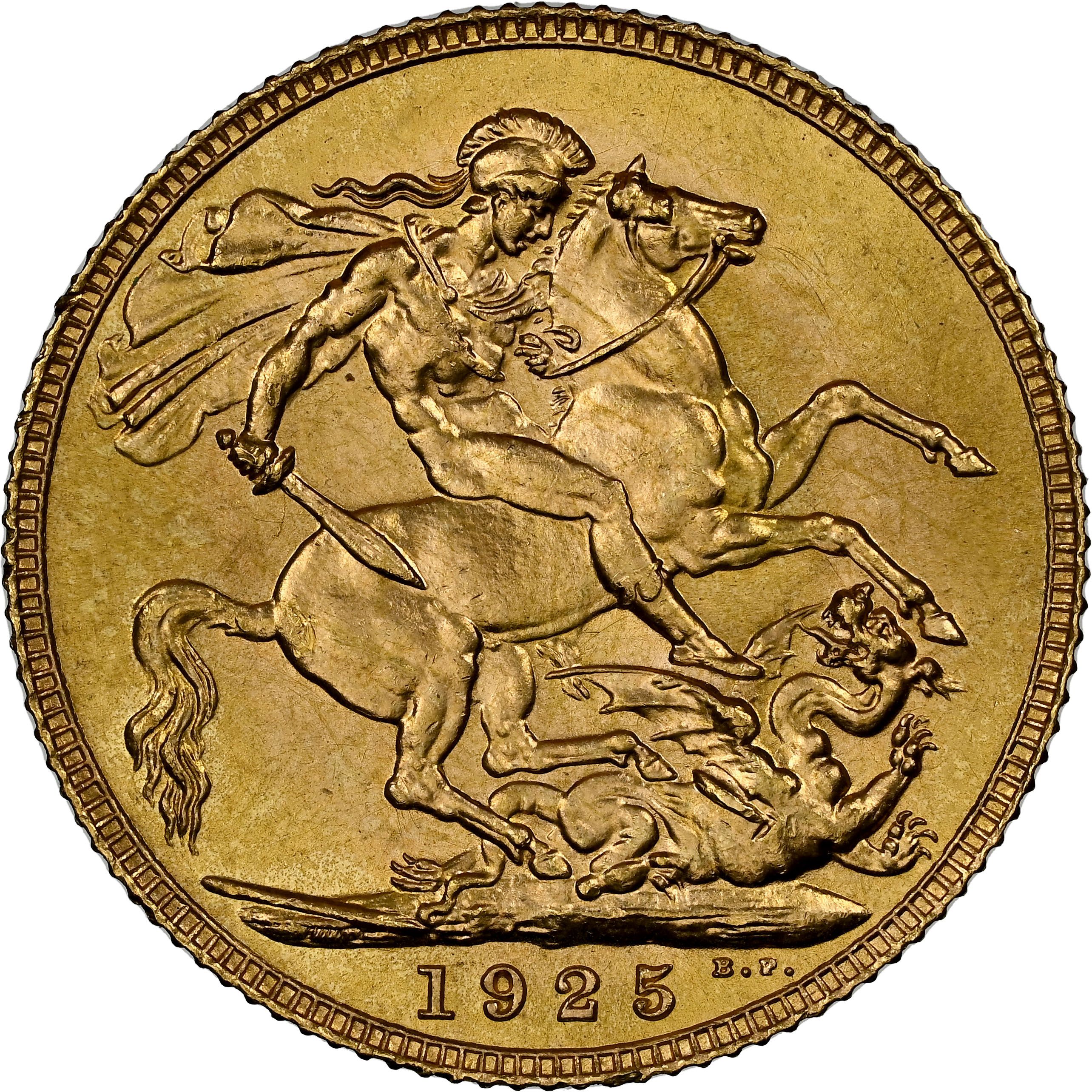
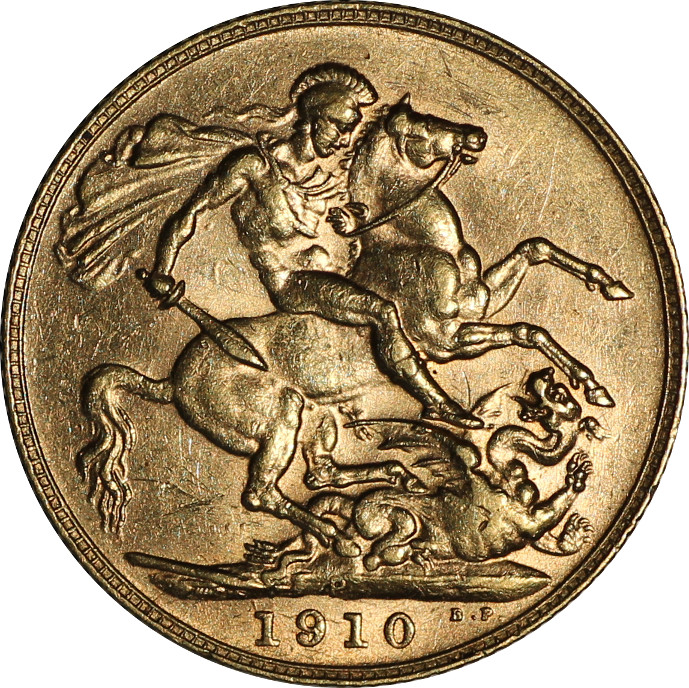
Featured sovereigns on MyCoinage

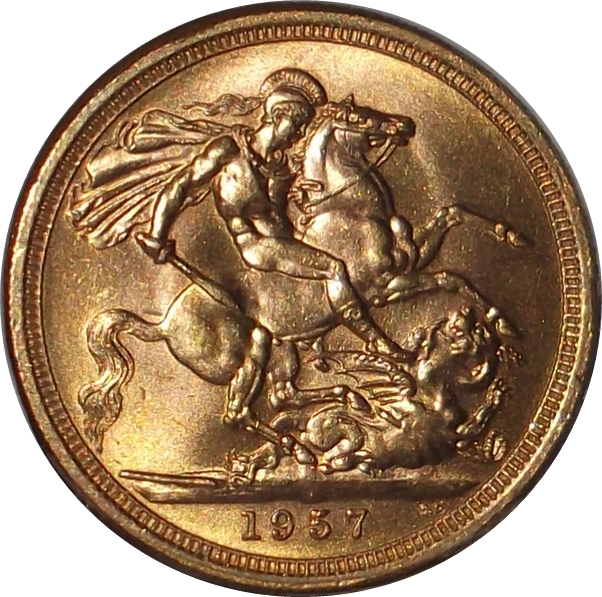
What your sovereign is worth before you sell, the spot-vs-numismatic split
Every sovereign carries two prices that sit on top of each other, and you cannot price your coin accurately without separating them. The first is the spot floor: 7.322 g of pure gold per full sovereign multiplied by the live LBMA gold price. At the £3,400/oz range we're seeing through 2026, that floor is around £800 per coin. The second is the numismatic premium: anything paid above melt because of date, mintmark, condition or design. For a 1965 Elizabeth II bullion sovereign, that premium is essentially zero. For a 1908 Ottawa proof or 1879 London no-die-number, the premium is most of the price.
Before approaching any buyer, look up the exact date and mintmark of your coin in the gold sovereign values guide, that page lists realised auction ranges by reign and key date. If your sovereign sits in the common-date band (most years 1957–2022, plus high-volume Victorian and Edwardian London bullion years), you're selling bullion plus a small premium and the right channel is a bullion dealer. If it sits in the key-date or branch-mint band, you're selling a numismatic asset and the right channel is a specialist auction house. Confusing the two is the single most expensive mistake a private seller makes.
Two rules of thumb. First, anything pre-1837 is rare, often six-figure, and should never be sold to a high-street buyer without a written valuation. Second, any branch-mint sovereign (S, M, P, I, SA, C mintmarks) needs to be priced by mintmark rather than by year: a 1925 SA is common, a 1925 P is scarce, same year and same gold content.
Selling channels ranked by realised premium
The table below ranks the realistic UK selling channels in 2026 by what they actually net for a middle-of-the-road numismatic sovereign, say a Victorian Young Head Sydney sovereign in collectable EF grade. Channel choice depends on whether you're selling bullion-grade or numismatic material; the "risk score" column captures both counterparty risk and the chance of being paid below fair market.
| Channel | Typical % over spot | Commission / fees | Settlement | Risk score |
|---|---|---|---|---|
| Specialist auction house (Spink, Baldwin's, Noonans) | +15% to +200% (numismatic) | 5–15% seller; 22–25% buyer premium | 3–6 months | Low |
| BNTA-member numismatic dealer outright | +5% to +50% | None, spread built into offer | Same day to 7 days | Low |
| eBay UK auction (slabbed PCGS / NGC) | +0% to +25% | 12.8% final value + 30p; payment fees | 3–14 days | Medium |
| eBay UK Buy It Now (sealed Royal Mint pack) | +0% to +15% | 12.8% final value + 30p | 3–14 days | Medium |
| Royal Mint buyback | −1% to −3% | None published; spread in price | 5–10 working days | Very low |
| Bullion dealer (BullionByPost, Atkinsons, Chards, Baird & Co) | −1% to −3% | None, spread built into buy price | 1–5 working days | Low |
| Pawnbroker / cash-for-gold high street | −30% to −50% | None, loss is in the offer | Same day cash | High |
"% over spot" refers to net to seller after fees, expressed against the daily LBMA gold spot melt value of the coin's pure-gold content. Auction figures shown for collectable-grade Victorian or Edwardian sovereigns; key-date or proof sovereigns regularly clear far higher premiums at auction.
Three takeaways. First, the auction route is the only channel where you regularly beat melt by 50% or more, but it costs you 3–6 months and 22–25% buyer premium reduces hammer-to-net. Second, the bullion-dealer route is reliable to within a percent or two of spot for common-date material and the spreads from BNTA-member dealers are roughly identical, shop two or three quotes the same morning rather than committing to one. Third, the pawnbroker channel exists only if you need cash today and accept losing roughly a third of the coin's value to do it.
Capital gains tax on sovereigns, the legal-tender exemption
UK gold sovereigns dated 1837 onwards are exempt from Capital Gains Tax under HMRC manual CG78308. The mechanism is the legal-tender status: any UK coin still legal tender at face value is treated as currency for tax purposes, and currency is outside the CGT regime. This applies regardless of how much profit you make. A £200 sovereign you bought in 1989 and sell for £1,400 in 2026 is a £1,200 gain that is entirely tax-free. The exemption survives any number of disposals in a single tax year.
Three points to keep straight. Pre-1837 sovereigns are NOT CGT-exempt, they are not legal tender and any gain over the annual CGT allowance is taxable. Foreign gold coins (Krugerrand, American Eagle, Maple Leaf) are NOT CGT-exempt, same reasoning. Dealing as a business is NOT CGT-exempt, if HMRC determines you're trading rather than investing (typically 50+ disposals per year on a regular pattern), profits are taxable as income at your marginal rate. For a hobby collector or long-term investor, the exemption is blanket. See CGT-exempt coins UK for the full list.
Selling slabbed vs raw sovereigns, when grading pays for itself
Professional grading by PCGS, NGC or CGS UK typically costs £25–50 per coin including return postage. The slab adds an authentication guarantee and a numerical grade attestation in one step, and almost always lifts realised price, but not always by enough to cover the fee. The crossover is roughly £500 fair-market value: below that, sell raw; above it, slab first.
| Coin profile | Recommended route | Why |
|---|---|---|
| Common-date bullion sovereign worth £800 melt | Sell raw to bullion dealer | Grade is irrelevant when buyer prices by gold weight |
| Victorian Young Head shield-back, Fine–VF, £700–1,200 | Borderline, grade if you'll auction | Slab adds 10–15%; only worth it if going to auction |
| Victorian / Edwardian sovereign EF–AU, £1,500–3,000 | Grade and slab | Slab regularly adds 15–25%; auction houses prefer slabbed lots |
| Branch-mint key date (1908 C, 1920 S, 1879 London) | Grade and slab via PCGS | Authentication is essential; raw sale loses 30%+ |
| 1989 Piedfort or quintuple sovereign | Grade only if loose; sealed Royal Mint case is fine raw | Original RM packaging is its own authentication |
For UK collectors, CGS UK is the cheapest service and integrates well with London-based auction houses. For coins that may sell internationally, PCGS or NGC slabs travel better, US and Asian buyers recognise them more readily. See how to get a coin graded UK for the full submission walk-through.
Avoiding Brexit-era pitfalls
Selling a sovereign to a buyer in the EU is no longer the frictionless market it was before 2021. Goods crossing into EU member states attract import VAT (20% in most jurisdictions on coins above the investment-gold threshold) and customs declarations are now required for any consignment. EU-based eBay buyers will sometimes win an auction at a strong price and then refuse delivery once the import paperwork lands, and you'll be left with a return at your cost. Two protections work in practice. First, restrict eBay listings to UK-only buyers unless you're comfortable handling CN23 customs forms and accepting a higher non-payment risk. Second, for any EU consignment auction (Heritage Europe, Münzhandlung Sonntag, Numismatica Genevensis), check the saleroom's VAT status before consigning, some operate under the EU's margin-scheme exemption for investment gold, others do not.
For UK-domestic sales the picture is unchanged. Investment-grade gold (sovereigns and Britannias of .9167 and .999 respectively) remains VAT-free under VAT Notice 701/21A, so a sale between two UK parties carries no VAT and no duty.
When NOT to sell, sentiment vs spot vs key-date premium
Three situations argue against selling now. First, when gold spot is in a clear downtrend and you don't need the cash, bullion sovereigns track spot closely, so a 5% drop in gold means roughly a 5% drop in your coin. Auction proceeds catch up to spot lag by lag, but the bullion-dealer route is instantly priced. Second, when you hold a key-date piece during a quiet auction calendar, Spink, Baldwin's and Noonans cluster their major sovereign sales in spring and autumn; consigning to an off-cycle sale frequently realises 10–20% less because of thinner specialist bidding. Third, when you hold a piece with personal sentiment that the buyer market won't price in, an inherited sovereign in a sentimental case may be worth more to your family than to a dealer. None of those three are financial advice; they're common-sense timing checks.
The flip side is straightforward. Sell when gold is strong, when an upcoming sale is well-catalogued and well-promoted, and when you've confirmed your coin's realised range from comparable lots. The UK auction house comparison guide breaks down the major saleroom calendars.
Step-by-step: selling a single sovereign safely
The cleanest way to sell one sovereign without losing money to fees, fraud or impatience:
- Identify the coin precisely. Note the year, mintmark (or no-mintmark), monarch, portrait variant and any obvious condition issues. Photograph obverse, reverse and edge in natural daylight against a plain background. Cross-reference against the sovereign values guide to place it in a retail price band.
- Weigh and measure. A jewellery scale to 0.01 g and a vernier calliper give you a first-pass authentication. 7.988 g ± 0.05 g and 22.05 mm ± 0.05 mm. Anything outside those bands stops the sale until you have a professional opinion.
- Decide bullion vs numismatic. If retail is within 15% of melt, you're selling bullion: skip to step 5. If retail is more than 25% over melt, you're selling numismatic material: continue.
- Decide raw vs slabbed. Numismatic coins worth £1,000+ are usually worth slabbing first. Submit to PCGS, NGC or CGS UK and wait 6–10 weeks for return. The slab accelerates and lifts every subsequent step.
- Get three quotes. Bullion route: BullionByPost, Atkinsons and Chards same morning. Numismatic route: written estimates from two of Spink, Baldwin's or Noonans plus an outright offer from a BNTA-member dealer such as Coincraft. The spread tells you the realistic range.
- Pick channel and book. Bullion: confirm the quote, post the coin tracked and insured the same day, money lands within a working week. Numismatic: sign a consignment agreement, confirm the sale date and reserve, hand over the coin against a written receipt.
- Pack and ship safely. Royal Mail Special Delivery covers up to £2,500 standard, £10,000 with the higher tier. Above that, use a specialist courier such as Ferrari Logistics or Brink's, or hand-deliver. Photograph the parcel before despatch and keep tracking IDs until funds clear.
- Confirm payment cleared, then mark CGT-exempt for records. Even though the gain is tax-free, keep purchase invoice, sale invoice and any grading paperwork for at least six years in case HMRC ever queries the disposal pattern. Document the chain of custody.
- Review the realised price. Compare the net proceeds against your three quotes. If you used auction and net was below the lower estimate, request the saleroom's lot report; if you used a bullion dealer and net was below spot minus 3%, raise it before next time.
Related sovereign guides
- Sovereign value calculator, live bullion floor for any sovereign date and condition before you take an offer.
- Gold sovereign values UK, bullion mechanics and date-by-date premium reference.
- Where to sell rare coins UK, venue-by-venue commission breakdown across all denominations.
- CGT-exempt coins UK, which UK coins escape capital gains tax and why.
- How to buy gold sovereigns, the buy-side companion to this guide.
- UK auction house comparison, sale calendars, fees and settlement timelines for the major UK numismatic salerooms.