Should I Grade My Coins UK? The Decision Framework
Grading, sending a coin to PCGS, NGC or CGS UK for professional authentication and encapsulation in a tamper-evident slab, costs £25-50 per coin and adds 15-35% to typical realised prices. For a £500 coin the maths works comfortably. For a £100 coin the fee eats the gain. This guide is the value-vs-fee decision framework: when to grade, when to leave raw, and the coin types that fall on each side of the line.
What "grading" actually means
Coin grading is the third-party authentication and condition-rating service offered by professional grading companies. The three services that dominate the UK market are PCGS (Professional Coin Grading Service, US, founded 1986), NGC (Numismatic Guaranty Company, US, with a UK office), and CGS UK (Coin Grading Services, UK-based, founded 2008). All three follow the same workflow:
- You post the coin to the grading service in approved packaging (usually a Lighthouse Quickslab inert holder, padded envelope inside a rigid box).
- The service authenticates the coin: dies, weight, diameter, edge, microstructure under magnification.
- Two or three graders independently assign a numeric grade on the Sheldon scale (1-70, where 70 is theoretically perfect).
- The coin is sealed in a hard-plastic, tamper-evident slab with a label printed with the description, grade and unique certification number.
- The slab is returned to you by insured post.
The slab carries three guarantees from the service: authenticity (the coin is genuine), grade (the numeric assessment is accurate), and tamper-evidence (the slab cannot be opened without visible damage). Each guarantee is backed by a financial indemnity up to a stated cap. The slab is the universal currency of trust in the international coin market.
What grading costs in 2026
Approximate UK landed cost per coin including return shipping with insurance:
| Service | Standard tier | Express tier | Standard turnaround | Express turnaround |
|---|---|---|---|---|
| CGS UK | £18-45 | £75 | 14-28 days | 5-7 days |
| NGC UK | £25-100 | £150+ | 2-6 weeks | 3-5 days |
| PCGS (UK to US) | £45-100+ | £250+ | 4-8 weeks | 2-3 weeks |
Add postage to the service (Royal Mail Special Delivery insured: £15-25 for sub-£2,500 declared value) and any handling premium for high-declared-value coins. The "Standard" tier is suitable for any coin valued under £5,000; "Premium" tiers cover declared values up to £100,000 and command higher fees for the additional handling and indemnity. See our PCGS vs NGC vs CGS UK comparison for fee details by service and the typical turnaround windows.
The value-vs-fee threshold rule
The simple decision rule for a healthy raw-condition coin: grade if the raw value is at least £200, almost always grade above £500, and never grade below £100. The grey zone is £100-200 where the answer depends on the specific coin type.
| Raw value | Grading decision | Reasoning |
|---|---|---|
| Under £100 | Don't grade | Fee > expected uplift; sell raw with photos |
| £100-200 | Optional, CGS UK only | Premium covers fee but margin tight |
| £200-500 | Grade, CGS UK or NGC | Premium clearly exceeds fee plus authentication value |
| £500-2,000 | Grade, CGS UK or NGC | Authentication risk eliminates raw discount |
| £2,000-10,000 | Grade, NGC or PCGS | International recognition matters at this tier |
| £10,000+ | Grade, PCGS preferred | Auction realisations 5-15% higher in PCGS slabs at top tier |
| Sealed Royal Mint set | Don't grade | Cracking the seal loses original presentation premium |
| Damaged / cleaned coin | Don't grade | "Details" grade reduces realised price 30-60% |
The 15-35% uplift assumed above is a market average. Specific coin types and conditions can move much further; a Victorian sovereign in PCGS MS-65 versus the same coin raw can be a 200%+ price spread. Modern circulation BU coins typically see only a 10-15% uplift even when slabbed.
When grading pays: examples by coin type
Victorian sovereigns
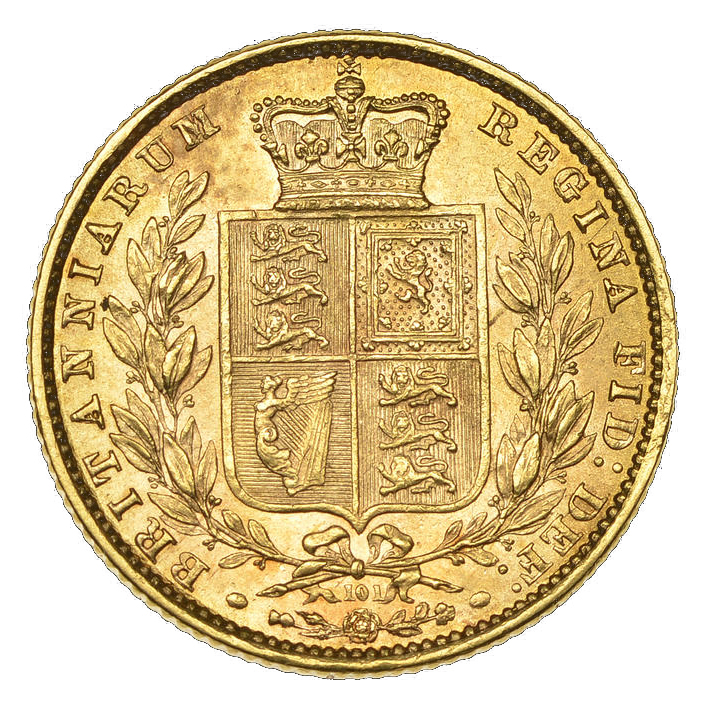
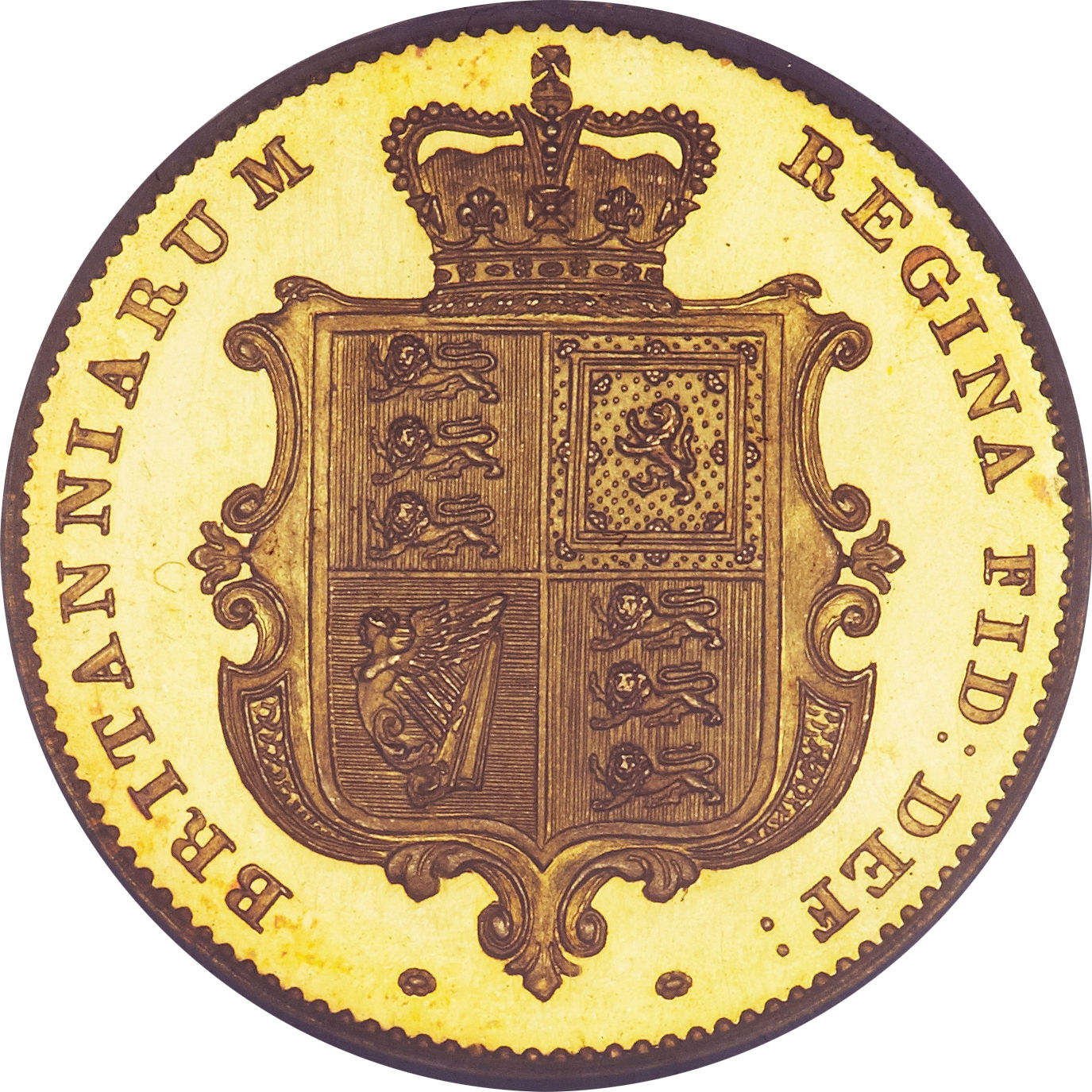
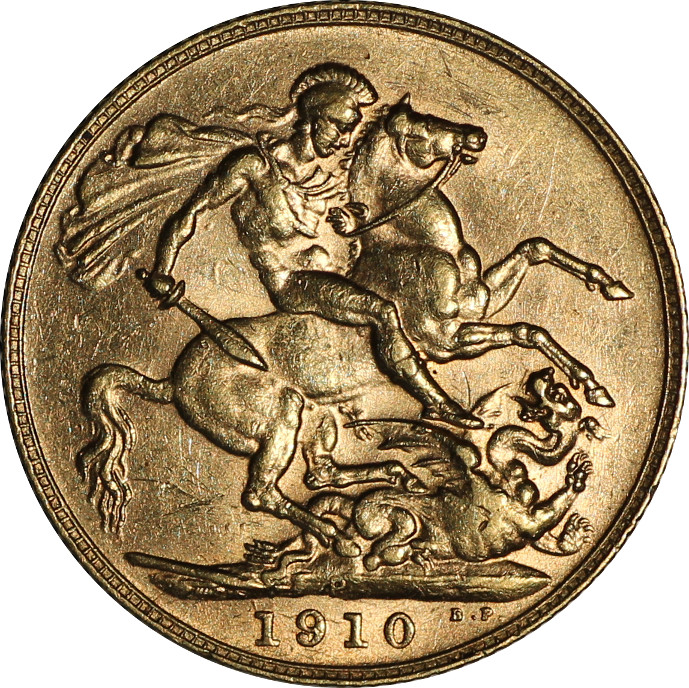
The classic case for grading. Authentication is the dominant risk, cast counterfeits, modified dates and altered mintmarks are all common in the sovereign market. A raw 1879 Sydney sovereign in EF-AU condition trades at £1,200-1,800 with significant authentication discount; the same coin in NGC AU-58 trades at £1,800-2,400. The slab eliminates fraud risk and unlocks the upper band. For Victoria Young Head, Jubilee and Veiled Head sovereigns from the rare Sydney, Melbourne and Bombay mints, grading is essentially mandatory at the £1,000+ level.
Key-date 50ps
The 2009 Kew Gardens 50p, 2017 Sir Isaac Newton 50p and 2018 Atlantic Salmon 50p are the headline cases. A raw Kew Gardens 50p in BU condition trades at £120-150; the same coin in NGC MS-67 trades at £180-260. Grading in this category is funded almost entirely by the grade premium, a Kew Gardens at MS-67 is a £200+ coin; at MS-65 it is £130; at MS-69 it is £380+. The grading service's opinion on whether the coin is MS-65 or MS-67 is worth far more than the grading fee.
Mules and errors
The 2008 undated 20p mule (no date on either side because the wrong obverse die was paired with the wrong reverse) is the textbook case. Raw, the mule trades at £50-90 because authentication is hard; in NGC MS-65 the same coin trades at £120-180 because the slab certifies the error. For coins like the 2014 dual-dated Britannia, the 2017 micro-portrait Britannia and the various edge inscription £2 errors, grading is the primary route to access full market price.
Royal Mint silver Piedforts
Modern silver Piedforts (mintage 1,500-3,000) are limited-edition collector pieces where grade granularity matters. A 2020 James Bond silver Piedfort at PR-69 trades at £280-340; the same Piedfort at PR-70 (theoretically perfect) trades at £420-540. The 200-400% spread between grades is what funds the grading. NGC and PCGS are the standard services for modern Piedforts, not CGS UK, because international resale through US auctions favours the American services.
When grading does NOT pay
Modern BU 50ps under £100
A 2018 Snowman 50p in BU pack is a £30 coin. Slabbing at £25-50 lifts realised price perhaps to £55-65. Net gain after fee: £5-15. Many modern themed BU 50ps fall into this bucket, Beatrix Potter 2018-2019 issues, Paddington 2018 set, Snowman series. Sell raw in the original Royal Mint card pack; the pack itself is part of the resale appeal.
Common Royal Mint sealed packs
Sealed Royal Mint annual proof sets, year sets and themed boxed sets trade at clean prices because the sealed presentation is the value proposition. Cracking the seal to slab individual coins invariably loses the original-set premium. Exception: if a single coin in the set is a known key date or has notable error potential, it may be worth removing that one coin and slabbing it while leaving the rest in the original set. Document the sealed set carefully before opening.
Low-mintage gold proofs in CoA boxes
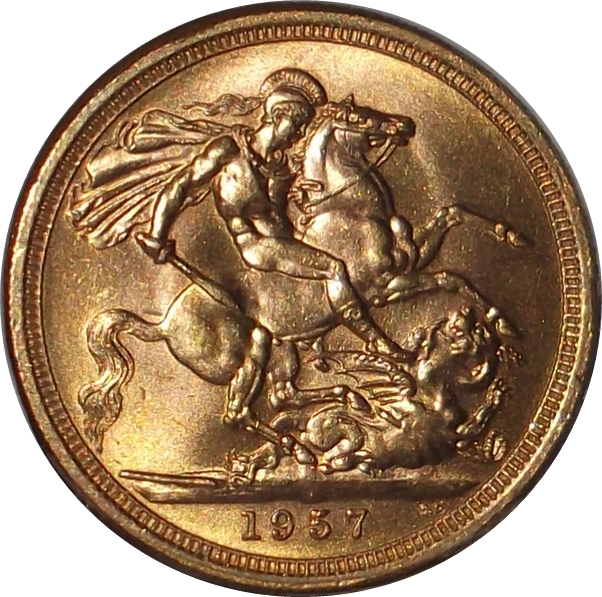
A 2020 gold proof sovereign with original Royal Mint clamshell case and Certificate of Authenticity already trades at clean prices (around £520-580 against melt of £425). Slabbing adds perhaps 5-10% to realised price but loses the Royal Mint presentation; net uplift after fee is roughly zero. The original CoA carries the same authenticity guarantee as a slab for a coin that has been continuously sealed since issue. Keep the box and certificate; do not crack the seal.
PCGS vs NGC vs CGS UK for UK coins
Quick guidance for choosing a service. CGS UK is the default for British coins under £1,000, cheapest, fastest (no international shipping), recognised by every UK auction house and BNTA dealer. NGC is the right choice for British coins worth £500-5,000 that you may sell internationally, and for any coin you intend to consign to a Heritage or Stack's Bowers US sale. PCGS is the global premium service with the strongest international auction recognition; PCGS slabs trade at a slight premium globally (5-10% over equivalent NGC slabs at top tier). For coins worth £5,000+ and especially for pre-1950 British where international demand is concentrated, PCGS is the right choice. For full details, see our PCGS vs NGC vs CGS UK comparison.
When grading is required regardless of cost
Three situations override the value-vs-fee threshold:
- Auction consignment to a major house. Spink, Baldwin's and Heritage all prefer slabbed lots in their high-value catalogued sales; raw coins are accepted but typically realise lower hammers because cataloguers cannot guarantee grade independently. For consignments above £2,000, grading the coin first is standard practice and recovers the fee comfortably from the higher realised price.
- Insurance valuation. UK home-contents and specialist coin insurers accept grading certificates as automatic proof of value and authenticity. Without slabs, claim payouts are typically 60-80% of the declared value pending independent verification (which can take weeks). With slabs, claims process at 100% of declared value within days. For collections worth £15,000+, grading the highest-value individual coins (top 10-20 by value) is the standard insurance practice.
- Probate. Where a coin collection forms part of an estate, executors are personally liable for accurate valuation. Slabbed coins simplify the executor's job: each slab carries a verified description, grade and certification number that resolves to a current market price. For estates where the collection exceeds £25,000, grading the high-value coins is good practice for executor protection. See our inherited coin collection guide.
Related coins on MyCoinage
DIY pre-grading checks
Before paying £25-100 to send a coin away, run five free checks at home. If the coin fails any of them, do not grade, you will pay the fee for a "Details" or "Not Genuine" return that destroys the coin's value.
- Weight check. Use a 0.01 g jewellery scale. Sovereigns: 7.988 ±0.020 g. Britannias to specification. UK 50p: 8.0 g. UK £2: 12.0 g. Any deviation greater than 0.1 g points to a forgery or error coin (errors are still gradable; forgeries are not).
- Magnet test. 22-ct and 24-ct gold are non-magnetic; cupronickel is mildly magnetic; bimetallic £2 outer is mildly magnetic. Any strong magnetic pull points to plated steel.
- Diameter check. Use a digital caliper (cheap, £15-30). Sovereign: 22.05 mm. 1 oz Britannia: 38.60 mm. 50p: 27.30 mm. £2: 28.40 mm. £5: 38.61 mm.
- Edge inspection. Use a 10x loupe. Milled (reeded) edges should be sharp and seam-free. Cast counterfeits show a faint horizontal seam at the edge midline.
- Surface and patina inspection. Look for hairlines (microscopic parallel scratches indicating cleaning), spots of corrosion, edge knocks, scratches across the field. Original patina is fine and adds value; bright unnatural reflectivity points to cleaning, which means a "Details" grade.
See our how to grade a coin guide for the full Sheldon-scale framework you can apply at home before submission. A coin that you self-grade at MS-63 will likely come back at MS-62 to MS-64 from the service; if your at-home estimate is below MS-60 (i.e. visibly worn or marked), the slab fee is unlikely to recover from the realised price.
Step-by-step submission flow
- Choose the service. CGS UK for British under £1,000; NGC for British £500-5,000 with international resale potential; PCGS for £5,000+ premium-tier coins. See PCGS vs NGC vs CGS UK.
- Register an account online. Each service requires an account, declared value, and tier selection. Allow 24-48 hours for first-time account verification.
- Package the coin. Lighthouse or Quickslab inert holder, individual numbered ticket, acid-free envelope, bubble film inside a rigid box. Never tape directly to the coin.
- Insure and ship. Royal Mail Special Delivery Guaranteed (insured to £2,500 standard, up to £20,000 with high-value top-up). For PCGS, declare the international shipment as "Coin for grading, no commercial value" with a return-to-sender address.
- Track and wait. Each service publishes turnaround windows on their website. CGS UK posts updates online; NGC and PCGS provide tracking through their account portals.
- Receive and inspect. On return, photograph the slab and verify the certification number on the service's online cert lookup before storing or selling. Cross-check the slab description against your submission record.
See our full how to get a coin graded UK guide for the detailed packaging and shipping procedure.
Risks: what can go wrong
- Damage in transit. The largest practical risk. Use Royal Mail Special Delivery with insurance to declared value; never standard post. For coins above £20,000, use a specialist art-handler courier (Constantine, Momart) or hand-deliver to the service's drop-off point.
- "Details" grade outcome. Cleaned, scratched, environmentally damaged or altered coins receive a "Details" grade that reduces realised price by 30-60%. The slab fee is wasted. Run the DIY checks first; if you suspect any of these issues, sell raw with honest description.
- Lower grade than expected. Self-grading at home consistently overestimates condition by half to one Sheldon grade. A coin you self-grade at MS-65 may return at MS-63; that one-grade move can mean a 30-50% lower realised price than expected. Build the over-estimate into your decision.
- Time tied up. 3-12 weeks is a long window if you need to sell quickly. For probate or insurance deadlines, plan grading 3-6 months ahead. Express tiers exist but cost double.
- Loss in shipping. Rare but real. Royal Mail and the grading services both insure shipments; claims process within 30-60 days but the coin is gone. Photograph the coin extensively before posting; keep the proof of postage and tracking number indefinitely.
- Forgery confiscation. If the service determines the coin is a counterfeit, they will not return it to you in some jurisdictions (US PCGS does not return coins identified as Chinese cast counterfeits). UK CGS will return forgeries with a written report. Run the DIY checks to avoid this outcome.
Related guides
- PCGS vs NGC vs CGS UK, the three services compared
- Slabbed vs raw coins UK, resale and presentation
- How to get a coin graded UK, full submission walkthrough
- Coin collection insurance UK
- How to grade a coin, the Sheldon scale
- Where to sell rare coins UK
- Inherited a coin collection UK