Inherited a Coin Collection UK: Valuation & Selling Guide
The most common reason someone visits this site is they've inherited a tin, a folder, or a banker's box of coins from a parent or grandparent and have no idea what's in it. This guide walks through what to do (sort, identify, document) and what NOT to do (clean, rush to a pawn shop, accept the first offer). Done properly, the average UK family coin collection sells for 30-60% more than the "quick offer" route.
Step 1: Don't clean anything
Coin collectors and grading services prize original surfaces, the natural patina, toning and lustre that build up on metal over decades. Cleaning, even with mild soap and water, removes this and leaves microscratches that professional graders detect and penalise.
Concrete numbers: a 1933 farthing in genuine VF grade (a tiny 13mm coin, common-ish year) trades at £25-40. The same coin "brightened" with silver dip or polished with a soft cloth trades at £3-8 once a grader sees it. The Wren design lost its edge definition under the cleaner; nothing brings that back.
The same logic applies to tarnished silver crowns, dirty Victorian pennies, and dull-looking sovereigns. The "ugly" surface is doing the right job, it's why the coin survived 50-150 years to reach you. Hold coins by the edges only (skin oil leaves marks), keep them dry, store in cardboard 2x2 holders or coin-grade plastic flips, and let a dealer or grading service decide whether any conservation is appropriate.
Step 2: Photograph and document
Before any sorting, photograph the collection in its found state, the original tin, folder, or box, with coins arranged as the previous owner had them. Save:
- Receipts from any original purchases (Royal Mint, Westminster Collection, dealer invoices). These add 10-30% value because they prove provenance and authenticity.
- Owner's notes, index cards, lists, or annotations. Even informal notes ("uncle Robert's 1937 set, bought 1983") establish chain of custody.
- Original packaging for any Royal Mint sets. Damaged packaging halves the resale value of a sealed proof set; pristine packaging preserves it. If you find sets in the original card box with the Certificate of Authenticity intact, do NOT remove the coin from its capsule.
- Albums and folders (Whitman, Lighthouse, etc.), their year-by-year arrangement helps identify the dates already covered.
Step 3: Sort into value tiers
Most family inheritances cluster into five tiers. Sort coins into separate piles or boxes for each.
| Tier | Examples | Typical value range |
|---|---|---|
| 1. Gold | Sovereigns, half sovereigns, gold proofs, gold Britannias | £200-1,500+ each |
| 2. Pre-1947 silver | Crown, florin, shilling, sixpence, threepence dated before 1947 | £3-50+ each (melt + premium) |
| 3. Royal Mint sealed packs | BU year sets, silver proofs, gold proofs, sealed in capsule | £15-300+ each |
| 4. Pre-decimal copper / brass | Pennies, halfpennies, farthings, brass threepence (1937-1967) | 50p-£5 each |
| 5. Modern circulation | Post-1971 1p, 2p, 5p, 10p, 20p, 50p, £1, £2 from change | Face value to £5 each |
Foreign coins go in their own pile, their UK market is smaller; sell to a world-coin specialist for the best price. Banknotes also go in their own pile and are valued separately by paper-money specialists.
Step 4: Identify each coin
For every coin in tiers 1-3 (the high-value tiers), match to a specific catalogue entry. The five fields you need:
- Denomination (face value), usually marked on the reverse
- Year of issue, usually on obverse below the bust, or on the reverse
- Monarch, from the obverse portrait
- Mintmark, small letter on the reverse for sovereigns and certain colonial coins
- Variety, some years have minor differences in design, edge inscription or lettering style
Use the MyCoinage coin search with these five fields to identify nearly any British coin and pull up the realised price for the relevant grade. Numista is the best free reference for world coins.
Step 5: Match value to selling venue
| Total or single-coin value | Best venue | Net return notes |
|---|---|---|
| Under £500 total | eBay UK or BNTA-affiliated coin fair | Slabbing rarely cost-effective; sell raw with good photos |
| £500-5,000 total | BNTA dealer outright purchase | Member dealers offer fair market or accept on commission |
| Single coin £200-1,000 | eBay with PCGS / NGC / CGS slab | Slabbing fee £25-50 lifts realised price by 30-50% |
| Single coin £1,000+ | Spink, Baldwin's, Noonans or Heritage auction | Hammer commission 15-20% but realised price reliably beats dealer outright by 30-100% |
| Estate worth £5,000+ | Auction-house consignment with cataloguing | 4-6 month timeline; auction houses photograph and catalogue at no upfront cost |
What to avoid
- Pawn shops, "Cash 4 Gold" kiosks, mall buyers, these pay scrap-gold rate (75-85% of bullion) for sovereigns and ignore numismatic premium entirely. A common-date Victorian sovereign worth £500 typically gets a £350-380 offer here. The same coin at auction realises £520-650.
- Door-to-door buyers, usually low-pressure-but-low-offer, occasionally outright fraudulent. The "free in-home valuation" newspaper-ad model is built on undervaluing distressed sellers.
- Specialised "we buy gold by post" services, same scrap-rate logic. Do not post valuables to an address you can't verify.
- The first offer. Even from a reputable dealer, get a second opinion. BNTA-member dealers expect this and don't take offence.
Step 6: Get multiple quotes
For any single coin or pack you suspect is worth more than £200, get at least two quotes. Auction-house pre-sale estimates are free, take 2-4 weeks to come back, and are usually within 20% of the realised price. BNTA-dealer outright offers can be obtained same-day or within a week. Use both: take the auction house's estimate to a dealer and ask for a like-for-like buy-now offer; usually the dealer will match within 10-15%, or decline and confirm the auction route is the right call.
Tax on inherited coins (UK)
Three considerations. None apply to most modest family inheritances, but worth knowing:
- Inheritance Tax is paid by the estate before assets reach you. When you inherit coins, you receive them tax-free; HMRC has already extracted any IHT due from the estate as a whole.
- Capital Gains Tax applies on the disposal of inherited assets if their sale value exceeds the value at the date of death (the "probate value"). Most heirs disposing of coins within 6-18 months of inheritance see negligible CGT exposure. Long-held inheritances with significant appreciation may trigger CGT, consult an accountant for collections worth £50,000+.
- UK gold sovereigns, half-sovereigns and Britannia coins are CGT-EXEMPT regardless of holding period or gain because they are legal tender. This is one of the major advantages of holding sovereigns over other gold investments.
- Income Tax doesn't apply to occasional disposals from an inherited collection. Frequent / scaled trading (e.g. an eBay coin business) may be classed as taxable income.
Featured British gold coins on MyCoinage
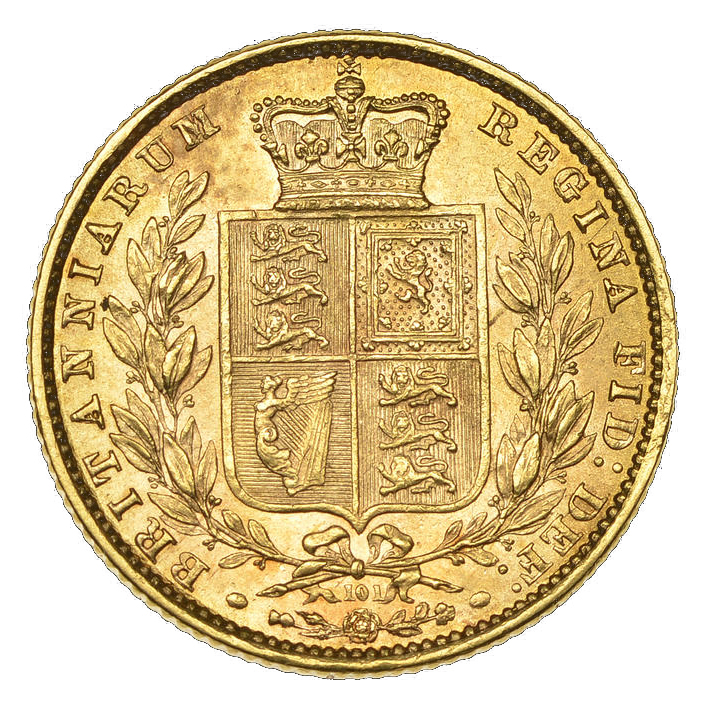
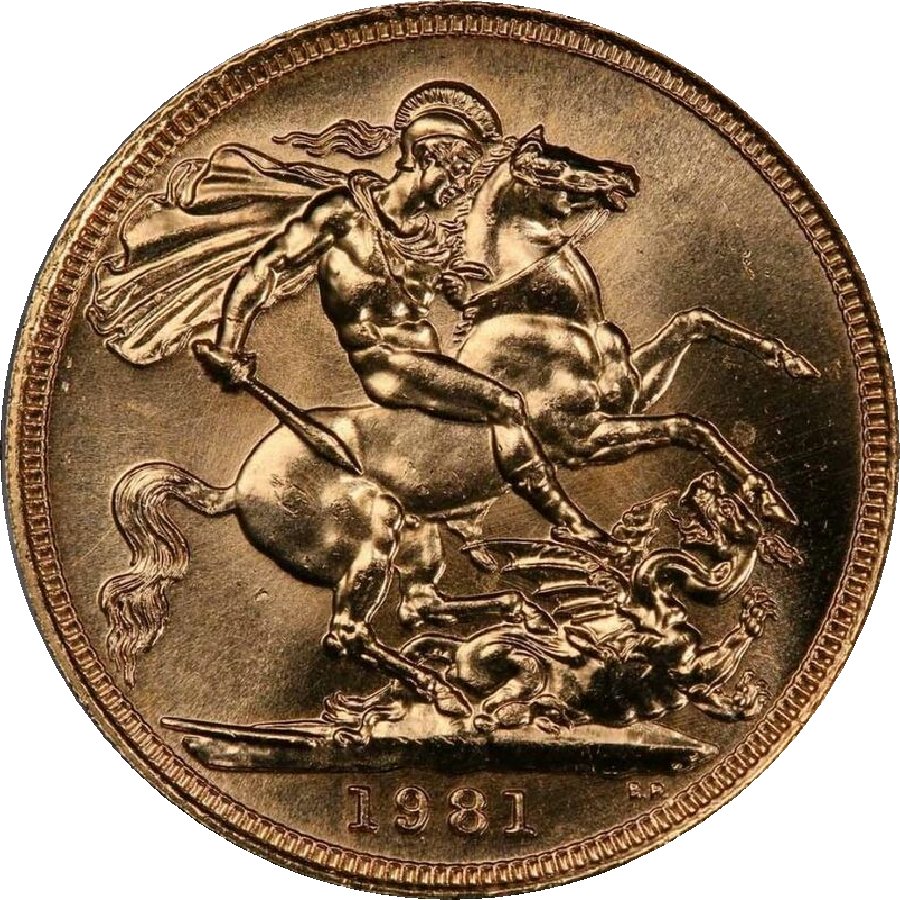
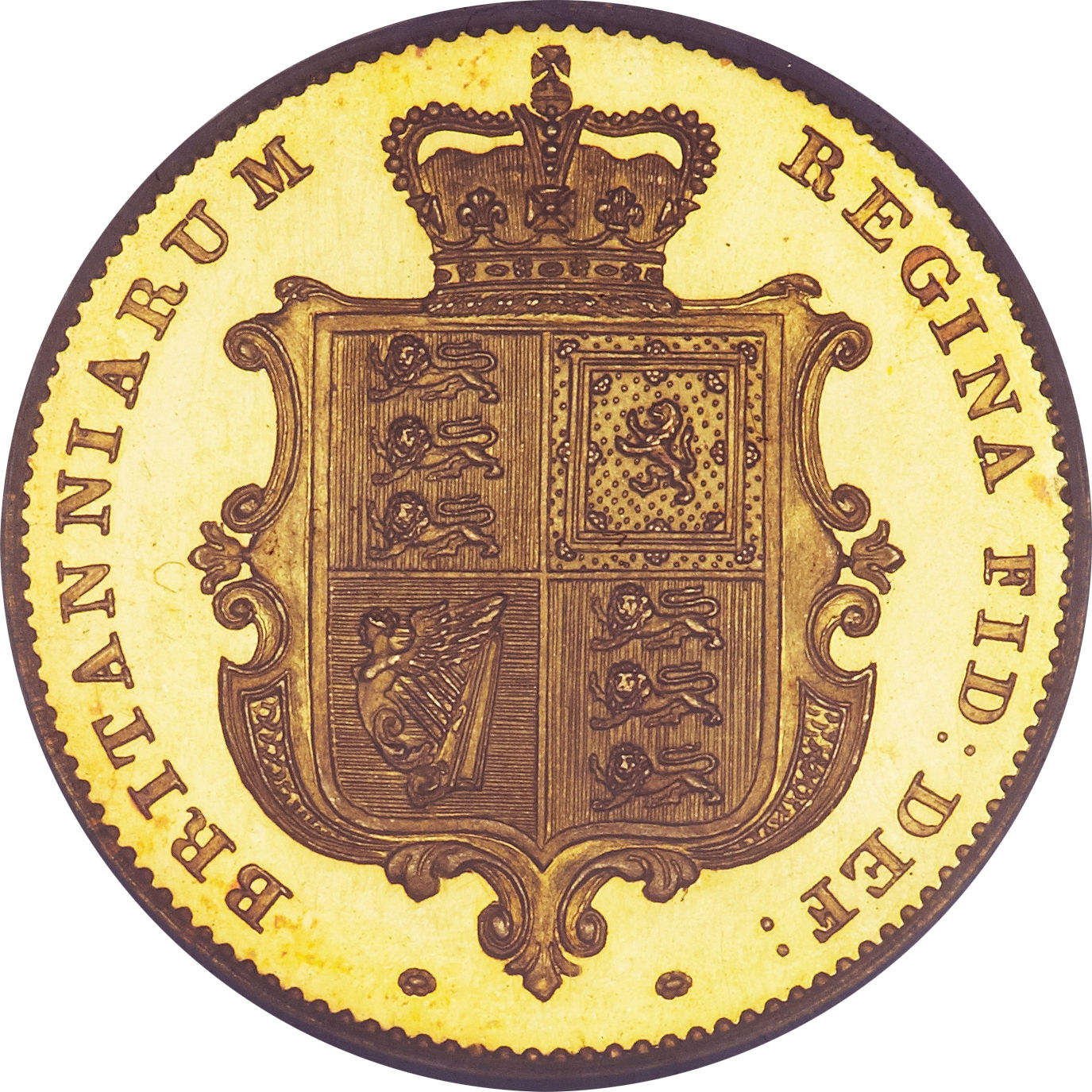
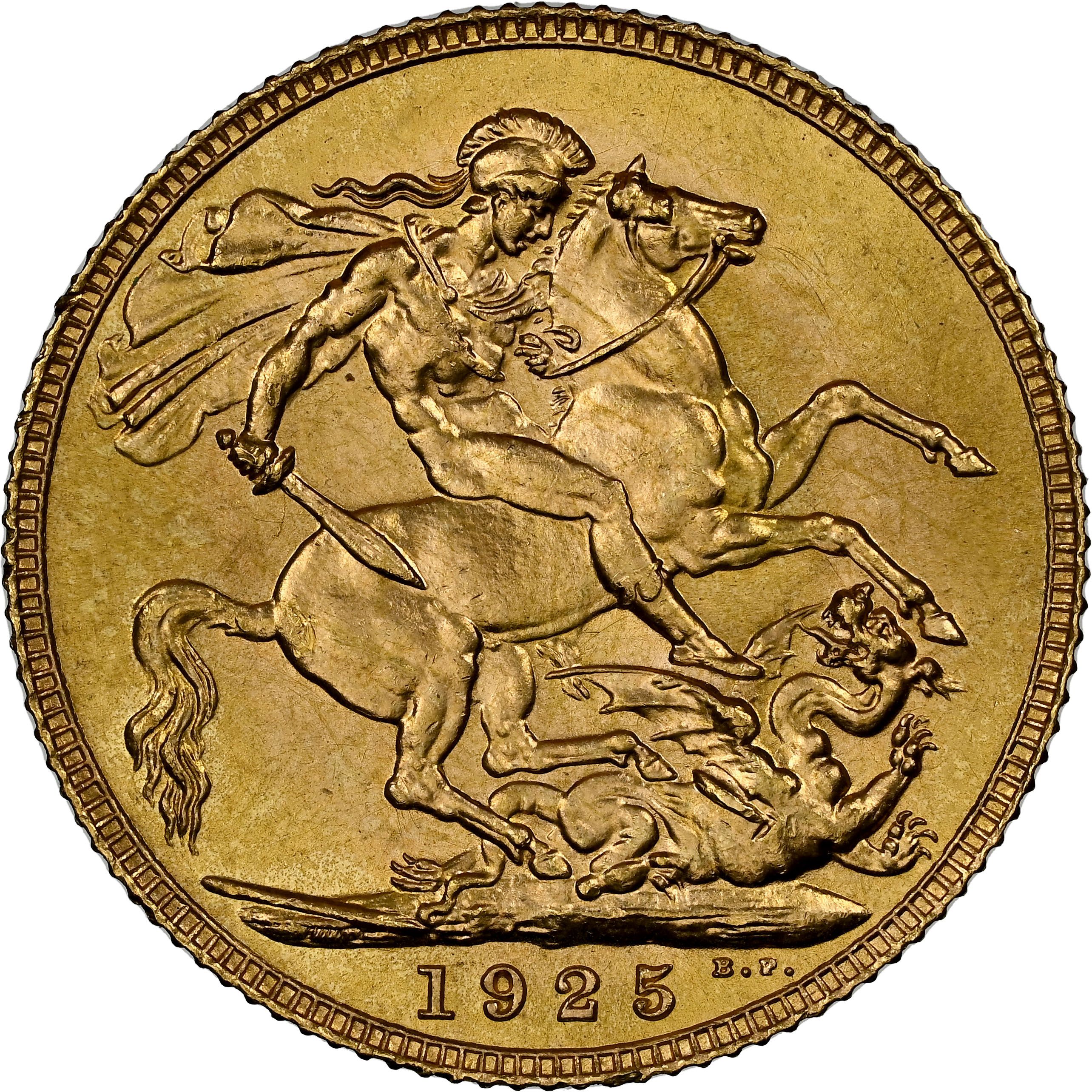
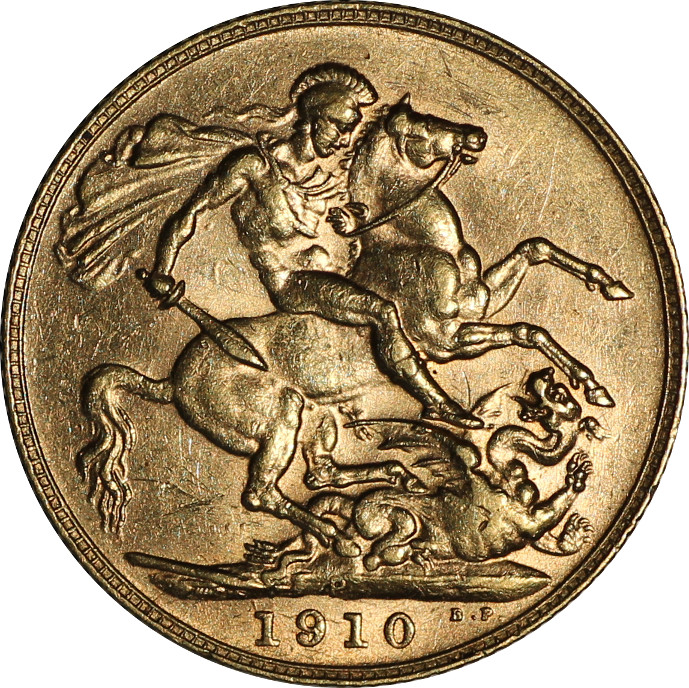
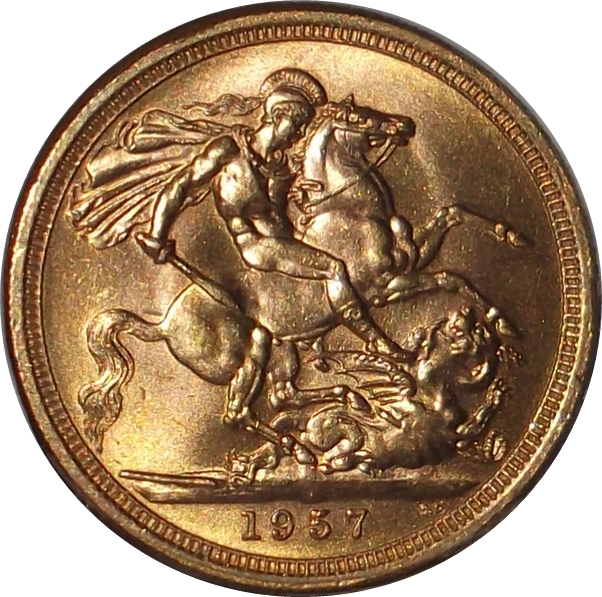
Browse every gold coin in our catalogue →
Reference: typical eBay sold prices
The links below open eBay UK searches; if you buy through them, MyCoinage earns a small commission at no cost to you.
Use eBay's sold-listings filter (sort by "Most Recent" rather than "Highest Price") to sanity-check the price tier of any coin in the collection. Recent realised prices are the only reliable benchmark; dealer asking prices are 50-100% above realised values.
Gold sovereigns sold prices ↗ Victorian silver sold prices ↗ Royal Mint silver proof sold ↗ Royal Mint year sets sold ↗ George V silver crowns sold ↗ British coin lot sales ↗
Related guides
- Rare banknote serial numbers, inherited collections usually include notes — check the serials before banking them.
- Where to sell rare coins UK, venue commission tables
- UK coin value checker, identification framework
- How to spot fake British coins, before you sell
- How to grade a coin, the grade determines the price tier
- Gold sovereign values, the most-inherited British coin
- Coin collection insurance UK, once you know the value
External references
- British Numismatic Trade Association, vetted UK dealer directory.
- Spink, Baldwin's, Noonans, UK auction houses for higher-value consignments.
- HMRC Capital Gains Tax guidance, UK tax position on coin disposals.
- UK probate guidance, when probate is needed.
- Numista, the standard online identification reference for world coins.