British Trade Tokens: What Conder Tokens, 17th-Century Tokens and Unofficial Farthings Are Worth
Three times in British history the state failed to supply small change and the public made its own. The tokens that resulted, from the tradesmen’s farthings of the 1650s through the “Conder” halfpennies of the 1790s to the brass advertising farthings of Victorian shopkeepers, are one of the largest, cheapest and best-documented collecting fields in British numismatics. This guide explains the four main series, how to attribute a token from its legend and edge, the reference catalogues, and what each type typically sells for.
- Why Britain kept making its own change
- 17th-century traders’ tokens (1648–1672)
- 18th-century Conder tokens (1787–1797)
- Evasions and imitation halfpennies
- 19th-century tokens (1811–1817)
- Victorian unofficial farthings
- What tokens are worth
- Identifying and cataloguing a token
- Tokens in the MyCoinage catalogue
- Frequently asked questions
Why Britain kept making its own change
The Royal Mint’s job was silver and gold. Copper coin was an afterthought, struck in bursts and then neglected for decades, and each neglect produced a shortage of small change that made ordinary trade impossible. Employers could not pay wages, shops could not give change, and the gap was filled by whoever had metal and a press. Each episode ended the same way: the state resumed coining copper and made the private issues illegal. The tokens survived in drawers and hoards, and because they name real people, shops and streets they are collected as much for local history as for numismatics.
17th-century traders’ tokens (1648–1672)
After the Civil War no regal farthings were struck and tradesmen across England, Wales and Ireland issued their own farthings, halfpennies and occasional pennies in copper, brass and latten. Most are small, crudely struck and name the issuer, trade and town: a grocer in Norwich, a mercer in Ludlow, a coffee house in London. Around 12,000 types are known. Charles II’s regal copper of 1672 ended the series and a proclamation banned the tokens.
Reference: George Williamson’s revision of Boyne, Trade Tokens Issued in the Seventeenth Century, cited by county and number. Values follow rarity by county: London, Middlesex and the Home Counties are plentiful; Cornwall, Cumberland, Wales and the Isle of Man are scarce.
18th-century Conder tokens (1787–1797)
The best-known series. By the 1780s the last regal halfpennies were forty years old and worn smooth, and counterfeits outnumbered genuine coins. The Parys Mine Company on Anglesey, sitting on the largest copper deposit in Europe, struck its own well-made penny and halfpenny tokens from 1787, redeemable at its offices, and the idea spread. Within a decade thousands of designs had been issued by mines, mills, shops, towns, canal companies and political campaigners, most struck in Birmingham by private mints such as Boulton’s Soho and the Lutwyche and Kempson workshops.
The series divides broadly into:
- Genuine trade issues, redeemable at a named business: the majority.
- Political and satirical tokens, above all Thomas Spence’s radical pieces and the anti-slavery “Am I Not a Man and a Brother” issues, which are the most sought-after part of the series.
- Collector pieces: by the mid-1790s dealers were commissioning limited strikings, mules and edge varieties purely for the new hobby of token collecting, which is why so many rare varieties exist.
Reference: Dalton & Hamer, published 1910–1918 and still the standard, cited as “D&H Warwickshire 123” and so on. The Regal copper of 1797, Boulton’s cartwheel pennies, ended the shortage and the series with it.
Evasions and imitation halfpennies
Alongside the tokens ran a parallel trade in evasions: lightweight copper halfpennies that copied the general look of the king’s coin but changed the legend, “GEORGE RULES”, “BRITONS RULE”, “NORTH WALES”, so the maker could deny forgery if caught. They passed freely in a country where most genuine halfpennies were also worn illegible. Evasions are collected as a series, catalogued by Atkins and by Cobwright, and remain cheap because so many were made.
19th-century tokens (1811–1817)
The Napoleonic Wars produced the third shortage, this time in silver as well as copper. Two things happened. The Bank of England, with the Mint’s help, issued silver tokens of three shillings and eighteen pence between 1811 and 1816, which are semi-official and catalogued with the coinage. And private issuers, now mostly industrial firms, workhouses and large retailers, struck copper pennies and halfpennies from 1811 to about 1815: Birmingham workhouse pennies, Bristol brass company pieces, Welsh ironworks tokens. The recoinage of 1816–17 and an Act of 1817 banning private tokens closed the series. Reference: Withers, The Token Book and the earlier Davis.
Victorian unofficial farthings
The last flowering was commercial rather than monetary. From the 1820s to the 1860s shopkeepers ordered small brass pieces the size of a farthing bearing their name, trade and address, given as change or as advertising. Grocers, drapers, tea dealers and tobacconists dominate. They are catalogued by Bell and collected by town; they are inexpensive, plentiful, and the surest way to hold a numismatic object connected to a particular Victorian high street.
What tokens are worth
Typical realised ranges in the UK market. Eye appeal matters enormously: a glossy chocolate-brown Conder token with sharp detail brings several times a scuffed example of the same type.
| Series | Common types, worn | Common types, VF–EF | Scarce varieties / rare towns |
|---|---|---|---|
| 17th-century traders’ tokens | £10–£25 | £25–£80 | £150–£600+ |
| 18th-century Conder halfpennies | £5–£15 | £20–£60 | £100–£2,000+ |
| Conder pennies (Anglesey Druids etc.) | £10–£25 | £30–£90 | £150–£800 |
| Spence and political tokens | £20–£50 | £60–£250 | £300–£3,000+ |
| Evasion halfpennies | £5–£12 | £15–£40 | £60–£200 |
| 1811–16 Bank of England silver tokens | £20–£40 | £50–£150 | £300–£1,000 (choice UNC) |
| 1811–15 copper industrial tokens | £5–£15 | £20–£60 | £80–£400 |
| Victorian unofficial farthings | £3–£10 | £10–£30 | £40–£150 |
These are guide ranges drawn from the auction and eBay market, not medians from our own sales data: the MyCoinage catalogue records tokens but only a handful yet carry verified realised sales. As those accumulate, the individual token pages linked below will show grade-by-grade figures in the same way as the coins.
Identifying and cataloguing a token
- Read the legend. A town, a name and a trade put you in the right century at once; a slogan suggests Spence or the anti-slavery issues; a king’s head with a nonsense legend is an evasion.
- Read the edge. Most 18th-century tokens carry an edge inscription stating where they were payable. Plain or milled edges on the same type are often separate D&H numbers.
- Weigh and measure. Conder halfpennies are around 9–11 g and 28–29 mm; pennies around 18–20 g. Evasions are noticeably light.
- Match it in the catalogue. D&H for the 18th century is arranged by county then town; Williamson by county; Bell by town. Public libraries and the Token Corresponding Society can help with attribution, and the Noonans archive is a free photographic reference.
- Record the provenance. A token from a named old collection, or with a Portable Antiquities Scheme record if it was a ground find, is easier to sell and worth more.
Tokens in the MyCoinage catalogue
The catalogue holds more than a hundred token records, from 17th-century farthings to Bank of England silver. A selection, with links to each record:
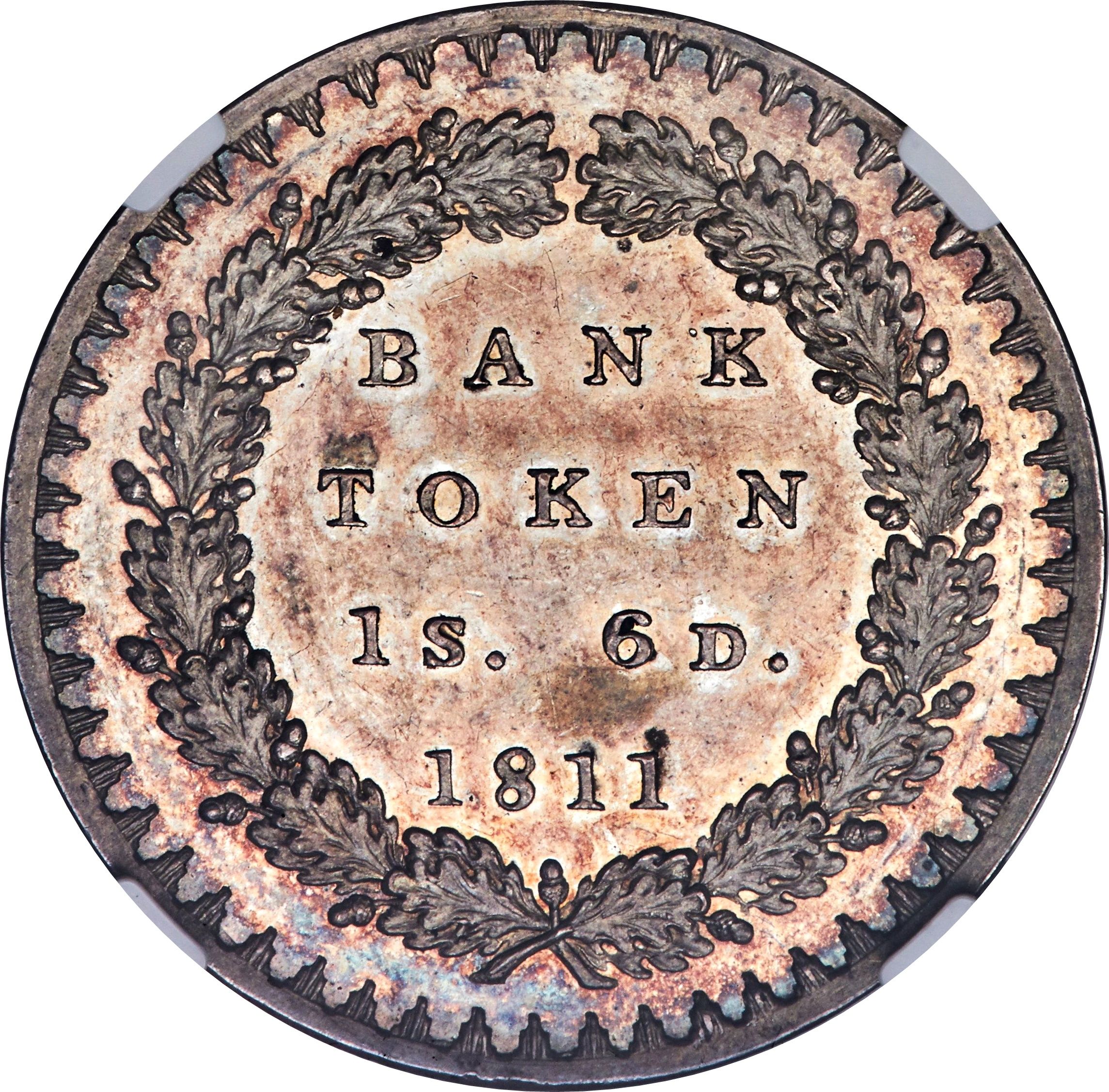
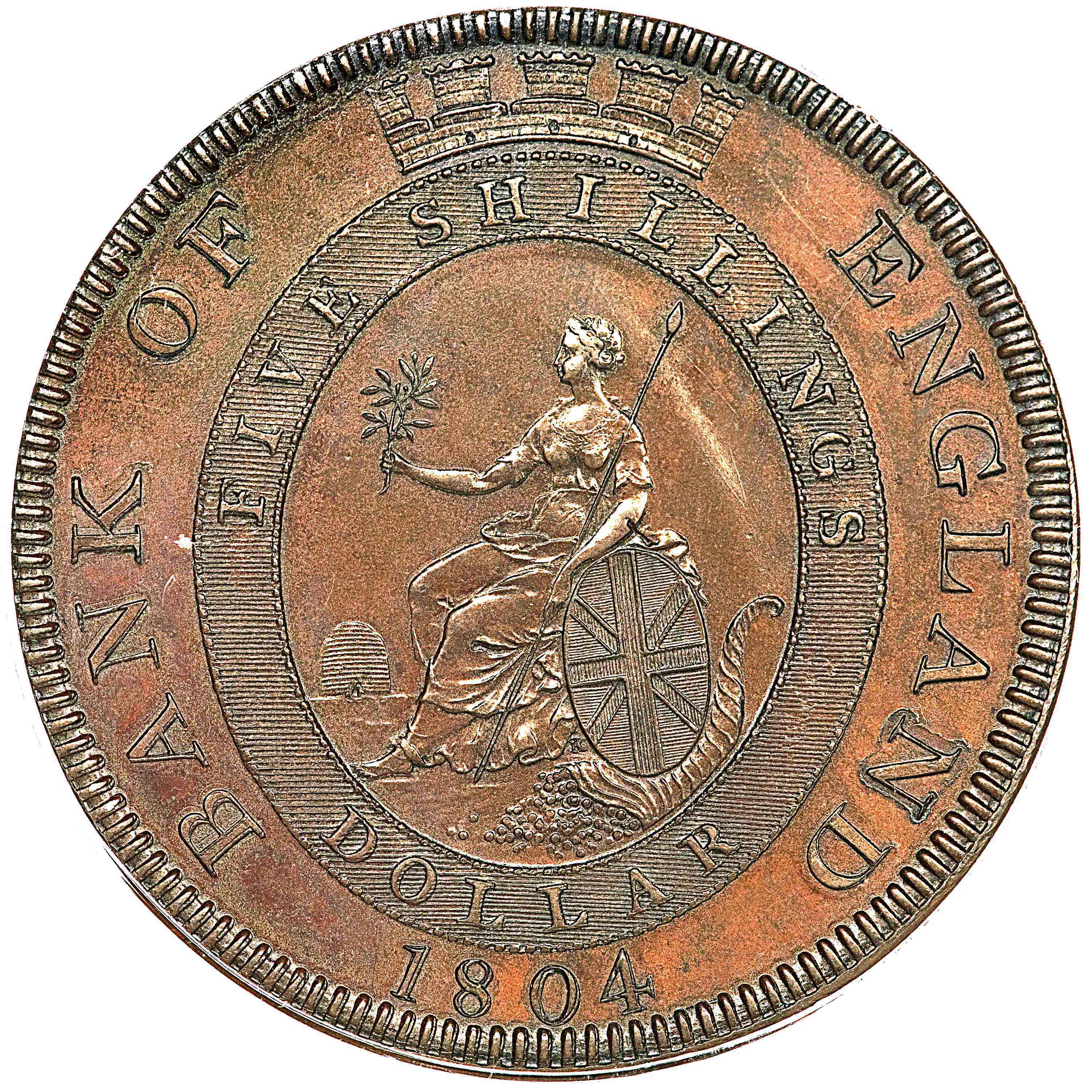
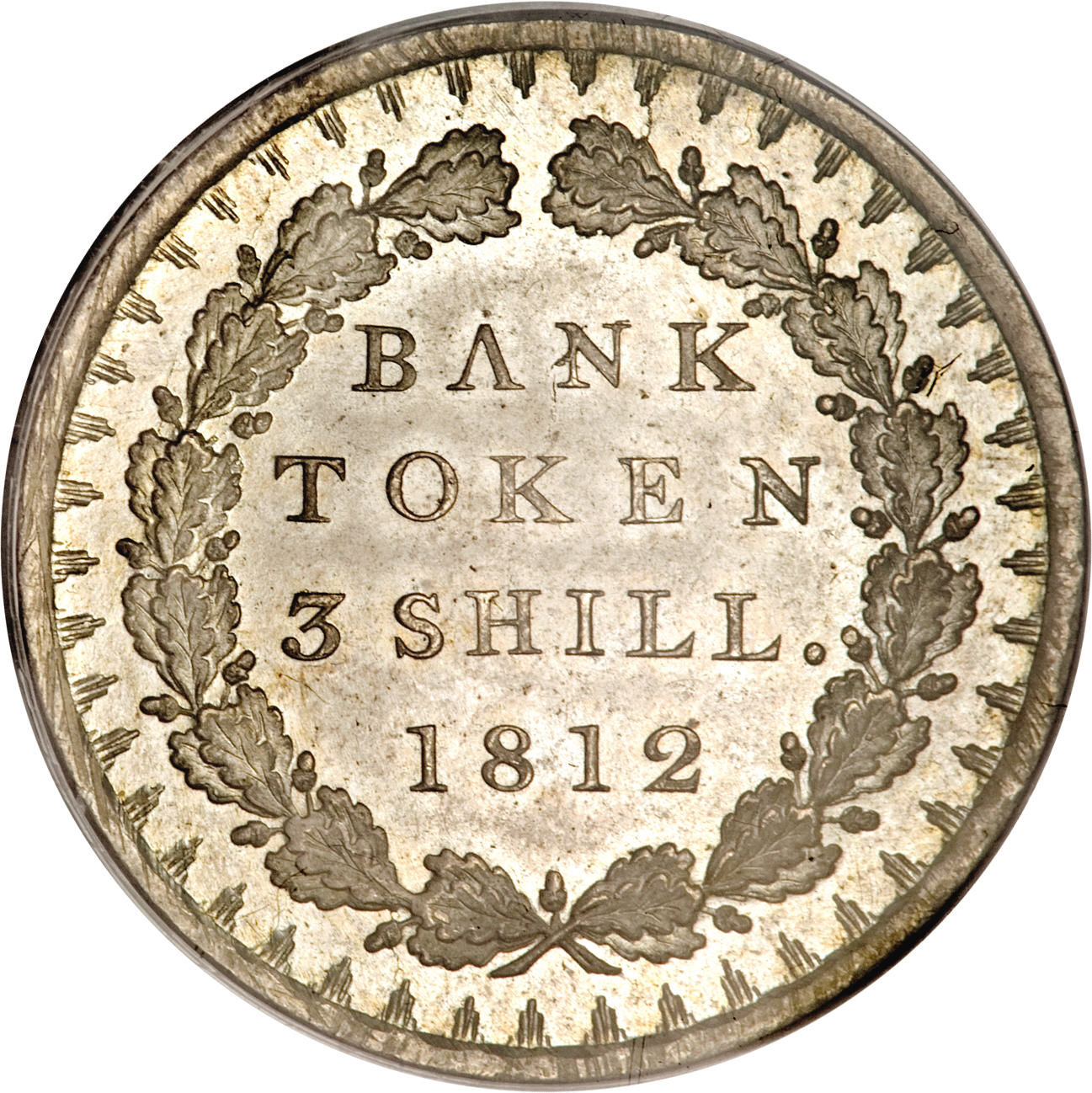
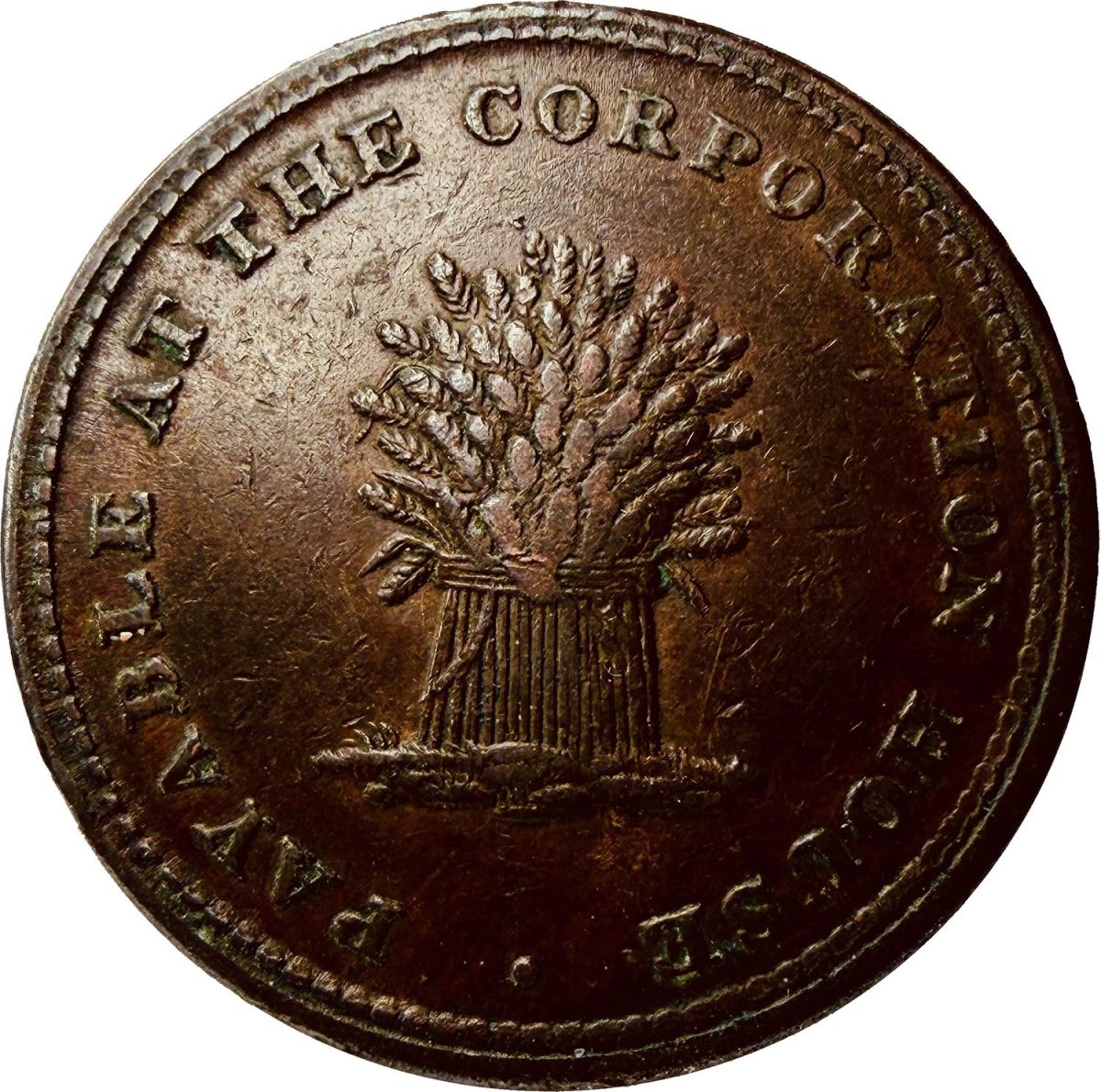
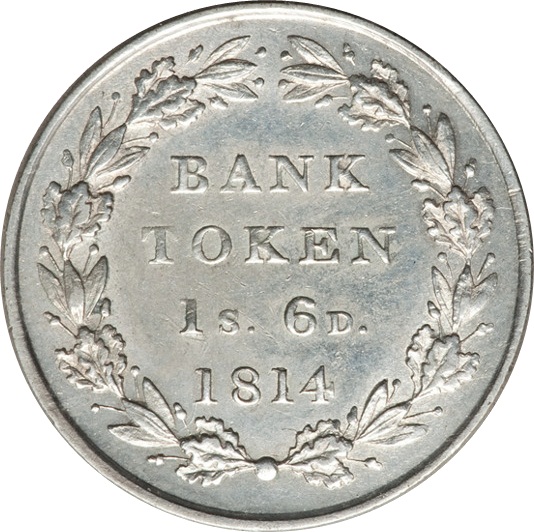
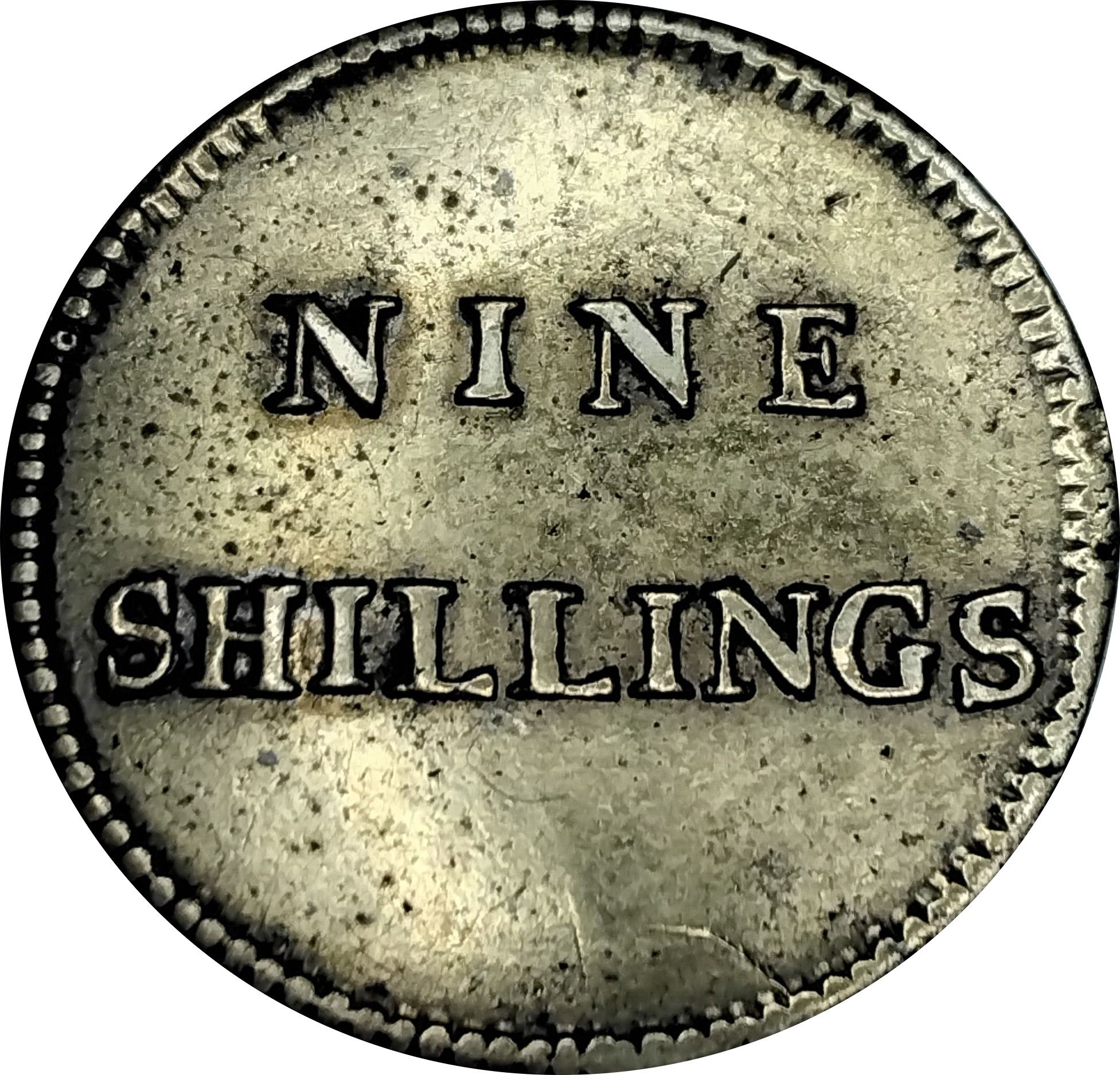
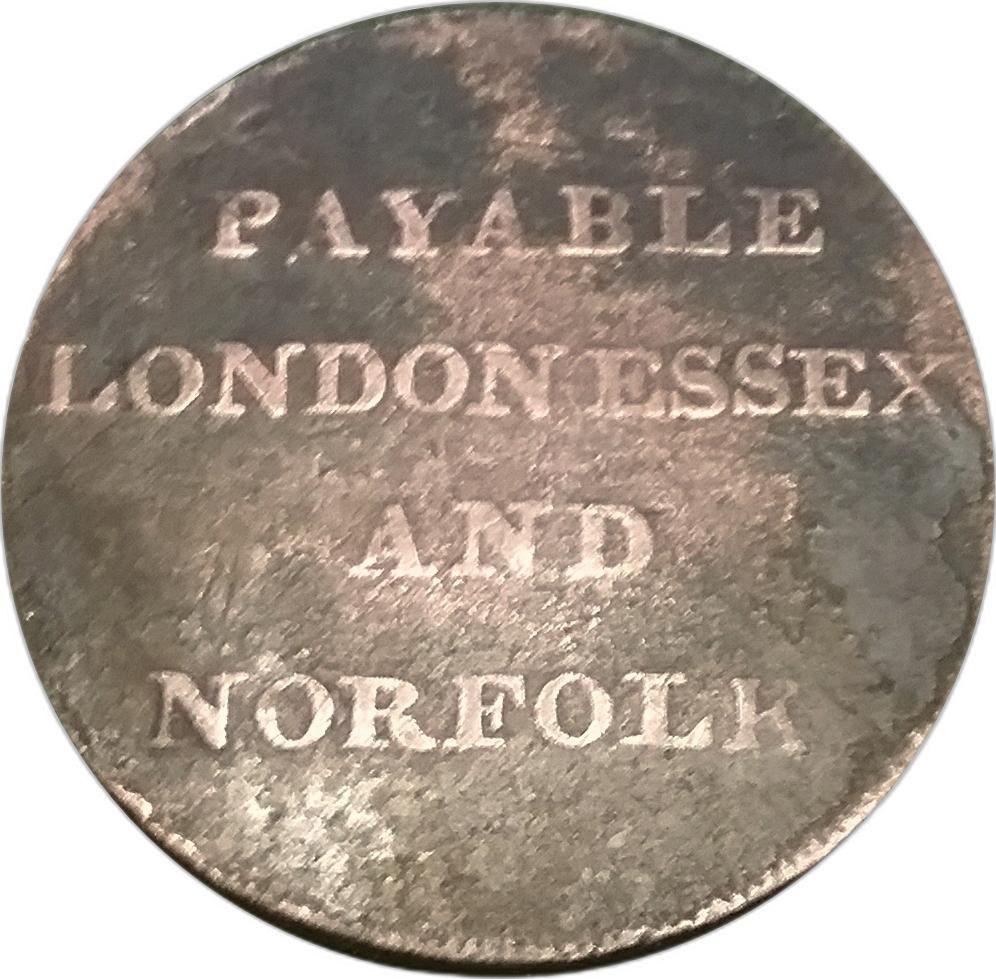
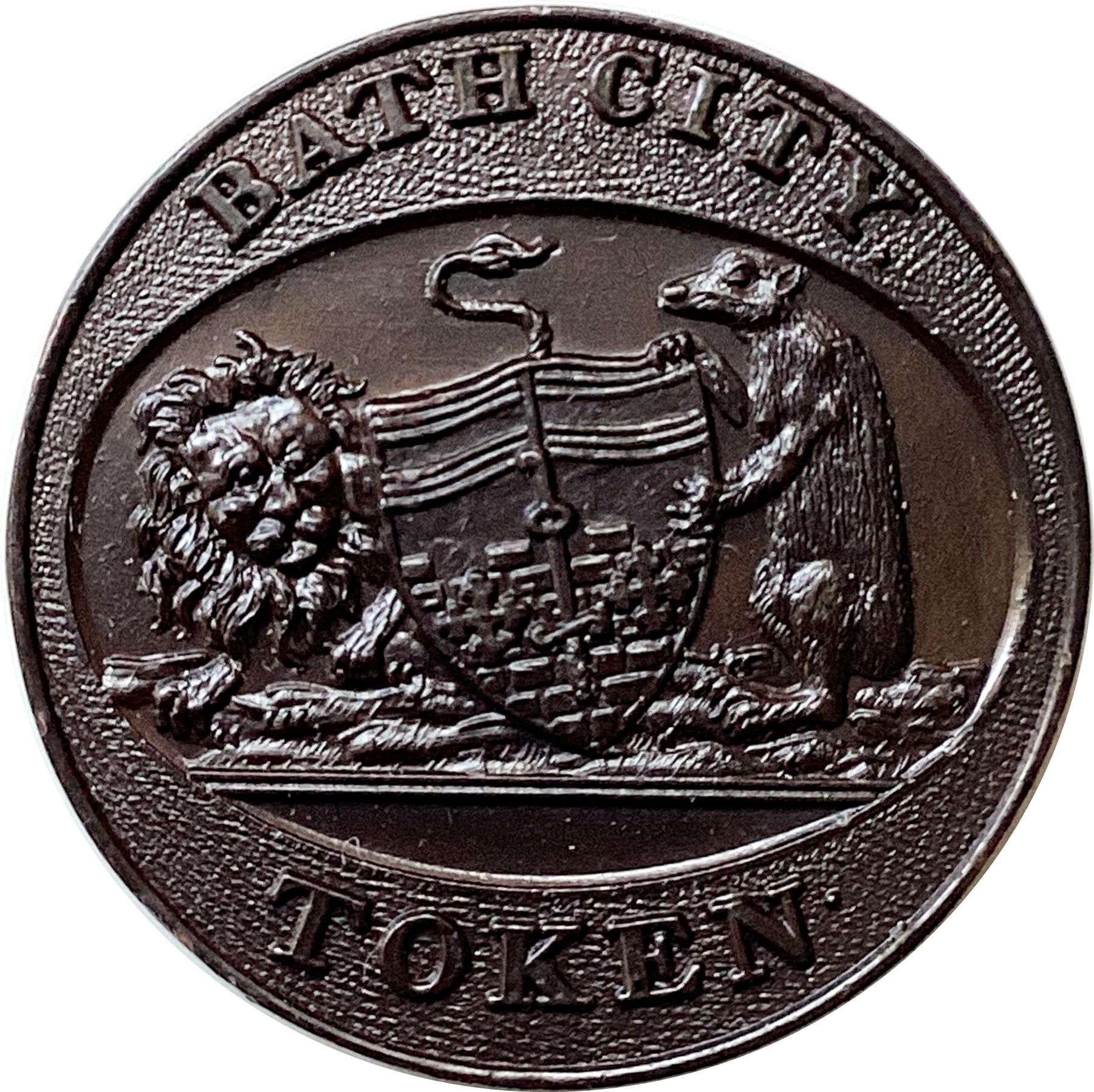
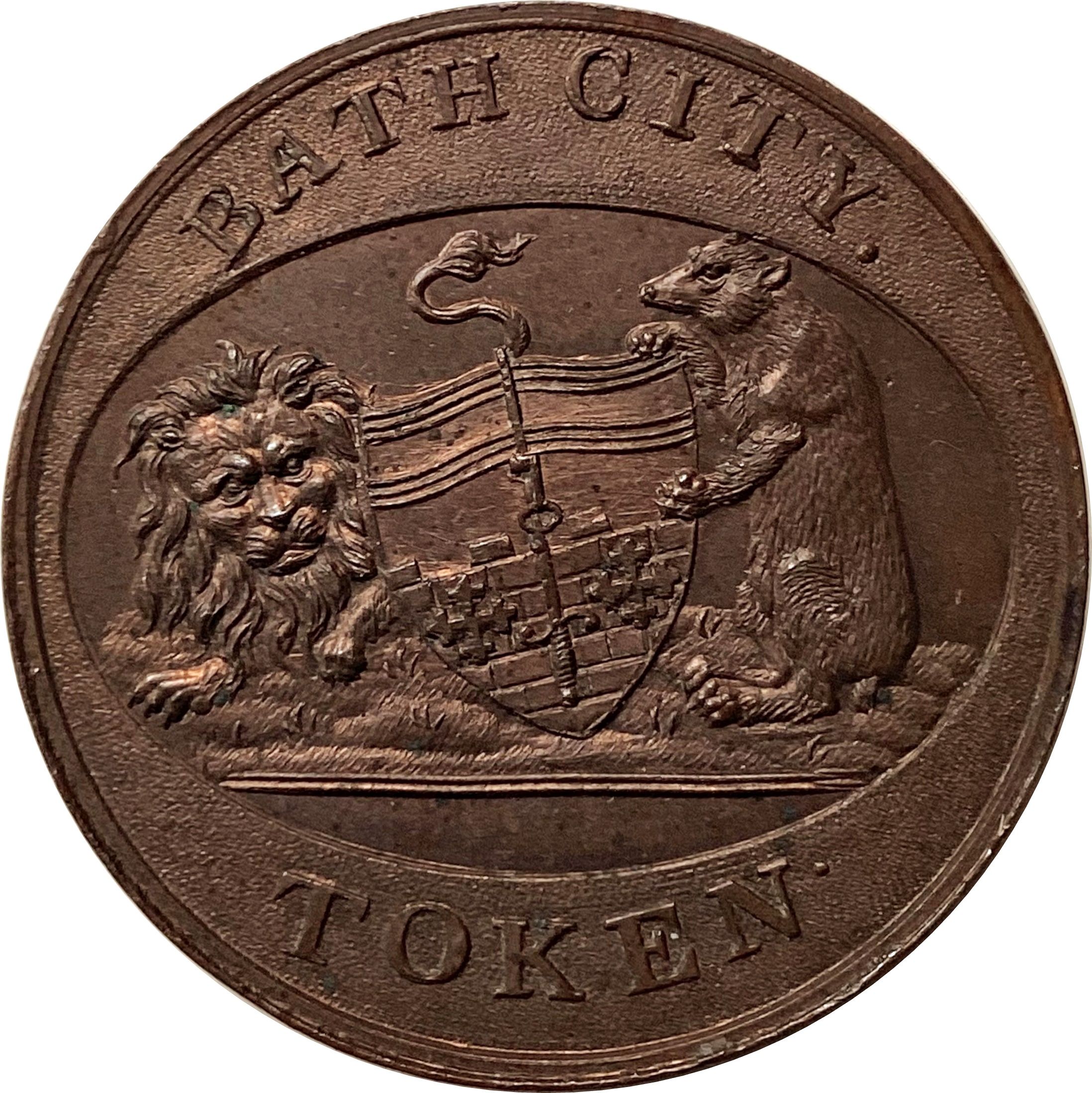
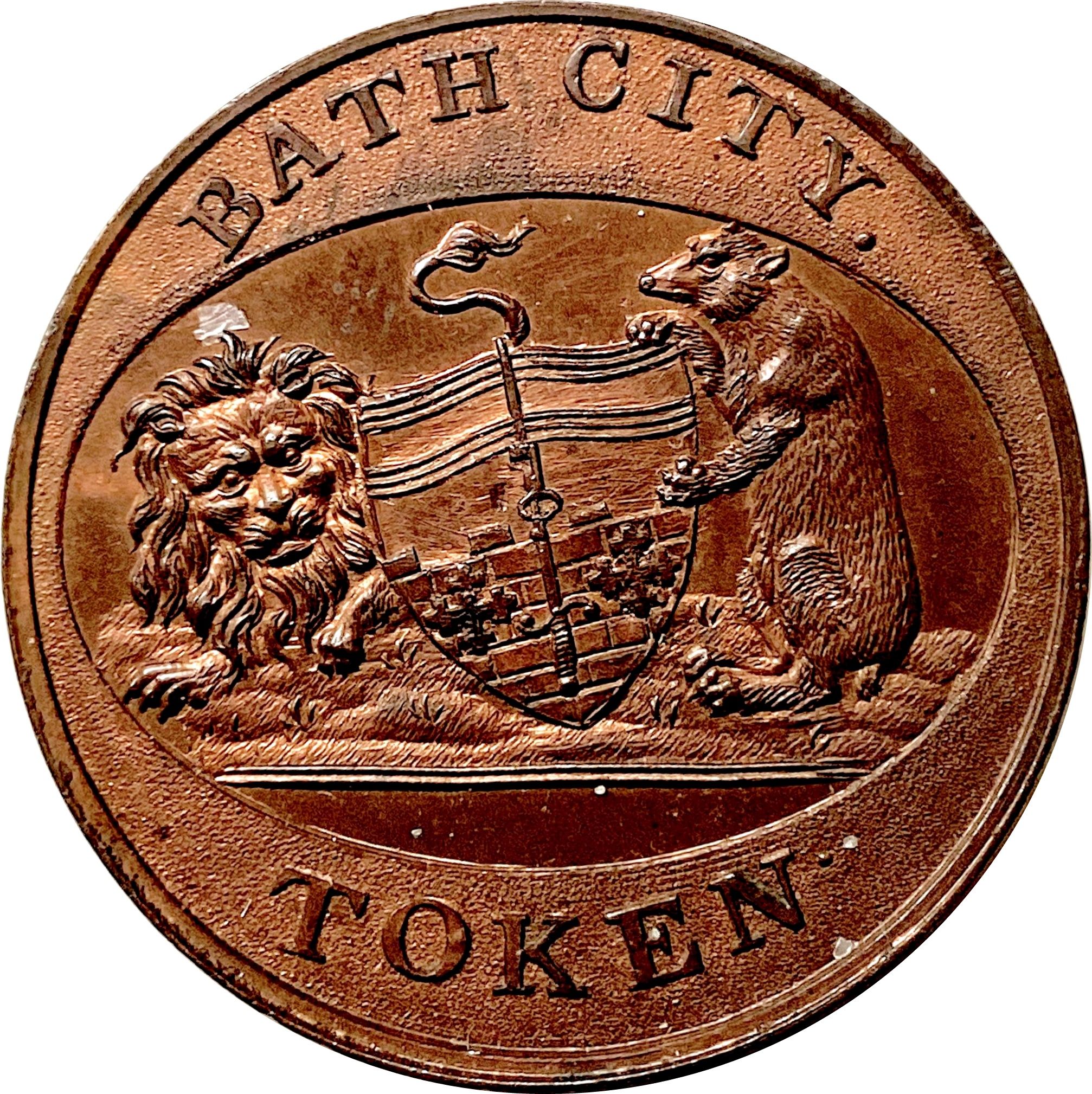
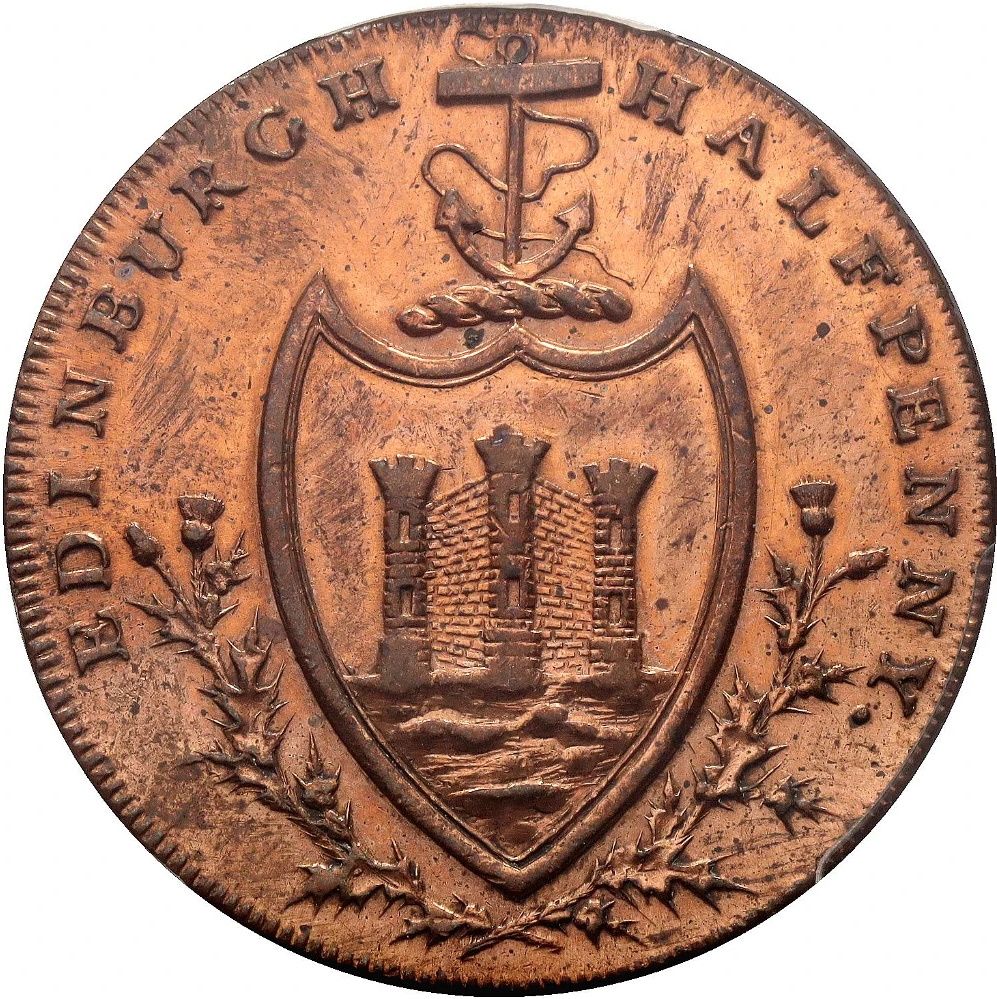
Browse the rest by searching the catalogue for “token”.
Frequently asked questions
What is a Conder token?
How much are trade tokens worth?
Are tokens legal tender?
What is an evasion halfpenny?
What are unofficial farthings?
Were the 1811 Bank of England tokens real coins?
How do I identify a token?
Where can I sell trade tokens?
Why are there so many tokens from Birmingham and Anglesey?
Sources and references
- Dalton, R. and Hamer, S. H., The Provincial Token-Coinage of the 18th Century (1910–1918), the standard Conder reference.
- Williamson, G. C., Trade Tokens Issued in the Seventeenth Century (1889–1891), revising Boyne.
- Withers, P. and B., The Token Book and British Copper Tokens 1811–1820.
- Bell, R. C., Unofficial Farthings 1820–1870.
- Token Corresponding Society, the UK collectors’ body.
- Noonans auction archive, for attributed, photographed examples with realised prices.
Further reading
- Pre-1816 British coins, the regal coinage the tokens stood in for.
- Halfpenny values UK, the denomination most tokens imitated.
- Farthing values UK, for the unofficial farthings’ official cousins.
- Royal Mint history, including Boulton’s Soho Mint and the 1797 cartwheels.