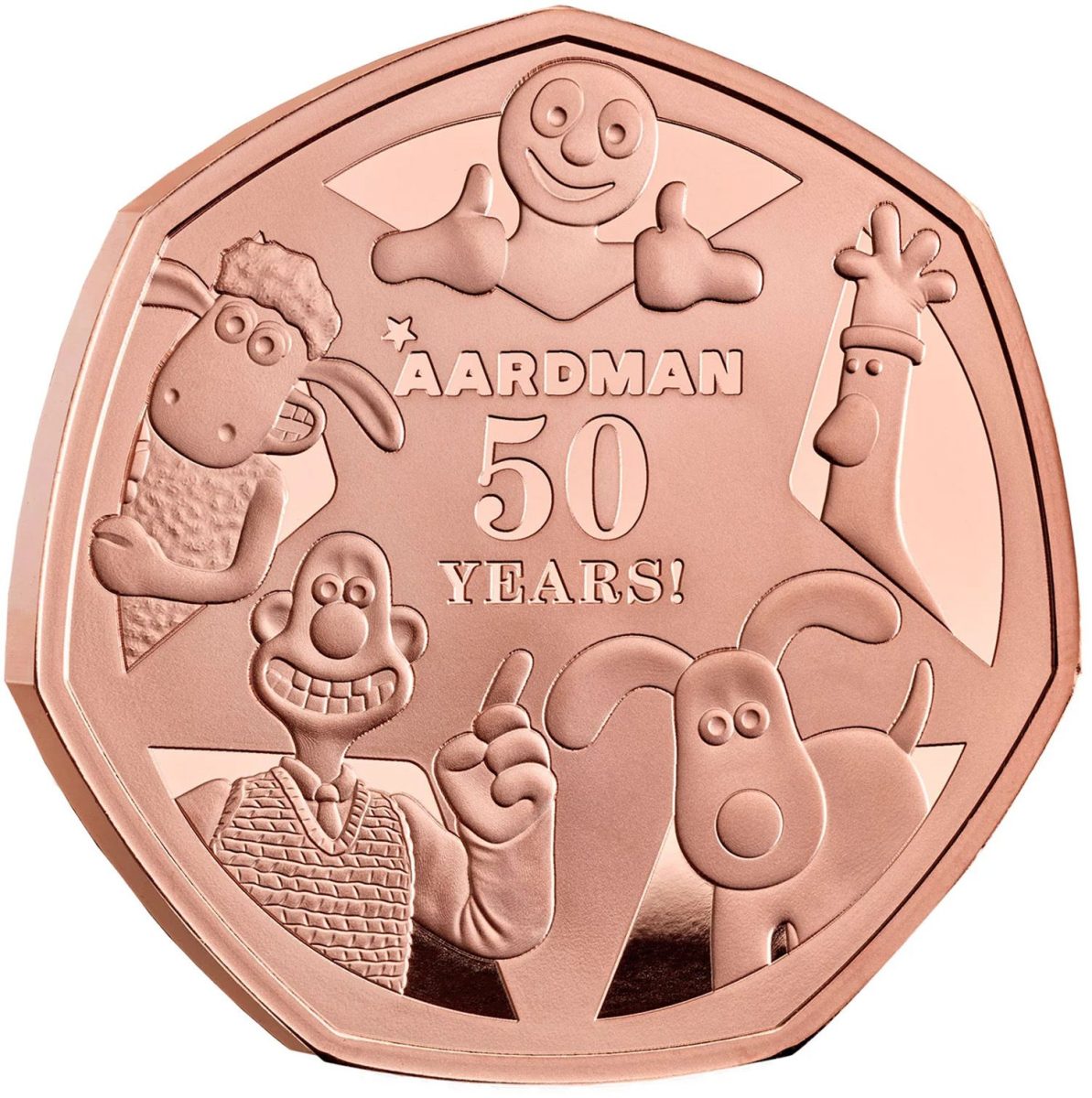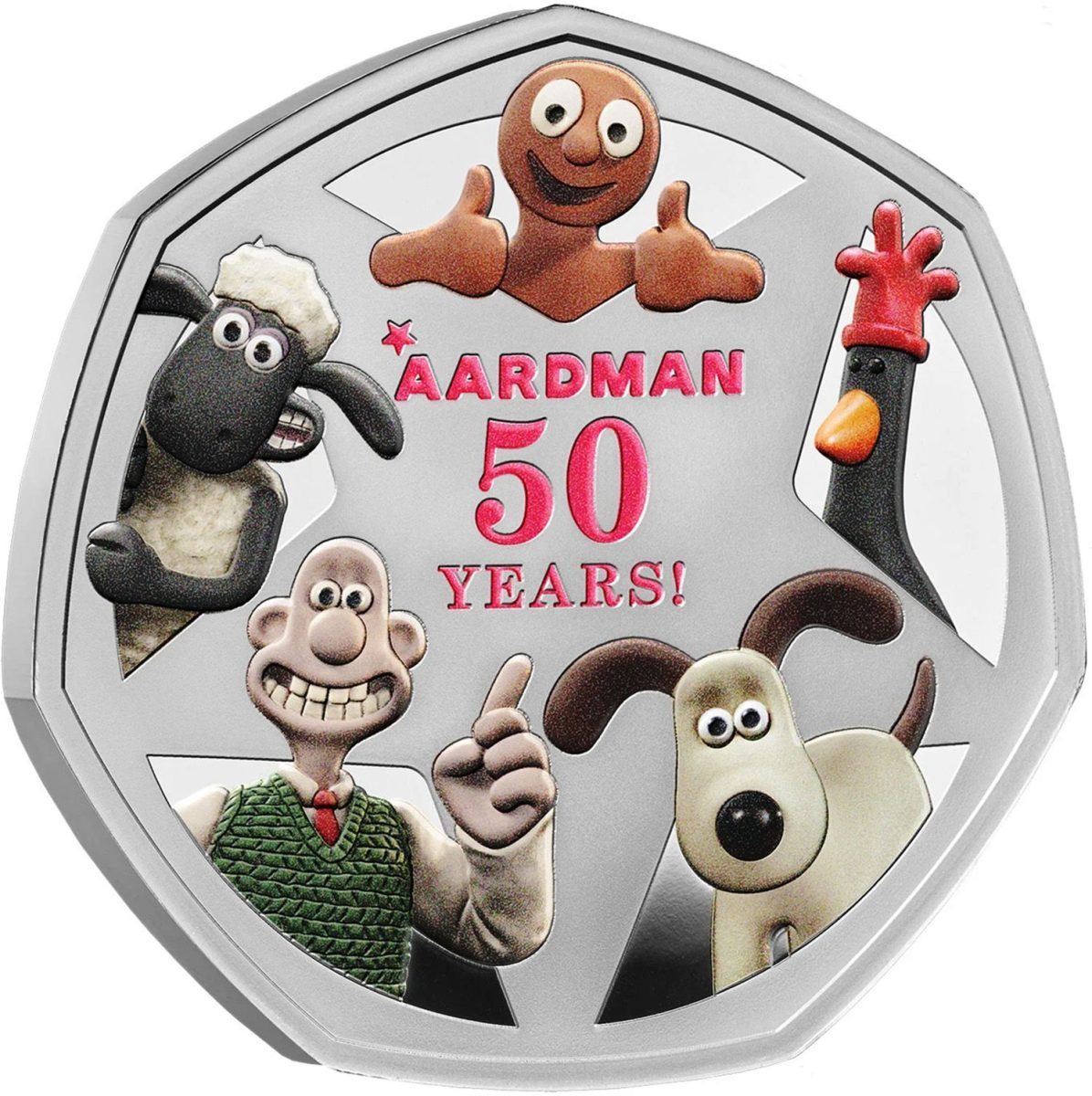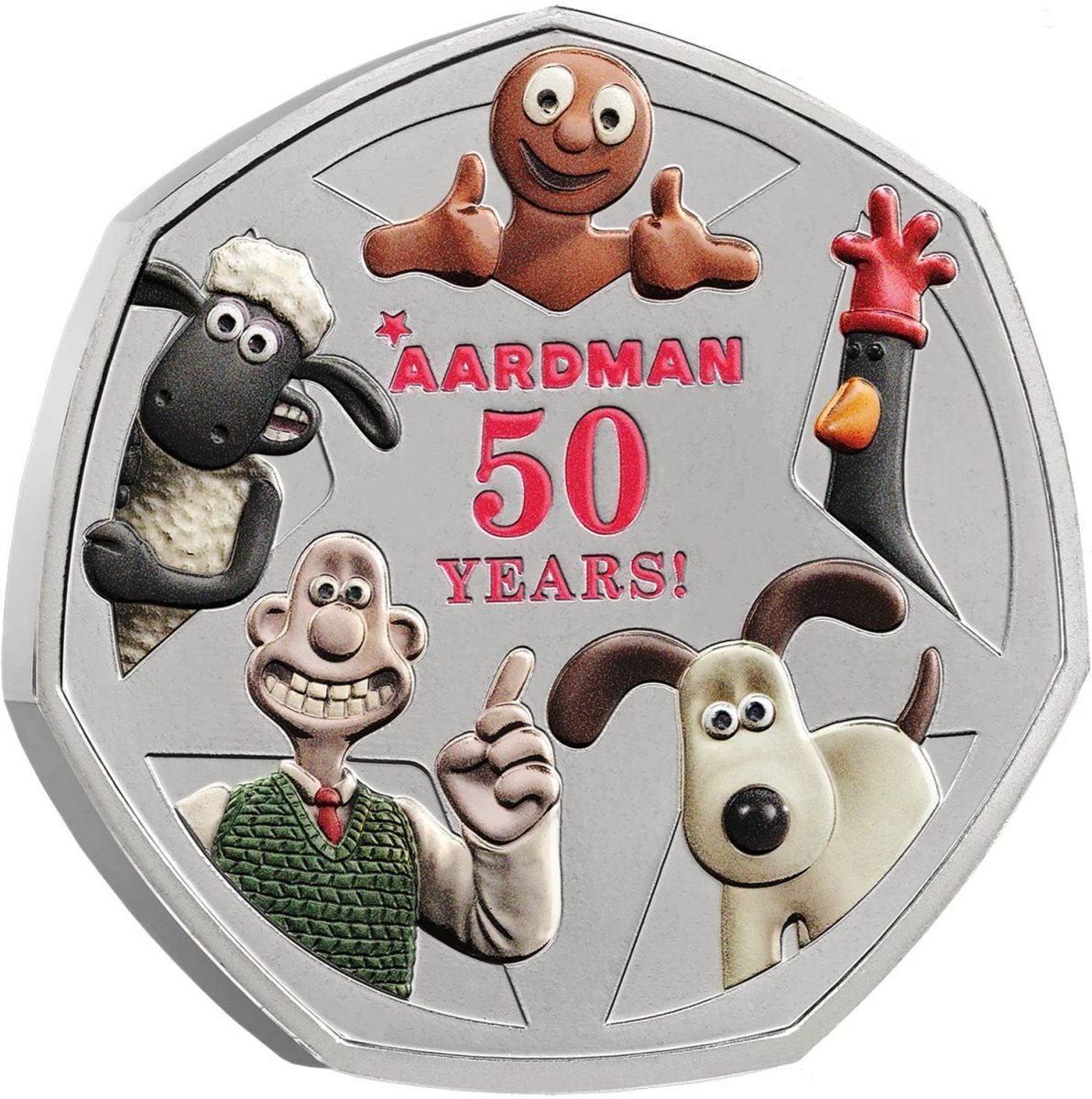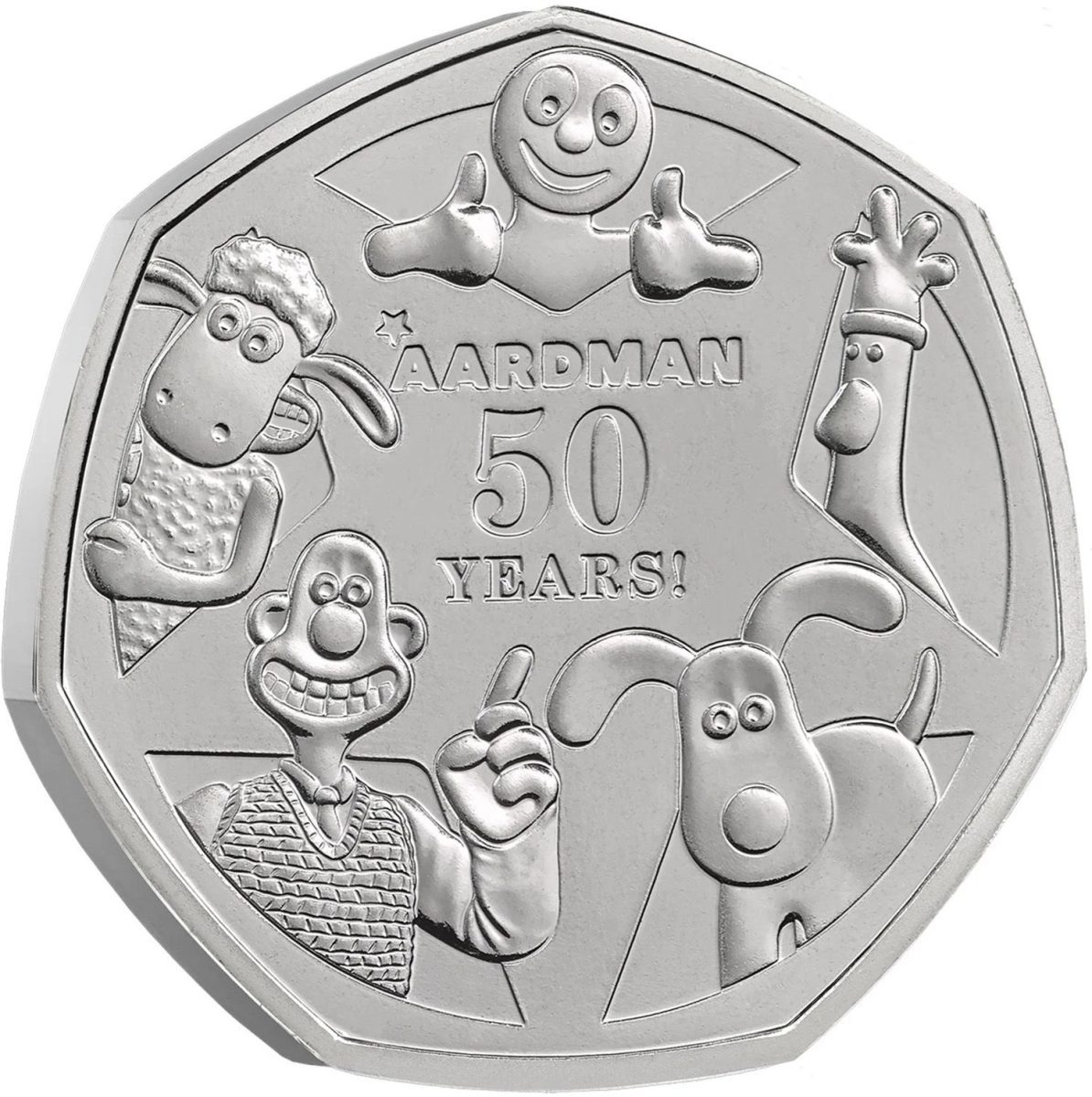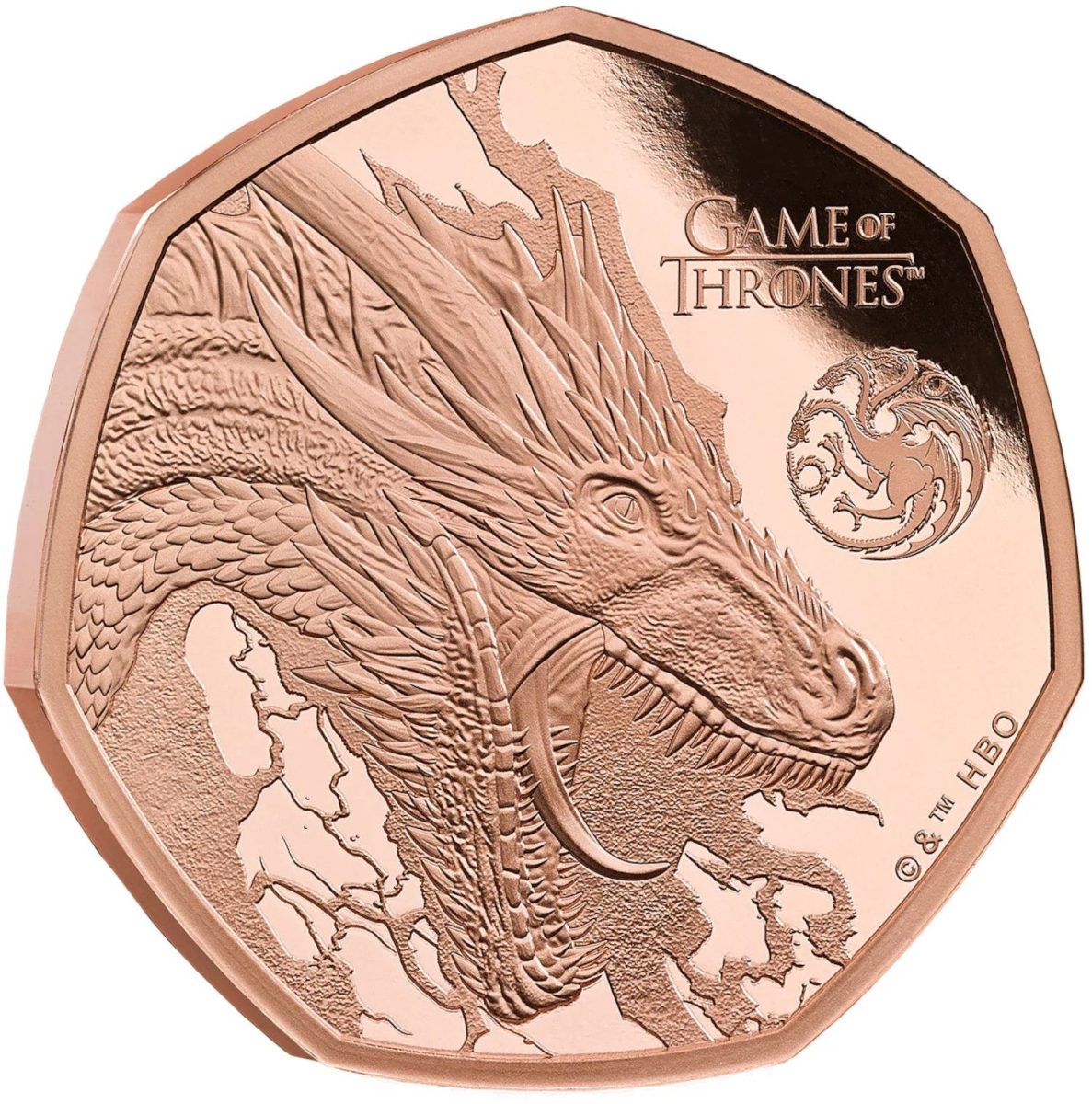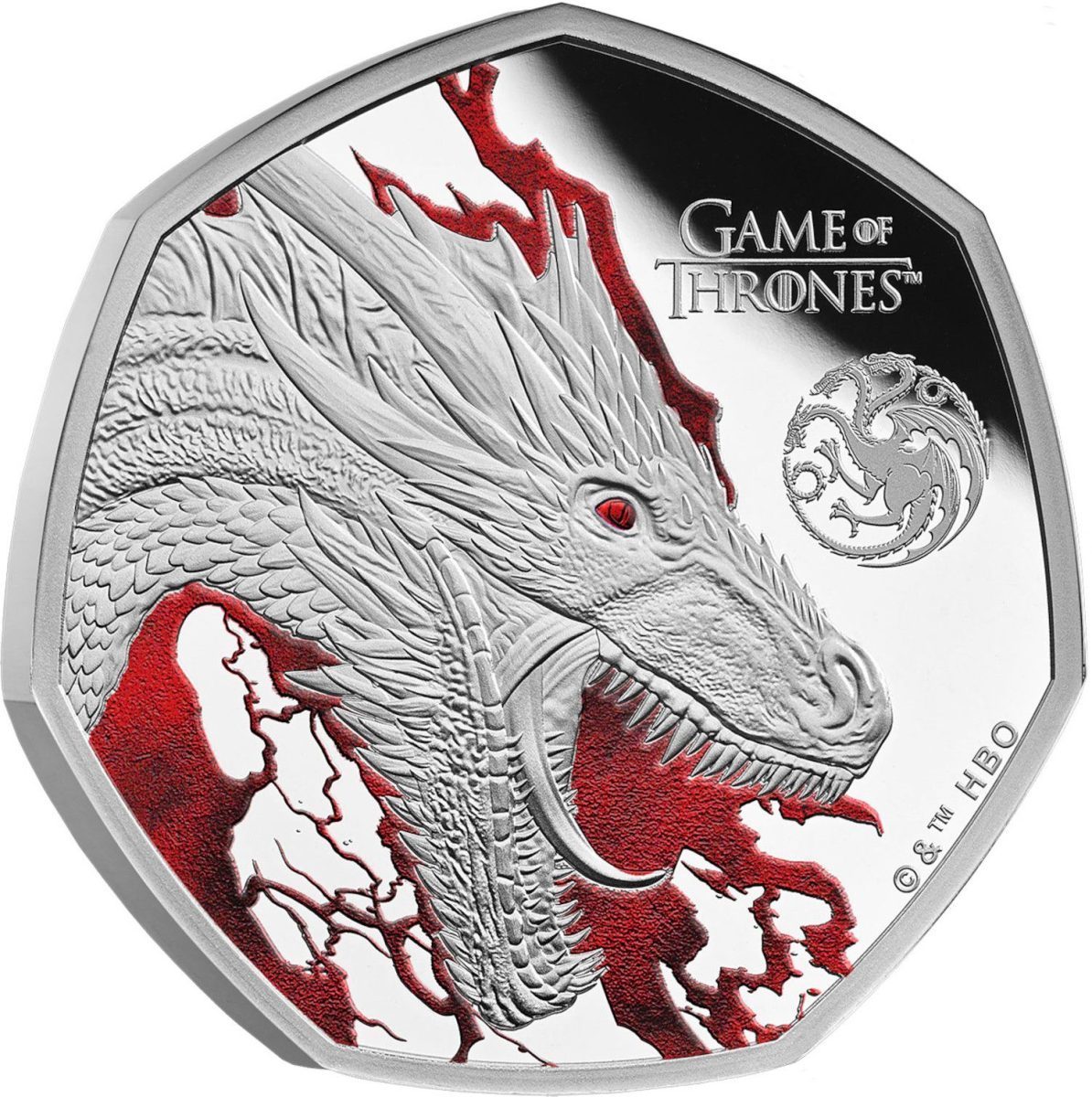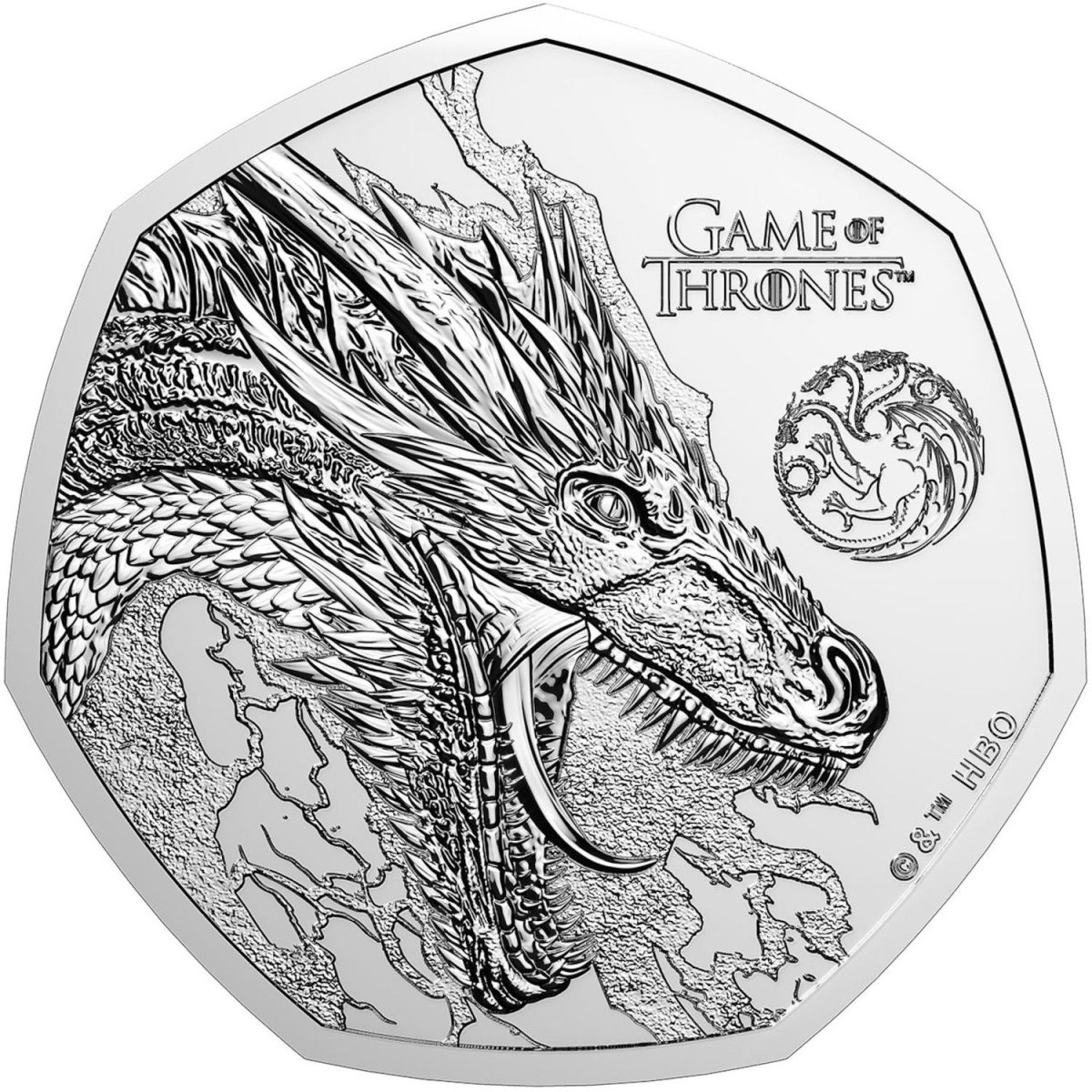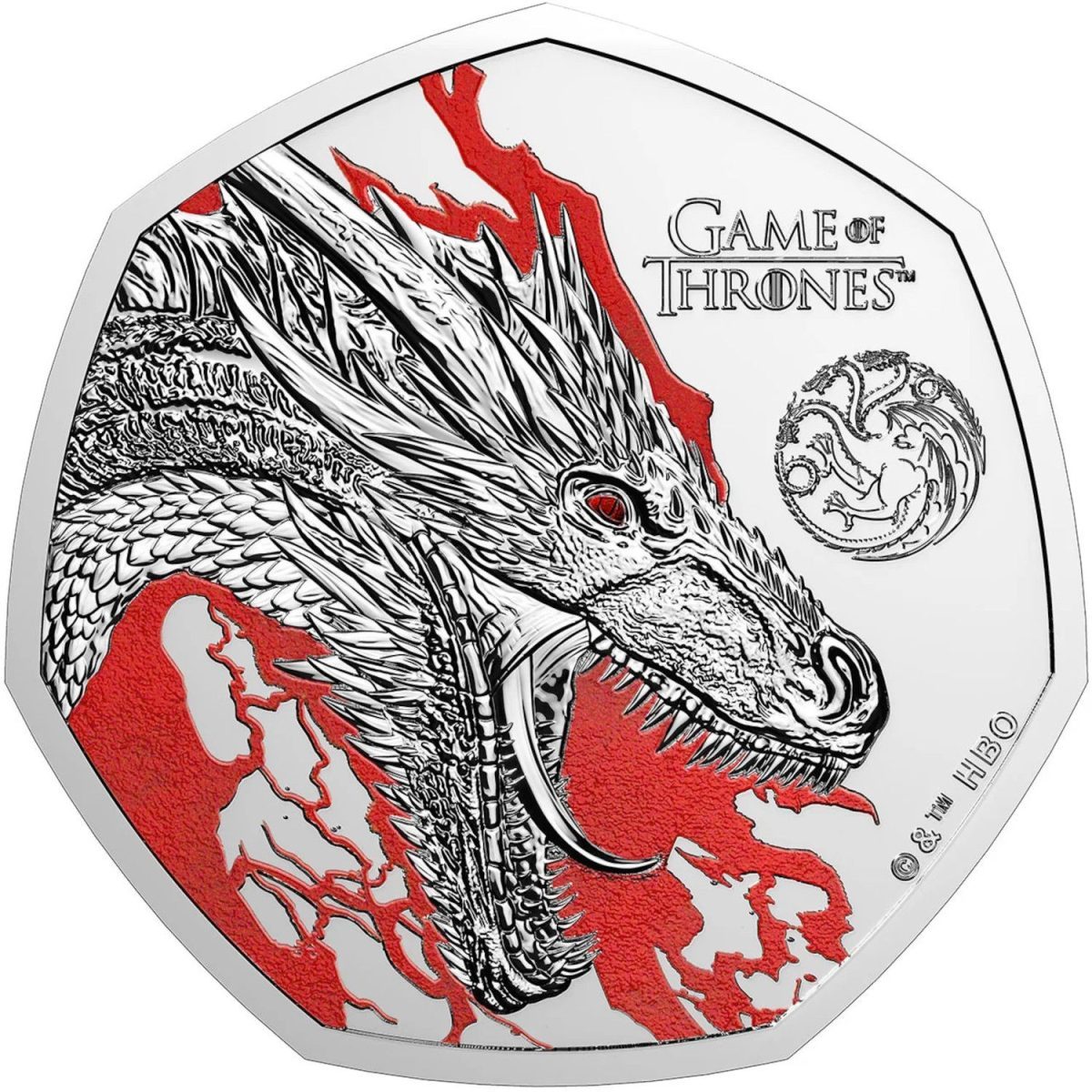
50 Pence - Charles III 60 Years of Star Trek Gold Proof (2026)
Circulating version: 2026 50 Pence - Charles III 60 Years of Star Trek
| Country | United Kingdom |
| Year | 2026 |
| Denomination | 50 Pence |
| Face value | 50p |
| Mint | Royal Mint · Llantrisant |
| Circulation | Non-circulating |
| Composition | Gold (.9167) (917/1000 fine) |
| Weight | 15.500g · 0.4568 t oz |
| Diameter | 27.3mm |
| Shape | Equilateral curve heptagon (7-sided) |
| Edge | Plain |
| Orientation | Medal alignment ↑↑ |
| Obv. artist | Martin Jennings |
| Rev. artist | Paramount |
| Grade scale | UK (EF/UNC) |
| Tags | commemorative proof |
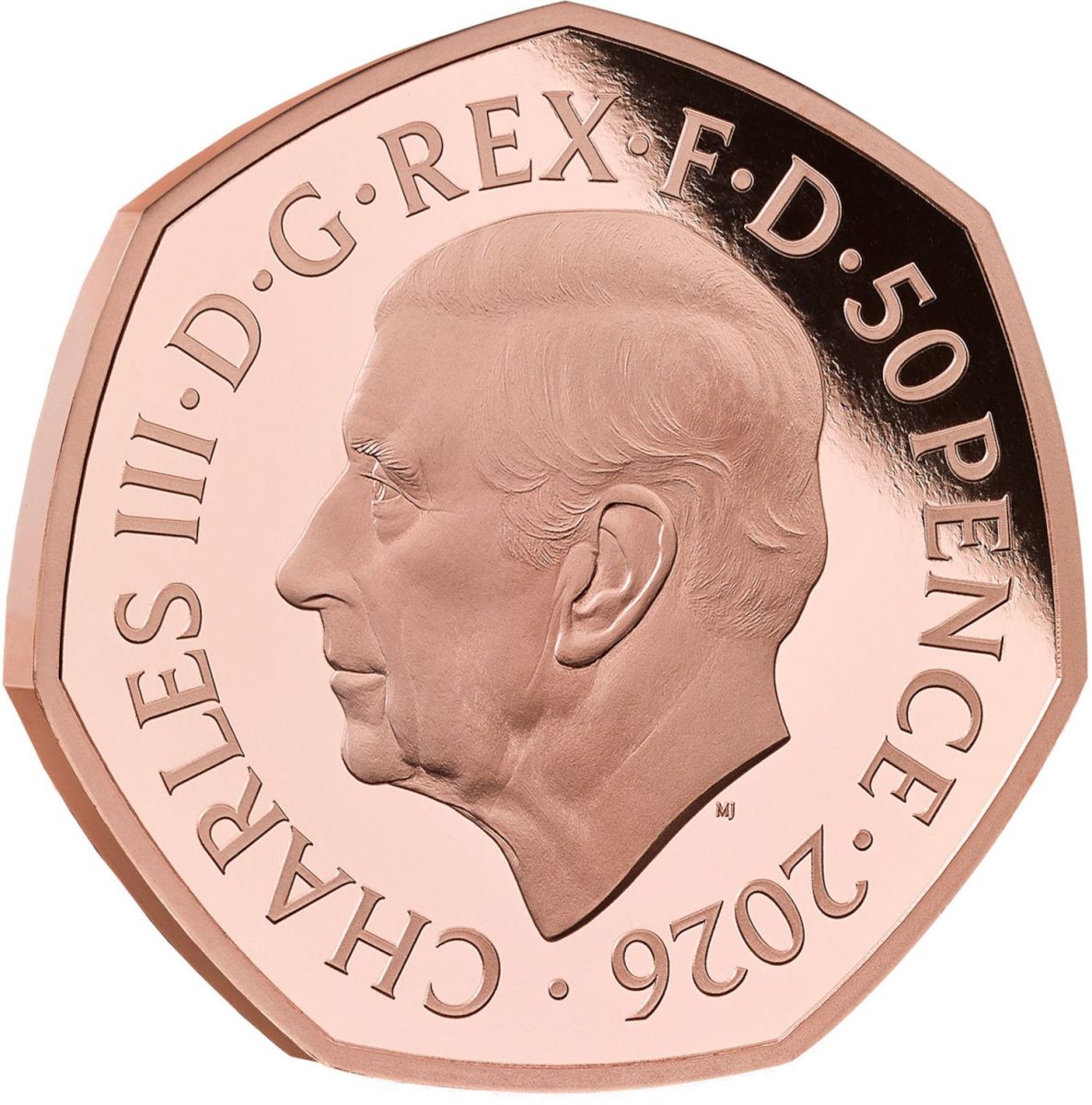
Uncrowned portrait of King Charles III left, legend around.
CHARLES III·D·G·REX·F·D·50 PENCE·2026 · MJ
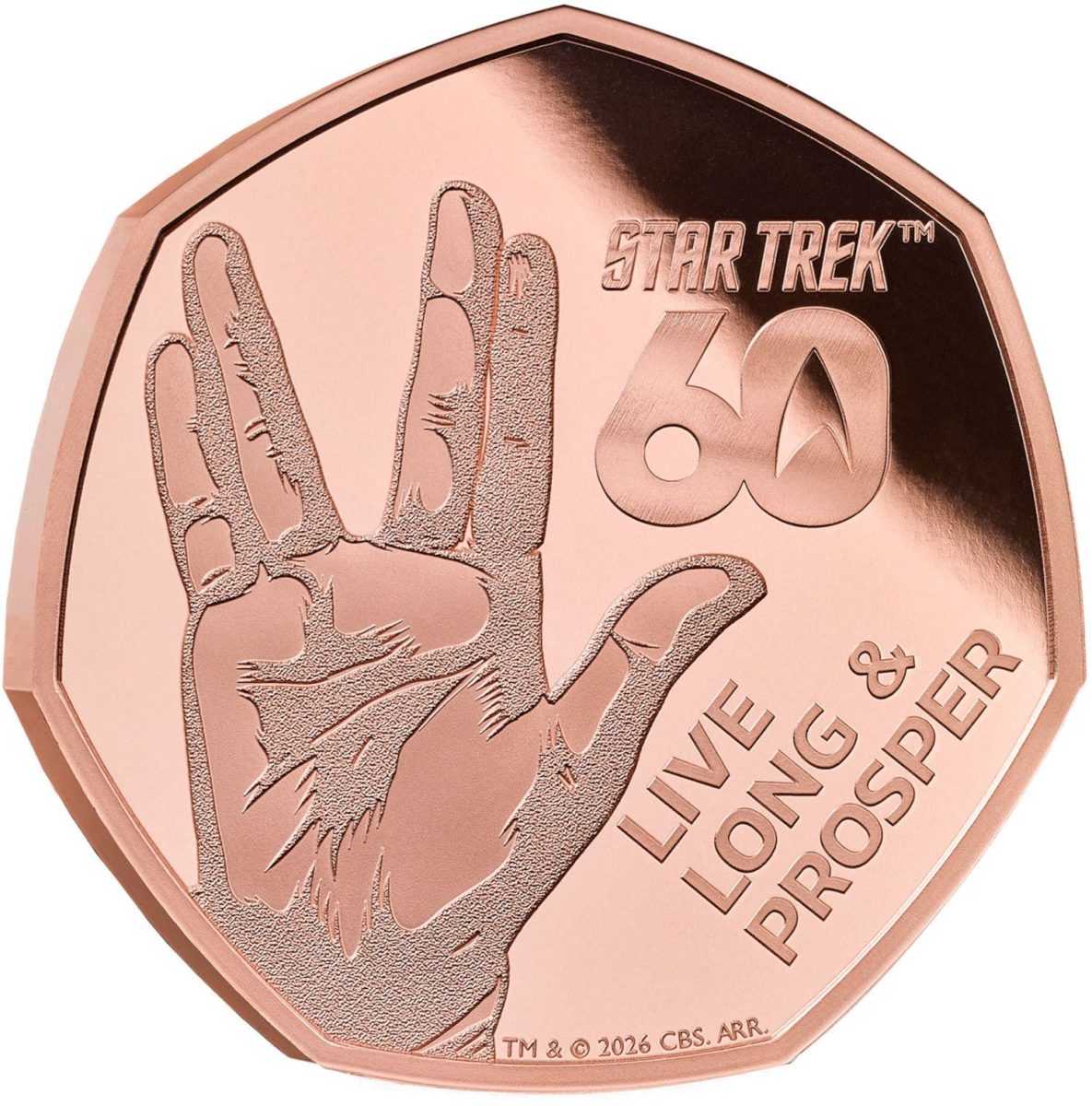
Mr. Spock's famous Vulcan salute
STAR TREK™ 60 LIVE LONG & PROSPER TM & © 2026 CBS. ARR.
Find this on eBay
AffiliatePrice History
Daily limit reachedAbout the 2026 50 Pence - Charles III 60 Years of Star Trek – Gold Proof
The 2026 50 Pence - Charles III 60 Years of Star Trek – Gold Proof is a collector 50 pence coin, struck in 91.67% gold. It weighs 15.5g and measures 27.3mm across. Reverse design: Mr. Spock's famous Vulcan salute.
Common questions
How much is the 2026 50 Pence - Charles III 60 Years of Star Trek – Gold Proof worth?
No verified sale of the 2026 50 Pence - Charles III 60 Years of Star Trek – Gold Proof has been logged on MyCoinage yet. Its gold content is worth about £1,428 at today's spot price, which puts a floor under its value.
How is the 2026 50 Pence - Charles III 60 Years of Star Trek – Gold Proof different from the circulating coin?
This is a collector version of the 2026 50 Pence - Charles III 60 Years of Star Trek, not the coin found in change. At 15.5g of 91.67% gold it is heavier than the 8g copper circulating coin, so weighing it is the quickest check.
How do I identify the 2026 50 Pence - Charles III 60 Years of Star Trek – Gold Proof?
Check the weight 15.5g and diameter 27.3mm and the metal (91.67% gold) against the specification table on this page. The reverse design is described above.
More 50 Pence coins from nearby years