Quick answer
Don't clean collectible coins, cleaning reduces value by 30-80% instantly, and the damage is permanent. For non-collectible coins you just want to tidy up, distilled water and a soft cotton cloth is the safest method. Never use vinegar, tomato ketchup, toothpaste, Brasso or any abrasive.
TL;DR
- Cleaning destroys numismatic value, collectors pay for original surfaces, not shine
- Professional conservation exists; DIY cleaning does not
- "Dip" treatments can sometimes be reversed by a conservator; abrasive cleaning cannot
- Toning (the natural patina) is an asset, not a problem
- Only clean coins you're sure are not collectible
Table of contents
- Why cleaning destroys value
- What counts as cleaning
- Safe methods for non-collectible coins
- Methods to absolutely avoid
- Damage comparison table
- When to call a professional
- Common questions
- FAQ
Why cleaning destroys value
Coins develop a natural surface layer called toning or patina, a thin oxidation that takes decades to form. Collectors value this layer because it proves the coin is original, hasn't been tampered with, and is genuinely old.
Cleaning strips this layer. Even the gentlest polish leaves:
- Hairlines, fine parallel scratches visible under a loupe
- Unnatural colour, pink tone on copper, frosted white on silver, harsh orange on gold
- Flat high points, detail lost forever
Graders can spot cleaning instantly. A PCGS or NGC slab will mark a cleaned coin with the "Details" designation, which typically cuts the price by 50-80% compared to the same coin with original surfaces.
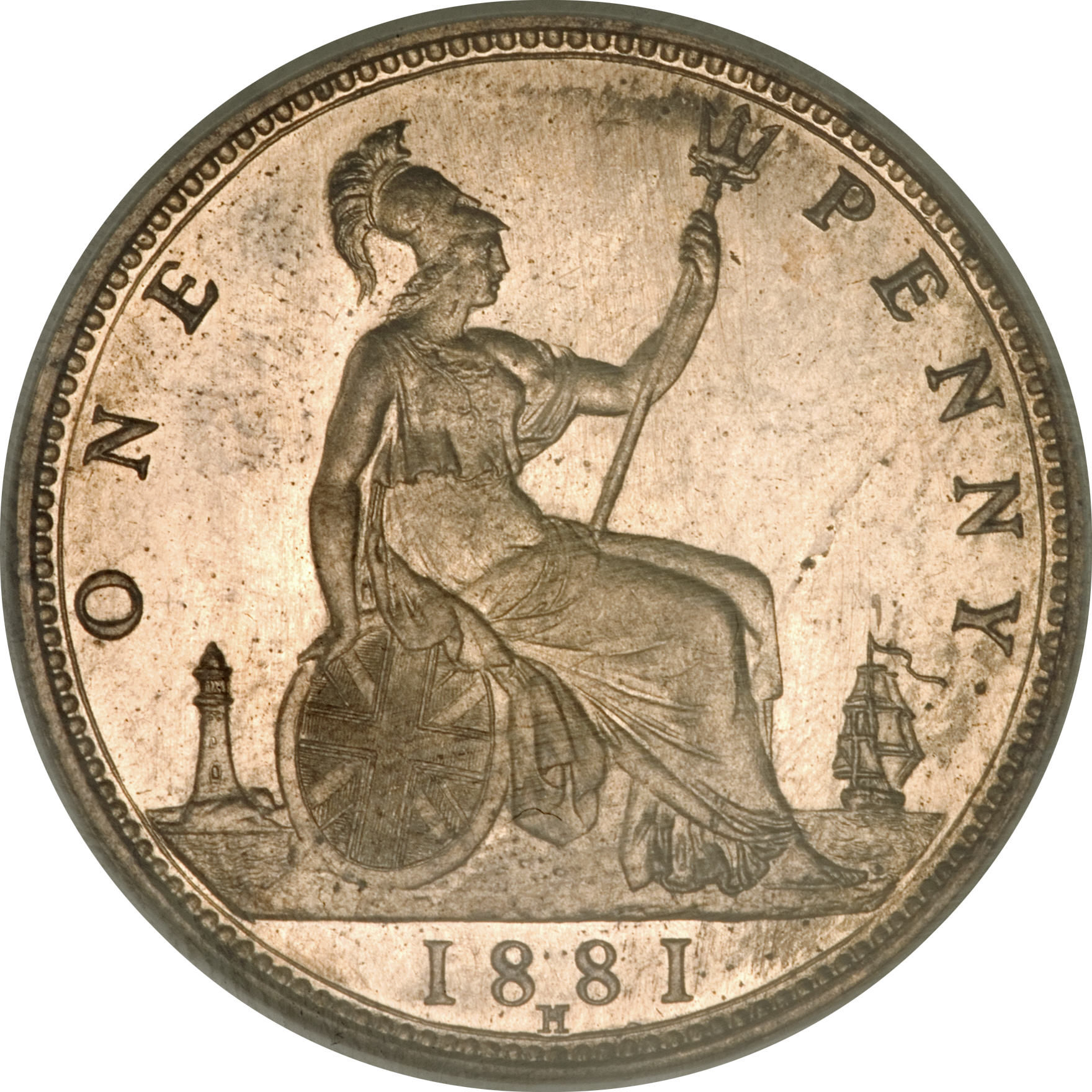
A 1900 Victorian penny in VF grade: £8 original, £2-£3 cleaned. A 1911 George V gold sovereign: £450 original, £380 cleaned. The losses scale up with value.
What counts as cleaning
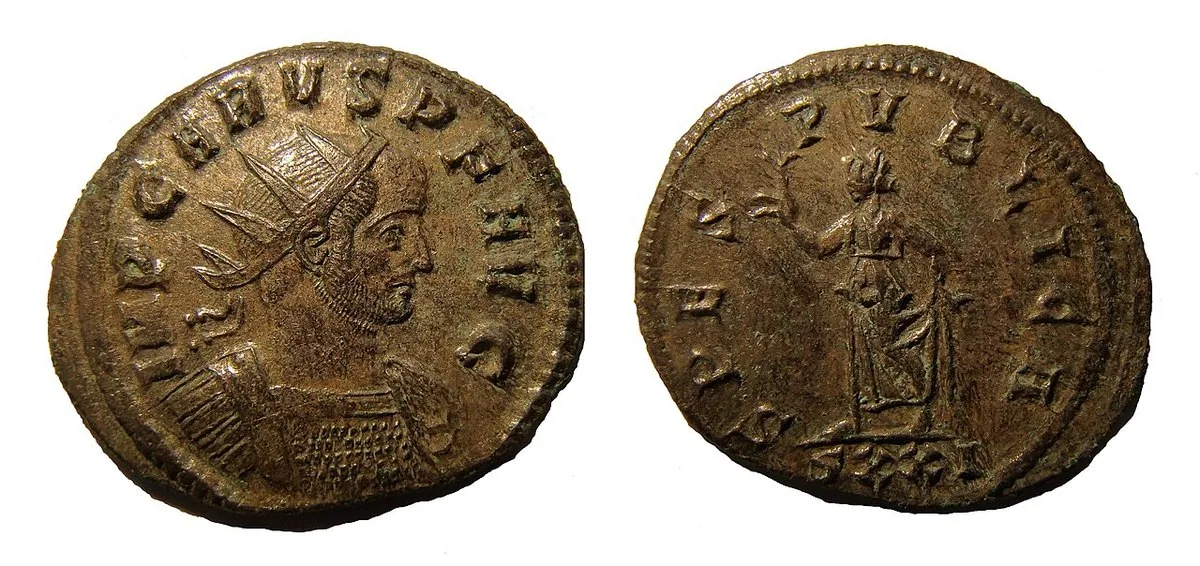
Collectors and grading services define cleaning broadly:
- Abrasive cleaning, anything that physically removes metal (polish, toothpaste, Brasso, erasers)
- Chemical cleaning, acids (vinegar, lemon juice, ketchup, Coca-Cola), jewellery dips (silver dip), ammonia
- Mechanical cleaning, wire brushes, pencil erasers, wooden skewers on the field
- Whizzing, a wire brush held in a rotary tool; removes surface and simulates mint lustre
All of these are detectable and all reduce value. Only truly gentle conservation, handled by professionals using established techniques, can preserve or improve a coin without leaving detection flags.
Safe methods for non-collectible coins
If a coin is definitely not collectible (a worn modern 2p caked in mud from your garden, for instance), and you just want to hand it to a shop without embarrassment:
Distilled water soak
- Place the coin in a glass of distilled water (not tap, the minerals can etch)
- Leave for 15-30 minutes
- Gently swirl, do not rub
- Remove with plastic tweezers
- Dab dry with a lint-free microfibre or linen cloth, no wiping
This removes dirt without affecting the metal. It won't remove tarnish or oxidation, that's fine, those are part of the coin.
Soap and water
For coins with visible grime (mud, grease): add a single drop of fragrance-free dish soap to the distilled water. Same process. Rinse in clean distilled water afterwards. Pat dry.
Acetone bath (advanced, still risky)
Pure acetone dissolves PVC residue (the green slime from plastic coin flips) and some organic contamination. It doesn't react with pure metal but can affect patina. Only use on coins you're certain have PVC contamination, in a well-ventilated area, in a glass jar. Do not use nail-polish remover, it contains oils and perfumes.
Methods to absolutely avoid
These ruin coins. If you read this list anywhere as a "hack", walk away.
- Vinegar, lemon juice, ketchup, acids that etch the surface
- Coca-Cola, phosphoric acid; same problem
- Toothpaste, mild abrasive designed to polish tooth enamel, will polish silver too
- Brasso, Silvo, abrasive + chemical; the worst combination
- Erasers, leave microscopic parallel scratches
- Wire wool, scourers, permanent surface damage
- Electrolysis kits, strip the outer atomic layer of metal
- "Ultrasonic" cleaners, agitate dirt, yes, but also abrade soft metals like copper
Damage comparison table
| Method | Cosmetic result | Value impact | Reversible? |
|---|---|---|---|
| Distilled water | Cleaner dirt | Minimal | , |
| Acetone (pure) | Removes PVC | None if short | Yes |
| Silver dip | Removes tarnish | -20-40% | Partially |
| Vinegar bath | Shiny but etched | -60-80% | No |
| Toothpaste | Shiny with hairlines | -70-90% | No |
| Wire brushing | Hairlines everywhere | -80-95% | No |
| Electrolysis | Pitted surface | -90-99% | No |
When to call a professional
Professional conservation services include NGC Conservation (CCS) and PCGS Restoration. They use controlled chemistry, trained conservators and careful documentation. Typical use cases:
- Removing PVC "green slime" from a valuable coin
- Stabilising active bronze disease on an ancient coin
- Neutralising tarnish without stripping original surfaces
- Conserving a coin before grading and slabbing
Costs run £30-£80 per coin for most conservation work. Worth it for anything worth £200+. For anything worth less, leave alone.
If you're insuring a valuable collection, see coin collection insurance UK, professional conservation certificates can support your valuation documentation. Browse typical coin values in our catalogue and see what your collection sits alongside on the leaderboard.
Common questions
Can I clean a gold sovereign?
No. Gold is soft and scratches easily; any abrasive leaves visible hairlines. A gentle distilled-water rinse for dirt is the only safe home treatment.
What about encrusted metal detector finds?
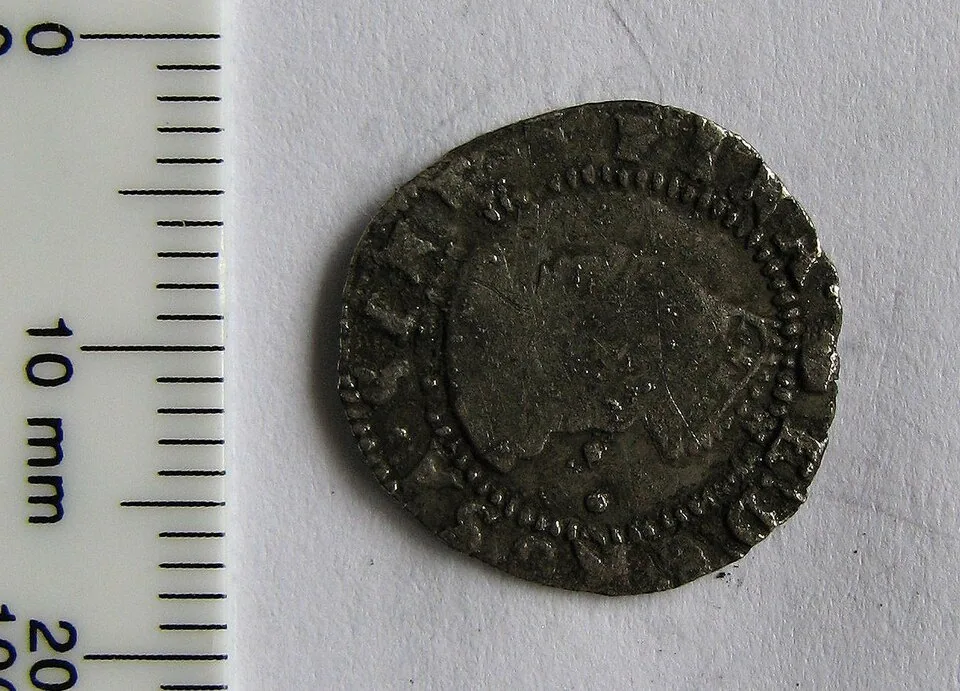
Different rules. Archaeological coins with heavy encrustation need professional conservation, often microscopic mechanical cleaning with wooden picks, over many hours, by a qualified conservator.
Is toning damage?
No. Toning is the natural oxide layer that forms over years. Rainbow toning on silver and rich chocolate-brown on copper pennies are sought after by collectors and increase value, not decrease it.
Can a cleaned coin be "re-patinated"?
Not convincingly. Artificially re-toned coins (AT) are detectable by graders and often receive a "Details, Questionable Color" designation, which is almost as bad as "Cleaned".
FAQ
Q: What happens if I clean a collectible coin by mistake?
A: Accept the loss, keep the coin, and never do it again. Professional conservation might save minor cases; for heavy damage, there's no path back.
Q: How can a grader tell a coin has been cleaned?
A: Under 10x magnification, cleaning leaves hairlines in the fields, unnatural colour, and stripped high points. Modern grading services also use controlled lighting that makes the signs obvious.
Q: Is it okay to handle coins with bare hands?
A: Only hold by the edge. Skin oils and sweat tone differently from the rest of the coin and leave permanent fingerprint outlines within weeks.
Q: Should I store coins in PVC flips?
A: Never. PVC leaches plasticiser that attacks metal and leaves the dreaded green slime. Use Mylar, Saflips, capsules or cardboard 2x2s instead.
Q: What's the worst thing people do to coins?
A: Brasso-polishing inherited Victorian pennies. Every numismatic dealer has a horror story. See are old coins worth anything? for the depressing reality of polished family heirlooms.
<!-- mc:outbound-resources-v1 -->
Conservation resources
- Royal Mint Museum, definitive reference on Royal Mint production methods and surface treatments.
- NGC Conservation Services, professional conservation for valuable coins. NCS is the only major recognised mainstream conservation service; their work is non-destructive and accepted by graders.
- British Numismatic Society, academic society whose journal (the British Numismatic Journal) covers original-surface preservation in scholarly detail.
- Predecimal.com forum, practical collector advice on what to leave alone and what (rarely) to attempt at home.
- British Numismatic Trade Association, many BNTA member dealers offer conservation referral services for important coins.