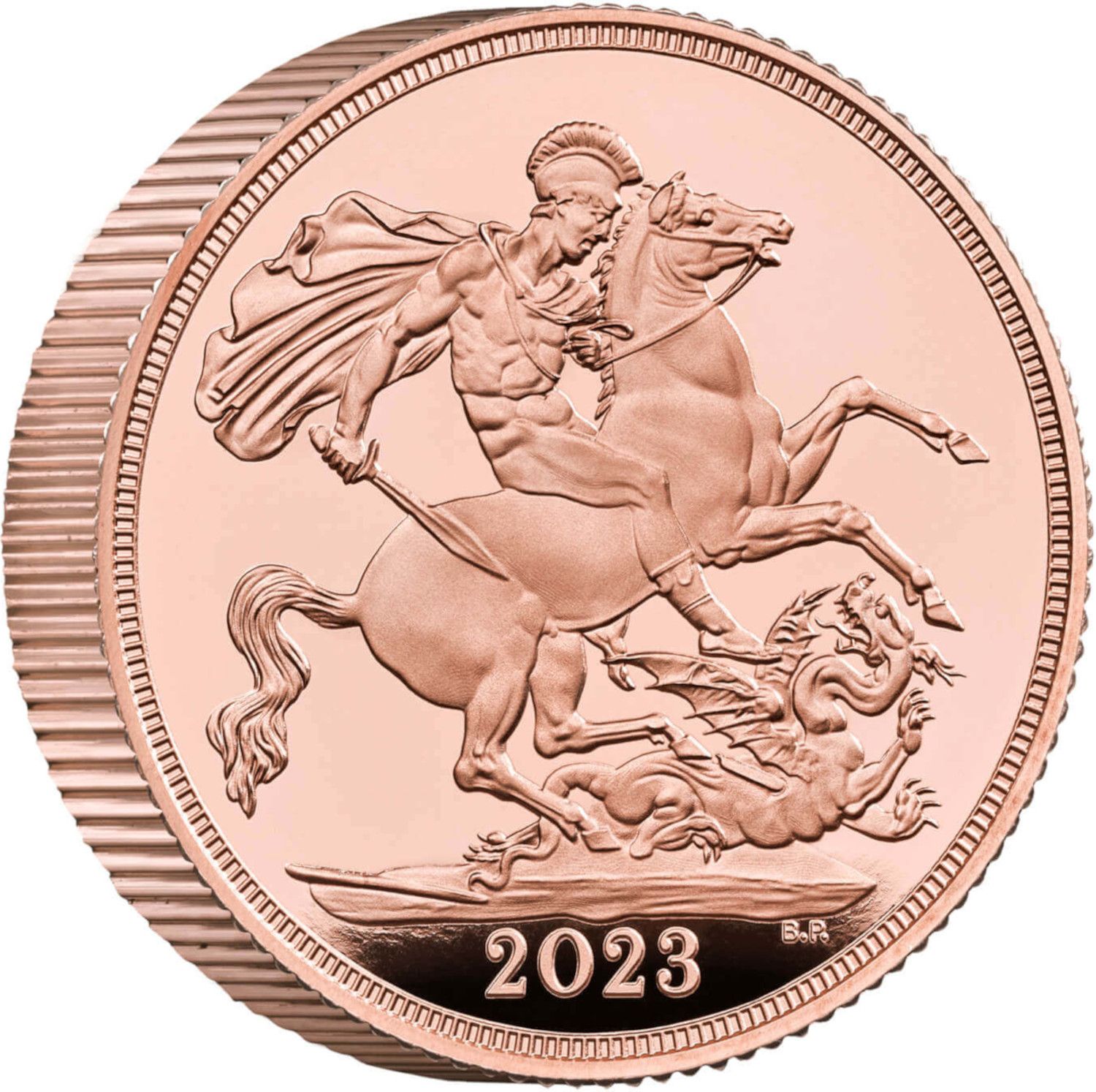
Quick answer
Proof coins are double-struck on polished dies to produce mirror fields and frosted devices, typically sold in presentation cases. Uncirculated means a coin has no wear from circulation. Brilliant Uncirculated (BU) is a higher-quality circulation strike with full lustre, struck once on ordinary dies but with better handling than normal change.
TL;DR
- Proof = special double-strike finish with mirror fields, not for circulation
- BU (Brilliant Uncirculated) = single-strike with full mint lustre, cases or capsules
- Uncirculated = any coin with no circulation wear, regardless of origin
- Proofs are always BU; BU coins are not proofs
- Grading services use numeric grades (MS60-MS70, PR60-PR70) for precision
Table of contents
- What is a proof coin?
- What is uncirculated?
- What is brilliant uncirculated (BU)?
- Side-by-side comparison table
- Price differences
- How to tell them apart
- Common questions
- FAQ
What is a proof coin?
A proof is a specially-prepared coin struck to showcase a design at its absolute best. The process:
- Dies are hand-polished to a mirror finish, with devices frosted by laser etching
- Blanks are hand-fed and struck at least twice at higher pressure
- Coins are handled with gloves, sealed in capsules and shipped in presentation cases
The result: coins with gleaming mirror fields (the flat areas) and matte, frosted devices (the raised design). This mirror-and-frost contrast is called "cameo" and is the defining visual feature of a modern proof.
Proof coins are not intended for circulation. They're struck in limited quantities (often 1,000-10,000) and sold directly to collectors at a premium. The Royal Mint has issued proof coins continuously since the 17th century.
Sub-types of proof
- Standard proof, mirror field, frosted devices
- Piedfort, double-thickness proof
- Reverse proof, mirror devices, frosted fields (rare; mostly US)
- Matte proof, no mirror finish, sandy matte overall (used briefly 1902, 1970s)
What is uncirculated?
"Uncirculated" is the broadest of the three terms. It means a coin shows no wear from circulation, no flattened high points, no rim dings, no handling marks beyond what the mint itself caused in bagging. An uncirculated coin can be:
- A circulation strike pulled from a mint bag before entering circulation
- A BU issue from a Royal Mint annual set
- A proof removed from its case
All proofs are uncirculated. Not all uncirculated coins are proofs.
In the Sheldon grading scale uncirculated covers MS60 to MS70. MS60 is technically uncirculated but has many bag marks; MS70 is theoretically perfect.
What is brilliant uncirculated (BU)?
BU is the Royal Mint's quality tier between circulation strikes and proofs. A BU coin:
- Is struck on ordinary (unpolished) dies
- Is struck once at higher pressure than standard circulation
- Is handled with more care than bagged coins
- Shows full mint lustre with minimal contact marks
- Typically comes in a capsule, card or small presentation pack
Most Royal Mint annual sets contain BU coins. BU is sometimes called "specimen" finish. It's the standard collector-grade issue for modern commemoratives that don't justify full proof tooling.
Side-by-side comparison table
| Feature | Proof | BU | Circulation UNC |
|---|---|---|---|
| Die preparation | Polished + frosted | Standard | Standard |
| Strikes per coin | 2-4 | 1 | 1 |
| Finish | Mirror + frost | Full lustre | Full lustre |
| Handling | Gloves + capsule | Capsule or card | Mint bag |
| Mintage (typical) | 1,000-10,000 | 10,000-500,000 | Millions |
| Price (typical UK 50p) | £50-£150 | £10-£25 | Face value |
| Sheldon grade | PR60-PR70 | MS65-MS70 | MS60-MS65 |
Price differences
Using a 2020 Peter Rabbit 50p as a worked example:
- Circulation strike (if any), face value to £1
- BU presentation card, £8-£15
- Silver proof, £55-£75
- Silver proof piedfort, £95-£120
- Gold proof, £500-£900
The proof versions typically sell for 5-50x the BU version of the same coin. The premium reflects lower mintage, precious metal content (where applicable), and demand from collectors filling proof sets.
Browse the full coin catalogue to see proof vs BU prices across different series, or check specific guides like 50p coin values, £2 coin values and £1 coin values.
How to tell them apart
The tilt test
Hold the coin under a bright light and tilt it slowly. A proof shows a sharp flash as the mirror field catches the light, the flash moves cleanly across the field. BU lustre is softer and more even, like brushed metal. A circulation-worn coin shows no lustre at all on the high points.
The edge check
Proofs typically have sharper edge reeding than BU coins, and the rim is a square, crisp edge. BU coins show slightly rounded rim transitions. Circulation coins show flat-topped reeding from wear.
Packaging
- Proofs come in dark wooden or leatherette cases with a certificate of authenticity
- BU coins come in plastic capsules, cardboard folders or slim blister packs
- Uncirculated circulation strikes come loose or in mint bags
Ask the Royal Mint
The Royal Mint website lists every issue with its finish type. If you know the coin's year and design, a 30-second search confirms whether a proof version exists.
Common questions
Is a proof coin worth more than BU?
Yes, almost always, proofs have lower mintages, more expensive production, and higher collector demand. A silver proof is typically 3-8x the BU version of the same coin; a gold proof 20-100x.
Can I clean a proof coin?
Never. Even a light touch can leave fingerprints in the mirror field that never come out. If a proof has a fingerprint, a professional conservation service (NGC, PCGS) may be able to help, DIY cleaning will destroy it.
What does "PL" mean on a graded slab?
PL = "proof-like". It describes a circulation strike that happens to show mirror-like fields, usually from early strikes on fresh dies. PL coins are not proofs but command a small premium.
Do proof coins tarnish?
Silver proofs tarnish over time if stored improperly. Keep in original sealed cases, away from rubber, latex, and high humidity. See coin collection insurance UK for storage advice.
FAQ
Q: Is BU the same as uncirculated?
A: BU is a specific type of uncirculated finish, higher quality than a standard mint-bag circulation strike but not as fine as a proof.
Q: Are all proof coins silver or gold?
A: No. Proofs are struck in whatever metal the issue uses, cupro-nickel, silver, gold, platinum. The "proof" refers to the finish, not the metal.
Q: Why do proofs cost so much?
A: Double-strike tooling, hand finishing, limited mintages and presentation packaging all add cost. Precious metal versions add bullion cost on top.
Q: Can a proof become worn?
A: Yes, "impaired proofs" have been removed from cases and handled, often showing hairlines or contact marks. These grade PR55-PR60 and sell at a discount.
Q: Where can I learn more about coin grading?
A: Start with how to grade a coin then explore specific series on the explore page.