Hammer Price vs Realised Price: UK Coin Auctions Explained
The figure announced when the auctioneer’s gavel falls is rarely what the buyer actually pays. Add the auction house’s buyer’s premium of around 25% and a small VAT charge on the premium and the cheque is roughly 30% above hammer. This guide explains the difference between hammer and realised prices, the buyer’s premium tables for the major UK numismatic houses, the VAT rules, and why MyCoinage stores only realised prices in our coin database.
Two definitions, one transaction
Every auction sale produces two numbers: the hammer price, and the realised price. They describe the same transaction at different points in the settlement.
- Hammer price. The winning bid as called by the auctioneer when the gavel falls. This is the figure announced in the rostrum, the figure printed in early auction-report headlines, and the figure on which the seller’s commission is computed. It is what a bidder hears in the room. It is not what the bidder pays.
- Realised price. The total amount the buyer is invoiced and pays. It is the hammer price plus the auction house’s buyer’s premium (typically 24–25% in UK numismatic sales), plus VAT on the premium element where applicable. The realised price is what the buyer’s bank statement records, what the auction house’s post-sale report publishes, and what the market data should track.
The gap between the two numbers is significant. For a £1,000 hammer at a typical UK numismatic auction the realised price is around £1,300; for a £100,000 hammer the realised is around £128,000 to £130,000 depending on tapered premium thresholds. Reading the wrong number can lead to under-insurance, bad consignment decisions and inaccurate market research.
Why MyCoinage uses realised prices
Three reasons drive the choice.
- Realised is what the market actually pays. A coin’s replacement cost, the figure a buyer would have to write a cheque for to obtain an identical example today, is the realised price, not the hammer price. Insurance valuations, inheritance reporting and consignment decisions all need the replacement cost number, not the lower headline number.
- Cross-venue consistency. Auction houses vary in how they publish hammer-only and realised-with-premium figures, and historic catalogues are inconsistent. The realised number, computed from the published post-sale report and reconciled against the auction-house rate card, is the only consistently comparable figure across Spink, Baldwin’s, Noonans, Heritage and London Coins.
- It matches eBay. eBay’s sold-listing prices are already realised, the buyer paid exactly the figure shown, with no separate buyer’s premium. By using realised prices for auction lots we keep the two largest data sources directly comparable, which is essential for tracking the price differential between the auction-house and online-marketplace channels.
UK auction-house buyer’s premiums (2026)
Buyer’s premium is the percentage fee charged on top of the hammer price by the auction house. Premiums have risen steadily over the last twenty years, it was 10–15% in the 1990s, and now sit around 24–25% across most major venues. Some houses taper the premium downwards for very high-value lots crossing thresholds at £500,000 or US$1m hammer.
| Auction house | Standard premium | Tapered above | Notes |
|---|---|---|---|
| Spink | 25% | Reduced on lots > £500,000 hammer | London-based; long-running British numismatic specialist. |
| Baldwin’s of St James’s | 25% | Reduced above threshold | St James’s, London; high-end British and ancient. |
| Noonans Mayfair | 24% | Standard rate | Mayfair, London; broad coin and medal coverage. |
| Heritage Auctions | 25% | Reduced on lots > US$500k hammer | US house with major UK consignor base. |
| London Coins (Bracknell) | 22% | Standard rate | Bracknell, Berkshire; mid-tier UK material. |
| Dix Noonan Webb (now Noonans) | 24% | Standard rate | Now trading as Noonans Mayfair. |
Rates accurate as of September 2026. Always check the buyer terms of the specific catalogue before bidding.
VAT treatment on auction premiums
UK auction VAT is the most-misunderstood element of the realised-price calculation. The headline figures:
- Margin scheme (default for second-hand numismatic items). VAT is charged on the buyer’s premium element only, at the standard 20% rate. For a 25% buyer’s premium on a £1,000 hammer that means £250 of premium plus £50 of VAT on the premium, an effective 5% of total cost. This is the typical treatment for ordinary collectable coins.
- Investment-grade gold. Sovereigns and Britannias of .995 fineness or higher fall under VAT Notice 701/21A as "investment gold" and are fully VAT-free, no VAT on hammer, no VAT on premium. Realised price is hammer + premium only.
- Imported lots. Items imported into the UK for auction may carry import VAT at the reduced 5% rate for collectors’ items, charged on the full hammer price (not just the premium). The catalogue marks these clearly with a symbol, usually a dagger (†), next to the lot number. Confirm with the auction house before bidding on flagged lots.
- Standard 20% items. Modern medals, accessories and certain non-coin numismatic items may be subject to standard 20% VAT on hammer plus premium. Always check the catalogue VAT-symbol key.
Worked example: £1,000 hammer to £1,365 paid
Take a £1,000 hammer on a typical UK silver coin at a London auction in 2026 with the standard 25% buyer’s premium under the second-hand margin scheme:
| Component | Calculation | Amount |
|---|---|---|
| Hammer price | Winning bid | £1,000.00 |
| Buyer’s premium | 25% × £1,000 | £250.00 |
| Subtotal (realised, ex-VAT) | Hammer + premium | £1,250.00 |
| VAT on premium (margin scheme) | 20% × £250 = £50; effective ~5% of subtotal | £50.00 |
| Total realised price (paid) | Hammer × 1.30 (approximate) | £1,300.00 |
For a sovereign at the same hammer the VAT line disappears (investment gold) and the buyer pays £1,250 total. For an item flagged with import VAT at 5%, add another £50 to the total bringing it to £1,350. The same hammer can produce three quite different cheque amounts depending on category.
Why eBay sold listings include the entire price
eBay’s sold-listing price is the figure the buyer agreed to pay, all-in (excluding postage, which is shown separately). There is no separate buyer’s premium added on top of the eBay sold price. eBay charges its fees to the seller as a percentage of the sale price (10–15% under the standard final-value-fee structure), so the seller nets less than the headline sold figure, but the buyer paid exactly the figure shown.
This makes eBay sold listings directly comparable to a realised price in auction-house terms. Both are "total amount the buyer paid" figures. We use eBay sold listings extensively in our value guides for ordinary-grade and modern collectable coins where the auction-house data is thin, see our eBay sold listings coin value UK guide for the full reading guide.
How to read an auction catalogue
The catalogue is the legal contract for the sale. Read four things on every lot:
- Estimate range. Printed as "£800–1,200" or similar. The auction house’s view of likely hammer (not realised) at fair market value. Estimates are guidance, not commitments.
- VAT symbol. A small symbol next to the lot number indicates VAT treatment. Common symbols: no symbol (margin scheme, default), † (import VAT at 5% on hammer), Ω (standard 20% on hammer + premium). The catalogue front matter explains the house’s symbol key.
- Provenance line. Previous ownership history. A lot with documented provenance from a named historic collection (Norweb, Eliasberg, Pittman) typically commands a premium of 10–30% over the equivalent unprovenanced piece, all else equal.
- Condition note. The catalogue’s grade or descriptive condition assessment. UK auction houses typically use the descriptive UK grading scale (Fine, VF, EF, UNC, FDC); some now also quote PCGS or NGC slab grades where available. See our coin collecting glossary for full terminology.
Estimate, reserve, starting price, what they mean
Three commonly-confused auction terms, all of them sub-elements of the bidding process before the hammer falls:
- Estimate, the auction house’s pre-sale guidance on likely hammer. Usually printed as a low-high range. Not binding. Routinely beaten or missed.
- Reserve, the minimum price at which the seller has agreed the lot will sell. Not normally published. Typically set at 70–80% of low estimate. If bidding fails to reach the reserve, the lot is bought in (returned unsold).
- Starting price, the figure at which the auctioneer opens bidding. Below the reserve, intended to draw early bidders. Often announced verbally rather than printed. On online platforms (eBay, Catawiki, the timed sales of major auction houses) the term is used differently to mean the actual minimum bid the lot will accept.
Why media coverage usually quotes hammer
Newspaper and TV coverage of headline auction results almost always uses the hammer price, not the realised price. Two reasons:
- The drama is the gavel. The hammer price is the announced moment, the public event, the line that journalists capture from the room. The post-sale invoice is a quiet office document. Reporting follows the moment.
- The numbers are cleaner. "£1m at hammer" is a cleaner headline than the £1.3m realised. Hammer figures are also less volatile across venues, since they don’t embed each house’s slightly different premium structure.
Specialist trade press (Coin News, Numismatic News, the dealer trade circulars) is more careful and typically quotes realised prices because their professional readers are pricing inventory and need accurate replacement-cost data. When you read a headline coin sale figure in a national newspaper, assume it is hammer; when you read one in a specialist publication, assume it is realised.
Featured coins on MyCoinage
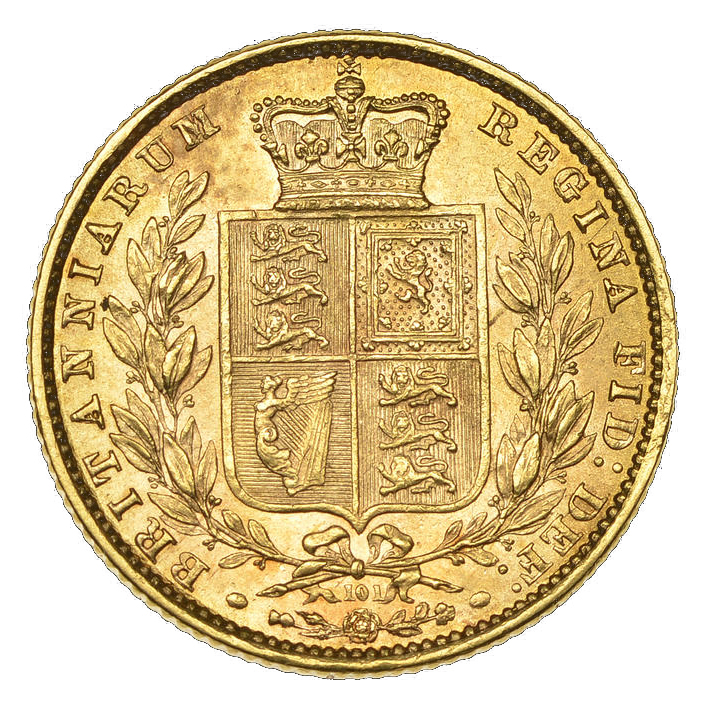
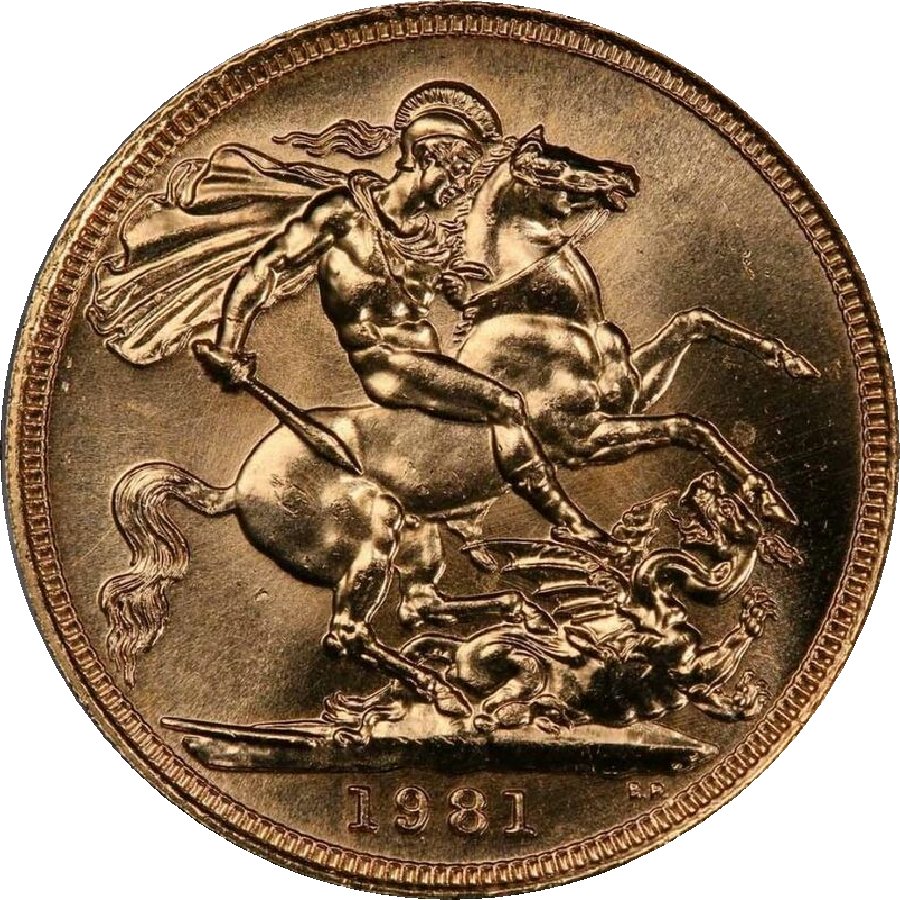

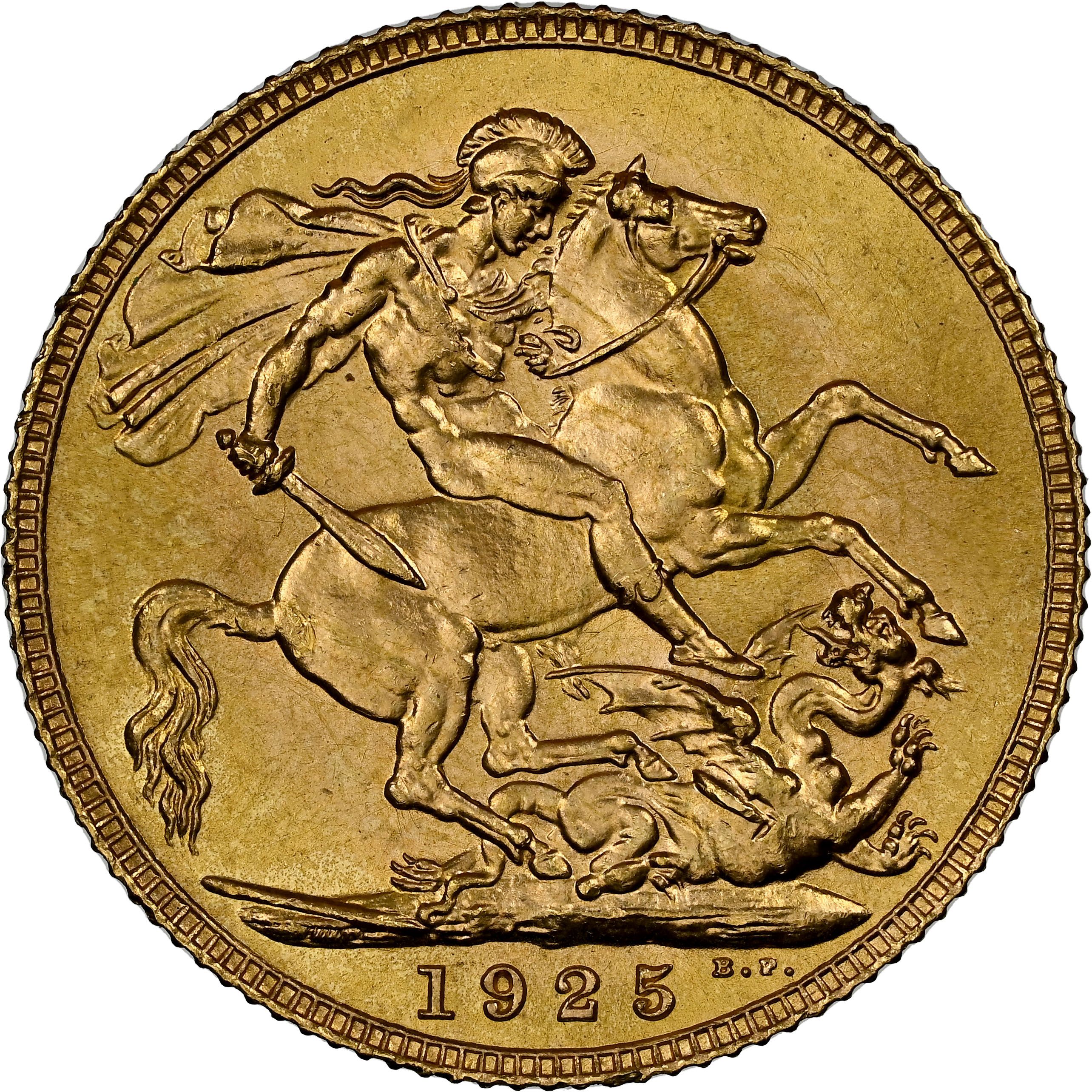
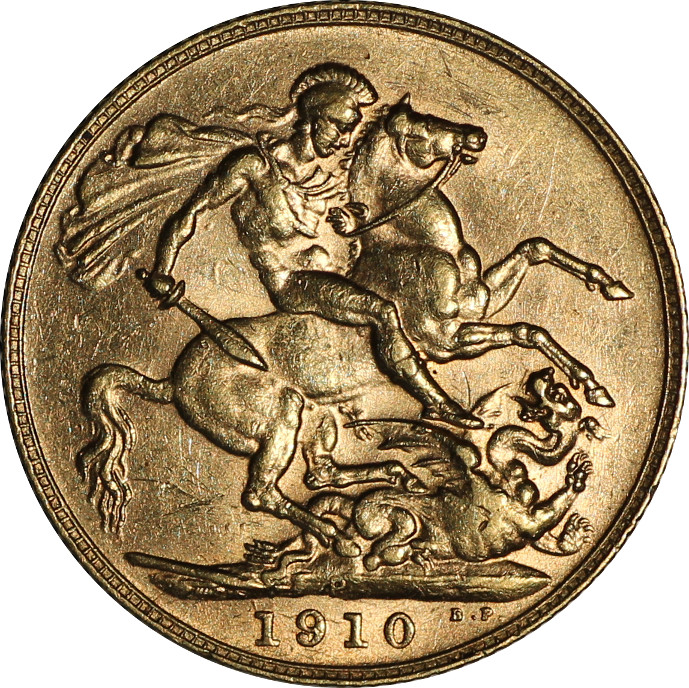
Related guides
- Auction house comparison UK, full venue-by-venue commission and premium tables.
- eBay sold listings coin value UK, how to read eBay sold prices for valuation.
- Where to sell rare coins UK, venue choice by coin value bracket.
- Where to buy rare coins UK, the buyer’s side of the same equation.
- Coin collecting glossary, every numismatic term explained.
- CGT-exempt coins UK, tax treatment of UK coin gains and losses.