George VI Coins Value Guide: 1936–1952
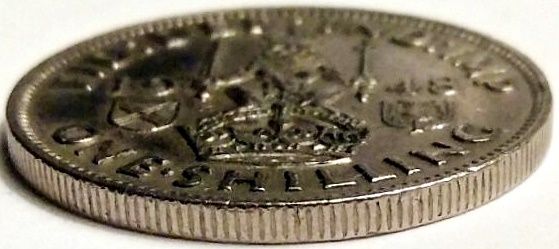
George VI succeeded his elder brother Edward VIII on 11 December 1936 and reigned through the Second World War, Indian independence and the post-war recovery until his death on 6 February 1952. His coinage is defined by two pivotal changes: the 1947 silver-to-cupronickel debasement driven by post-war silver shortages, and the 1949 IND IMP legend drop following Indian independence. This guide covers every denomination, the famous 1950 and 1951 penny rarities, and what each piece is worth today.
The 1947 silver debasement and 1949 legend change
Two key Royal Mint changes during George VI's reign make his coins easy to date:
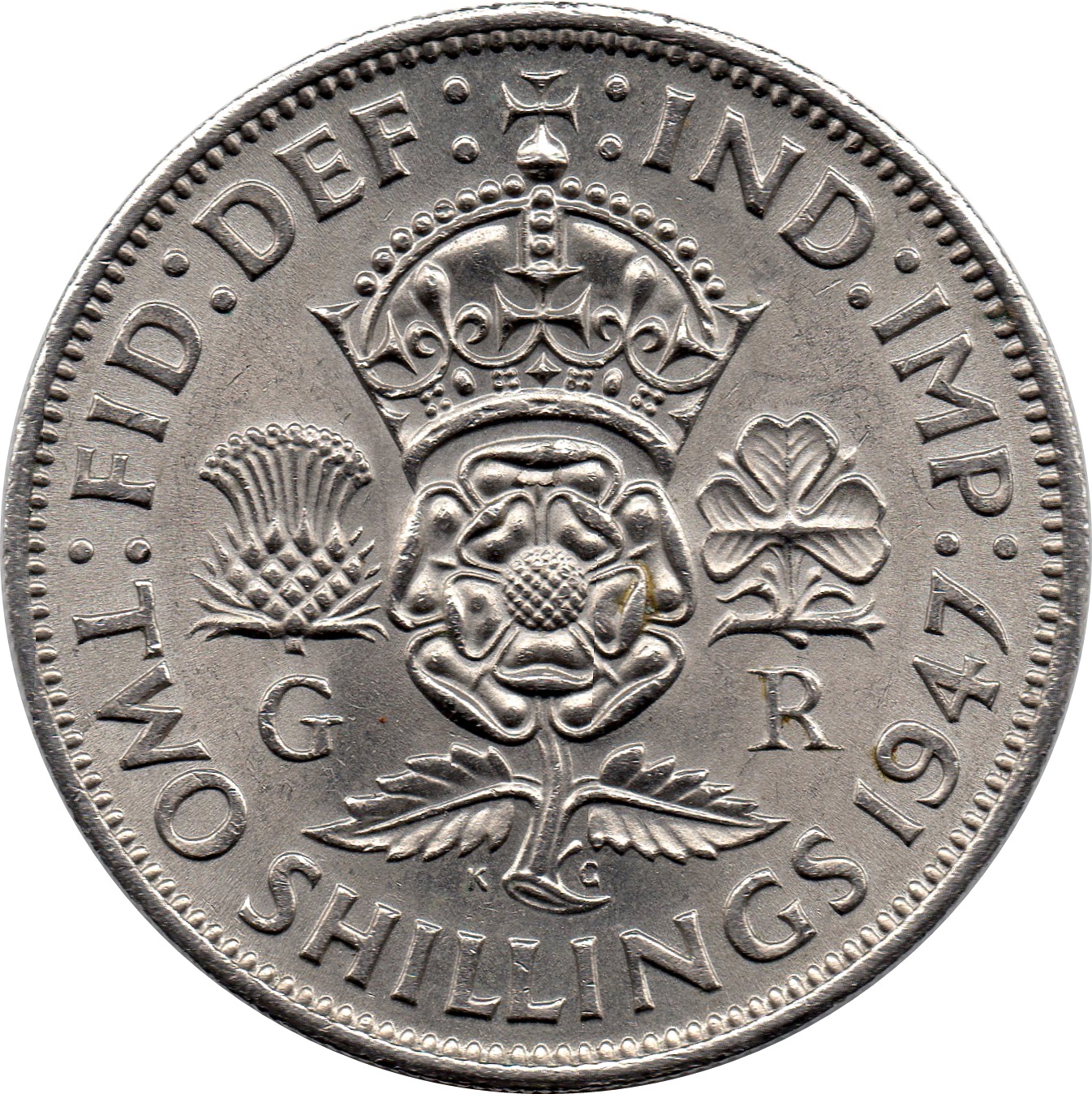
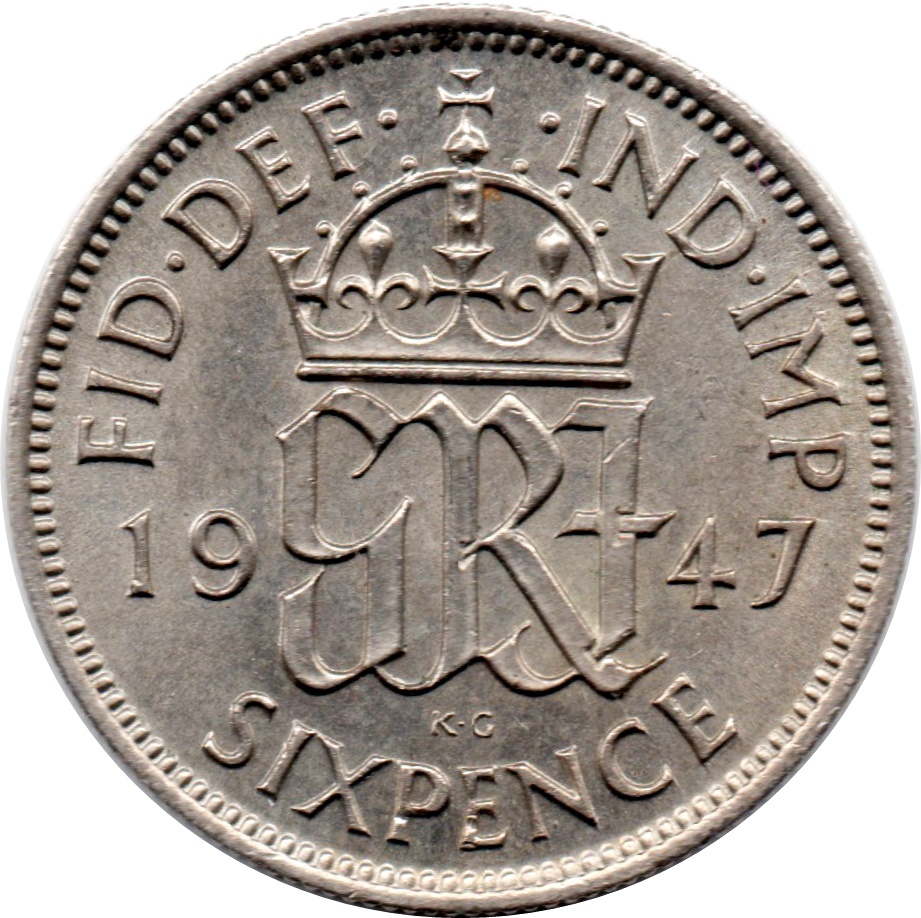
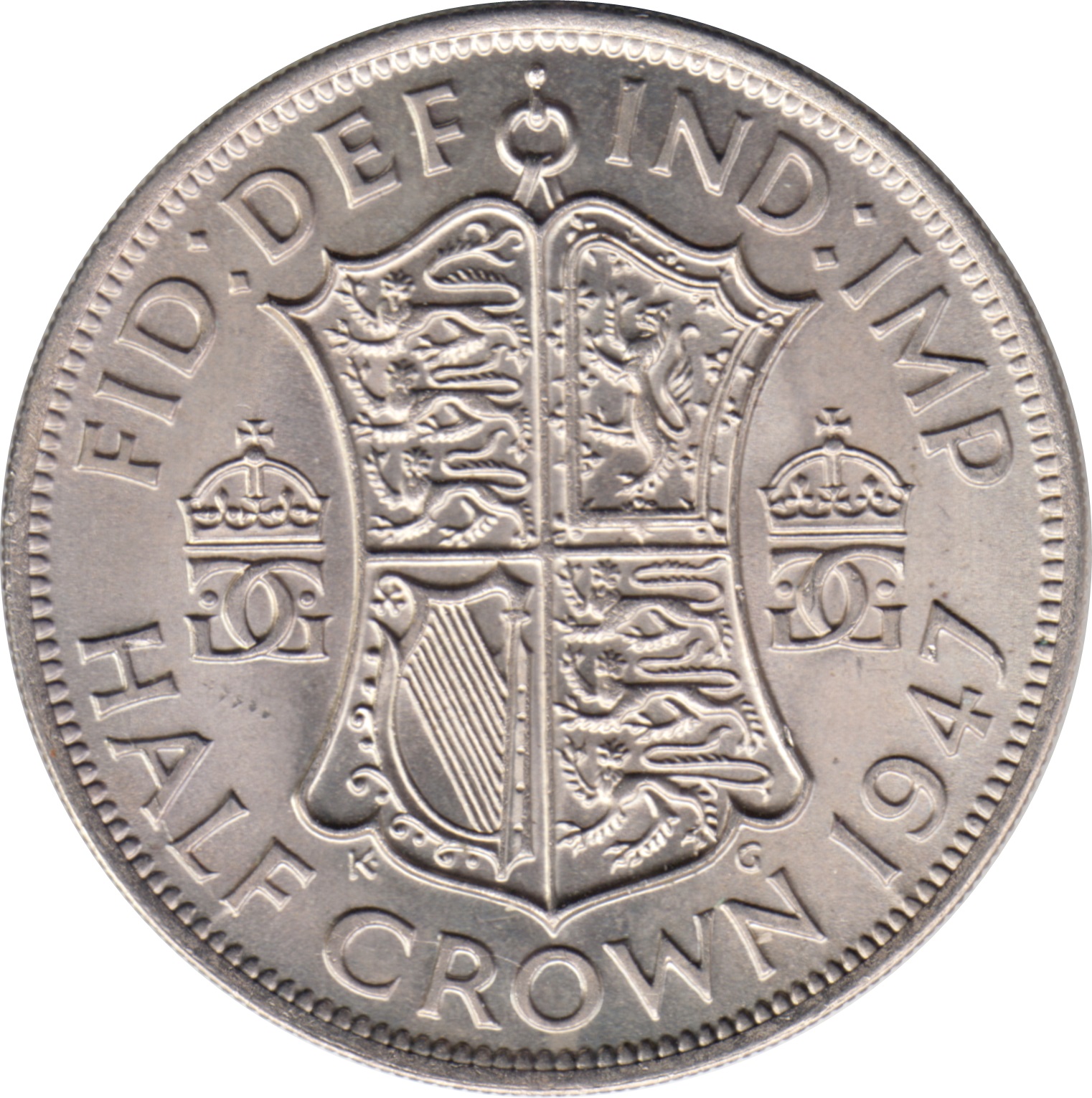
- 1947: silver to cupronickel. All shillings, florins, half crowns and threepences struck before 1947 are .500 silver; from 1947 onwards they are cupronickel (75% copper, 25% nickel). The change was forced by the post-war US silver-loan repayment.
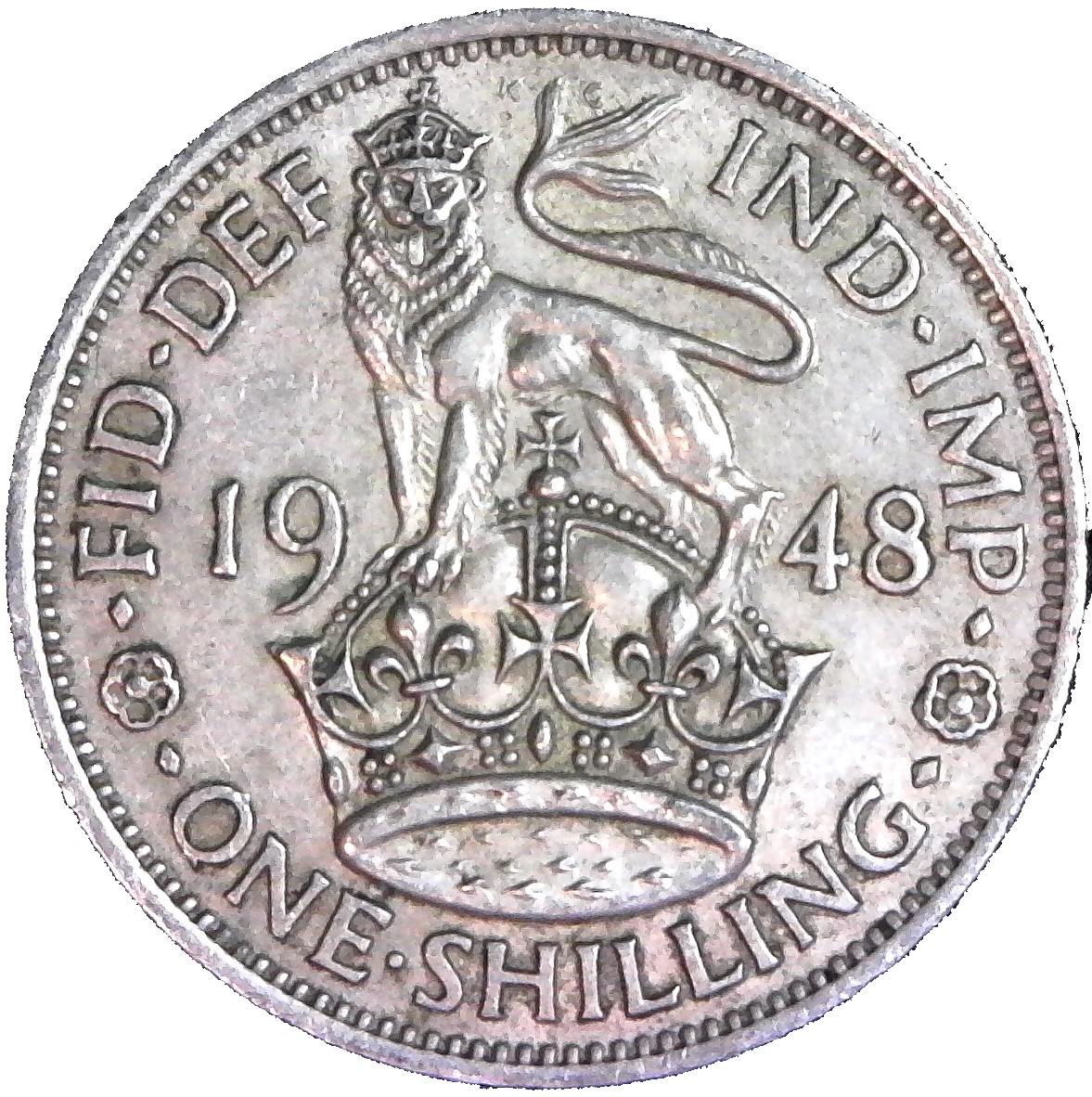
- 1949: IND IMP dropped. Until 1948 the obverse legend reads "GEORGIVS VI D G BR OMN REX F D IND IMP". From 1949 it reads "GEORGIVS VI D G BR OMN REX FIDEI DEF" , the title "Emperor of India" removed after Indian independence (15 August 1947).
Famous George VI rarities
| Coin | Mintage | Why scarce | Realised |
|---|---|---|---|
| 1950 penny | 240,000 | Production paused 1947-1949; only 240,000 struck for Commonwealth allocations | £30 – £500 |
| 1951 penny | 120,000 | Lowest decimal-era penny mintage | £40 – £700 |
| 1952 shilling (Scottish reverse) | ~150,000 | Limited final-year strike | £15 – £75 |
| 1937 Coronation crown | 418,699 + 26,402 proof | Only Coronation issue of the reign | £15 – £450 |
| 1937 silver matt proof crown | ~ 5-10 | VIP presentation pieces | £1,200 – £2,000+ |
| 1937 proof set (15 coins) | 26,402 | Struck for collectors only | £800 – £1,500 in original red box |
The 12-sided threepence
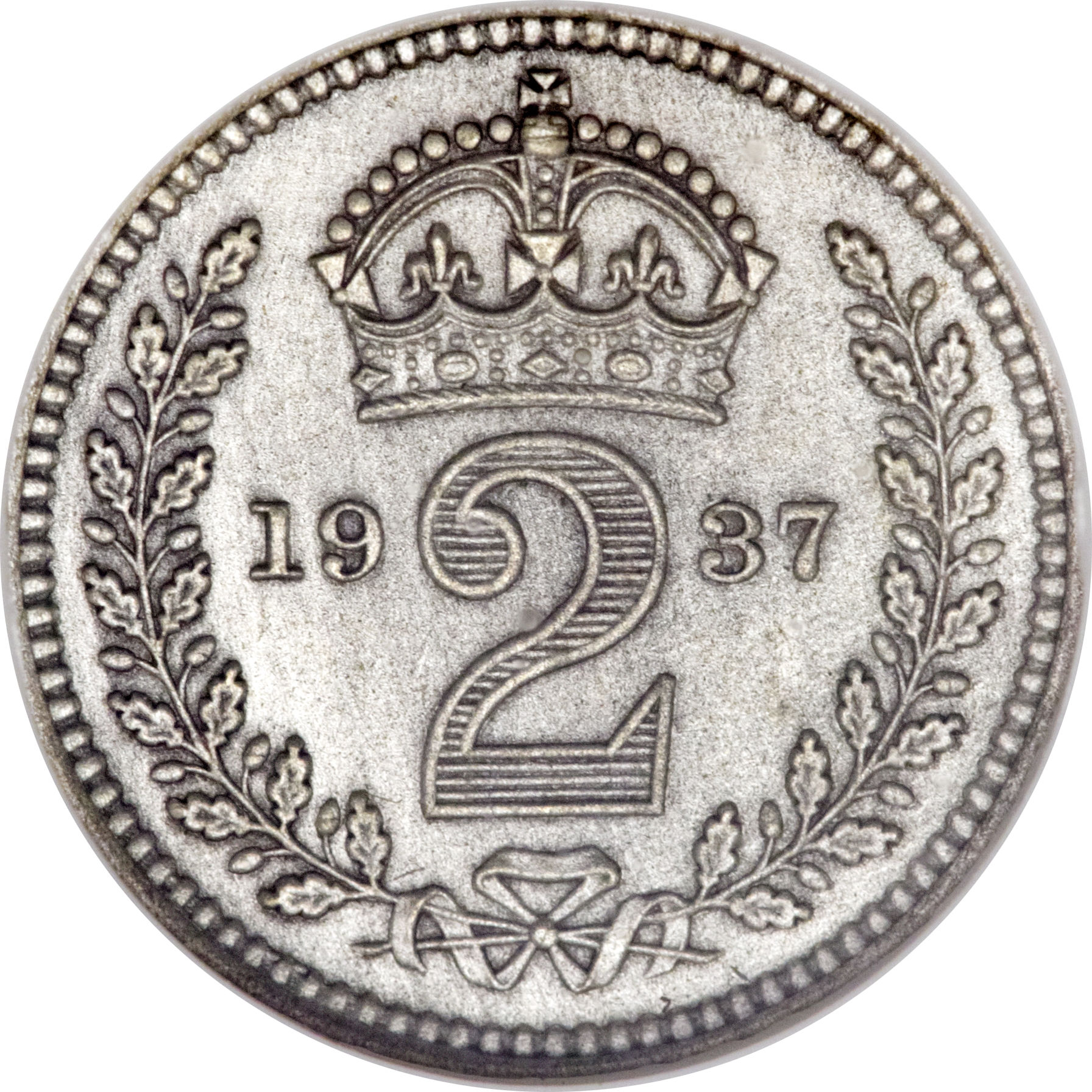
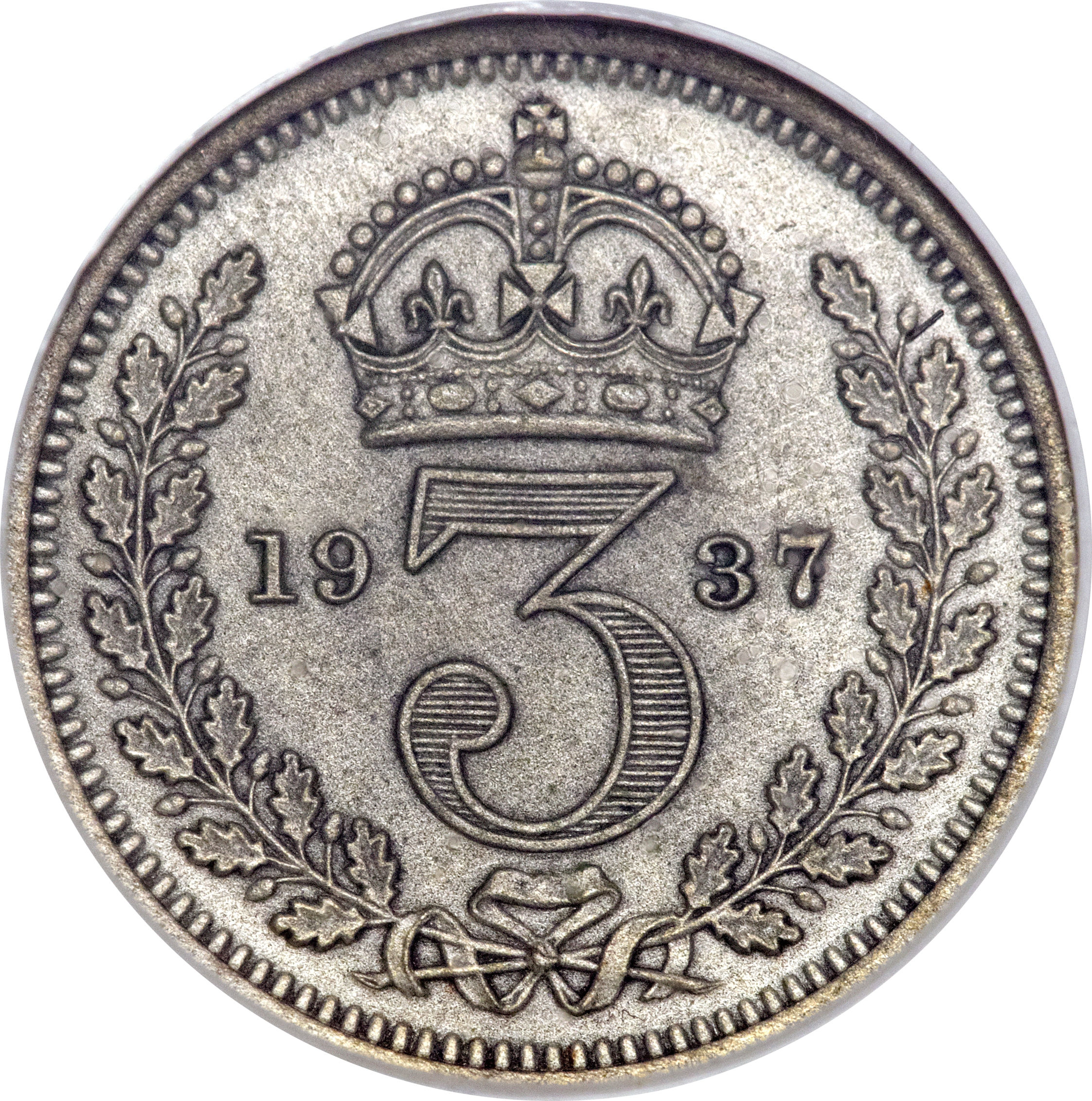
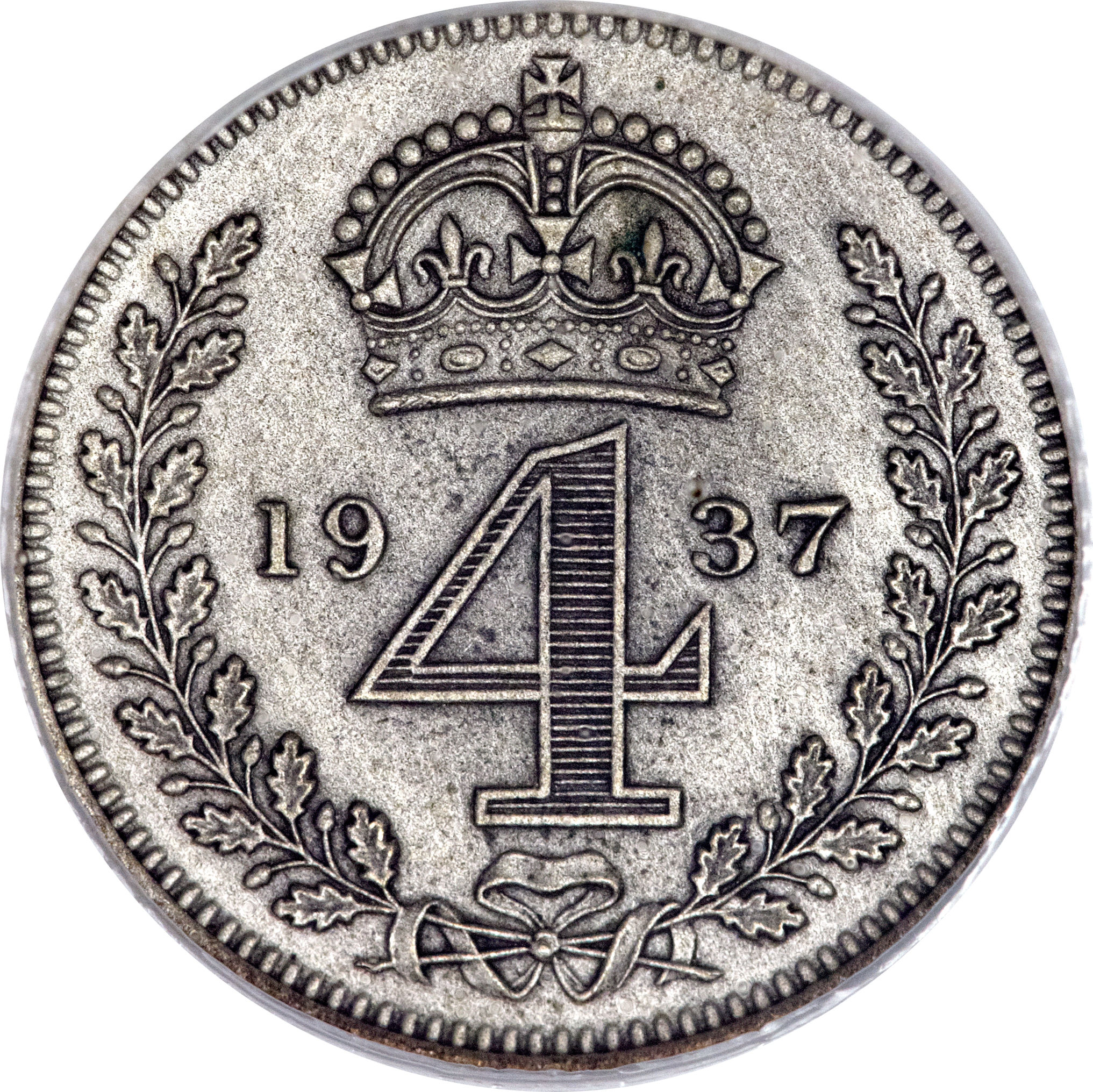
George VI introduced the iconic nickel-brass 12-sided threepence in 1937, replacing the small silver Maundy threepence in general circulation. Designed by Frances Madge Kitchener with a thrift-plant reverse (symbolising wartime austerity), the dodecagonal shape was practical, identifiable by touch in air-raid blackouts. The 12-sided threepence ran from 1937 to 1967 and was demonetised in 1971. Most are common in worn condition (£1-3) but mint-state examples and the rare 1946 (low mintage) trade at £15-80. See our threepence values guide for the full breakdown.
Featured George VI coins on MyCoinage