Channel Islands Coins Guide: Jersey, Guernsey, Alderney and Sark
The four Channel Islands jurisdictions, Jersey, Guernsey, Alderney, and Sark, are Crown Dependencies, not part of the UK, and each has its own coinage. Jersey and Guernsey have struck local coinage for centuries, including the unique Guernsey "double" denomination. Modern issues have come largely from Pobjoy Mint and the Royal Mint, with Alderney’s low-mintage £5 commemorative series and the historically-significant 1995 Liberation 1945 commemoratives the standout collectables. This guide covers each jurisdiction, its coinage history, modern series, legal tender status in mainland UK, CGT position, and where to buy safely.
Crown Dependencies, plural
The Channel Islands sit in the Gulf of Saint-Malo off the French coast and have been politically tied to the English Crown since 1066, when William the Conqueror brought them under his rule as Duke of Normandy. They are not part of the United Kingdom; they are self-governing Crown Dependencies with their own legislatures, legal systems, fiscal regimes, and currencies. The British monarch is Duke of Normandy in his Channel Islands capacity, distinct from his roles as King of the United Kingdom.
The two main political units are the Bailiwick of Jersey (one main island plus dependencies) and the Bailiwick of Guernsey (which includes Alderney, Sark, Herm, Jethou and other small islands, each with varying degrees of internal autonomy). Alderney and Sark have their own legislatures within the Bailiwick of Guernsey and issue their own coinage independently of Guernsey. All four jurisdictions have produced collectable coinage in the modern era.
Pobjoy, Royal Mint and East India Company
Most modern Channel Islands coinage has been struck by:
- Pobjoy Mint (Surrey, UK), 1970s–2023. Held the dominant share of Channel Islands coinage contracts for over 50 years, including most modern Alderney £5 issues, much of the Sark commemorative programme, and large parts of the Jersey and Guernsey decimal proof programme. Pobjoy ceased trading in 2023.
- The Royal Mint (Llantrisant) has struck circulating Jersey and Guernsey decimal coinage at various points, plus certain Alderney commemoratives. The current Charles III Channel Islands definitives are largely Royal Mint-struck.
- Tower Mint and East India Company Bullion handle some current commemoratives and all current bullion-grade gold issues for the Crown Dependencies.
The mint is identifiable on the coin: Pobjoy issues typically carry "PM" or "Pobjoy Mint" engraved in the field; Royal Mint issues carry no mark; Tower Mint issues carry "TM" or no mark depending on the issue.
Jersey coinage
Jersey’s modern coinage uses the same denominations and physical specifications as Royal Mint UK issues (1p, 2p, 5p, 10p, 20p, 50p, £1, £2, £5) plus its own annual proof sets. Pre-decimal Jersey copper coinage from Queen Victoria onwards is also widely collected.
Standout Jersey series:
- Decimal definitives. Jersey issues its own definitive 1p–£2 set with Jersey-specific reverses including Le Hocq Tower (1p), L’Hermitage (2p), La Pouquelaye (5p), Faldouet Dolmen (10p), Corbière Lighthouse (20p), Grosnez Castle (50p), Jersey Cow (£1) and St Helier’s Town Church (£2).
- Royal commemoratives. Jersey issues parallel commemoratives for major UK royal events (Coronations, Jubilees) at smaller mintages than the Royal Mint UK equivalents.
- 1/12 shilling Victorian copper (1841–1894). The classic pre-decimal Jersey coin. Common dates £15–£60 in mid-grade; key dates 1858 and 1861 reach £200–£1,500 in choice condition.
- 1/13 shilling Jersey copper (1841–1844). The most-collected Jersey rarity, struck briefly before being replaced by the 1/12. Realised £120–£800 in problem-free condition.
Guernsey coinage
Guernsey has a longer continuous coinage history than Jersey and a more distinctive denomination system in the pre-decimal era.
- The Guernsey "double" denomination. Pre-decimal Guernsey used a unique copper double: eight doubles to a Guernsey penny. Copper 1, 2, 4 and 8-double pieces were struck from 1830 through 1949 in regular series. The 8-doubles is the standout collectable; common dates £15–£80, choice early dates £200–£500.
- Decimal definitives. Guernsey’s decimal series since 1971 has featured Guernsey-specific designs including Guernsey’s coat of arms, the Guernsey Cow, Castle Cornet, Le Déhus dolmen, and various local landmarks. Annual proof sets are issued.
- Royal and historical commemoratives. Guernsey has issued small mintage commemoratives for major British anniversaries, particularly the Liberation 1945 series.
- Pre-decimal threepence. Guernsey 3d coins from 1956 and 1959 are the only Guernsey denomination ever struck in cupronickel before decimalisation; small mintages have made them collectable at £5–£30 in mid-grade.
Alderney £5 commemoratives
Alderney is a small island (population ~2,000) within the Bailiwick of Guernsey but with its own legislature (the States of Alderney) and its own coinage authority. The Alderney £5 crown-size commemorative programme has run since 1995 and is the most numismatically significant Channel Islands modern series.
Alderney £5 coins are physically identical to UK Royal Mint £5 crowns (38.61 mm, 28.28 g cupronickel; or silver proof at .925 fineness; or gold proof at 22-carat) but mintages are dramatically smaller. Typical figures:
| Variant | Typical Alderney mintage | UK Royal Mint comparison |
|---|---|---|
| Cupronickel circulating | 10,000-30,000 | 100,000-1,500,000 |
| Silver proof | 2,500-7,500 | 5,000-25,000 |
| Silver proof Piedfort | 1,500-3,500 | 2,500-7,500 |
| Gold proof | 250-1,000 | 1,000-5,000 |
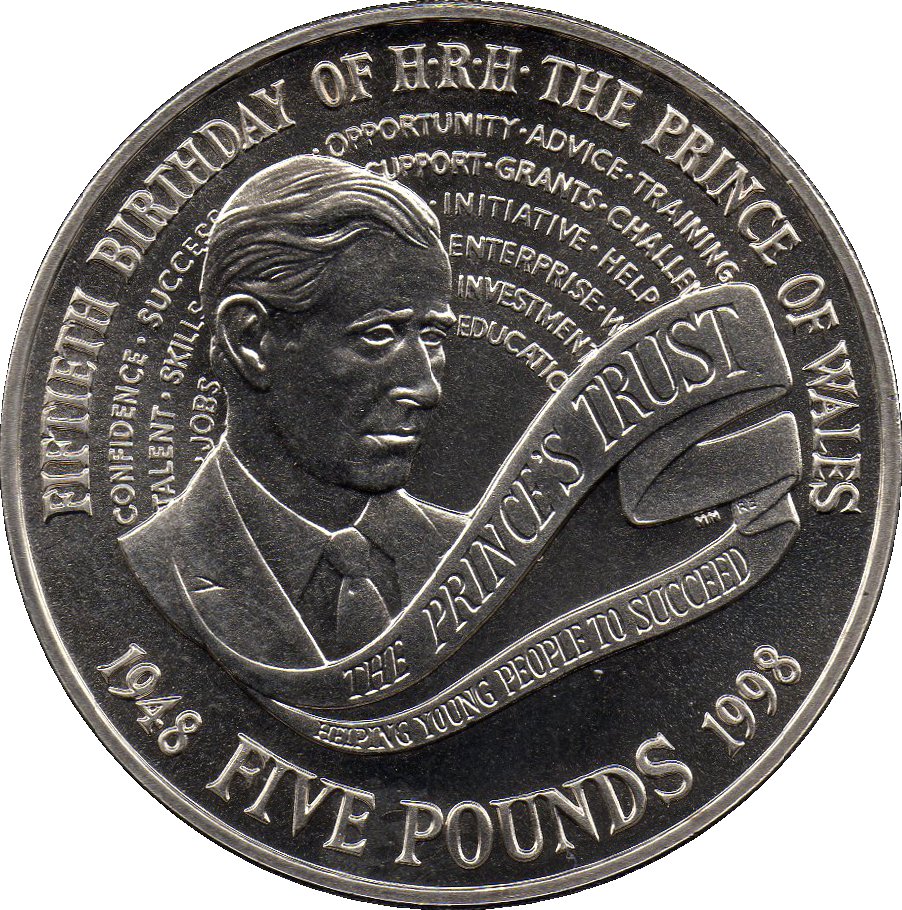
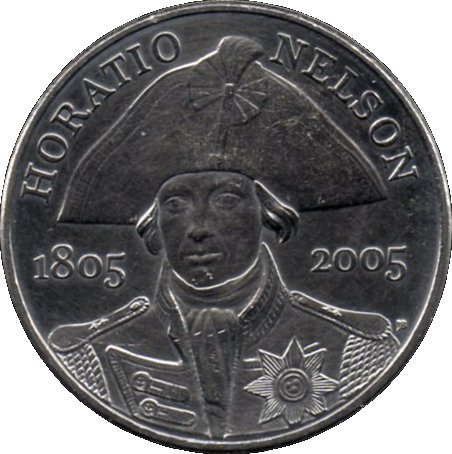
Themes covered by the Alderney £5 programme include royal events (Coronations, Jubilees, royal weddings, royal birthdays), British military commemoratives (Battle of Britain, D-Day, Dunkirk, VE Day), significant anniversaries (Trafalgar, Waterloo, Magna Carta), and Alderney-specific wildlife (puffins, gannets, blonde hedgehog endemic to Alderney). Realised auction prices for representative recent issues are £25–£120 cupronickel, £65–£220 silver proof, £1,200–£3,000+ gold proof.
Sark coinage
Sark is the smallest of the four Channel Islands jurisdictions to issue its own coinage, with a population of roughly 500. The island operated as a feudal fiefdom under the Seigneur (Lord of Sark) until 2008, when constitutional reform introduced an elected Chief Pleas. Sark uses Guernsey currency for daily transactions and has issued only commemorative coinage, never circulating.
Sark commemorative coins have been struck primarily by Pobjoy and other private mints since the 2000s, typically at very small mintages:
- Cupronickel commemorative crowns: typical mintage 5,000 or fewer.
- Silver proof: typical mintage 500–1,500.
- Gold proof: typical mintage 100–300.
Notable Sark issues include the 2006 Seigneur of Sark 90th birthday crown, the 2008 Chief Pleas reform commemorative, and various royal-anniversary issues. The very low mintages make Sark commemoratives the rarest of the modern Channel Islands programmes; realised prices for Sark silver proofs are typically £120–£500, with gold proofs reaching £1,500–£3,500+.
The 1945 Liberation commemoratives
The Channel Islands were the only part of the British Isles to be occupied by Nazi Germany during WWII. German forces occupied the islands from 30 June 1940 until liberation by British forces on 9 May 1945, "Liberation Day", a public holiday observed annually across all four jurisdictions. The Liberation has been commemorated by every major anniversary milestone:
| Anniversary | Year | Issuing Bailiwicks | Realised range (silver proof) |
|---|---|---|---|
| 40th | 1985 | Jersey, Guernsey | £65, £180 |
| 50th, the standout | 1995 | Jersey, Guernsey, Alderney | £180, £500 |
| 60th | 2005 | Jersey, Guernsey, Alderney | £90, £220 |
| 70th | 2015 | Jersey, Guernsey, Alderney | £55, £160 |
| 75th | 2020 | Jersey, Guernsey, Alderney | £55, £180 |
| 80th | 2025 | Jersey, Guernsey, Alderney | £65, £200 (early figures) |
The 1995 Liberation 50th anniversary set is the most-collected of the series, the last anniversary at which significant numbers of WWII Channel Islands occupation survivors were still alive, giving the issue particular emotional weight. Full proof sets at the 50th anniversary mark are a meaningful niche within Channel Islands collecting.
Legal tender status
Three points every collector should know about Channel Islands legal tender:
- Each Bailiwick is separate. Jersey coins are legal tender only in Jersey; Guernsey coins only in Guernsey. Alderney and Sark issues circulate within the Bailiwick of Guernsey but rarely beyond. The four sets are not interchangeable as legal tender.
- None are legal tender in mainland UK. A Jersey 50p, a Guernsey £2, an Alderney £5 are all collectables in the UK rather than spendable currency. UK retailers can and usually do refuse them.
- Parity with sterling. All Channel Islands coinage is held at strict 1:1 parity with pound sterling, so monetary value is identical even though tender status differs. UK banks will sometimes exchange Channel Islands coins at face value over the counter for account holders, but this is at branch discretion.
CGT and VAT treatment
Capital Gains Tax exemption under HMRC manual CG78308 applies to UK legal tender coins. Channel Islands coinage is not UK legal tender, so the exemption generally does not apply. Any gain on disposal above the annual CGT allowance is therefore taxable on Channel Islands coinage.
There is one carve-out: Channel Islands gold proofs of investment-gold fineness (.995+) are VAT-exempt on purchase under VAT Notice 701/21A where they appear on HMRC’s investment-gold-coins list. This covers some Jersey and Guernsey gold bullion coins but not the proof commemoratives in 22-carat. For UK collectors specifically wanting CGT-free gold, UK sovereigns and Britannias remain the materially better choice. See our CGT-exempt UK coins guide for the full breakdown.
Channel Islands realised prices vs UK equivalents
| Category | Channel Islands realised range | UK Royal Mint comparison |
|---|---|---|
| Modern circulating 50p / £1 / £2 | £1, £25 | £1, £1,200 (rarities) |
| Cupronickel £5 commemorative | £25, £120 (Alderney) | £15, £120 |
| Silver proof £5 | £65, £220 (Alderney) | £55, £180 |
| Silver proof Piedfort £5 | £180, £450 | £160, £380 |
| Gold proof £5 (22ct) | £1,200, £3,000+ | £1,400, £3,500+ |
| Liberation 1995 silver proof set | £180, £500 | N/A |
| Sark commemorative silver proof | £120, £500 | N/A |
| Pre-decimal Guernsey 8 doubles | £15, £500 | N/A |
| Pre-decimal Jersey 1/12 shilling | £15, £1,500 | N/A |
Sources: realised auction data from Baldwin’s, Spink, Noonans and eBay UK sold listings, last 24 months.
Where to buy Channel Islands coins
- Jersey Post (jerseypost.com) for current Jersey commemoratives and annual proof sets.
- Guernsey Post (guernseystamps.com) for current Guernsey, Alderney and Sark issues.
- BNTA-member dealers for back-catalogue pre-2023 Pobjoy issues and pre-decimal Channel Islands copper. Coincraft, Lockdales and Atlas Numismatics all carry stock.
- Spink, Baldwin’s, Noonans for high-grade pre-decimal rarities, Liberation gold proofs, and choice early Pobjoy proofs at auction.
- eBay UK for common circulating decimal, stick to BNTA-member sellers or PCGS / NGC slabs for any high-value purchase.
Featured commemorative coins on MyCoinage
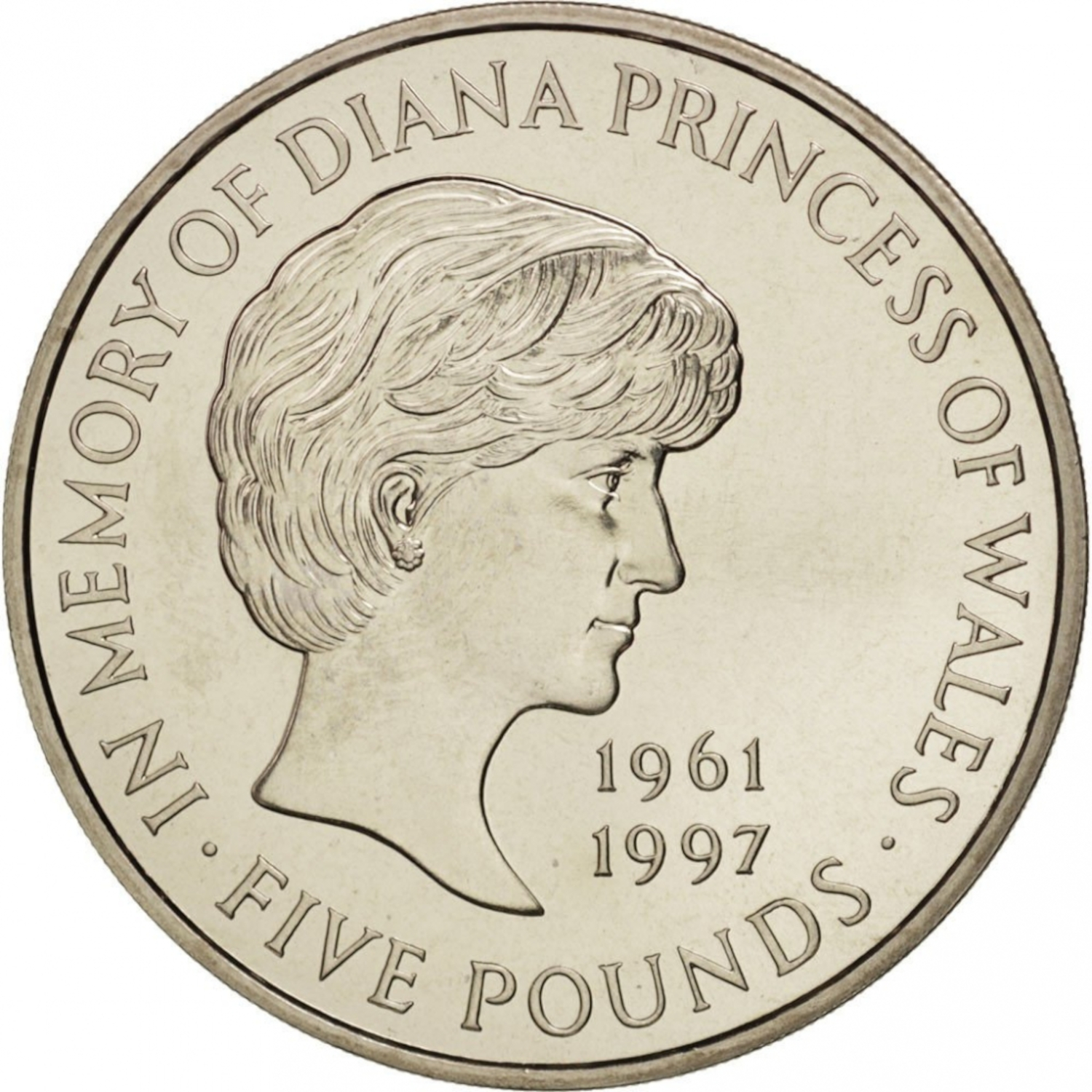
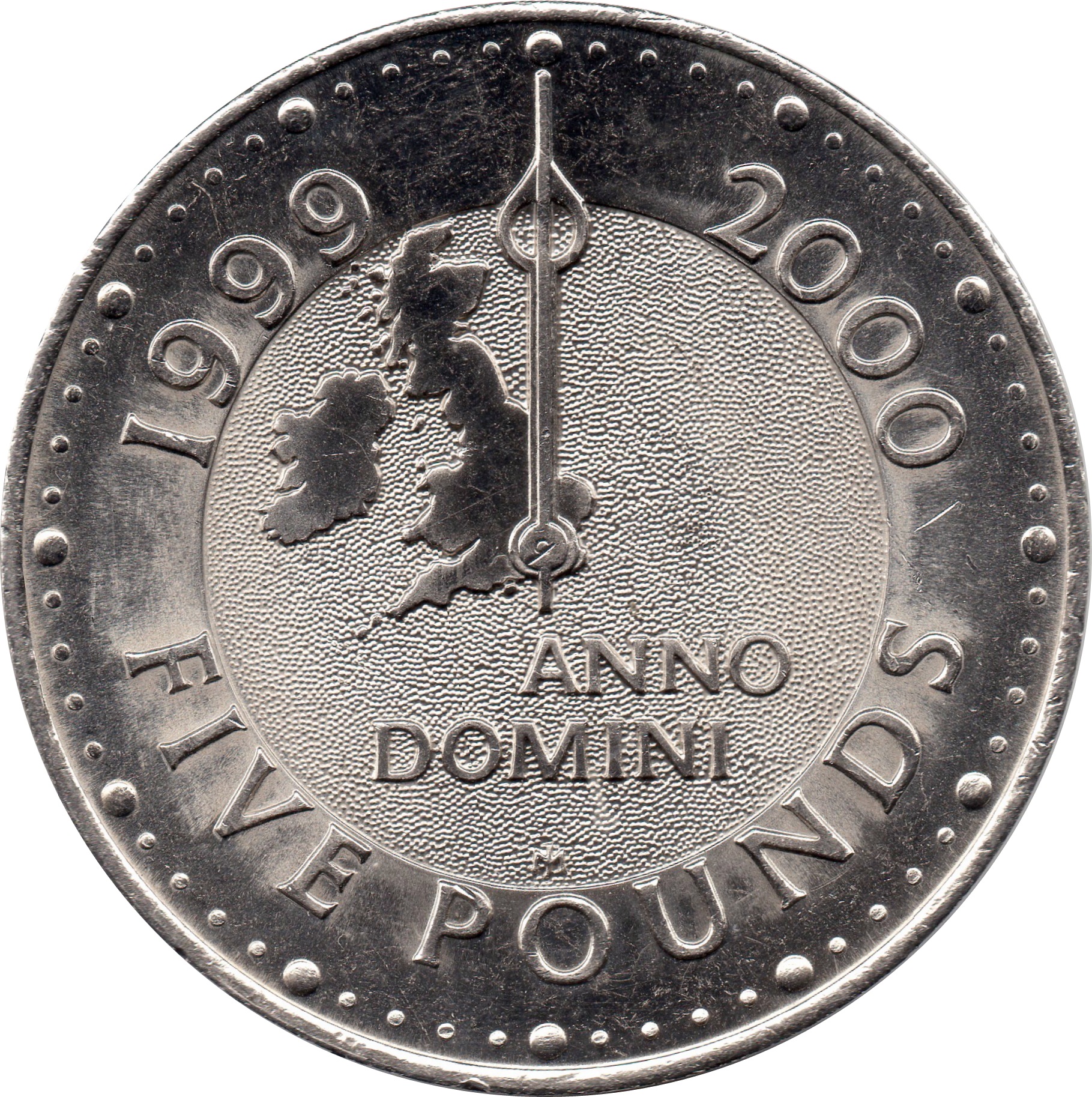
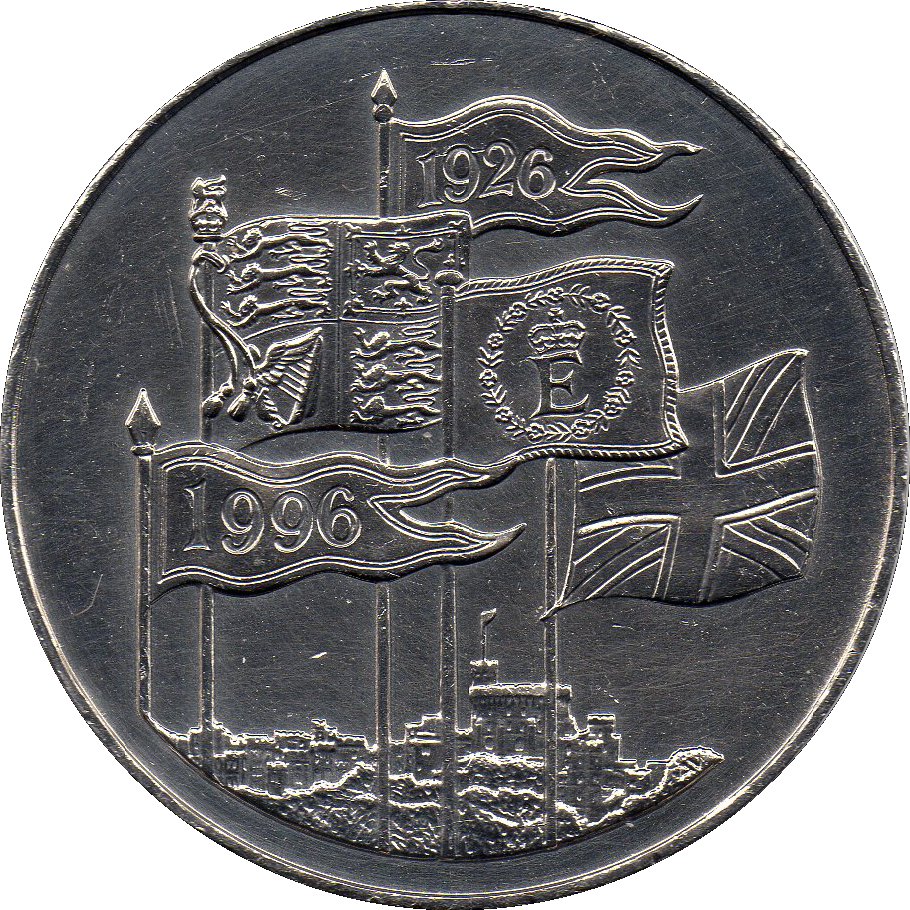
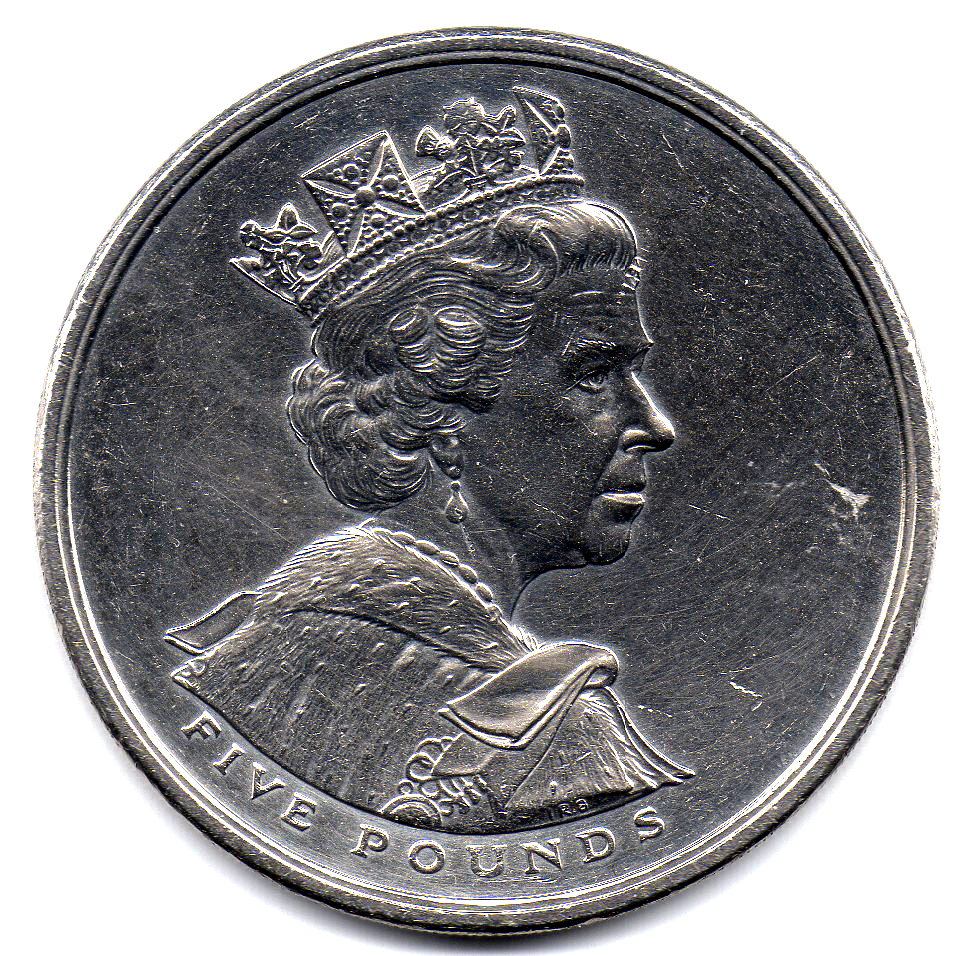
Related guides
- Gold Sovereign Values UK, the UK gold-coin reference for comparison with Channel Islands gold proofs.
- CGT-Exempt Coins UK, why Channel Islands coins generally are not CGT-exempt.
- Isle of Man Coins Guide, sister Crown Dependency coinage including the world’s first Christmas 50p.
- Where to Buy Rare Coins UK, channel-by-channel buying guide.
- Coin Gifts UK, Channel Islands commemoratives as personalised milestone gifts.
- Half Sovereign Values UK, UK gold reference closest to Channel Islands gold proof equivalents.