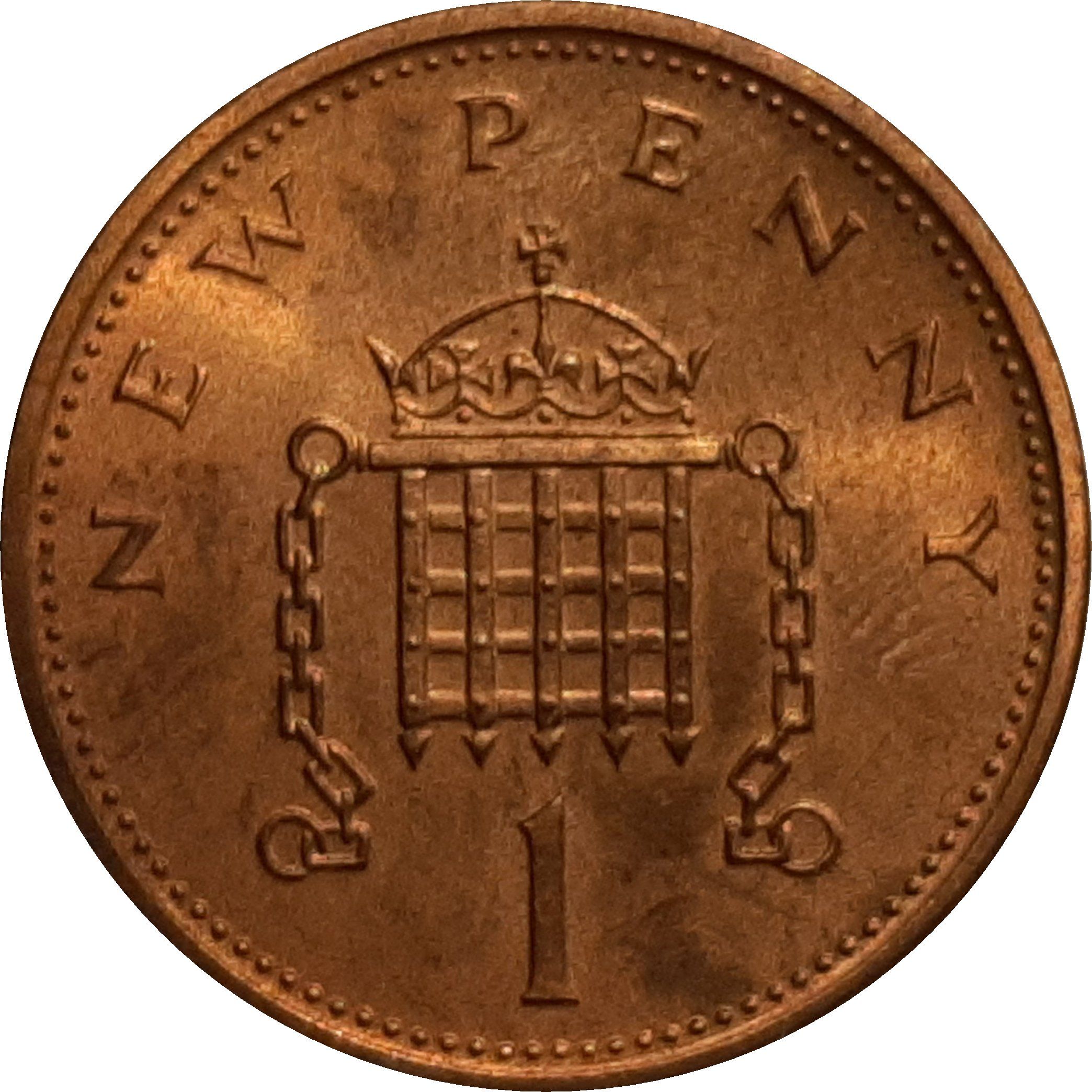
For a thousand years British currency operated on £sd, pounds, shillings, and pence, with 12 pence to a shilling, 20 shillings to a pound, and therefore 240 pence to a pound. On 15 February 1971, known as "D-Day" (Decimal Day), Britain simplified to 100 new pence per pound. Here's how it happened.
Why decimalise?
By the 1960s every major world currency had decimalised except Britain, Ireland, Malta and a few smaller holdovers. Computer-age banking and international trade made £sd increasingly painful, try multiplying £7 4s 9½d by 1.15 mentally. The Halsbury Committee recommended decimalisation in 1963, Parliament approved it in 1969, and D-Day was set for 1971.
The new coins
Four new decimal coins entered circulation before D-Day to let the public get used to them:
- 5p and 10p (1968), same size as the old 1 shilling and 2 shilling (florin), effectively interchangeable with them until the old coins were withdrawn. This deliberately smoothed the transition.
- 50p (1969), replaced the 10-shilling note.
- 1p, 2p and ½p (released on D-Day itself).
The "New Pence" inscription
All decimal coins from 1971–1981 were inscribed "NEW PENCE" on the reverse to distinguish them from the old pre-decimal pence that were still slowly working their way out of circulation. From 1982 the word "new" was dropped and replaced with the specific denomination ("TWO PENCE", "ONE PENNY").
The transition produced one of Britain's most famous modern rarities, the 1983 "New Pence" 2p mule, where a batch of proof coins was struck using the obsolete die. See our 2p values guide.
The conversion problem
6d (old sixpence) = 2½p (new). 1s (shilling) = 5p. 2s 6d (half-crown) = 12½p. Shops displayed both prices for six months. Older Britons still sometimes quoted prices in "old money" decades later. The half-penny was introduced specifically to handle the fractional conversions cleanly, then demonetised in 1984 when inflation made it worthless.
What happened to old coins?
- 1p, 2p and 3p (pre-decimal), demonetised 31 August 1971.
- Sixpence, circulated until 1980 at a value of 2½p.
- Shilling, remained legal tender as 5p until 1990 (when the 5p was redesigned smaller).
- Florin (2s), remained as 10p until 1993.
- Half-crown, demonetised in 1970, ahead of D-Day.
Did it work?
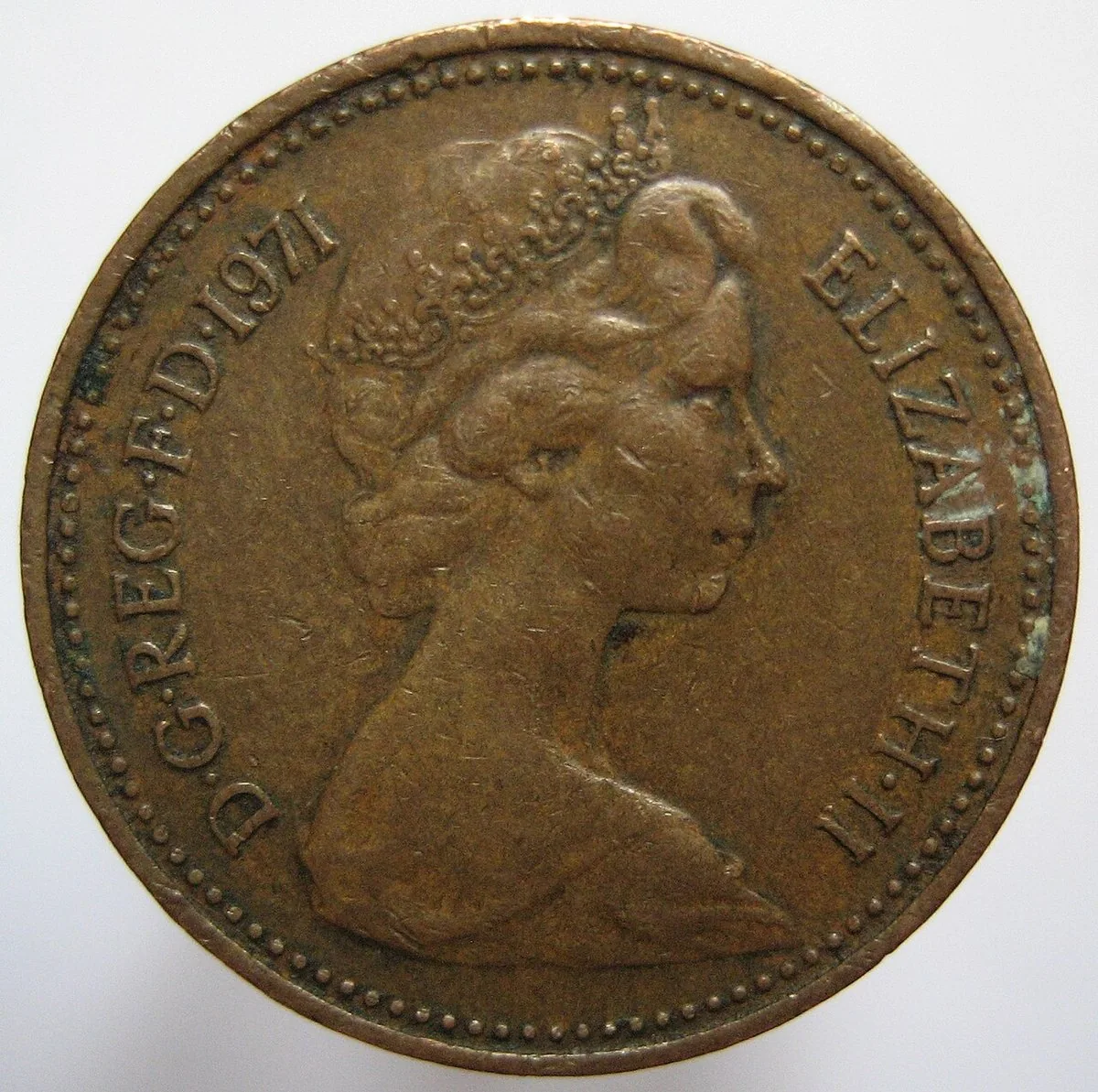
Smoothly, yes. Inflation that year was blamed on decimalisation by some commentators ("everything rounded up, not down"). In reality, UK inflation was running 9% for unrelated reasons. Within a decade the £sd system was remembered only by older people, and collectors.
Collecting pre-decimal coinage today
Pre-decimal British coins are excellent entry-level collector territory. Victorian bronze pennies can be bought in Fine grade for £2–£8. Shillings, florins and half-crowns from 1816–1970 are all widely available. See our UK coin catalogue filtered by year range.