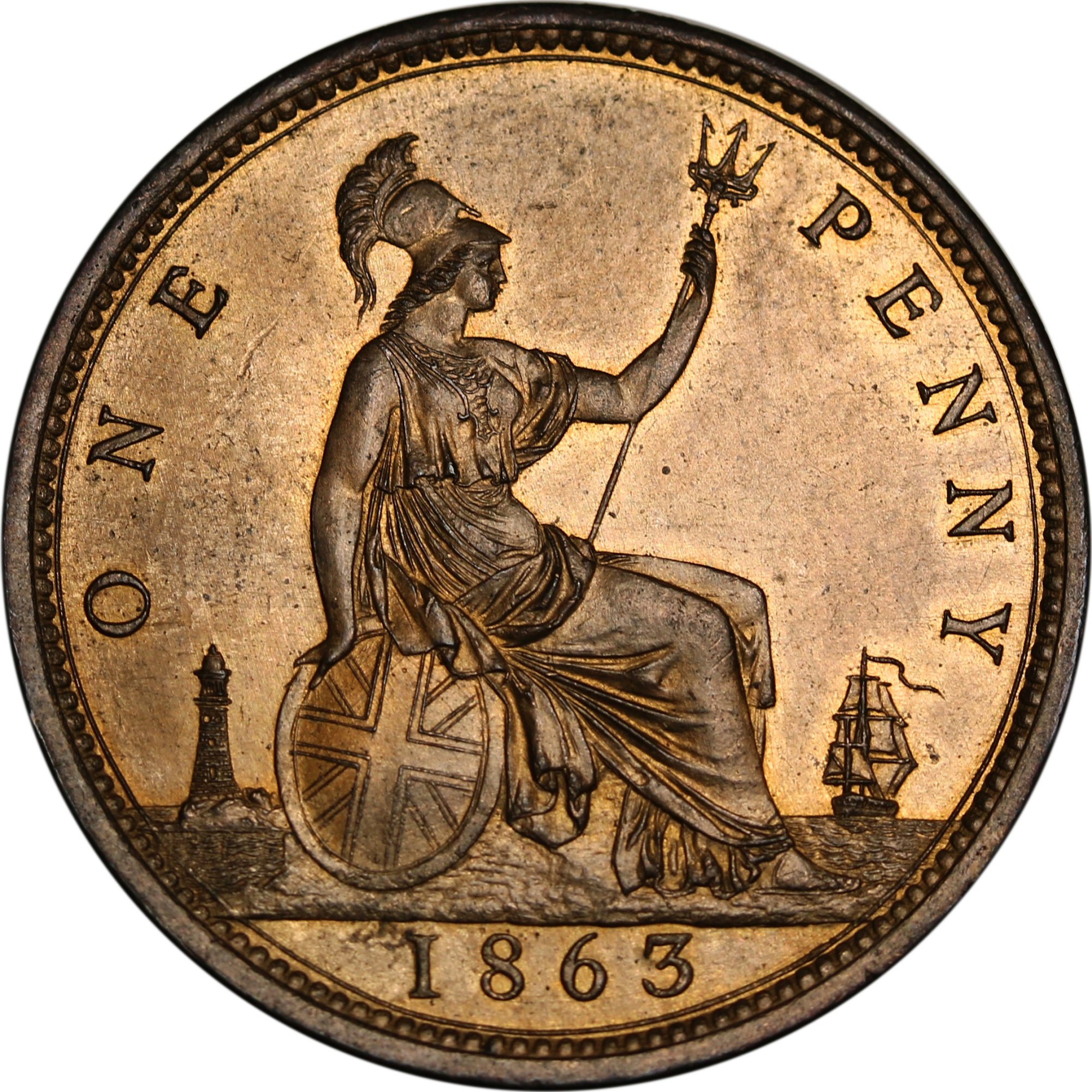
New collectors start with mintage figures. I did. In 2012, I bought a copy of Spink, highlighted every coin with a mintage under 100,000, and decided those were the ones worth chasing. It took me about a year to work out that mintage, on its own, tells you surprisingly little about how rare a coin actually is today.
The variable that matters is survival rate: what proportion of the original mintage still exists in collectable condition. A coin with a two million mintage and a 0.5 percent survival rate is rarer than a coin with a 50,000 mintage and a 90 percent survival rate. The maths is boring, the examples are not.
Where coins go to die
Between the day a coin is struck and today, it can leave the collectable population through several routes.
- Melting. Precious metal coins get melted when the spot price climbs above face value. This is the single biggest killer. More than 80 percent of Victorian silver is estimated to have been melted between 1914 and 1947 when silver was withdrawn from circulation.
- Loss. Dropped in rivers, lost down the back of sofas, buried in hoards that were never recovered. The ongoing finds logged on https://finds.org.uk show just how much is still out there in the ground.
- Heavy circulation. A coin that stays in pockets for fifty years ends up in Poor or Fair condition. It exists, but not in a grade anyone wants to buy.
- Destruction. Wartime scrap drives, mint recalls, damaged coins returned to the Bank of England for destruction.
- Export. British coins shipped overseas in trade, never returned. A surprising number of Victorian pennies spent their working lives in colonial Africa or the Caribbean.
Each of these pressures works differently on different denominations. Silver coins got melted; copper coins got worn out; gold coins got hoarded. So the survival rates vary enormously by metal and era.
The 1933 penny: mintage of seven (ish), survival rate 100 percent
The most famous example of mintage-equals-rarity in British numismatics. The Royal Mint did not strike pennies for circulation in 1933 because there were already too many pennies in the banking system. A handful were struck for ceremonial purposes, including three laid under the foundation stones of new buildings.
Exactly how many exist is debated, but seven to eight is the working number. Every known example is accounted for, in museums, institutions, or on the plinth of a long-vanished church. One of the church examples was excavated and stolen in 1970 and has never resurfaced. Our 1933 penny guide digs into the provenance question properly.
The point: every single one struck is still accounted for. Survival rate is effectively 100 percent. And yet it is one of the rarest and most valuable British coins ever made.
The 2009 Kew Gardens 50p: mintage of 210,000, survival rate near 100 percent
The opposite end of the scale. The 2009 Kew Gardens 50p had a circulation mintage of 210,000 and a proof issue of a few thousand more. That is a small mintage by modern standards but not tiny.
What makes it the most-hunted modern UK coin is that almost every single one has survived. There has been no melting pressure (it is cupro-nickel), no heavy wear (they entered circulation, were noticed by collectors within a year, and got pulled), and no loss of any meaningful quantity. Survival rate is probably 95 percent or higher.
And yet, because collectors outnumber coins roughly 50 to 1, it trades for £100 to £200 in circulated grades. Full story on the Kew Gardens 50p value page.
The 1967 penny: mintage of 650 million, survival rate unknowable
For contrast, the 1967 penny was struck in unimaginable quantities to prepare for decimalisation. Over 650 million were made. Survival rate? Extraordinarily high, because these coins were in circulation for only four years before being demonetised on 31 August 1971, and collectors hoarded them as "the last pre-decimal penny".
Worth? Pennies. Literally. A 1967 penny in average circulated condition trades for face value. The only premium comes from Brilliant Uncirculated examples with full red lustre, which reach £4 to £8 at the top end. Massive mintage, massive survival, negligible scarcity premium.
The 1905 halfcrown: mintage of 166,000, survival rate below 5 percent
Here is the one that teaches the lesson best. The 1905 Edward VII halfcrown had a mintage of just 166,000, which is small for a British silver coin of the era. It should, on paper, be a modest scarcity.
In practice, it is one of the classic British rarities. The reason is that 1905 fell in the middle of Edward VII's reign, at a point when the Royal Mint had sufficient existing halfcrown stock, so very few were actually released into circulation. Most were held in reserve, and a huge proportion were melted during the First World War silver drives. Surviving examples are almost all worn, and mint-state specimens are genuinely rare.
A Fine 1905 halfcrown trades for £300 to £500. An Extremely Fine example runs £2,000 plus. Mint State, when one appears, has crossed £20,000 at auction. That is a 100-times premium over what the mintage alone would predict, because the survival rate is tiny.
Spink's standard catalogue at https://www.spinkbooks.com is the reference I trust for pre-1947 UK silver survival estimates.
Why this matters for collectors
When you build a collection, you need to think about three numbers together:
- Mintage. The starting population.
- Survival rate. The proportion still existing.
- Collectable-grade survival. The proportion existing in grades people actually buy.
The third figure is often the most useful. A coin with a healthy overall survival rate but almost none in Extremely Fine or better becomes a condition rarity. The 1934 wreath crown is a good example: the mintage was small (932), almost all survive, but finding one above Very Fine is genuinely difficult, and the grading curve explodes the price.
To track this systematically, I use the sales filter on the coin catalogue to look at the grade distribution of realised sales for a given coin. If I see 30 sales in 12 months and 28 of them are Very Fine or worse, I know the coin is a condition rarity, even if the mintage is middling. That is usually where the investment case is.
A practical framework
When you look at a coin's mintage figure, ask yourself:
- What metal is it? Silver and gold got melted.
- What era is it? Pre-1947 British silver saw massive losses. Post-1947 cupro-nickel has near-total survival.
- Did it circulate? Coins that sat in vaults are rarer than coins that sat in pockets, once melting is accounted for.
- Was it collected at issue? Modern commemoratives have unusually high survival because collectors pulled them immediately. Older circulating issues were saved by accident, not design.
Get those four answers and you will usually know more about the coin's true rarity than the mintage figure alone could ever tell you.
Mintage is the start of the story. Survival rate is the whole story.
Eleanor