Proof sets are the most misunderstood corner of modern British collecting. Ask ten collectors whether the 1970 set is worth keeping sealed and you will get ten different answers, usually delivered with great confidence. I have been buying, selling and watching proof sets move through auction for well over a decade now, and the honest answer is: it depends on the year, the condition, and how much you want to sleep at night.
Here is the year-by-year map I wish I had been handed when I bought my first set in 2013.
What a proof actually is
Before the year guide, a quick refresher. A proof coin is not a grade; it is a method of manufacture. Proof coins are struck multiple times on specially prepared blanks using polished dies, producing the characteristic mirror field with frosted devices (on modern issues) or uniform mirror finish (on older issues). They are not meant for circulation and never have been.
The Royal Mint has produced proof sets for coronation years, decimalisation, and an unbroken annual series since 1971. Details of the current range are at https://www.royalmint.com/shop/year-sets/.
Grading proofs uses the same Sheldon scale as circulation coins, but with a PR or PF prefix. PR70 Deep Cameo is theoretical perfection. PR69 is the realistic top grade for most modern sets, and anything below PR66 starts to show visible flaws under magnification. PCGS breaks this down well at https://www.pcgs.com/grades.
If you want the mechanics of cameo, ultra cameo and the mirror field, our proof vs uncirculated vs BU guide is the one I send friends to.
The premium dates
Not all proof sets are equal. Some years command a substantial premium, some have barely appreciated since the day they were issued, and a few have gone backwards.
1953 Coronation set. The first modern proof set most collectors recognise. Ten-coin set, issued in a plastic case. Strong sentimental and historical pull. Clean original examples trade for £80 to £150, top-grade slabbed sets more. Watch for cleaned or retoned coins in reassembled cases.
1970 last pre-decimal set. The last circulating proof of £sd. Sentimental premium, huge mintages (around 750,000), so most sets are cheap. £15 to £30 for a clean original, more if the wallet is pristine. The value is historical, not scarcity.
1971 first decimal set. Even more common than the 1970 set, mintage around 350,000. Nice to own as a pair with the 1970. Not a scarcity play.
1981 Charles and Diana. Not strictly a proof set but often grouped in. Mintages were enormous, present values reflect that.
1982 small change. The first set to include the new-smaller 20p and the halfpenny being withdrawn. A quiet sleeper, often priced as bulk but historically interesting.
1996 silver proof set. This one is on my personal watch list. Lower mintage than most 1990s issues and benefits from rising bullion. Clean sets £200 plus, silver pick-up for buyers who want the metal with a side of collectability.
2008 Emblems of Britain. The last year of the original Royal Arms reverse designs. The set that finishes the Ironside era. Mintage 30,000 for the silver proof, which is tight. Prices have held steady at £200 to £300 for silver, less for base metal.
2009 Kew Gardens. The year the rare Kew Gardens 50p first appeared in a proof set, before the circulation issue kicked off the hysteria. The Kew Gardens 50p value guide has the full story. Proof sets containing the Kew reliably fetch a premium over the melt and type value of the other coins combined. Currently £250 to £450 for a clean Deluxe set with certificate.
2012 London Olympics. The set most collectors overpaid for at issue. Still below issue price in many cases. A cautionary tale about hype pricing.
2016 Last Round Pound. The final year of the round £1 before the bimetallic replacement. Historically significant, currently underpriced in my view.
2022 Queen Elizabeth II memorial. Final issue bearing Her Majesty's portrait on circulating denominations. Emotional premium, rising prices, limited mintage on the silver Piedfort.
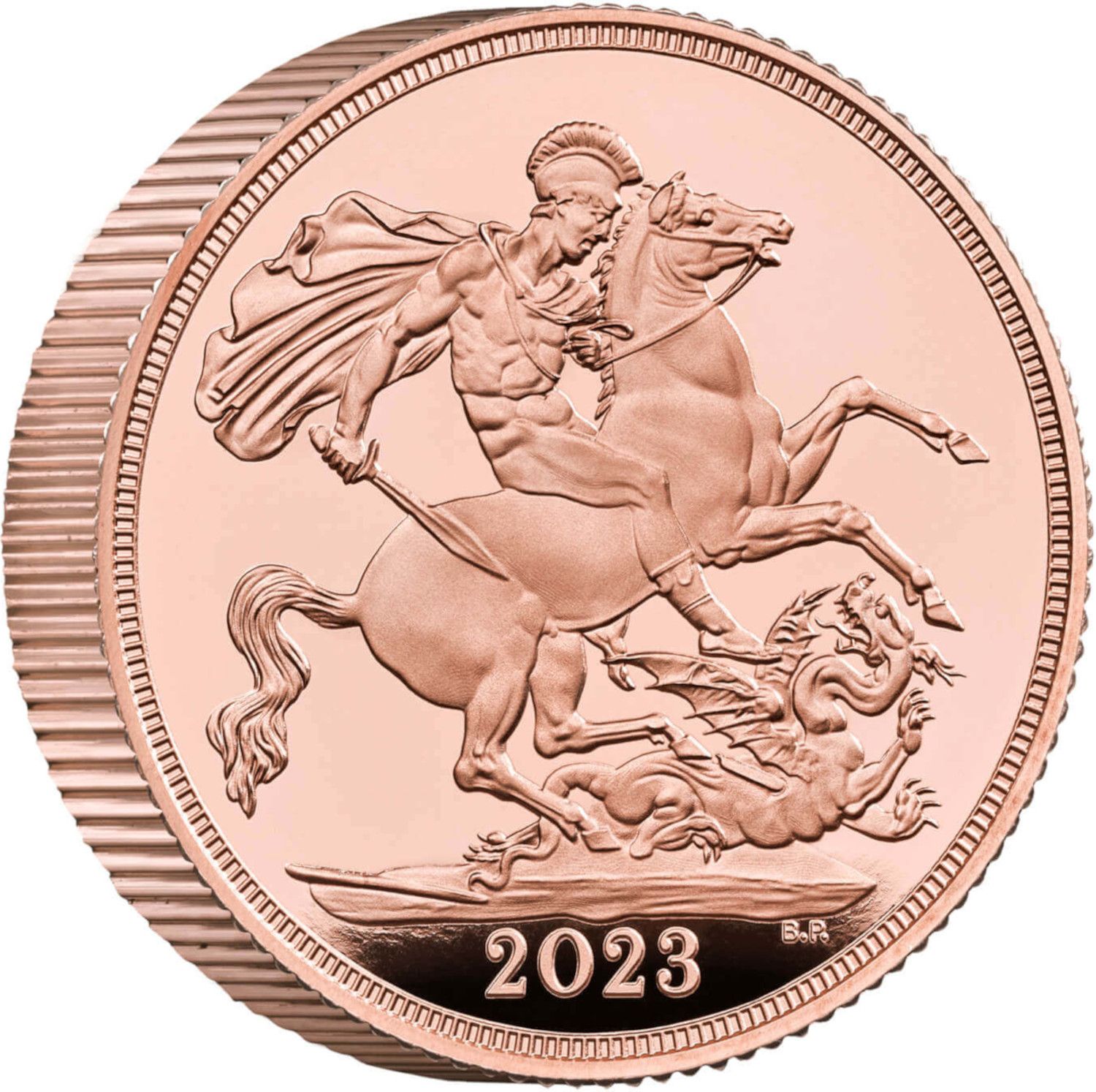
2023 Charles III first set. First circulating portrait of the new monarch. Analogous to the 1953 set in historical importance. Worth tracking at issue price for the long term.
Grading proofs, briefly
Proofs are graded on the same visible criteria as circulation coins, with particular focus on the mirror fields and the frosted devices. The killers are:
- Hairlines in the field. Caused by wiping, rubbing, or cleaning. Invisible until you tilt the coin under direct light, then catastrophic.
- Milk spots. A silver proof disease, caused by residue from the blanking process. Bright white patches that cannot be removed without damaging the mirror. PCGS discusses this at https://www.pcgs.com/news/understanding-milk-spots.
- Fingerprints. Permanent after about six weeks. Handle proofs by the edges only, or better, never handle them at all.
- Toning. Light gold or peripheral rainbow toning can add value. Dark or uneven toning almost never does.
I grade my own proofs against the MyCoinage grading guide, but for any set I am planning to sell above about £200, I prefer a PCGS or NGC slab. The grading services catch things I miss. NGC's UK submission route is at https://www.ngccoin.uk.
Should you keep them sealed?
The honest answer: yes, almost always.
An original Royal Mint presentation case with the outer sleeve, the certificate of authenticity, and the intact Royal Mint seal is worth roughly 15 to 25 percent more than a broken set with the same coins. The case and paperwork are not just nostalgia, they are provenance. Reassembled sets are sometimes used to hide coin swaps, so buyers discount them.
The only reason to crack a set is if you are sending the coins for slabbing, and even then only if the coins are genuinely high-grade enough to benefit (PR69 or better). A PR67 example is almost always worth more in its original wallet than in a plastic holder.
For tracking what a set is actually doing in the market, I dump my proof sets into the coin price tracker alongside my circulation coins. The realised-sale graph tells you far more than the Royal Mint's current issue price ever will.
Building a proof set collection
If I were starting a proof set collection today, I would aim for one clean silver proof set per decade from 1953 onwards, then add the historical anchor years: 1970, 1971, 2008, 2016, 2022, 2023. That is twelve to fifteen sets covering seventy years of British coinage history for a few thousand pounds total, which is not bad for a focused collection that will hold its value.
Skip the gimmicks. The five-coin gift packs, the limited proof Britannias with painted finishes, the novelty Piedforts. They trade below issue on the secondary market and will continue to.
Keep the cases. Keep the certificates. Do not touch the coins.
Eleanor