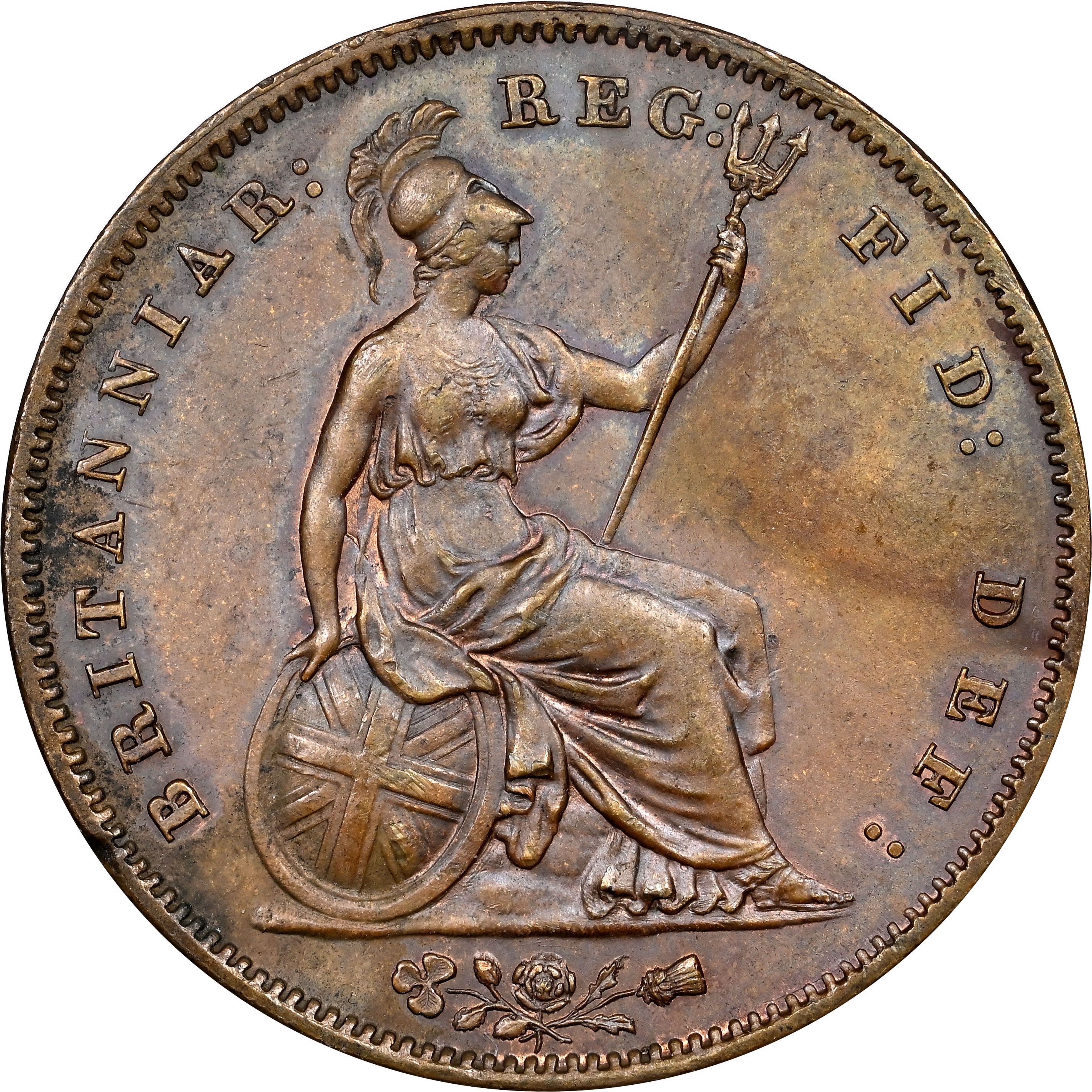
I started collecting in 2012, but I did not swing a detector in anger until a cold Lincolnshire morning four years later. The first coin I dug was a crusty copper-alloy disc the size of a penny, and I was absolutely convinced I had found a Roman sestertius. It turned out to be a worn Victorian halfpenny with a bit too much optimism behind it. That is the story of detecting in miniature: you will dig a lot of halfpennies before you dig a hammered silver groat.
This post is about what happens after the find. How do you tell what you have got, what is it actually worth, and what are you legally obliged to do before you quietly pop it in a flip?
The typical UK detecting hierarchy
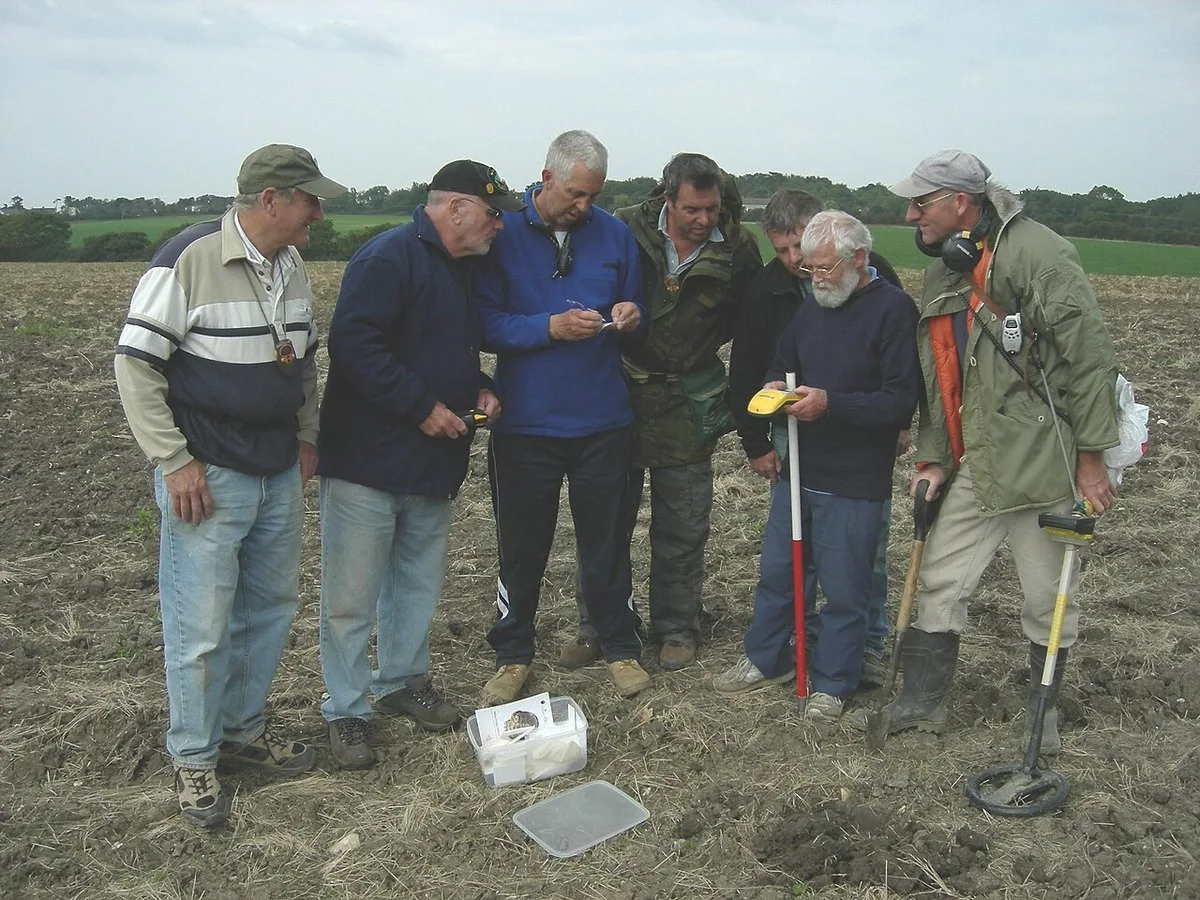
Most productive British soil will produce finds from the same handful of periods. In rough order of how often you will see them on a permission:
- Decimal and pre-decimal copper. Victorian pennies, George V halfpennies, a lot of 1967 pennies. Most are worth pence. Watch for the key dates.
- Milled silver, 17th to 19th century. Sixpences, shillings, the occasional crown. Toning from the ground is often heavy but detail can be excellent.
- Hammered silver, 13th to 17th century. Short cross pennies, long cross pennies, Edward groats, Elizabeth I sixpences. The holy grail for most weekend detectorists.
- Roman bronze. Nummi and sestertii are common on sites with Roman occupation. Silver denarii turn up less often but are not rare.
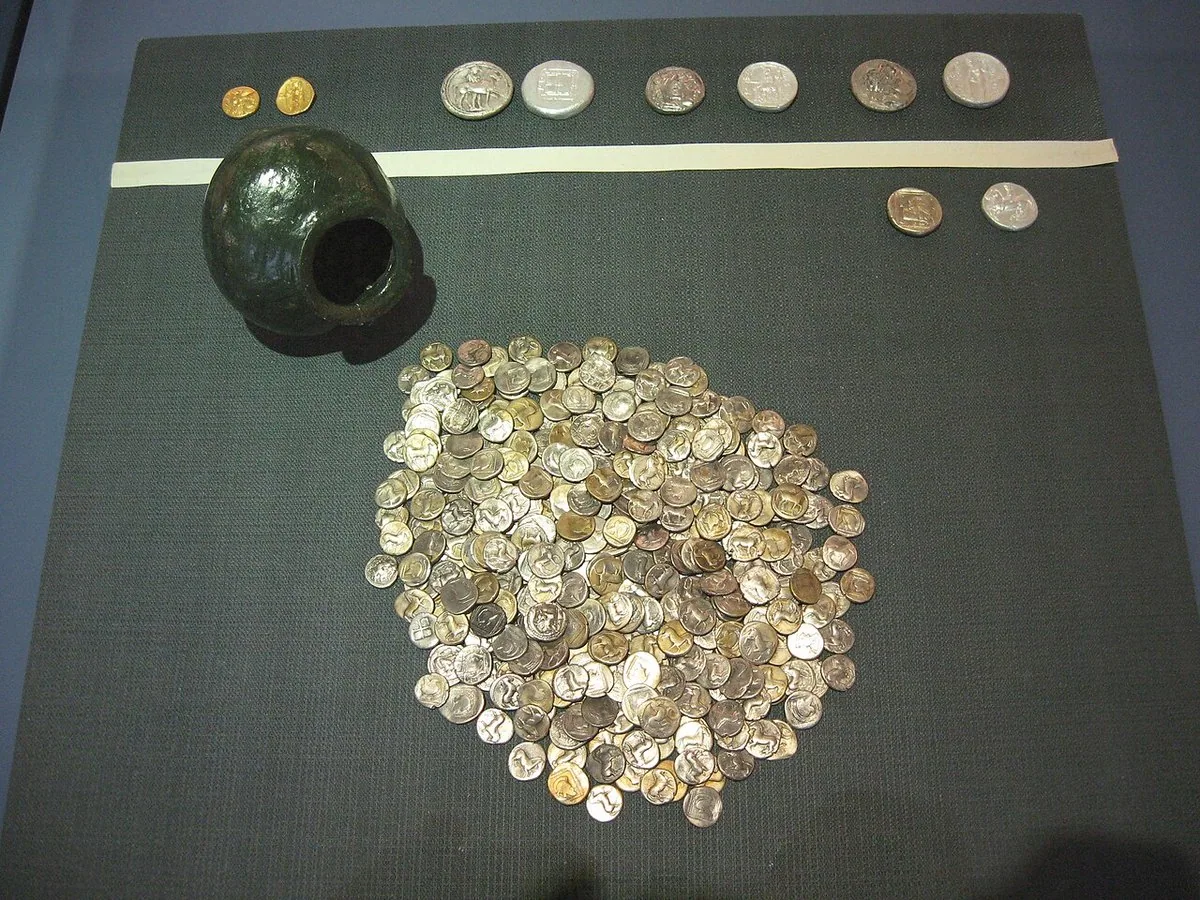
- Celtic and Iron Age. Gold staters and silver units are genuine rarities. If you dig one, stop digging and report it.
I keep a rough mental hierarchy of condition expectations too. Roman bronze is almost always crusty, hammered silver is often bent or clipped, milled silver looks grim until cleaned, and modern copper is usually the best-preserved thing you will dig all day.
The legal bits, kept short
Before any valuation conversation, two pieces of UK law matter.
The Treasure Act 1996 requires you to report any find that meets the legal definition of treasure within 14 days of realising what it is. The full text is on gov.uk at https://www.legislation.gov.uk/ukpga/1996/24/contents. In short, treasure covers single gold or silver objects over 300 years old, groups of coins over 300 years old (usually two or more precious-metal coins, ten or more base-metal coins from the same find), and a few prehistoric categories. The 2023 amendments widened the definition to catch more significant finds that fall outside the metal thresholds, so if you are unsure, report.
The Portable Antiquities Scheme handles voluntary reporting of everything that is not treasure. Every county has a Finds Liaison Officer, and the national database at https://finds.org.uk is a proper research tool in its own right. I check it constantly when I am trying to date something obscure.
Reporting is not just a legal chore. A find on the PAS database with a recorded context is worth more to a buyer than the same coin with no provenance.
Valuing detected coins in practice
Valuing a find is a three-step process for me.
Step one: identify. Get the coin clean enough to read, but no further. Warm water and a soft brush are almost always enough. Never polish, never use lemon juice, never put it in a tumbler. I have written more about this in the how to clean coins guide but the short version is that any abrasive step wipes value.
Step two: grade. Ground-dug coins sit on their own grading scale. A Fine-looking hammered penny with clean surfaces will outperform an Extremely Fine one with aggressive green corrosion. Our coin grading guide covers the Sheldon and descriptive scales, and for detected coins I mentally knock a grade off whatever the surfaces suggest, to account for the soil's influence.
Step three: price. This is where a proper tracker earns its keep. Look up the coin on the MyCoinage catalogue, filter sales by condition, and look at the last twelve months of hammer prices rather than the retail asks. I also cross-check with the Spink Coins of England standard catalogue (https://www.spinkbooks.com) for anything pre-1816. PCGS CoinFacts at https://www.pcgs.com/coinfacts is useful for milled silver in high grade, though bear in mind it skews towards American slab-graded examples.
A practical example. A worn Edward I long cross penny in ground-dug VF typically trades for £25 to £45 at UK auction. A sharp one with no clipping, no edge damage, and an identifiable mint can hit £80 to £120. A Bury St Edmunds or Berwick mint example with a clear reverse can break £200. Identification matters more than most detectorists realise.
What sells, what sits

From what I see in the realised sales data, detected coins fall into four broad bands.
- Not worth listing individually. Worn Victorian copper, crusty Georgian halfpennies, unidentifiable bronze. Bulk these into a 50-coin lot and they might make £30 total.
- £10 to £50 territory. Average hammered silver pennies, cleaner Georgian sixpences, readable Roman bronze.
- £50 to £250 territory. Attractive hammered with clear mints and moneyers, milled silver shillings in above-average ground-dug condition, scarcer Roman denarii.
- Treasure territory. Gold staters, gold quarter nobles, silver hoards. These go through the legal process and are valued by the Treasure Valuation Committee at market rate, with the payment split between finder and landowner.
Logging every find, even the halfpennies, is worth doing. I keep every coin I have ever dug in the physical coin tracker with a note of the field, the date, and the depth. Five years in, the patterns you see across a collection are genuinely interesting, and the value line at the bottom is a fair bit higher than I expected when I started.
A note on ethics
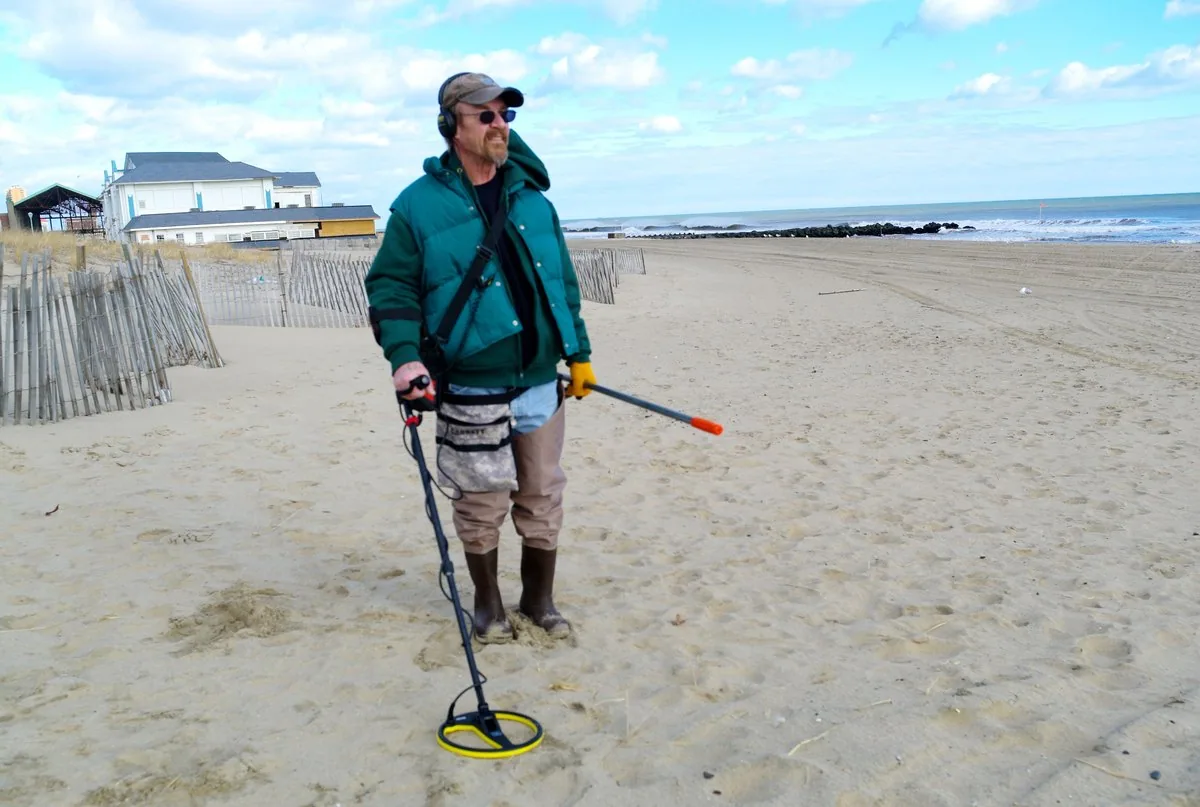
Nighthawking, detecting without permission, and detecting on scheduled monuments will sink the hobby faster than any change in legislation. Get written permission, follow the NCMD code of conduct, and report properly. The detectorists who complain loudest about losing fields are almost always the ones who cut corners. The ones who build a relationship with a farmer over a decade tend to still be detecting on the same land.
Dig responsibly, record everything, and the value takes care of itself.
Eleanor